These 12 Meaningful California Destinations Are Perfect To Visit On International Women’s Day
March 8 shows up every year with quiet power. It invites reflection. It asks for attention.
International Women’s Day is more than a date on the calendar. It is a moment to recognize resilience, creativity, leadership, and the countless ways women have shaped the world around us.
Celebration can look many different ways, but stepping into a place where women’s stories live and breathe makes the day feel personal.
California holds an extraordinary range of destinations that do exactly that. Historic homes preserve legacies. Museums amplify voices that were once overlooked.
Cultural centers spotlight movements that changed entire communities. Even national parks carry chapters of women’s determination woven into their landscapes.
These are not just stops on a map. They are spaces filled with lived experience, bold decisions, and lasting impact.
Whether you are planning a reflective solo visit or gathering friends for something meaningful, these destinations across California offer more than sightseeing.
They offer perspective. They offer connection. They offer stories that deserve to be heard.
1. California Museum, Sacramento
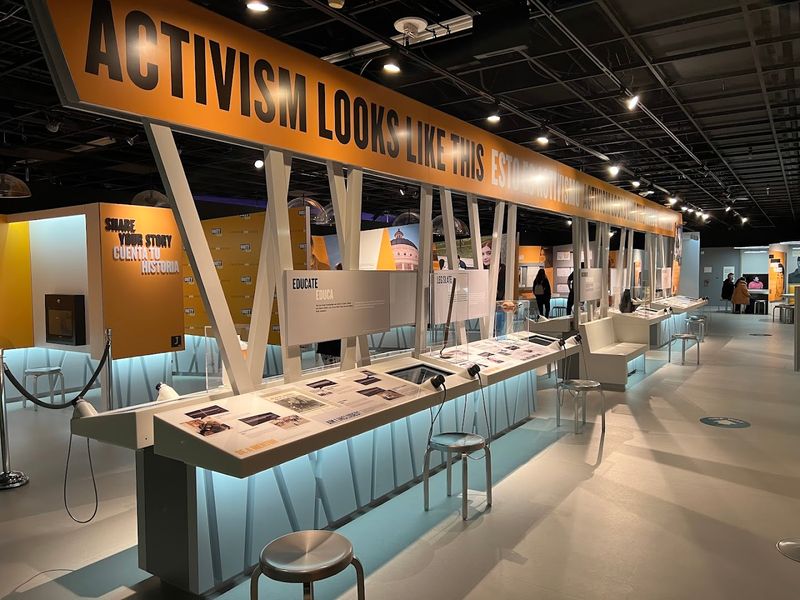
Tucked into the heart of downtown Sacramento, the California Museum holds one of the state’s most thoughtful collections dedicated to the people who shaped California’s identity.
The museum is located at 1020 O Street, Sacramento, CA 95814, just steps away from the State Capitol building.
Inside, the California Hall of Fame features a dedicated section honoring women who made lasting contributions across fields including science, politics, arts, and athletics.
The lighting inside is warm and the layout is easy to navigate, which makes it a comfortable space for visitors of all ages.
Exhibits rotate throughout the year, so returning visitors often find something new to explore alongside the permanent displays.
On International Women’s Day, the museum tends to draw visitors who are specifically interested in the stories of trailblazing California women, and the space feels particularly resonant on that date.
Admission prices are modest, and the museum is generally accessible by public transit from central Sacramento.
Spending a few hours here could offer a strong sense of just how many women quietly and powerfully built the California that exists today, often without receiving the recognition they deserved during their own lifetimes.
2. Dolores Huerta Foundation, Bakersfield
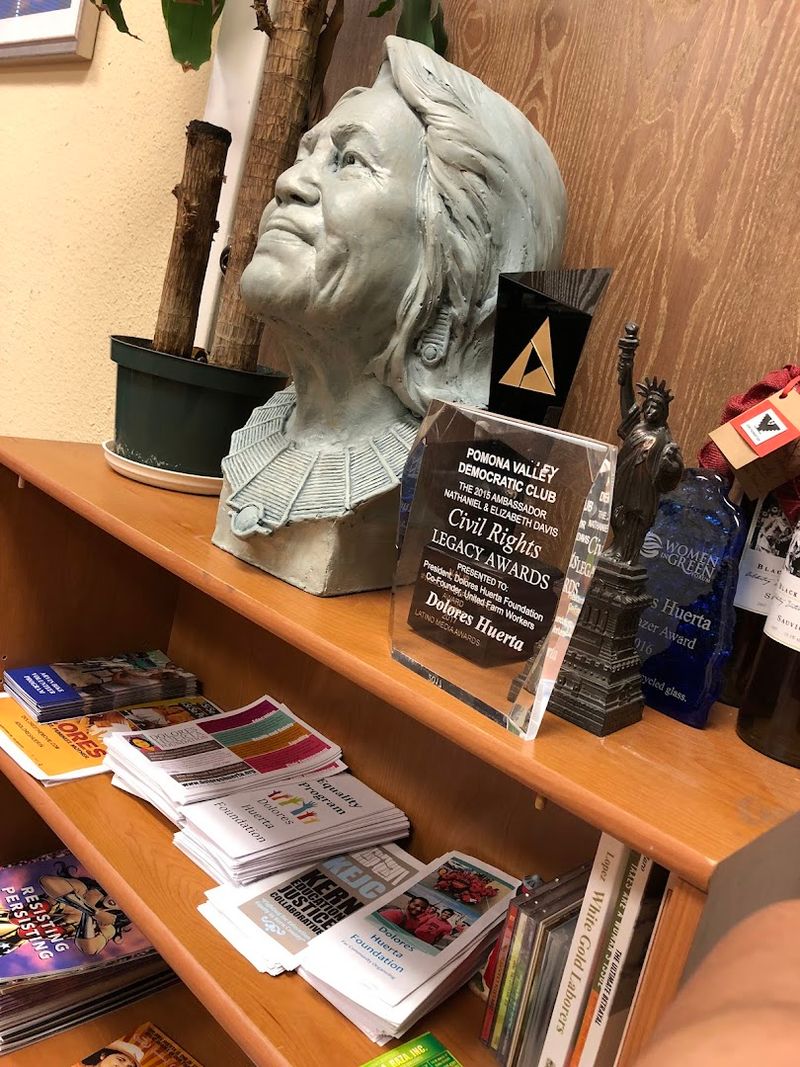
Dolores Huerta spent decades fighting for farmworkers’ rights alongside Cesar Chavez, and her name became synonymous with the phrase that fueled a movement.
The Dolores Huerta Foundation is based at 1201 24th St Ste D200. Bakersfield, CA 93301, and serves as an active community organizing hub rather than a static exhibit space.
Visiting here offers a different kind of experience compared to a traditional museum, because the foundation is still doing the work it was built to do.
The organization focuses on leadership development, civic engagement, and advocacy in underserved communities, and guests who reach out in advance can sometimes arrange educational tours or attend community events.
The energy of the place reflects the ongoing nature of the mission rather than a finished chapter in history.
For anyone who wants to understand what grassroots organizing actually looks like on the ground, this destination carries a kind of authenticity that is hard to replicate.
Bakersfield itself is a working city with a strong agricultural heritage, and visiting the foundation within that context adds meaning to every conversation and display.
Checking the foundation’s official website before visiting is recommended, as availability and programming could vary depending on the time of year and current community projects.
3. Angel Island Immigration Station, Tiburon
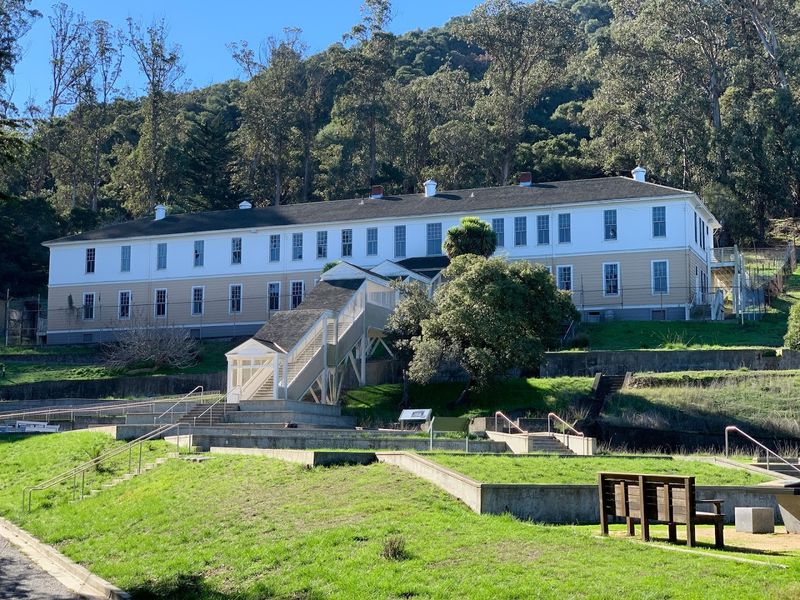
Sitting in the middle of San Francisco Bay at VHCF+3C Tiburon Belvedere, Tiburon, CA 94920, Angel Island holds a history that many visitors find unexpectedly moving.
The Angel Island Immigration Station processed hundreds of thousands of immigrants between 1910 and 1940, and a significant number of those arrivals were women and children who waited in the wooden detention barracks for weeks or even months.
Their stories are embedded into the walls of the buildings, sometimes literally, in the form of poems carved by detainees who had no other way to express what they were enduring.
Getting to the island requires a short ferry ride from Tiburon or San Francisco, and that crossing itself sets a particular tone for the visit.
The isolation of the bay, the view of the city in the distance, and the quiet of the island all work together to create a reflective atmosphere that is hard to manufacture elsewhere.
Guided tours of the immigration station are available and are strongly recommended for first-time visitors, as the context provided by knowledgeable guides significantly deepens the experience.
Women who came through this station often faced additional scrutiny and barriers, and understanding their specific journey adds an important layer to what International Women’s Day is meant to honor.
4. The Women’s Building, San Francisco
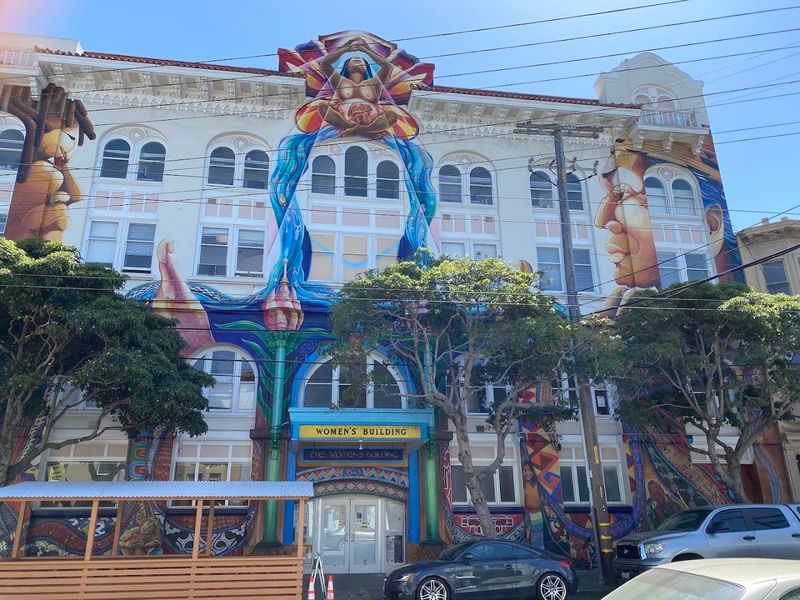
One of the most visually striking buildings in San Francisco stands on 18th Street in the Mission District, and it has been a center of women’s community life since 1979.
The Women’s Building is located at 3543 18th Street #8, San Francisco, CA 94110, and its exterior is covered by a massive mural called MaestraPeace, painted by seven women artists in 1994.
The mural features dozens of women from history and mythology, rendered in bold color that covers nearly every inch of the building’s outer walls.
Inside, the building houses nonprofit organizations, hosts community events, and provides meeting space for groups working on issues related to women’s health, rights, and leadership.
The atmosphere inside is active and purposeful, with a sense that real conversations and real decisions happen here regularly.
Visiting on International Women’s Day could mean encountering community programming or events, so checking the building’s calendar ahead of time is a good idea.
Even without a scheduled event, simply standing outside to take in the mural is an experience worth making time for.
The Mission District neighborhood surrounding the building is walkable and full of cultural depth, making it easy to extend the visit into a longer afternoon of exploration.
5. Oakland Museum Of California, Oakland
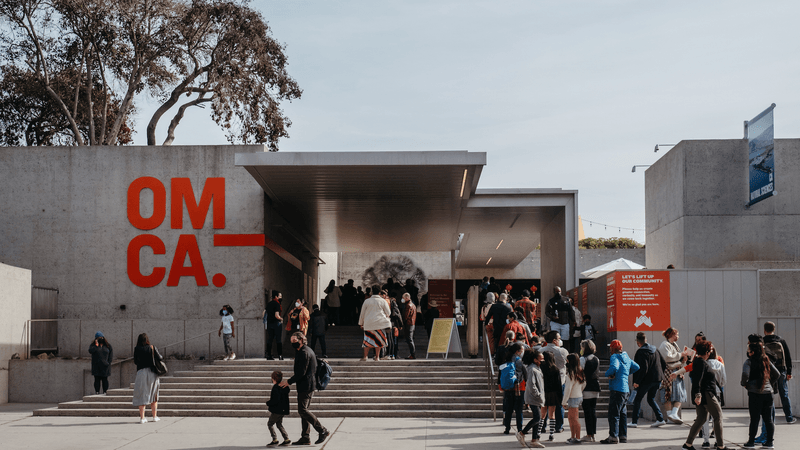
The Oakland Museum of California has long been considered one of the most community-centered museums in the state, and its approach to storytelling consistently makes space for perspectives that are often underrepresented in more traditional institutions.
Located at 1000 Oak Street, Oakland, CA 94607, the museum sits near Lake Merritt and covers California’s art, history, and natural sciences across multiple gallery levels connected by terraced gardens.
Women’s stories appear throughout the history wing in particular, woven into the larger narrative of how California developed over time.
The museum’s programming is dynamic and tends to respond to current cultural conversations, which means visiting around International Women’s Day or Women’s History Month could coincide with special exhibits or community events.
The outdoor garden spaces between the levels offer a pleasant place to pause and take in the surroundings between galleries.
Oakland itself has a rich history of women’s activism and leadership, and the museum reflects that energy in the way it frames California’s past.
Admission is charged, with discounts often available for students, seniors, and families.
The museum is accessible by public transit from downtown Oakland, and the surrounding Lake Merritt neighborhood is walkable and full of additional points of interest for those who want to extend their visit into the evening.
6. The Autry Museum Of The American West, Los Angeles
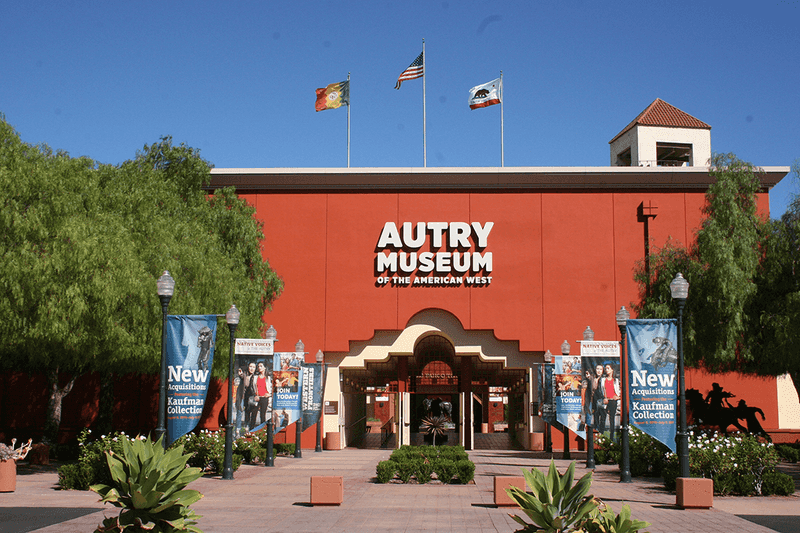
Nestled at the edge of Griffith Park in Los Angeles, the Autry Museum of the American West tells the story of the region through a wide and inclusive lens that actively works to include voices that traditional Western narratives often left out.
The museum is located at 4700 Western Heritage Way, Los Angeles, CA 90027.
Its permanent and rotating collections regularly feature the stories of Indigenous women, Latina women, Black women, and other groups whose contributions to the American West are still being fully documented and understood.
The galleries are spacious and well-lit, with a mix of art, artifacts, and interpretive displays that move between centuries without losing the thread of the larger story.
Visitors who arrive with curiosity about women’s roles in shaping the West will find plenty of material to engage with, from photographs to textiles to personal objects that belonged to real historical figures.
The museum is open Tuesday through Sunday, and weekday visits tend to offer a quieter, more unhurried pace.
Griffith Park itself surrounds the building, so combining a museum visit with a walk through the park makes for a full and varied day.
Admission fees apply, and checking the museum’s website for current hours and any special programming is recommended before visiting.
7. La Plaza De Cultura Y Artes, Los Angeles
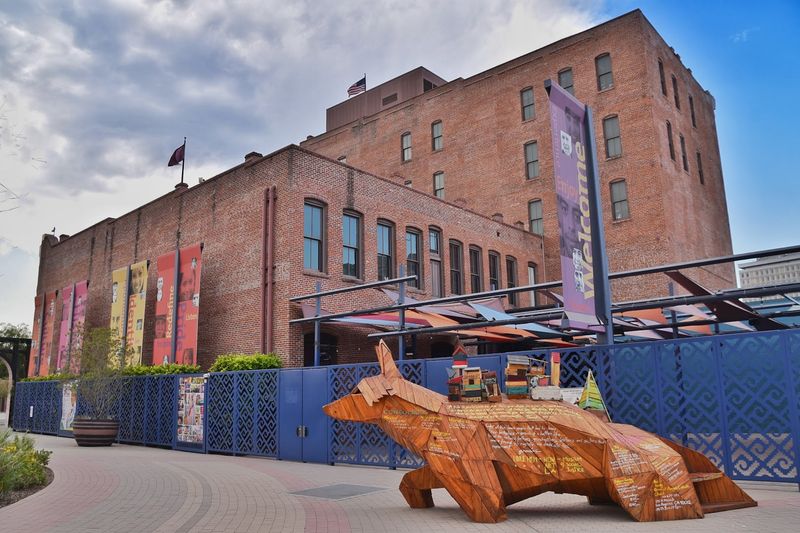
A few blocks from the oldest part of Los Angeles, La Plaza de Cultura y Artes stands as a cultural anchor for the Mexican and Mexican American community in Southern California.
Located at 501 North Main Street, Los Angeles, CA 90012, the campus occupies a historic section of the city near Olvera Street and City Hall, and its exhibits trace the deep and layered history of Mexican Americans in California from the Spanish colonial period to the present day.
Women appear throughout those exhibits as mothers, activists, artists, and laborers whose labor and creativity shaped the region in ways that are only now being fully acknowledged.
The outdoor spaces at La Plaza are open and inviting, with murals and public art installations that give the campus a lived-in, community-centered feel.
Events and programming happen regularly, particularly around cultural observances, so visiting in early March could mean encountering something specifically organized around women’s stories or International Women’s Day.
Admission to the general campus is free, though some special exhibitions may carry a fee.
The surrounding neighborhood is historically significant and walkable, with Olvera Street just steps away offering additional context about the city’s earliest days.
La Plaza tends to be welcoming to visitors of all backgrounds and ages, with a tone that feels educational without being formal or stiff.
8. Mendocino Coast Botanical Gardens, Fort Bragg
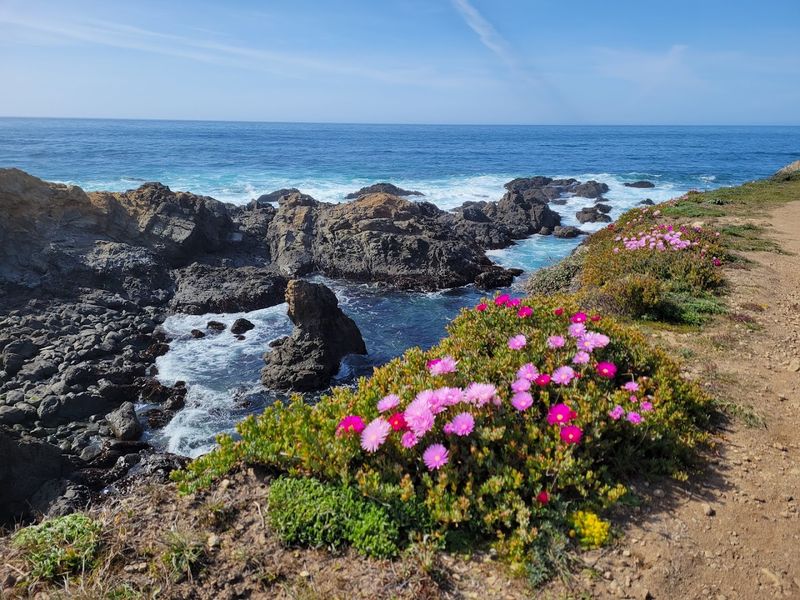
Not every meaningful destination needs to be a museum or a monument.
The Mendocino Coast Botanical Gardens in Fort Bragg, California, offers a different kind of reflection, one that unfolds slowly along winding paths through coastal bluffs, rhododendron forests, and native plant collections that stretch all the way to the Pacific Ocean.
The gardens are located at 18220 CA-1, Fort Bragg, CA 95437, and the setting is genuinely unlike anything else on the California coast.
Walking through the gardens on a clear March morning carries a particular quality of light that feels almost meditative.
The sound of the ocean grows louder as paths approach the bluff edge, and the scale of the landscape has a way of quieting the mind without requiring any effort.
For International Women’s Day, the gardens offer a space for personal reflection alongside the more structured historical experiences found at museums and monuments.
Many of the women being honored on March 8 spent their lives fighting for access to beauty, rest, and dignity, and spending a quiet hour in a place this lovely feels like a small act of honoring that fight.
Admission fees apply, and the gardens are generally open daily, though hours could vary seasonally so checking in advance is wise.
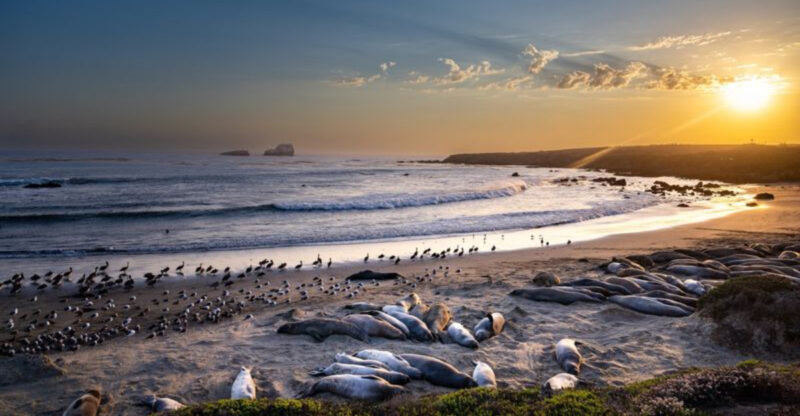
9. Hearst Castle, San Simeon
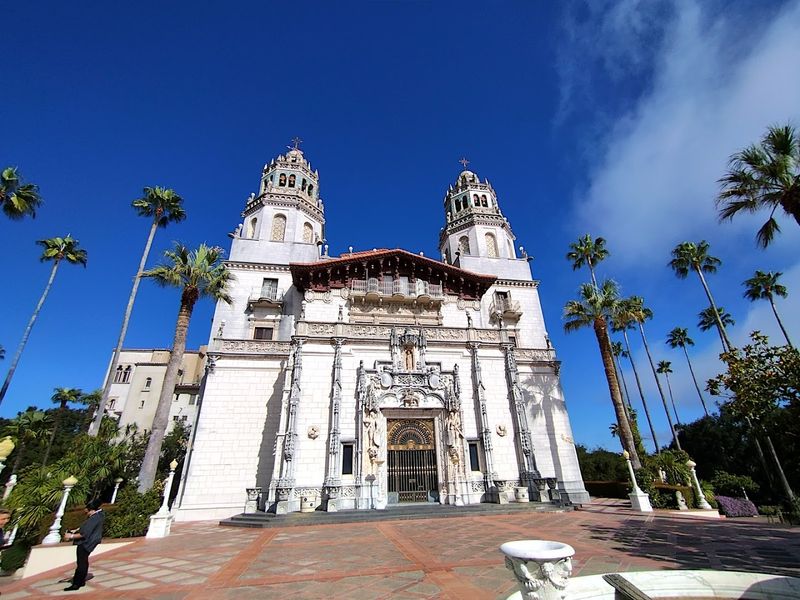
Perched on a hilltop above the Pacific Coast Highway in San Simeon, Hearst Castle is one of California’s most recognizable landmarks, and the story behind it involves a woman whose influence is rarely given its full due.
Julia Morgan, one of the first women to earn an architecture degree from the Ecole des Beaux-Arts in Paris, designed every inch of the estate over a period of nearly three decades.
Her technical skill and artistic vision are visible in every room, every terrace, and every tiled pool on the property.
The castle is located at 750 Hearst Castle Road, San Simeon, CA 93452, and tours are required to access the interior spaces, with several different tour options available depending on visitor interest and physical ability.
The grounds are expansive and the views from the hilltop stretch across the coastal mountains and down to the ocean, offering a sense of scale that photographs rarely capture.
Visiting Hearst Castle through the lens of Julia Morgan’s achievement transforms the experience from a tour of opulence into something closer to a study in perseverance and professional mastery.
Tours should be booked in advance through the official California State Parks reservation system, as popular times fill up quickly, particularly during spring and holiday periods.
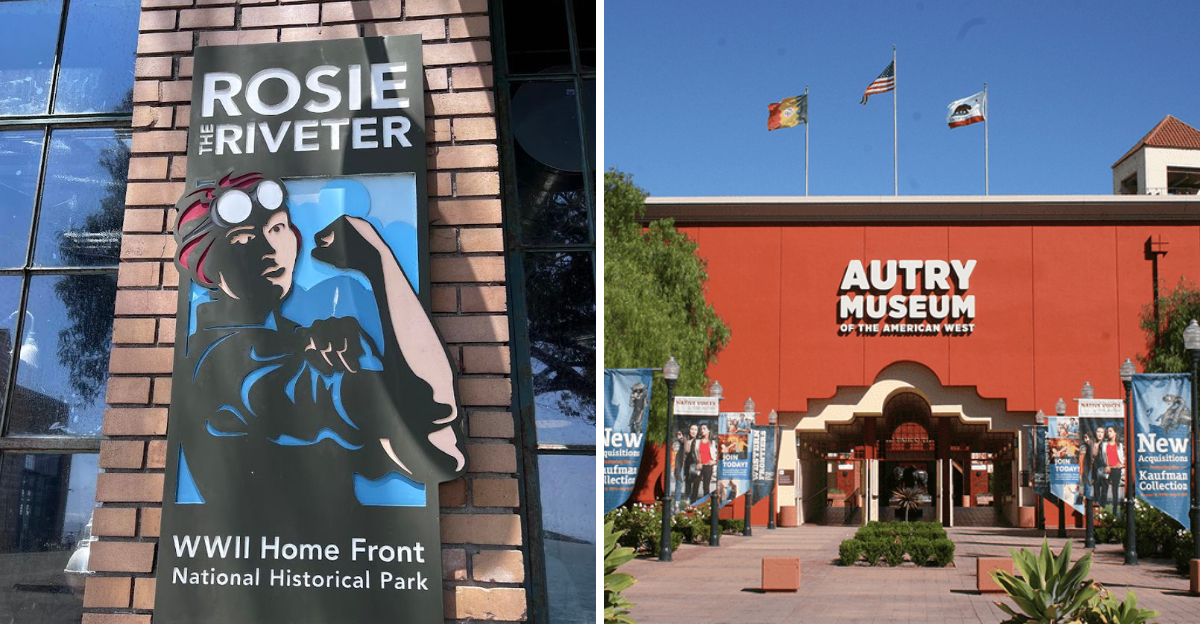
10. Rosie The Riveter/World War II Home Front National Historical Park, Richmond
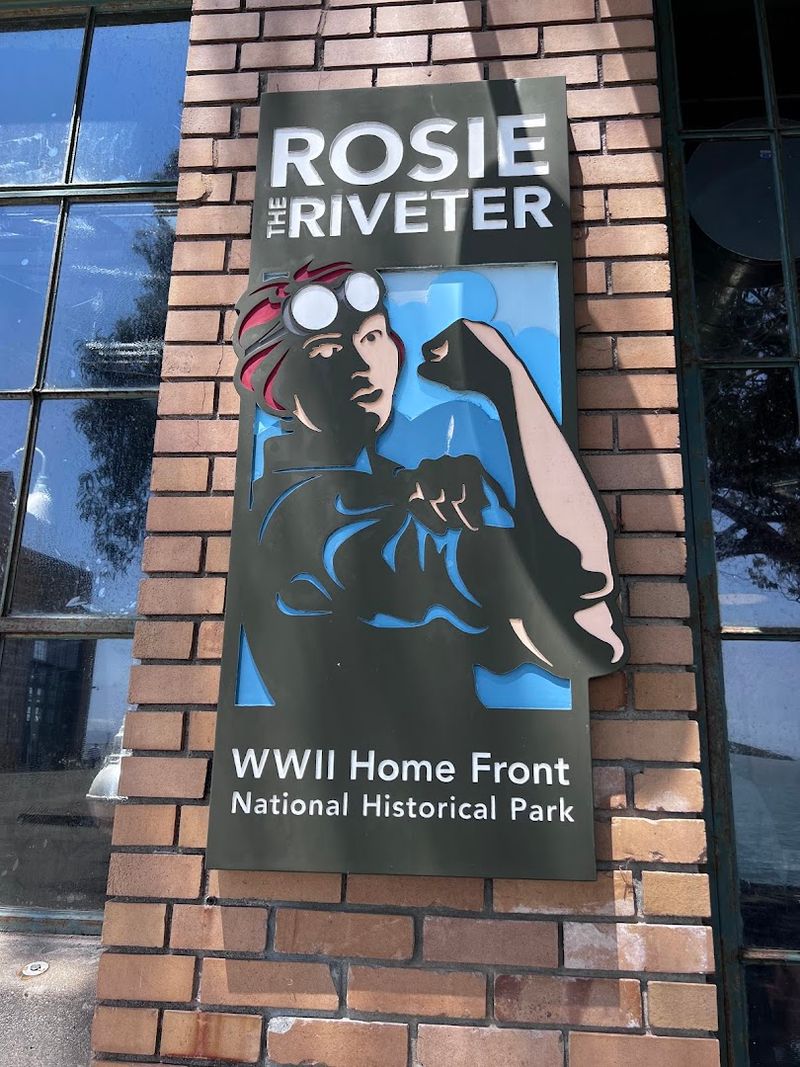
Few places in the country capture the wartime spirit of American women quite like the Rosie the Riveter/World War II Home Front National Historical Park in Richmond, California.
The visitor center is located at 1414 Harbour Way South #3000, Richmond, CA 94804, inside the historic Ford Assembly Building right along the waterfront.
Walking through the exhibits feels grounded and honest, with real photographs, recorded oral histories, and artifacts that belonged to actual women who worked in the shipyards during the 1940s.
The stories here are not abstract or distant.
Visitors can hear firsthand accounts from women who left their homes to take on jobs that had never been open to them before, and the weight of those voices is something that stays with a person long after the visit ends.
The park tends to be less crowded on weekday mornings, which could make for a more reflective experience.
Admission to the visitor center is free, and the outdoor trail areas around the park are also open to the public.
Parking is generally available nearby, and the waterfront setting adds a calm, open quality to the visit that feels fitting for a place dedicated to resilience.
11. Cesar Chavez National Monument, Keene
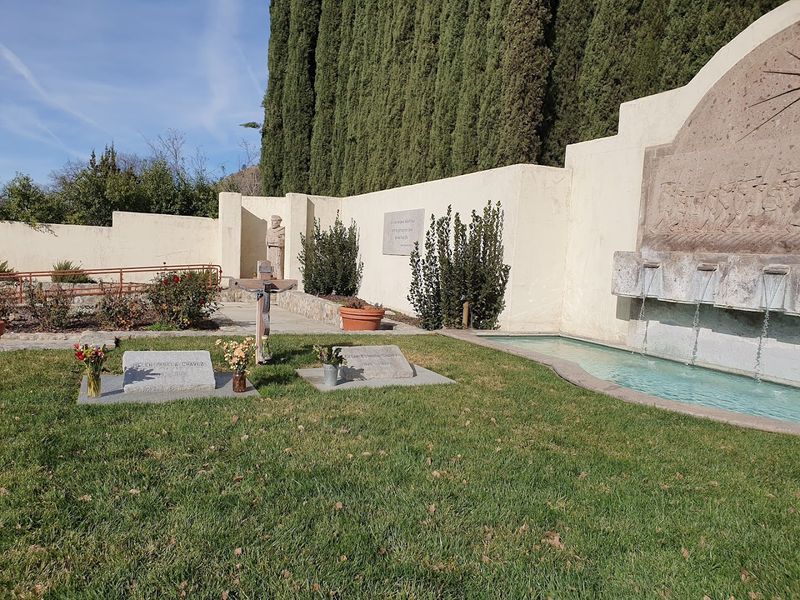
About an hour southeast of Bakersfield in the Tehachapi Mountains, the Cesar Chavez National Monument at 29700 Woodford-Tehachapi Rd, Keene, CA 93531 preserves the site where the United Farm Workers movement grew from a small organizing effort into a national force for labor rights.
What many visitors discover when they arrive is that Dolores Huerta was co-founder of the UFW alongside Chavez, and the monument’s exhibits and interpretive materials reflect her central role in the movement’s history and success.
The site includes La Paz, the former UFW headquarters, along with the Chavez family home, a garden, and the graves of both Cesar Chavez and his wife Helen.
The landscape is quiet and spare, with dry hills and wide sky giving the location a kind of austere dignity that feels appropriate to the stories it holds.
The monument is managed by the National Park Service and is generally open to visitors during daylight hours, with the visitor center providing context through exhibits and ranger programming.
Admission is free. Getting there requires a car, as the location is rural and not served by public transit.
The drive itself passes through agricultural land that gives visitors a visual sense of the terrain where farmworkers labored for generations, adding quiet depth to the visit before it even begins.
12. Sonoma Plaza, Sonoma
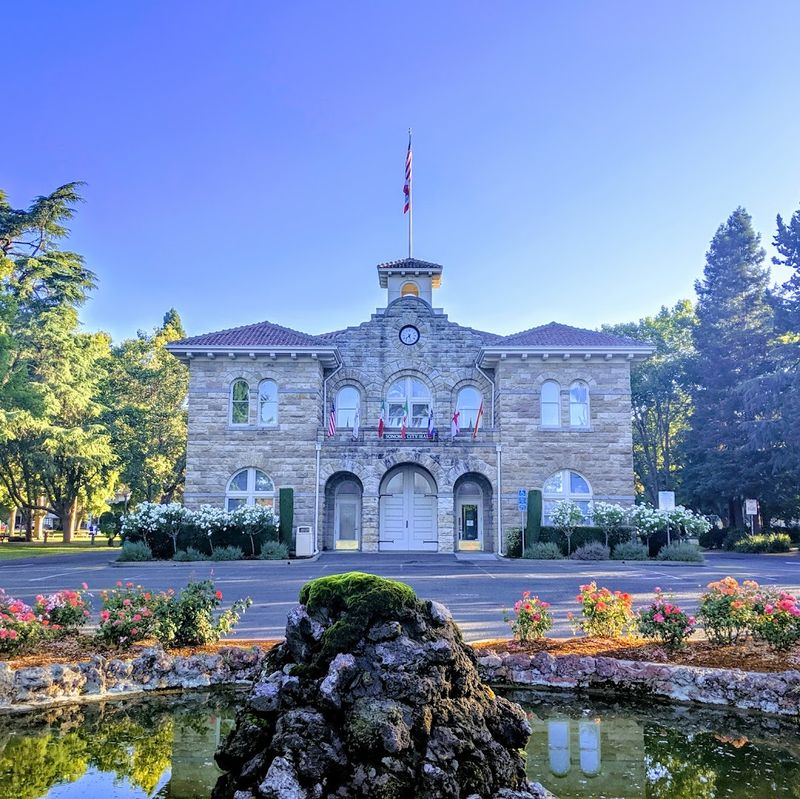
Sonoma County holds a distinction that not many places in the country can claim: it is widely recognized as the birthplace of Women’s History Month, which grew out of a local celebration begun in the late 1970s.
Sonoma Plaza sits at at 453 1st St E, Sonoma, CA 95476, and serves as the social and civic heart of a community with deep roots in women’s advocacy and cultural preservation.
The plaza is surrounded by historic adobe buildings, small shops, and restaurants, with the old Sonoma City Hall anchoring one end of the open green space.
Walking around the plaza on International Women’s Day carries a specific kind of resonance knowing that the nationwide observance of women’s history in March traces its roots back to this county.
The scale of the plaza is human and unhurried, with benches and open lawns that invite visitors to slow down rather than rush through.
Sonoma is located about an hour north of San Francisco and is easily accessible by car.
The town tends to be quieter on weekday visits compared to weekends, when wine country tourism picks up significantly.
Surrounding the plaza are locally owned businesses and historic sites that reward a full afternoon of wandering, and the overall atmosphere is relaxed in a way that feels genuinely welcoming rather than performatively charming.