These Michigan Finnish Towns Keep Their After Sauna Meal Tradition Front And Center
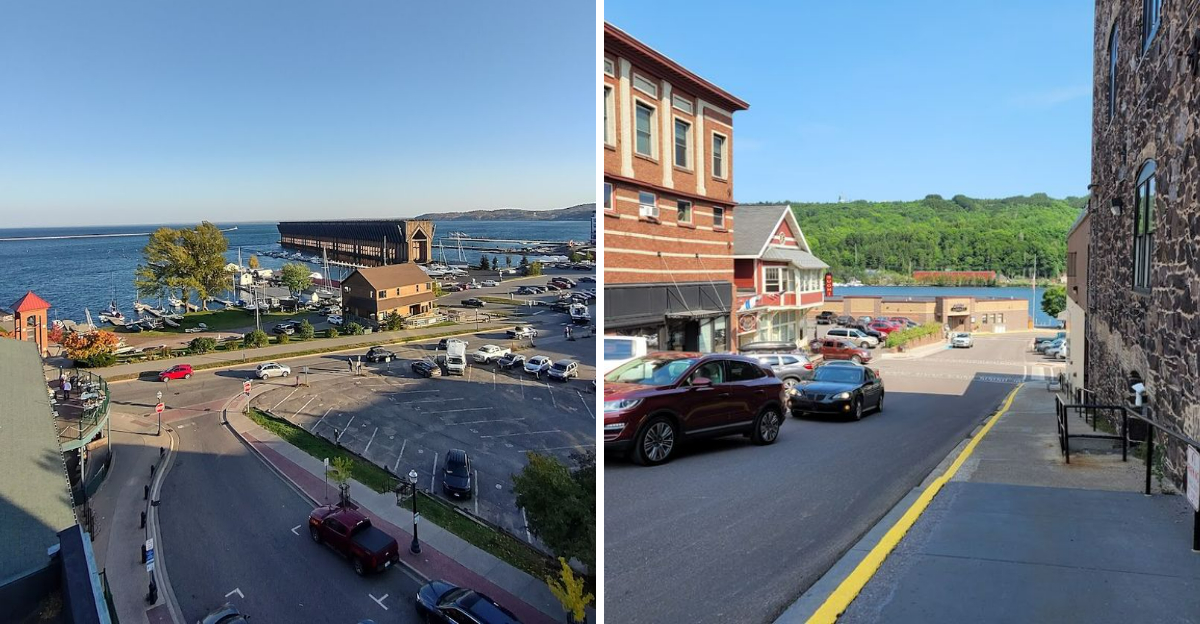
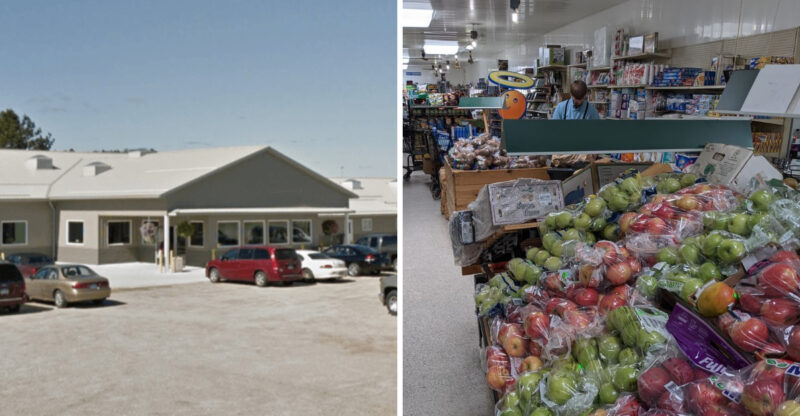
I almost drove past it without stopping. Small town, one main road, nothing that screams “pull over.” But the smell coming from a little hall changed everything.
Woodsmoke, something buttery, something warm. Inside, a dozen people sat around tables in towels and flannels, plates piled high, nobody in a hurry.
A woman told me this happens every week. Has happened for over a hundred years.
This is what Michigan’s Finnish communities built and never let go. While the rest of the state chases the next food trend, these small Upper Peninsula towns have been quietly protecting one of the most honest eating rituals in America.
You eat after the sauna. Everyone eats together.
That is the whole rule.
1. Hancock
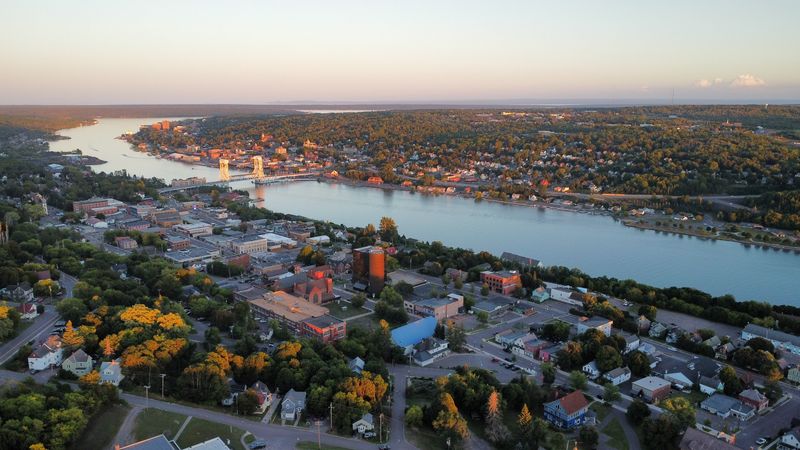
Few places wear their Finnish roots as proudly as Hancock does. Sitting right across the Portage Canal from Houghton, this small city has a personality that punches well above its size.
The Finnish influence here is not something preserved behind glass. It shows up in everyday life, especially in the way people gather, relax, and eat after a sauna.
Sauna culture runs deep in Hancock, shaped by generations of Finnish immigrants who made this part of Michigan their home. Places like Takka Portage Saunas reflect that tradition, offering wood-fired sauna experiences that stay true to the original spirit.
The rhythm feels familiar. Heat, cool down, then sit down to eat something warm and satisfying.
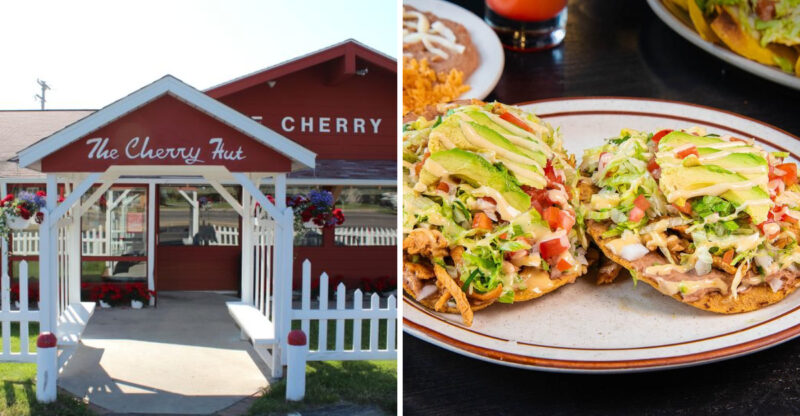
Across the region, foods like pannukakku and nisu remain closely tied to these moments. The baked pancake is soft and slightly sweet, while the cardamom-spiced bread brings a comforting, familiar flavor that fits perfectly after a sauna.
These are not dishes made for show. They are part of a routine that values simplicity and consistency.
Hancock sits at the heart of Keweenaw Peninsula Finnish culture, and that identity still feels natural rather than staged. The food is straightforward, the atmosphere is relaxed, and the experience is built around time spent together.
Nothing feels rushed, and that is exactly what makes it work.
2. Calumet
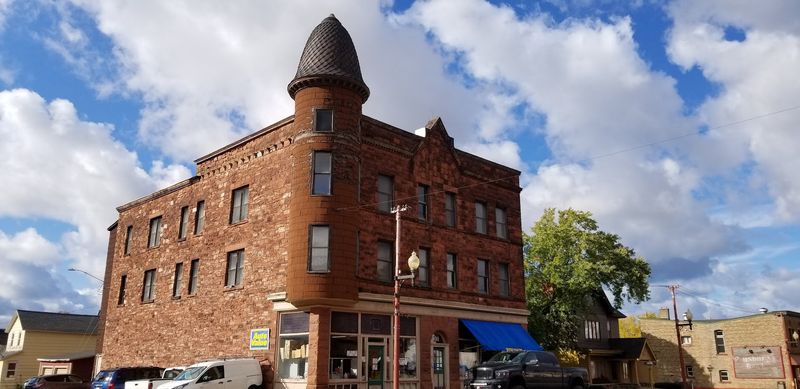
Calumet carries a kind of quiet dignity that you feel the moment you arrive. This town was once a booming copper mining hub, and Finnish immigrants became a defining part of that story in the late 1800s.
Their influence is still easy to recognize, not through displays or monuments, but through everyday routines that have stayed consistent over time.
Sauna culture has long been part of life in this area, especially during the colder months when it naturally becomes a place to gather and reset. Across the region, the pattern tends to follow a familiar rhythm.
Time in the sauna, a step out into the cold air, then a slow transition into a shared meal that feels just as important as the heat itself.
Food connected to these moments reflects the same practical mindset. Dishes like mojakka, a simple and hearty Finnish-style stew, are often associated with Finnish-American cooking traditions in the Upper Peninsula.
Alongside it, you will find rye bread, baked goods, and other straightforward recipes that rely on basic ingredients prepared with care.
Calumet is recognized as a National Historic Landmark District, centered around Fifth Street, Calumet, MI 49913. The town takes its history seriously, but nothing feels forced or overly preserved.
The traditions that matter most continue in a natural way, passed through families and small community gatherings.
What stands out in Calumet is not just the history itself, but how quietly it continues. The pace is slower, the meals are shared, and the experience feels grounded in something that has not needed to change.
3. Dollar Bay
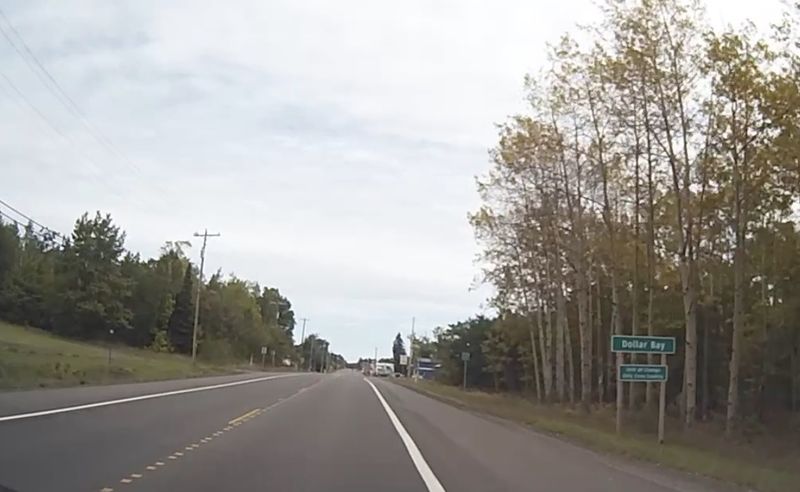
Dollar Bay does not get as much attention as its neighbors, and honestly, that is part of its appeal. This small community along Portage Lake moves at a quieter pace, shaped by the same regional influences that define much of the Keweenaw Peninsula.
Finnish heritage is part of that story, and it continues to show up in everyday routines, especially around time spent in the sauna and at the table afterward.
Across this part of the Upper Peninsula, the rhythm feels consistent. Time in the sauna is followed by a slower moment indoors, where food becomes part of the experience rather than an afterthought.
The focus is not on presentation or variety, but on something warm, filling, and familiar.
Dishes like kalakeitto, a creamy Finnish-style fish soup, are often associated with these traditions. Made with simple ingredients and served hot, it reflects the kind of practical cooking that fits naturally into colder climates.
Alongside it, you might find fresh bread, butter, or other straightforward sides that complete the meal without complicating it.
The area around Dollar Bay Road, Dollar Bay, MI 49922 has held onto a steady, unhurried pace of life. That slower rhythm supports traditions that rely on time and repetition.
Meals tend to stretch out, conversations linger, and the experience feels grounded rather than scheduled.
In Dollar Bay, these customs do not feel formal or staged. They continue quietly, shaped by habit and familiarity, and passed from one generation to the next without needing much explanation.
4. Lake Linden
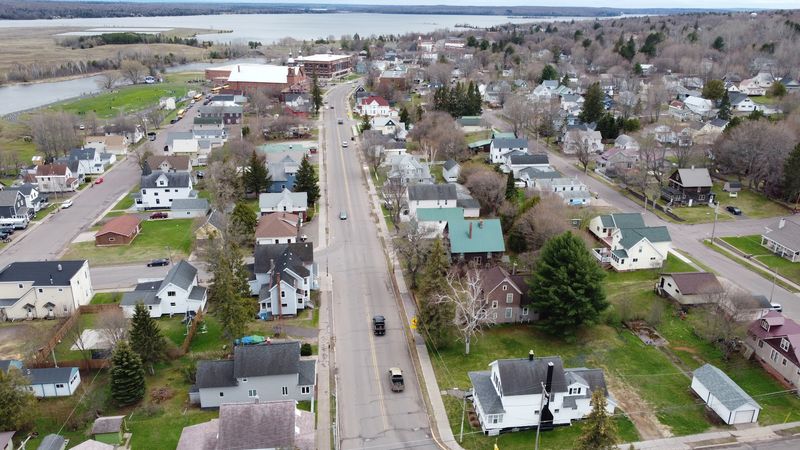
Lake Linden has a waterfront setting that makes you want to slow down the moment you arrive. The town sits along Torch Lake, one of the most striking bodies of water in Michigan, and that natural backdrop shapes the overall experience.
Like much of the Keweenaw Peninsula, Lake Linden reflects a history influenced by Finnish immigrants who arrived during the copper mining era and left a lasting cultural imprint.
Sauna culture remains part of that broader regional identity, especially during colder months when it naturally becomes a place to gather and reset. The rhythm tends to follow a familiar pattern.
Time in the sauna, a step outside into the cool air, and then a quiet return indoors where food becomes part of the experience.
Across this part of the Upper Peninsula, dishes like pulla, a soft braided cardamom bread, are closely associated with Finnish-American traditions. Served warm and often shared, it reflects the kind of simple, comforting food that fits naturally into these moments.
Alongside it, you might find other baked goods or straightforward dishes that emphasize familiarity over complexity.
Located near Calumet Street, Lake Linden, MI 49945, the town maintains a steady, unhurried pace. The connection to the lake adds to that feeling, creating a setting where time feels less structured and more intentional.
What sets Lake Linden apart is how naturally everything comes together. The water, the warmth, and the shared meal all follow the same quiet rhythm, creating an experience that feels grounded rather than staged.
5. Ishpeming
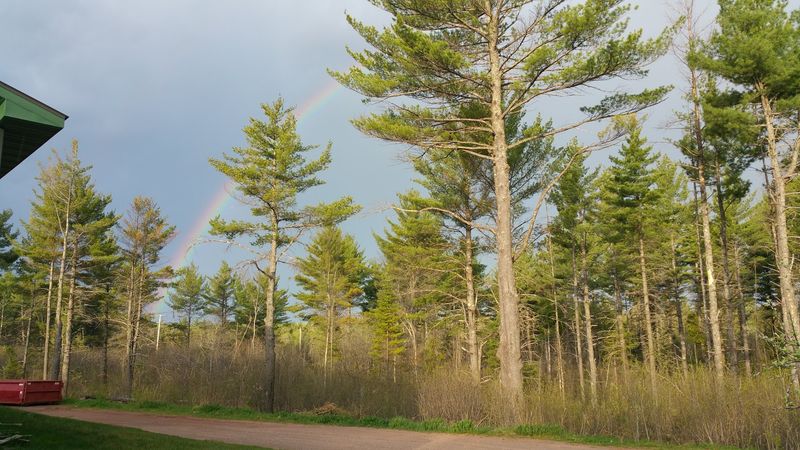
Ishpeming holds a special place in Finnish-American history, and it wears that distinction with easy confidence.
Known as the birthplace of organized skiing in America, much of that early ski culture was shaped by Finnish immigrants who brought their love of winter, endurance, and sauna traditions with them from the old country.
Sauna culture here has never felt like a trend. It has always been part of everyday life, especially during long Upper Peninsula winters.
Across this part of Michigan, the rhythm is familiar. Heat up the sauna, step out into the cold air, then gather inside around a table that feels just as important as the sauna itself.
The food that follows tends to reflect that same practical, comforting approach. Dishes like karjalanpiirakka, small Finnish rye pastries filled with rice porridge, are closely tied to Finnish-American gatherings in the region.
Simple breads, soups, and baked dishes often round out the table, creating a meal that feels both filling and deeply rooted in tradition.
Located along US-41, Ishpeming, MI 49849, the town maintains a strong connection to its Finnish-American past through community life and local traditions. What stands out is how naturally everything fits together.
Nothing feels staged or preserved just for show.
In Ishpeming, these customs continue in a quiet, steady way. The sauna, the meal, and the time spent together all follow the same rhythm they have for generations.
It is less about preserving history in a formal sense and more about living it, one gathering at a time.
6. Houghton
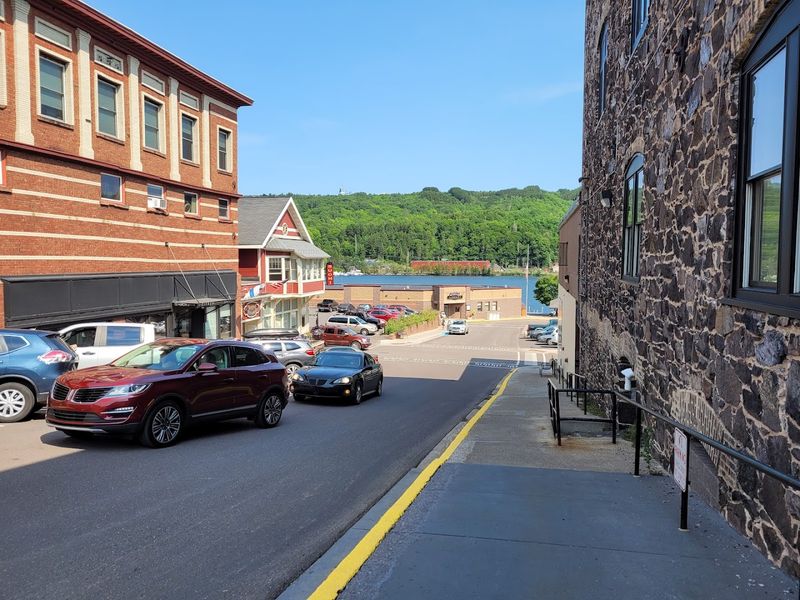
Houghton feels like the natural extension of everything happening across the Portage Canal in Hancock, but with its own distinct rhythm.
As a college town anchored by Michigan Technological University, it blends long-standing Finnish traditions with a slightly more modern, student-driven energy.
That mix gives the after-sauna food ritual a different kind of life here.
Sauna culture has deep roots in Houghton, carried over by Finnish immigrants who settled throughout the Keweenaw during the mining era. Today, that tradition still shows up in homes, lakeside cabins, and small community gatherings.
The setting often includes a quiet stretch of water, a wood-fired sauna, and a table waiting inside with something warm.
Across the region, foods like pannukakku and nisu remain closely tied to those moments. In Houghton, you are just as likely to see those dishes served in a casual kitchen as you are in a local café.
The experience is less about formality and more about timing. Heat, cool down, sit, eat, and stay a while.
Located along Shelden Avenue, Houghton, MI 49931, the town moves at a pace that supports this kind of ritual. Winters are long, and that makes warm spaces and shared meals feel even more important.
The presence of students adds movement, but the underlying culture stays consistent.
What makes Houghton stand out is that balance. It does not feel frozen in the past, but it has not lost what made these traditions meaningful in the first place.
7. Marquette
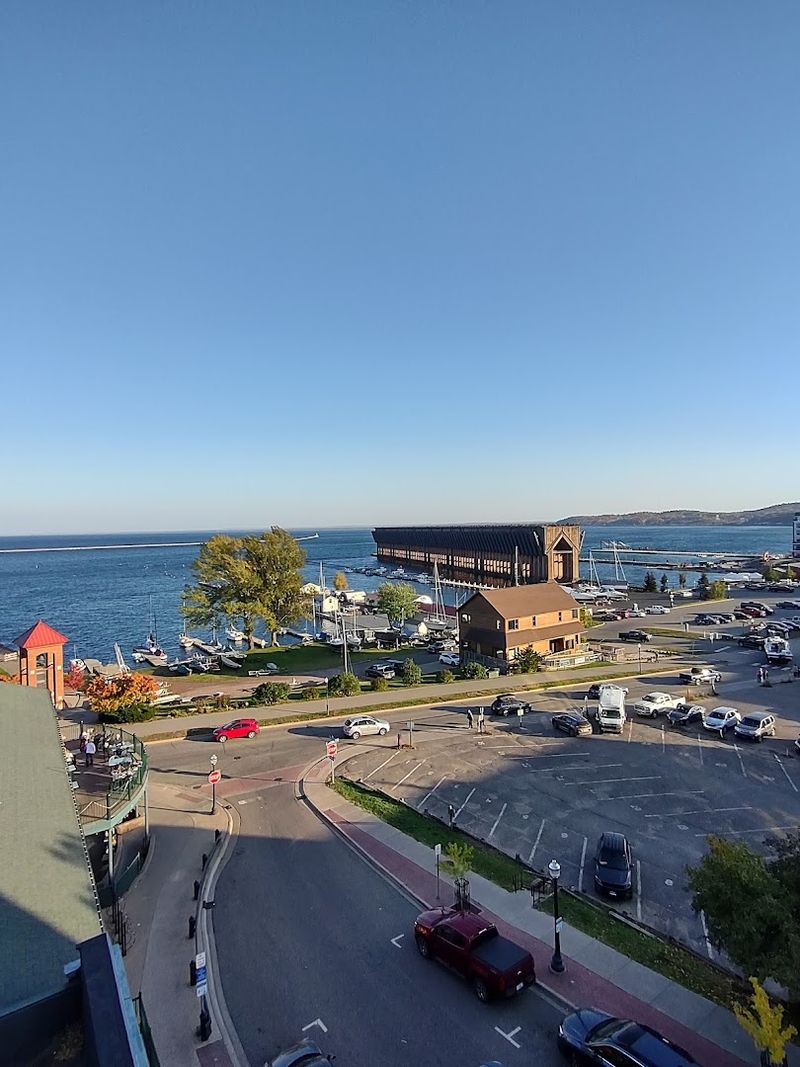
Marquette brings Finnish tradition into a more urban setting without losing any of its soul. As the largest city in the Upper Peninsula, it has a broader food scene, but Finnish influence still runs through it like a current.
The after-sauna meal culture here has adapted to modern life while keeping its roots firmly intact.
Sauna culture in Marquette has seen a real revival in recent years. New sauna facilities have opened alongside the older community traditions.
After a session near Lake Superior, the cold plunge is legendary. Then the meal begins.
Local spots serve Finnish-inspired dishes that feel both nostalgic and fresh at the same time.
Marquette, centered around Washington Street, Marquette, MI 49855, has embraced its Finnish heritage as part of its identity. Pannukakku and nisu appear on menus alongside modern interpretations of classic Finnish flavors.
The city attracts visitors who come for the lake and stay for the culture. Finnish food traditions here are not just surviving.
They are genuinely thriving, finding new fans among people who never knew they needed cardamom bread until they tried it.
8. L’Anse
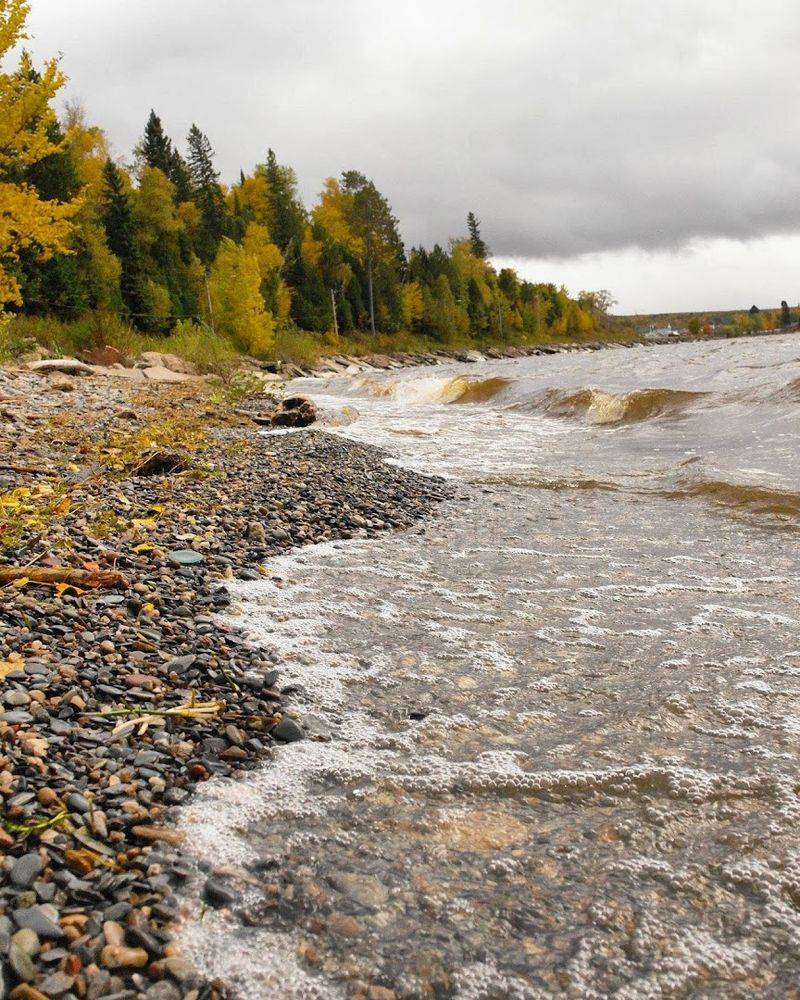
L’Anse sits along the edge of Keweenaw Bay with a view that immediately slows everything down. Water stretches out in front of you, forest rises behind you, and the pace of life adjusts somewhere in between.
It is the kind of place where routines feel grounded, and traditions have room to continue without interruption.
Finnish influence reached communities like L’Anse through the same migration patterns that shaped much of the Upper Peninsula.
While it may not be as widely recognized as Hancock or Calumet, the broader cultural imprint still shows up in everyday life, especially around food and time spent together after a sauna.
In many households across this part of Michigan, the rhythm is familiar. Sauna first, then something warm and filling to follow.
Dishes like simple soups, baked casseroles, and fresh bread reflect the kind of practical cooking that works best in colder climates. The focus stays on comfort and consistency rather than presentation.
Located near Main Street, L’Anse, MI 49946, the town leans into its natural surroundings. Lake views, quiet streets, and a strong sense of community all contribute to how these traditions continue.
Nothing feels rushed, and that is exactly what makes the experience work.
L’Anse does not try to define Finnish-American culture on its own. Instead, it fits into a wider regional story where small towns quietly carry forward habits that have been repeated for generations.