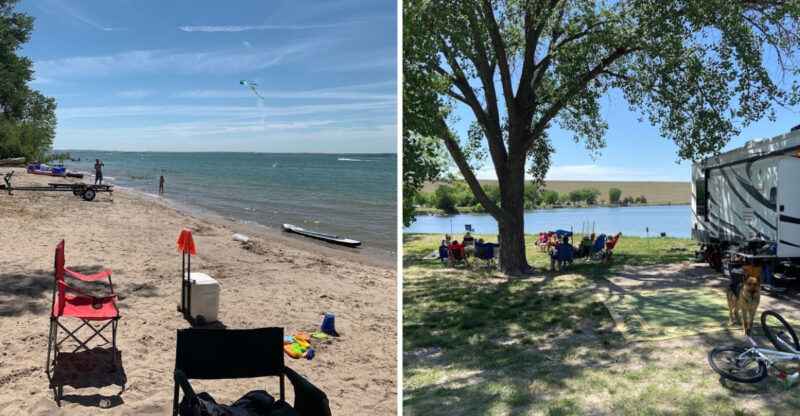
These Nebraska Lakes Have Faced Blue-Green Algae Health Alerts This Summer
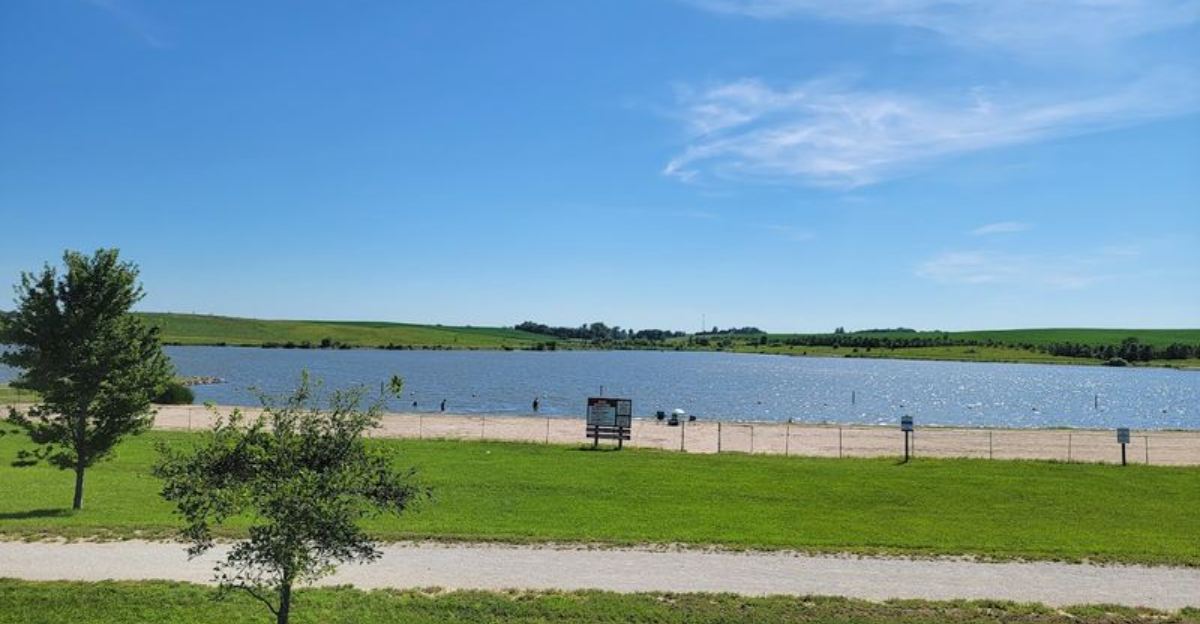
A perfect-looking lake can still give you a reason to keep your feet on shore.
Blue-green algae does not always announce itself clearly. Water may develop streaks, floating clumps, or an unusual surface color, but conditions can shift quickly between visits.
That is why checking current alerts matters before you unpack the towels, launch a kayak, or let the dog race toward the shallows.
Several Nebraska lakes have crossed the state’s health-alert threshold during summer 2026. Officials issue these alerts when testing finds a toxin produced by certain harmful algal blooms.
You do not have to cancel every lakeside plan, but you should know what the warning changes.
Swimming, wading, and direct contact with the water may be restricted while other activities can remain available.
Before your next lake day, take a minute to see which destinations have faced alerts and what officials recommend once you arrive.
Rockford Lake, Gage County
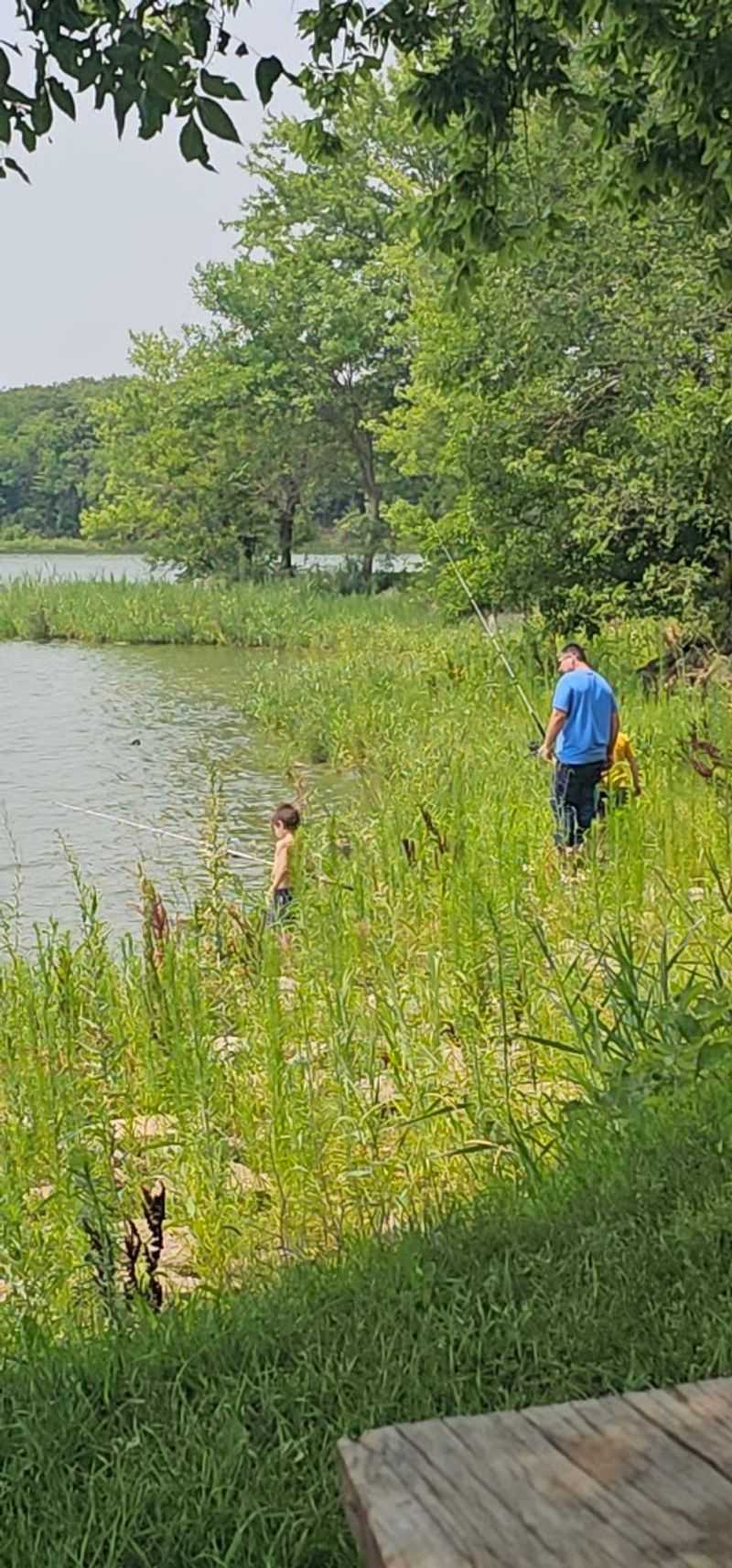
Few summer surprises are as unwelcome as arriving at a favorite fishing spot only to find a health alert posted at the water’s edge.
Rockford Lake in Gage County was placed under a harmful algal bloom health alert on June 5, 2026, after water samples measured above the 8 parts per billion threshold for microcystin toxin.
The alert was extended multiple times, including on June 12, July 9, and July 17, 2026, reflecting persistent bloom conditions throughout early summer.
Swimming beaches at the lake were closed during the alert period to protect public safety.
Boating and fishing remained permitted, though visitors were strongly advised to minimize direct water contact and avoid swallowing any lake water.
Keeping pets away from the shoreline was also a key recommendation from state officials.
The health alert for Rockford Lake was lifted by July 21, 2026, allowing recreational activities to resume more freely.
Still, blue-green algae blooms can return quickly during warm weather, so checking current conditions before any visit remains a smart habit.
The Nebraska Department of Water, Energy, and Environment updates water quality results weekly every Friday on its official website.
Iron Horse Trail Lake, Pawnee County
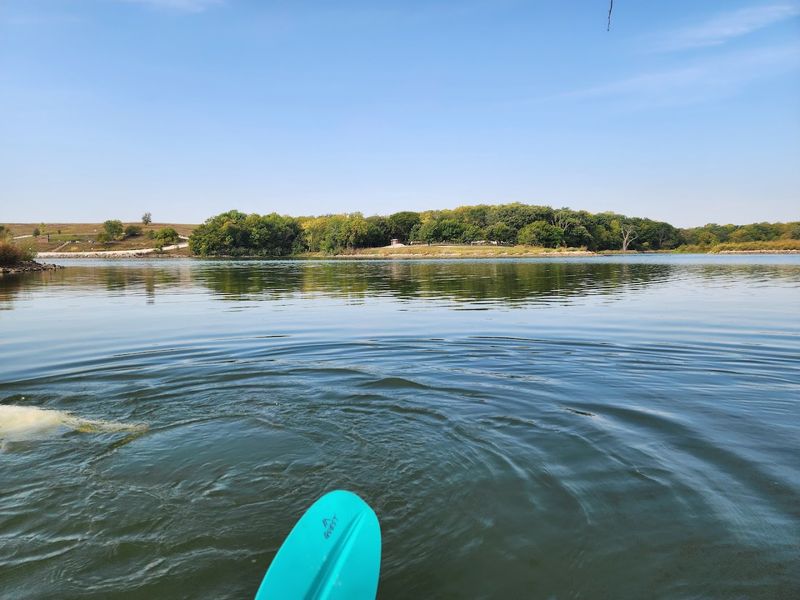
Over in Pawnee County, Iron Horse Trail Lake is a popular destination for outdoor enthusiasts who enjoy camping, fishing, and simply spending time near the water.
A harmful algal bloom health alert was issued for this lake on June 12, 2026, followed by an extension on June 15, 2026, after water samples exceeded the 8 ppb microcystin safety threshold set by state regulators.
During the alert period, designated swimming beaches were closed to the public.
Recreational boating and fishing were still allowed, but visitors were cautioned to limit water exposure and take extra care not to ingest any lake water.
Pet owners were specifically advised to keep animals away from the water entirely, as pets can accidentally consume toxins by licking wet fur after swimming.
Public areas around the lake, including camping and picnic spaces, remained open throughout the alert.
By July 20, 2026, the Nebraska Department of Water, Energy, and Environment reported no lakes under an active health alert, suggesting conditions at Iron Horse Trail Lake had improved by that point.
Monitoring updates are posted weekly, giving visitors a reliable way to check before planning any trip to the lake.
Maskenthine Reservoir, Stanton County
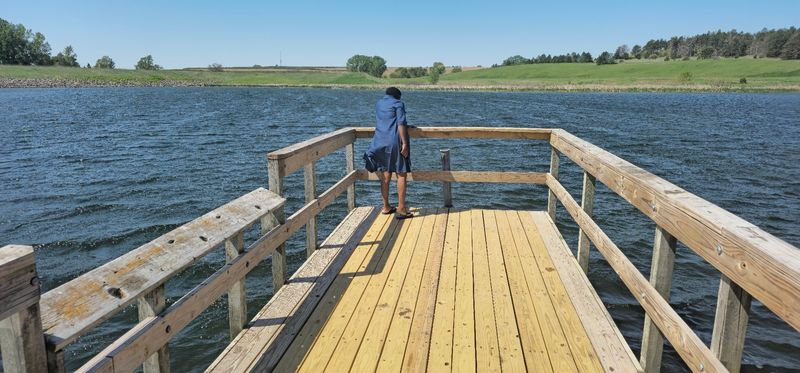
Stanton County’s Maskenthine Reservoir draws visitors looking for a quieter alternative to busier state recreation areas, but the summer of 2026 brought an unwelcome development.
A harmful algal bloom health alert was issued for the reservoir on July 9, 2026, and was extended again on July 17, 2026, after continued water samples showed microcystin levels above the state’s 8 ppb safety threshold.
Swimming beaches at Maskenthine Reservoir were closed while the alert remained active.
Visitors who chose to boat or fish during that time were advised to exercise caution, avoid splashing, and take every precaution against swallowing lake water.
Children and pets were especially encouraged to stay clear of the water’s edge, as both groups face heightened vulnerability to algal toxins.
The alert was lifted by July 21, 2026, bringing welcome relief for those who had been waiting to enjoy the reservoir fully.
Even so, warm temperatures and nutrient-rich water can cause blooms to reappear without much warning.
Conditions at Maskenthine Reservoir are included in the state’s weekly monitoring updates, which cover 57 public lake sites from mid-May through mid-September each year, providing consistent and accessible information for outdoor planners.
Maple Creek Recreation Area Lake, Colfax County
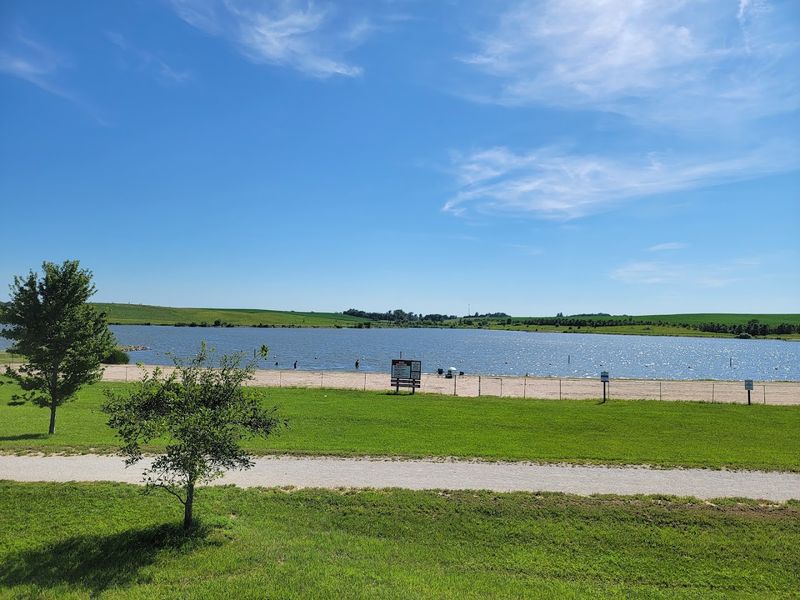
Not every algae alert comes with much advance notice, and the situation at Maple Creek Recreation Area Lake in Colfax County is a clear example of how quickly conditions can shift.
A health alert for harmful algal blooms was issued on July 17, 2026, after water samples collected at the lake measured above the 8 ppb microcystin threshold that triggers state action.
Swimming areas were closed during the alert to keep visitors safe from potential toxin exposure.
Boating and fishing were still permitted, though the recommendation to avoid prolonged water contact and prevent any accidental ingestion of lake water remained firmly in place.
Surrounding public spaces for camping and picnicking stayed open, allowing families to enjoy the area without going near the water itself.
The alert at Maple Creek Recreation Area Lake was lifted by July 21, 2026, just days after it was issued.
The short but significant window serves as a reminder that even lakes that seem perfectly calm can experience rapid changes in water quality.
Staying current with the Nebraska Department of Water, Energy, and Environment’s weekly Friday updates is one of the most reliable ways to avoid unexpected closures and plan outdoor trips with confidence.
What Blue-Green Algae Actually Looks Like
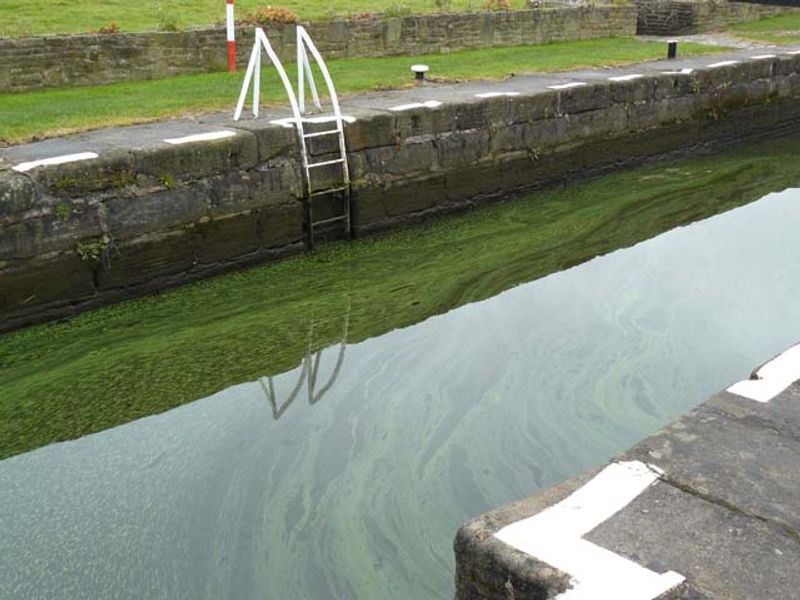
Many people have walked past a bloom without realizing what they were seeing, which is part of what makes harmful algal blooms genuinely tricky to spot.
Blue-green algae, technically a type of bacteria called cyanobacteria, can appear in several different forms depending on the species and conditions present in the water.
Some blooms look like thick pea-green clumps floating near the surface, while others resemble a greenish film, streaks of paint, or an oily sheen drifting across the water.
Blooms may also appear brown or even reddish in some cases, adding to the confusion for casual observers.
A strong, unpleasant odor is another common indicator that something may be off with the water. Visible scum collecting along the shoreline or near boat ramps is often a warning signal worth taking seriously.
In Nebraska, harmful algal blooms tend to develop during warm months when water temperatures rise and nutrient levels from agricultural or urban runoff are elevated.
Shallow lakes and reservoirs with limited water flow are particularly prone to bloom development.
Knowing what to look for before stepping into the water or letting a pet near the shoreline can genuinely reduce the risk of accidental exposure to algal toxins.
Why Pets Face Special Danger Around Algae Blooms
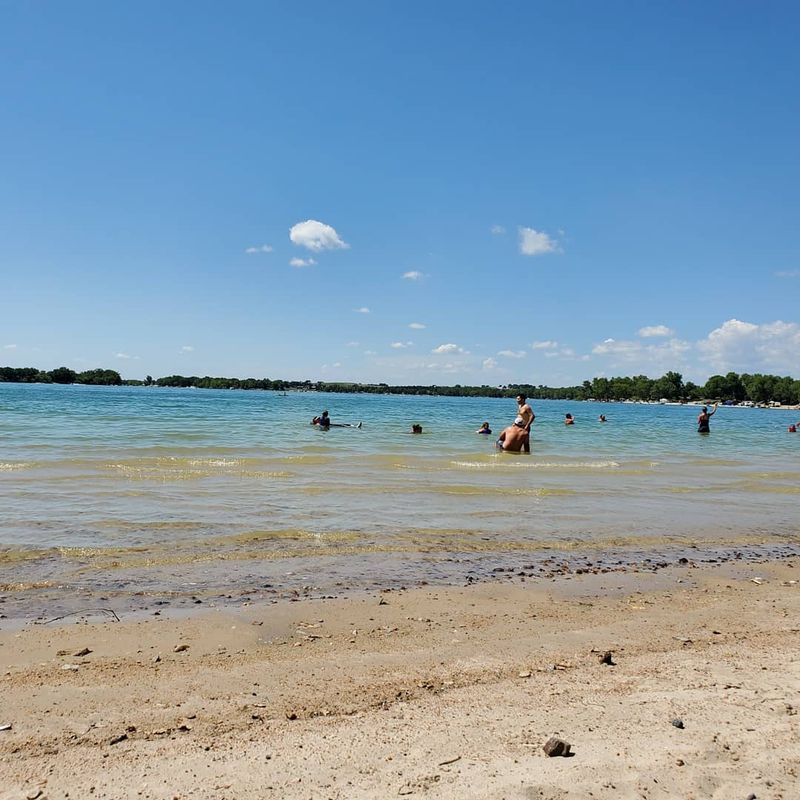
Dogs are often the most enthusiastic members of any lakeside outing, which also makes them some of the most at-risk visitors when a harmful algal bloom is present.
Unlike humans who can read warning signs and make informed choices, pets will readily wade into or drink from water without hesitation.
Algal toxins can be ingested when a dog swims through affected water and then licks its fur, or simply by drinking directly from the lake.
Symptoms in pets can appear surprisingly fast, sometimes within 15 minutes of exposure, though in some cases effects may take longer to show.
Signs to watch for include vomiting, excessive drooling, muscle weakness, difficulty breathing, and in severe cases, convulsions.
The speed at which toxins can affect an animal means there is often very little time to respond once symptoms begin.
If a pet has been near water with visible algae or an active health alert, rinsing the animal thoroughly with clean fresh water right away is the most important immediate step.
Veterinary care should be sought without delay if any symptoms appear, even mild ones. K
eeping pets on a leash near any lake during bloom season gives owners the control needed to prevent potentially life-threatening accidental exposure.
How Nebraska Monitors Lakes For Harmful Algal Blooms
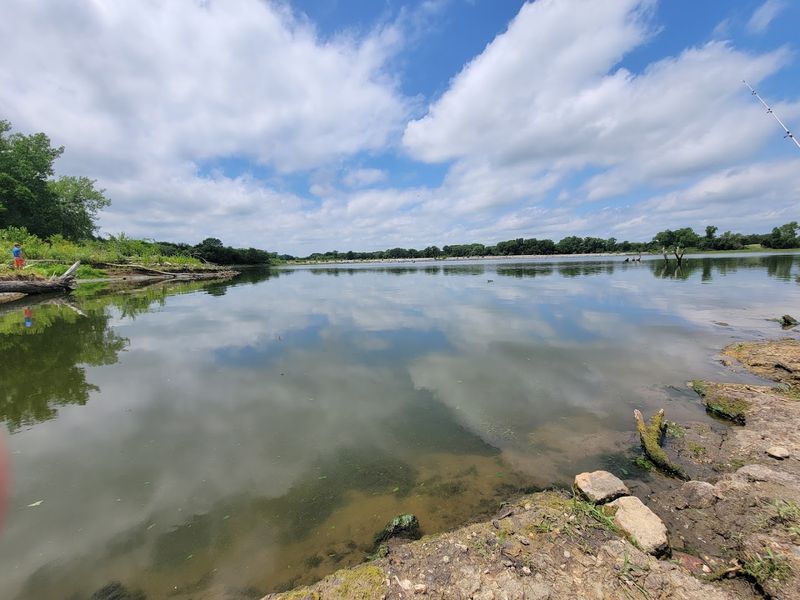
Nebraska has been monitoring its public lakes for harmful algal blooms since 2004, a program that was established after incidents involving animal deaths attributed to toxic algae raised serious public health concerns.
The Nebraska Department of Water, Energy, and Environment leads this effort in collaboration with the Department of Health and Human Services, sampling 57 public lake sites across 52 lakes each week during the monitoring season.
Sampling runs from mid-May through mid-September, covering the warmest and highest-risk months of the year.
Water samples are typically collected early in the week, with updated results for microcystin and E. coli posted every Friday on the DWEE website.
A health alert is officially triggered when microcystin concentrations reach or exceed 8 parts per billion, a threshold updated in 2020 following guidance from the U.S. Environmental Protection Agency.
The weekly update system gives visitors a consistent and reliable way to check on conditions at specific lakes before making plans.
Officials also recommend avoiding any water that shows visible signs of algae, rinsing off immediately after any water contact, and not allowing pets to drink directly from lake water regardless of alert status.
Staying connected to these resources makes outdoor recreation in Nebraska considerably safer throughout the summer season.
Other Nebraska Lakes That Saw Alerts This Summer

Beyond the four lakes that drew significant attention, several other Nebraska water bodies also faced harmful algal bloom advisories or alerts during the summer of 2026.
Eagle Scout Lake in Grand Island received a blue-green algae advisory on July 20, 2026, with officials advising residents to keep pets away from the water and avoid direct contact with any visible algae.
Swimming had already been prohibited at that location prior to the advisory.
Calamus Reservoir in Garfield County and Kirkman’s Cove Lake in Richardson County were both mentioned in alerts at various points during the summer, with conditions fluctuating as bloom activity changed week to week.
Bluestem Lake and Pawnee Lake in Lancaster County, along with Willow Creek Reservoir in Pierce County, also appeared in health alert updates during the same period.
The pattern across these locations reflects just how widespread algae bloom activity can be during a warm Nebraska summer.
No single lake or region is immune, and conditions can shift rapidly even between weekly sampling dates.
Checking the Nebraska Department of Water, Energy, and Environment website before visiting any lake in the state remains one of the most straightforward ways to stay informed and avoid unexpected closures or health risks.