These 9 Nebraska Overlooks Deliver Huge Views With Almost No Effort
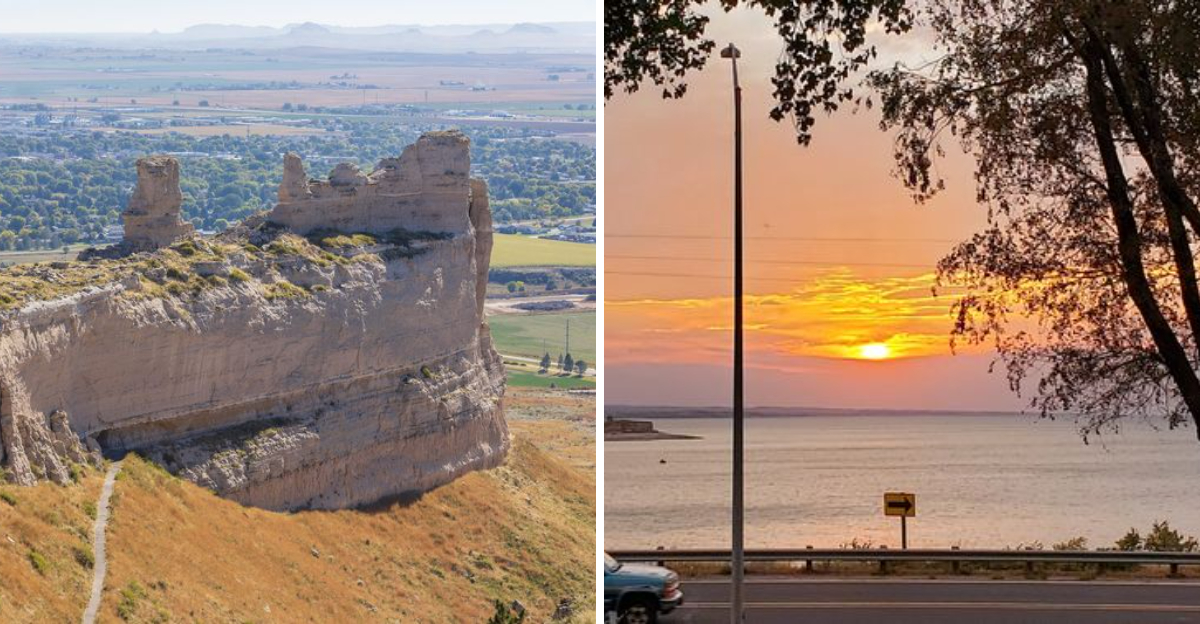
Nebraska has a reputation problem, and I used to believe it. Flat, beige, a state you drive through on the way to somewhere better.
Then I started pulling over at the right hills, and the apologies began. The truth is that Nebraska hides its best views in plain sight.
You crest a ridge, step out of the car, and the Great Plains crack wide open in front of you. No grueling hike required.
No special gear.
Just a short stroll from a parking lot to a view that makes your jaw do something embarrassing. I have stood at these overlooks and genuinely lost my train of thought mid-sentence.
The scale out here humbles you in the best way. Bring a camera that will fail to capture it anyway.
These spots reward the smallest effort with the biggest payoff, and they quietly dismantle everything you assumed about this state.
1. Scotts Bluff National Monument, Gering
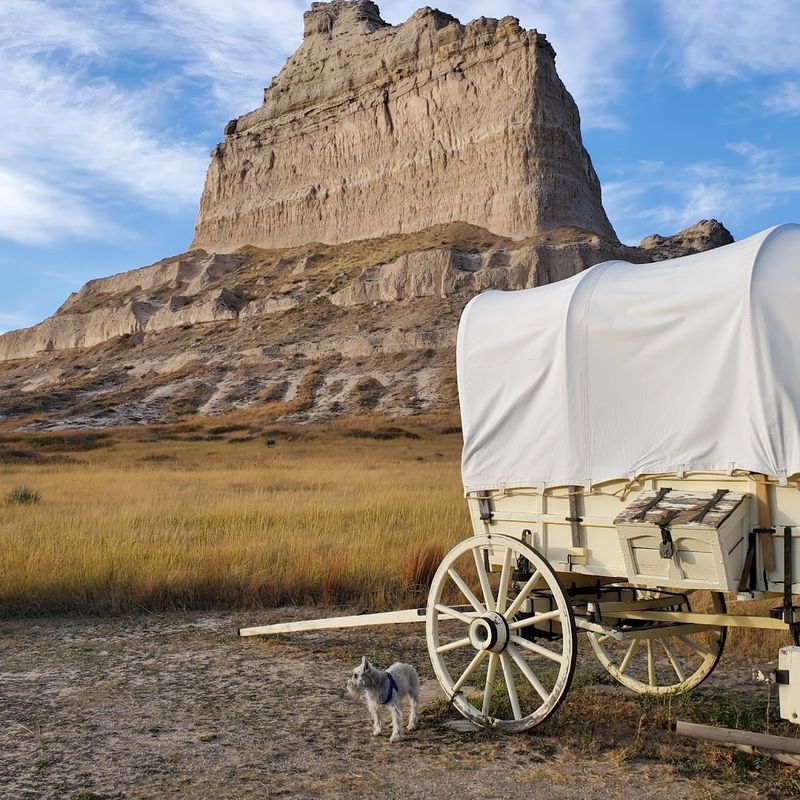
Standing at the summit of Scotts Bluff feels less like a short drive up a road and more like stepping into a painting someone forgot to finish.
The bluffs rise nearly 800 feet above the surrounding valley, and the views stretch for miles in every direction. It is genuinely hard to believe this is the same state people call boring.
You can drive or hike to the top, making it one of the most accessible big-view spots in all of western Nebraska.
The summit trail winds past ancient rock formations that pioneer travelers used as a landmark on the Oregon Trail. That history adds a layer of meaning to every photo you take up there.
On a clear day, you can spot Chimney Rock to the east, which feels like finding a bonus prize.
Scotts Bluff National Monument does not charge an entrance fee, though Summit Road may close temporarily because of weather, ice, or rockfalls.
Go early in the morning when the light hits the sandstone cliffs and turns everything golden. Bring a jacket because the wind up top is no joke, even in summer.
2. Fort Niobrara Scenic Overlook, Valentine
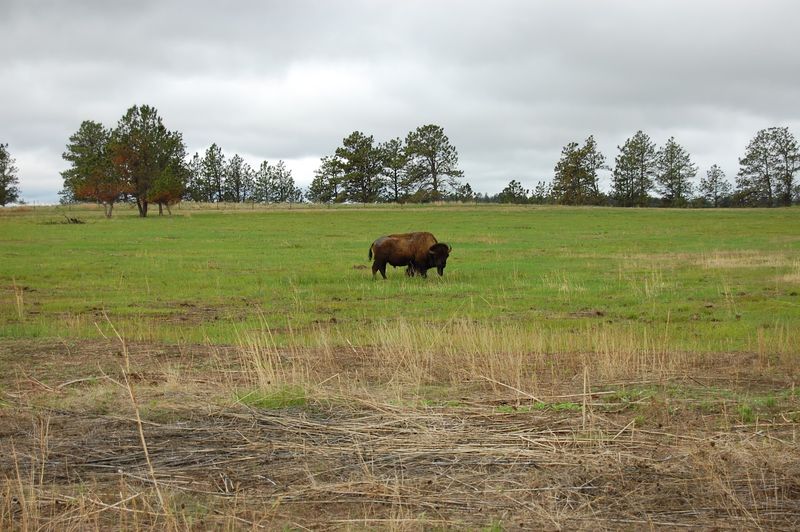
Right outside Valentine, there is a pullout that most people drive past without slowing down. That is a mistake they will spend the rest of the trip thinking about.
The Fort Niobrara Scenic Overlook sits at the edge of the Niobrara River valley and delivers a view that feels almost too big for Nebraska to contain.
The Niobrara River cuts a lush green ribbon through the sandy hills below, and the contrast between the pale grasslands and the dark tree-lined river is striking.
Bison still roam the refuge, and if you are lucky, you might spot a small herd from the overlook. That alone is worth stopping for.
The overlook itself requires zero hiking. You park, you walk to the edge, and your jaw drops on cue.
The refuge surrounding it is managed by the U.S. Fish and Wildlife Service and protects one of the most ecologically diverse river corridors in the Midwest.
Sunrise here is especially rewarding when morning mist sits low over the valley. Pack binoculars and give yourself at least twenty minutes to just stand there and take it all in.
3. Wildcat Hills State Recreation Area, Gering
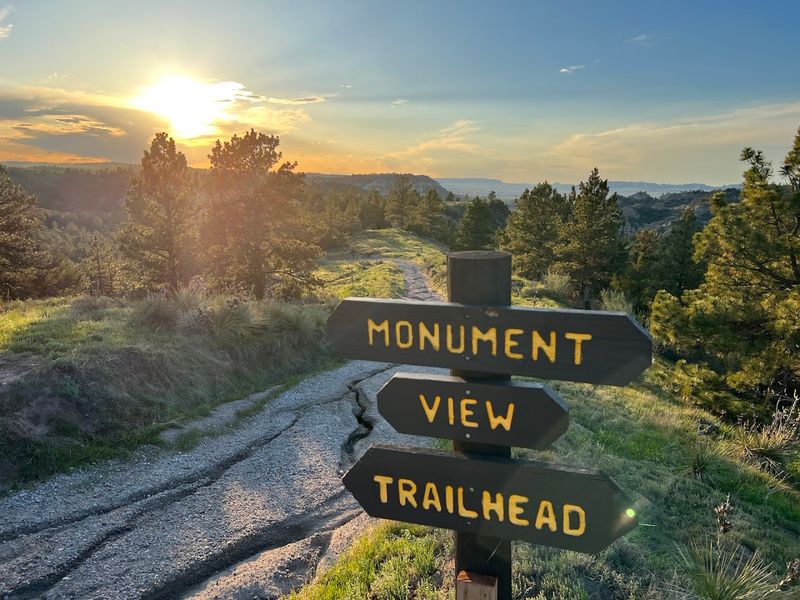
Not everyone knows that pine trees and rocky ridges exist in Nebraska, but Wildcat Hills is proof that they absolutely do.
This state recreation area sits just south of Gering and offers a landscape that looks more like the Black Hills than the Great Plains. The overlook here gives you a front-row seat to some seriously dramatic terrain.
The views from the ridgeline take in jagged outcroppings, twisted ponderosa pines, and open rangeland rolling off into the distance. It is the kind of scenery that makes you stop mid-sentence and just point.
Wildlife sightings are common here, including mule deer, wild turkey, and even the occasional mountain lion track, though the cats themselves stay out of sight.
A short nature trail leads to the best viewing spots, and the walk is easy enough for most fitness levels. The Wildcat Hills Nature Center nearby is worth a stop before or after your overlook visit.
Rangers there can point you toward the best vantage points depending on the time of day.
A Nebraska park entry permit is required, and some of the easiest views are available directly from the Nature Center’s observation areas.
4. Chimney Rock National Historic Site, Chimney Rock Trail, Bayard
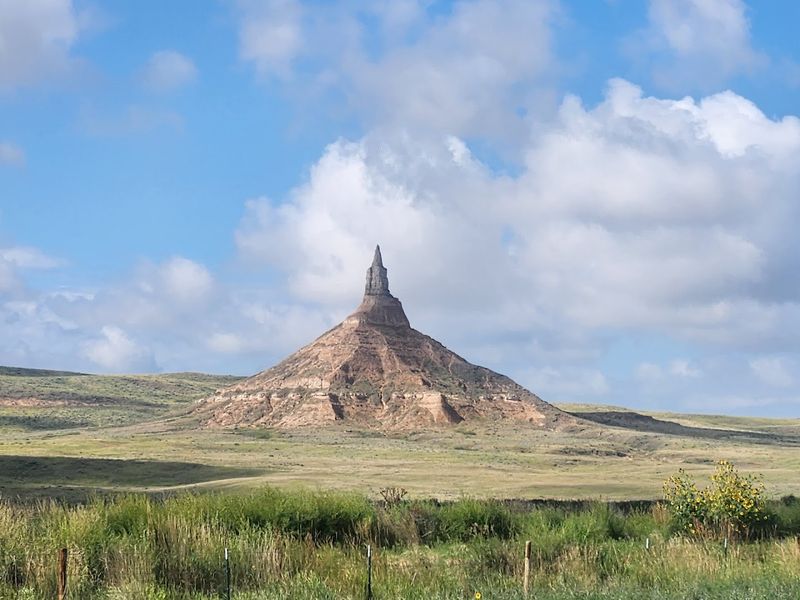
Few landmarks in American history are as recognizable as Chimney Rock, and seeing it in person is one of those experiences that genuinely lives up to the hype.
The spire rises about 300 feet above the surrounding plain, and the trail leading toward it gives you a slow, satisfying reveal as you approach. Every step closer changes the perspective.
Pioneers on the Oregon Trail used Chimney Rock as a milepost and wrote about it in their journals more than almost any other landmark.
Standing on the trail with that same view in front of you connects the present to the past in a way that few historic sites can match. The scale of the open landscape around it makes the rock look even more improbable.
The trail is relatively flat and easy, making it accessible for families and casual walkers. The visitor center has excellent exhibits about westward migration and the geological story behind the formation itself.
Sunset here is spectacular, with the rock silhouetted against a sky that turns every shade of orange and pink.
Timing your visit for late afternoon rewards you with both the best light and the fewest crowds. Bring water because the trail offers zero shade.
5. Panorama Point, Kimball
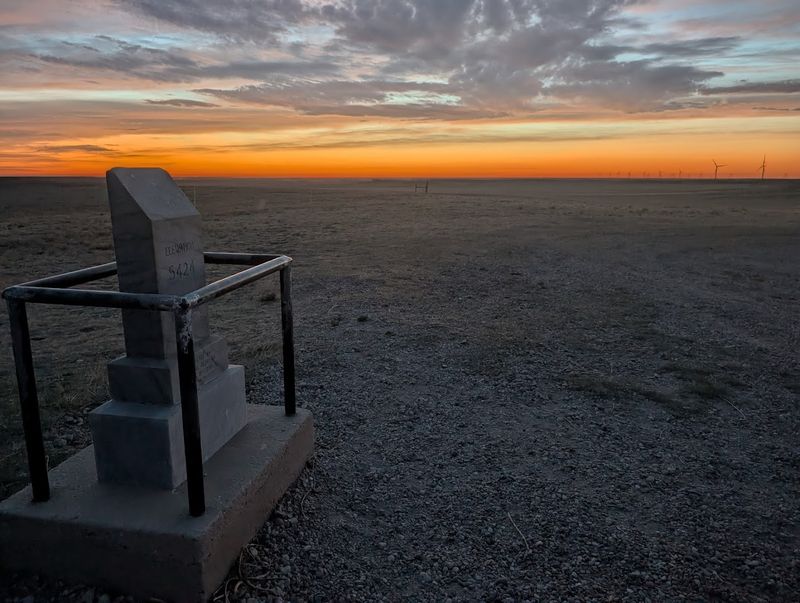
Panorama Point has the most accurate name of any viewpoint in the entire state.
At 5,424 feet, it is the highest point in Nebraska, and the 360-degree view of rolling grasslands and distant mountain ranges is about as wide open as scenery gets.
The Rockies are visible on a clear day, and that alone makes the drive out worth it.
Getting there requires a short drive through private ranch land, but the landowners allow public access and ask only that you respect the property.
It is a genuinely rare thing to have such a significant geographic landmark be so accessible. The summit itself is marked by a simple monument, which somehow adds to the charm rather than taking away from it.
I visited on a windy afternoon and felt like I was standing at the edge of the world. The grasses bend in waves and the sky is enormous.
It is the kind of place that recalibrates your sense of scale. Bring a map and download directions before you go because cell service is unreliable out there.
Early morning visits offer the clearest views of the distant peaks to the west.
6. Blackbird Scenic Overlook, Macy
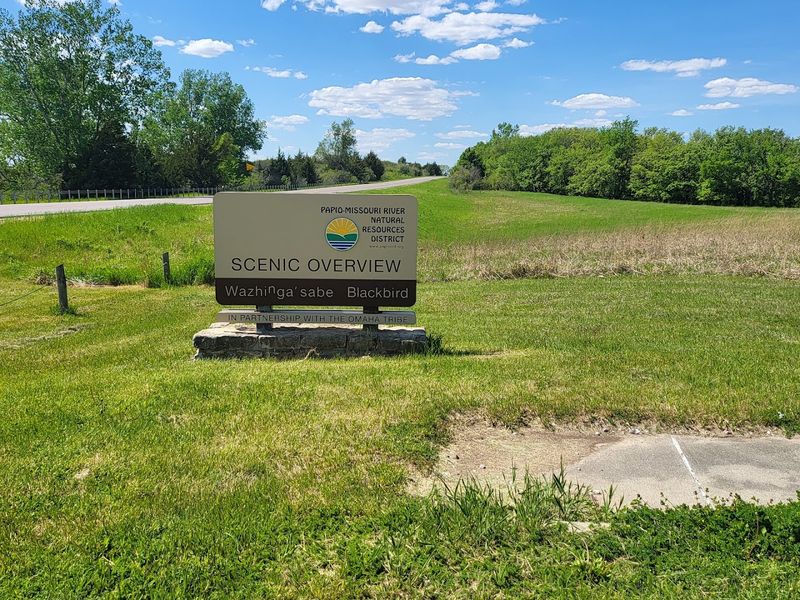
Nebraska’s eastern edge has its own version of dramatic scenery, and the Blackbird Scenic Overlook near Macy might be the best example.
Perched high above the Missouri River valley, this spot delivers a view that most people associate with states like Iowa or Missouri, not Nebraska.
The wide river below and the green bluffs on both sides make for a genuinely beautiful scene.
The overlook is named after Chief Blackbird of the Omaha tribe, who was buried at this site in the 1800s.
That history gives the place a quiet, respectful atmosphere that you feel the moment you step out of the car. It is one of those spots where the scenery and the story arrive together.
Access is easy from U.S. Highway 75, and the overlook area has a small parking lot and informational signage.
The drive along the Missouri River bluffs to get there is beautiful in its own right, especially in fall when the trees turn. Bald eagles are frequently spotted along this stretch of the river, so bring binoculars if you have them.
The overlook is free to visit and requires no hiking whatsoever. Come at any time of year and you will find something worth seeing.
7. Marsh Lakes Overlook Trail, Valentine
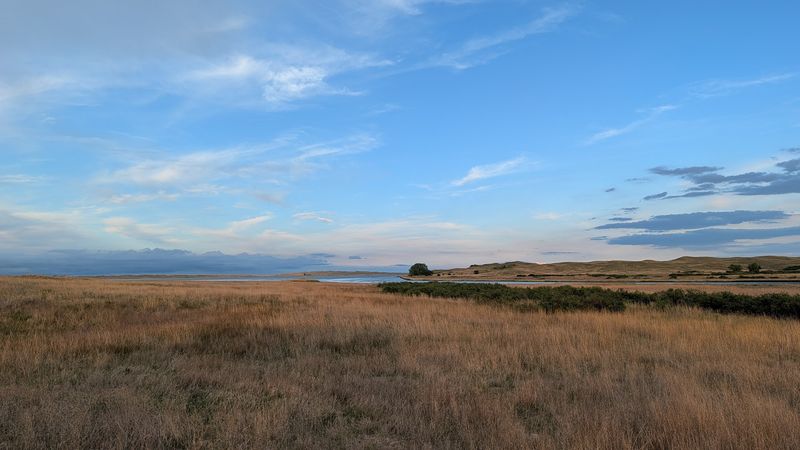
The Sandhills of Nebraska are one of the largest grass-stabilized dune systems in the Western Hemisphere, and the North Marsh Lake Scenic Overlook near Valentine puts that landscape on full display.
The view from here is quiet, vast, and surprisingly emotional in the way that truly wild places sometimes are. It is the kind of scene that makes you want to sit down and just breathe.
Marsh Lake sits in a natural basin below the overlook, and the combination of open water, native grasses, and rolling hills creates a layered view that changes with the light.
Waterfowl are almost always present, and the area is a popular spot for birders. Sandhill cranes pass through the region during migration in numbers that are almost hard to believe.
The overlook is accessible from a gravel road and requires minimal walking to reach the viewing area. It is not heavily publicized, which means you often have the whole scene to yourself.
That kind of solitude in a landscape this beautiful is increasingly rare. Morning visits are best when the water reflects the sky and the birds are most active.
Bring a camera with a zoom lens and plan to stay longer than you originally intended. You will not regret it.
8. Ash Hollow State Historical Park, Lewellen
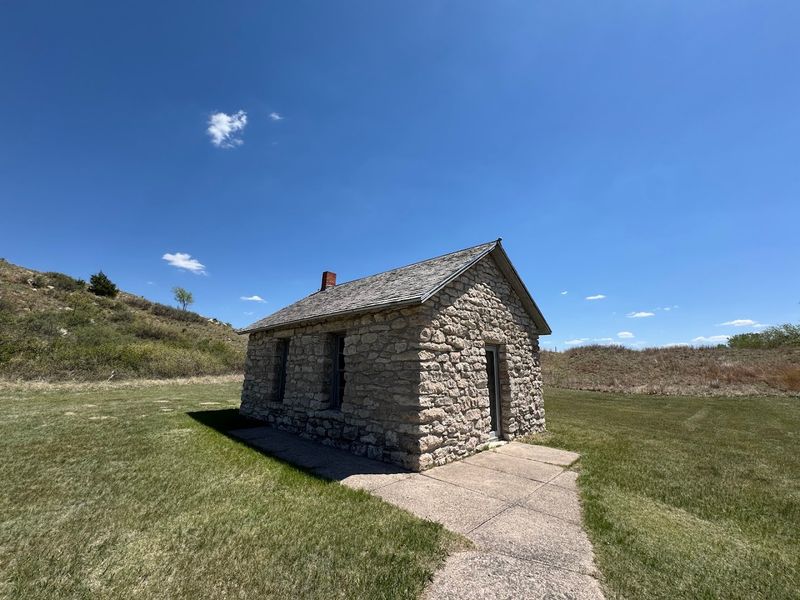
Ash Hollow is one of those places where history and scenery collide in the best possible way.
The park sits along the North Platte River valley and marks a critical descent point on the Oregon Trail where pioneers lowered their wagons down a steep bluff using ropes.
Looking down that same slope today, you immediately understand why they wrote about it.
The overlook at the top of the hollow gives you a wide view of the valley below, including the lush canyon filled with ash and cottonwood trees that gave the site its name.
The contrast between the dry upland plateau and the green canyon below is visually striking. It does not look like the Nebraska most people picture in their heads.
A short walk from the parking area brings you to the overlook, and the visitor center at the bottom of the hill is filled with artifacts and exhibits about pioneer life along this stretch of the trail.
Wagon ruts from the 1800s are still visible nearby, which adds a tangible sense of history to the whole visit. The park is open seasonally, so check hours before making the trip.
Admission is very affordable, and the combination of views and history makes it one of the best stops along US-26.
9. Lake McConaughy Visitor Center And Kingsley Dam, Ogallala
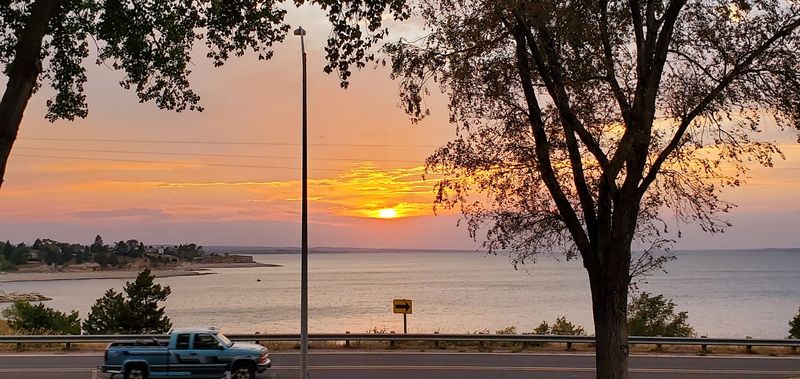
Lake McConaughy is Nebraska’s largest reservoir, and seeing it from the top of Kingsley Dam is one of those moments where the scale of what you are looking at takes a second to register.
The water is a striking shade of blue, the beaches are bright white, and the whole scene looks more like a coastal vacation destination than central Nebraska. People are genuinely surprised every time.
Kingsley Dam itself is an engineering achievement worth knowing about. Completed in 1941, it is one of the largest hydraulic-fill dams in the United States and stretches across the North Platte River for over three miles.
Driving or walking along the top of the dam gives you sweeping views of the lake on one side and the river valley on the other.
The overlook area is easily accessible and free to enjoy. Sailboats, fishing boats, and kiteboarders are often visible on the water below, which adds life and movement to the scene.
Bald eagles are frequently spotted along the shoreline during cooler months. Sunset from the dam is particularly stunning, with the lake surface turning shades of copper and rose.
This is the kind of view that makes first-time visitors pull over immediately and reach for their phones.