These 12 North Carolina Beaches Are Perfect For Spotting Ghost Crabs, Turtle Markers, And Nighttime Shoreline Surprises
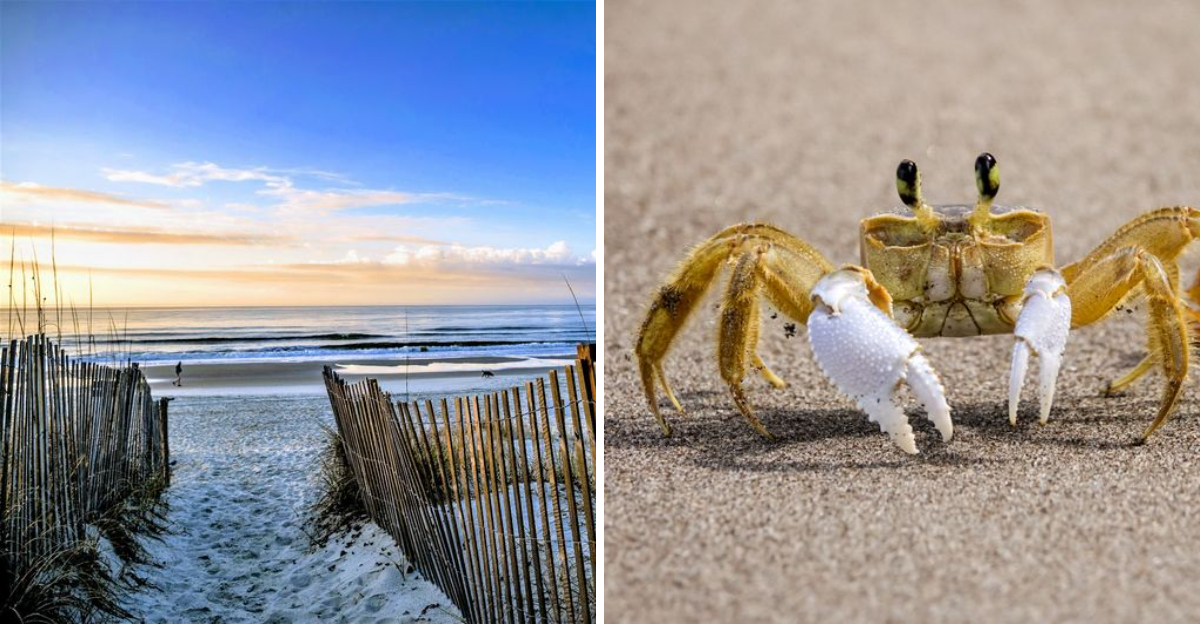
After dark, the beach starts acting like it saved the good gossip for everyone who stayed late.
Along the North Carolina coast, sunset changes the whole mood without trying too hard.
The sand cools down, the waves get louder in the best sleepy way, and suddenly a simple walk feels like bonus vacation time.
Then the ghost crabs appear, moving sideways with the nervous energy of tiny beach employees who forgot their name tags.
That is when the shoreline gets fun. Not loud fun.
Barefoot, relaxed, “why do we not do this every night?” fun.
A red-beamed flashlight keeps the glow gentle, while the slower pace makes every little movement feel like part of a secret after-hours tour.
By the end, the ocean feels less like a view and more like a whole nighttime adventure.
1. Corolla Beach
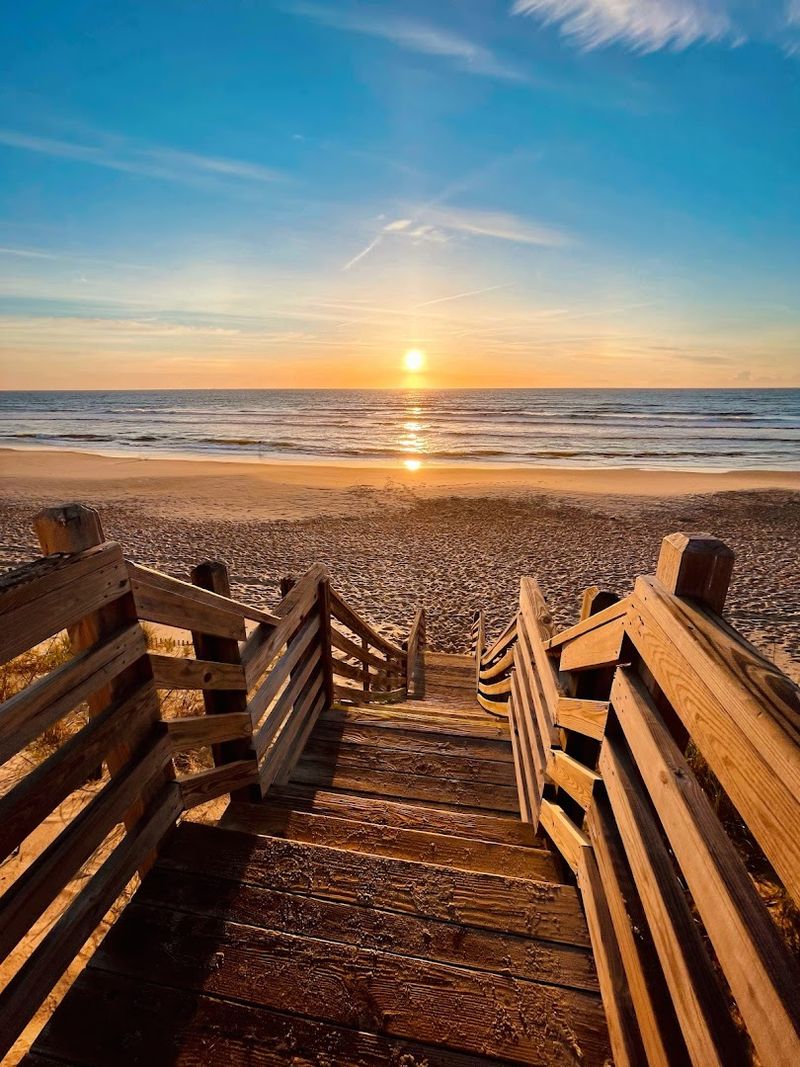
Northern Outer Banks nights have a different kind of hush. Corolla’s wide shoreline gives evening walkers plenty of room to scan the sand for ghost crabs, especially near the dune line and along the damp edge where the tide has recently pulled back.
These pale little runners are fast, dramatic, and surprisingly good at vanishing into burrows the second a light gets too close. Use a red-beamed flashlight rather than a bright white one, and keep the beam low so the walk stays gentle on wildlife.
Sea turtle nesting is also part of the Outer Banks summer rhythm, and marked nests may appear on the beach during the season. Those markers are not decorations or photo props.
They protect a nest that needs space, darkness, and patience. Corolla is also known for its wild horses farther north in the four-wheel-drive area, but nighttime beach walks should stay focused on safety, access rules, and respecting the animals that actually belong there after dark.
The best surprise here is not a loud attraction. It is the feeling of standing under a huge sky while tiny crab tracks stitch the sand around your feet.
2. Coquina Beach
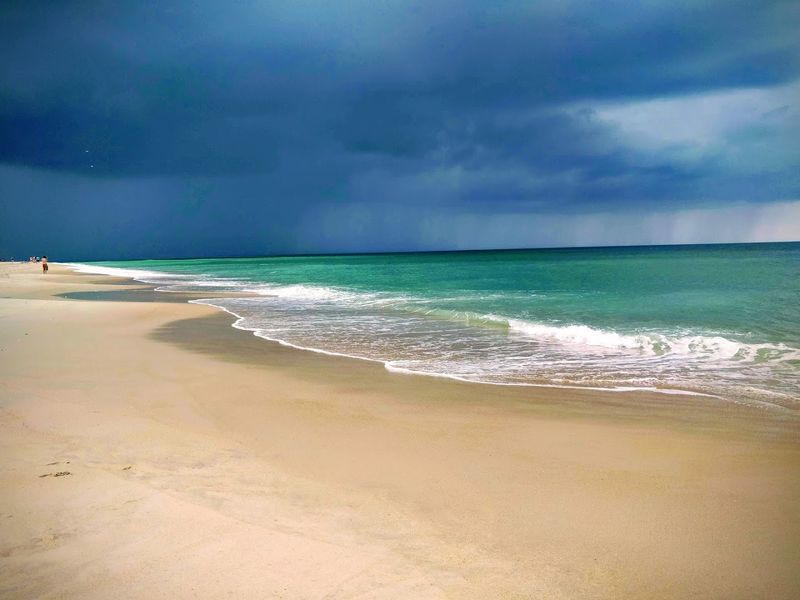
South of Nags Head, Coquina Beach offers the kind of open national seashore setting that makes nighttime feel bigger. The sand is broad, the ocean sound carries clearly, and the lack of heavy beachfront development helps the stars feel closer than they do in busier towns.
Ghost crabs often emerge after sunset, darting from their burrows toward bits of food left by the tide before disappearing again like little sand-colored rumors.
Cape Hatteras National Seashore monitors sea turtle activity during nesting season, and visitors may see protected areas marked with stakes, rope, or signs.
Give those spots a wide berth, even if nothing seems to be happening. The whole point is that the important work is hidden under the sand.
Coquina is also a good place to teach kids the difference between watching wildlife and bothering it. Chasing crabs until they panic is not the goal.
Neither is shining lights into burrows or near nest markers. A better game is spotting tracks, identifying burrow holes, and seeing how many crabs appear when everyone stands still.
This beach rewards quiet attention, which is exactly what a nighttime shoreline walk should do.
3. Ocracoke Lifeguarded Beach
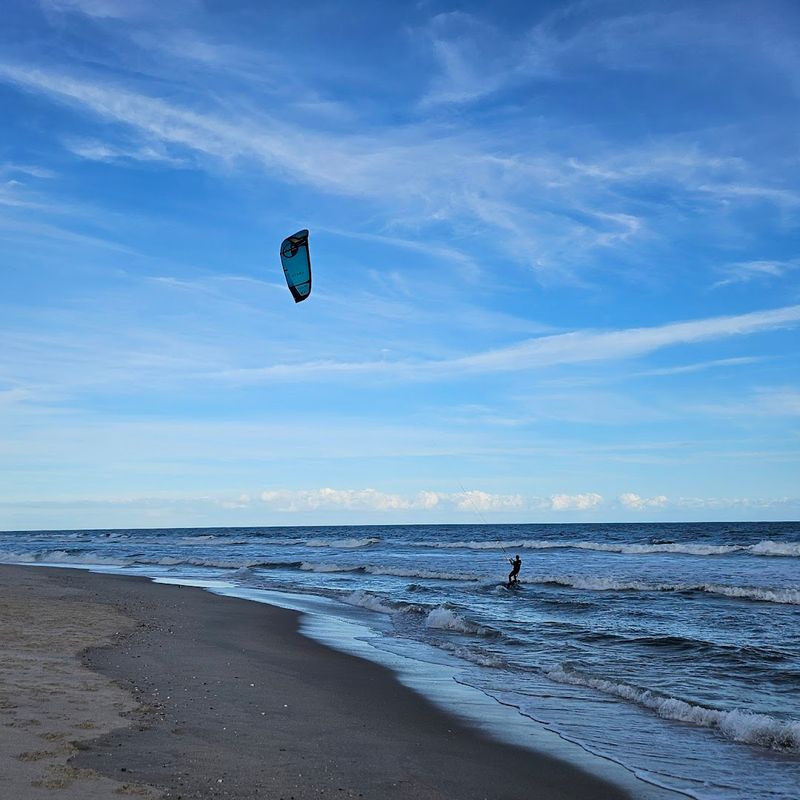
Ferry travel makes Ocracoke feel removed before anyone even reaches the sand. Once there, the lifeguarded beach offers one of the most memorable Outer Banks settings for an evening walk, with miles of shoreline and fewer distractions than many mainland-access beaches.
After dark, ghost crabs become part of the island’s personality. They sprint across open sand, freeze like guilty little beach ghosts, then vanish sideways with impressive speed.
Sea turtle nesting also occurs along Ocracoke’s Cape Hatteras National Seashore beaches, so marked nests, protective signs, and patrol activity may be visible during the season. Visitors should never touch markers, cross into protected areas, or use bright lights near the dune line.
The island’s darker setting is part of what makes it special, and keeping it that way helps nesting turtles and hatchlings. A red-light flashlight, soft voices, and a slow pace are all you need.
Ocracoke does not require a packed evening plan. The ferry ride, salt air, night sky, and crab tracks already do enough.
This is the kind of beach where nature clearly has the stronger claim, and visitors get the better experience when they accept that arrangement.
4. Cape Lookout National Seashore
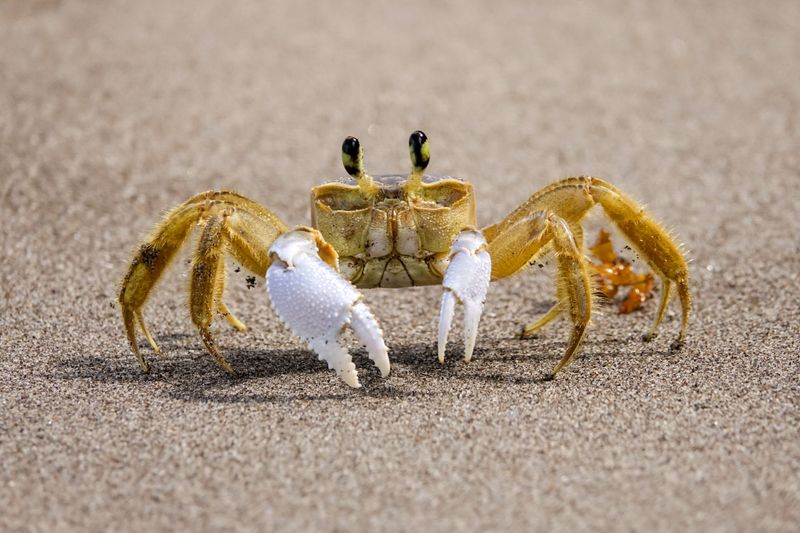
Remote beaches make small details feel enormous. Cape Lookout National Seashore is reached by ferry or private boat, which means a nighttime experience here requires planning, caution, and respect for a much wilder shoreline.
South Core Banks offers wide sand, dark skies, surf sound, and a primitive atmosphere that can make ghost crab sightings feel like part of a larger coastal drama.
The crabs are fun to spot, but they also play a real role in the beach ecosystem, including as natural predators around turtle nests.
Cape Lookout monitors sea turtle nesting, and protected nest sites may appear during the summer and early fall. Stay well away from any marked area, pack out everything you bring, and avoid unnecessary light after dark.
This is not a casual boardwalk stroll with snack stands nearby. It is a national seashore where preparation matters.
Bring water, insect protection, navigation awareness, and a plan for ferry schedules or overnight arrangements if applicable. The payoff is extraordinary.
Without the usual glow of developed beach towns, the stars, tracks, shells, surf, and sudden movement of ghost crabs all feel sharper. Cape Lookout reminds visitors that a beach can still feel truly wild.
5. Bear Island Beach
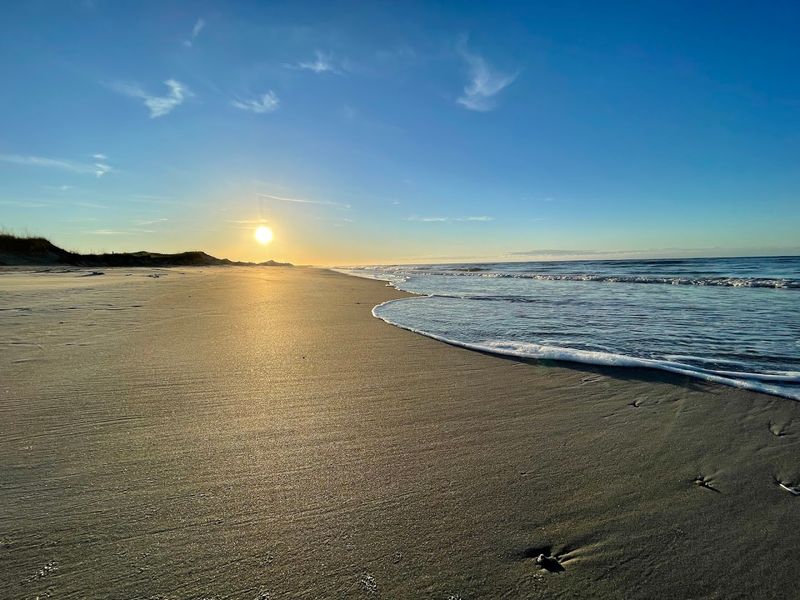
A ferry ride turns Bear Island into a small adventure before the beach walk even starts.
Hammocks Beach State Park’s mainland access sits at 1572 Hammocks Beach Road, Swansboro, North Carolina 28584. Seasonal ferry service then carries visitors to an undeveloped barrier island shaped by dunes, maritime forest, and Atlantic shoreline.
Evening access depends on ferry schedules, camping plans, and park rules, so checking current details before building a nighttime visit is essential. When timing works, Bear Island can feel wonderfully removed from the usual beach noise.
Ghost crabs are easy to imagine as the true night shift here, scurrying near the surf while the last color leaves the sky. Sea turtle nests may also be marked during nesting season, and those areas should be treated with serious care.
Do not crowd them, photograph them with flash, or let children play near the markers. The island’s limited development is part of its wildlife value.
Bring what you need, take everything back out, and keep the beach clean, dark, and flat. Bear Island is not the easiest place on this list, but that is the charm.
The extra effort leads to a shoreline that still feels governed by tides, tracks, and moonlight.
6. Emerald Isle Beach
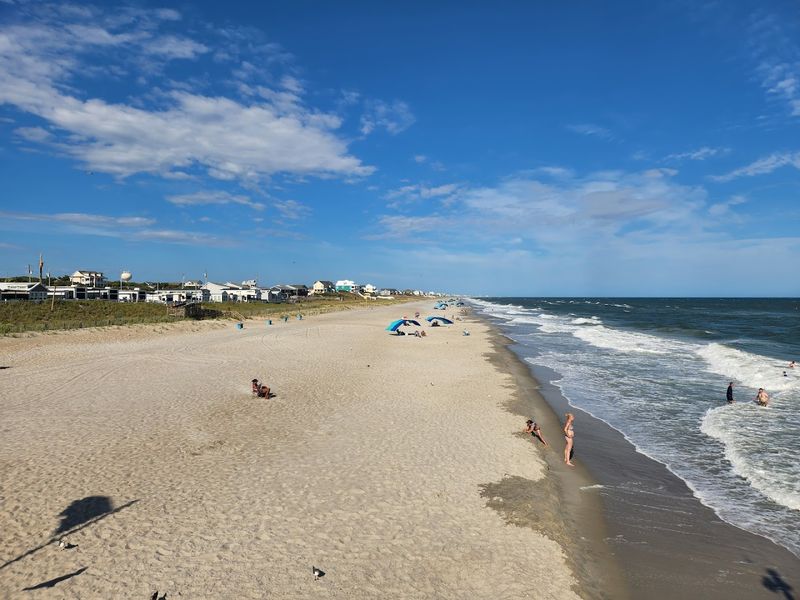
Family-friendly does not have to mean tame after sunset. Emerald Isle’s long stretch of Bogue Banks shoreline gives visitors an easy place to look for ghost crabs once daytime beach crowds thin out and the sand cools.
Children love spotting the pale shapes darting across the beach, but the best version of the activity is quiet and respectful. Use as little light as possible, and follow local turtle-watch guidance.
Never shine any light near nests, turtles, or hatchlings. Sea turtle nest markers may appear along Emerald Isle during nesting season, thanks to local monitoring efforts across the Crystal Coast.
Those marked areas are exciting to see, but only from a distance. They are reminders that the beach is also a nursery, not just a vacation backdrop.
Filling in holes and flattening sandcastles before leaving matters here because hatchlings and nesting females need a clear path across the sand. Emerald Isle works well for families because the lessons are simple and memorable.
A child can see a crab, spot turtle protection markers, and understand that small actions help real animals survive. The town still has plenty of classic beach fun, but after dark, the shoreline offers something better than another activity: a chance to notice who else uses the beach.
7. North Topsail Beach
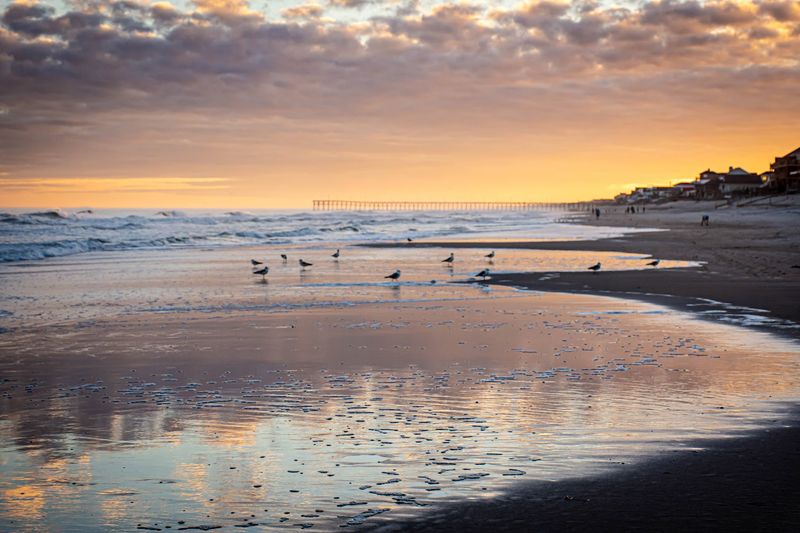
Long, quieter stretches give North Topsail Beach a strong nighttime wildlife feel. This Onslow County end of Topsail Island has a more residential personality than some busier beach towns, which makes evening walks especially appealing for people who want sand, surf, and fewer distractions.
Ghost crabs are common along North Carolina beaches, and North Topsail’s open sand gives them plenty of room to perform their sideways comedy after sunset. Watch for little holes, delicate tracks, and sudden flashes of movement near the tide line.
Topsail Island is also closely associated with sea turtle conservation, including the Karen Beasley Sea Turtle Rescue and Rehabilitation Center in nearby Surf City. Nest markers may appear during nesting season, and volunteers monitor beaches for crawls, nests, and hatch activity.
Visitors should never disturb tracks, touch markers, or use bright lights around protected areas. That restraint makes the experience better, not worse.
It shifts the evening from entertainment to observation. North Topsail is ideal for the kind of walk where everyone lowers their voice, lets their eyes adjust, and realizes the beach has been busy all along.
Daytime visitors get the waves. Nighttime visitors get the secret choreography.
8. Wrightsville Beach
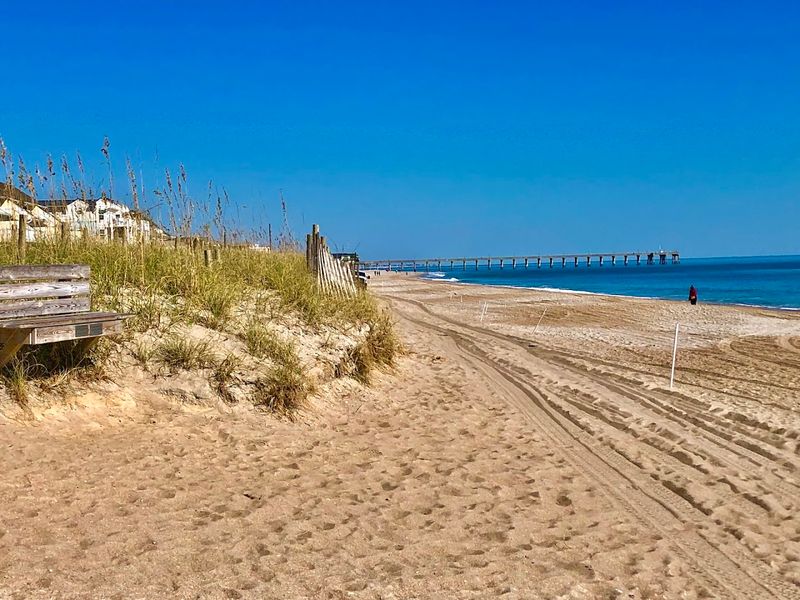
Bright, busy Wrightsville Beach has a quieter side once dinner crowds drift away and the shoreline settles. The beach sits just east of Wilmington, making it one of the easiest spots on this list to reach, but convenience does not erase the wildlife rhythm.
Ghost crabs still appear after dark, especially where the sand is less trampled and the tide has left fresh feeding opportunities. Sea turtle monitoring also takes place here during nesting season, and protected nests may be marked along the beach.
The rules are straightforward: keep lights low and red if you need them, stay away from markers, leave tracks and nests undisturbed, and avoid flash photography.
Wrightsville’s developed setting makes lighting awareness especially important because turtles and hatchlings can become disoriented by artificial brightness.
Visitors staying in oceanfront rentals can help by closing curtains and turning off unnecessary exterior lights at night. The beach may be known for surfing, restaurants, and sunny social energy, but an evening walk reveals a different layer.
Sand shifts underfoot, crabs flicker across the beam, and nest markers quietly remind everyone that the shoreline has a purpose beyond recreation. Wrightsville proves even popular beaches can feel surprising when the day finally lets go.
9. Carolina Beach
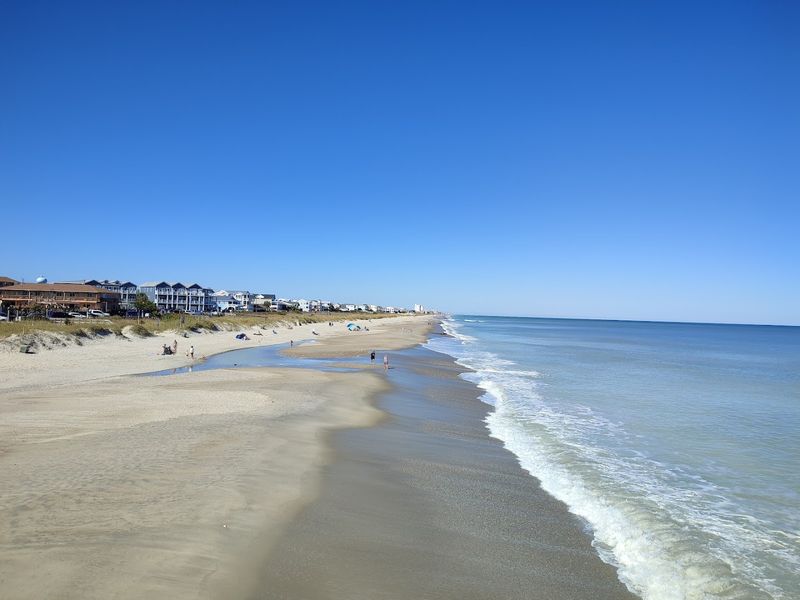
Old-school beach-town energy gives Carolina Beach plenty of daytime personality, but nighttime brings the shoreline back to its wilder basics. Ghost crabs emerge after sunset along stretches of sand where they can forage near the surf and retreat to burrows near the dunes.
Freeman Park and other less-developed areas can feel especially active, though access rules, permits, tides, and closures should always be checked before heading out.
Carolina Beach is part of the broader Pleasure Island coastline, where sea turtle nesting is carefully watched during the season.
Nest markers may appear on the sand, and visitors should treat them as protected spaces rather than curiosities to approach closely.
The easiest ways to help are also the most practical: remove trash, take chairs and gear off the beach, fill holes, flatten sandcastles, and keep lights off or red after dark.
Those habits protect hatchlings and nesting females while keeping the beach safer for everyone. A nighttime walk here can feel playful and educational at the same time.
Kids get the thrill of spotting ghost crabs. Adults get the satisfaction of seeing a familiar beach become less predictable.
Carolina Beach may be lively, but after sunset, the sand still belongs to the creatures moving quietly through it.
10. Bald Head Island Beach
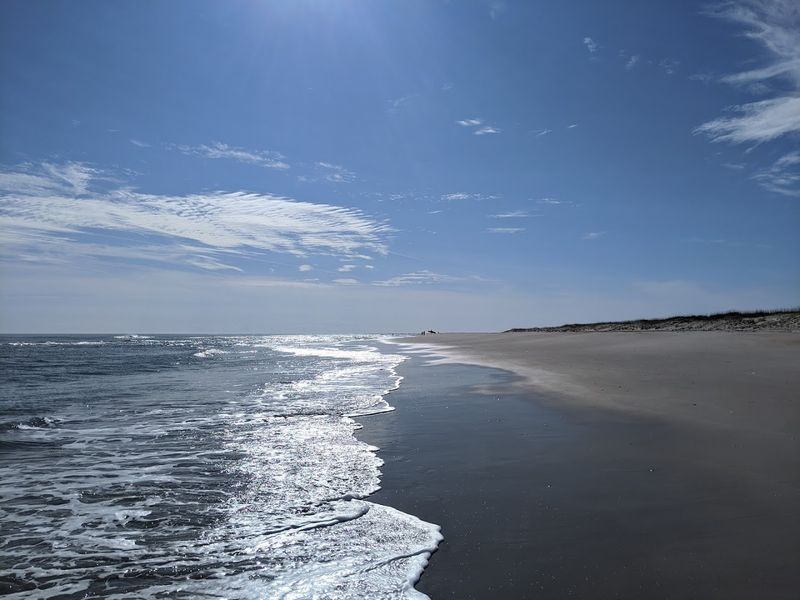
Ferry-only access gives Bald Head Island a natural head start on nighttime atmosphere. With no regular cars and a strong conservation culture, the island feels quieter after dark than many developed beaches.
Loggerhead sea turtles nest here during the season, and the Bald Head Island Conservancy plays a major role in education, monitoring, and community awareness.
Visitors may see marked nests along the shoreline, but those markers should always be observed from a respectful distance.
The island also has lighting rules during turtle season, so guests should understand local guidance before heading out at night. Ghost crabs add another layer of movement to the beach, appearing near the surf and dunes like tiny pale shadows.
Watching them under a red light can be funny, strange, and surprisingly addictive. Old Baldy rises inland as a historic backdrop, giving evening walks a sense of place that feels different from any other Brunswick Islands beach.
Bald Head rewards visitors who arrive prepared. Bring appropriate lights, follow conservancy advice, keep beaches clean, and avoid disturbing wildlife.
The result is a shoreline experience that feels less like a casual stroll and more like being trusted with a fragile, living place for a little while.
11. Oak Island Beach
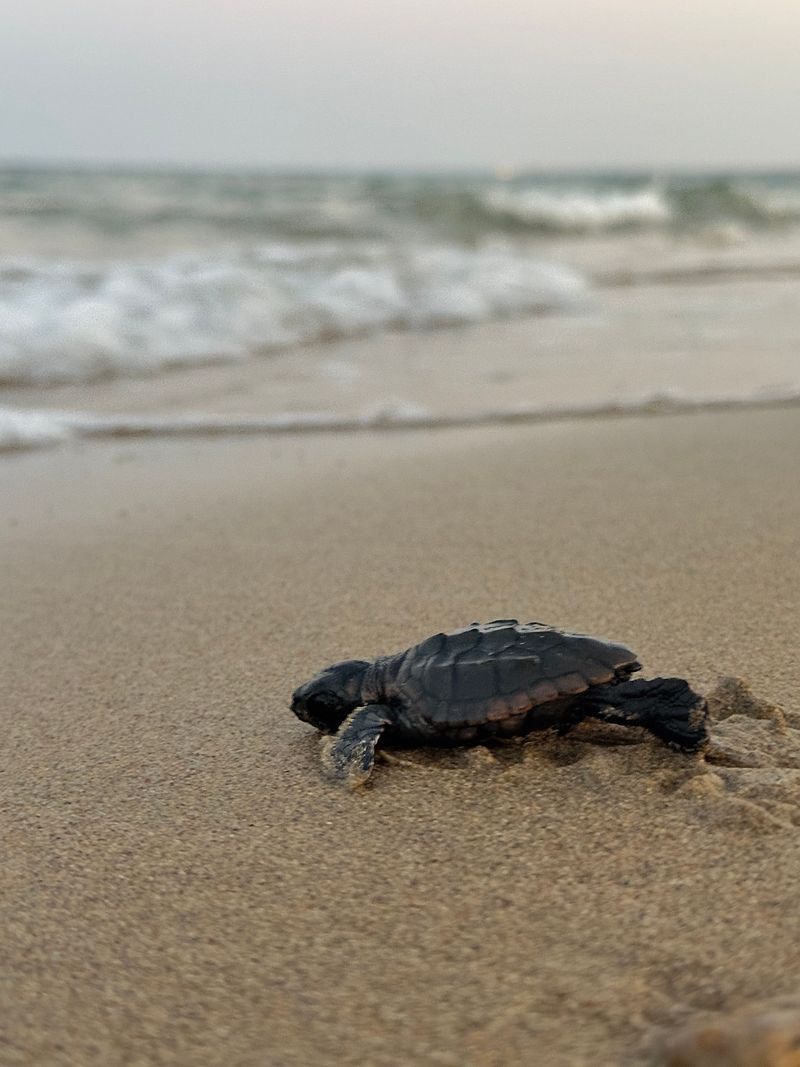
Wide shoreline and easy access make Oak Island a strong choice for families who want nighttime nature without complicated logistics. The town stretches along the Brunswick Islands with multiple public beach accesses, giving evening walkers plenty of options for a ghost crab outing.
Once the sun drops, the crabs begin appearing like tiny wind-up toys with excellent escape plans. They are quick, pale, and easiest to spot when everyone slows down instead of charging after them.
Oak Island also sees loggerhead nesting activity during the season, with local volunteers monitoring the beach and marking nests when they are found. Those markers represent weeks of quiet protection, so visitors should give them space and keep pets, children, and beach gear away.
Evening habits matter here as much as anywhere else: use red lights, fill holes, take trash with you, and leave the sand as flat and dark as possible. Oak Island’s relaxed community feel makes conservation easy to fold into a family beach routine.
Spotting a crab becomes a game. Seeing a nest marker becomes a lesson.
Walking under the moon becomes a reminder that the beach does not shut down after people pack their umbrellas. It simply changes shifts.
12. Ocean Isle Beach
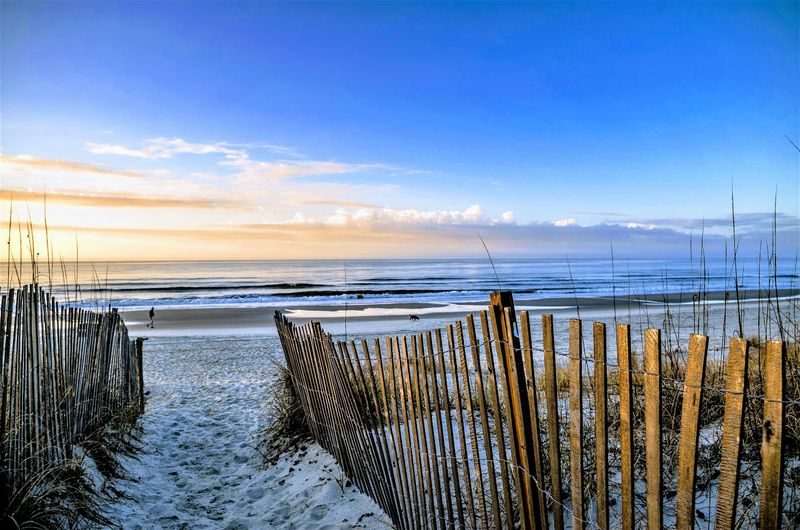
Soft evening light suits Ocean Isle Beach beautifully. This Brunswick Islands town offers wide sand, a family-friendly pace, and the kind of shoreline where a post-dinner walk can quickly turn into a ghost crab safari.
The crabs usually appear after dark, zipping from burrows near the dunes toward the damp sand and back again with hilarious urgency. Look for their small holes during the day, then return after sunset with a red-light flashlight to see the beach’s nighttime crew in action.
Ocean Isle is also part of North Carolina’s sea turtle nesting coast, and local turtle watch volunteers help identify, mark, and monitor nests during the season. Visitors should not cross into marked areas, touch stakes or tape, or shine lights toward nests or the dune line.
The beach may feel calm, but tiny hatchlings can be affected by bright lights, holes, and obstacles. That makes the simple visitor checklist especially important: clean, dark, flat.
Ocean Isle works well because it blends classic beach-town comfort with genuine wildlife awareness. The evening scene is not loud or complicated.
It is just waves, moonlight, crab tracks, nest markers if you are lucky, and a shoreline that feels more alive the longer you look.