These 8 North Carolina Birdwatching Spots Feel Like Hidden Front-Row Seats To Nature
Perch up, humans, because North Carolina is not just good for birdwatching. It is beak-droppingly good.
One calm morning can turn into a feathered spectacle before your coffee has even finished pretending to help.
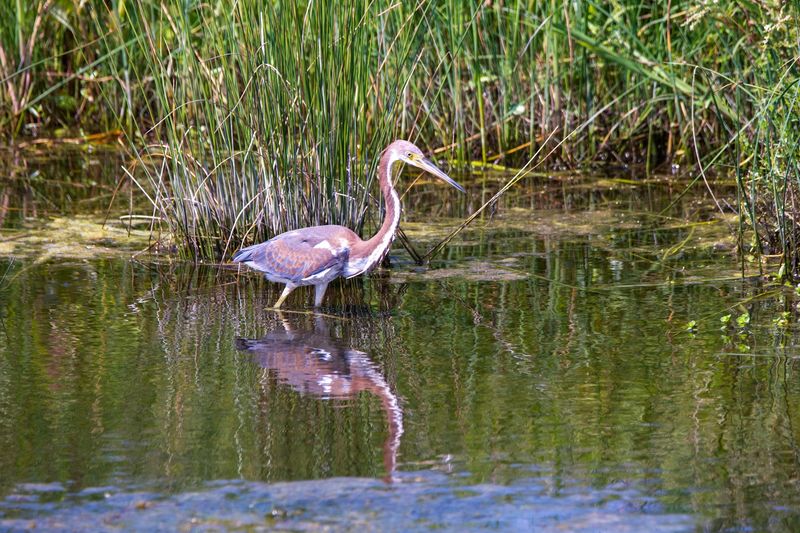
A heron may strut through the marsh like it owns the lease.
Nearby, a tiny songbird can flash past so quickly everyone starts wondering if they saw a bird or just got judged by nature. That is the joy of birding here.
The scenery keeps changing the stage, and the birds keep arriving like they have been booked for a very exclusive outdoor performance.
No fancy bird credentials are required.
Newcomers can show up with curiosity, binoculars, and the willingness to whisper dramatically at a bush. Experienced birders may want to clear space on the life list.
North Carolina has a way of sending surprise guests through the sky when nobody is fully prepared.
Every stop feels like the bird community is putting on a slightly chaotic talent show.
Consider this your official warning from one opinionated winged source: these spots are worth chirping about, and humans should probably bring snacks.
1. Pea Island National Wildlife Refuge
Few birding places on the East Coast feel as open and dramatic as this Outer Banks refuge.
Pea Island National Wildlife Refuge sits at 14500 NC-12, Rodanthe, NC 27968, on a barrier island where ocean, sound, dunes, ponds, and salt marsh converge in a highly productive coastal landscape. This mix of habitats creates a rich environment that supports diverse wildlife throughout the year.
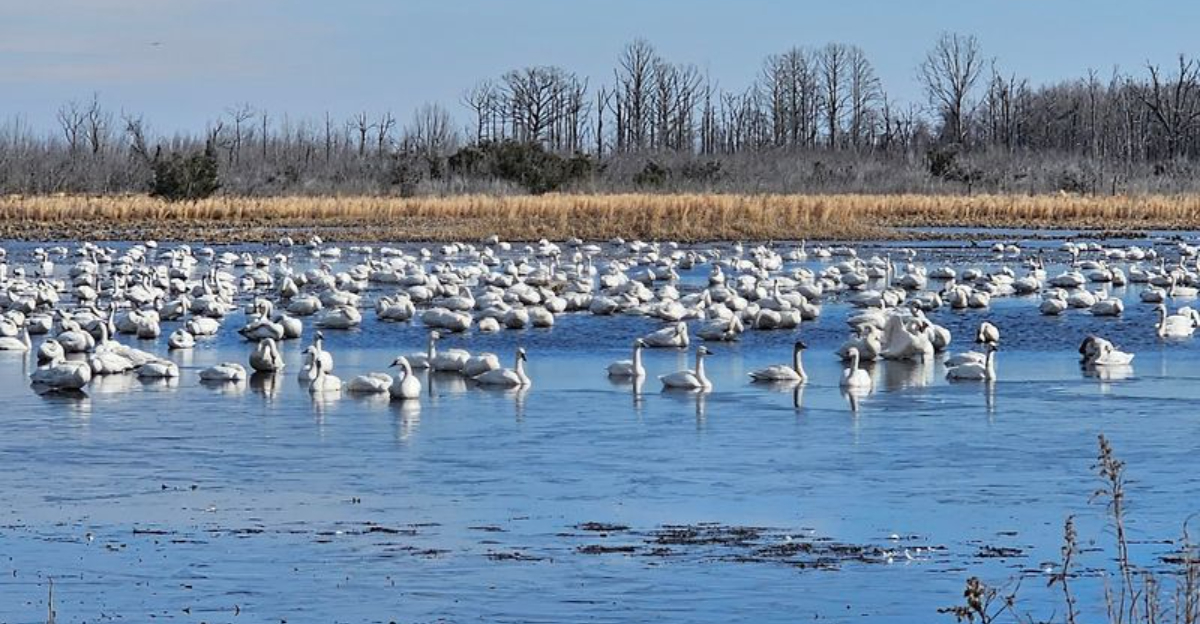
Winter brings some of the most memorable scenes, with snow geese, tundra swans, ducks, and shorebirds gathering across the freshwater impoundments near the visitor center.
Spring and fall add a different kind of excitement, as migrating warblers, terns, plovers, and other coastal species pass through on their long seasonal journeys.
Wide-open views make the refuge especially rewarding for beginners because many birds can be spotted without searching through dense cover.
A spotting scope helps across the larger ponds, but binoculars still offer plenty of satisfying close looks from the trails and observation areas.
Early morning visits tend to bring softer light, calmer conditions, and more active feeding behavior. The Atlantic stays close on one side, while quiet soundside marshes stretch on the other, giving the whole visit a cinematic feeling.
Pea Island turns a simple stop along Highway 12 into a birdwatching experience that can easily become the highlight of an Outer Banks trip.
2. Mattamuskeet National Wildlife Refuge
Winter waterfowl can make this refuge feel almost unreal, especially at sunrise when the lake begins to stir. Mattamuskeet National Wildlife Refuge sits at 85 Mattamuskeet Road, Swan Quarter, NC 27885, and centers around Lake Mattamuskeet, the largest natural lake in North Carolina.
That shallow, open water creates one of the most important wintering areas for ducks, geese, and swans in the region. Dawn is the magic hour here, when tundra swans lift off in pale light, ducks ripple across the surface, and flocks shift constantly above the marsh.
Canvasbacks, ruddy ducks, northern pintails, snow geese, and other waterfowl gather in impressive numbers during the colder months. The resulting movement across the wetlands creates a scene so dense and dynamic it can feel almost too large to take in at once.
Birders who enjoy photography will appreciate the open views near the historic pump house, where the lake, sky, and birds come together in dramatic layers.
Patience matters here because the best moments often happen slowly, with birds drifting closer, changing direction, or rising suddenly in a wave of wings.
Winter is the strongest season, but the refuge also supports wading birds, raptors, and songbirds during other times of year.
Bring warm layers, a scope, and enough time to sit still for a while. Mattamuskeet is not a place to rush.
3. Alligator River National Wildlife Refuge
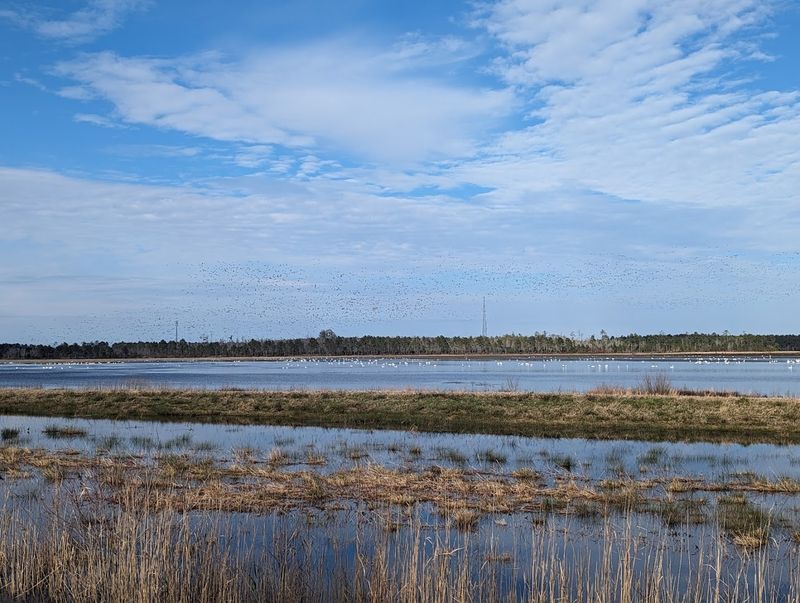
Wildness feels close here in a way that makes every drive, trail, and marsh edge feel full of possibility.
Alligator River National Wildlife Refuge spans more than 150,000 acres of pocosin wetlands, marshes, canals, and forested habitat near Manteo. Visitor access is located at 100 Conservation Way, Manteo, NC 27954.
Birdwatching here rewards people who enjoy mystery as much as easy sightings, because the landscape is big, layered, and full of quiet movement.
Red-cockaded woodpeckers, bald eagles, northern harriers, barred owls, osprey, warblers, rails, and bitterns can all be part of the experience depending on the season and habitat you explore.
Creef Cut Wildlife Trail is one of the best starting points, offering a manageable route through marsh and open edges where visitors can scan for raptors and wetland birds. Late afternoon can be especially rewarding as light softens and activity picks up along the refuge roads.
Spring and fall migration bring songbirds to the wooded edges, while summer adds nesting activity and plenty of wading birds. The refuge is also known for broader wildlife viewing, which gives birding trips an extra sense of possibility.
Roads through the area can feel remote, so arriving prepared with water, insect repellent, and a full tank of gas is smart. Alligator River feels powerful because nature clearly runs the schedule.
4. Pocosin Lakes National Wildlife Refuge
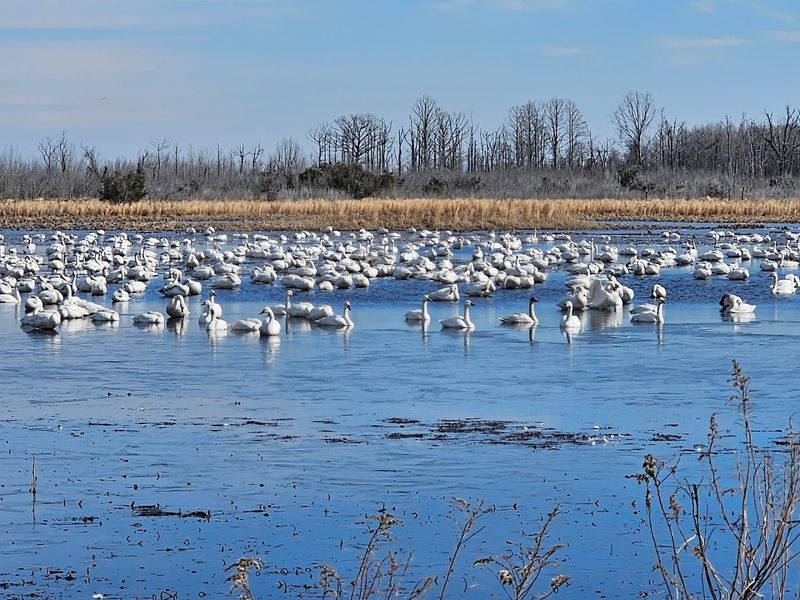
A pale winter sky filled with tundra swans is the kind of scene that makes this refuge unforgettable.
Pocosin Lakes National Wildlife Refuge has a visitor center at 205 South Ludington Drive, Columbia, NC 27925, which makes a helpful first stop for anyone new to the area or unfamiliar with pocosin habitat.
This landscape is known for dense shrubby wetlands, open water, agricultural edges, and seasonal gatherings of birds that can make the whole place feel alive during the colder months.
November through February usually brings the strongest waterfowl viewing, when swans, ducks, geese, hawks, herons, and other birds move through the refuge in impressive numbers.
Sunrise and sunset are especially beautiful, with pale light spreading across the water and flocks calling in the distance.
Unlike some birding locations where the experience centers on a single trail, Pocosin Lakes rewards slow driving, careful scanning, and quiet stops at the right pullouts.
The refuge also offers a deeper look at a habitat type many visitors have never heard of before. Pocosins are shrubby wetlands found mainly on the southeastern coastal plain, and their dense cover supports secretive birds that add challenge and excitement to a visit.
Bring binoculars, a scope if you have one, and enough patience to let the landscape reveal itself gradually. Pocosin Lakes offers some of North Carolina’s most memorable winter birding.
5. Weymouth Woods Sandhills Nature Preserve
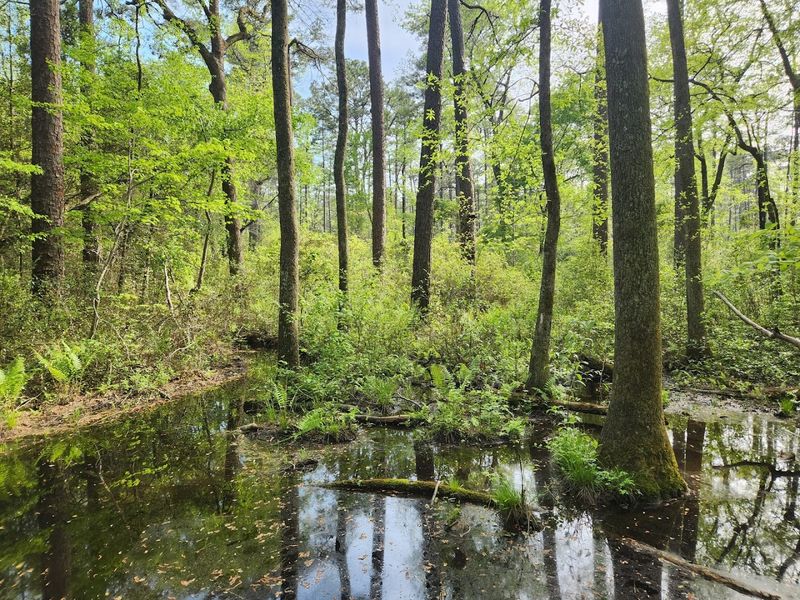
Longleaf pine country gives birders a completely different side of North Carolina, and this preserve shows it beautifully.
Weymouth Woods Sandhills Nature Preserve occupies 1024 Fort Bragg Road, Southern Pines, NC 28387, preserving a rare Sandhills ecosystem defined by open pine woods, wiregrass, sandy soil, and carefully managed habitat.
Red-cockaded woodpeckers are the headline birds here, and seeing one move among mature longleaf pines feels genuinely special because the species depends on this threatened habitat.
Brown-headed nuthatches, pine warblers, red-headed woodpeckers, eastern bluebirds, and summer tanagers can make a visit especially rewarding. Calm mornings often enhance the experience, with bird calls carrying clearly through the trees.
The trails are manageable, well-marked, and peaceful, which makes the preserve a strong choice for birders who want a quieter alternative to larger refuges.
Spring is especially lively, with nesting activity, birdsong, and fresh growth giving the forest a bright, active feeling.
Fall and winter can also be excellent for slower observation, when thinner foliage makes movement easier to spot. The preserve’s visitor center and interpretive information help explain why longleaf pine ecosystems matter so much, adding depth to the birding experience.
Comfortable shoes are useful because sandy paths can be softer underfoot than expected. Weymouth Woods feels subtle at first, but the longer you stay, the more details appear.
6. Pee Dee National Wildlife Refuge
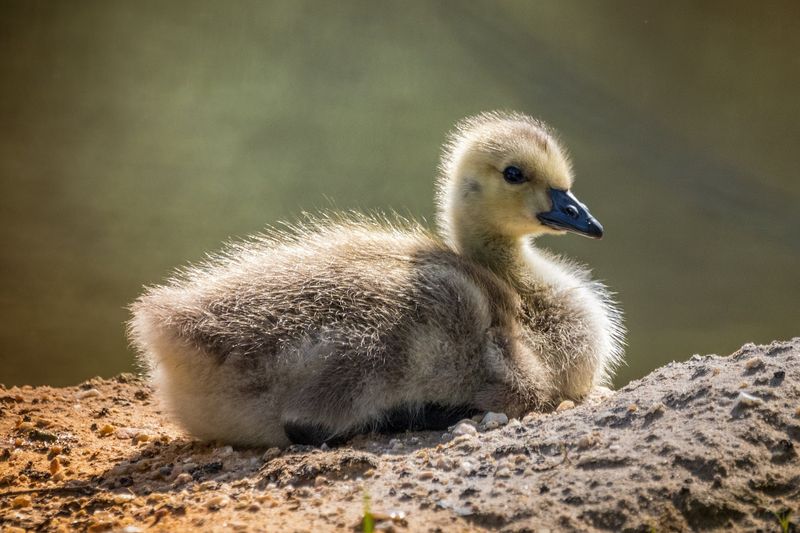
Piedmont birding gets a peaceful, layered setting at this refuge near Wadesboro.
Pee Dee National Wildlife Refuge is located at 5770 US Highway 52 N, Wadesboro, NC 28170. Bottomland hardwood forest, open fields, wetlands, ponds, and river-influenced habitat there attract a wide mix of birds across the seasons.
Spring migration brings some of the most exciting activity, especially when warblers, vireos, tanagers, and other songbirds move through the forested edges.
Bottomland areas can be especially productive for prothonotary warblers, barred owls, wood ducks, and pileated woodpeckers, while open fields may reveal kestrels, sparrows, and raptors during cooler months.
The refuge roads and trails make it possible to bird at a slow, comfortable pace, which is ideal for visitors who prefer scanning from multiple habitat edges rather than hiking one long route. Early morning is usually best, with more birds calling and moving before the day warms up.
This is also a good spot for birders who enjoy listening, since forest birds are often heard before they are seen. The landscape feels peaceful rather than crowded, making it easy to settle into the rhythm of watching and waiting.
Pee Dee may not have the dramatic coastal flocks of the eastern refuges, but its strength is variety. For anyone birding near Charlotte or the southern Piedmont, it offers a rewarding escape.
7. Jordan Lake State Recreation Area
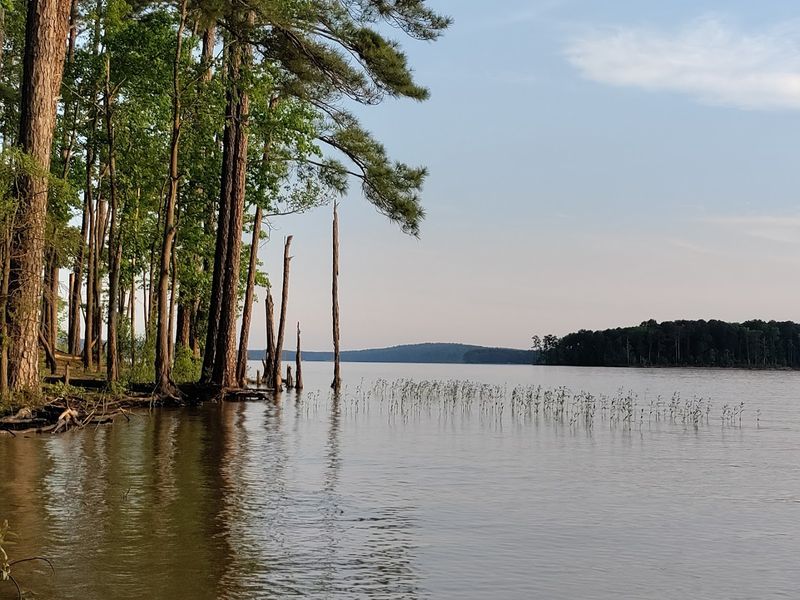
Bald eagles give this lake its strongest birdwatching draw, especially during the colder months.
Jordan Lake State Recreation Area’s main entrance is at 280 State Park Road, Apex, NC 27523. A large reservoir surrounded by forested shoreline, coves, open water, and recreation areas offers steady birdwatching opportunities throughout the year.
Winter is especially exciting because bald eagles gather around the lake to hunt and perch in tall trees near the water.
Watching one glide low over the surface before dropping toward a fish is the kind of moment that makes even casual visitors stop talking mid-sentence.
A spotting scope is helpful because many eagles perch across wide stretches of water, but binoculars can still provide excellent views from shoreline access points.
Beyond eagles, Jordan Lake supports osprey, great blue herons, green herons, double-crested cormorants, gulls, terns, woodpeckers, and a variety of wintering ducks.
Spring and summer bring nesting activity and more songbirds in the surrounding woods, while fall offers pleasant weather and fewer crowds.
Birders should check different recreation areas around the lake because each access point can produce different sightings depending on water level, season, and time of day.
Early mornings and late afternoons usually bring the strongest light and most active behavior. Jordan Lake combines easy access with genuine wildlife drama.
8. Beaver Lake Bird Sanctuary
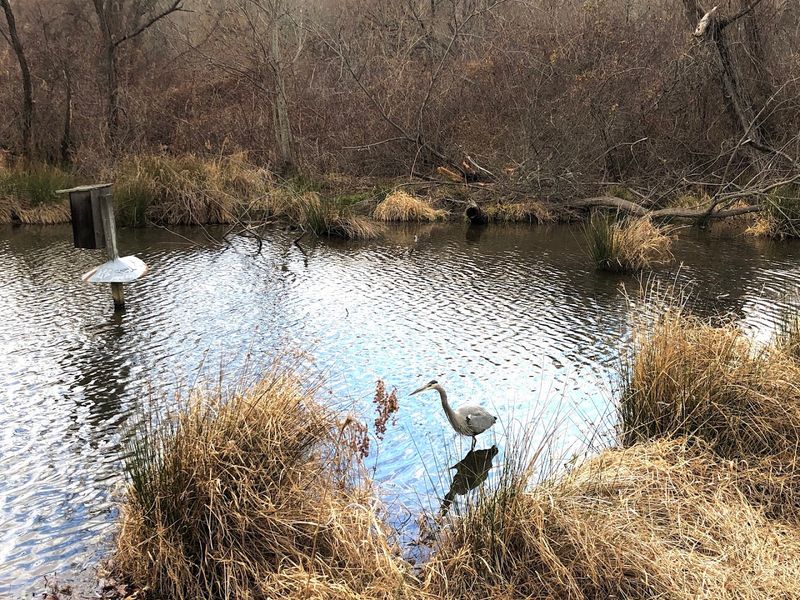
Asheville hides a wonderfully calm birdwatching pocket just minutes from the city center.
Beaver Lake Bird Sanctuary is located at 1056 Merrimon Avenue, Asheville, NC 28804, in a leafy residential area. A small lake, boardwalk, wetland edges, and surrounding trees there create a surprisingly rich habitat.
Great blue herons, belted kingfishers, wood ducks, mallards, wrens, vireos, warblers, and other songbirds can appear throughout the year, with spring and fall migration bringing the richest variety.
The wooden boardwalk is one of the sanctuary’s biggest strengths because it lets visitors move slowly along the water and wetland edge without disturbing the birds.
This close, gentle access makes the spot especially good for beginners, families, photographers, and anyone who prefers a relaxed birding pace. Morning visits between April and June can be particularly beautiful, with birdsong filling the trees and soft light moving across the lake.
Unlike larger refuges, Beaver Lake rewards small observations: a kingfisher flashing past, a heron standing perfectly still, a warbler flickering through branches, or a turtle warming itself near the water.
The sanctuary also fits easily into an Asheville day, making it a perfect nature reset before or after exploring the city.
For such a compact place, it offers an impressive sense of quiet discovery. Beaver Lake proves that front-row seats to nature can hide beside a busy road.
Disclaimer: Bird activity, refuge access, trail conditions, visitor center hours, seasonal closures, and wildlife viewing opportunities can change throughout the year, so readers should confirm current details with each site before visiting.