These North Carolina Castles Feel Straight Out Of A Fairytale
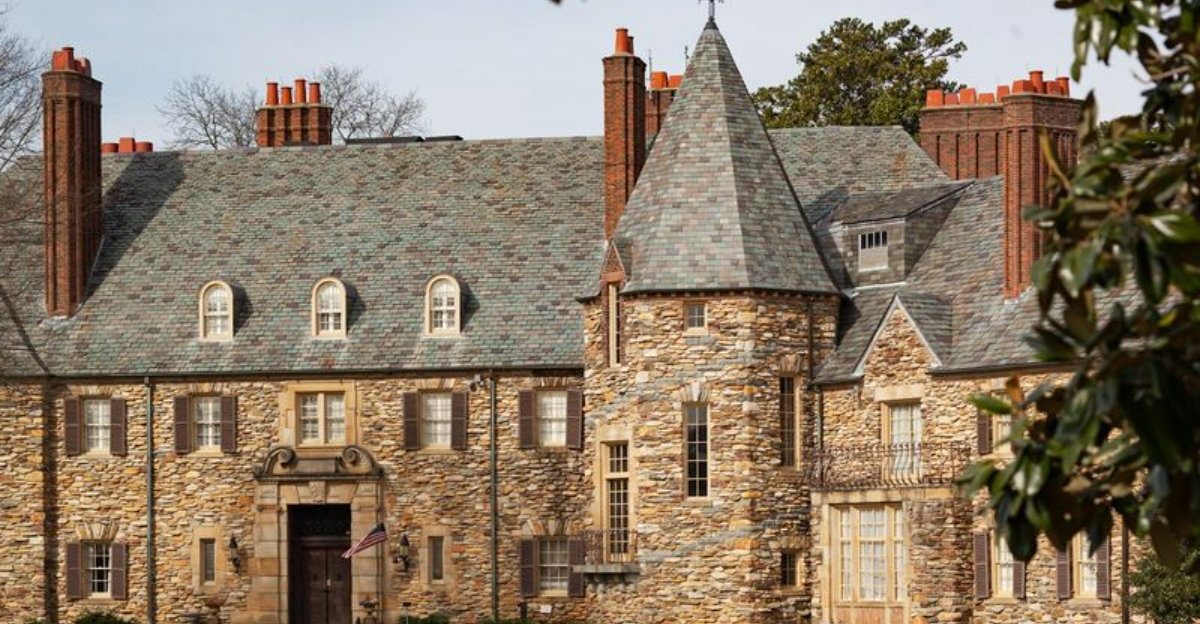
Nobody tells you about North Carolina’s castles. You hear about the Outer Banks.
You hear about Cheerwine, pulled pork, and leaf-peeping season in Asheville. Nobody mentions the medieval towers rising out of the Blue Ridge fog, or the stone estates that look borrowed from the English countryside.
But they are there, and once you find them, you cannot unsee them. This state has a secret layer.
Grand, dramatic, and sometimes surrounded by local legends and stories. Some of these places have stood for over a century.
Others were built by dreamers who simply refused to accept that America had no room for castles. I went looking.
What I found changed how I see this state entirely.
1. Biltmore Estate, Asheville
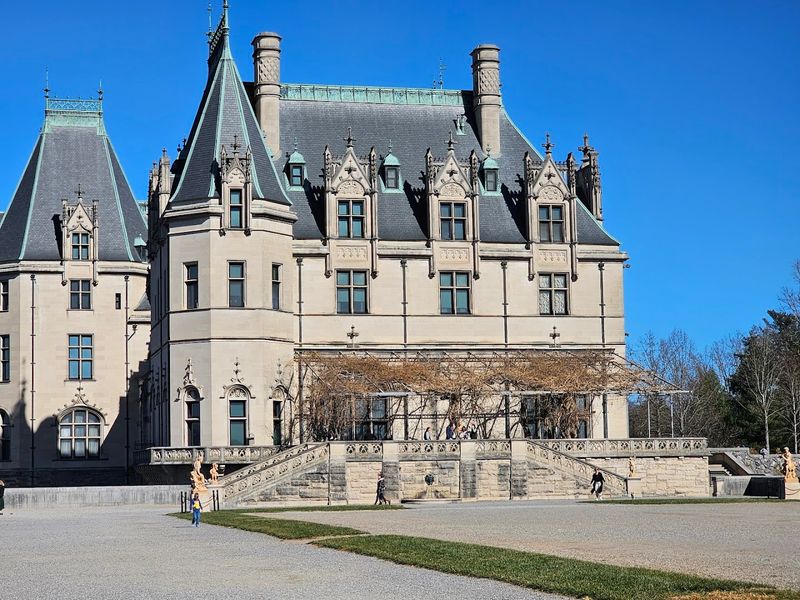
250 rooms. One family.
No apologies. George Washington Vanderbilt II commissioned this French Renaissance chateau in 1895, and it has never stopped making people feel small in the best possible way.
Biltmore Estate remains America’s largest privately owned home. It is hard to fully appreciate until you see it in person.
Inside, you will find 35 bedrooms, 43 bathrooms, a jaw-dropping library, a bowling alley, and an indoor swimming pool. The scale of the home alone gives it an almost surreal, storybook feel, with hidden corners and details you keep noticing as you move from room to room.
The surrounding estate covers about 8,000 acres and includes a working winery, several restaurants, and beautifully maintained gardens designed by Frederick Law Olmsted. Plan to spend a full day here because there is genuinely too much to see in just a few hours.
Tickets should be purchased online in advance, especially during fall and Christmas seasons when the estate draws enormous crowds.
2. Smithmore Castle, Spruce Pine
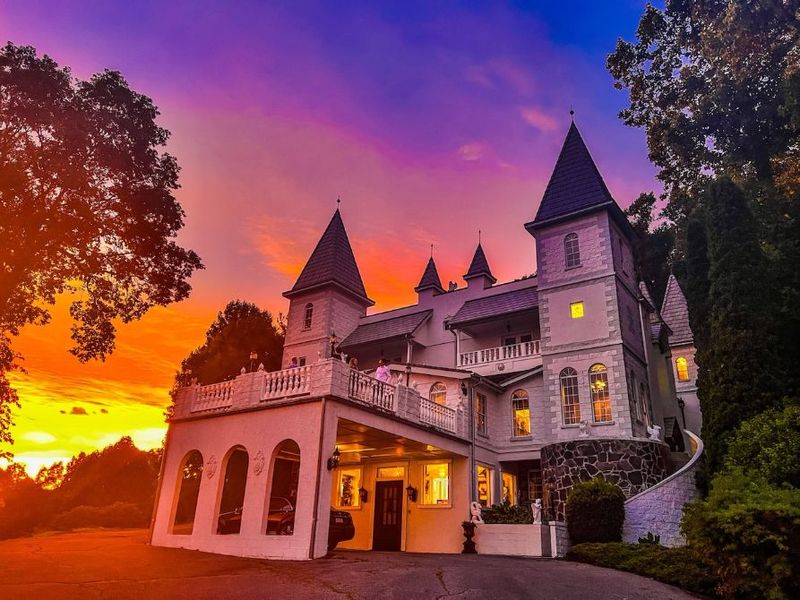
Imagine waking up in a turret suite with mountain views stretching endlessly outside your window. That is the everyday reality at Smithmore Castle, a luxury castle hotel tucked along Castle Way at 638 Castle Way, set in the heart of the Blue Ridge Mountains.
The castle looks like something out of a European travel magazine, all stone walls, dramatic towers, and sweeping lawns.
What makes Smithmore different from other historic properties is that it was designed to be lived in and enjoyed right now. Guests can book gourmet dining experiences, take archery lessons, enjoy wine tastings, or treat themselves to a massage without ever leaving the grounds.
The royal dining room alone is worth the visit, with high ceilings, candlelight, and the kind of atmosphere that makes an ordinary meal feel like a celebration.
The surrounding mountain scenery only adds to the experience. Spruce Pine itself is a charming small town known for its art community and mineral-rich geology.
If you are planning a romantic getaway or a truly special anniversary trip in North Carolina, Smithmore Castle delivers a level of luxury and fantasy that is not easy to find elsewhere. Booking ahead is a good idea.
3. Castle McCulloch, Jamestown
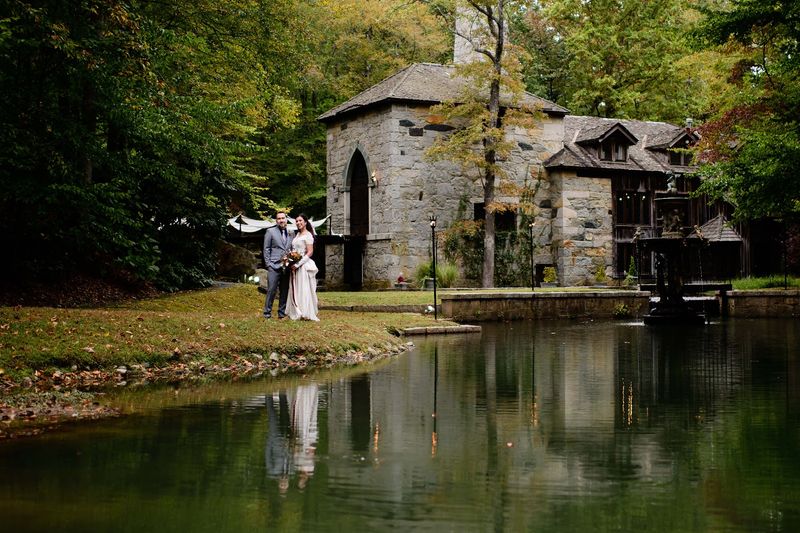
It started as a gold refinery. Nobody builds a moat around a gold refinery, and yet, here we are.
In 1832, this building was processing gold from nearby mines. Somewhere between then and now, at its current home on Kivett Drive at 3925 Kivett Dr in Jamestown, it grew a great hall, a moat, stone bridges, and towering turrets.
Castle McCulloch is proof that North Carolina does not do anything the expected way.
Today, Castle McCulloch is primarily an event venue, but visiting during one of its public events is absolutely worth it. The annual Mardi Gras Masquerade, New Year’s Eve parties, and other themed events take place here, turning the castle grounds into a lively, atmospheric space.
There is something genuinely exciting about celebrating inside a building with this much history behind its walls.
The formal gardens surrounding the castle are beautifully maintained and make for a wonderful stroll even outside of event hours.
Jamestown is located in the Piedmont region, just a short drive from Greensboro, making Castle McCulloch an easy addition to a broader road trip through central North Carolina. Check their official event calendar before you visit to make sure you catch the best experience possible.
4. Tryon Palace, New Bern
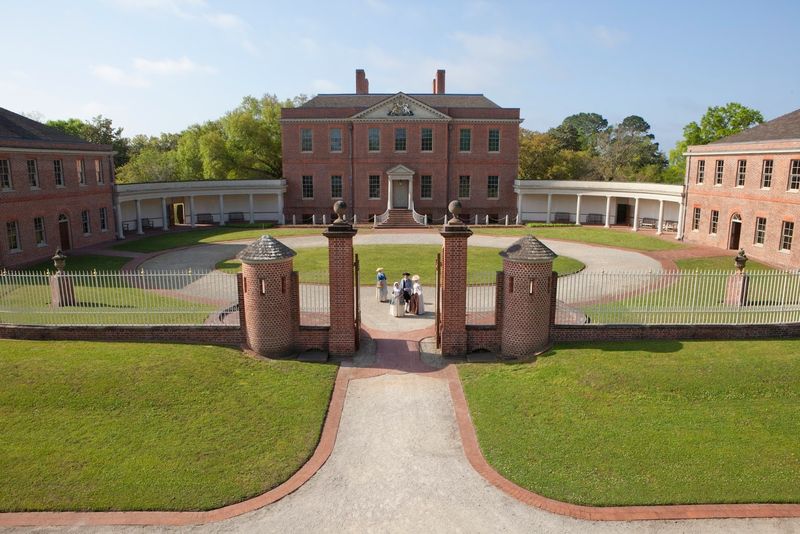
The British built their finest colonial mansion here in the 1760s. Then it burned down.
Then someone rebuilt it from scratch, two centuries later, just to prove it could be done.
Tryon Palace in New Bern was the official residence of British Royal Governor William Tryon, and in its day it was considered the finest government building in colonial America. The drama did not stop at the architecture.
Major political decisions and historic moments unfolded within these walls.
Walking through the formal gardens here feels like a completely different experience from anything else in North Carolina. The symmetrical hedgerows, seasonal flower beds, and brick pathways create a sense of order and elegance that is almost theatrical.
Inside, period-accurate furnishings, fine portraits, and detailed craftsmanship give you a vivid picture of 18th-century colonial life.
New Bern itself is one of North Carolina’s oldest cities, founded in 1710, and the whole downtown area rewards slow exploration.
The palace complex includes multiple historic buildings, a history center, and rotating exhibits that provide deep context for what you are seeing, all set just off Front Street at 529 S Front St in New Bern.
Guided tours are available and highly recommended because the stories behind the rooms genuinely bring the whole place to life in ways a self-guided visit simply cannot match.
5. Gimghoul Castle, Chapel Hill
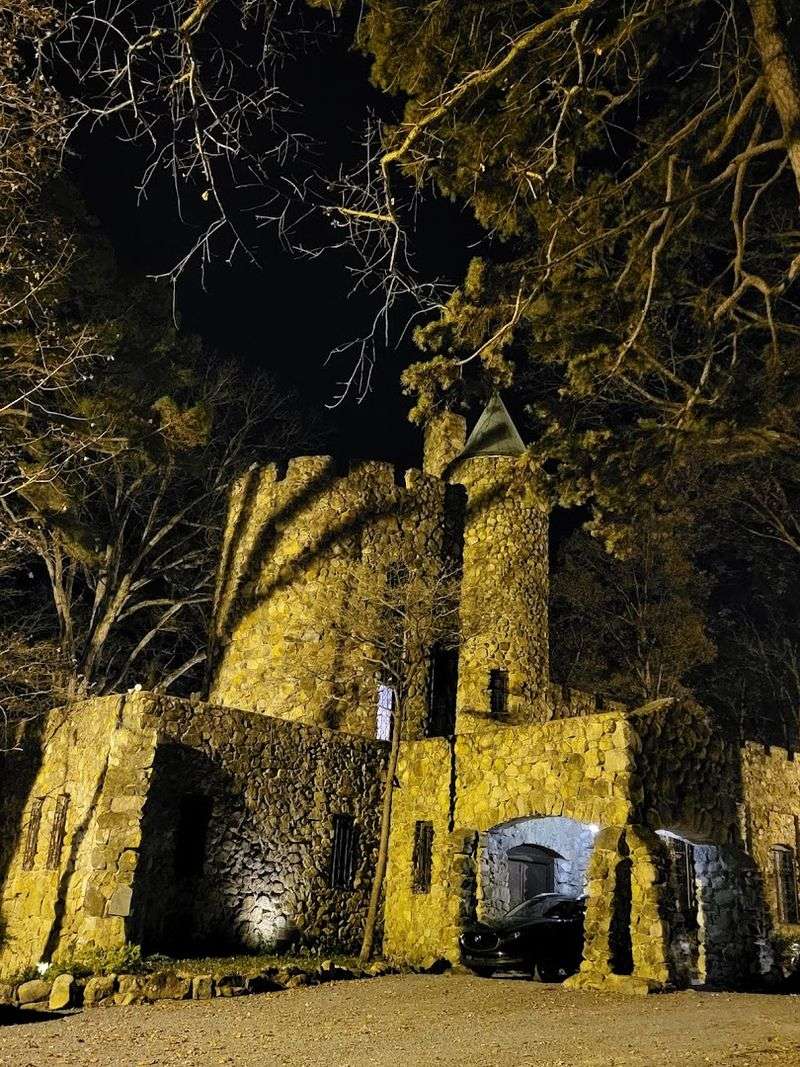
There is a small stone castle on the edge of the University of North Carolina campus in Chapel Hill, and most people who live in the area have no idea it exists.
Gimghoul Castle was built in the 1920s by a secretive campus organization called the Order of Gimghoul, a group founded in 1889 with roots in gothic legend and campus mythology. The castle was constructed as their private meeting place, and it still operates as a private club today.
The legend behind the castle involves a 19th-century duel involving a young man named Peter Dromgoole, who supposedly disappeared after a romantic rivalry that ended under mysterious circumstances.
Whether you believe the story or not, the atmosphere around the castle is quiet and atmospheric. Dense trees, mossy stone walls, and the general air of secrecy make it feel distinctly different from anything around it.
Since the castle is private property, visitors should respect boundaries and view it from the surrounding trails rather than attempting to access the grounds. The wooded path leading to the area is a pleasant walk in itself, especially in autumn when the leaves turn.
For anyone fascinated by secret societies, campus legends, or gothic architecture, Gimghoul Castle is one of North Carolina’s most intriguing and lesser-known destinations.
6. Graylyn Estate, Winston-Salem
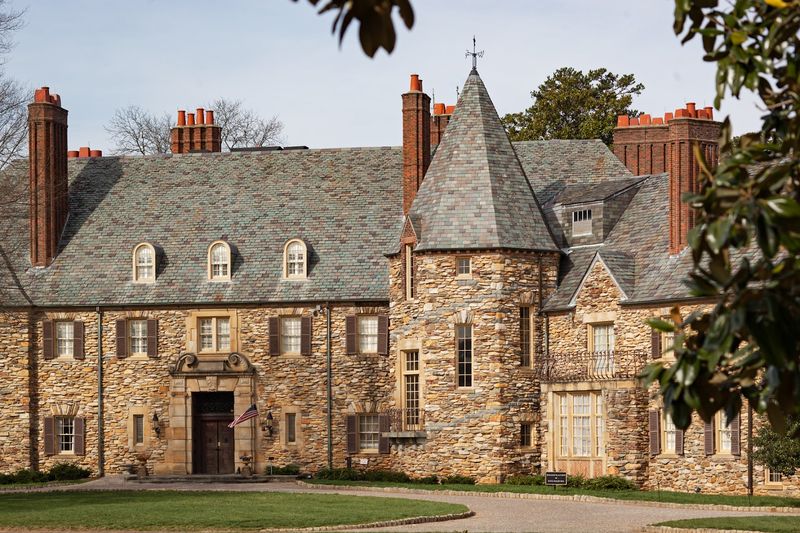
Someone built this manor in 1932 and poured everything into it. Every stone, every carved detail, every garden path, all of it done with the kind of intention that most buildings never see.
Bowman Gray Sr. wanted a Norman Revival estate inspired by the countryside of Normandy, France. What he got was Graylyn, a property so personal and so carefully built that it still feels like someone’s beloved home, not a historic landmark.
Today, Graylyn operates as a conference center and inn managed by Wake Forest University, which means you can actually stay overnight in this extraordinary building.
Guest rooms are located throughout the main house and surrounding cottages along Reynolda Road at 1900 Reynolda Rd in Winston-Salem, and the level of detail in the interior design is remarkable.
Original woodwork, decorative plasterwork, and period furnishings are preserved throughout, creating an atmosphere that feels more like a private estate than a hotel.
The grounds include formal gardens, wooded walking paths, and a carriage house that adds to the overall sense of a self-contained estate world.
Winston-Salem is a city with a strong arts and culinary scene, so pairing a stay at Graylyn with local restaurant visits and museum stops makes for a genuinely satisfying long weekend in North Carolina. Booking directly through Wake Forest University’s website is the easiest way to secure a room.
7. Körner’s Folly, Kernersville
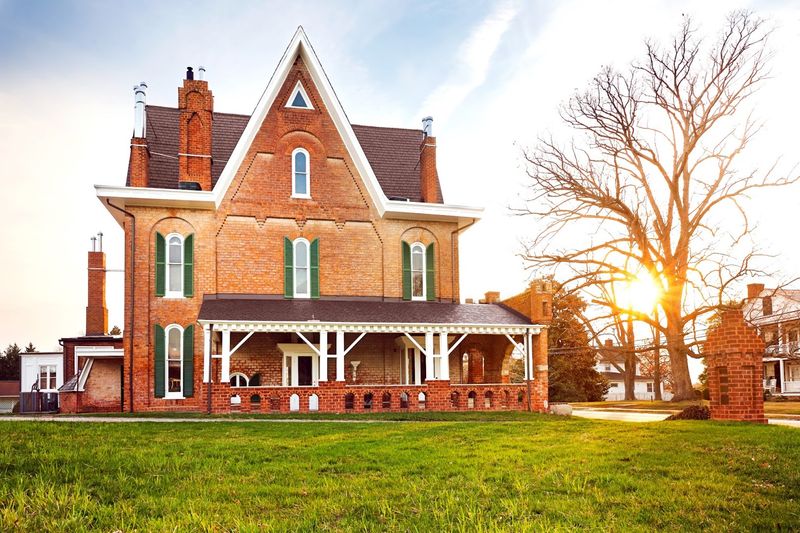
Locals thought Jule Körner had lost his mind. He built a house unlike anything anyone had seen, complete with an attic theater and wildly different room designs.
They called it a folly. He kept building anyway.
Built between 1878 and 1880 by furniture and interior designer Jule Gilmer Körner, this 22-room Victorian mansion was designed entirely according to its owner’s personal whims, with no two rooms the same height and decorative details covering nearly every surface.
Körner embraced the nickname completely, turning what others doubted into something unforgettable.
Every room tells a different story through its wallpaper, carved woodwork, and hand-painted surfaces. The craftsmanship is extraordinary, and the sheer creativity on display makes the whole building feel like a walk through one man’s imagination.
Körner’s Folly is now a National Historic Landmark and is open for public tours run by a dedicated preservation nonprofit.
The staff are genuinely passionate about the history of the building and Körner’s fascinating life, and their enthusiasm makes the tour feel personal rather than scripted.
Located just off Main Street at 413 S Main St in Kernersville, the house is easy to find and well worth the detour if you are traveling through the Piedmont Triad region of North Carolina.
8. Chateau Des Fleures, Angier
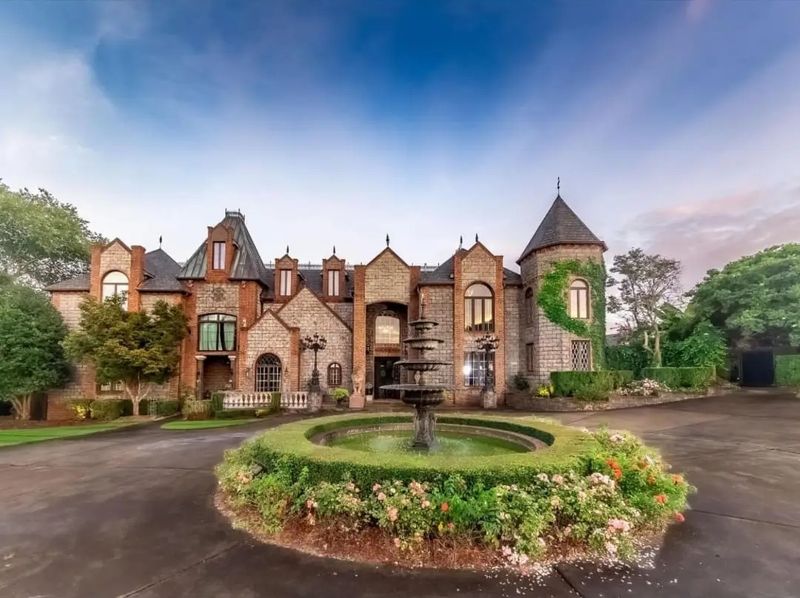
Thirty miles from Raleigh, in a town most people drive straight through, someone built a French chateau. With turrets.
In North Carolina. Chateau des Fleures, set along Pope Lake Road at 104 Pope Lake Rd in Angier, is a privately owned property that doubles as an event venue, most commonly used for weddings and private celebrations.
The name fits perfectly because the grounds are filled with carefully tended gardens that give the whole property a romantic, almost dreamlike quality.
The architecture draws from French chateau traditions, with a stone facade, decorative turrets, and formal landscaping that frames the building beautifully. For couples planning a wedding, this venue offers one of the most photogenic settings in the entire state.
Even if you are not attending an event, the property is worth knowing about simply because it represents how seriously some North Carolinians take the idea of creating something extraordinary.
Angier itself is a quiet, friendly town that does not get much tourist attention, which makes discovering a place like this feel especially rewarding.
If you are planning a visit, reaching out to the venue directly through their website is the best approach since the property is privately managed. The surrounding Johnston County area has several other interesting stops, making a day trip from Raleigh an easy and enjoyable option.
9. Castle Mont Rouge, Rougemont
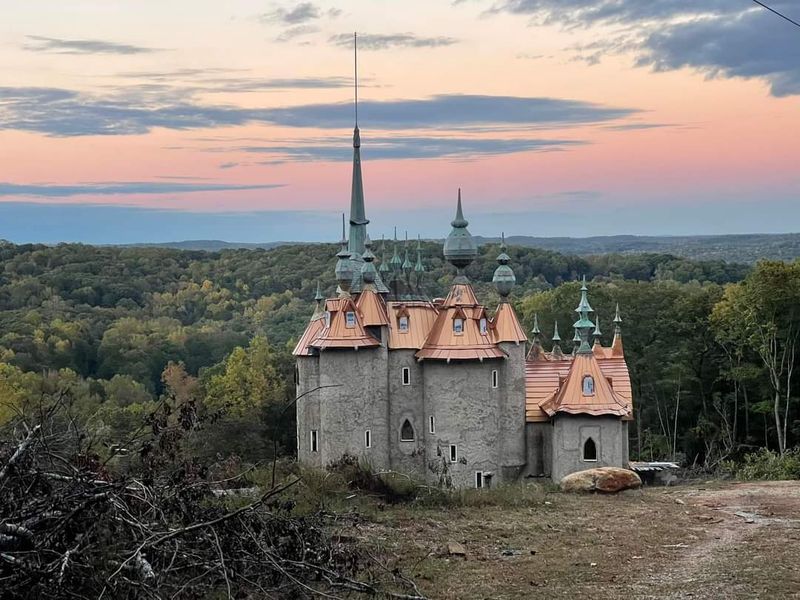
Robert Mihaly started building his castle in 2000 and stopped in 2006. He never finished it.
And honestly, the unfinished version might be more powerful than the completed one ever could have been.
Mihaly pulled inspiration from Middle Eastern minarets and Bavarian castles, mixing them into something that belongs to no category and no era.
Castle Mont Rouge, set along Mountain Brook Road at 957 Mountain Brook Rd in Rougemont, is unlike anything else in North Carolina, or anywhere else, for that matter.
There is something genuinely moving about an unfinished castle. You can see Mihaly’s ambition in every stone, every arch, and every decorative detail that was carefully placed before the work stopped.
The building raises questions about creativity, obsession, and what happens when a grand vision runs up against the limits of time and resources. It is the kind of place that stays with you long after you leave.
It is important to note that Castle Mont Rouge is not open to the public, and the property should be viewed respectfully from a distance. Rougemont is a rural community north of Durham, and the surrounding countryside is scenic and peaceful.
For anyone interested in outsider art, unconventional architecture, or the stories behind abandoned creative projects, Castle Mont Rouge represents a fascinating and distinctly North Carolina kind of wonder.