These 10 North Carolina Counties Have Some Of The Lowest Household Incomes In The State
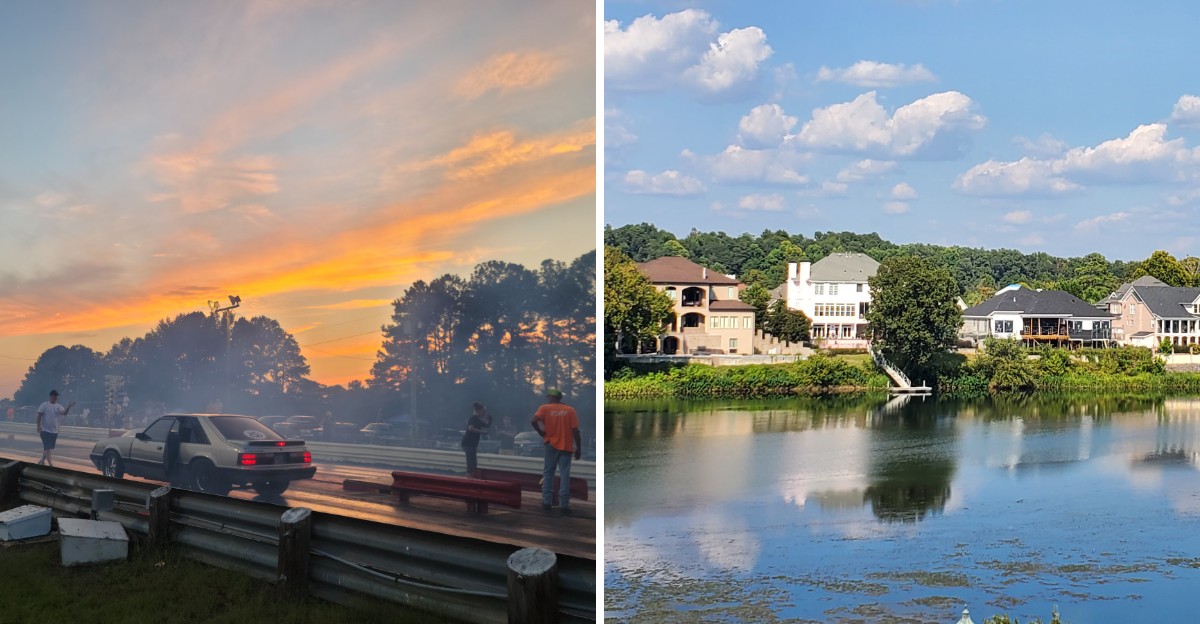
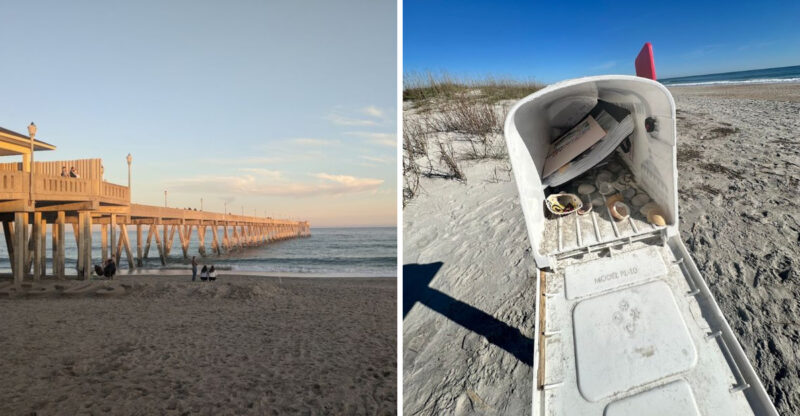
Seeing North Carolina’s least populous county beside its largest by land area made me look twice.
They could hardly be more different, yet both appear among the counties with the state’s lowest median household incomes.
The 2023 American Community Survey puts North Carolina’s statewide median at $69,904, while several places on this list fall far below it.
I do not think those numbers tell anything close to the whole story.
Income data cannot capture what daily life feels like, what a community values, or why people choose to stay.
Some of these counties are rural and sparsely populated, while others cover enormous stretches of the state.
For me, the interesting part begins after the ranking.
I wanted to understand the places behind the figures instead of treating a Census number like the final word.
10. Hertford County
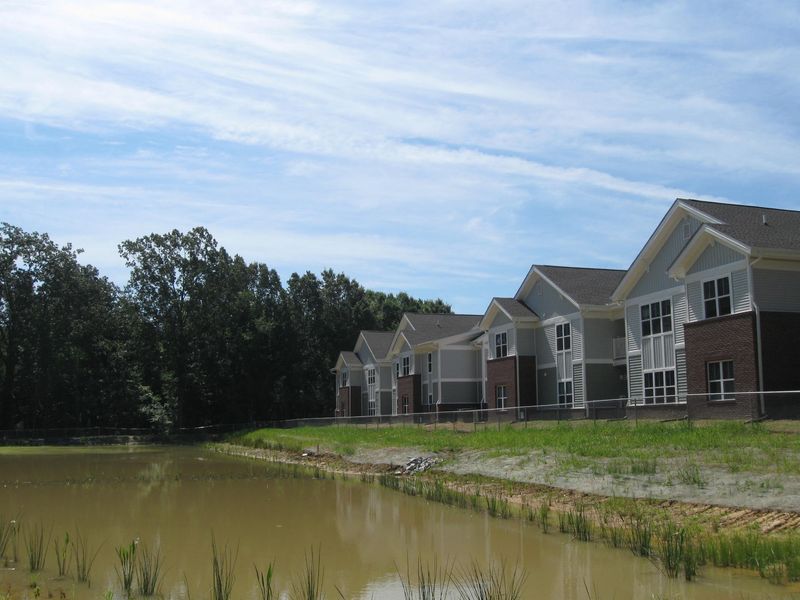
College towns usually don’t show up on low-income lists, but this county breaks the mold. Hertford County is home to Chowan University in Murfreesboro.
It also hosts Roanoke-Chowan Community College near Ahoskie. Those schools give local students a path to training and degrees close to home.
Even so, the county’s median household income was $47,472 in 2023. That came in about 32 percent lower than the statewide figure.
Winton is the county seat, sitting near the Chowan River. Ahoskie is the largest town and a busy center for shopping and services.
The county sits in northeastern North Carolina, close to the Virginia border. Farm fields and small towns shape much of the landscape.
Murfreesboro is worth a slow stroll if you enjoy older architecture. The town has a historic district with homes and buildings from earlier centuries.
Chowan University itself dates back to 1848. That long history makes it one of the older colleges in the state.
So what keeps incomes low? Rural counties often have fewer big employers, and many young people move away for work.
Local colleges help push back against that trend. They train nurses, teachers, and tradespeople who can build careers right here.
Here’s a practical tip if you visit. Check the university’s event calendar for games and performances open to the public.
9. Halifax County

Long before July 4, 1776, a small town here helped light the fuse of independence. On April 12, 1776, leaders met in Halifax and adopted the Halifax Resolves.
That made North Carolina the first colony to officially call for independence from Great Britain. Not bad for a place many travelers zip past on the interstate!
Today, Halifax County’s numbers tell a tougher story. Its median household income was $45,071 in 2023, about 36 percent below the state median.
Roanoke Rapids is the county’s largest city, while the town of Halifax remains the county seat. The area sits along the Roanoke River in the northeastern part of the state.
History buffs should head straight to Historic Halifax State Historic Site. Restored buildings from the 1700s and 1800s line the grounds.
Visitors can explore the historic Constitution House and Eagle Tavern, two surviving buildings that offer a glimpse into Halifax’s early history.
Exhibits explain why this spot mattered so much in 1776. It’s a fun way to learn something your history class may have skipped.
So why the lower incomes? Many rural eastern counties have lost manufacturing and farm jobs over time.
Those changes left fewer high-paying options close to home. Still, Halifax holds a piece of American history no paycheck can buy.
If you love road trips with a lesson attached, this county deserves a stop. Bring curiosity and comfortable shoes.
8. Alleghany County
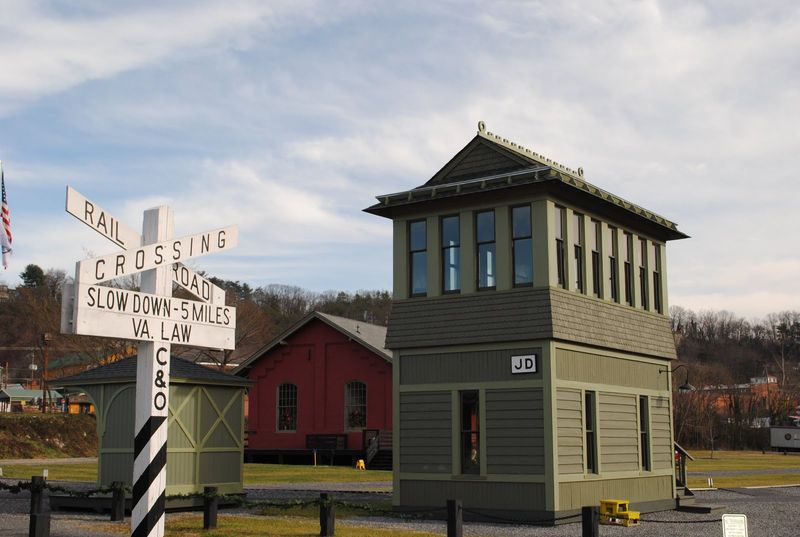
Mountain views come free in this corner of the Blue Ridge, even if paychecks run small. Alleghany County posted a median household income of $44,272 in 2023.
That figure sat about 37 percent below the North Carolina median of $69,904. Still, the scenery here could make a rich county jealous.
The county sits right on the Virginia line, high in the mountains. Sparta serves as the county seat, and the Blue Ridge Parkway winds through the area.
Want a big outdoor payoff without a big bill? Stone Mountain State Park reaches into the county near Roaring Gap.
The park covers more than 14,000 acres and centers on a 600-foot granite dome.
The park offers approximately 20 miles of hiking trails, including a strenuous route toward Stone Mountain’s summit. A section of the Stone Mountain Loop Trail near the waterfalls is currently closed for construction, so visitors should check trail conditions before heading out.
History fans get a treat too. The Hutchinson Homestead shows off a log cabin, corn crib, and blacksmith shop from 19th-century mountain life.
It’s a neat reminder that families here have long lived close to the land. Their tools and buildings tell that story better than any chart could.
Lower incomes in rural mountain counties often reflect fewer large employers nearby. Many workers rely on farming, tourism, and small local businesses.
So the next time you cruise the Parkway, think about the folks who call these hills home. Their backyard is a postcard, and they earned it.
7. Scotland County
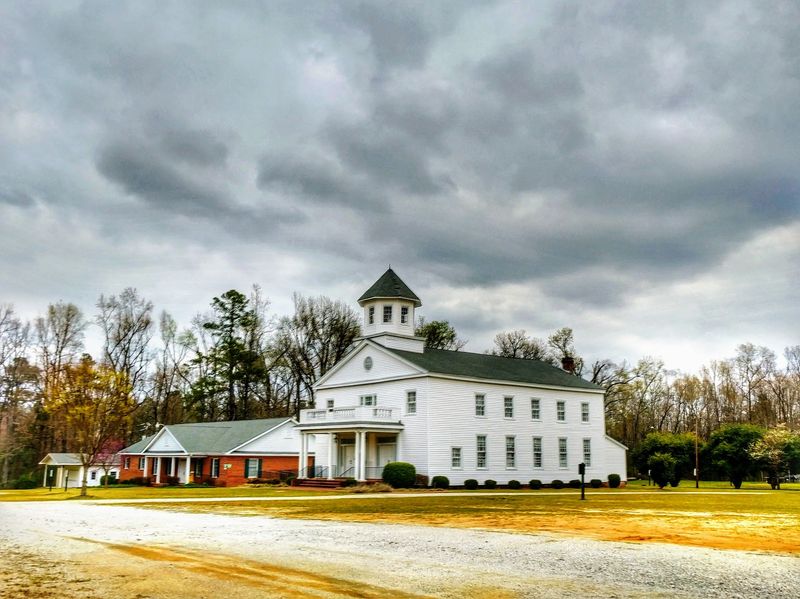
A county named for Scotland sits deep in the cotton country of southern North Carolina. Its name honors the Scottish settlers who put down roots here long ago.
In 2023, Scotland County’s median household income was $43,500. That landed about 38 percent below the statewide median.
Laurinburg is the county seat and the main hub for shopping and services. Laurinburg was also home to St. Andrews University, a private institution that served the community for more than six decades before closing in May 2025.
Farming has deep roots here, and cotton plays a starring role. You can see that heritage celebrated at the John Blue House and grounds.
The site features a restored 1800s farmstead with historic buildings to explore. John Blue was an inventor whose farm equipment helped shape agriculture in the region.
Each year, the grounds host the John Blue Cotton Festival. Expect antique farm equipment demonstrations, living history exhibits, crafts vendors, and live music.
Train rides add extra fun for kids and grown-up rail fans alike. It’s a family day out that won’t drain your wallet.
Why do incomes run lower here? Like many rural counties, Scotland has seen factory jobs fade over the decades.
That shift hit plenty of farm and mill towns across the South. Communities here keep finding new ways to adapt and stay connected.
A cotton festival might sound old-fashioned. Yet it shows how a small county can turn its past into a reason for neighbors to gather.
6. Lenoir County

Few counties can say they keep a real Civil War ironclad downtown. Lenoir County can, and it’s housed in Kinston.
The CSS Neuse Civil War Interpretive Center shows the recovered hull of the gunboat. The Confederacy built only about 20 ironclads, and this is one of them.
Its crew sank the ship in 1865 to keep it from being captured. Thousands of artifacts found onboard now help tell its story.
Exhibits walk you through how the vessel was built, used, and lost. It’s a rare chance to stand beside a ship from that era.
Now for the money side. Lenoir County’s median household income was $44,795 in 2023.
That figure sat about 36 percent below the North Carolina median. Kinston, the county seat, has faced job losses as tobacco and textile work declined.
The Neuse River runs right through the area. Floods from big hurricanes have hit the region hard in recent decades.
Recovery takes time and money, which strains families and local budgets. Still, the city keeps working to bring new life downtown.
Want a smart way to spend an afternoon? Pair the ironclad visit with a walk around downtown Kinston.
You’ll get history, river views, and a sense of a town working to write its next chapter. That’s a pretty good return on a short drive.
5. Richmond County
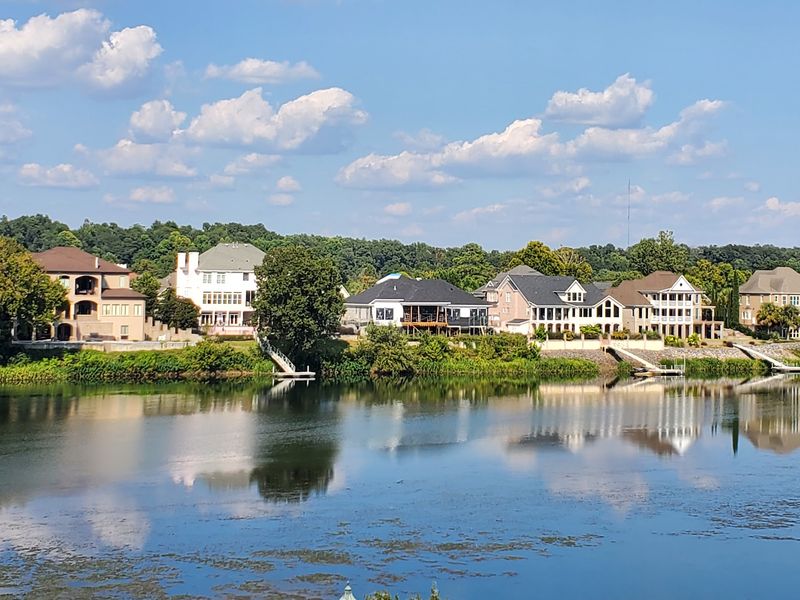
Jazz legend John Coltrane was born in Hamlet in 1926. That fun fact alone puts Richmond County on the music map.
Hamlet grew up as a railroad town, serving as a major hub for the Seaboard Air Line Railway. Trains shaped the town’s jobs, buildings, and identity.
The Hamlet Depot and Museums celebrate that history today. The 1900 passenger depot is a Victorian-style building with plenty of character.
Inside the complex, exhibits cover railroad history and local heritage. Rail fans can also check out antique rail cars.
Richmond County’s median household income was $43,626 in 2023. That placed it about 38 percent below the state median.
Rockingham serves as the county seat, and it’s known for its racing past. The old track there drew NASCAR fans for years.
Like many mill and rail towns, the county lost jobs as industries changed. Fewer factories meant fewer steady paychecks for local families.
Yet the area still has plenty to offer curious visitors. You can mix trains, racing history, and jazz roots in one trip.
Bring the kids if they love trains. Watching modern freight roll past a 1900 depot is a fun history lesson in motion.
And if you’re a music lover, tip your hat to Coltrane while you’re in town. Big talent can come from small places.
4. Tyrrell County
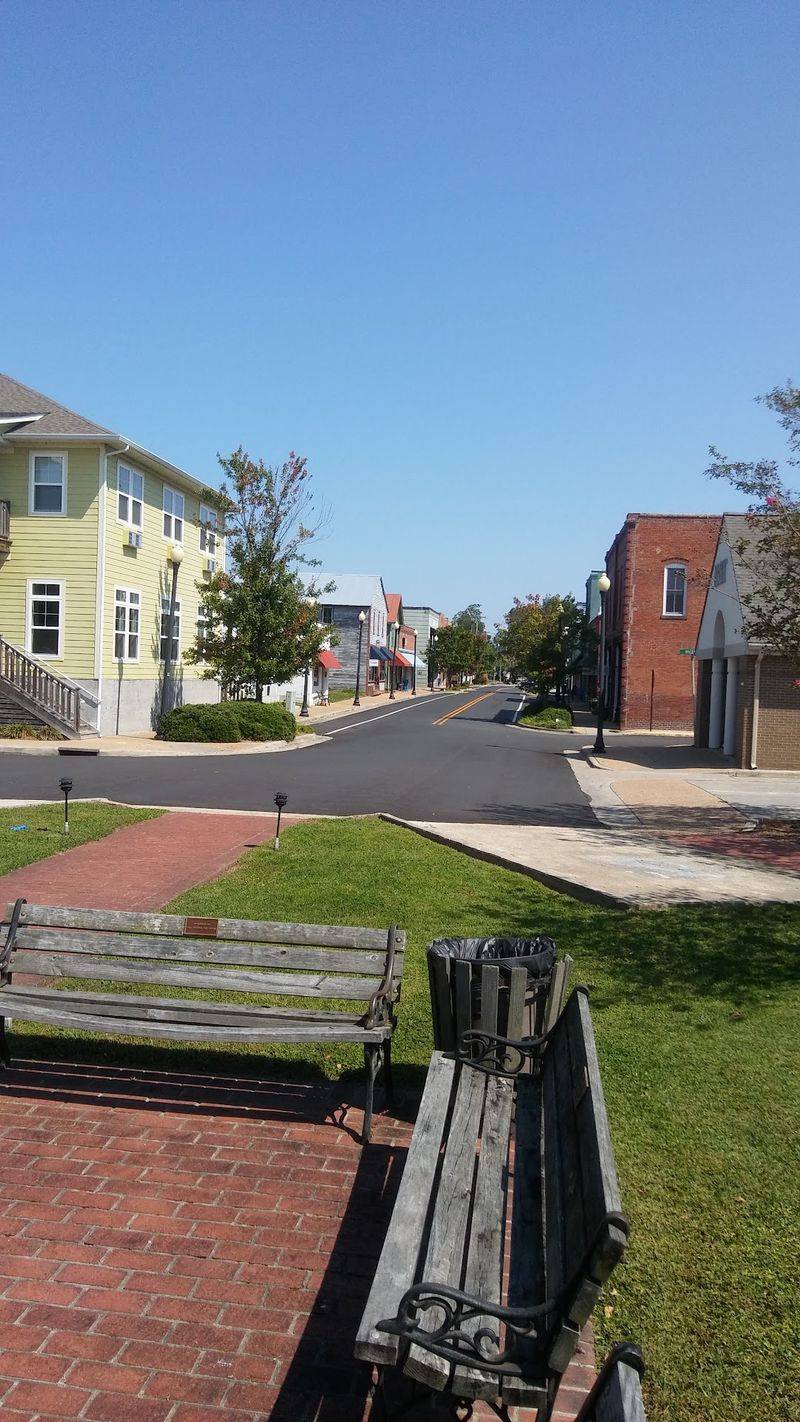
Fewer people live in Tyrrell than in any other county in North Carolina. Its population sits around a few thousand residents.
Small headcount, big landscape. Swamps, rivers, and wildlife refuges cover huge stretches of the county.
Tyrrell County’s median household income was $43,952 in 2023. That ran about 37 percent below the statewide median.
Columbia, the county seat, sits on the Scuppernong River. US 64 runs through town, so many beach travelers pass right by.
Next time, slow down and stop. The Walter B. Jones Sr. Center for the Sounds serves Pocosin Lakes National Wildlife Refuge.
A boardwalk there stretches along the river and marsh. It’s a relaxing way to stretch your legs on a long drive.
The refuge protects pocosins, a type of swampy wetland common in the area. Black bears and many bird species live in the region.
Winter brings flocks of migrating waterfowl to nearby lakes and fields. Bird watchers often plan trips around that season.
Jobs are limited in such a small county. Many residents work in farming, fishing, or commute to nearby areas.
Still, quiet has its own value. Columbia proves a tiny town can offer big views and an easy pause from the road.
3. Bladen County
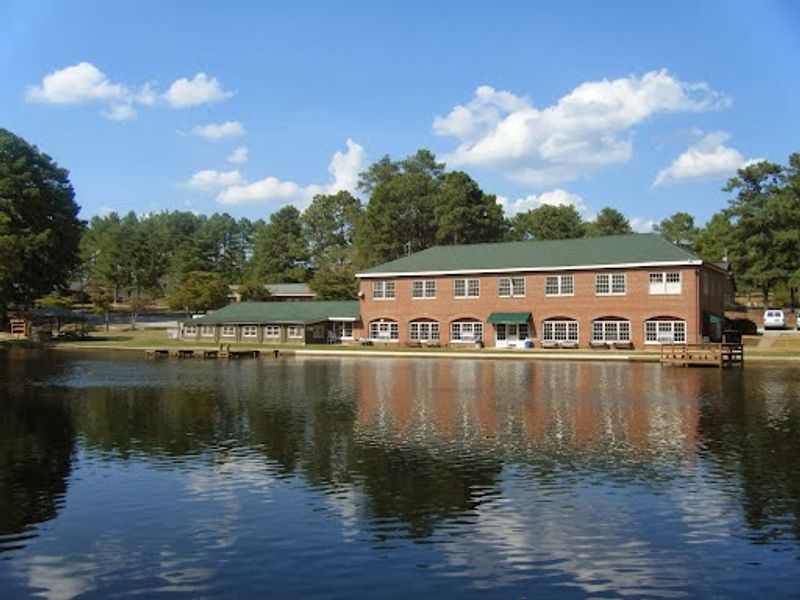
Scientists still argue about how Carolina bays formed. Bladen County has one of the best places to see one up close.
Carolina bays are oval-shaped dips in the land found across the coastal plain. Jones Lake State Park protects one filled with dark, tea-colored water.
That color comes from tannins, natural compounds from plants. The water looks mysterious, but it’s a normal part of this ecosystem.
The park’s four-mile Bay Trail loops around Jones Lake, giving hikers a closer look at the unusual Carolina bay landscape.
You can also fish, picnic, or camp overnight. It’s an affordable outing, which matters in a county like this.
Bladen County’s median household income was $44,528 in 2023. That ran about 36 percent below the North Carolina median.
Elizabethtown is the county seat, sitting along the Cape Fear River. Much of the county is rural, with farms and forests covering wide stretches.
Agriculture and food processing provide many local jobs. Those jobs often pay less than work in big metro areas.
Still, nature here is rich even when wallets are thin. Bladen Lakes State Forest and several bay lakes add to the outdoor options.
So pack a picnic and spend a day by the water. You might leave with your own theory about how those bays got there.
2. Washington County
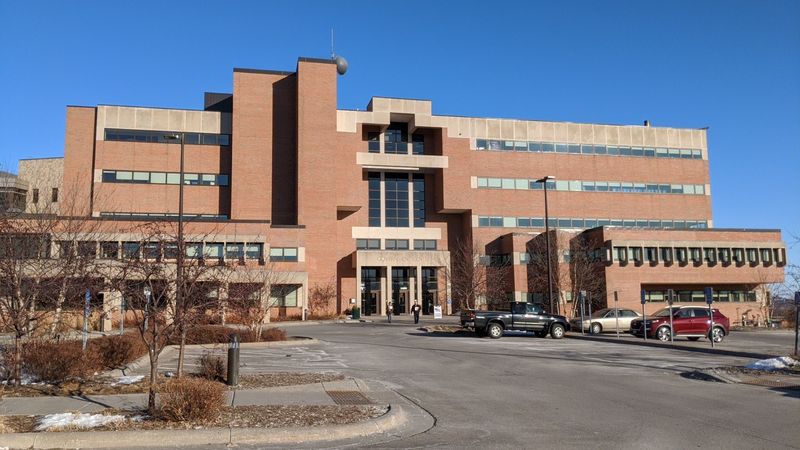
A Civil War ironclad once ruled the river at Plymouth. The CSS Albemarle helped Confederate forces win the Battle of Plymouth in 1864.
That story lives on at the Port O’ Plymouth Museum. The museum sits along the waterfront in the county seat of Plymouth.
Exhibits focus on the battle and the town’s role in the war. It’s a handy stop if you like history with a river view.
Washington County’s median household income was $41,750 in 2023. That placed it about 39 percent below the state median.
The county sits along the Albemarle Sound region in eastern North Carolina. Farming, timber, and paper production have long supported local workers.
When big employers cut back, small counties feel it quickly. Fewer jobs can push younger families to move away.
Nature lovers still have reasons to visit. Pettigrew State Park near Creswell sits beside Lake Phelps, one of the state’s largest natural lakes.
Fishing and paddling are popular there. Old cypress trees line parts of the shoreline.
Plymouth also hosts the Roanoke River Lighthouse replica on its waterfront. Pair it with the museum for an easy, low-cost day.
You don’t need a big budget to enjoy this county. Bring your curiosity and plan time along the water.
1. Robeson County
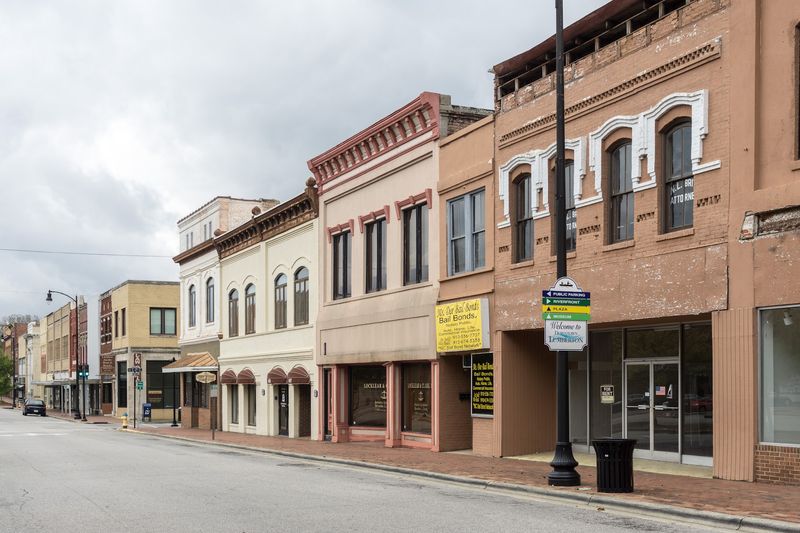
No county in North Carolina covers more land than Robeson. It’s big in culture too, as the home of the Lumbee Tribe.
The Lumbee are the largest tribe east of the Mississippi River. Their history and pride shape life across the county.
Robeson also had the lowest median household income among these ten counties. It reached $40,318 in 2023, about 42 percent below the state median.
Lumberton is the county seat and sits along the Lumber River. Hurricane Matthew in 2016 and Hurricane Florence in 2018 brought major flooding.
Those storms damaged homes and businesses and set back many families. Recovery has been a long road for the area.
Education offers a bright spot. The University of North Carolina at Pembroke was founded in 1887 to educate American Indian students.
Today the campus serves students from many backgrounds. It’s also home to the Museum of the Southeast American Indian.
The museum shares Native history, art, and culture from the region. It’s a great place to learn about the people who have shaped Robeson for generations.
Planning a summer trip? Lumbee Homecoming brings big crowds to Pembroke for celebrations, food, and community events.
Robeson’s income numbers may be low. Its sense of identity and community runs strong.