These 10 North Carolina Counties Have The Most Deer-Related Collisions, And Fall Is The Riskiest Season
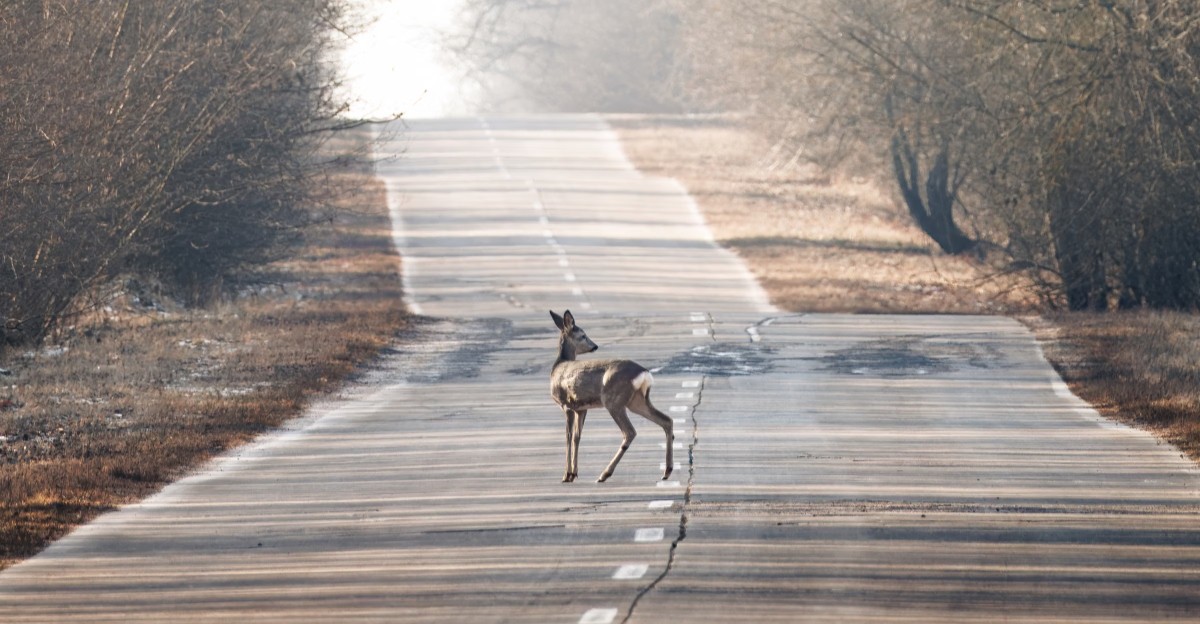
November is when North Carolina deer apparently forget every rule of the road.
Roughly nine out of ten animal-related crashes involve deer, and the timing makes a strange kind of sense.
Rut season runs from late October into early December, which means love-struck bucks are roaming farther and paying considerably less attention to traffic.
I find that part almost funny until headlights enter the story.
Hunting pressure keeps deer moving too, while earlier sunsets put the evening commute right into one of their busiest times of day.
Suddenly, an ordinary drive home starts requiring a little more windshield detective work.
What surprised me most was where the highest crash numbers showed up from 2023 through 2025.
Some counties are packed with commuters.
Others are mostly fields, woods, and long dark roads.
So how deerly should your county take November?
10. Wake County
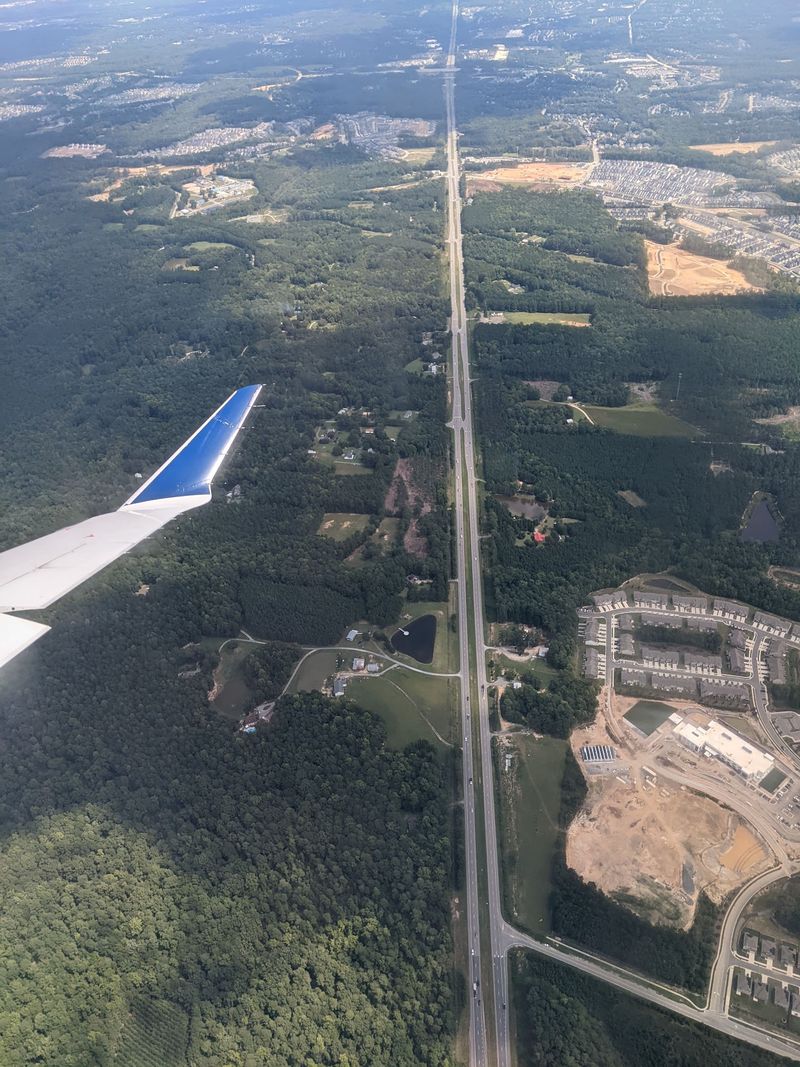
The state capital takes the top spot, and it isn’t a close race. Wake County logged 2,836 animal-related crashes from 2023 through 2025, according to NCDOT data.
That might sound strange for a place packed with offices, shopping centers, and new neighborhoods. Then again, those neighborhoods keep popping up right next to woods and creeks where deer already live.
Think about how many people drive in Wake every single day. More cars on the road simply means more chances for a deer and a bumper to meet.
Raleigh, Cary, Apex, Wake Forest, and other towns all sit inside this county. Many of them have greenways and wooded lots that work like hallways for wildlife moving between patches of forest.
So what can you do about it? Slow down on roads that cut through trees, especially around sunrise and sunset.
Watch for deer crossing signs too. Road crews put them where animals are known to cross often, so they aren’t just decoration.
If one deer darts across, wait a moment before speeding up. Deer often travel in groups, and a second or third one may be right behind the first.
Here’s a tip that surprises plenty of drivers. Experts generally advise braking firmly and staying in your lane instead of swerving, since swerving can send you into oncoming traffic or a tree.
Fall commutes in Wake already test your patience. Add a buck with romance on his mind, and you’ll want both eyes wide open.
Address: Wake County, NC
9. Guilford County
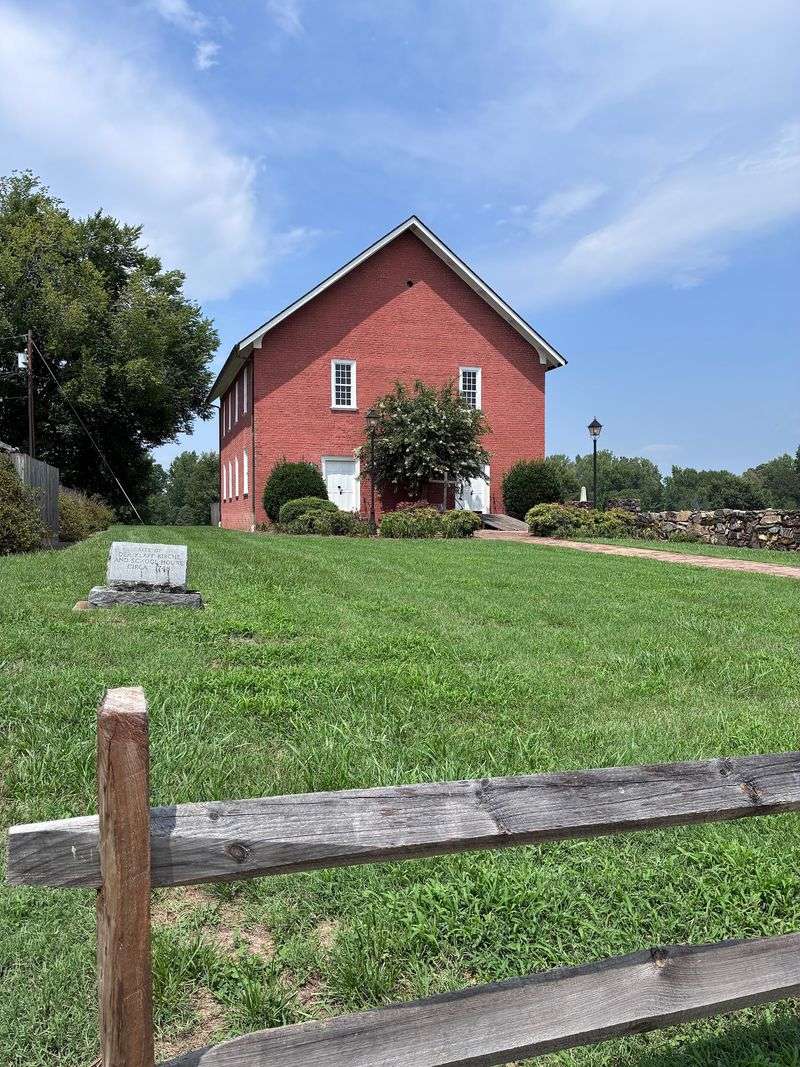
Busy highways and leafy back roads make a tricky mix in Guilford County. The home of Greensboro and High Point recorded 2,171 animal-related crashes over the three-year stretch.
That number earns Guilford second place in North Carolina. Interstates 40 and 85 run through the county, carrying huge amounts of traffic every day.
Of course, deer don’t care whether a road is a major highway or a sleepy country lane. They cross wherever their next meal or mate happens to be.
Outside the city centers, Guilford still has plenty of farmland, lakes, and wooded areas. Those spots give deer cover during the day and easy access to roads at night.
Want a simple habit that helps? Use your high beams on dark roads whenever no other cars are coming toward you.
Brighter lights help you spot eyeshine sooner. That glow from a deer’s eyes can give you a few extra seconds to react.
Fall is when you should be most careful here. Crashes across the state tend to peak from October through December, with November leading the pack.
Morning commutes can be just as risky as evening drives. Deer are most active around dawn and dusk, which lines up nicely with rush hour in autumn.
Treat that November drive to work like a wildlife watch. You might feel silly scanning the roadside, but your car’s front end will thank you.
Address: Guilford County, NC
8. Pitt County
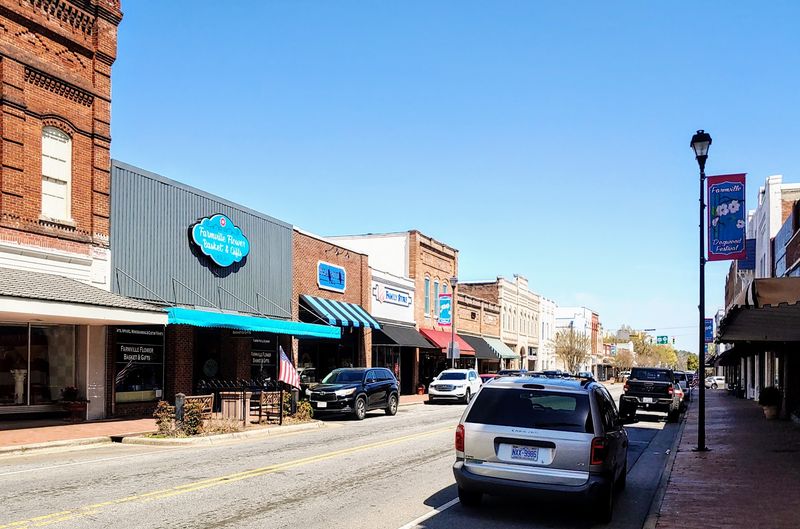
College towns aren’t usually known for wildlife traffic jams. Still, Pitt County, home to East Carolina University in Greenville, ranked third with 1,900 animal-related crashes.
That’s a big total for a county with a much smaller population than Wake or Guilford. Wide open farmland plays a major role in the story.
Fields of crops give deer plenty to munch on. Patches of woods between those fields give them places to hide and rest.
When deer head from their resting spots to their dinner spots, they often cross rural roads. Those roads can be dark, straight, and tempting for drivers who like to speed.
Here’s where you can make a difference. Ease off the gas on long country roads, especially when crops are being harvested in the fall.
Harvest season can push deer out of fields they used for cover. Suddenly, they’re on the move and looking for a new hangout.
Students driving home from campus late at night should stay extra alert. A sleepy driver and a surprised deer are not a winning combination.
Remember that a deer standing still on the roadside can still bolt without warning. Tap your horn with a long blast if one seems frozen near your path.
Pitt shows that you don’t need a giant city to land near the top. Sometimes, you just need corn, woods, and a road running right between them.
Address: Pitt County, NC
7. Randolph County
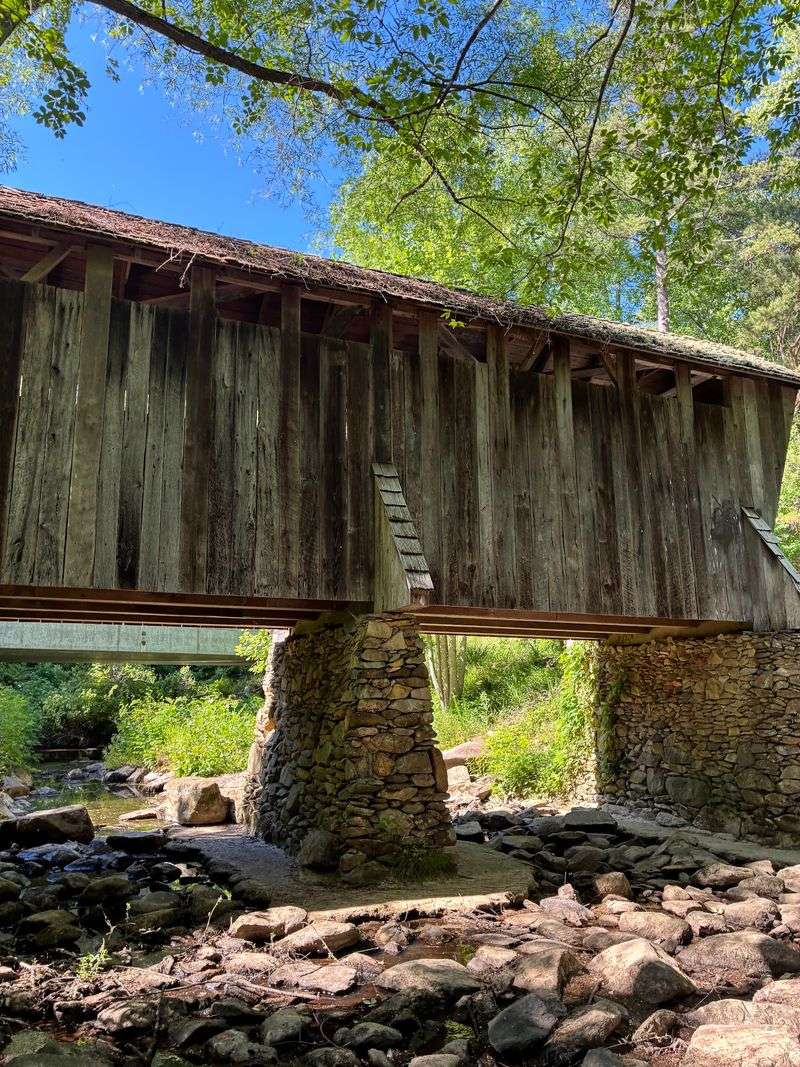
Animals are a big deal in Randolph County, and not only at the North Carolina Zoo in Asheboro. Wild deer helped push the county to fourth place with 1,860 animal-related crashes.
Randolph sits in the middle of the state, with rolling hills and plenty of forest. That kind of land is basically a dream home for white-tailed deer.
Winding roads add another challenge. Curves and hills can hide a deer until you’re almost on top of it.
So how do you handle those twisty drives? Keep your speed reasonable, especially when you can’t see far ahead.
Going slower gives you more time to stop. It also means less damage if a deer jumps out anyway.
Hunting season matters here too. Hunters in the woods can keep deer moving, which sometimes sends them right across a road.
Pay attention to the edges of the pavement, not just the lane in front of you. Deer often pop out from tall grass or brush near the shoulder.
If you do hit a deer, pull over safely and turn on your hazard lights. Stay away from the animal, since a hurt deer can kick hard.
Call the police if the deer is blocking the road or if anyone is hurt. A report can also help later with insurance.
Randolph is a beautiful drive in autumn. Just enjoy those golden hills with your foot ready near the brake.
Address: Randolph County, NC
6. Union County
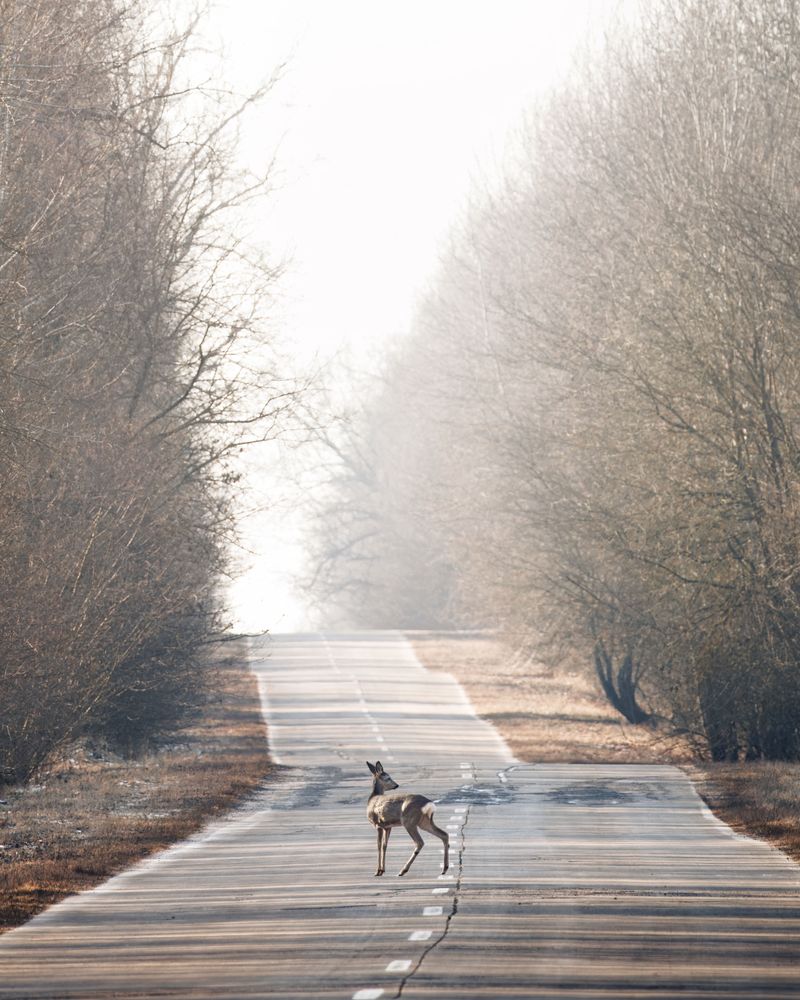
Fast-growing suburbs and backyard deer go together like peanut butter and jelly in Union County. The county southeast of Charlotte logged 1,709 animal-related crashes, good for fifth place.
Union has grown quickly as more people move near Charlotte. New subdivisions have spread into land that used to be farms and forest.
Deer didn’t pack up and leave when the houses arrived. Many simply learned to live alongside people, snacking on gardens and crossing busy roads.
That means you might see deer close to neighborhoods in Monroe, Waxhaw, Indian Trail, and other towns. A short trip to school or the grocery store can still bring a surprise.
Fall evenings deserve extra attention. Daylight saving time ends in early November, which pushes the drive home into darkness.
Suddenly, your commute lines up with the hours deer love most. That change catches a lot of drivers off guard.
Keep your windshield clean and your headlights working well. Small things like that can help you spot a deer sooner.
Don’t count on deer whistles or similar gadgets to do the job for you. Paying attention and slowing down work much better.
Buckle up on even the shortest drives. Seat belts make a huge difference if a crash does happen.
Union might feel more suburban every year. The deer, however, never got the memo that their woods became cul-de-sacs.
Address: Union County, NC
5. Columbus County
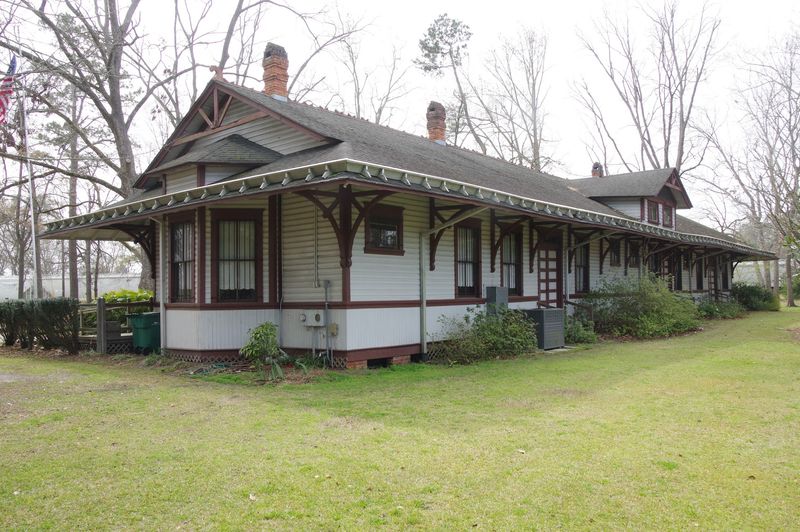
Swamps, pine forests, and long empty highways set the scene in Columbus County. This southeastern spot recorded 1,576 animal-related crashes, landing it in sixth place.
For a mostly rural county, that’s a lot. It also shows how much deer love wet, wooded land near the coast.
Columbus is home to Lake Waccamaw and plenty of wild country around Whiteville. Deer can hide easily in thick woods, then appear on the road in a flash.
Many roads here are dark at night, with few streetlights. That makes eyeshine one of your best warning signs.
Scan both sides of the road as you drive. A pair of glowing eyes in the ditch is your cue to slow down right away.
Long, straight highways can make drivers feel relaxed. Unfortunately, relaxed drivers tend to speed and miss small clues.
Try not to drive while tired, especially late at night. Fatigue slows your reaction time, and deer give you only a moment to react.
Morning fog can also roll in around swampy areas. When visibility drops, use low beams and slow way down.
If a crash happens, check yourself and your passengers first. Then call for help and keep a safe distance from the animal.
Columbus offers peaceful drives through some lovely coastal plain scenery. Just stay sharp, because the locals with antlers don’t follow traffic rules.
Address: Columbus County, NC
4. Robeson County
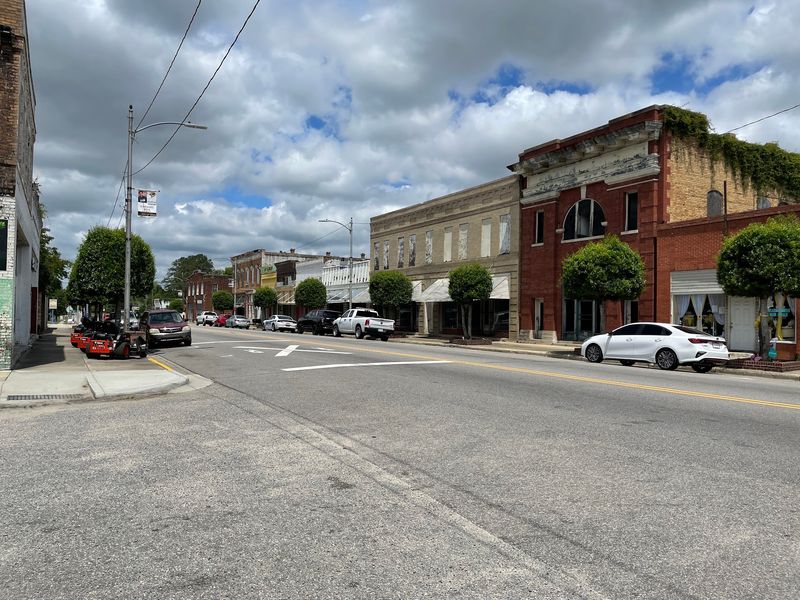
Only eight crashes separated Robeson County from sixth place. With 1,568 animal-related crashes, it slides into seventh on the list.
Robeson is the largest county in North Carolina by land area. That gives deer a whole lot of room to roam.
Interstate 95 runs right through Lumberton, carrying travelers heading up and down the East Coast. Many of those drivers don’t know the area or its wildlife.
If you’re road-tripping through, keep that in mind. Interstates near wooded land can have deer crossings, even with lots of traffic around.
Back roads across Robeson pass farms, woods, and swampy areas. Each of those offers deer food, water, or a hiding place.
One smart trick is to watch for other deer after you see one. Bucks during the rut often chase does, so a second animal may follow fast.
Give yourself extra following distance from the car in front of you. If that driver slams on the brakes for a deer, you’ll need room to stop too.
Plan long drives so you’re not traveling at dusk if you can help it. Even shifting your schedule by an hour can lower your risk.
Robeson connects plenty of travelers to their final stops. Make sure a surprise deer doesn’t become the most memorable part of your trip.
Address: Robeson County, NC
3. Duplin County
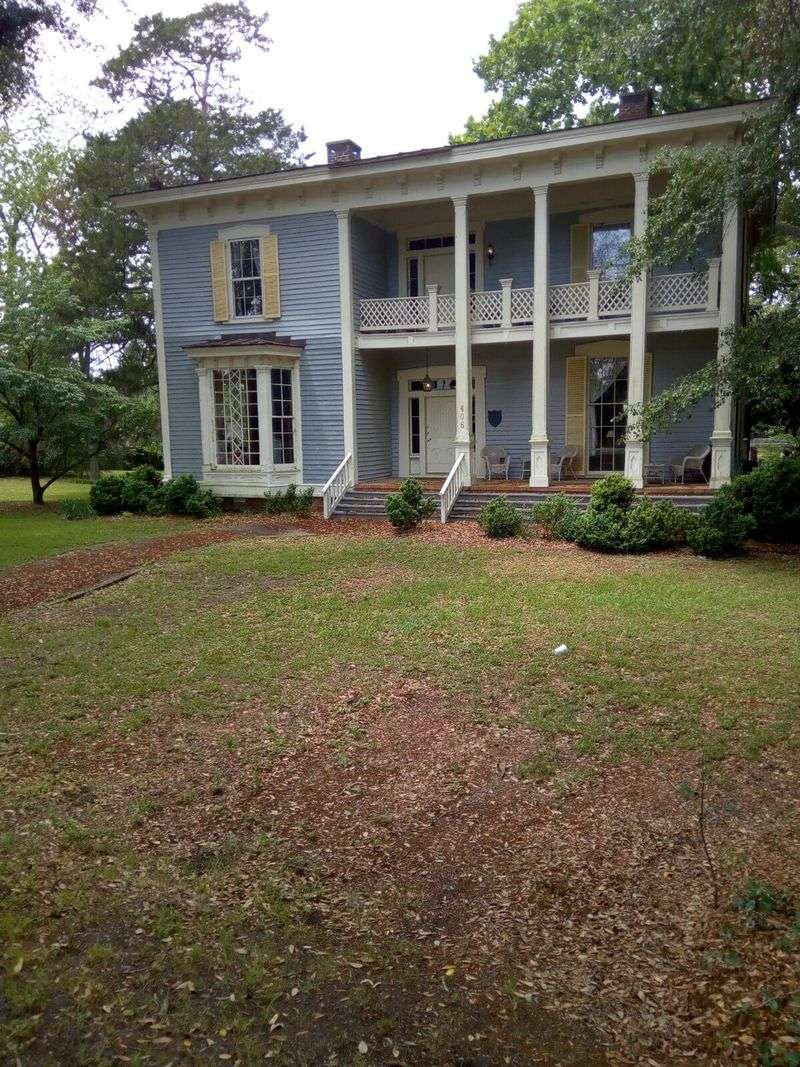
Farm country rules in Duplin County, and the deer seem to agree. This eastern county posted 1,459 animal-related crashes, which places it eighth.
Agriculture is a huge part of life here. Fields stretch for miles, broken up by strips of woods and creeks.
That patchwork is perfect for deer. They can feed in the open at night and slip back into cover by morning.
Roads crossing that landscape become busy wildlife paths. A quiet country drive can turn exciting in a hurry.
Farm trucks and tractors share many of these roads too. Between slow farm equipment and sudden deer, patience is your best friend.
Watch closely where a field meets a line of trees. Those edges are favorite crossing spots for deer heading out to feed.
Fall harvest can shake things up even more. As crops come down, deer lose cover and start wandering to new areas.
Keep a calm mindset if a deer appears. Brake steadily, hold the wheel straight, and avoid jerking into a ditch.
After any collision, take pictures of your car and the scene if it’s safe. Those photos can help when you talk with your insurance company.
Duplin shows how deer thrive where farms and forests meet. Drive like a guest in their dining room, because that’s pretty much what you are.
Address: Duplin County, NC
2. Johnston County
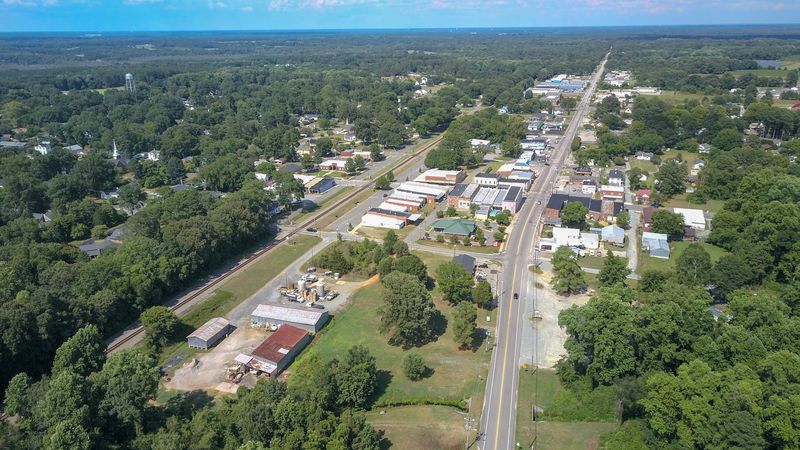
Two major interstates meet in Johnston County, and so do plenty of deer. The county counted 1,447 animal-related crashes, putting it ninth.
Interstate 95 and Interstate 40 both run through this area near Smithfield. That brings lots of travelers alongside a growing local population.
Johnston sits right next to Wake County. Many people now live here and commute toward Raleigh every weekday.
As new homes spread across old farmland, deer get squeezed into smaller spaces. They still need to move around, and roads get in the way.
Got a long commute? Pay attention during the first and last hours of daylight, since that’s when deer are most active.
Be careful where roads pass near creeks or rivers. Deer often follow water and cross nearby roads along the way.
Remember that deer can show up any time of year. Fall is the riskiest season, but spring and summer still bring plenty of crossings.
Teach new teen drivers about deer before they head out alone. Knowing to brake instead of swerve is a lesson worth repeating.
A quick check of your tires and brakes before fall can help too. Good equipment helps you stop when every second counts.
Johnston keeps growing, and the deer are along for the ride. Share the road wisely, and you’ll make it to work with time to spare.
Address: Johnston County, NC
1. Brunswick County
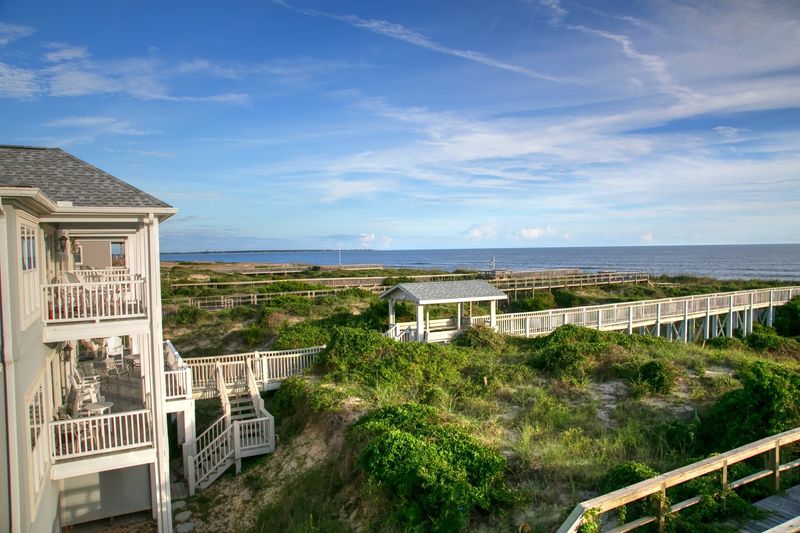
Beach towns usually make headlines for sea turtles and sunsets. Brunswick County earned its spot for deer, closing out the list with 1,429 animal-related crashes.
This coastal county sits at the southern tip of North Carolina, near the South Carolina line. Popular beaches like Oak Island, Holden Beach, and Sunset Beach draw plenty of visitors.
Behind those beaches, you’ll find forests, marshes, and growing neighborhoods. Deer live comfortably in that mix of wild land and new development.
Brunswick has grown fast in recent years. More homes and more drivers mean more chances for run-ins with wildlife.
Visitors heading to the coast should stay alert away from the sand. Many routes pass wooded areas where deer can step out without warning.
Fall can be a lovely time to visit the beach, with smaller crowds and milder weather. It also happens to overlap with the rut, so keep your eyes open on the drive.
Try to arrive before dark if you’re coming from out of town. Unfamiliar roads at dusk can be tricky enough without deer joining in.
Wear your seat belt, slow down near woods, and avoid distractions like phones. Simple habits really are the best protection.
Brunswick offers sand, salt air, and stunning views. Just make sure the only deer you meet on vacation are the ones you spot safely from a distance.
Address: Brunswick County, NC