These 15 North Carolina Day Trips In 2026 Are Too Beautiful To Miss
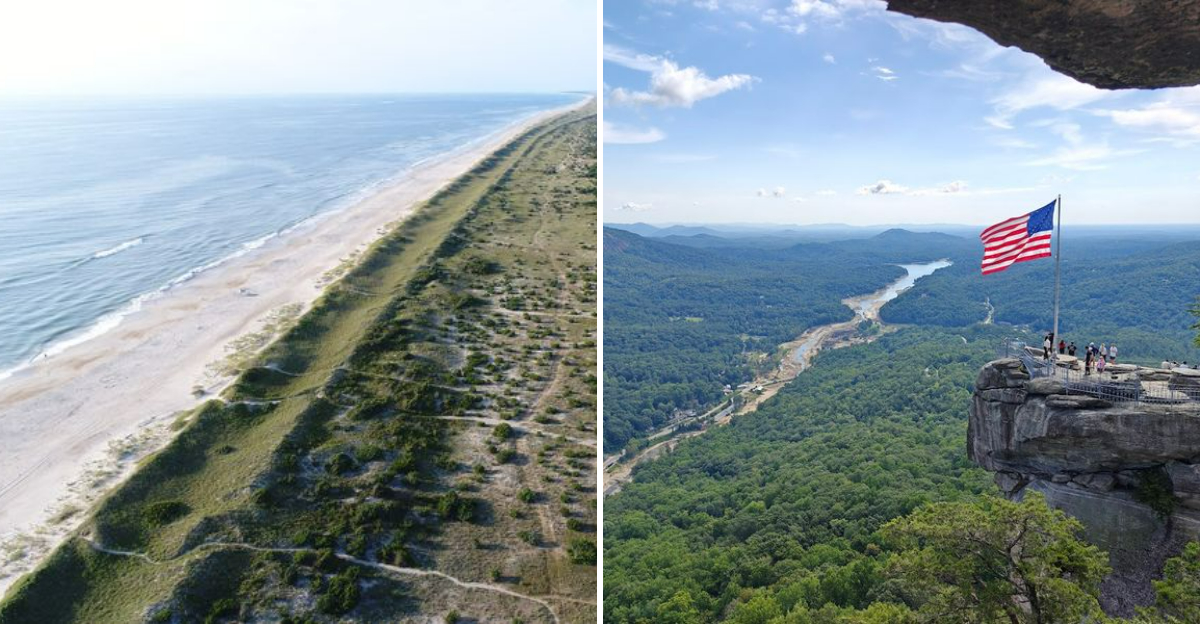
Some of the best trips start without much planning. You get in the car, pick a direction, and suddenly the day turns into something memorable.
One moment you are driving through quiet countryside, and the next you are standing in front of a waterfall, walking along a mountain trail, or wandering through a small town that feels like it belongs in another era.
The scenery changes quickly here, and almost every turn in the road seems to reveal something new.
From mountain towns in the west to wide sandy beaches along the coast, North Carolina offers an incredible variety of day trips you can experience in a single day.
What I enjoy most is how easy it is to escape for a few hours and end up somewhere that feels completely different from where you started.
If you are looking for places worth waking up early for, these day trips across North Carolina are a great place to begin.
Blue Ridge Parkway
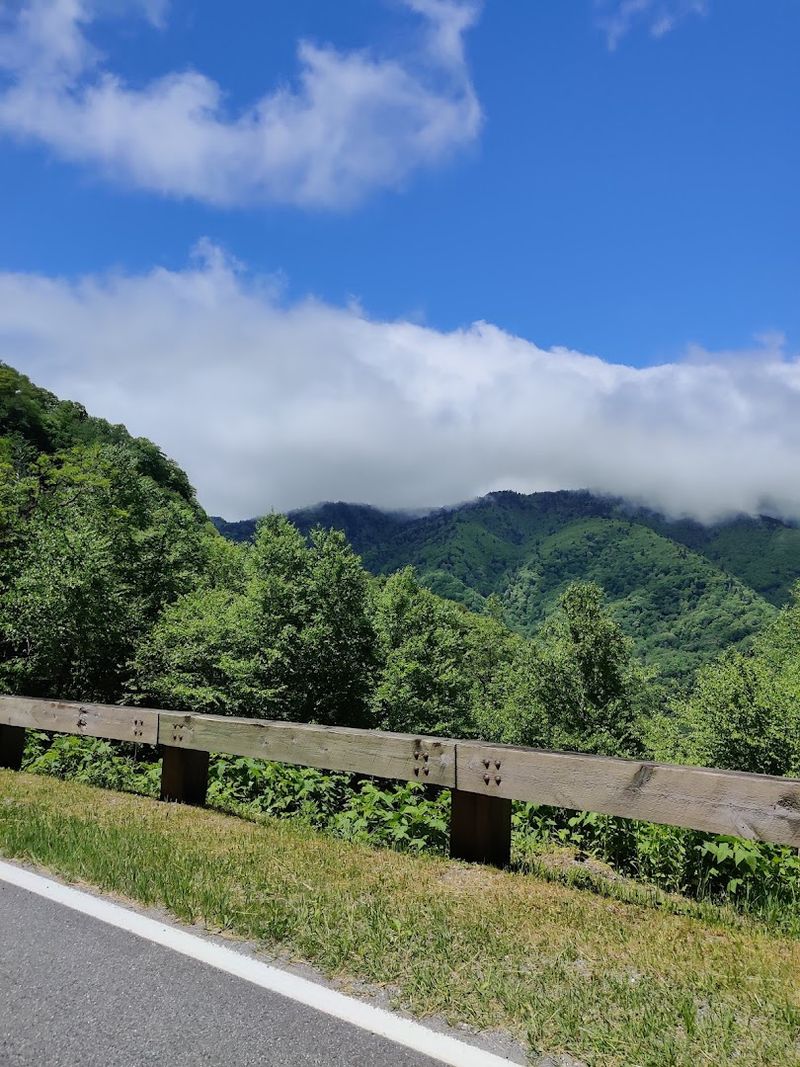
Few drives in North Carolina feel as satisfying as a slow cruise along the Blue Ridge Parkway. The road stretches for 469 miles through the Appalachian Mountains, linking Shenandoah National Park in Virginia with the Great Smoky Mountains.
Around every bend the view changes. Dense forests give way to open overlooks where you can see layer after layer of blue-gray ridges fading into the distance.
I found myself pulling over far more often than planned. Nearly every overlook offered a slightly different perspective of the mountains, and the light shifted constantly as the afternoon moved on.
Spring brings wildflowers along the roadside. Summer keeps the higher elevations cool even when the valleys are sweltering.
In fall, the hills turn deep shades of red and gold.
One of the most memorable stops is the Linn Cove Viaduct near Grandfather Mountain, an elegant bridge that curves along the mountainside. Short hiking trails, historic markers, and quiet picnic spots appear throughout the drive.
There are no tolls and no rush here. Just one of the most rewarding road trips North Carolina has to offer.
Linville Falls & Linville Gorge
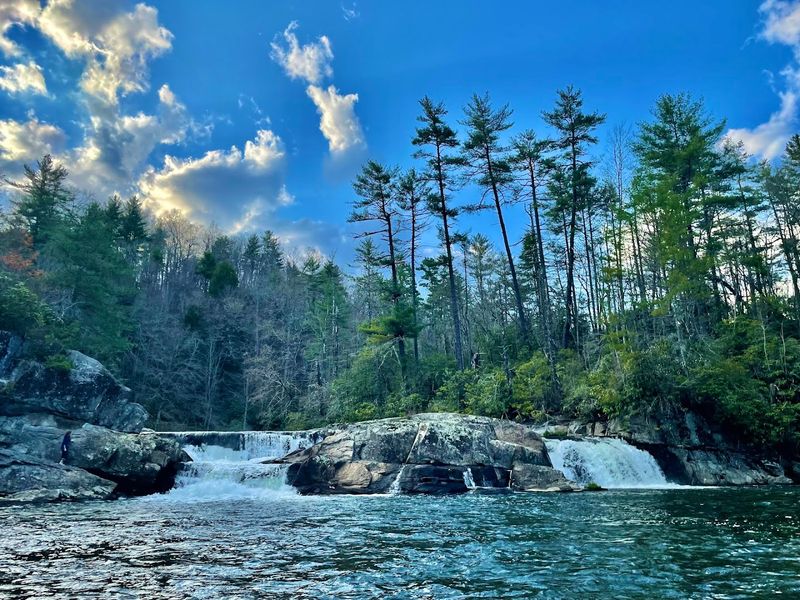
A powerful waterfall cuts through a narrow section of Linville Gorge, one of the deepest gorges in the eastern United States. Just off the Blue Ridge Parkway near Linville, North Carolina, Linville Falls draws visitors looking for one of the most dramatic landscapes in the region.
The walk to the main overlook is fairly easy and takes about 45 minutes round trip along a well-marked forest trail.
Most of the hike feels calm and quiet, with tall trees lining the path. Then the forest suddenly opens, and the ground drops away into a rugged canyon with the waterfall pushing through dark rock far below.
Linville Gorge is often called the “Grand Canyon of the East,” a nickname that makes sense once you see the steep canyon walls from the overlook.
Several side trails lead to different viewpoints. The lower trail gets closest to the water, where cool mist drifts through the air on warm days.
Arrive early if you can, especially on weekends, because the parking area fills up quickly once the crowds arrive.
Asheville
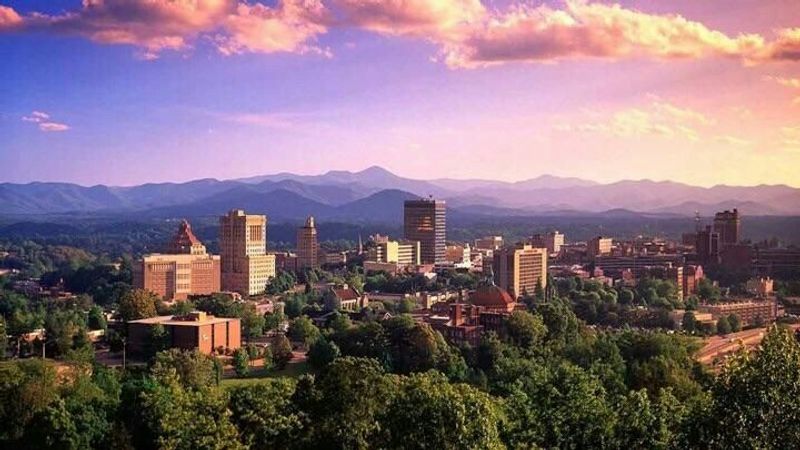
Creative energy mixes easily with mountain scenery in this lively western North Carolina city. Independent shops, cafés, and music drifting from open doorways give downtown streets a relaxed but vibrant atmosphere.
Visitors usually settle into the rhythm quickly once they arrive in Asheville.
A short walk leads to Pack Square, while the nearby River Arts District fills former warehouses with working studios where artists paint, sculpt, and welcome curious visitors.
The Biltmore Estate at 1 Lodge Street in Asheville, North Carolina, draws many first-time visitors. Built by George Vanderbilt in the late 1800s, the mansion sits on thousands of acres of landscaped grounds.
Gardens spread across the hillsides, a winery offers tastings, and a small village nearby holds restaurants and shops.
Outside the estate, Asheville rewards slow wandering. Street musicians play on downtown corners, bookstores invite you inside, and the food scene feels surprisingly diverse.
I once stopped into a tiny ramen shop squeezed between a crystal store and a vintage boutique, and it ended up being one of the best meals of the trip. That’s Asheville for you.
Grandfather Mountain
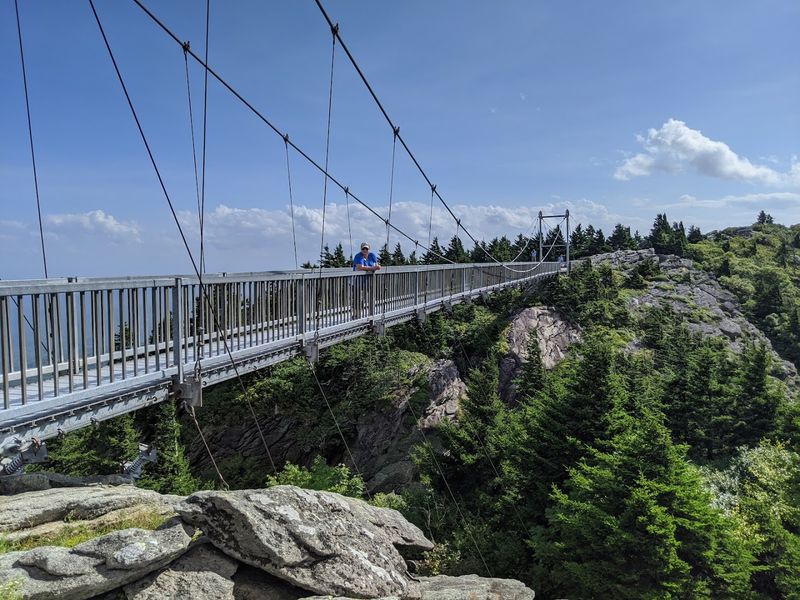
The Mile High Swinging Bridge at Grandfather Mountain lives up to its name. At 2050 Grandfather Mountain Road in Linville, North Carolina, the park sits more than 5,000 feet above sea level.
The famous bridge connects two rocky peaks and sways slightly in the wind, reminding visitors how high up they are.
Grandfather Mountain offers more than the bridge. The privately run park protects a rugged section of the Blue Ridge Mountains where black bears, river otters, bald eagles, and white-tailed deer live in carefully maintained habitats.
Several hiking trails cross the mountain, from easy woodland paths to steep rock routes with cables and ladders helping hikers through exposed sections.
On clear days the views stretch for miles across the mountains. When clouds roll in, fog drifting through the valleys can be just as memorable.
Near the entrance, a nature museum explains the mountain’s geology and wildlife.
Every July, the area fills with music, kilts, and crowds during the Grandfather Mountain Highland Games, one of the largest Scottish festivals in the country.
Blowing Rock
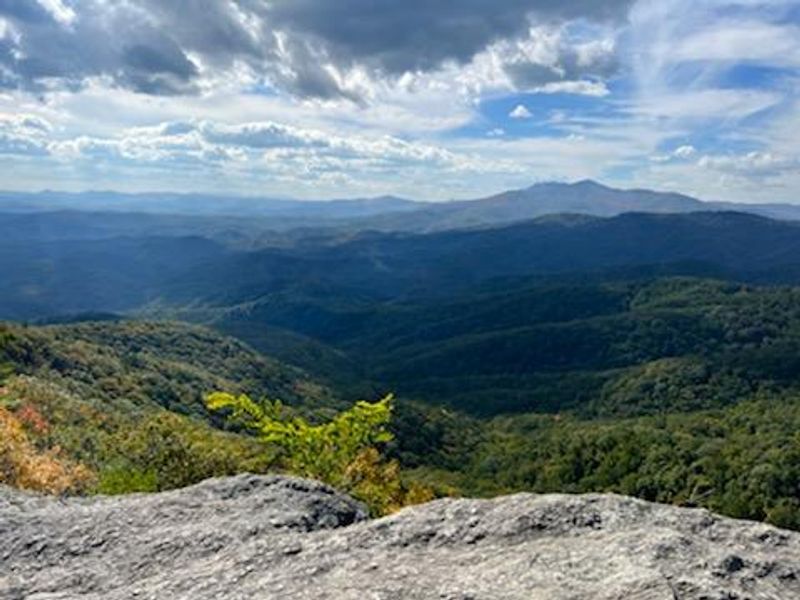
A relaxed pace comes naturally in this small mountain community about 3,500 feet above sea level in the Blue Ridge Mountains of North Carolina. With around 1,500 residents, it still attracts visitors throughout the year.
This quiet setting is Blowing Rock, North Carolina, known for its charming downtown and scenic surroundings.
Main Street is compact and easy to explore on foot, lined with independent bookstores, small boutiques, and cafés where people tend to linger a little longer than planned.
The town’s best-known landmark is The Blowing Rock at 432 Rock Road in Blowing Rock, North Carolina. This cliff formation sits above the Johns River Gorge, where steady winds create an upward current along the rock face.
Lightweight objects tossed over the edge can sometimes float back upward.
Nearby spots like Bass Lake and Moses H. Cone Memorial Park offer quiet trails for walking or picnicking, and families often visit the nearby Tweetsie Railroad theme park.
For a town its size, Blowing Rock has a surprisingly strong restaurant scene. Autumn brings the biggest crowds, when the surrounding hills turn bright shades of red and gold.
Mount Mitchell State Park
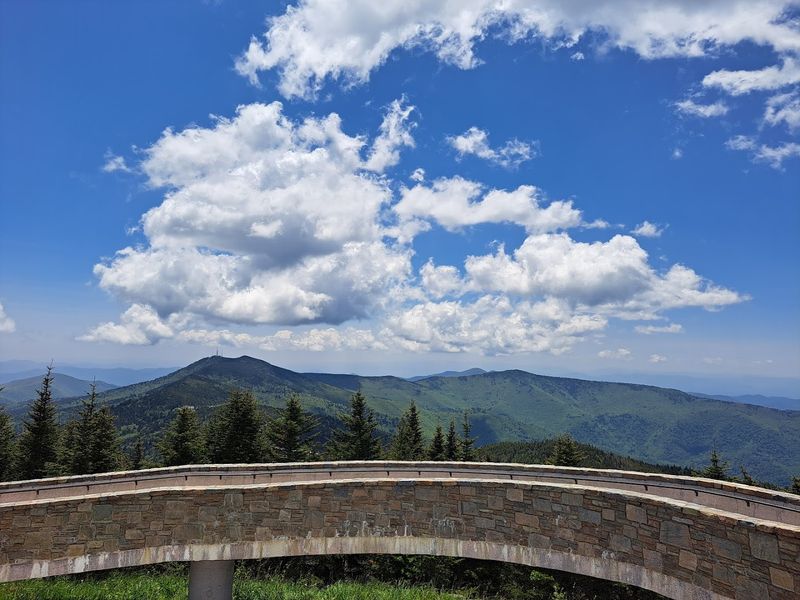
At 6,684 feet above sea level, Mount Mitchell is the highest peak east of the Mississippi River. Mount Mitchell State Park, reached by NC-128 near Burnsville, North Carolina, sits deep in the Black Mountains where dense spruce and fir forests give the landscape a surprisingly northern feel.
You can drive almost to the top, leaving only a short walk to the summit. A stone observation tower marks the highest point and offers wide views across the surrounding ridges on clear days.
The weather changes quickly here. Clouds can roll in within minutes, wrapping the summit in fog.
Rangers at the visitor center track those shifts and can recommend the best trails depending on conditions.
For hikers, the Black Mountain Crest Trail connects Mount Mitchell with several nearby peaks. Even a short walk around the summit area feels special at this elevation.
Near the parking area, a small restaurant and gift shop make it easy to spend a relaxed afternoon on the mountain.
Bryson City & Great Smoky Mountains
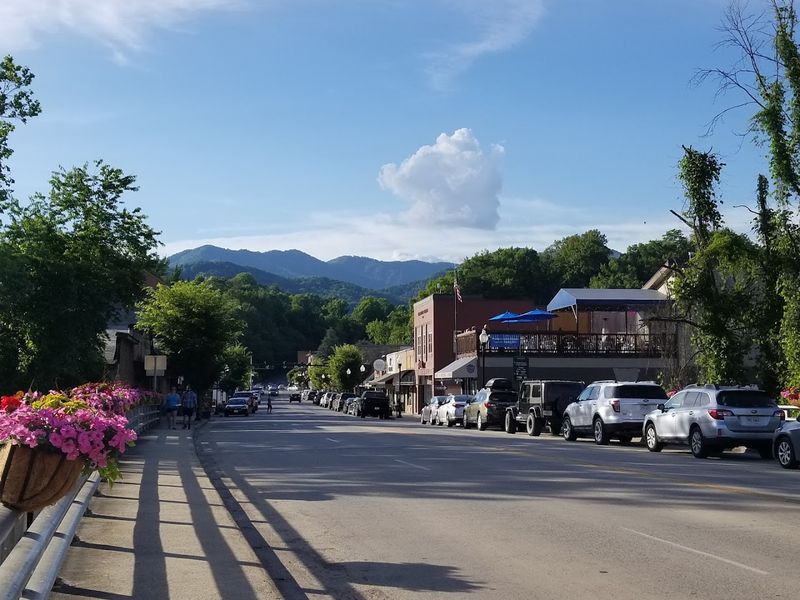
A ride on this mountain railroad feels like stepping into a slower rhythm of travel. Vintage locomotives carry passengers through quiet valleys where the tracks follow the bends of the Tuckasegee River.
The journey runs on the Great Smoky Mountains Railroad in Bryson City, North Carolina, passing through dense forest, over old trestle bridges, and into narrow gorges rarely seen from the road.
The train departs from 45 Mitchell Street in Bryson City, where a small depot anchors the center of town. Conductors sometimes share stories about the railroad’s past, when these tracks carried timber and supplies deep into the mountains.
Today the ride is mostly about the scenery, rushing water, wooded hillsides, and long stretches of forest outside the windows.
Bryson City sits just outside Great Smoky Mountains National Park, making it a convenient base for outdoor adventures. The nearby Nantahala River is popular for whitewater rafting and kayaking, and several waterfall trails are within a short drive.
Downtown remains relaxed and welcoming, with a few blocks of local restaurants, bakeries, and small shops where people tend to linger a little longer than planned.
Chimney Rock State Park
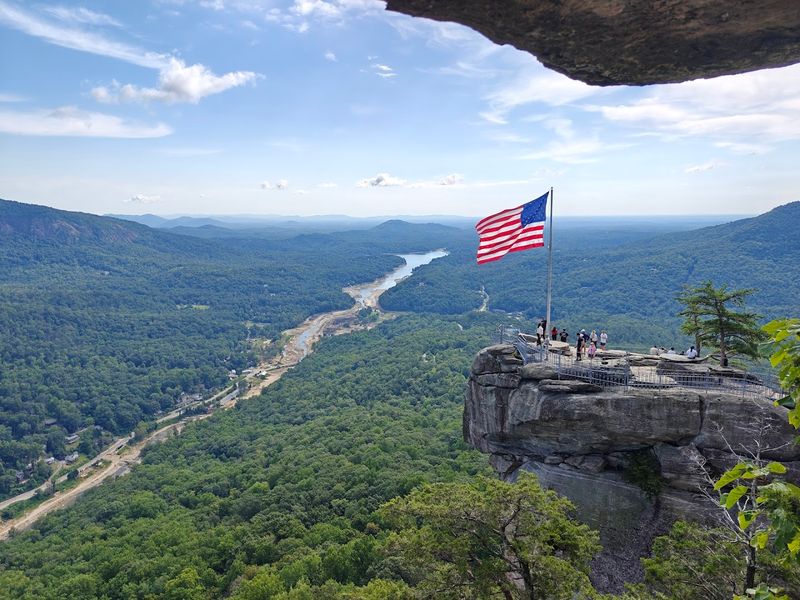
The view from this rocky summit is dramatic the moment you reach the top. A massive granite pillar rises about 315 feet above the surrounding ridgeline, and the landscape opens in every direction.
This overlook sits at Chimney Rock in North Carolina, where Hickory Nut Gorge spreads out below in forested slopes and Lake Lure glimmers in the distance on clear days.
Visitors reach the summit either by climbing the Outcroppings Trail or by taking the elevator that runs inside the mountain. From the top, the view stretches across the Blue Ridge Mountains of North Carolina.
Several trails branch through Chimney Rock State Park. One of the most popular is the Hickory Nut Falls Trail, leading to the base of a 404-foot waterfall, one of the tallest in the eastern United States.
The walk is relatively easy and passes through a shaded forest that stays cool even during warmer months.
Some visitors recognize the area from movies filmed here years ago, but the real highlight is simply the landscape and the quiet views across the gorge.
Wrightsville Beach
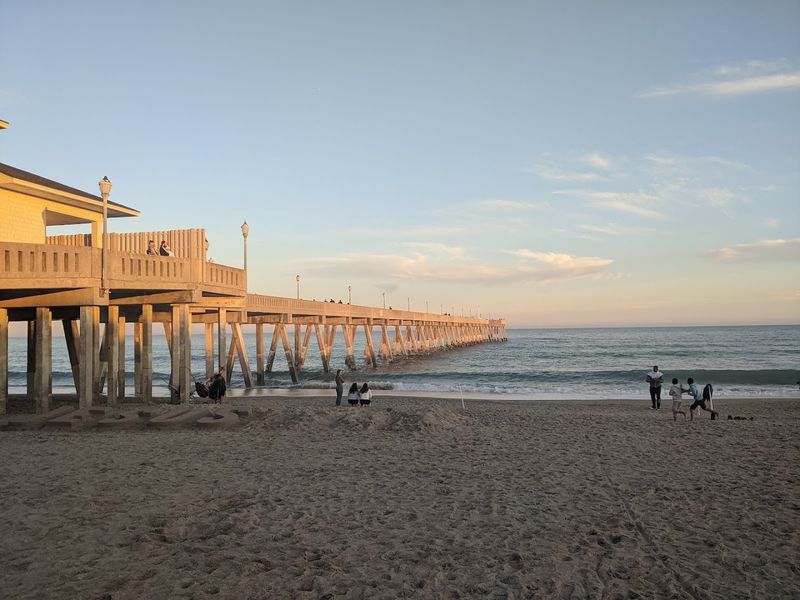
Clearer water and steady waves have given this coastal spot a strong reputation among locals. Surfers return throughout much of the year, and the atmosphere stays relaxed despite its popularity.
That place is Wrightsville Beach, North Carolina, known for its easygoing rhythm and reliable conditions.
The beach runs for several miles, giving visitors plenty of room along the sand. Early mornings bring joggers and surfers, while afternoons fill with families swimming and walking the shoreline.
Just across the bridge from Wilmington, the town also offers access to the calmer Intracoastal Waterway. Paddleboarding or kayaking through these quiet channels feels completely different from the open ocean.
Marsh grass lines the banks, and it’s common to spot herons fishing in the shallows or dolphins surfacing in the distance.
Along Lumina Avenue, cafés and seafood restaurants serve local shrimp, oysters, and fish from the Carolina coast. Wrightsville Beach has built a loyal following for good reason.
Outer Banks
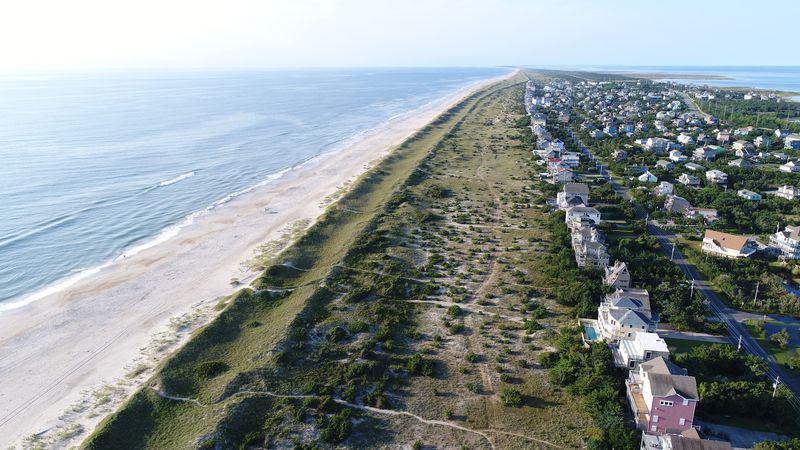
Long ribbons of sand separate the Atlantic Ocean from the calmer waters of the sound along this part of the North Carolina coast. These barrier islands have shaped the region’s coastal history for centuries.
Known as the Outer Banks of North Carolina, this chain of narrow islands feels different from the mainland. Wind moves across wide dunes, sea grass bends along the shoreline, and the horizon seems endless.
History sits close to the surface here. Kitty Hawk, where the Wright Brothers made their first successful flight in 1903, is one of the many landmarks across the islands.
Farther south on Roanoke Island, visitors still talk about the mystery of the Lost Colony, one of the earliest unsolved stories in American history.
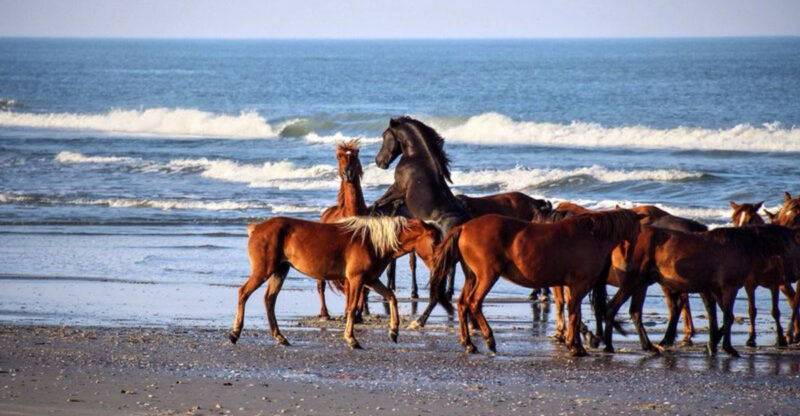
Nature plays just as big a role. Wild horses roam the beaches near Corolla, descendants of Spanish mustangs that arrived centuries ago.
Late afternoons bring a soft golden light that makes long walks along the beach feel timeless. A quiet stretch of shoreline or a lighthouse view often becomes the highlight of the trip.
Hatteras Island
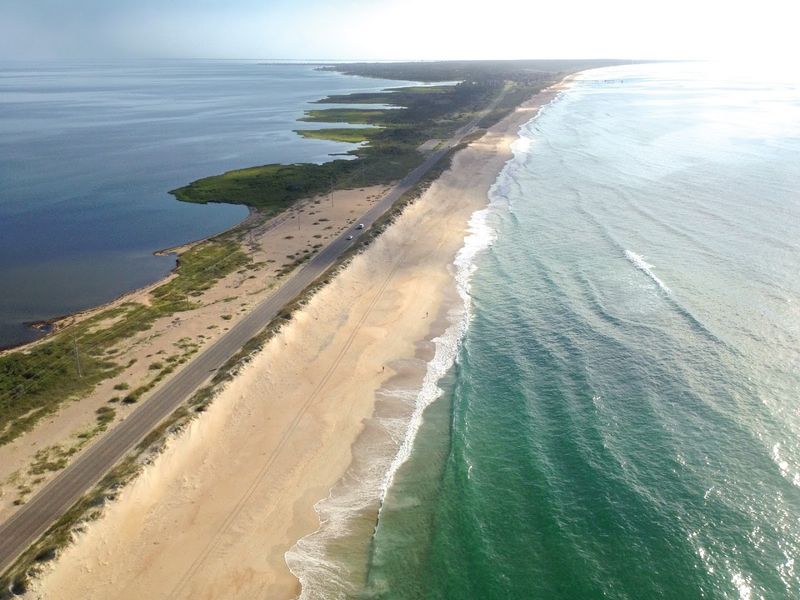
Stretching far into the Atlantic, this barrier island has a rugged, windswept character that surprises many visitors. Its exposed position gives the coastline a wild feel that stands apart from the rest of the Outer Banks.
This is Hatteras Island in North Carolina, where much of the land is protected as part of the Cape Hatteras National Seashore. Because of that protection, long sections of shoreline remain undeveloped, and it’s easy to walk the beach hearing nothing but wind and surf for miles.
One of the island’s most recognizable landmarks is the Cape Hatteras Lighthouse at 46379 Lighthouse Road in Buxton, North Carolina. With its black-and-white spiral pattern, the tower stands as the tallest brick lighthouse in the United States.
Visitors who climb the steps to the top are rewarded with wide views across both the ocean and the sound.
The waters around the island are known for strong currents and shifting sandbars, conditions that have shaped its maritime history. Surfers travel from across the East Coast to catch waves near Cape Point, where the Atlantic currents collide.
From Hatteras Village, a free ferry runs regularly to nearby Ocracoke Island, turning a simple beach day into a small adventure across the water. It’s the kind of place where plans often change once you arrive.
Lake Lure
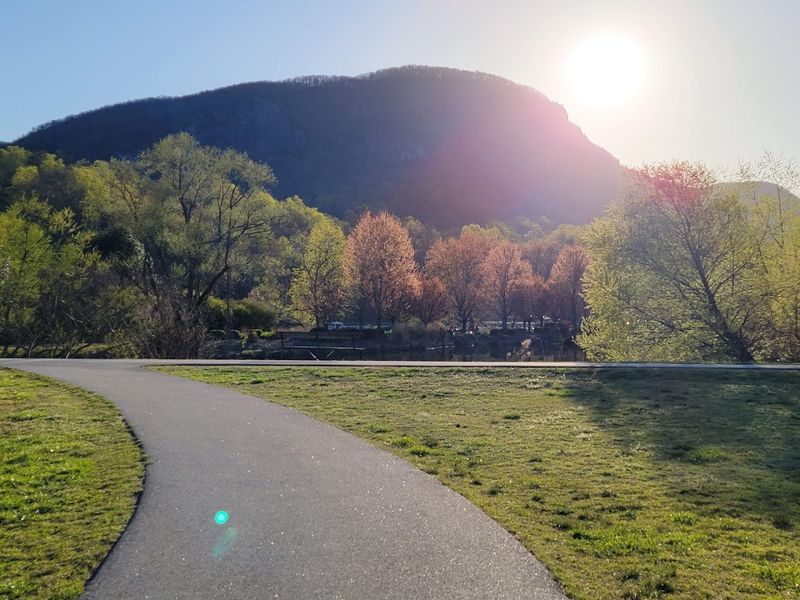
After time on the coast, returning to the mountains can feel like a reset. Surrounded by steep ridges, Lake Lure in North Carolina sits in a quiet basin known for its clear, calm water.
On still mornings, the surface reflects the surrounding mountains almost like a mirror. The peaks appear twice, once above the shoreline and once again in the water below.
Many visitors explore the lake on guided boat tours that circle the shoreline and pass quiet coves, wooded slopes, and lakeside homes. It’s an easy way to see the lake without renting your own boat.
The small town of Lake Lure sits along the water with a relaxed, walkable center. Near the shoreline stands the historic Lake Lure Inn, a landmark hotel from the 1920s.
Just minutes away is Chimney Rock State Park, making it easy to pair both stops in one trip. Many visitors hike the trails above the gorge before returning to the lake for a quiet afternoon by the water.
Highlands
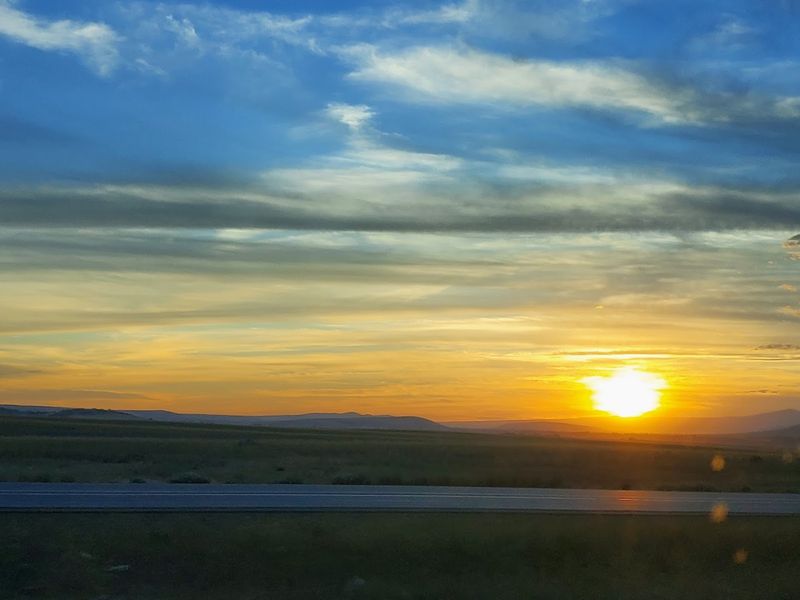
Perched high in the mountains at nearly 4,000 feet above sea level, this town stays noticeably cooler during the summer. While much of North Carolina can feel hot and humid, the air here remains comfortable, making the drive into the mountains well worth it.
That refreshing escape is Highlands, North Carolina, a place with a calm atmosphere that encourages visitors to slow down.
The small downtown is easy to explore on foot. Art galleries, boutiques, and cafés line the streets, while several restaurants focus on fresh mountain ingredients and seasonal menus.
Just outside town, waterfalls are one of the biggest draws. Dry Falls along U.S.
Highway 64 is especially unique, with a paved trail that leads behind the curtain of water.
Nearby spots like Bridal Veil Falls and Cullasaja Falls make the surrounding roads popular for scenic drives. With cool air and mountain views, Highlands often turns a short visit into a much longer stay.
Waterfall Scenic Byway
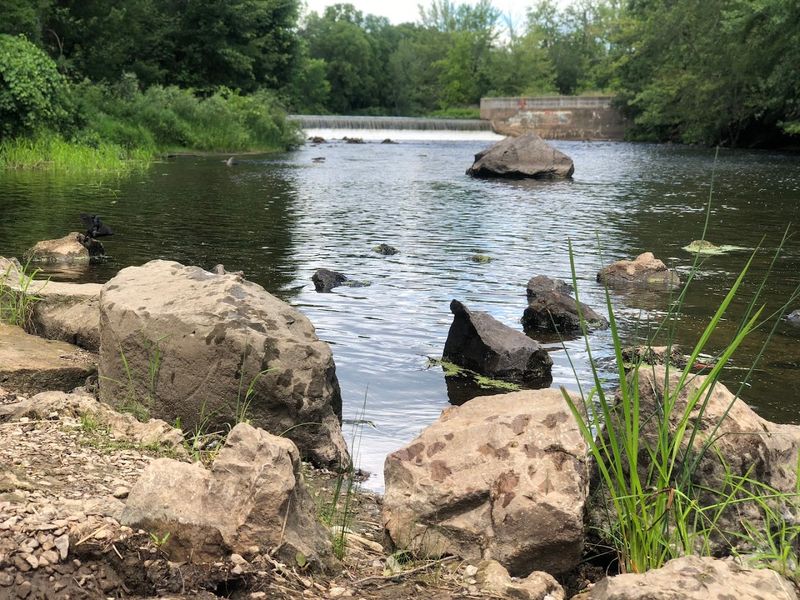
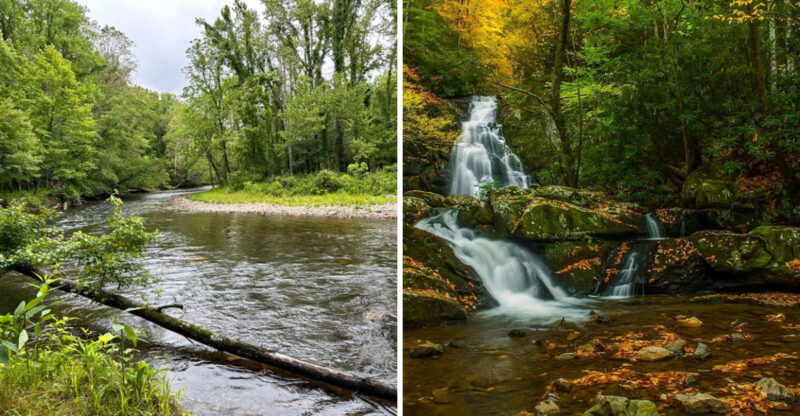
Waterfalls appear around nearly every bend in this part of the mountains. Streams rush through the forest while hidden cascades spill down mossy rock faces.
This concentration gave Transylvania County in North Carolina its nickname, the “Land of Waterfalls.” One of the best ways to see them is by driving the Waterfall Scenic Byway along U.S. Highway 64 through Pisgah National Forest.
The road winds through dense forest, and another waterfall often appears just minutes later. Some require a short hike, while others sit only steps from the roadside.
Hooker Falls inside DuPont State Recreational Forest near Brevard is a wide cascade popular for swimming. Nearby Triple Falls drops in three tiers and is one of the most photographed waterfalls in the region.
Sliding Rock adds something different. Water rushes down a smooth rock chute into a cold mountain pool where visitors slide like it’s a natural waterslide.
Plan a few stops along the byway and the day fills itself easily. The hardest part is deciding which waterfall to visit next.
Calabash

Some coastal towns become known for one thing they do exceptionally well. Here, it’s fried seafood that locals have perfected over generations.
The cooking style is so distinctive that it even has its own name. Known as Calabash-style seafood, it uses a light cornmeal batter and quick frying that keeps fish and shellfish crisp without feeling heavy.
This tradition began in Calabash, North Carolina, a small coastal town whose reputation has quietly spread across the Southeast. Restaurants throughout the region have borrowed the name, but locals will tell you the real thing still tastes best where it started.
The town sits along the North Carolina–South Carolina border, where quiet docks and fishing boats set the pace of the day. Much of the seafood arrives straight from nearby coastal waters.
Shrimp, flounder, oysters, and crab move quickly from kitchen to table, usually served with hushpuppies, coleslaw, and simple sides. Several longtime restaurants line the waterfront, focusing on the food rather than flashy décor.
Calabash keeps things straightforward. People come for a relaxed meal, a view of the water, and seafood that tastes exactly the way coastal cooking should.