These North Carolina Day Trips Make Every Weekend Feel Like A Vacation
North Carolina packs more adventure into one state than most people experience in a lifetime of travel. From towering sand dunes that belong on a desert postcard to mountain trails that wind through ancient forests, this state refuses to be ordinary.
You can watch elephants roam African-style savannas in the morning and catch ocean sunsets by evening, all without crossing state lines. The best part is that none of these experiences require a week off work or a cross-country flight.
Weekend warriors and spontaneous explorers will find that North Carolina’s day trip destinations deliver the kind of memorable moments that make everyday life feel suddenly more exciting.
Whether you’re craving cultural immersion in historic villages, adrenaline rushes on coastal dunes, or peaceful moments beside mountain streams, these destinations transform regular Saturdays into mini-vacations that stick with you long after you’ve returned home.
1. North Carolina Zoo, Asheboro
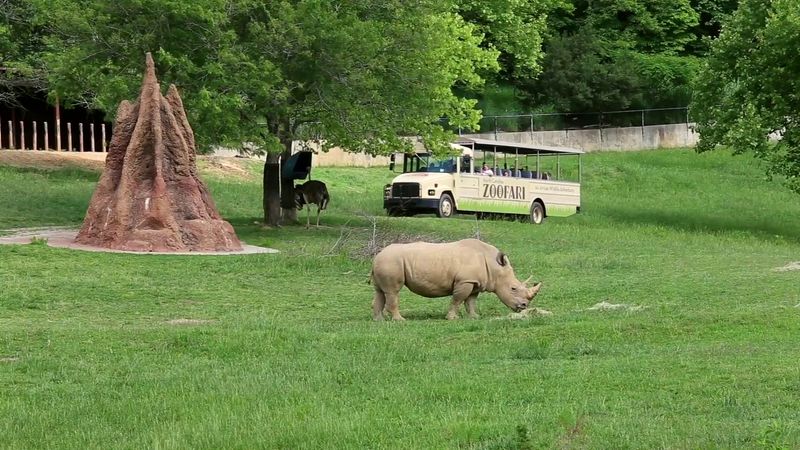
Safari vibes hit differently when you’re standing in the Piedmont region watching elephants graze against a backdrop of Carolina pines. The North Carolina Zoo at 4401 Zoo Parkway in Asheboro sprawls across more than two thousand acres, making it the largest natural habitat zoo in the world.
Animals roam spaces designed to mirror their native environments so closely that you’ll forget you’re in the American South.
Polar bears swim in crystal-clear pools while chimpanzees swing through elaborate climbing structures that challenge even the most athletic primates. The Africa section transports visitors to another continent entirely, with lions lounging in grasslands and rhinos wallowing in mud holes.
North America showcases native species like black bears, alligators, and red wolves in habitats that celebrate regional ecosystems.
Plan at least five hours to explore both major regions without rushing past your favorite animals. Comfortable walking shoes matter here because the zoo’s sprawling design means covering serious ground between exhibits.
Pack snacks and water, though several cafes offer meals if hunger strikes mid-adventure. The experience leaves visitors with renewed appreciation for wildlife conservation and memories of animals thriving in spaces that honor their natural behaviors.
2. Old Salem, Winston-Salem
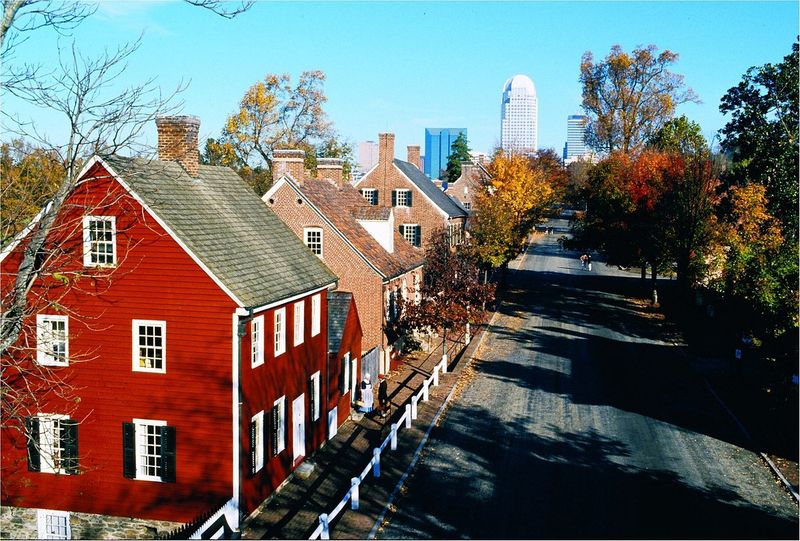
Time travel requires no machine when you step onto the brick streets of Old Salem Museums and Gardens at 900 Old Salem Road in Winston-Salem. This living history museum preserves a Moravian settlement dating back to 1766, where costumed interpreters practice traditional crafts exactly as colonists did centuries ago.
Blacksmiths hammer iron at glowing forges while bakers pull fresh bread from wood-fired ovens that have never known electric heat.
The Single Brothers’ House reveals how unmarried men lived communally while learning trades that sustained the entire community. Winkler Bakery sells sugar cakes made from recipes passed down through nine generations, their sweet spice aroma drifting through narrow streets.
Gardens bloom with heirloom vegetables and medicinal herbs that Moravians cultivated for survival and healing.
Visitors can tour beautifully restored homes where period furnishings and authentic details create immersive glimpses into daily life from another era. Children especially love watching craftspeople demonstrate skills like pottery throwing, tin smithing, and weaving on massive looms.
The experience proves that history doesn’t have to feel dusty or distant when it’s presented through hands-on demonstrations and genuine artifacts that connect past to present.
3. Jockey’s Ridge State Park, Nags Head
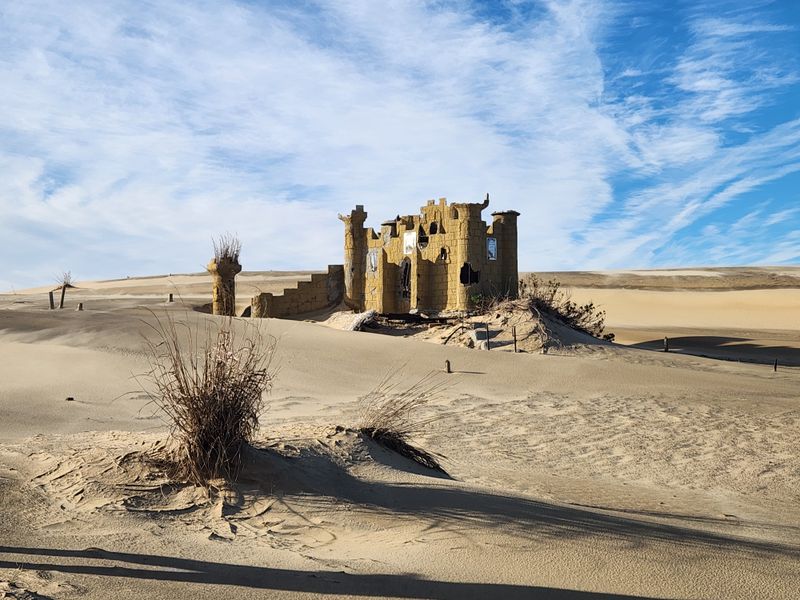
Sand stretches toward the sky in waves frozen mid-motion at Jockey’s Ridge State Park, located at 300 West Carolista Drive in Nags Head. These dunes rise higher than any others on the eastern seaboard, creating a Sahara-like landscape that feels impossibly out of place beside the Atlantic Ocean.
Wind constantly reshapes the sandy peaks, ensuring no two visits reveal identical terrain.
Hang gliders launch from the tallest points, their colorful wings catching thermals that lift them above the Roanoke Sound. Watching these brave souls soar creates an irresistible urge to try it yourself, and local companies offer lessons for beginners.
Sandboarding down steep slopes provides similar thrills without leaving the ground, though climbing back up tests cardiovascular fitness in ways gym workouts never could.
Sunset transforms the dunes into a photographer’s paradise as golden light paints every ripple and shadow across the sand. Families climb to the highest points for panoramic views spanning from sound to sea.
Bare feet sink into sand still warm from afternoon sun while evening breezes cool sun-kissed skin. The park proves that North Carolina’s natural wonders extend far beyond mountains and forests into desert-like landscapes that captivate every visitor.
4. Downtown Brevard, Brevard
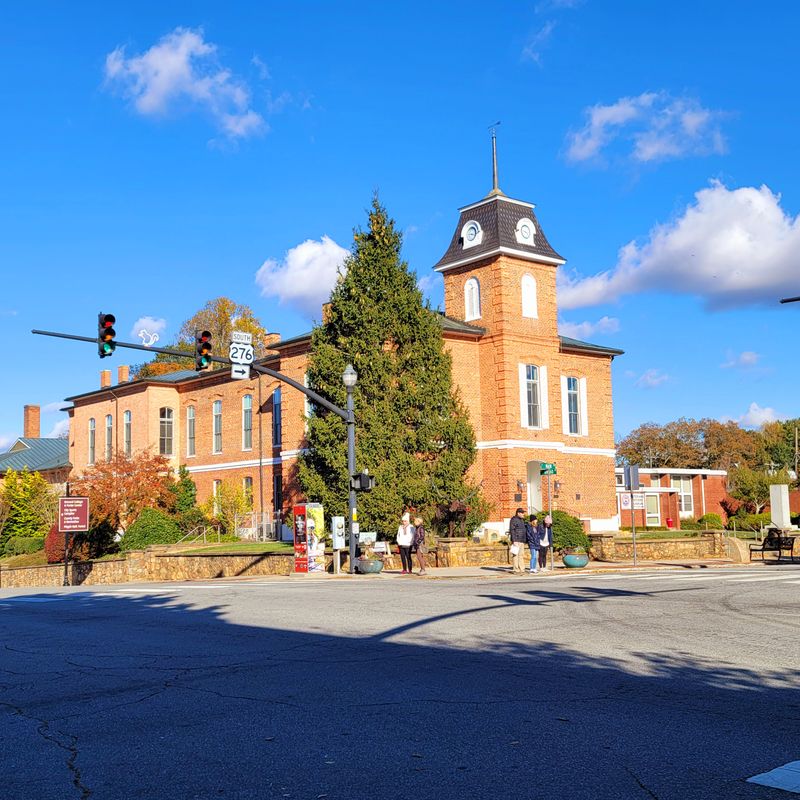
White squirrels dart between oak trees in downtown Brevard, their unusual coloring making them local celebrities worth the trip alone. This mountain town tucked into Transylvania County offers Main Street charm amplified by proximity to stunning waterfalls and hiking trails.
Downtown Brevard, centered around Broad Street, combines small-town hospitality with surprising sophistication in its restaurants, galleries, and shops.
The White Squirrel Shoppe celebrates these rare creatures with gifts and souvenirs, though spotting real ones requires just patience and upward glances. Local breweries pour craft beers best enjoyed on patios where mountain views steal attention from even the finest IPAs.
Art galleries showcase regional artists whose work captures the area’s natural beauty through paintings, pottery, and photography.
Brevard Music Center draws world-class performers during summer months, filling evenings with concerts that echo through mountain valleys. Downtown’s walkability means parking once and exploring on foot, ducking into bookstores, trying on locally made jewelry, or grabbing ice cream from old-fashioned parlors.
The town serves as perfect base camp for waterfall chasing, with Looking Glass Falls and Sliding Rock just minutes away. Brevard proves that the best day trips combine cultural richness with outdoor adventure in proportions that satisfy every travel companion.
5. Andy Griffith Museum, Mount Airy
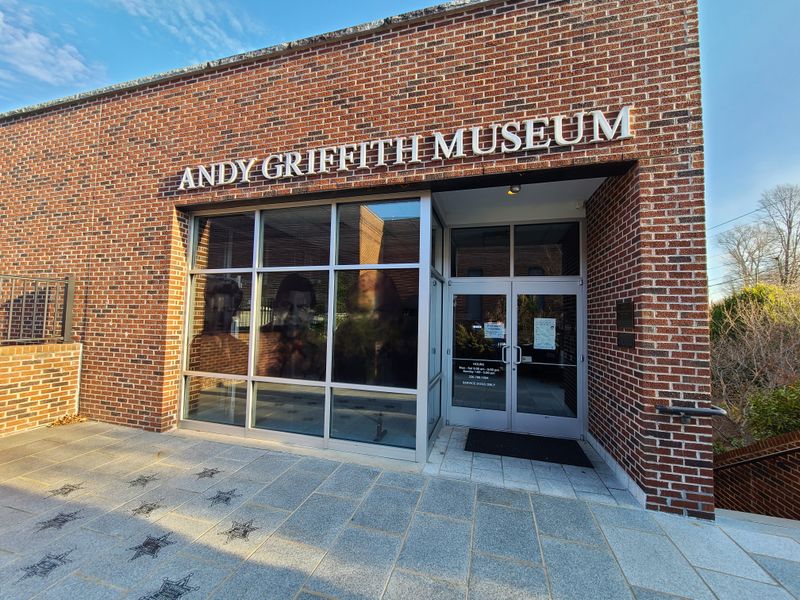
Mayberry wasn’t just a television creation but a loving tribute to Mount Airy, where Andy Griffith grew up before becoming America’s favorite small-town sheriff. The Andy Griffith Museum at 218 Rockford Street preserves props, costumes, and memorabilia from the show that defined wholesome comedy for generations.
Original scripts covered in Griffith’s handwritten notes reveal how deeply he shaped the show’s direction and heart.
Barney Fife’s uniform hangs beside Aunt Bee’s kitchen apron, each artifact triggering memories of episodes that still play in syndication worldwide. The museum occupies a former police station, adding meta-charm to displays celebrating fictional law enforcement.
Opie’s fishing pole and Floyd’s barber chair transport visitors directly into scenes they’ve watched countless times.
Mount Airy itself leans into its Mayberry connection with themed tours, replica squad cars, and businesses named after show references. Walking these streets feels like stepping onto a television set where life imitates art with affectionate accuracy.
The nearby Snappy Lunch serves pork chop sandwiches that Griffith himself enjoyed during childhood visits. This museum and surrounding town prove that some television shows transcend entertainment to become cultural touchstones worth preserving and celebrating for generations who discover them decades after original broadcasts.
6. Roanoke Island Festival Park, Manteo
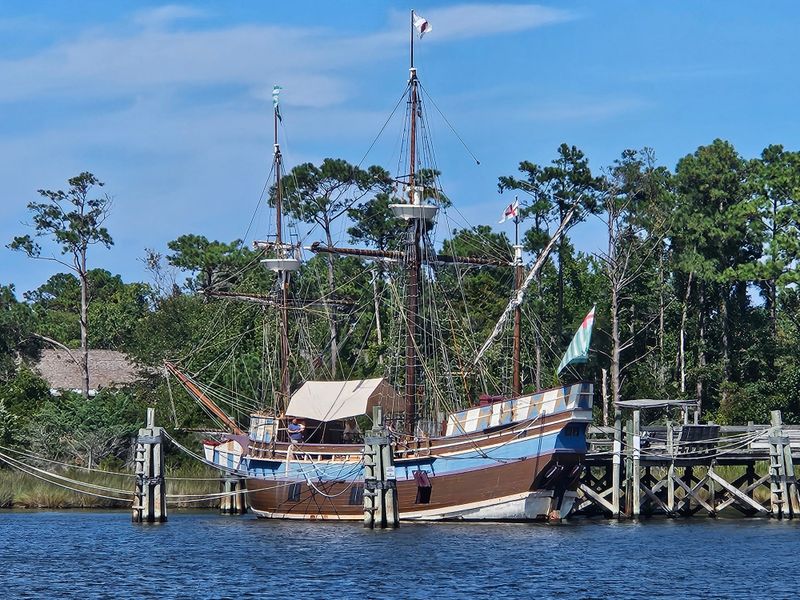
A full-scale replica of a sixteenth-century sailing ship bobs at the dock in Roanoke Island Festival Park, located at 1 Festival Park in Manteo. The Elizabeth II represents the type of vessel that carried English colonists to the New World, its wooden decks and rigging recreated with painstaking historical accuracy.
Climbing aboard transports visitors into the cramped, challenging conditions sailors endured during months-long ocean crossings.
Costumed interpreters explain navigation techniques, demonstrate period sailing skills, and share stories of the Lost Colony that vanished mysteriously from these shores. The American Indian Town recreates indigenous village life as it existed when Europeans first arrived, offering perspective often missing from colonial narratives.
Interactive exhibits inside the museum building explore four centuries of Outer Banks history through artifacts, films, and hands-on displays.
The Adventure Museum engages children with climbing structures, puzzles, and activities that make history tactile rather than theoretical. Outdoor performances during summer months bring historical events to life through music, drama, and storytelling.
The waterfront location provides beautiful views across Shallowbag Bay while picnic areas invite visitors to linger beyond museum tours. This park succeeds in making colonial history accessible and engaging without sacrificing educational depth or historical accuracy that serious history enthusiasts demand.
7. Duck Beach, Duck
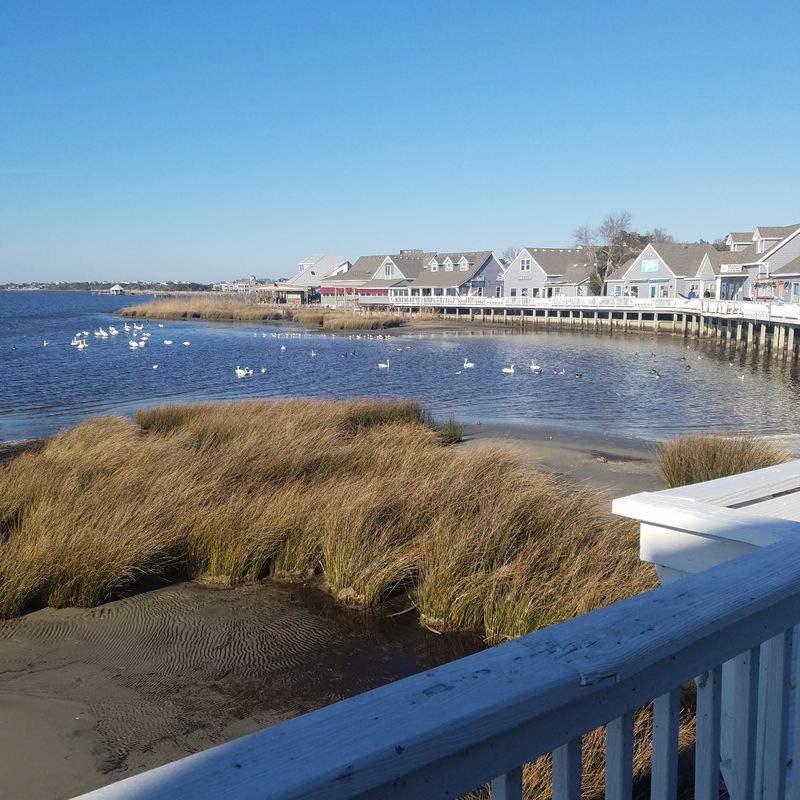
Upscale tranquility defines Duck Beach, where this northern Outer Banks community maintains a quieter vibe than its southern neighbors. The town of Duck along NC Highway 12 offers beach access points that lead to wide sandy shores where crowds thin out considerably compared to more famous coastal destinations.
Families spread blankets across sand that stays cleaner thanks to community pride and environmental consciousness.
The Duck Town Boardwalk stretches along Currituck Sound, connecting shops, restaurants, and parks in a pedestrian-friendly path that eliminates constant car shuttling. Waterfront dining means watching sunsets paint the sound in oranges and pinks while enjoying fresh seafood caught that morning.
Kayakers paddle calm sound waters where dolphins occasionally surface, their fins cutting through glassy evening reflections.
Beach access remains abundant despite the town’s residential character, with public parking and walkways ensuring visitors enjoy the same coastal beauty as property owners. Morning walks reveal shorebirds hunting breakfast in tidal pools while sanderlings race retreating waves.
The lack of commercial development preserves a natural beach experience that feels increasingly rare along developed coastlines. Duck proves that beach towns can balance tourism with tranquility, creating destinations where relaxation trumps entertainment and nature outshines nightlife in appeal to visitors seeking genuine coastal peace.
8. Lake Norman, Mooresville
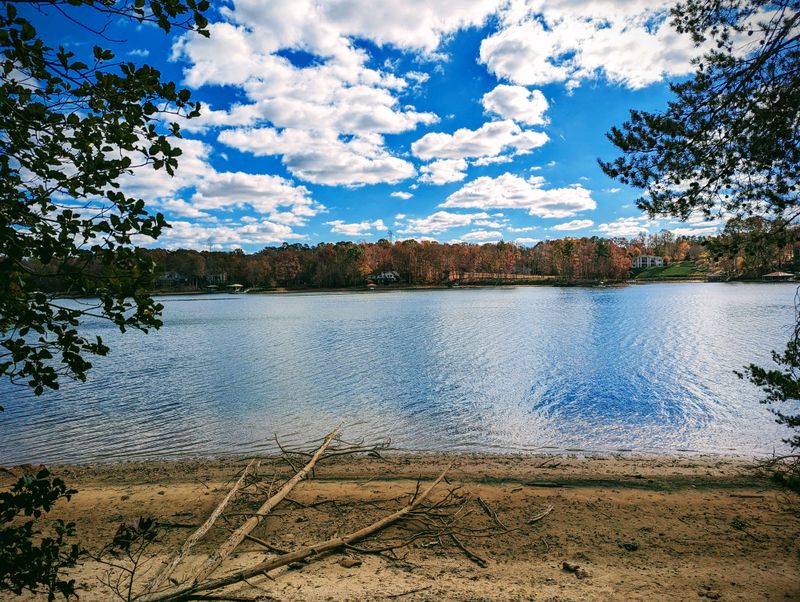
Man-made magnificence stretches across thirty-two thousand acres where Lake Norman dominates the landscape north of Charlotte. Created in the 1960s as a hydroelectric project, this massive reservoir at Mooresville has evolved into North Carolina’s premier inland water recreation destination.
Sailboats glide across open water while pontoon boats putter near coves where families swim and picnic.
Lake Norman State Park at 159 Inland Sea Lane provides public access with swimming beaches, hiking trails, and campgrounds that accommodate overnight visitors. The park’s trail system winds through forests recovering from pre-lake logging, showcasing nature’s resilience and beauty.
Paddleboarders find calm morning waters perfect for yoga sessions that combine fitness with floating meditation.
Waterfront towns like Cornelius and Davidson offer charming downtowns where post-lake dining ranges from casual fish camps to upscale bistros with sunset views. Fishing enthusiasts chase catfish, bass, and crappie in waters that produce trophy catches and fish tales worth repeating.
Jet skis carve wakes across open stretches while kayakers explore quieter fingers where herons hunt and turtles sun themselves on half-submerged logs. The lake transforms every season, from summer’s busy recreation to autumn’s peaceful beauty when fall colors reflect across still morning water creating doubled natural artwork.
9. Latta Nature Preserve, Huntersville
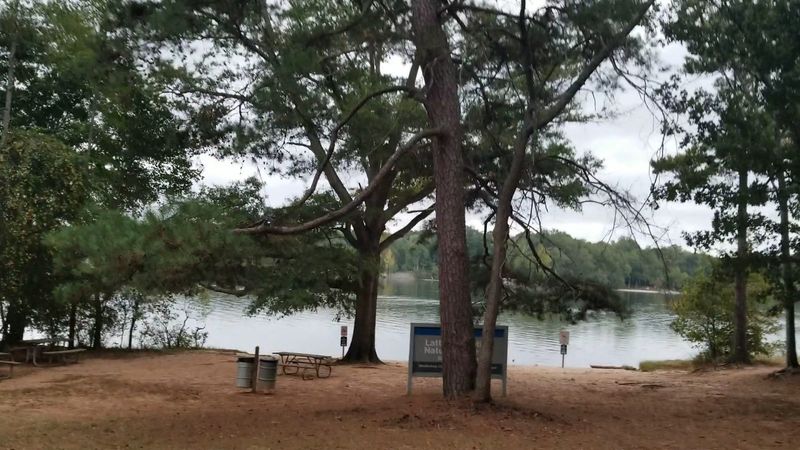
Urban wildlife thrives just minutes from Charlotte’s sprawl at Latta Nature Preserve, located at 6345 Sample Rd, Huntersville. This sixteen-acre sanctuary protects wetlands, forests, and Carolina piedmont habitats where native species flourish despite surrounding development.
Boardwalk trails float above marshes where turtles bask, and dragonflies hover in iridescent clouds.
The nature center houses live animals, including snakes, turtles, and amphibians, that educate visitors about local ecosystems and conservation needs. Naturalists lead programs ranging from bird walks to reptile encounters, sharing knowledge that transforms casual visitors into environmental advocates.
Children especially love the hands-on discovery room, where touching, exploring, and questioning replace the typical museum rule of keeping hands to yourself.
Trail systems accommodate varying fitness levels, from short wheelchair-accessible paths to longer loops that penetrate deeper into preserved forests. Spring brings wildflower explosions while autumn transforms canopy leaves into gold and crimson celebrations.
Bird watchers spot species ranging from common cardinals to rare migrants passing through during seasonal movements. The preserve demonstrates that meaningful nature experiences don’t require wilderness expeditions when thoughtfully protected spaces exist within metropolitan areas.
Families leave understanding that conservation starts locally and that protecting small sanctuaries matters as much as saving distant rainforests.
10. Daniel Stowe Botanical Garden, Belmont
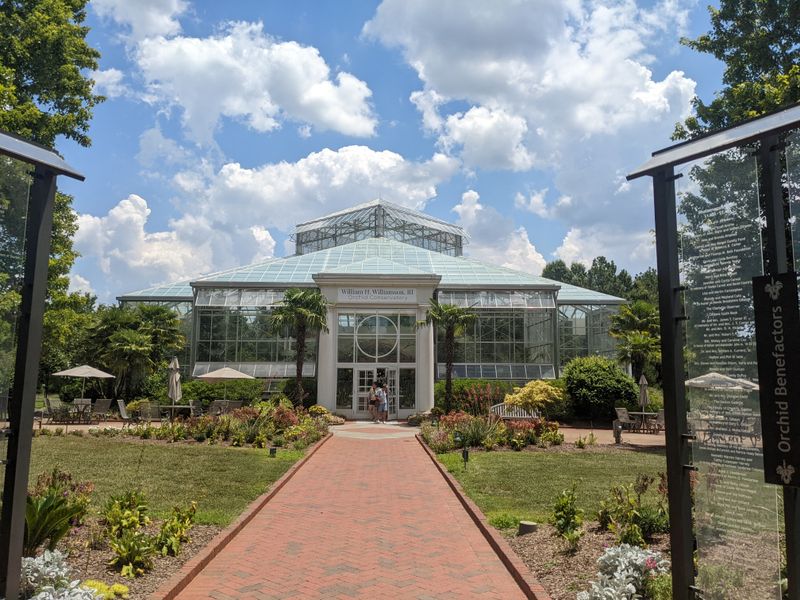
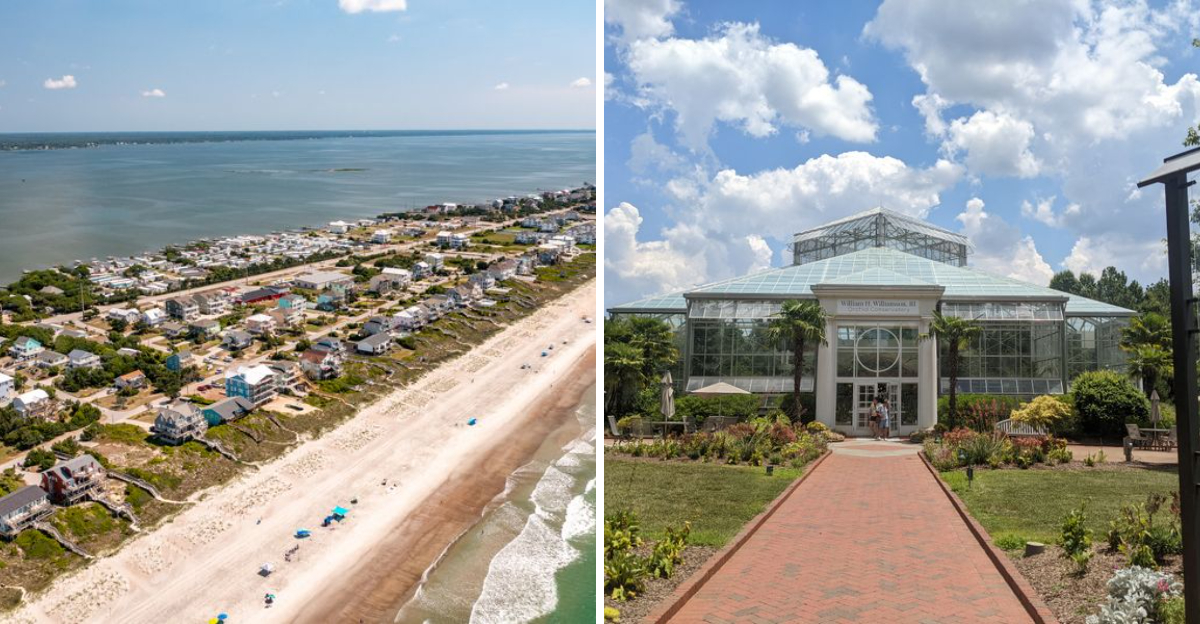
Horticultural artistry blooms across 380 acres at Daniel Stowe Botanical Garden, situated at 6500 South New Hope Road in Belmont. Themed gardens transition from formal displays to natural woodlands, each area designed to showcase plants thriving in Southern climates.
The Orchid Conservatory alone justifies the visit, housing hundreds of exotic species in a climate-controlled glass structure where blooms explode in colors nature rarely combines.
Fountain gardens provide classical European elegance with water features, geometric plantings, and sculptures that could grace any continental estate. The Lost Hollow children’s area engages young visitors through interactive water features, climbing structures, and plant-focused activities that make botany fun rather than educational drudgery.
Seasonal displays transform the gardens throughout the year, from spring’s tulip festivals to winter’s holiday light spectaculars.
Walking paths meander beside Lake Wylie, offering waterfront views that complement floral displays with natural beauty. The visitor center houses a cafe serving lunch with garden views and a gift shop stocked with botanical treasures from seeds to sculptures.
Photographers find endless subjects whether capturing macro shots of dewdrop-covered petals or wide landscapes of massed plantings. These gardens prove that human design can enhance rather than diminish natural beauty when executed with knowledge, care, and artistic vision.
11. Eno River State Park, Durham
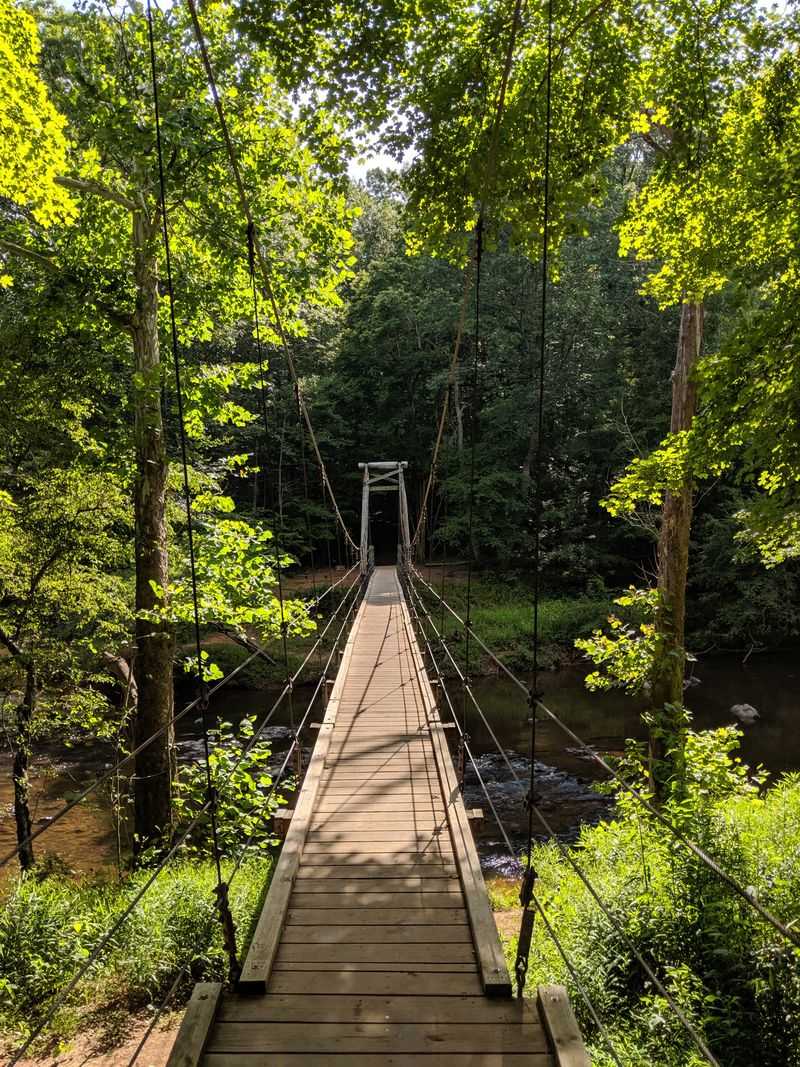
Wild river corridors cut through Durham’s suburban landscape at Eno River State Park, where multiple access points along Cole Mill Road and Rivermont Road provide entry to over twenty-four miles of trails. The river itself alternates between calm pools perfect for summer swimming and rocky rapids that challenge kayakers with technical maneuvering.
Ancient rock formations testify to geological forces that shaped this region millions of years before humans arrived.
The Cole Mill Trail leads to historic structures including a working grist mill and covered bridge that transport hikers backward through time. Wildflowers carpet spring forests while summer canopy shade keeps trails surprisingly cool during hot months.
Fishing enthusiasts wade into shallows chasing smallmouth bass and sunfish that thrive in clean, oxygen-rich water.
The famous rope swing near the Pump Station access point draws brave souls who launch themselves into deep pools with varying degrees of grace and success. Picnic areas beside the river invite post-hike relaxation where the sound of flowing water provides better entertainment than any electronic device.
Birdsong fills forests where woodpeckers hammer dead trees and hawks circle overhead hunting careless rodents. The park demonstrates that significant natural areas can survive and thrive even within rapidly developing regions when communities prioritize conservation and public access to wild spaces.
12. Chapel Hill Downtown, Chapel Hill
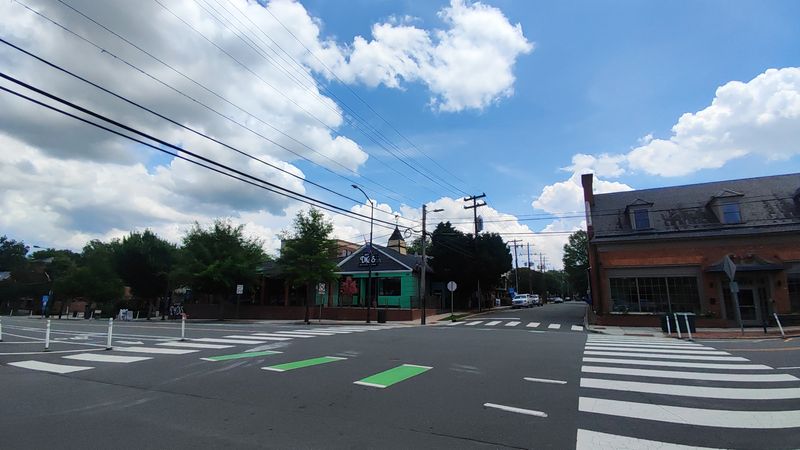
College town energy pulses through Chapel Hill’s downtown, centered along Franklin Street where the University of North Carolina’s presence shapes every business and cultural offering. Independent bookstores stock academic texts alongside bestsellers while coffee shops fuel late-night study sessions and animated philosophical debates.
The campus itself invites exploration with historic buildings, the iconic Old Well, and sprawling quads where students toss frisbees between classes.
Franklin Street’s restaurant scene spans from hole-in-the-wall pizza joints beloved by generations of students to upscale dining rooms where professors celebrate tenure and parents treat graduating seniors. Live music venues showcase emerging artists alongside established acts, creating a music scene that punches above the town’s modest size.
Art galleries and theaters offer cultural programming that rivals much larger cities.
The Morehead Planetarium at 250 East Franklin Street has trained astronauts and continues educating visitors about celestial wonders through state-of-the-art shows. Kenan Stadium roars to life during football season when Tar Heel pride reaches fever pitch.
The town maintains walkability that encourages parking once and exploring on foot, discovering hidden courtyards, vintage shops, and public art installations. Chapel Hill proves that university towns offer day trip appeal beyond game days, combining intellectual energy with cultural richness and youthful vibrancy that energizes every visitor regardless of age or academic affiliation.
13. Emerald Isle Beach, Emerald Isle
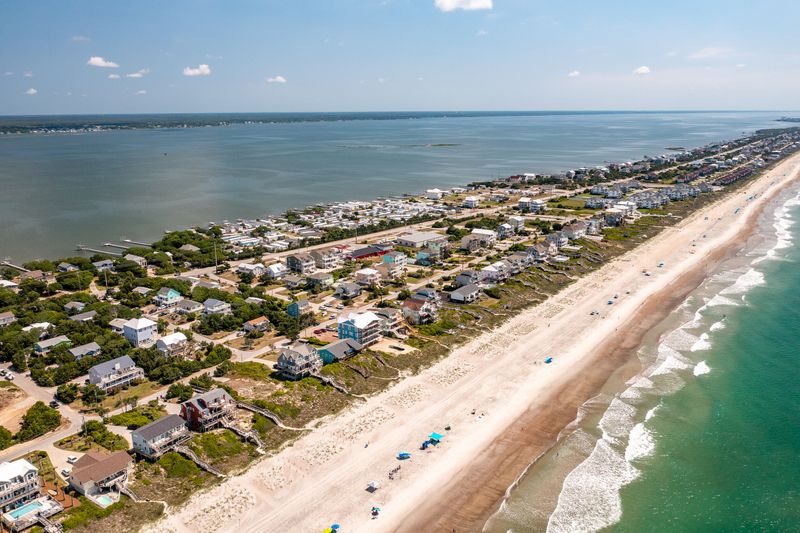
Crystal waters justify the gemstone name at Emerald Isle Beach, where this southern Outer Banks destination delivers postcard-perfect coastal experiences. The town of Emerald Isle along the Bogue Banks barrier island offers twelve miles of beach access points leading to sand that stays relatively uncrowded even during peak summer weeks.
Water clarity here surpasses many North Carolina beaches thanks to favorable currents and minimal development runoff.
The Bogue Inlet Fishing Pier extends into the Atlantic at 100 Bogue Inlet Drive, providing fishing opportunities and ocean views that extend to the horizon. Sunrise over the water paints the sky in pinks and golds while early morning beachcombers find shells deposited overnight by gentle waves.
Families claim beach territories with umbrellas and coolers, settling in for full days of swimming, sandcastle construction, and wave jumping.
Local restaurants serve fresh seafood caught by boats departing nearby Morehead City docks each morning. Bike paths connect beach access points, allowing two-wheeled exploration that beats constant car shuttling.
The town maintains a family-friendly atmosphere where high-rise development remains minimal and natural beauty takes precedence over commercial entertainment. Sunset sessions bring out photographers, romantics, and anyone who appreciates nature’s daily finale performance when the sun melts into the western horizon in spectacular color displays.