These North Carolina Farmers Markets Everyone Is Visiting Right Now
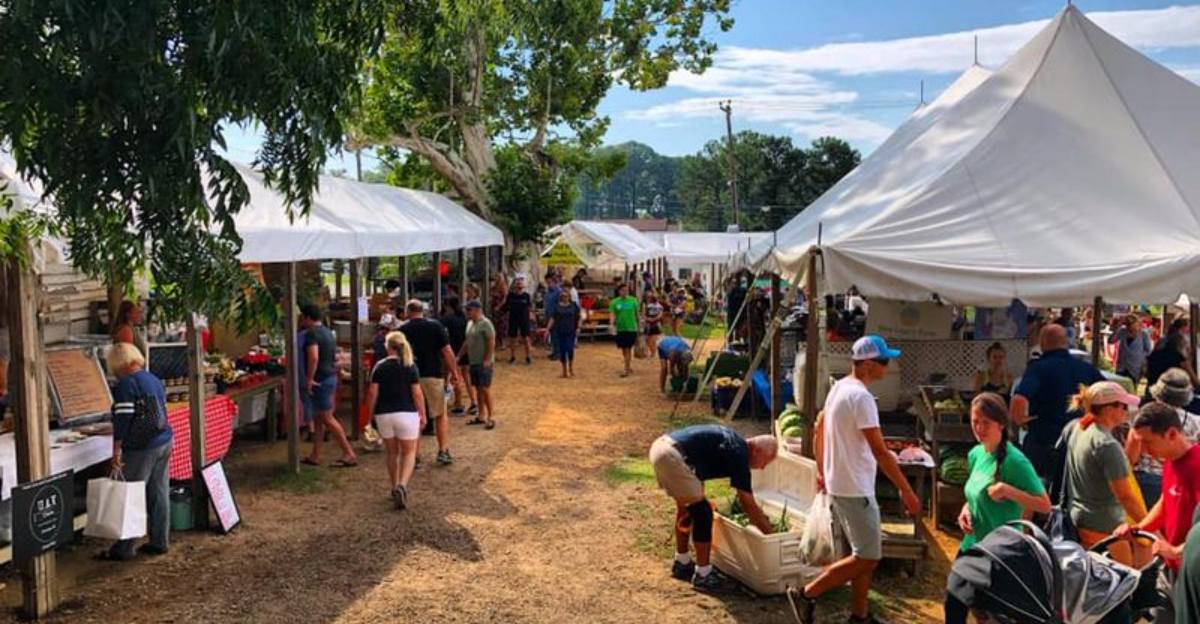
Weekend mornings hit differently when a farmers market starts waking up before the rest of the town has fully committed to being productive.
North Carolina does that scene especially well.
The air feels brighter, the crowds move with purpose, and every stand seems to know exactly how to tempt someone who only planned to “take a quick look.”
That is how market mornings get dangerous in the best way.
You arrive curious, then suddenly the whole outing starts feeling like breakfast plans, shopping plans, and community gossip all decided to meet under one tent.
These markets are not just places to grab something fresh.
They are where local flavor gets loud, neighbors linger longer, and a simple Saturday starts acting like the best part of the weekend.
1. Western North Carolina Farmers Market
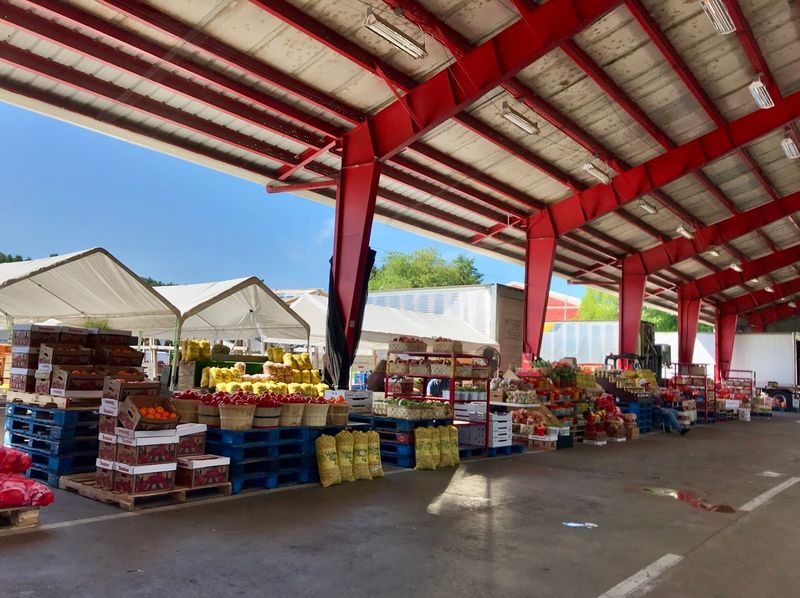
Mountain produce gets a big stage at 570 Brevard Road, Asheville, NC 28806, where this state-run market gives shoppers a serious Asheville stop without requiring a Saturday-only schedule.
Open daily, the Western North Carolina Farmers Market works well for travelers, families stocking up for a cabin weekend, and locals seeking regional goods. Flexible hours make it easy to stop by without racing the clock.
Instead of a handful of tents, visitors find a larger market complex with shops, truck sheds, free parking, seasonal produce, plants, local foods, and mountain-made goods. The variety makes the market feel closely connected to the surrounding region.
Apples, tomatoes, greens, berries, honey, jams, preserves, flowers, shrubs, and crafts can all shape the visit depending on the season.
Asheville’s location helps the market pull from surrounding mountain counties, which gives the selection a distinctly western North Carolina flavor. Arriving with time to browse matters because this is not the kind of stop that rewards speed.
One section may hold fresh vegetables, another may tempt gardeners, and another may send home cooks into recipe-planning mode before they reach the car.
For anyone visiting Asheville and wanting a practical taste of the mountains, this market makes a strong first stop, last stop, or “we need one more bag” stop.
2. Watauga County Farmers’ Market
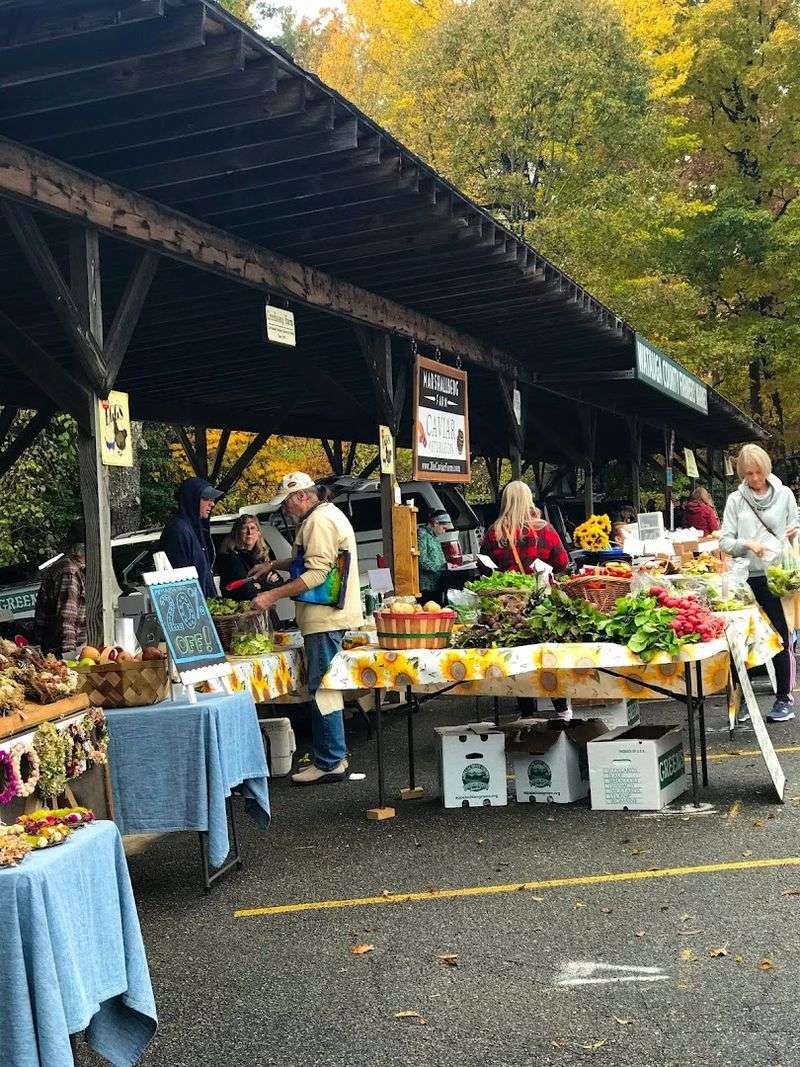
Boone mornings have a special rhythm at 591 Horn in the West Drive, Boone, NC 28607, where the Watauga County Farmers’ Market has been part of High Country life since 1974.
Set at Daniel Boone Park, the market runs Saturday mornings during its main season and brings together more than 60 vendors in a setting that feels like a weekly reunion as much as a shopping trip.
Producer-only standards help keep the market grounded in local work, so the person handing over the vegetables, eggs, meats, baked goods, flowers, coffee, crafts, or prepared foods is connected to what they are selling. That makes browsing feel more conversational and less anonymous.
High Country weather, mountain farms, and Boone’s community energy all shape the mood, especially when shoppers arrive early with tote bags and coffee in hand.
Families can wander at an easy pace, visitors can sample the local scene without needing an itinerary, and regulars often know exactly which booth they want before they park.
Still, first-timers should leave room for surprises. A pastry, a bunch of flowers, a handmade piece, or a basket of just-picked produce can turn a simple Saturday morning into the best part of a mountain weekend.
3. Yancey County Farmers Market
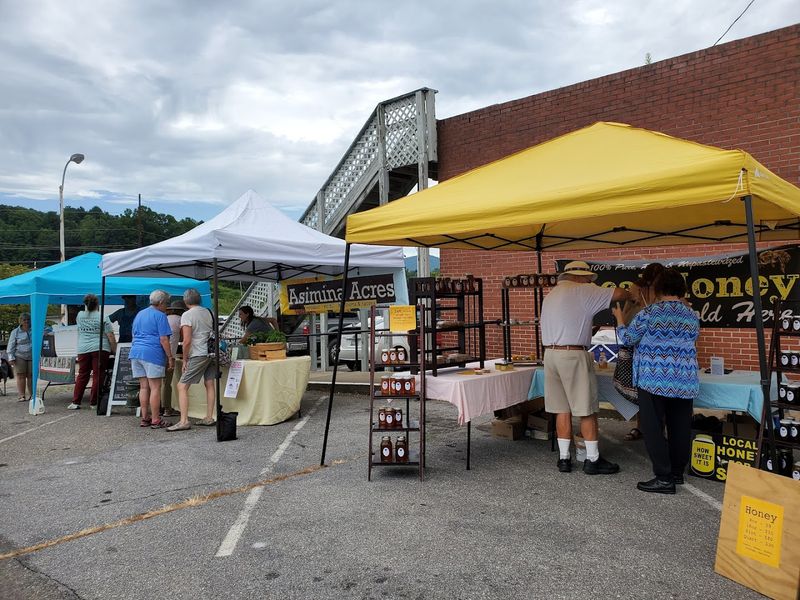
Burnsville gives this mountain market a small-town setting with plenty of local character. Y
ancey County Farmers Market operates at 322 W. Main Street, Burnsville, NC 28714, bringing shoppers close to downtown while keeping the focus firmly on regional growers, makers, and food producers.
Saturday mornings here feel slower than the bigger city markets, and that is part of the charm.
Instead of feeling swallowed by a massive complex, visitors can actually notice the individual tables, talk with vendors, and understand what is coming out of nearby farms and kitchens.
Seasonal fruits and vegetables change the mood as the year moves along, while baked goods, meats, cheeses, flowers, soaps, crafts, and prepared foods can make the market feel fuller than its size suggests.
Mountain music and local food-truck appearances have added even more personality to market mornings, giving people a reason to linger instead of grabbing one bag and leaving. Burnsville’s Blue Ridge setting helps too.
The drive in can feel scenic, the downtown area is easy to fold into the day, and the market makes a natural stop before exploring nearby shops, galleries, or mountain roads. This is a good pick for shoppers who like markets with a strong local pulse rather than a polished big-city feel.
4. Charlotte Regional Farmers Market
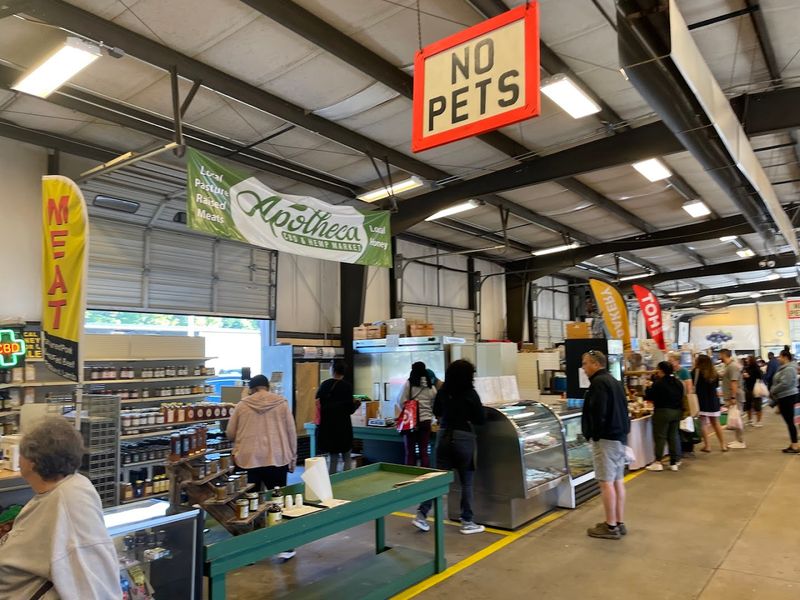
Big-city appetite meets state-market scale at 1801 Yorkmont Road, Charlotte, NC 28217. The Charlotte Regional Farmers Market offers multiple buildings, a broad selection, and Wednesday-through-Sunday hours.
The market is especially useful for anyone who wants more than a casual Saturday stroll.
Chefs, families, gardeners, home cooks, and road-trippers can all find a reason to spend time here, especially during peak produce season when the tables start looking almost too colorful to be practical.
Building A is known as the Got To Be NC Building, which helps highlight goods grown or produced in North Carolina.
Other areas add produce, plants, flowers, meats, cheeses, baked goods, specialty foods, and seasonal finds that change throughout the year.
The location near major roads makes it convenient for Charlotte visitors, though weekends can bring plenty of traffic and serious shoppers.
Arriving earlier usually gives the best shot at selection and parking patience. Unlike smaller neighborhood markets, this one feels more like a full shopping mission, so bringing a cooler and a real list helps.
Of course, the list may not survive first contact with peaches, flowers, tomatoes, or something homemade that smells too good to ignore. Charlotte Regional earns its crowd by making local food feel abundant.
5. Matthews Community Farmers’ Market
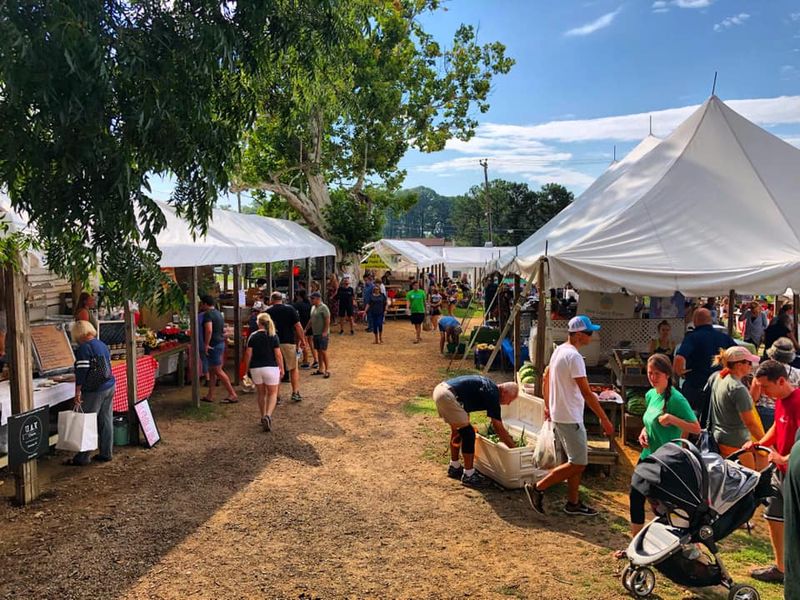
Downtown Matthews brings producer-only market energy to 188 N. Trade Street, Matthews, NC 28105, right beside Renfrow Hardware.
This market has built a loyal following because it feels both organized and personal, with farmers, chefs, bakers, makers, and local food vendors creating a Saturday morning that people genuinely plan around.
Main season 2026 hours are listed for Saturdays from 8 a.m. to noon, with winter hours later in the year, so checking the current schedule before visiting is smart.
The producer-only model matters here because vendors are directly tied to what they sell, which gives the whole experience more trust and personality.
Shoppers may find seasonal vegetables, fruit, mushrooms, eggs, meat, poultry, fish, flowers, plants, honey, cheese, bread, pastries, pasta, jams, sauces, prepared foods, and handmade goods depending on the week.
Live music and cooking demonstrations can make the market feel less like an errand and more like a community habit. Parking options around Trade Street and nearby lots make the visit manageable, though popular mornings still bring a crowd.
Matthews works because the market feels rooted in place. It is close enough to Charlotte for an easy drive, but it keeps the warmer rhythm of a town that knows its farmers by name.
6. Robert G. Shaw Piedmont Triad Farmers Market
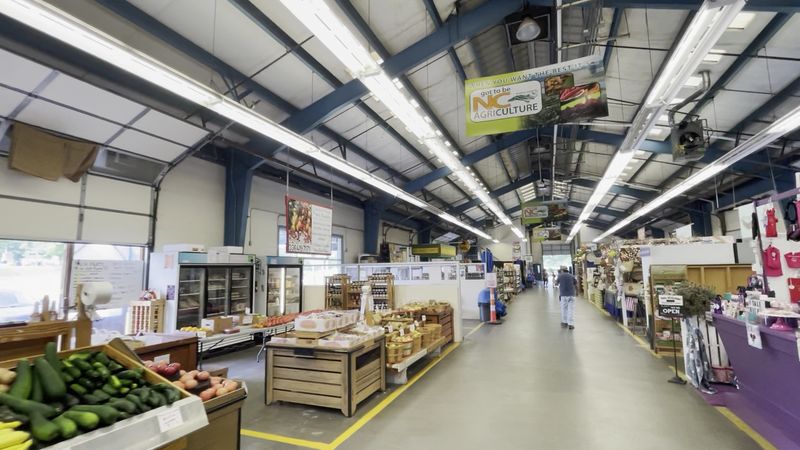
Colfax gives the Piedmont a major daily market at 2914 Sandy Ridge Road, Colfax, NC 27235, just off the I-40 corridor and convenient to Greensboro, High Point, and Winston-Salem.
The Robert G. Shaw Piedmont Triad Farmers Market is one of North Carolina’s state-operated regional markets. Posted hours run daily from 7 a.m. to 6 p.m., though individual vendors may keep their own schedules.
That note matters because the best selection often depends on timing, season, and which vendors are set up that day.
The market brings together Piedmont fruits, vegetables, flowers, plants, baked goods, jams, honey, crafts, and specialty foods in a spacious setting that works well for bigger shopping trips.
Indoor and outdoor areas make browsing feel less cramped, and the location is especially handy for travelers who want a local-food stop without detouring far from major roads.
This market is not trying to be a tiny neighborhood gathering. Its strength is consistency, access, and variety.
Shoppers can stock up for the week, grab seasonal produce by the box, browse plants for the yard, or pick up something homemade for the ride home. For Triad residents, it is practical.
For visitors, it is an easy way to taste what the region grows.
7. Greensboro Farmers Curb Market
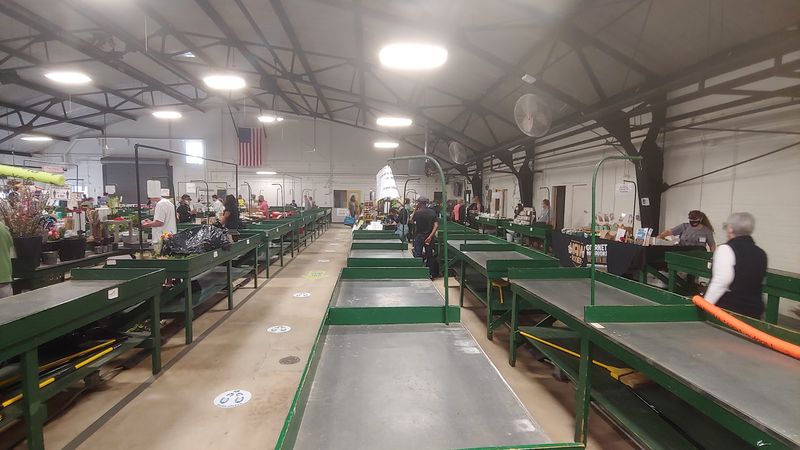
History still feels active inside 501 Yanceyville Street, Greensboro, NC 27405, where the Greensboro Farmers Curb Market remains one of the city’s best local-food anchors.
The indoor market runs year-round on Saturday mornings, with Tuesday evening market hours beginning seasonally, giving shoppers more flexibility than a one-window weekly stop.
That Tuesday addition is especially useful for people who work weekends, cook during the week, or want fresh local food without fighting the Saturday rush.
The market draws from regional producers and makers. Visitors can find seasonal produce, meats, dairy, eggs, baked goods, prepared foods, flowers, artisan items, seafood vendors, and crafts depending on the week.
The indoor setting gives the market a steady, familiar feel, especially during hot, rainy, or chilly mornings when open-air markets can feel less comfortable.
Greensboro’s food community shows up clearly here, with regular shoppers often moving through the aisles like they know exactly who has the best greens, bread, flowers, or dinner shortcut that week.
First-time visitors should slow down and make a full lap before buying everything at once. There is usually more variety than expected, and the best finds are easy to miss when hunger starts making decisions.
This market succeeds because it feels useful, social, and deeply connected to the city.
8. State Farmers Market
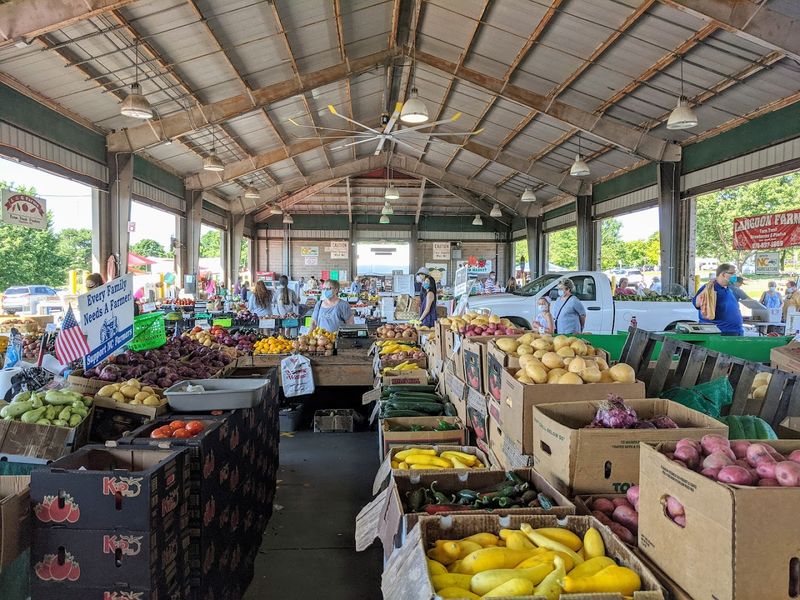
Raleigh’s State Farmers Market at 1201 Agriculture Street, Raleigh, NC 27603, is the heavyweight on this list. Spread across a large state-run complex and open daily, it gives shoppers one of the most complete farmers market experiences in North Carolina.
Posted hours run Monday through Saturday from 5 a.m. to 7 p.m. and Sunday from 8 a.m. to 5 p.m., though individual vendors and restaurants may vary. The scale is part of the appeal.
Instead of one row of tables, visitors find a retail farmers building, specialty shops, restaurants, a garden center, seafood, meat and cheese, baked goods, jams, honey, plants, flowers, produce, and crafts. Everything is gathered into one destination.
It works for serious cooks hunting seasonal ingredients, families looking for a weekend outing, gardeners filling a cart, and travelers who want a very Raleigh food stop close to major roads.
The market can feel busy, especially on Saturdays, so a little patience helps. Come hungry because the restaurants and food vendors are part of the tradition, not an afterthought.
Raleigh’s market makes local agriculture feel big, accessible, and proudly visible. Few places in the state turn shopping for tomatoes, biscuits, plants, and dinner ingredients into such a full event.
9. Durham Farmers’ Market
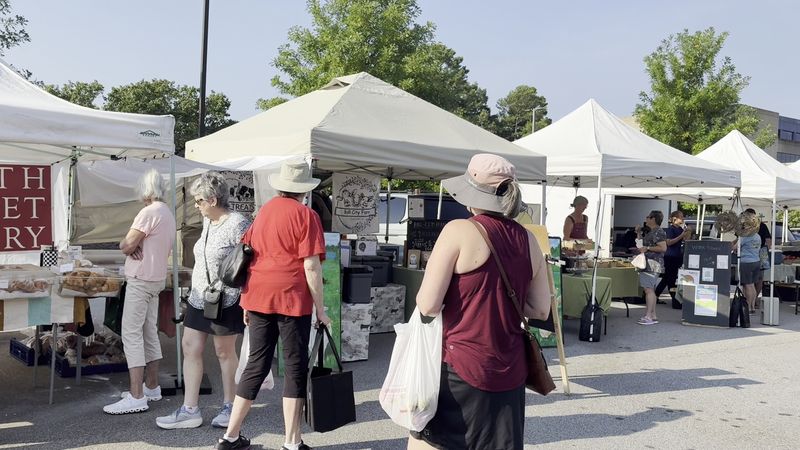
Durham Central Park gives this producer-only market one of the best settings in the Triangle.
Durham Farmers’ Market at 501 Foster Street, Durham, NC 27701 follows a strict local-only rule where every item must be grown or made by the seller. Vendors come from within about 70 miles of the market, keeping everything tightly regional.
That rule gives the shopping experience real focus. Instead of booths feeling random, the market becomes a snapshot of what the Durham region is growing, raising, baking, crafting, and cooking right now.
Saturday mornings bring fruits, vegetables, meats, eggs, flowers, cheeses, breads, honey, chocolates, pottery, soaps, jewelry, prepared foods, and other local products depending on the season.
Wednesday evening markets during the main season add another chance to shop without waiting for the weekend.
The Central Park location helps the market feel like part of a bigger downtown outing, especially with nearby restaurants, coffee shops, murals, and Durham energy surrounding it. Families, students, chefs, and neighborhood regulars all mix easily here.
The best strategy is to arrive with a bag and no rigid expectations. Something seasonal will probably hijack the plan.
Durham Farmers’ Market works because it feels principled without feeling stiff, lively without feeling chaotic, and local in a way shoppers can actually verify booth by booth.
10. Chapel Hill Farmers’ Market
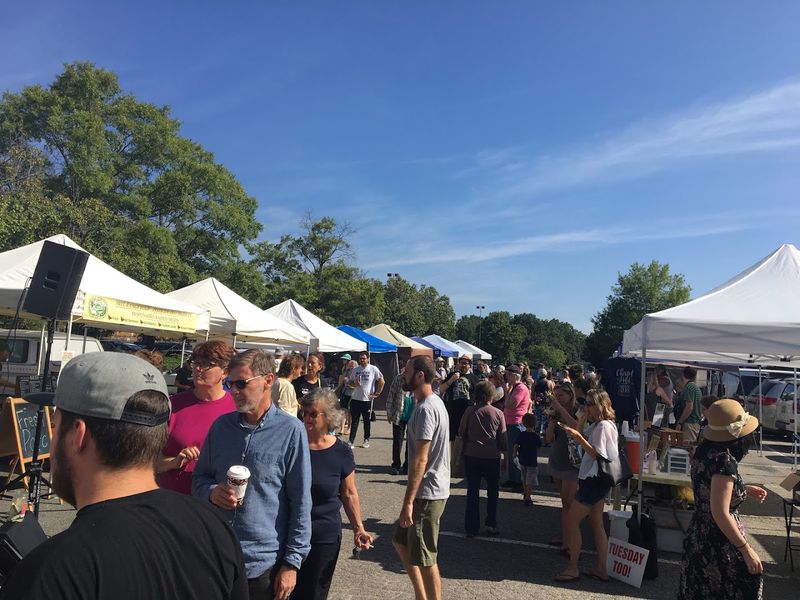
University Place gives Chapel Hill Farmers’ Market a convenient home at 201 S. Estes Drive, Chapel Hill, NC 27514, where shoppers can find it year-round on Saturdays and seasonally on Tuesdays.
Farmers and artisans must live within 60 miles of Chapel Hill, which keeps the market tightly tied to the region and helps shoppers understand where their food and handmade goods are coming from. That local radius shapes the whole experience.
Seasonal vegetables, fruit, herbs, plants, eggs, meats, poultry, fish, cheese, bread, pastries, jams, fermented foods, honey, beverages, prepared snacks, body-care products, and crafts can all appear depending on the week.
The market started in 2008 and has grown into a reliable community stop for people who want freshness without losing that direct connection to farmers and makers.
Its location outside University Place makes parking and errands easier than some tighter downtown markets, while still keeping the Chapel Hill feel.
Saturday mornings are the classic choice, but Tuesday afternoons can be a useful option during the main season for shoppers who want midweek ingredients.
This market is a good fit for anyone who likes a thoughtful, well-curated selection instead of overwhelming scale. It feels practical, fresh, and close-to-home in exactly the way a Chapel Hill market should.
11. New Bern Farmers Market
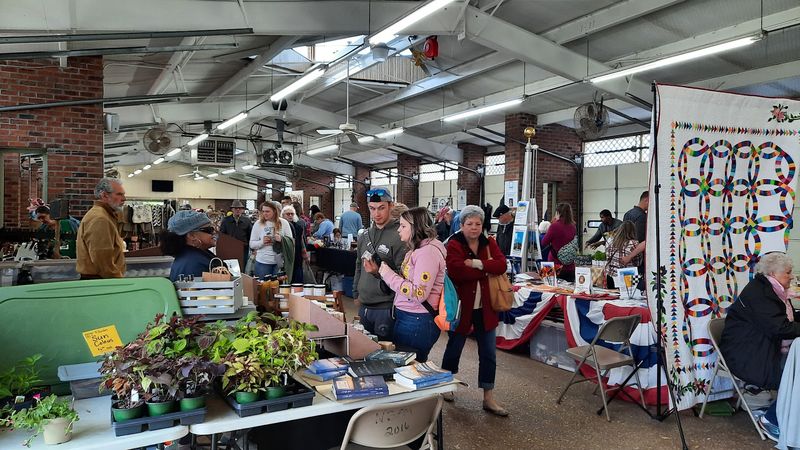
Historic downtown New Bern adds a charming backdrop to the market at 421 S. Front Street, New Bern, NC 28560.
New Bern Farmers Market runs Saturdays year-round from 8 a.m. to 2 p.m. Visitors and locals browse produce, plants, farm-raised meats, baked goods, arts, crafts, honey, berries, and seasonal items.
The location matters because it sits within easy reach of downtown shops, restaurants, Tryon Palace, the Birthplace of Pepsi, the convention center, and the waterfront atmosphere that makes New Bern feel so walkable.
A market stop can easily become part of a larger morning instead of the only destination. The vendor mix often feels broader than a simple produce run, with handmade goods and giftable items giving browsers plenty to inspect even if they are not cooking that night.
Shoppers who do want dinner inspiration can still leave with vegetables, meats, baked goods, or something sweet for later. New Bern’s market has the friendly pace people expect from a smaller coastal-river city, but it still delivers enough variety to keep regulars returning.
Bring a tote, then leave time to wander downtown afterward. The market fits the city beautifully because both feel historic, social, and easy to enjoy without rushing.
12. Riverfront Farmers’ Market
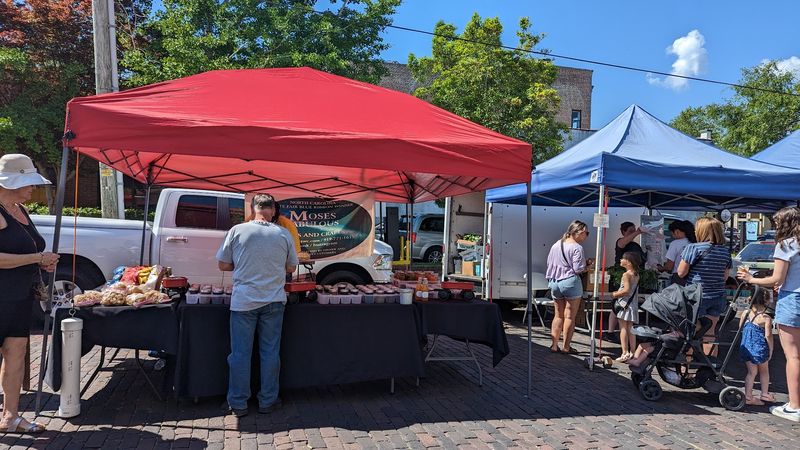
Cape Fear River views make Wilmington’s Riverfront Farmers’ Market feel like more than a shopping errand.
Wilmington Farmers Market sets up on Dock Street between 2nd Street and Water Street in downtown Wilmington, NC, running Saturdays from 8 a.m. to 1 p.m. during its season. It operates rain or shine, except when safety concerns like high winds or lightning require changes.
That location gives the market its strongest personality. Shoppers can browse local goods with historic downtown on one side and riverfront energy close by, making the visit feel lively before the first purchase.
Produce, berries, vegetables, herbs, flowers, plants, cheeses, eggs, honey, meats, seafood, baked goods, prepared foods, and artisan items can all shape the morning depending on vendors and season.
Coastal influence adds extra appeal because fresh seafood and waterfront scenery make the market feel distinctly different from inland stops.
This is a strong pick for visitors staying downtown, families planning a Wilmington weekend, or locals who want a Saturday ritual with a view. Arriving earlier usually helps with selection, especially during busy tourist months.
After shopping, the riverwalk, cafes, shops, and nearby historic streets make it easy to stretch the morning. Wilmington’s market works because it turns local food into a coastal outing.