These 10 North Carolina Stargazing Spots Lead To Dark Beaches, Mountain Peaks, And Milky Way Views
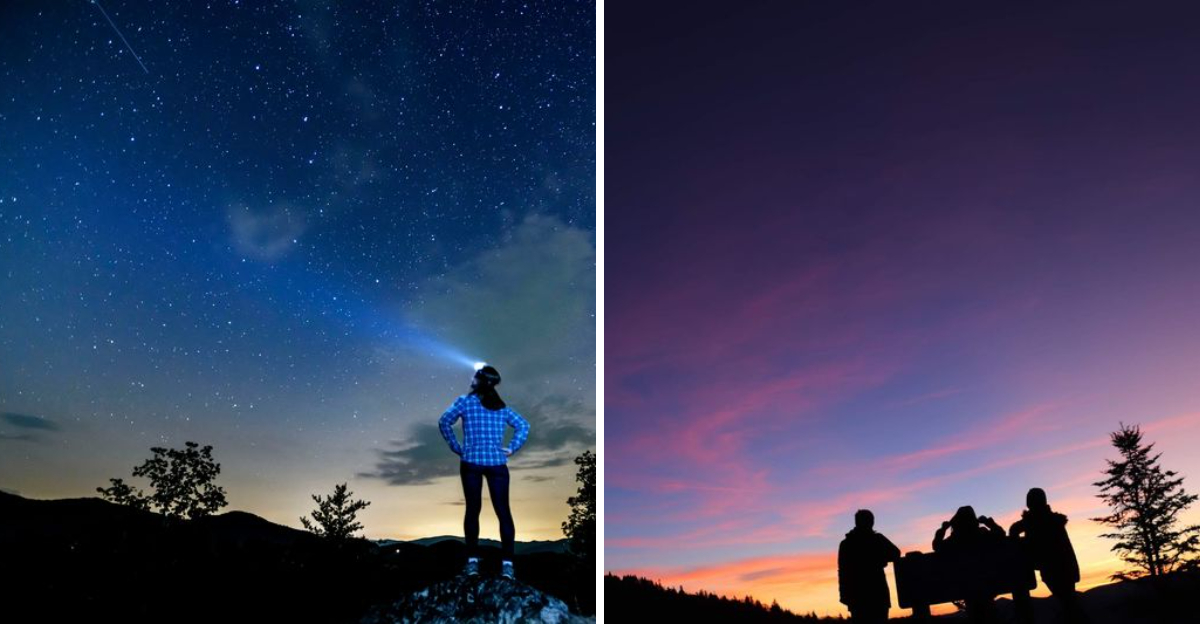
Night skies do not usually make people forget how to talk, but the right dark place can pull it off fast.
A quiet stretch of beach or a high mountain overlook can turn one look upward into a full “wait, has the sky always been doing this?” moment.
Stars feel different when city lights finally lose the argument.
The Milky Way starts looking less like something from a science poster and more like a glowing path someone spilled across the dark.
That is the thrill of real stargazing.
Everything slows down, phones become useless, and even the loudest person in the group suddenly starts whispering.
Some spots bring the drama with open water nearby.
Others let the mountains do the framing.
Either way, the reward is the same kind of wonder that makes the drive feel completely justified.
When the night turns clear and the sky opens wide, these North Carolina stargazing spots make looking up feel like the whole point of the trip.
1. Cape Lookout National Seashore
Darkness feels different when a ferry ride stands between you and the mainland.
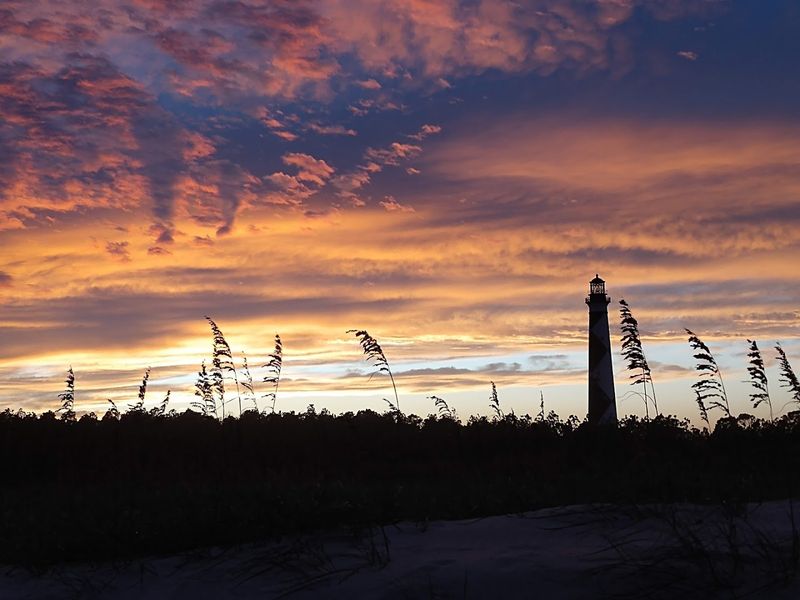
Cape Lookout National Seashore became an International Dark Sky Park in December 2021, and the National Park Service describes it as the first Atlantic coastal Dark Sky Place in the NPS to receive that certification.
That alone makes it one of North Carolina’s strongest stargazing destinations, but the setting is what makes the experience unforgettable.
The seashore stretches across remote barrier islands, with ocean, dunes, lighthouse views, and very little surrounding development to wash out the night.
Planning usually begins at the Harkers Island Visitor Center, 1800 Island Road, Harkers Island, NC 28531, where visitors can check ferry logistics, seasonal programs, and current conditions. Once out there, the sky can feel enormous.
On clear, moonless nights, the Milky Way may appear with naked-eye detail over the Atlantic, especially away from bright boat lights or other visitors.
Ranger-led programs, astronomy events, and special night outings may be offered seasonally, but schedules change and ferry access requires planning.
Cape Lookout rewards people who prepare well. Bring what you need, respect the fragile island environment, and let the dark do its work.
2. Ocracoke Lifeguarded Beach
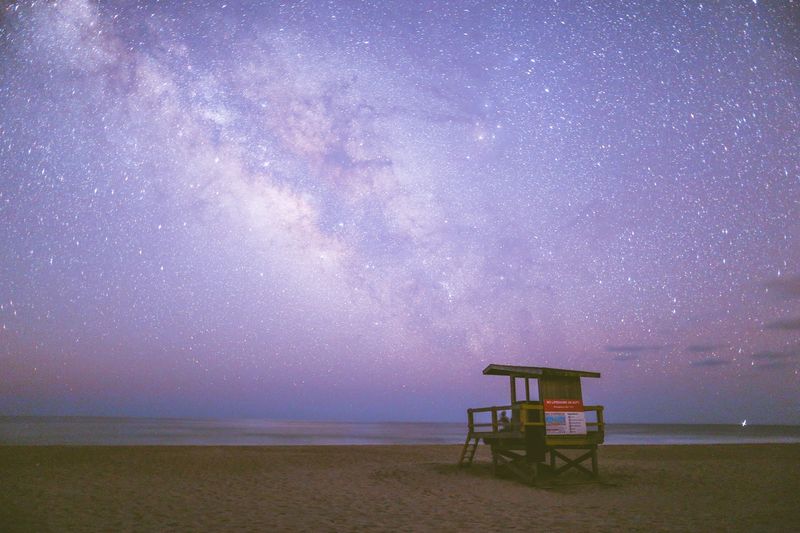
Remote beaches make good stargazing feel effortless once the lights drop away. Ocracoke Island, part of Cape Hatteras National Seashore, sits far enough from mainland light pollution to offer some of the Outer Banks’ most memorable night-sky moments.
The island is only reachable by ferry, private boat, or small aircraft, and that separation helps preserve the feeling that the sky has more room here.
Cape Hatteras National Seashore schedules “Night Skies over Ocracoke” programs during summer, giving visitors a guided way to learn constellations, planets, and dark-sky basics with park staff.
Program locations and times can shift, so checking the National Park Service calendar before planning around one is important.
Ocracoke Lifeguarded Beach and nearby seashore areas offer wide-open ocean views and a quieter coastal atmosphere. Visitors should check parking, beach access, turtle-nesting closures, weather conditions, and nighttime safety rules before heading out.
Arriving before dusk gives eyes time to adjust and helps avoid stumbling around unfamiliar sand in complete darkness. The mood here is quieter than the busier Outer Banks towns.
Waves keep a steady rhythm, wind moves across the dunes, and the sky feels startlingly full. Ocracoke proves a stargazing trip does not need a telescope to feel extraordinary.
3. Jockey’s Ridge State Park
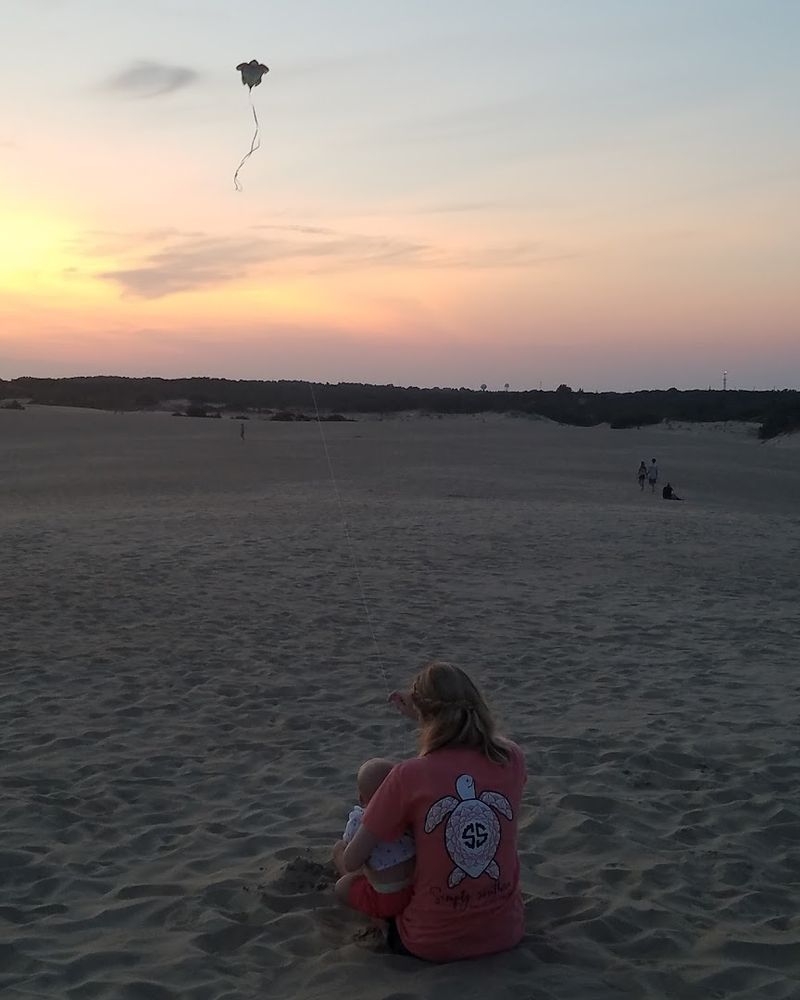
Sand dunes create one of the strangest and most open night-sky settings in the state. Jockey’s Ridge State Park at 300 W.
Carolista Drive, Nags Head, NC 27959, is home to the tallest living sand dune system on the Atlantic coast, which means visitors get elevated, wide-open views without climbing a mountain.
The park hosts occasional astronomy events, including Statewide Star Party gatherings with telescopes and family activities, often tied to the North Carolina Science Festival and local astronomy groups.
Those organized events are the best way to experience the dunes after dark legally and comfortably, since regular park hours and access rules should always be checked before planning a night visit. When conditions line up, the dunes make an excellent stargazing stage.
The lack of trees gives the sky a giant, bowl-like feeling, while the sound of wind and nearby ocean keeps the setting atmospheric.
Sand can be harder to walk than expected, especially in the dark, so closed-toe shoes, water, and a red-light flashlight help.
Jockey’s Ridge is not the darkest place on this list because the Outer Banks has nearby development, but the open horizon and organized star parties make it one of the most memorable for casual stargazers.
4. Mayland Earth To Sky Park & Bare Dark Sky Observatory
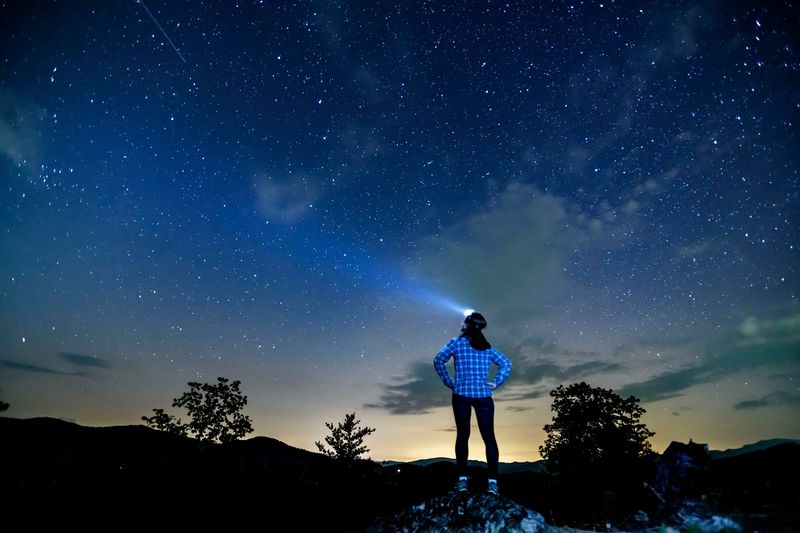
This place was built for people who plan their evenings around the sky. Mayland Earth to Sky Park and Bare Dark Sky Observatory sit at 66 Energy Exchange Drive, Burnsville, NC 28714, in a mountain region known for dark skies and strong astronomy culture.
The park holds International Dark Sky Park status, making it a standout destination for stargazing. Mayland notes that the parking area remains open to the public 24 hours a day, while observatory and telescope access is limited to ticketed events booked in advance.
That setup makes the destination useful for both casual skywatchers and people who want a more structured telescope experience.
The Bare Dark Sky Observatory houses the 34-inch Newtonian “Sam Scope,” which gives ticketed visitors a chance to see deep-sky objects with serious equipment and guidance from astronomers. Even without entering the observatory, the open grounds can be excellent on clear, moonless nights.
Bring a reclining chair, warm layers, and realistic expectations. Clouds can ruin the best plan, and telescope events may move indoors or change because of weather.
Mayland stands out because it treats dark skies as the main attraction, not a side benefit. For North Carolina stargazing, that focus matters.
5. Pisgah Astronomical Research Institute
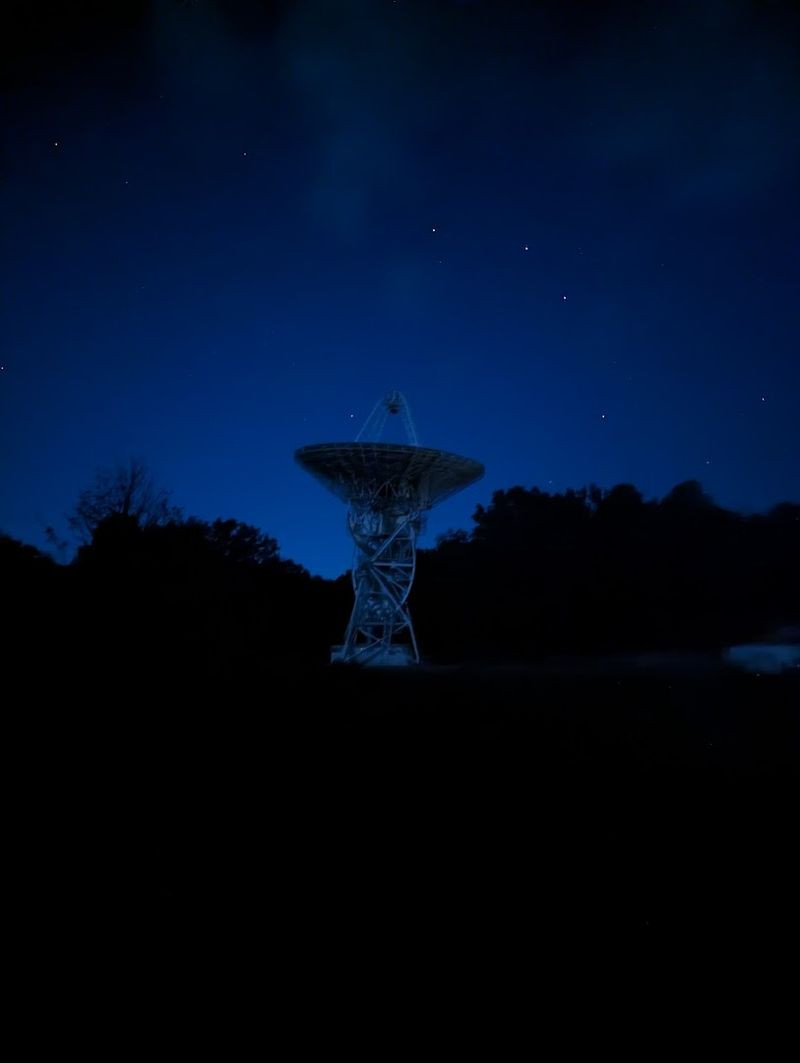
Science gives this dark-sky stop a completely different personality. Pisgah Astronomical Research Institute, better known as PARI, sits in Rosman within the mountains of Transylvania County and was designated an International Dark Sky Park in 2020.
The campus has a fascinating history, including former NASA and Department of Defense ties, and today it combines astronomy, science education, research facilities, and public programming.
Unlike a beach or overlook where visitors simply show up and look up, PARI works best when planned through its official tours, events, or appointment-based opportunities.
That structure helps protect the site and gives guests a more meaningful experience around the telescopes, instruments, and science happening there.
The setting inside Pisgah National Forest helps shield the grounds from heavy light pollution, and clear nights can reveal a sky that feels far removed from larger cities.
Visitors interested in meteor showers, planets, star clusters, or the Milky Way should watch the event calendar and choose dates near the new moon when possible. PARI is not just pretty darkness.
It is darkness with context. Seeing stars here comes with the added thrill of standing in a place built to study the universe, not merely admire it.
6. Waterrock Knob
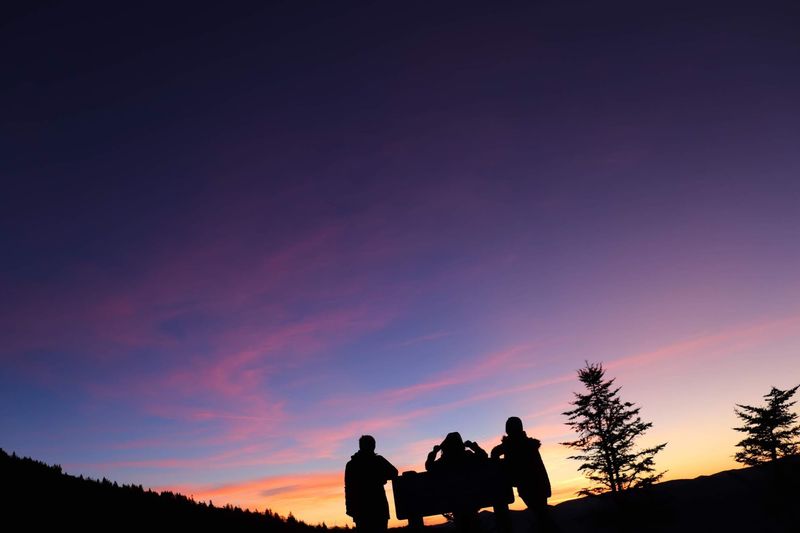
High elevation makes Waterrock Knob feel ready for the stars before sunset even ends. The National Park Service lists Waterrock Knob on the Blue Ridge Parkway as a stargazing activity, with spring, summer, and fall noted as the main seasons.
The site sits at Milepost 451.2, with the parking area around 5,719 feet and the summit rising higher above the surrounding valleys. That altitude gives visitors cooler air, broad views, and a sense of floating above much of the nearby light.
The parking area alone can be useful for casual stargazing, while the short but steep summit trail offers even wider views for hikers who are prepared with proper footwear and lights.
Sunset is a popular draw here, and staying into full darkness can turn the same ridges into layered silhouettes under a growing field of stars.
The Blue Ridge Parkway can close for weather, maintenance, ice, fog, or storm damage, so checking conditions before driving is essential. Temperatures also drop quickly, even when towns below feel warm.
Waterrock Knob is especially good for travelers who want a legal, recognized Parkway stargazing stop without needing a remote backcountry plan. The sky feels big here, and the mountains make it feel bigger.
7. Cowee Mountain Overlook
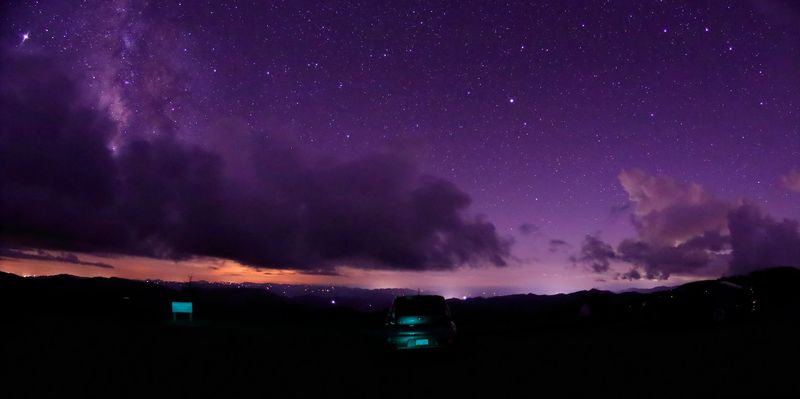
Photographers have a way of finding the good pullouts, and Cowee Mountain Overlook is one of those Parkway spots that keeps showing up in night-sky conversations.
The overlook sits near Milepost 430 on the Blue Ridge Parkway, not far from Richland Balsam, with a wide view across layers of national forest land.
That open western-facing perspective makes it famous for sunset, but the same broad horizon can work beautifully after dark when skies are clear and the moon is low or absent.
This spot is not officially certified as a dark-sky park, but its appeal comes from practical advantages like elevation, open views, distance from major city lights, and dramatic mountain surroundings. Those conditions make it a rewarding place for photographers and stargazers setting up a tripod.
Astrophotographers like the overlook because the ridgelines create a clean silhouette beneath the Milky Way when seasonal timing cooperates. Casual visitors can enjoy it too, though mountain night safety matters.
Stay well away from traffic, use dim red lights, and keep headlights from ruining other people’s night vision. Parkway closures, fog, and sudden weather can change plans quickly.
Cowee is best for patient stargazers who do not need facilities, crowds, or a program. Just sky, ridges, and quiet.
8. Mount Mitchell State Park
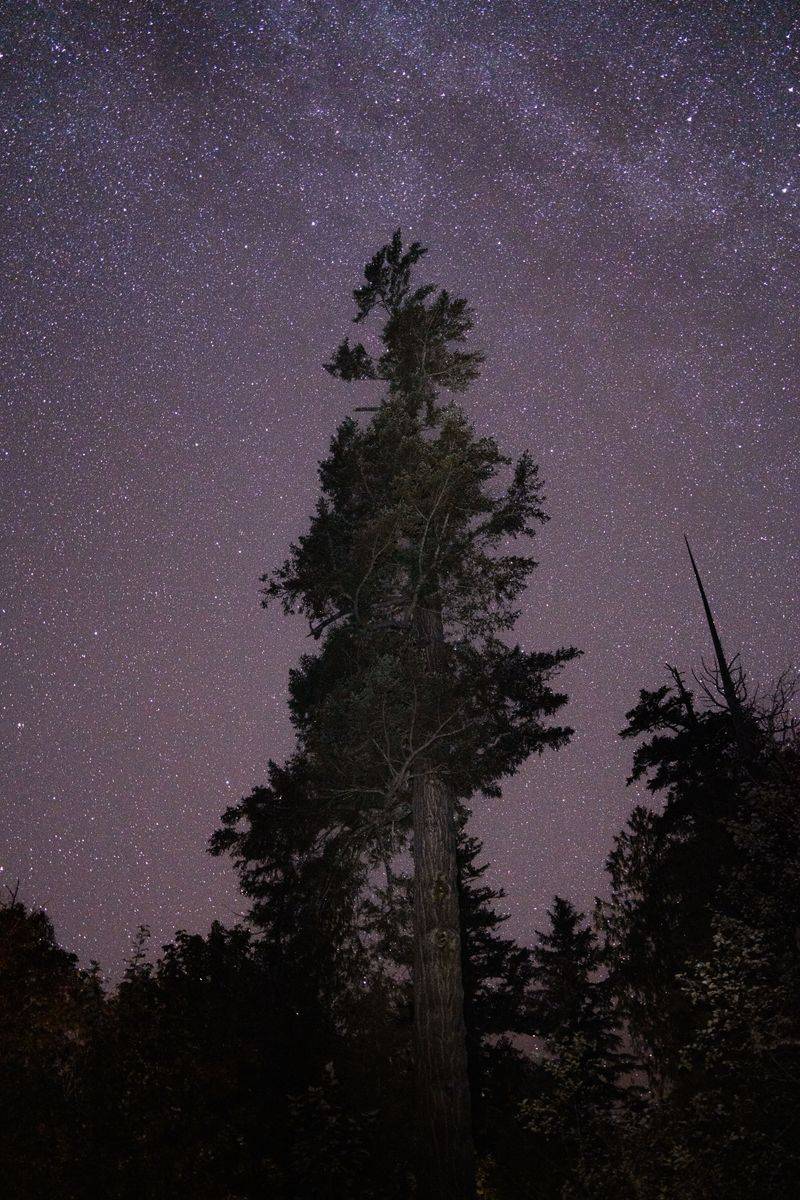
Altitude is the big argument for Mount Mitchell. At 6,684 feet, Mount Mitchell is the highest point east of the Mississippi River, and the summit observation deck gives wide views across the Black Mountains when conditions are clear.
That same height can make the night sky feel sharper, colder, and more dramatic than it does in lower valleys. The caution is access.
Mount Mitchell State Park has posted operating hours, so visitors should not assume casual nighttime access for stargazing. Legal camping, approved programs, or nearby permitted access points are better options for those planning an after-dark visit.
Checking the current park schedule is essential before planning any after-dark visit.
When access lines up, the payoff can be excellent. The summit area sits above much surrounding light, and moonless nights can reveal a sky worthy of the mountain’s reputation.
Weather is the real wild card. Clouds, fog, wind, and sudden cold can erase the view or make lingering uncomfortable, even in summer.
Dress much warmer than the forecast in Asheville suggests. Mount Mitchell is not the easiest all-night stargazing spot on this list, but for properly planned visits, the combination of elevation and summit drama is hard to ignore.
9. Max Patch
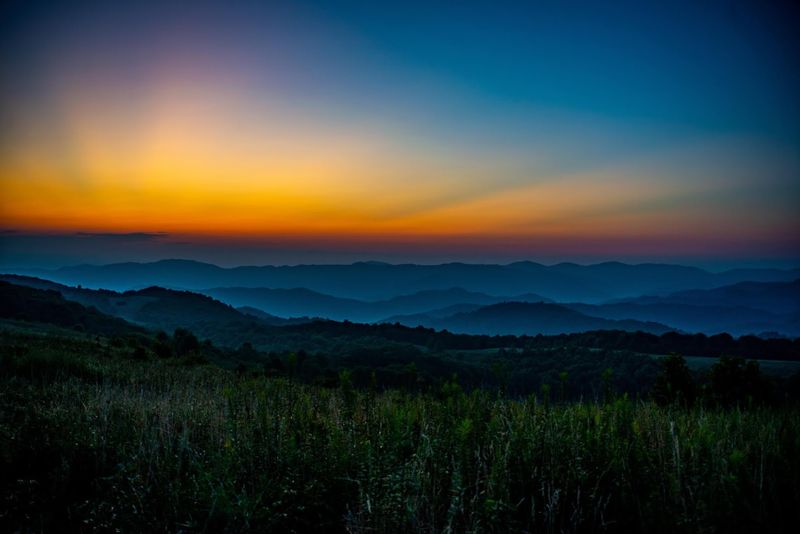
Open grass and a huge sky make Max Patch feel made for lying flat and forgetting the time.
This famous bald near Hot Springs rises about 4,600 feet in Pisgah National Forest. Clear-weather views stretch toward the Great Smoky Mountains, Mount Mitchell, and surrounding Appalachian ridges.
The stargazing appeal is obvious: no tree canopy over the summit, broad horizons, and a remote feel that separates it from city glow.
Access requires gravel roads, and conditions can be rough after storms, so the drive should not be treated lightly.
Visitors also need to know the current rules. The Forest Service has restricted camping and taken steps to protect Max Patch after heavy overuse, so stargazing should be done respectfully, with no illegal camping, no fires, no trash, and no damage to the fragile bald.
Arriving before dusk is the safest way to reach the summit, enjoy sunset, and settle in before darkness. A red-light headlamp is a must for the walk back.
On a clear new-moon night, the sky here can feel enormous. Max Patch asks visitors to be responsible, but it gives back one of the most open night views in western North Carolina.
10. Craggy Gardens
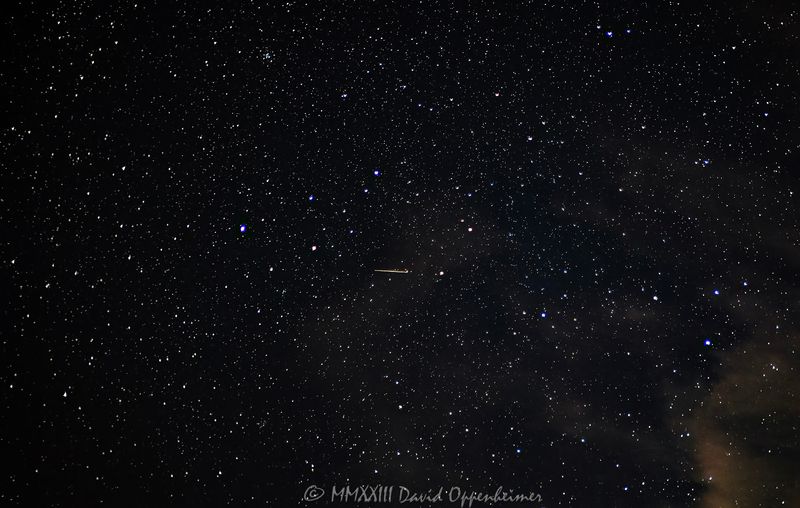
Craggy Gardens brings mountain atmosphere before the stars even appear. This Blue Ridge Parkway area north of Asheville is known for high-elevation scenery, rhododendron blooms, open heath balds, rocky overlooks, and dramatic sunset views.
After dark, those same features can make the sky feel especially vivid when weather and moon phase cooperate.
The area works less like one fixed stargazing platform and more like a collection of Blue Ridge Parkway stops. Craggy Gardens Visitor Center, nearby overlooks, and the Craggy Pinnacle Trail from Craggy Dome parking area all offer different ways to experience the mountain night sky.
Access depends heavily on Parkway conditions, seasonal closures, fog, ice, and posted rules, so visitors should check current updates before heading up at night.
Light from Asheville is still part of the broader horizon, meaning this is not as dark as Cape Lookout or Mayland, but elevation and open views can still create a memorable night-sky experience.
Craggy works especially well for people who want sunset, silhouettes, and stars in one outing. Dress warmly, bring a red-light flashlight, and choose a safe pullout rather than stopping along the road.
The best nights here are simple: wind in the shrubs, ridges fading black, and stars slowly taking over the Parkway.