These 23 Northern California Museums Are Free To Visit This February For Museums-For-All
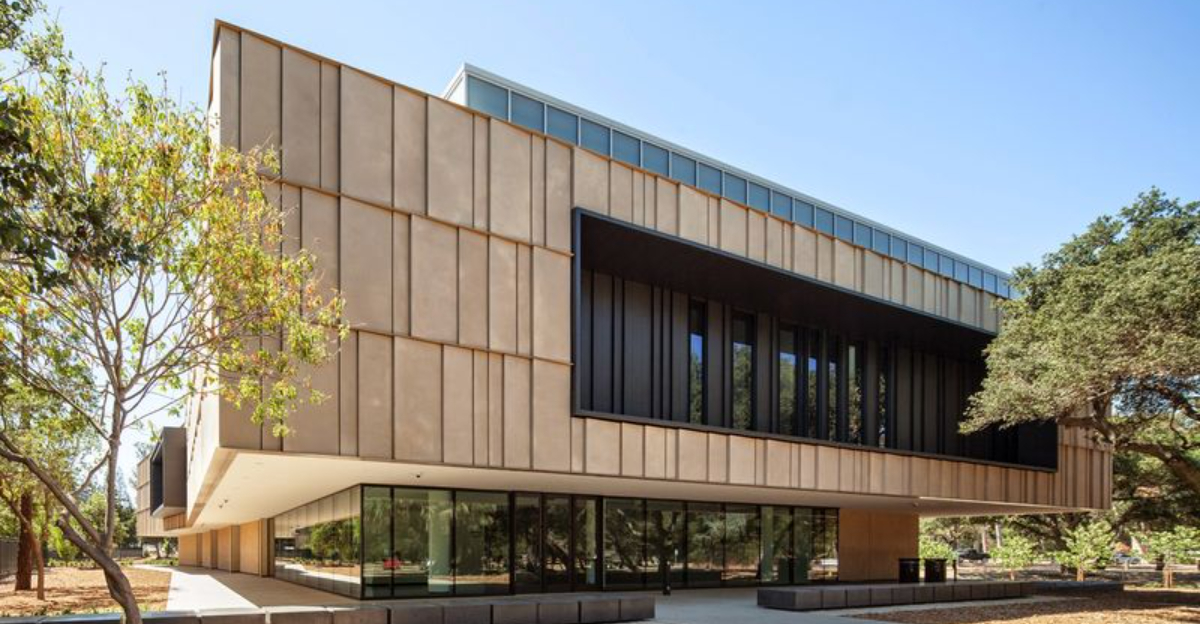
February opens the door to museum experiences many families don’t realize they can access for free.
Across Northern California, major museums quietly welcome visitors through the Museums for All program, offering admission at no cost or just a few dollars with an EBT or Medi-Cal card.
The timing couldn’t feel better. Cooler weather makes indoor exploring especially appealing, and the range of options stretches far beyond what most people expect.
Art galleries filled with masterworks. Science centers packed with hands-on exhibits. Cultural museums telling stories that span generations.
San Francisco, Sacramento, and cities in between all participate, turning an ordinary weekend into something far more memorable without adding financial pressure.
Families can wander aquarium tunnels, stand beneath towering dinosaur skeletons, or explore interactive installations designed to spark curiosity at every age.
All it takes is showing a qualifying card at the entrance, and suddenly places that feel out of reach become part of your plans.
February becomes less about staying in and more about discovering just how many museum doors in California are ready to open.
1. Asian Art Museum
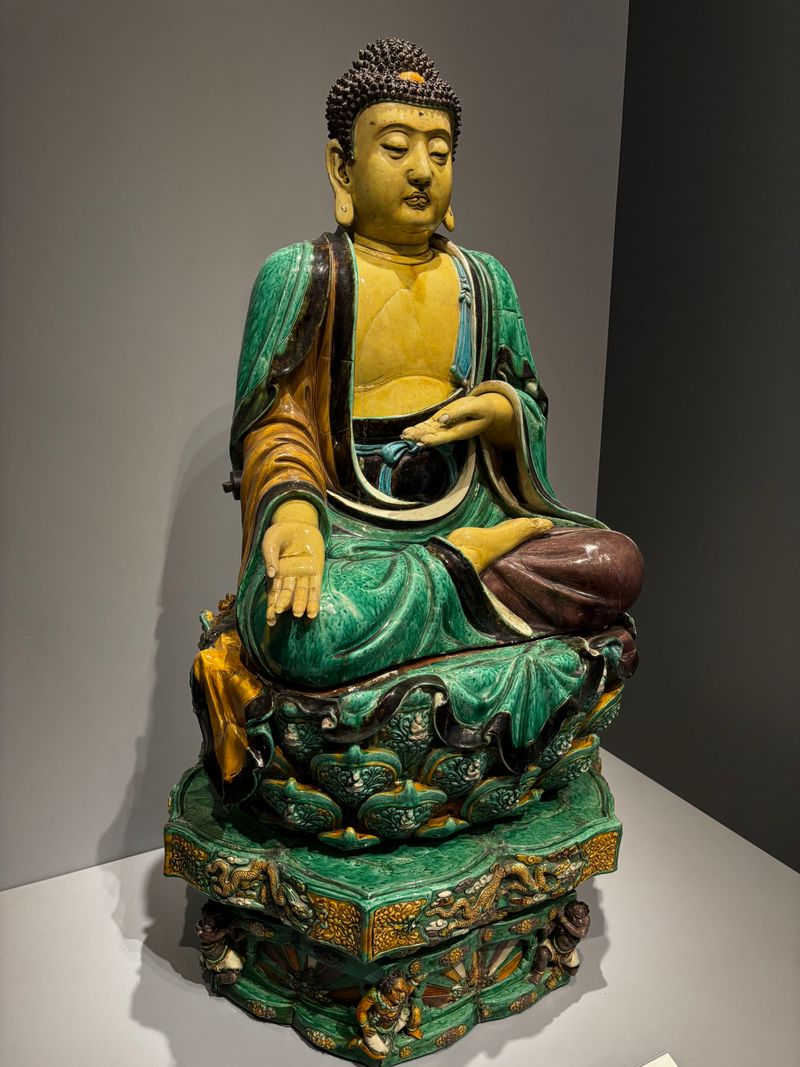
Located in San Francisco’s Civic Center, this museum houses one of the most comprehensive Asian art collections in the world. The Asian Art Museum is at 200 Larkin Street, San Francisco, CA 94102, standing as a cultural landmark in the heart of the city.
Visitors can explore galleries filled with ancient sculptures, delicate ceramics, vibrant textiles, and contemporary works spanning 6,000 years of history.
The building itself combines classical architecture with modern renovations that create bright, welcoming spaces. Families with EBT or Medi-Cal cards can enter for free through the Museums for All program by showing their card and proof of San Francisco residency at the front desk.
The museum offers educational programs and interactive exhibits that help younger visitors connect with Asian cultures in meaningful ways.
2. De Young Museum
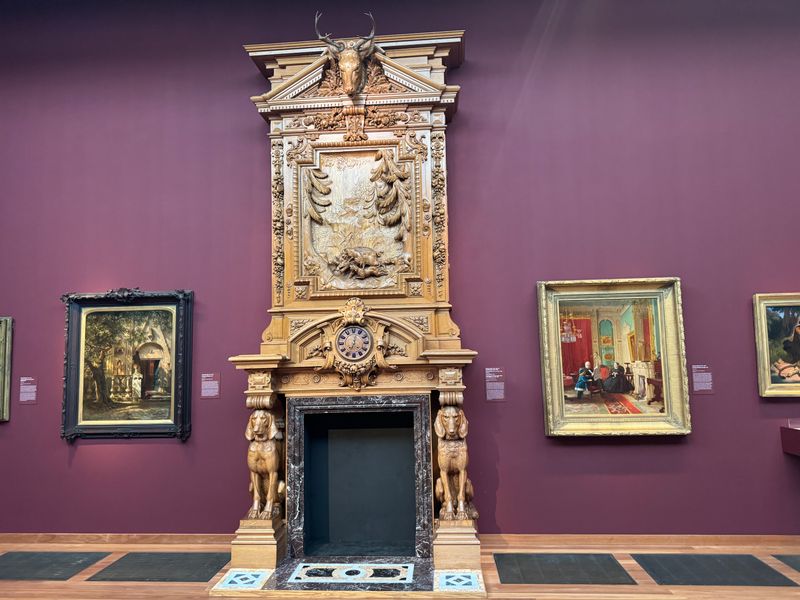
Nestled within Golden Gate Park, this fine arts museum showcases American art from the 17th through 21st centuries alongside international contemporary pieces.
The de Young Museum is located at 50 Hagiwara Tea Garden Drive, San Francisco, CA 94118, its copper facade gradually turning green as it ages.
The building’s observation tower offers panoramic views of the city and park, adding an extra dimension to any visit.
Collections include paintings, sculptures, textiles, and decorative arts from the Americas, Africa, and Oceania. The museum’s design incorporates sustainable features and natural materials that blend with the surrounding parkland.
Free admission is available for San Francisco residents with EBT or Medi-Cal cards, and the museum also participates in Bank of America’s Museums On Us program on the first full weekend of each month.
3. Legion Of Honor
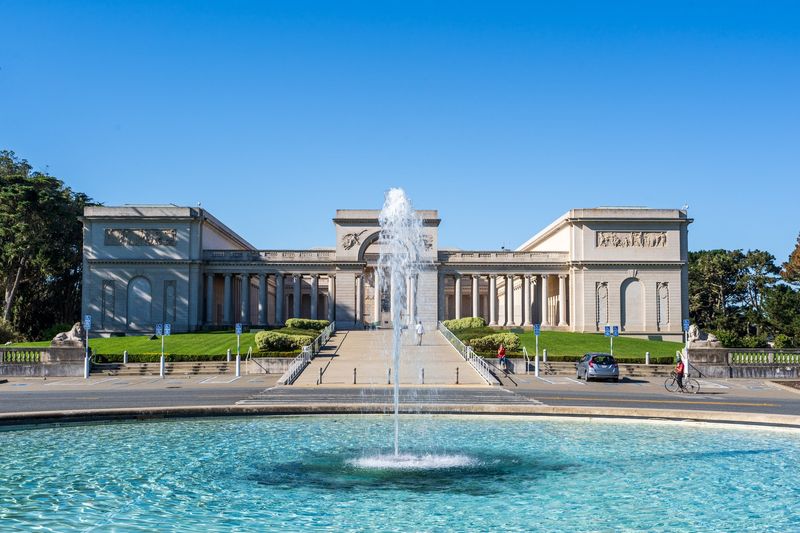
Perched on a hill overlooking the Golden Gate Bridge and Pacific Ocean, this neoclassical building houses European art spanning 4,000 years. The Legion of Honor stands at 100 34th Avenue, San Francisco, CA 94121, its white columns and courtyard creating an atmosphere of timeless elegance.
The museum’s collection includes works by Rembrandt, Monet, and Rodin, with a particularly impressive display of sculptures in the outdoor Court of Honor.
Walking through the galleries feels like stepping into a European palace, with carefully curated rooms that showcase paintings, prints, and decorative arts.
The museum’s hilltop location means visitors can enjoy stunning views before or after exploring the collections.
San Francisco residents with EBT or Medi-Cal cards receive free entry, and Bank of America cardholders can visit free on the first full weekend of February.
4. Museum Of The African Diaspora
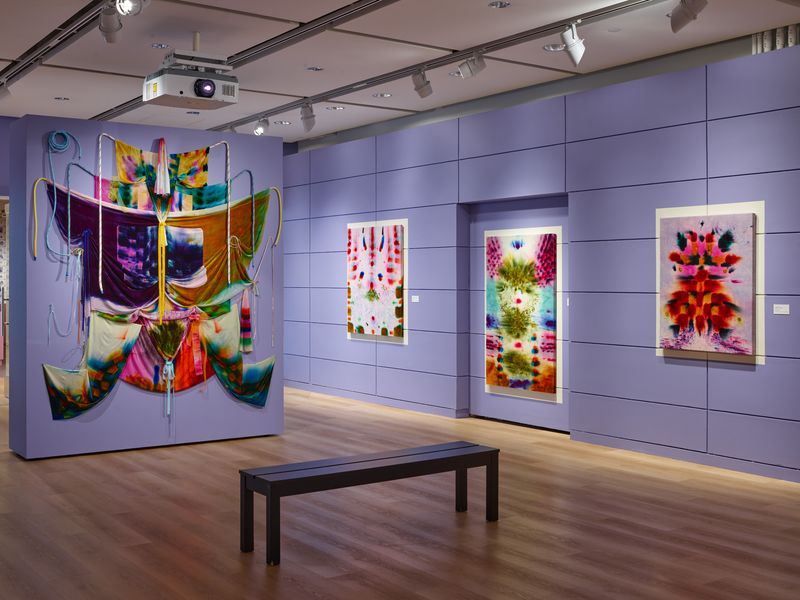
Stories of African diaspora cultures come alive through art, history, and personal narratives at this SOMA district museum.
The Museum of the African Diaspora is situated at 685 Mission Street, San Francisco, CA 94105, occupying a contemporary space designed to foster understanding and connection.
Three floors of exhibitions explore themes of origin, movement, adaptation, and transformation through photography, video, and interactive displays.
The museum’s approach emphasizes personal stories and lived experiences rather than just historical facts.
Visitors encounter powerful images and testimonies that reveal the diversity and resilience of African diaspora communities worldwide.
The galleries encourage reflection on identity, culture, and shared humanity. San Francisco residents with EBT or Medi-Cal cards can access free admission by presenting their documentation at the entrance.
5. Museum Of Craft And Design
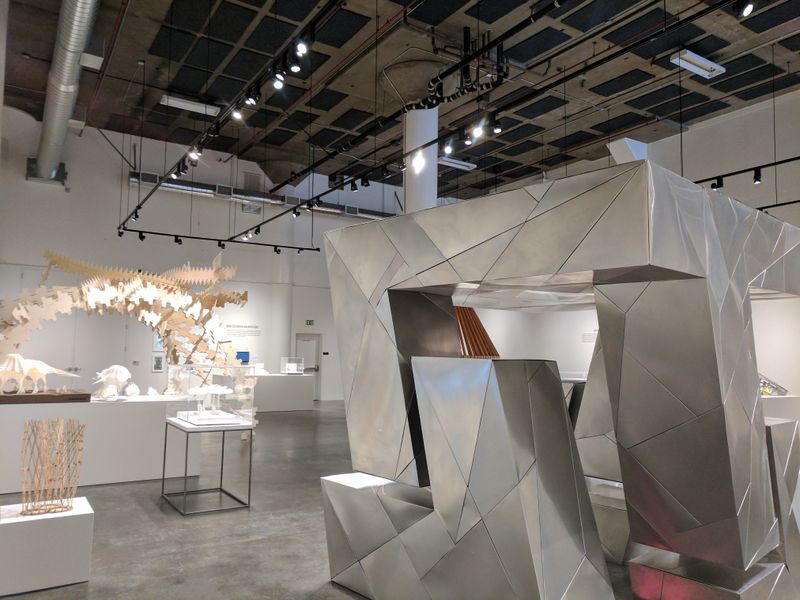
Celebrating the intersection of craft, design, and creativity, this intimate museum occupies a bright space in the Dogpatch neighborhood.
You’ll find the Museum of Craft and Design at 2569 Third Street, San Francisco, CA 94107, where large windows invite passersby to glimpse the exhibitions inside.
The museum focuses on contemporary work by established and emerging artists who push the boundaries of traditional craft media.
Exhibitions change regularly, featuring everything from ceramics and textiles to furniture and jewelry design.
The scale of the museum allows for close viewing of intricate details and craftsmanship that larger institutions might overlook.
Educational programs and artist talks provide deeper insights into creative processes and design thinking. Free admission for San Francisco residents with EBT or Medi-Cal cards makes this hidden gem accessible to the entire community.
6. California Academy Of Sciences
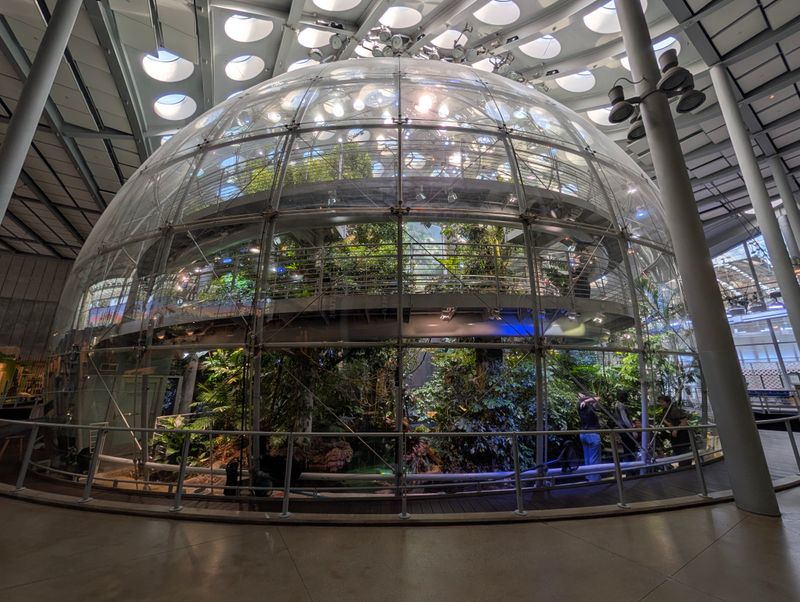
A living roof covered with native plants crowns this natural history museum, planetarium, and aquarium all under one roof. The California Academy of Sciences resides at 55 Music Concourse Drive, San Francisco, CA 94118, within Golden Gate Park’s green expanse.
Four stories of exhibits explore life on Earth, from the deepest ocean trenches to distant galaxies, with live animals, fossils, and interactive displays throughout.
The rainforest dome rises four stories, creating a humid environment where butterflies, birds, and tropical plants thrive. An aquarium tunnel allows visitors to walk beneath swimming fish and rays.
The planetarium offers shows that transport audiences across the universe. Multiple free admission days occur throughout February for all visitors, and San Francisco residents with EBT or Medi-Cal cards can access free entry year-round by presenting their documentation.
7. Oakland Museum Of California
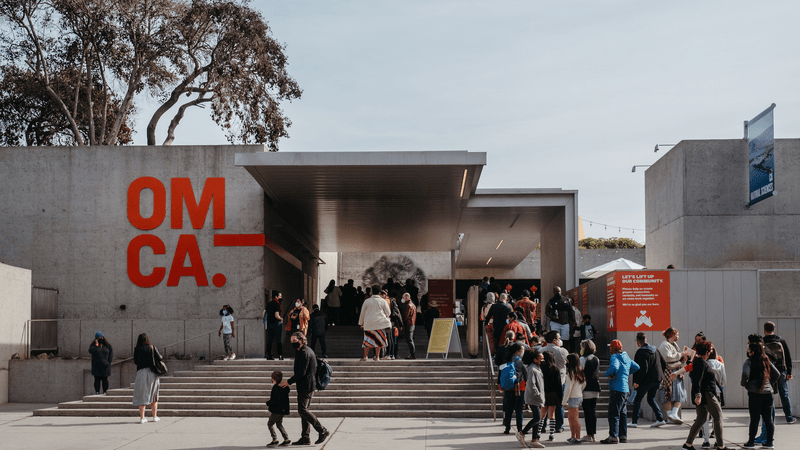
Three disciplines merge at this museum dedicated entirely to California’s art, history, and natural sciences.
The Oakland Museum of California stands at 1000 Oak Street, Oakland, CA 94607, its terraced gardens and modernist architecture creating an inviting campus-like setting.
Galleries explore the state’s diverse ecosystems, complex history, and vibrant artistic traditions through permanent and rotating exhibitions.
The natural sciences section features taxidermied animals in habitat dioramas that showcase California’s varied landscapes.
History galleries trace the state’s development from Indigenous cultures through modern times, addressing difficult topics with honesty and multiple perspectives.
The art collection highlights California artists and movements that shaped American art. Bank of America cardholders can visit free on the first full weekend of February, and the museum regularly offers community free days throughout the year.
8. Chabot Space & Science Center
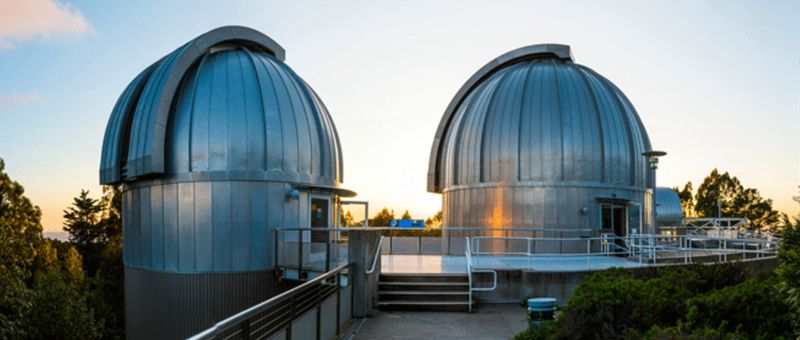
Observatory domes housing powerful telescopes crown the hills above Oakland, where this science center explores astronomy, space exploration, and Earth sciences.
Chabot Space & Science Center is positioned at 10000 Skyline Boulevard, Oakland, CA 94619, offering both indoor exhibits and outdoor viewing opportunities.
Interactive displays explain concepts like gravity, planetary motion, and rocket science through hands-on activities that make complex ideas accessible.
The planetarium presents shows that journey through the solar system and beyond, with comfortable seating that reclines for optimal viewing.
On clear evenings, public telescope viewing allows visitors to observe the moon, planets, and distant celestial objects through professional-grade equipment.
The center’s hilltop location provides sweeping views of the Bay Area during daytime visits. Educational programs cater to different age groups, making space science engaging for young children through adults.
9. Berkeley Art Museum + Pacific Film Archive
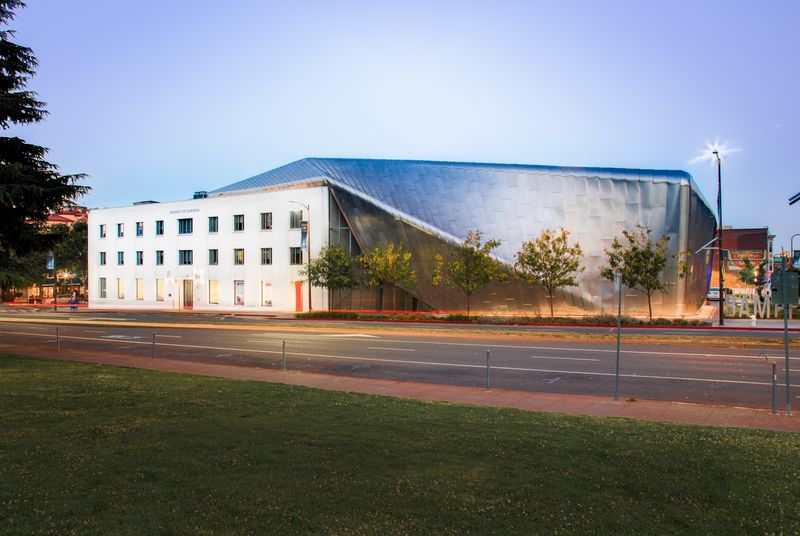
Contemporary architecture houses extensive art collections and film archives at this dual-purpose institution near the UC Berkeley campus.
Berkeley Art Museum + Pacific Film Archive occupies 2155 Center Street, Berkeley, CA 94720, its distinctive building creating dynamic interior spaces.
The art museum’s collection spans ancient to contemporary works, with particular strengths in Asian art, American abstract expressionism, and California artists.
The Pacific Film Archive preserves and screens rare films, documentaries, and experimental cinema from around the world.
Gallery spaces feature changing exhibitions that often challenge conventional thinking and present emerging artists alongside established masters.
The building’s design includes dramatic staircases and varied ceiling heights that create visual interest as visitors move between galleries.
Film screenings happen regularly in the state-of-the-art theater, complementing the visual art exhibitions with moving image experiences.
10. Lawrence Hall Of Science
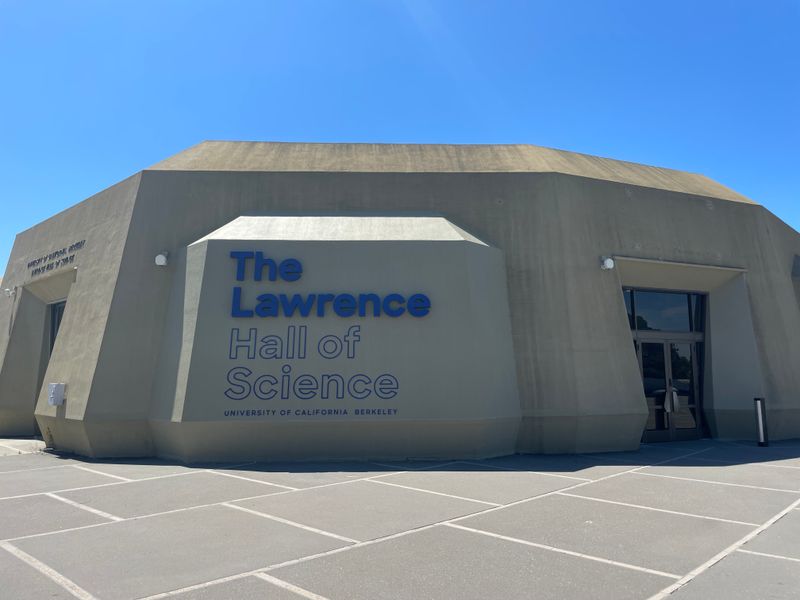
Perched high in the Berkeley hills with commanding views of the Bay Area, this hands-on science center makes learning irresistible.
Lawrence Hall of Science is located at 1 Centennial Drive, Berkeley, CA 94720, on the UC Berkeley campus where research and public education intersect.
Outdoor exhibits include a DNA model large enough to walk through and a whale plaza featuring life-sized marine mammal sculptures.
Inside, interactive exhibits cover biology, physics, chemistry, and earth sciences through activities that encourage experimentation and questioning.
The planetarium presents shows about astronomy and space exploration tailored to different age groups.
A live animal center houses various creatures that help visitors understand ecosystems and adaptation.
Weekend programs often include science demonstrations and workshops led by educators who make complex concepts understandable.
The combination of indoor and outdoor spaces means visitors can enjoy fresh air and views while engaging with scientific ideas.
11. Cantor Arts Center
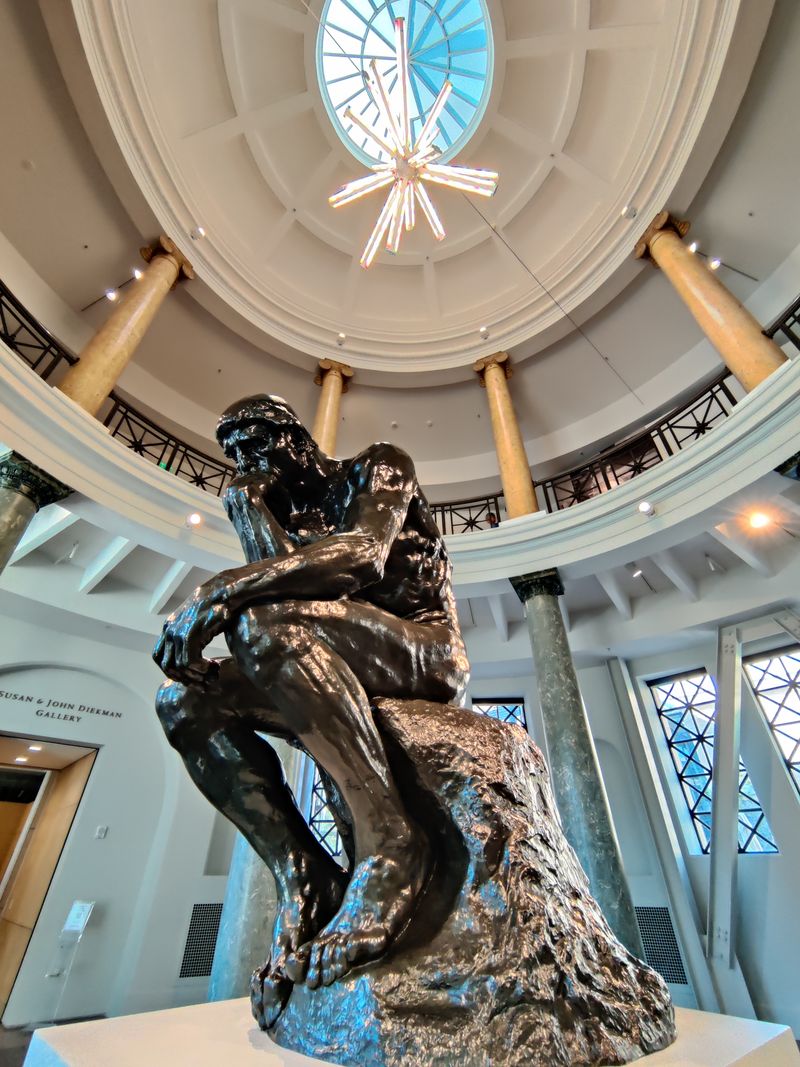
Stanford University’s art museum offers free admission year-round, making world-class collections accessible to everyone.
The Cantor Arts Center is situated at 328 Lomita Drive, Stanford, CA 94305, its elegant architecture and sculpture garden creating an oasis of culture on campus.
The collection includes over 38,000 works spanning ancient to contemporary periods, with particular strengths in sculpture, American art, and African art.
Rodin sculptures populate the outdoor garden, allowing visitors to view these masterpieces in natural light and changing weather. Inside, galleries present everything from ancient Greek pottery to contemporary installations.
The museum’s setting on a university campus means exhibitions often connect with academic research and current scholarly conversations. Natural light floods many galleries through skylights and large windows.
Families appreciate the museum’s welcoming atmosphere and the opportunity to combine an art visit with a walk around Stanford’s beautiful campus.
12. Anderson Collection At Stanford
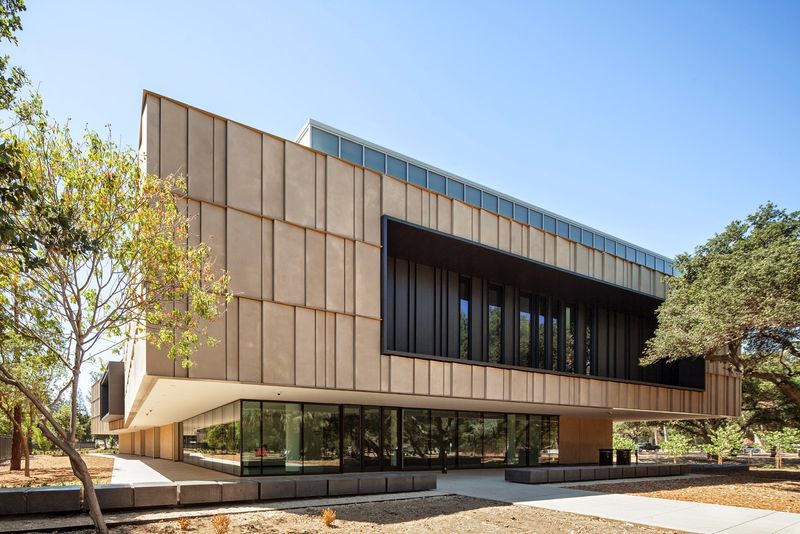
American art from the 20th and 21st centuries fills this purpose-built museum on the Stanford University campus.
The Anderson Collection is located at 314 Lomita Drive, Stanford, CA 94305, where floor-to-ceiling windows create connections between art and landscape.
The collection began as a private holding and includes major works by Jackson Pollock, Willem de Kooning, Wayne Thiebaud, and many other significant American artists.
Gallery design allows for both intimate viewing and grand gestures, with some works requiring large spaces to be fully appreciated. The building’s architecture received awards for its integration of indoor and outdoor spaces.
Exhibitions change periodically, drawing from the extensive permanent collection and occasional loans.
Free admission makes this museum an accessible resource for anyone interested in understanding how American art evolved through the last century.
The proximity to the Cantor Arts Center means visitors can easily explore both museums in a single trip.
13. Palo Alto Art Center
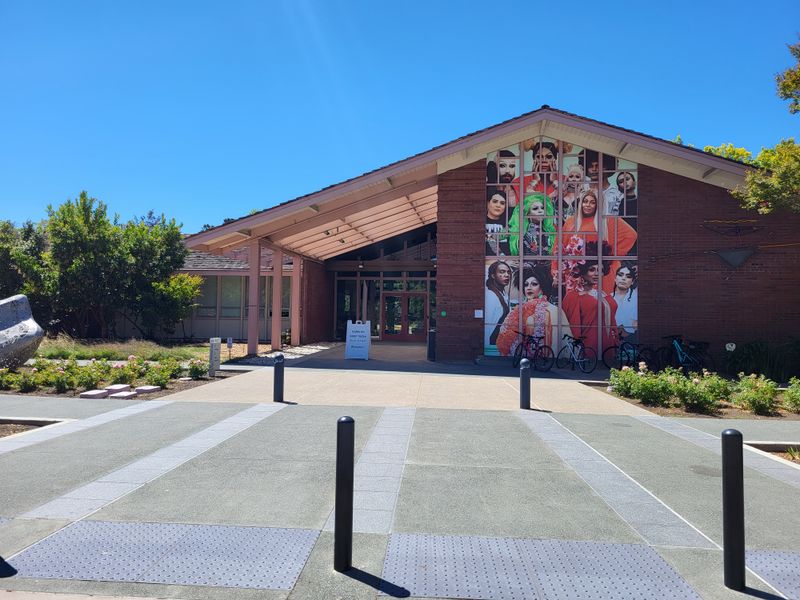
Contemporary art exhibitions and community art classes coexist at this city-run cultural center in downtown Palo Alto. The Palo Alto Art Center occupies 1313 Newell Road, Palo Alto, CA 94303, providing free admission to all exhibitions year-round.
Galleries showcase works by Bay Area artists, with exhibitions changing every few months to present diverse perspectives and media.
The center’s mission emphasizes accessibility and community engagement rather than building a permanent collection. Sculpture installations in the outdoor courtyard complement indoor exhibitions.
Educational programs include artist talks, workshops, and family activities that encourage creative expression. The building includes working studio spaces where community members take classes in painting, ceramics, printmaking, and other disciplines.
This combination of exhibition and education spaces creates an atmosphere where art-making and art-viewing happen side by side, demystifying the creative process.
14. San Mateo County History Museum
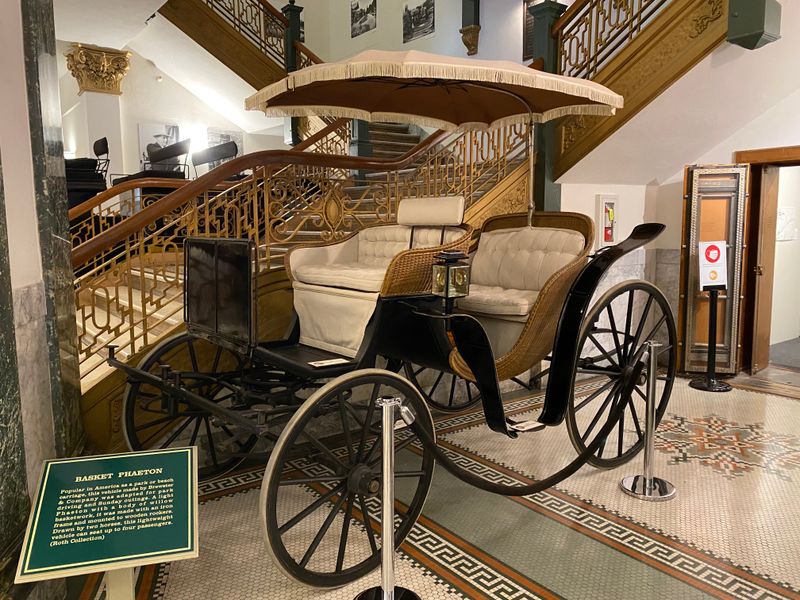
A restored 1910 courthouse provides the perfect setting for exploring San Mateo County’s past from Indigenous inhabitants to modern times.
The San Mateo County History Museum is housed at 2200 Broadway, Redwood City, CA 94063, its Beaux-Arts architecture adding historical context to the exhibits inside.
Permanent galleries trace local history through artifacts, photographs, and interactive displays that bring different eras to life.
The building’s original courtroom remains intact, offering a glimpse into early 20th-century justice and civic life. Temporary exhibitions explore specific themes or time periods in greater depth.
Collections include everything from Ohlone baskets to mid-century suburban development documents. The museum’s approach emphasizes local stories and how national events affected this particular region.
Free admission days occur regularly, making it easy for families to explore their community’s heritage without financial barriers.
15. Children’s Discovery Museum Of San Jose
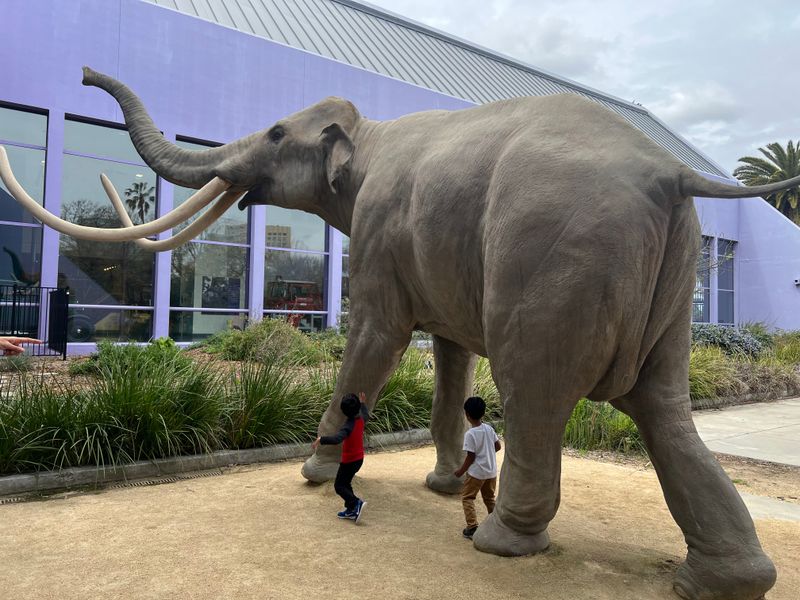
Bright purple walls announce this hands-on museum where children learn through play, exploration, and experimentation.
The Children’s Discovery Museum of San Jose stands at 180 Woz Way, San Jose, CA 95110, its distinctive architecture making it a downtown landmark.
Two floors of interactive exhibits cover science, art, technology, and culture through activities designed for children up to age 10.
A real fire truck invites children to imagine fighting fires, while a bubble exhibit explores surface tension and geometry through play. Art studios provide materials for creative projects that children can take home.
The museum’s design encourages movement and discovery, with winding paths and unexpected spaces that reward exploration. Water play areas require rolled-up sleeves and a willingness to get damp.
Programs throughout the day include storytimes, science demonstrations, and art activities led by museum educators who understand how children learn best through active engagement.
16. The Tech Interactive
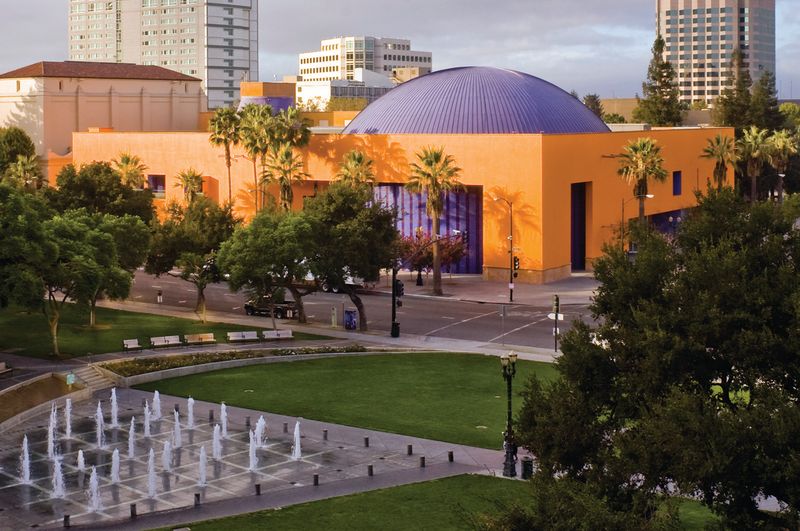
Silicon Valley’s innovation culture comes to life through interactive exhibits that put visitors in the role of inventors and problem-solvers.
The Tech Interactive is positioned at 201 South Market Street, San Jose, CA 95113, in the heart of downtown where technology companies have shaped the region’s identity.
Exhibits explore robotics, biotechnology, virtual reality, and sustainable design through hands-on activities that demonstrate real-world applications.
Visitors can design roller coasters, program robots, or explore how genetic engineering works through accessible demonstrations. The IMAX theater presents films on science and nature topics on a screen that surrounds viewers with imagery.
Social robots interact with guests, showing how artificial intelligence continues to develop. The museum regularly updates exhibits to reflect current technological advances and emerging fields.
This focus on innovation and future possibilities makes each visit feel relevant to contemporary life and challenges visitors to think about how technology shapes society.
17. Bay Area Discovery Museum
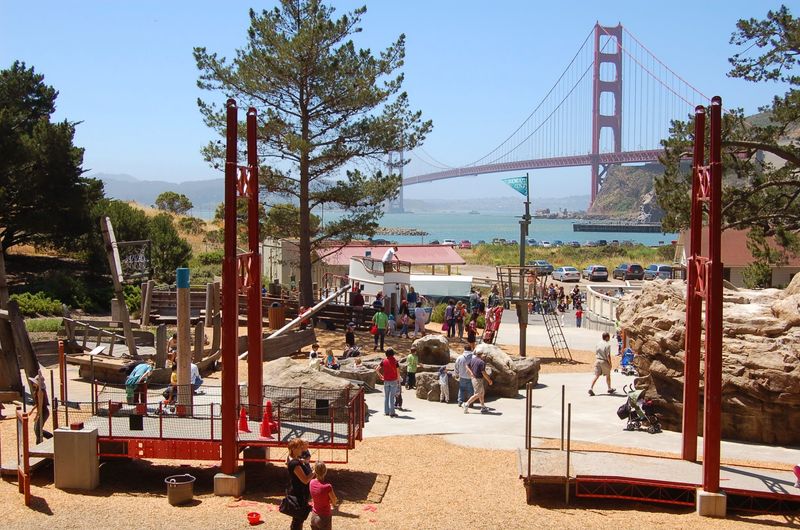
Nestled at the base of the Golden Gate Bridge in Sausalito, this children’s museum combines indoor exhibits with extensive outdoor exploration areas.
Bay Area Discovery Museum is located at 557 McReynolds Road, Sausalito, CA 94965, where the waterfront setting provides stunning views and a connection to the natural environment.
Exhibits focus on art, science, and environmental education for children from infancy through age 10.
Outdoor spaces include a shipwreck play structure, tide pool exploration area, and construction zone where children can build with real tools and materials.
Indoor galleries feature a music studio, art workshop, and science labs designed for different age groups.
The museum’s location means children can watch boats pass under the bridge while playing. Programs emphasize creativity, critical thinking, and collaboration rather than passive observation.
The combination of indoor and outdoor spaces allows families to adjust their visit based on weather and children’s energy levels.
18. Charles M. Schulz Museum
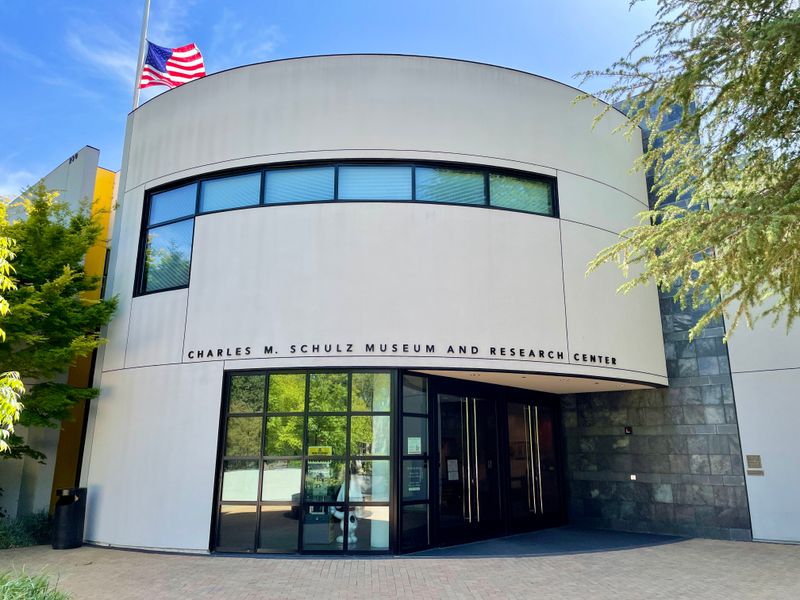
Peanuts creator Charles Schulz lived and worked in Sonoma County, and this museum celebrates his life and art. The Charles M.
Schulz Museum is situated at 2301 Hardies Lane, Santa Rosa, CA 95403, where original comic strips and personal artifacts tell the story of one of America’s most beloved cartoonists.
Galleries display thousands of original strips, showing Schulz’s artistic evolution and the development of Charlie Brown, Snoopy, and the rest of the Peanuts gang.
A recreation of Schulz’s studio allows visitors to see where he worked for decades, creating daily strips that touched millions of readers. Temporary exhibitions explore specific themes or time periods in Schulz’s career.
The museum building includes a research center for scholars studying comics and illustration. Outdoor spaces feature larger-than-life Peanuts character sculptures.
Visitors gain appreciation for the discipline and creativity required to produce a daily comic strip for 50 years while maintaining quality and humor.
19. Sonoma County Museum
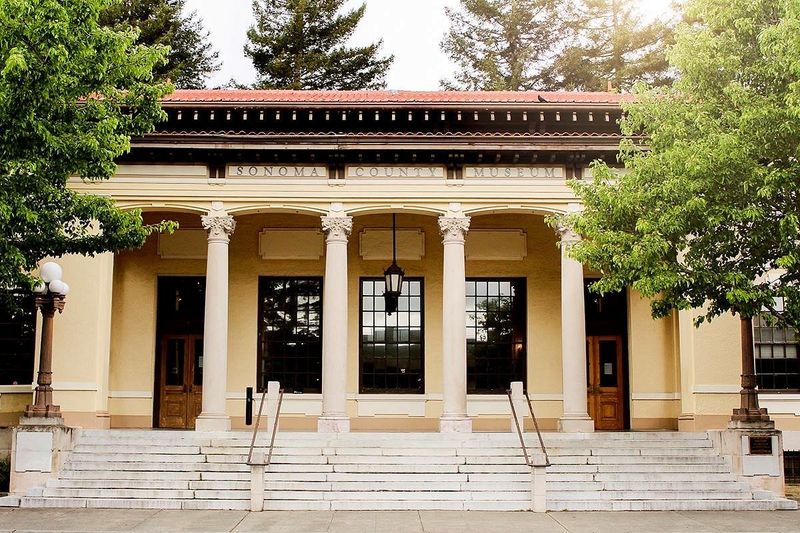
Regional history and contemporary art share space in this downtown Santa Rosa museum dedicated to Sonoma County’s culture and heritage.
The Sonoma County Museum calls 425 Seventh Street, Santa Rosa, CA 95401 home, occupying a historic building that has served various civic purposes over the decades.
Exhibitions explore local history from Indigenous Pomo and Coast Miwok peoples through the region’s agricultural development and modern growth.
The museum balances historical artifacts with contemporary art exhibitions that often feature local artists or themes relevant to the region. Photographs document how Sonoma County communities have changed over time.
Special exhibitions might focus on specific industries like winemaking or agriculture that shaped the local economy. Educational programs connect visitors with local historians and artists.
The museum serves as a gathering place where residents can explore their shared heritage and understand how the past influences present-day community identity.
20. Crocker Art Museum
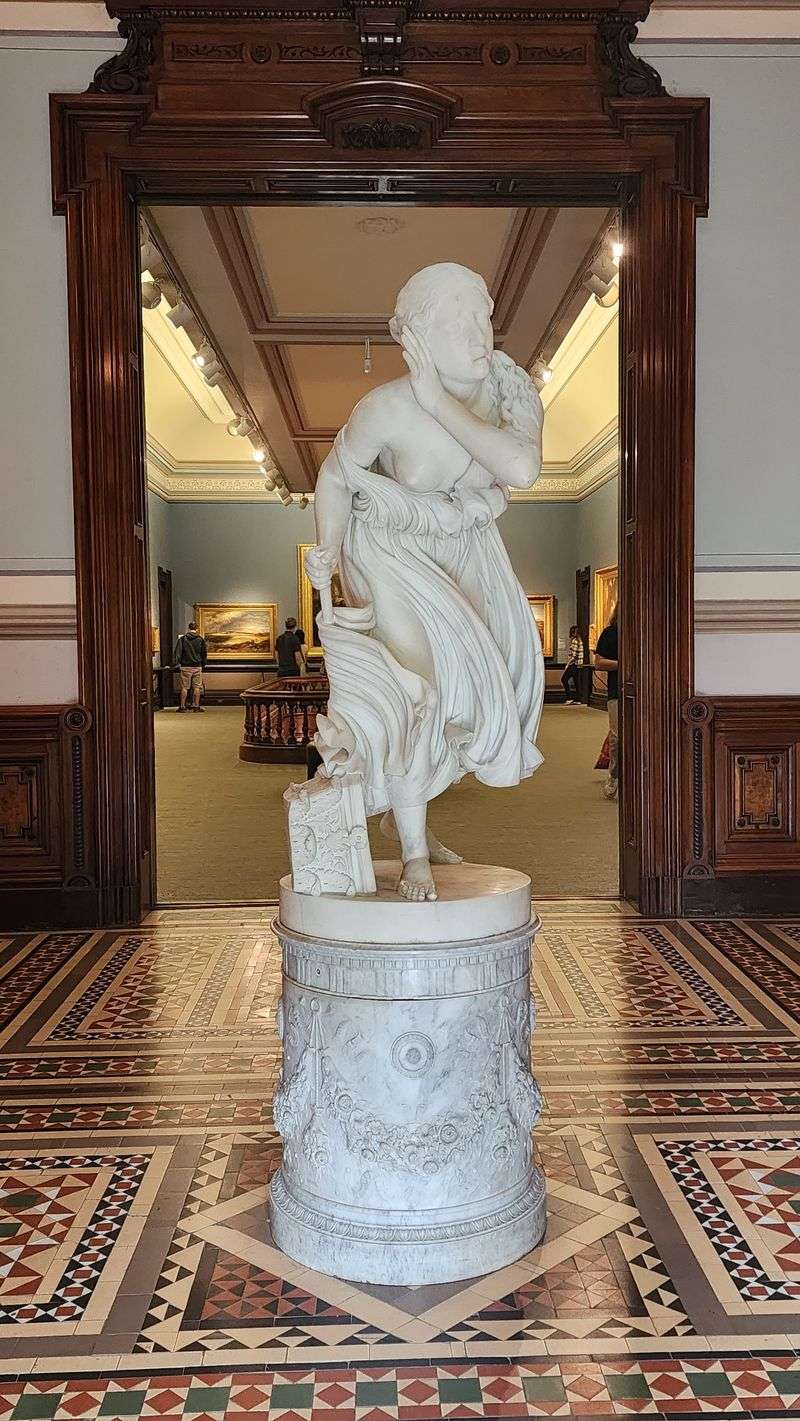
California’s oldest public art museum combines a Victorian mansion with modern gallery additions to house diverse collections spanning centuries and continents.
The Crocker Art Museum stands at 216 O Street, Sacramento, CA 95814, in the heart of the state capital where art and history intertwine.
The original 1885 building features ornate woodwork and period rooms that transport visitors to the Gilded Age.
Collections include European paintings, Asian ceramics, contemporary California art, and an extensive collection of works on paper.
The modern wing provides bright, spacious galleries for rotating exhibitions and large-scale works.
Sculpture gardens offer outdoor viewing spaces. Educational programs serve all ages, from toddler art classes to scholarly lectures.
The museum’s location in downtown Sacramento makes it easy to combine with visits to other cultural and historical sites. Free admission days occur monthly for Sacramento residents, and Museums for All participants receive discounted entry year-round.
21. California State Capitol Museum
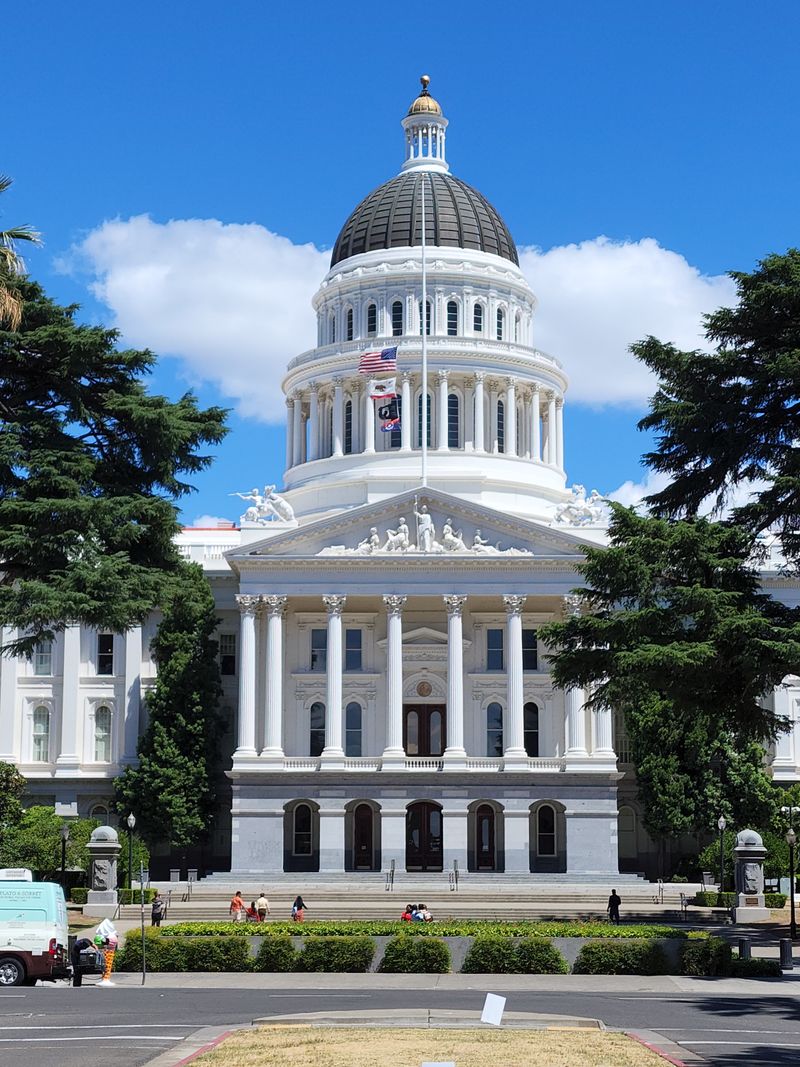
The working state capitol building doubles as a museum where visitors can explore California’s political history and governmental processes. The California State Capitol Museum occupies 1315 10th Street, Sacramento, CA 95814, its distinctive golden dome visible across the city.
Free guided tours lead visitors through restored historic offices, legislative chambers, and exhibits about California’s development as a state.
The building’s architecture reflects different periods of renovation and restoration, with some rooms maintained in their original 19th-century appearance.
When the legislature is in session, visitors can observe actual governmental proceedings from public galleries.
The surrounding Capitol Park includes memorials, gardens, and trees from around the world. Museum exhibits explore constitutional history, famous California politicians, and how state government functions.
The combination of active government building and historical museum provides unique insights into how democracy operates and how California’s political landscape has evolved over more than 150 years of statehood.
22. MOSAC – Museum Of Science And Curiosity
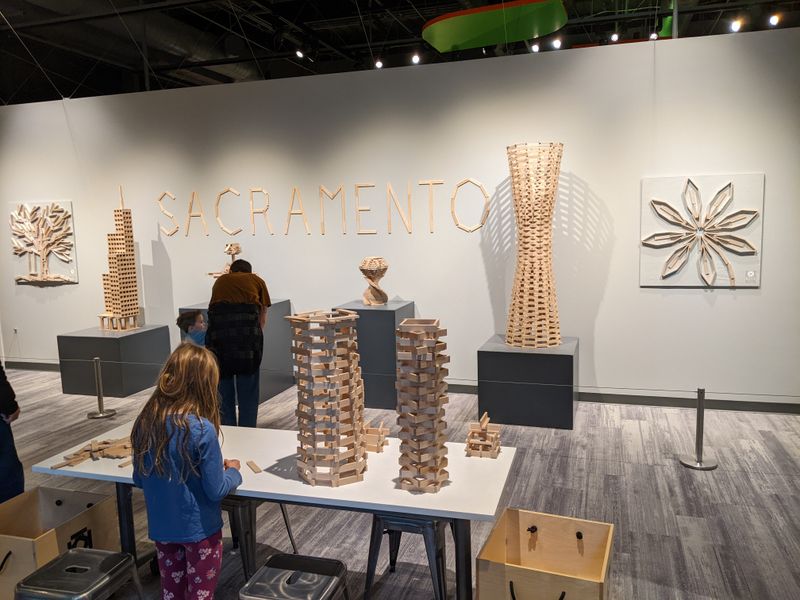
Hands-on science exploration drives this recently opened museum dedicated to making STEM subjects accessible and exciting.
MOSAC – Museum of Science and Curiosity is positioned at 400 Jibboom St, Sacramento, CA 95811, where interactive exhibits encourage visitors to experiment and discover.
Galleries cover physics, biology, chemistry, and earth sciences through activities that demonstrate scientific principles in action.
A tinkering studio provides tools and materials for building and creating, emphasizing the engineering design process.
Live science demonstrations happen throughout the day, showing chemical reactions, physics concepts, and biological processes.
The museum’s approach emphasizes questions over answers, encouraging visitors to form hypotheses and test ideas. Exhibits rotate periodically to maintain freshness and reflect current scientific developments.
The facility includes spaces for special programs, classes, and community events that extend science learning beyond museum visits. This focus on active participation rather than passive observation makes science feel accessible and relevant to everyday life.
23. Turtle Bay Exploration Park
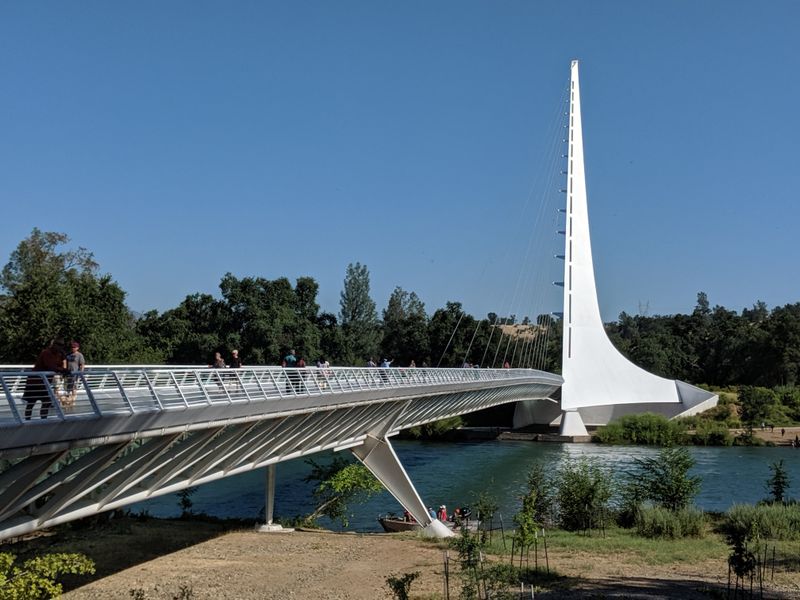
A 300-acre campus combines natural history museum, botanical gardens, wildlife exhibits, and outdoor recreation along the Sacramento River in Redding.
Turtle Bay Exploration Park is located at 844 Sundial Bridge Drive, Redding, CA 96001, where the striking Sundial Bridge serves as both functional timepiece and architectural landmark.
The museum building houses exhibits on regional natural history, Native American cultures, and local ecosystems.
Outside, the arboretum and botanical gardens showcase plants native to the region and demonstrate water-wise landscaping. Wildlife exhibits feature native animals that cannot survive in the wild due to injury or human habituation.
The Sundial Bridge provides pedestrian access across the Sacramento River to miles of trails through riparian habitat. Seasonal programs explore different aspects of natural history, from bird migration to plant adaptations.
The combination of indoor and outdoor spaces means visitors can spend an entire day exploring different facets of Northern California’s natural and cultural heritage.