These 10 Remote Alaska Fishing Villages Still Haven’t Changed Their Dock Café Culture
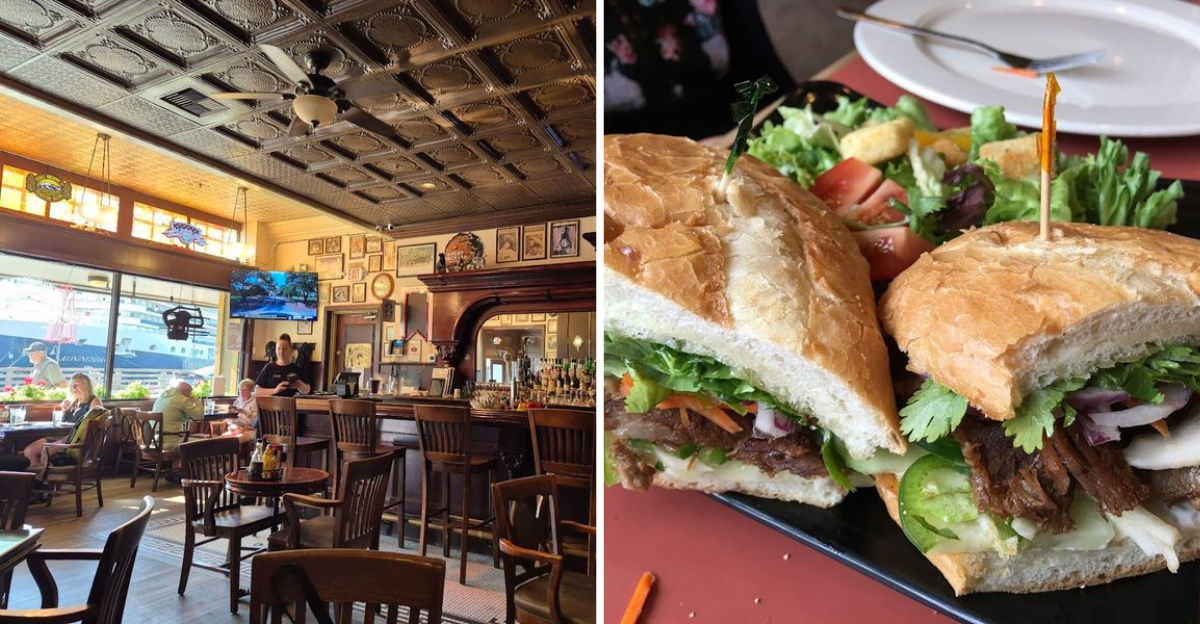
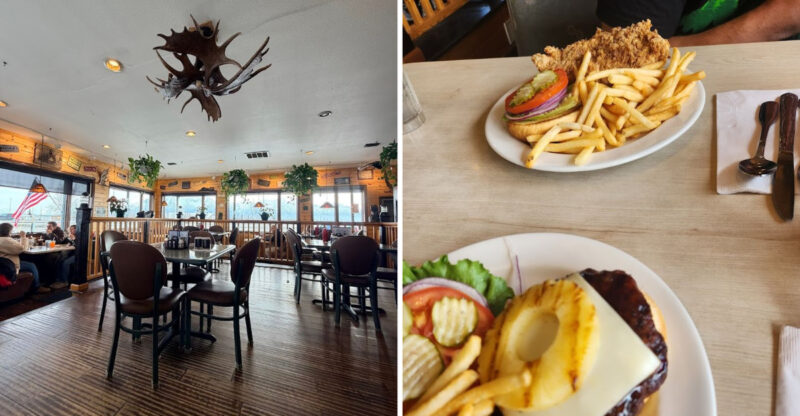
There is something quietly magnetic about a harbor café that smells like fresh coffee, salt air, and the morning’s first catch all at once.
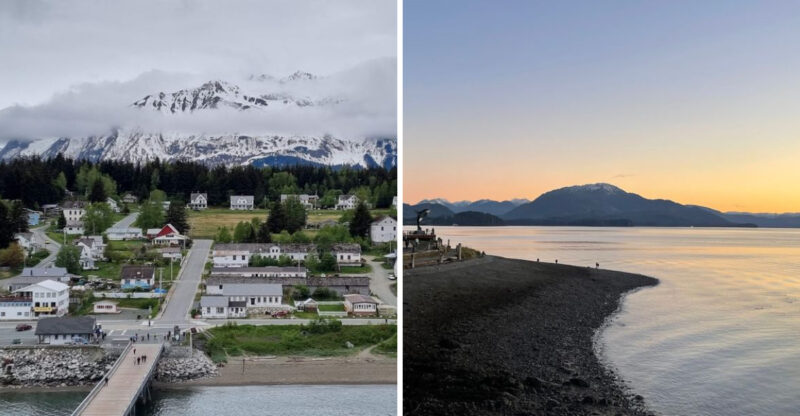
Alaska’s fishing villages have held onto a way of life that most of the country has long forgotten, and nowhere is that more obvious than at the docks.
These are the spots where commercial fishermen pull up their boats before sunrise.
Locals argue over the best chowder recipe, and where a stranger with muddy boots is welcomed just as warmly as a regular.
Allow me to tell you about fishing communities where dock café culture is not just alive, it is thriving and completely unapologetic about it.
1. Homer
Who would’ve thought that sitting shoulder-to-shoulder with a man who just hauled king crab from the deep could feel more like home than any polished city bistro?
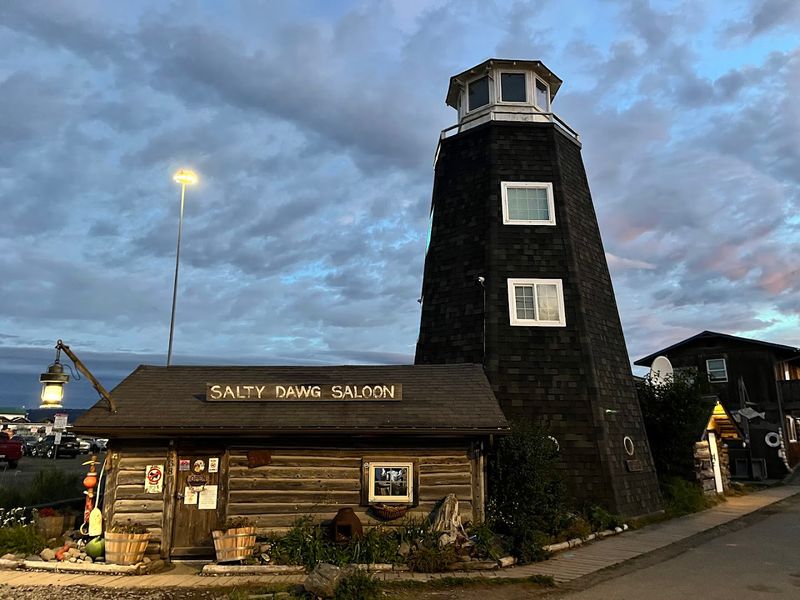
Sitting right at the end of Homer Spit, a narrow strip of land that juts four and a half miles into Kachemak Bay, the Salty Dawg Saloon at 4380 Homer Spit Rd is one of the most recognizable harbor-side stops in all of Alaska.
Homer is a small coastal town on the Kenai Peninsula, and it draws commercial fishermen, artists, and road-trippers who all somehow end up at this same weathered building with its iconic lighthouse tower.
The walls inside are covered in dollar bills signed by visitors going back decades, which tells you everything about the kind of loyal, character-rich crowd this place attracts.
Locals here treat the harbor as a living room, gathering after early morning hauls to swap stories over hot coffee and warming plates of food.
The Salty Dawg has been part of Homer since the 1890s in various forms, and its history as a post office, a grocery, and a coal storage building is baked into its identity.
Coming here means sitting shoulder-to-shoulder with people who actually work the water for a living, and that energy is something no polished restaurant can manufacture.
2. Seward
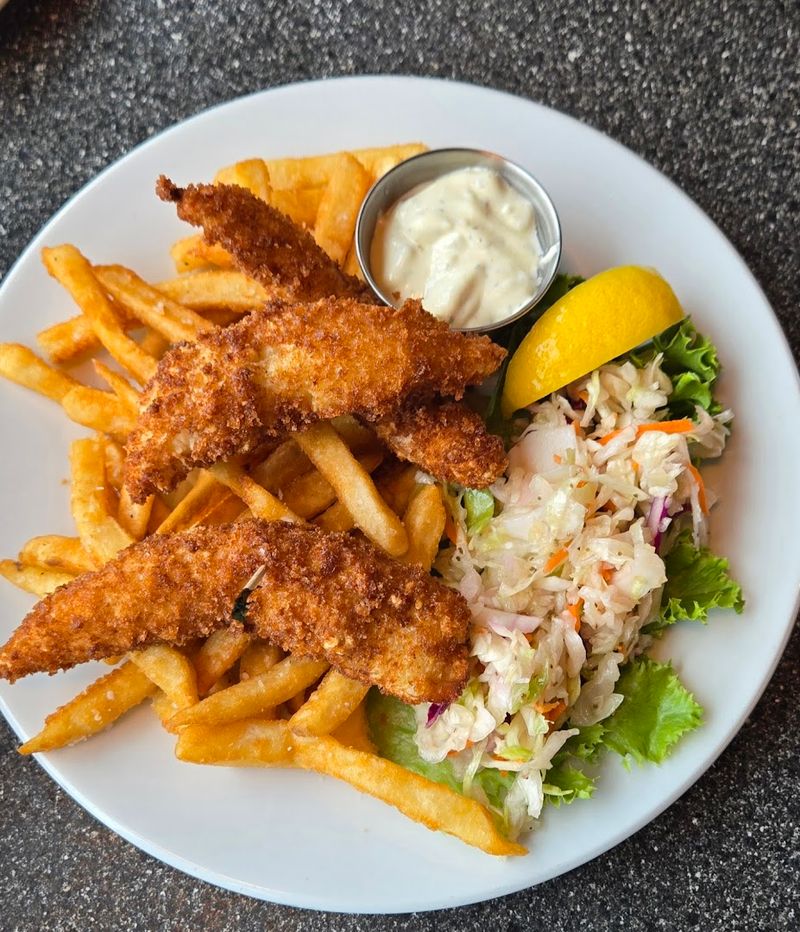
You’ll find that here, the hierarchy of the harbor is clear: the fishermen own the morning, and we are just lucky enough to share their view.
Few waterfront restaurants in Alaska can claim a view quite like the one at Ray’s Waterfront at 1316 4th Ave. That’s where the small boat harbor sits right outside the window and fishing vessels bob in the gray-green water all day long.
Seward is tucked into Resurrection Bay on the Kenai Peninsula, surrounded by dramatic mountains that drop almost straight into the sea, making even a simple cup of chowder feel like a cinematic experience.
Ray’s has been a cornerstone of the harbor community for years, and its menu leans hard into the local catch, including halibut, salmon, and king crab pulled straight from nearby Alaskan waters.
The atmosphere manages to be both relaxed and serious about its food, which is exactly the combination that keeps commercial fishermen and tourists coming back to the same table.
Seward itself is accessible by road from Anchorage, about two and a half hours away, which makes it one of the more reachable fishing communities on this list.
Still, the dock culture here feels like it belongs to the fishermen first and everyone else second, and that hierarchy is part of what makes it so genuinely interesting.
3. Cordova
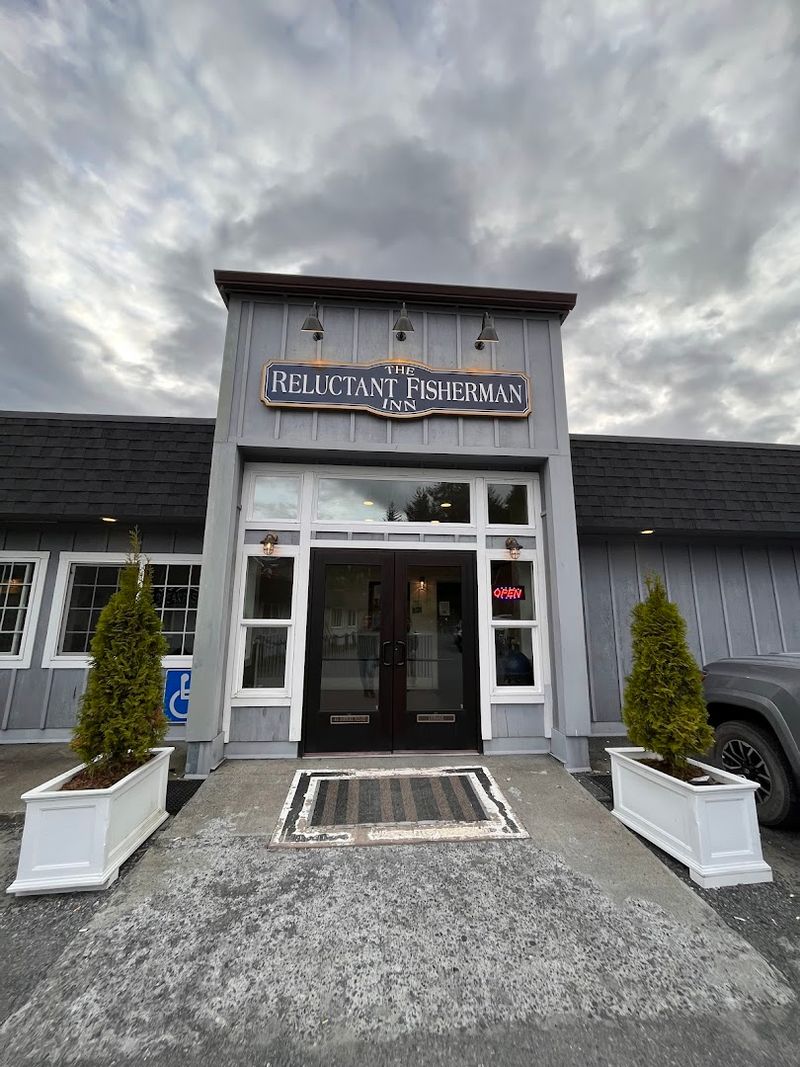
Isn’t it strange how the “reluctance” of the fishing life vanishes the moment you see the fleet moving like slow-motion theater outside your window?
Cordova is one of those Alaskan towns that you can only reach by ferry or small plane. That means almost everyone who ends up at The Reluctant Fisherman Inn Restaurant at 407 Railroad Ave actually meant to be there.
That sense of intentionality shapes the whole atmosphere of this waterfront restaurant. The restaurant sits right on the harbor in Cordova, a fishing community in Southcentral Alaska nestled between the Chugach Mountains and Prince William Sound.
The name alone deserves credit for honesty, because anyone who has spent time around commercial fishing knows that the reluctance is real and the commitment is even realer.
Copper River salmon is the crown jewel of this region, and the restaurant makes full use of that proximity, serving some of the most sought-after wild salmon in the world to people eating just a short walk from where it was likely caught.
The inn itself overlooks the boat harbor, so you can watch the fleet come and go while your food arrives, which is a kind of slow-motion theater that never gets old.
Cordova’s isolation has protected its dock culture better than almost anywhere else in Alaska, keeping the rhythms of fishing life front and center every single day.
4. Kodiak
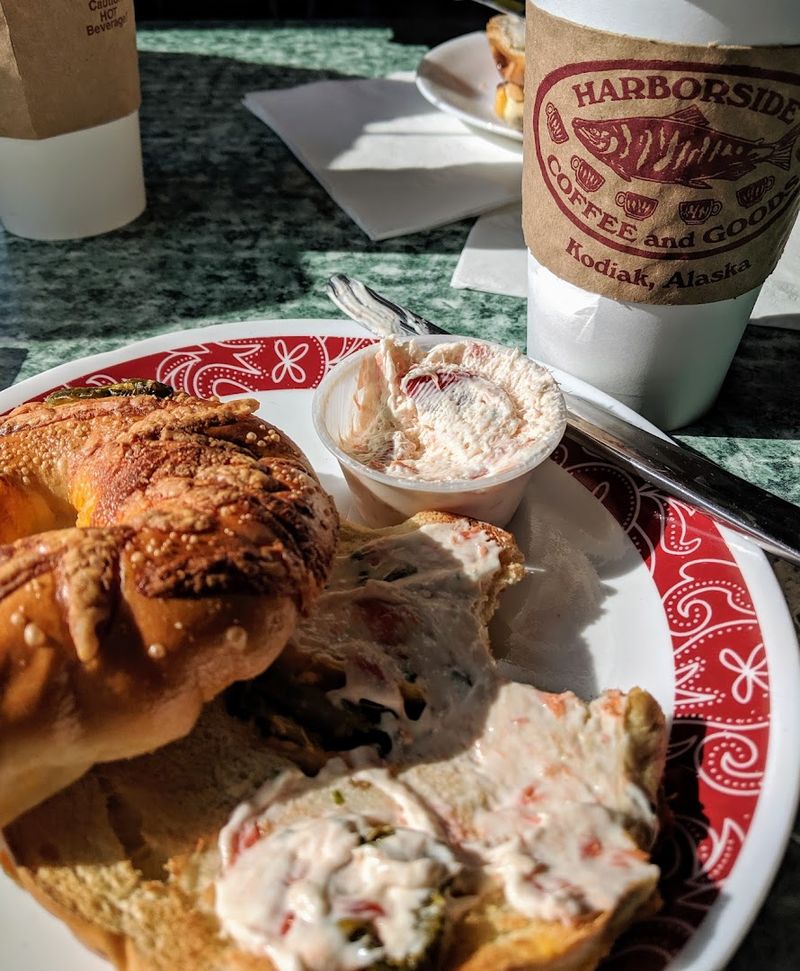
Can you fathom a community that is wide awake and fueling up on strong coffee before the rest of the country has even dreamt of the morning?
Kodiak Island is in the Gulf of Alaska and is home to one of the busiest fishing fleets in the entire country, so it should come as no surprise that the café culture near St. Paul Harbor runs on strong coffee and an even stronger work ethic.
Harborside Coffee and Goods at 210 Shelikof St # B is a local favorite that captures the no-nonsense warmth of Kodiak’s fishing community perfectly, with a small and unpretentious setup that prioritizes good coffee and good company.
The cluster of small eateries near the harbor serves a crowd that is up before most of the country is even awake, fueling up for long days on the water in the Gulf and the Bering Sea approaches.
Kodiak is accessible by ferry from Homer or by air from Anchorage, and the island itself is enormous, covering nearly 3,600 square miles of rugged terrain and coastline.
Despite its size and the scale of its fishing industry, the harbor area maintains an intimate, community-first atmosphere that feels more like a small town than a major commercial port.
Sitting down with a hot drink near St. Paul Harbor and watching the fleet prepare for another run is one of the most quietly powerful experiences Alaska has to offer.
5. Sitka
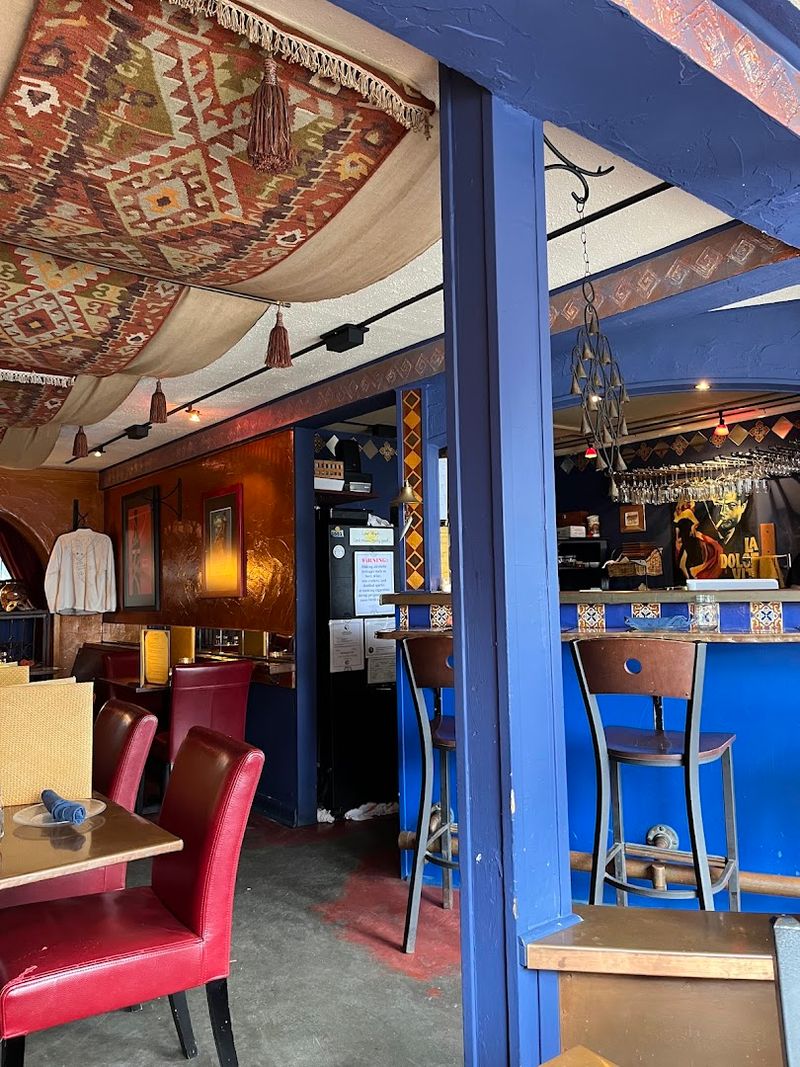
You’ll notice that everyone at Ludvig’s shares a secret: they all made a real effort to get here, and the food tastes exactly like that commitment.
Sitka has a personality all its own, shaped by its history as the former capital of Russian America and its location on Baranof Island along the outer coast of Southeast Alaska, and Ludvig’s Bistro channels that layered identity beautifully.
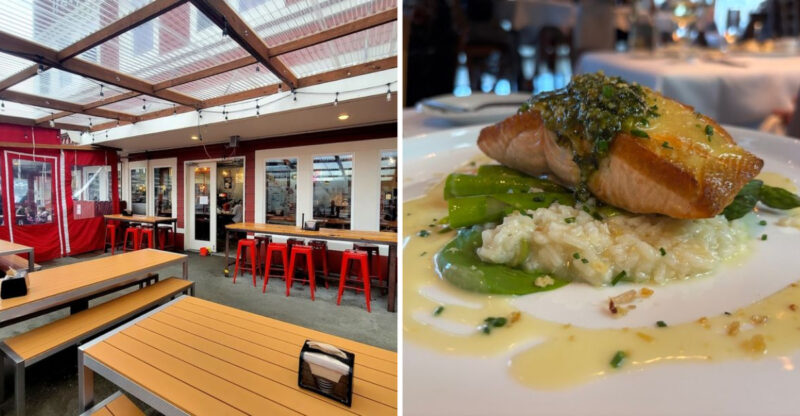
The bistro sitsat 256 Katlian St, and has built a reputation for creative, locally sourced seafood dishes that go well beyond the standard chowder-and-fried-fish menu you might expect from a dockside eatery.
Chef has long been recognized for the approach to Alaskan ingredients, using wild salmon, halibut, and local shellfish in ways that feel both rooted in place and genuinely inventive.
The room itself is small and warm, with the kind of intimate layout that encourages conversation between tables, which fits perfectly with Sitka’s tight-knit fishing community culture.
Sitka is only accessible by air or ferry, and that geographic reality means the people eating at Ludvig’s are almost always people who either live here or made a real effort to get here.
That shared commitment to being in Sitka gives the dining experience a sense of occasion that most harbor restaurants, no matter how good, simply cannot replicate.
6. Petersburg
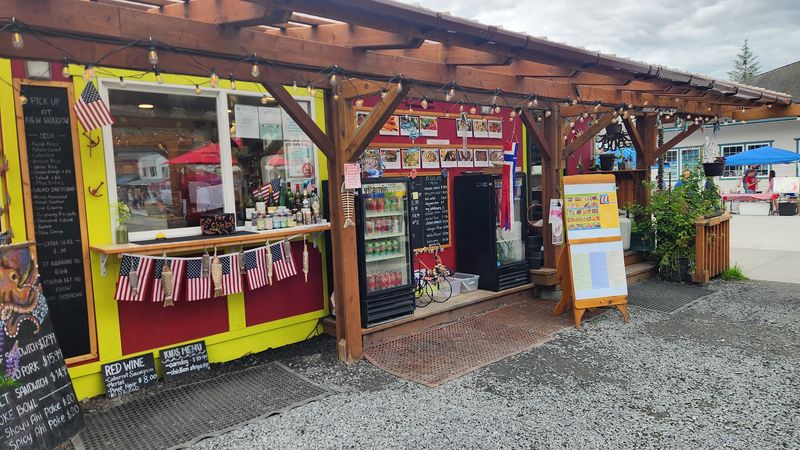
This destination makes you wonder if the food tastes better simply because it’s served in a galley-style sanctuary for those who truly work the water.
Petersburg wears its Norwegian fishing heritage proudly, from the painted rosemaling on buildings downtown to the annual Little Norway Festival, and Inga’s Galley fits right into that tradition with its classic, no-frills waterfront café energy.
A small fishing community on Mitkof Island in Southeast Alaska, Inga’s at 104 N Nordic Dr, has the kind of regulars who have been coming in for the same order for twenty years, which is the highest possible compliment a local café can receive.
Petersburg is sometimes called Little Norway, and the town’s Scandinavian roots run deep in its fishing culture, with generations of families who came here to work the waters of Frederick Sound and the surrounding channels.
The café’s galley-style setup is unpretentious in the best way, focused on hearty food that actually sustains people who spend long hours on commercial fishing vessels.
Petersburg is accessible by ferry through the Alaska Marine Highway System or by small aircraft, and its relative remoteness has kept it from becoming overly touristy, which the locals appreciate enormously.
Inga’s Galley is the kind of waterfront café that reminds you food tastes better when it comes from a place that actually cares about the people eating it.
7. Wrangell
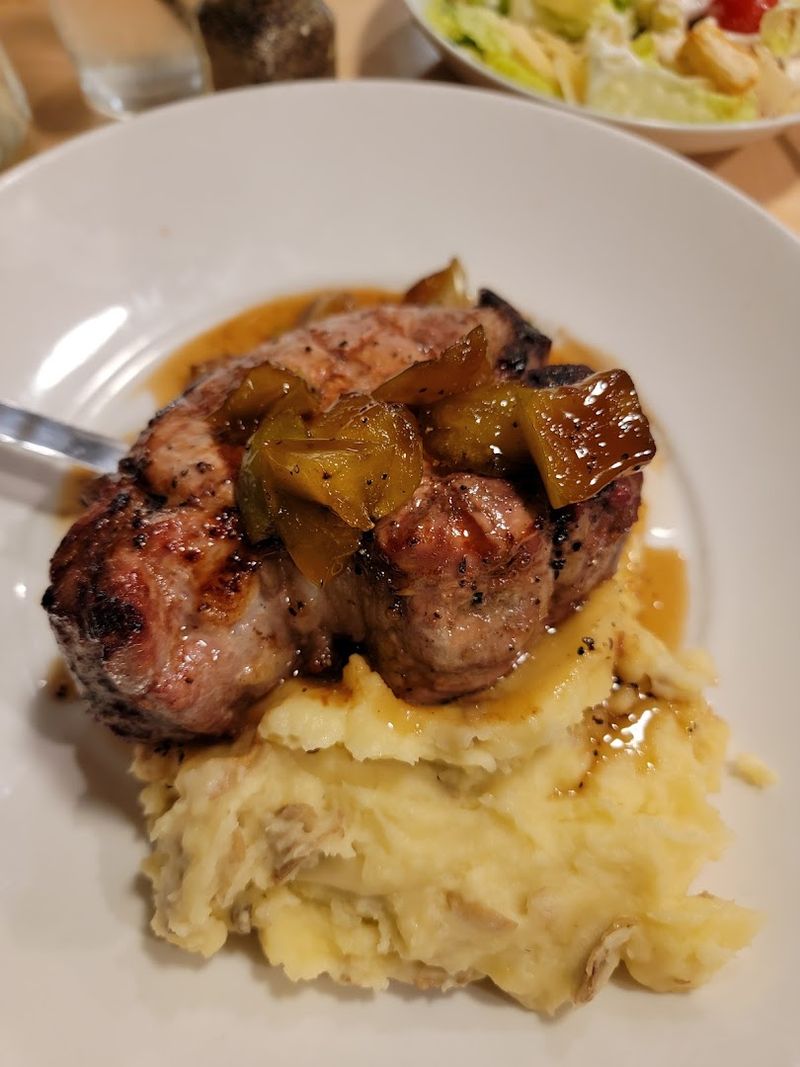
Is it possible that the most remarkable thing about this harbor is its silence, where the pace of life is dictated by the tides rather than a clock?
Wrangell is one of Alaska’s oldest towns, with a history stretching back through Russian, British, and American occupation, and it carries that layered past in the way its harbor community operates today.
The Stikine Restaurant at 107 Stikine Ave, and the small waterfront diners clustered near the harbor in Wrangell, serve a crowd that is deeply connected to the rhythms of the Stikine River delta and the surrounding fisheries.
What makes Wrangell’s harbor café scene distinct is its quietness. There is no tourist rush here, no line out the door, just locals who know each other by name and newcomers who are welcomed into that circle without ceremony.
The town sits at the mouth of the Stikine River, one of the fastest navigable rivers in North America, and that waterway has shaped the local culture and economy for thousands of years.
Wrangell is served by the Alaska Marine Highway ferry system and has a small airport, but its pace of life moves at the speed of the tides rather than any flight schedule.
Eating near the harbor here means participating in a daily ritual that has changed very little in the last several decades, and that continuity is quietly remarkable.
8. Ketchikan
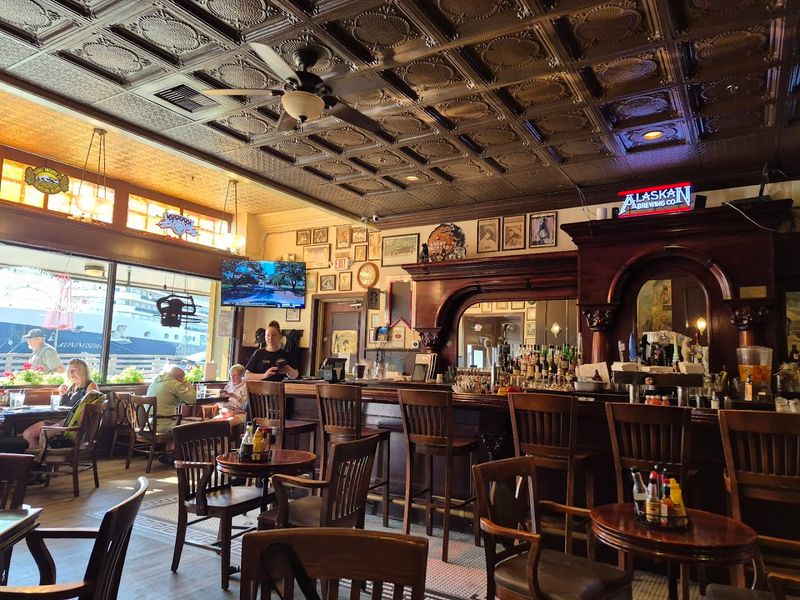
You’ll find that in the “Salmon Capital of the World,” the history of the Victorian waterfront is baked into every bite you take.
Annabelle’s Famous Keg and Chowder House at 326 Front St is one of those rare restaurants that has become genuinely inseparable from the identity of its town, which is saying something in a place as visually dramatic as Ketchikan.
Ketchikan sits on the southwestern tip of Revillagigedo Island in Southeast Alaska and receives more rain than almost any other city in the United States.
That means the warm, wood-paneled interior of Annabelle’s feels especially welcoming when you come in dripping from the waterfront.
The chowder here has a reputation that extends well beyond Ketchikan, with the creamy clam chowder drawing repeat orders from locals and from cruise ship passengers who make it a priority stop every time their ship docks.
Annabelle’s building has a classic Victorian style that fits the historic character of Ketchikan’s downtown, and its dock-front position puts it right in the middle of the harbor activity that defines this fishing community.
Ketchikan is known as the Salmon Capital of the World, and the local fishing industry is very much alive and visible from the restaurant windows.
The combination of history, chowder, and the constant movement of boats in the harbor makes Annabelle’s one of the most complete dock café experiences on this entire list.
9. Dillingham
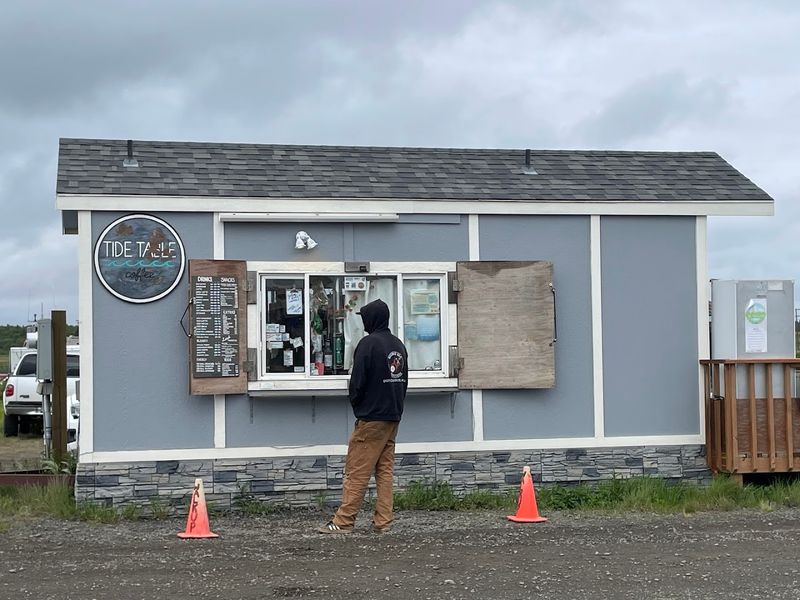
Can you imagine a place where food is fuel and the conversation is as raw and honest as the Bering Sea itself?
Bristol Bay is the most productive wild sockeye salmon fishery on the planet, and Dillingham is its hub, a small but fiercely hardworking town on the shores of Nushagak Bay in Southwest Alaska that pulses with energy every summer when the salmon season opens.
The café culture in Dillingham is less formal than in some of the other communities on this list, built around community diners and small harbor-area spots that serve the thousands of seasonal fishing workers who descend on the bay each year.
There is a rawness to eating at Tide Table Coffee at 237 Harbor Rd that you do not find in more accessible Alaskan towns. The food is fuel, the conversation is practical, and the connection to the fishing industry is total and unfiltered.
Dillingham is only reachable by air, with regular flights from Anchorage. It means the community has developed a strong self-sufficiency that shows up in every aspect of daily life, including how people eat together near the water.
The harbor area during peak season is a fascinating cross-section of Alaska, with commercial fishermen, processors, pilots, and local families all sharing the same small-town infrastructure.
There is no better place to understand what fishing truly means to rural Alaska than over a plate of food in Dillingham with the boats lined up outside the window.
10. Unalaska
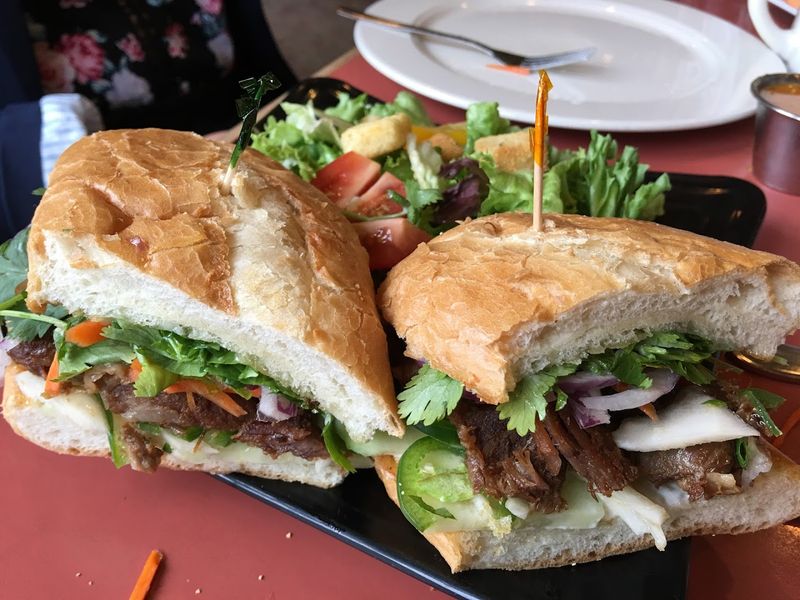
At the far end of the Aleutian Islands chain, roughly 800 miles from Anchorage, Unalaska and its harbor of Dutch Harbor sit in one of the most dramatically remote corners of the United States, and Margaret Bay Cafe is the warm center of that world.
The café has earned its reputation as one of the most beloved local stops in the entire region, known for home-cooked food and a genuinely welcoming atmosphere that means everything when you are living and working in such an isolated environment.
Dutch Harbor is one of the top commercial fishing ports in the country by volume, processing enormous quantities of pollock, crab, and cod each year.
That means the people eating at Margaret Bay Cafe are often working some of the most demanding jobs in American industry.
The Aleutian Islands themselves are hauntingly beautiful, with treeless volcanic landscapes, constant wind, and a kind of stark grandeur that makes the warmth inside the café feel even more meaningful by contrast.
Unalaska is only accessible by air from Anchorage or by the Alaska Marine Highway ferry on a limited schedule, and that remoteness has kept its community culture intensely local and deeply rooted.
Margaret Bay Cafe at 498 Salmon Way is proof that the further you travel from the familiar, the more meaningful a good meal with good people truly becomes.