These 10 Remote Louisiana Bayou Communities Still Thrive In The Atchafalaya Basin
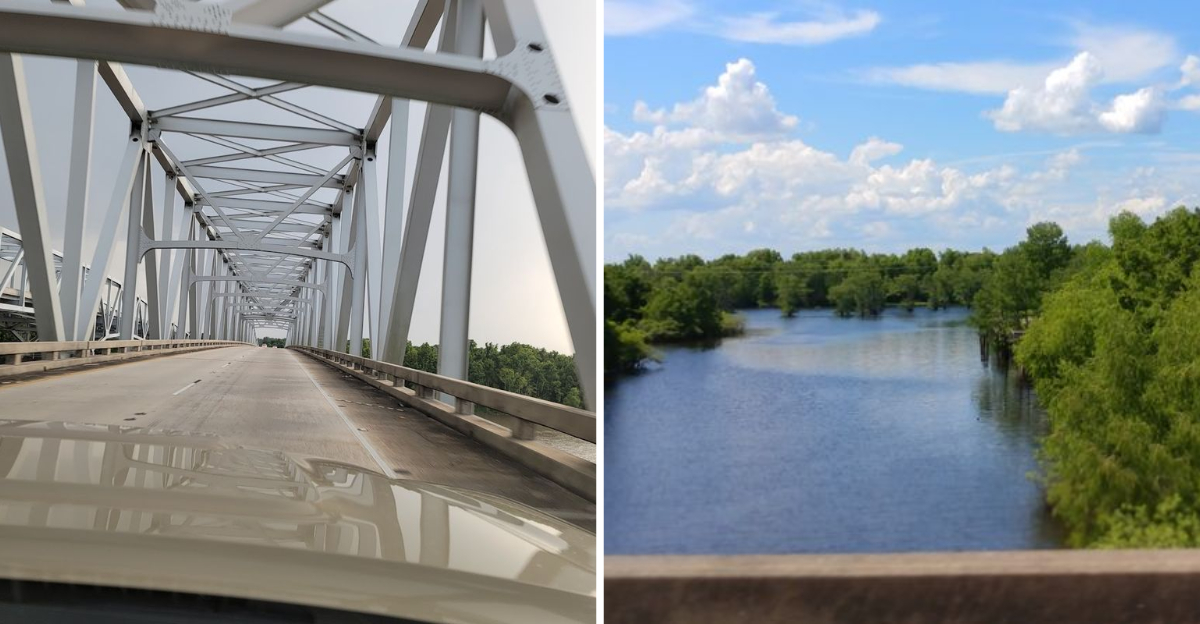
The Atchafalaya Basin in Louisiana is a wild place, full of swamps and waterways. Many people probably think these areas are empty, but that’s not true.
Scattered throughout the basin are small communities, places you can only get to by boat. These aren’t just old fishing camps, they’re homes.
People have lived here for generations, building lives right in the middle of the bayou.
It’s pretty amazing how these places keep going, even with all the changes happening around them.
They’re still here, and they’re still full of life. Let me tell you a little bit about them!
1. Morgan City
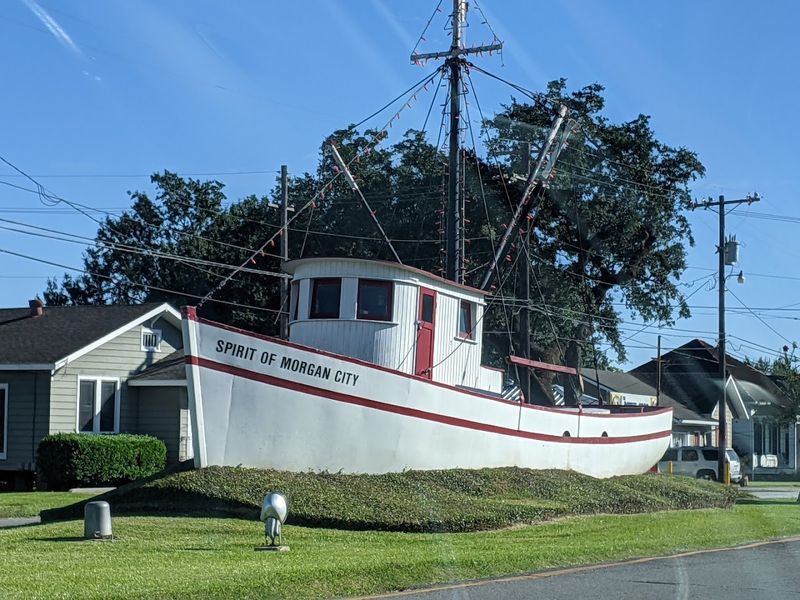
Can you believe a working harbor exists where massive tugs and shrimp boats still dance the same ritual they did a century ago?
Sitting at the edge of where the Atchafalaya River meets the Gulf Intracoastal Waterway, this town has been pulling its weight in Louisiana’s water-based economy for well over a century.
Morgan City is one of the most industrially active communities along the entire basin, and the waterfront tells that story immediately.
Shrimp boats, tugboats, and supply vessels share the same docks, creating a working harbor that feels nothing like a tourist attraction and everything like real life.
The annual Louisiana Shrimp and Petroleum Festival at 305 Everett St, one of the oldest harvest festivals in the state, celebrates the unlikely but very real combination of seafood culture and offshore energy industry that defines Morgan City’s identity.
Historic downtown buildings line the streets just blocks from the levee, and local restaurants serve fresh Gulf seafood in no-frills settings that regulars have trusted for decades.
The Swamp Gardens and Wildlife Zoo at 725 Myrtle St, tucked right into the basin’s edge, gives curious travelers a close-up look at alligators, turtles, and native Louisiana wildlife without venturing too far into the wild.
2. Berwick
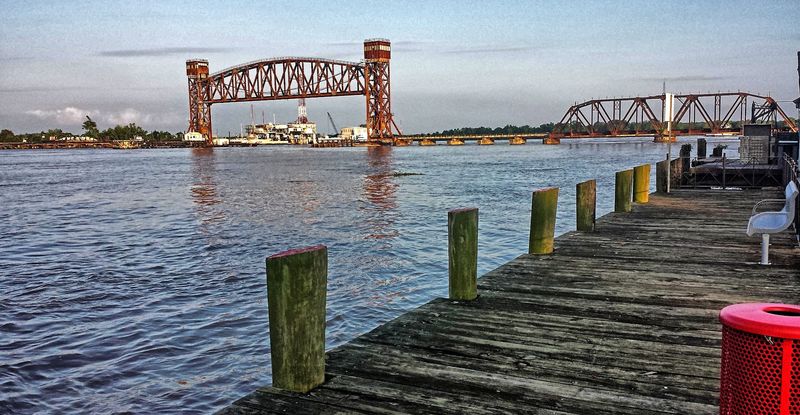
Imagine a place where a simple bridge feels like a daily handshake, leading to a life lived entirely by the rhythm of the tides.
Just across the Atchafalaya River from Morgan City, connected by a bridge that locals cross like a daily handshake, Berwick carries a quieter energy that is easy to underestimate.
This small riverfront community in St. Mary Parish has deep roots in commercial fishing, and the culture of the water runs through nearly every conversation you will have here.
Crabbing, catfishing, and crawfish trapping are not hobbies in Berwick. They are livelihoods passed down through families who have worked these marshes for generations.
The town’s proximity to the Atchafalaya Basin means that wildlife sightings are practically routine, with herons, egrets, and the occasional river otter making appearances along the banks. Berwick does not have a long list of tourist attractions, and that is precisely what makes it worth paying attention to.
The community park along the river offers a peaceful spot to sit and watch barge traffic move through one of the country’s busiest inland waterway systems.
There is an honesty to Berwick that you rarely find in more polished destinations, a town that simply is what it is, and is proud of every inch of it.
3. Patterson
Doesn’t it strike you as odd that an entire town can feel like a floating puzzle, with bayous and canals threading through every backyard?
Patterson sits at the crossroads of several important waterways that feed into the broader Atchafalaya system, making it a natural hub for commercial fishing and recreational boating.
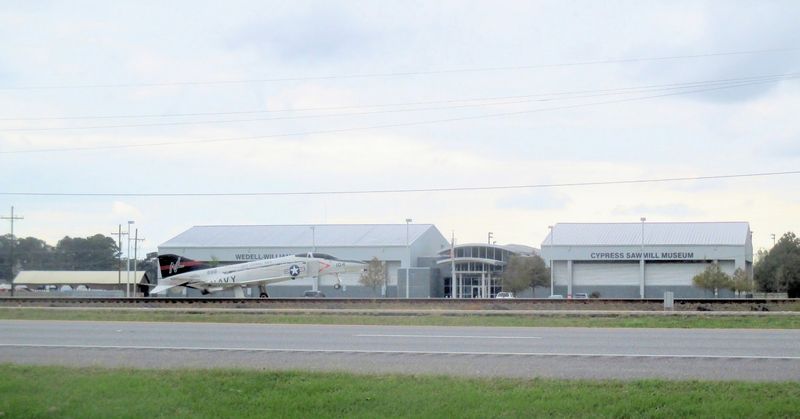
The Wedell-Williams Aviation and Cypress Sawmill Museum at 118 Cotten Rd is one of the town’s most unexpected treasures, honoring both the region’s timber history and the legacy of early Louisiana aviation pioneers who called this area home.
Patterson’s downtown has a low-key charm, with local shops and eateries that cater to residents rather than crowds, giving the whole town an unhurried rhythm that feels genuinely refreshing.
Surrounding wetlands attract serious birders, particularly during spring and fall migration seasons when the basin becomes a resting corridor for hundreds of species moving along the Mississippi Flyway.
Kayaking and small-boat fishing are popular ways to explore the canals that branch out from the town’s edges, offering close encounters with the wild, watery world that surrounds Patterson on nearly every side.
4. Charenton
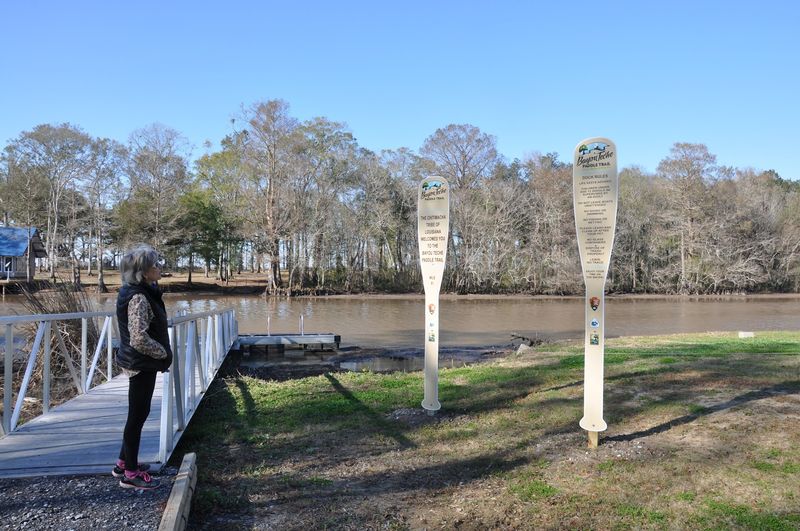
You’d never expect to find a community guarding the same ancestral land for thousands of years, untouched by the outside world.
Bayou Teche moves slowly through Charenton, the kind of slow that makes you want to stop whatever you are doing and just listen to the water for a while.
This small community in St. Mary Parish is one of the quietest corners of the Atchafalaya region, where Cajun traditions have stayed intact largely because the outside world has not rushed in to complicate them.
Charenton is home to the Chitimacha Tribe of Louisiana, the only Native American tribe in the state to still occupy a portion of their original homeland, and their presence gives the community a cultural depth that stretches back thousands of years.
The Chitimacha Museum at 3289 Chitimacha Trail offers a thoughtful look at tribal history, traditional basketweaving, and the deep relationship between the tribe and the surrounding wetlands that sustained them long before European settlement.
Bayou Teche itself is a stunning natural feature, lined with ancient live oaks and cypress trees that create a canopy over the dark, tea-colored water below.
Fishing along the Teche is a beloved local tradition, and early mornings here carry the kind of stillness that reminds you why people choose to build their lives beside slow-moving water in the first place.
5. St. Martinville
Is it possible that a single massive oak tree holds the echoes of thousands of exiles who found their sanctuary here centuries ago?
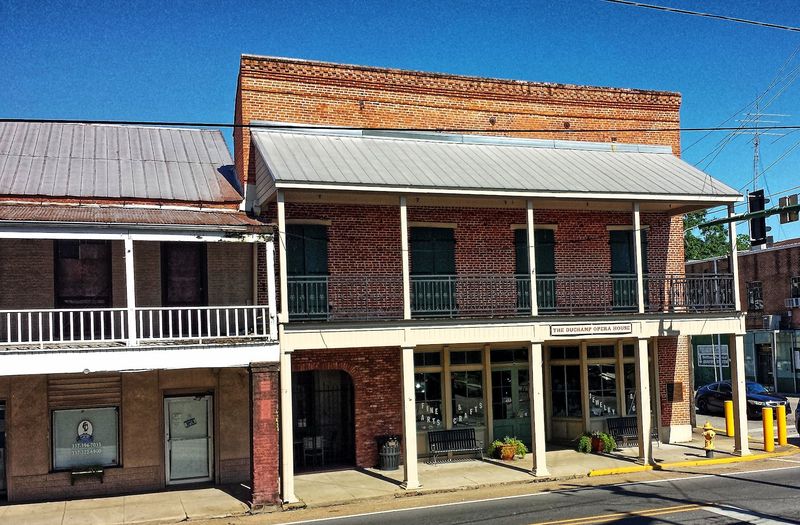
Few towns in Louisiana carry their history as visibly as St. Martinville, where French-Acadian heritage is not a marketing angle but a lived reality woven into the architecture, the food, and the accents of the people who grew up here.
Founded in the late 1700s, this St. Martin Parish town became a refuge for Acadian exiles displaced from Nova Scotia, and their cultural fingerprints are still unmistakably present across the community.
The Evangeline Oak, a massive live oak standing on the banks of Bayou Teche, marks the legendary landing spot of the Acadian settlers and has become one of the most photographed natural landmarks in southern Louisiana.
St. Martinville’s historic downtown features the St. Martin de Tours Church at 133 S Main St, one of the oldest Catholic churches in Louisiana, surrounded by a square that has hosted community life for over two centuries.
Bayou Teche runs right through the heart of town, offering paddlers and anglers a scenic and historically rich waterway to explore at their own pace.
The Acadian Memorial at 121 S New Market St, and African American Museum at 125 S New Market St, tell complementary stories of migration, struggle, and cultural survival that together paint a fuller picture of this remarkable region’s human history.
6. Breaux Bridge
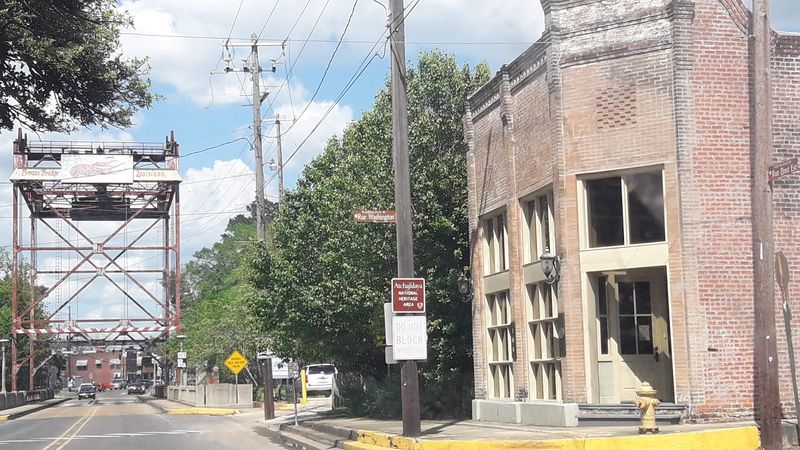
I was so shocked when I found out that there’s a town where Cajun music doesn’t just play, it spills out of the walls along with the scent of fresh boudin.
Known by the locals as the Crawfish Capital of the World, Breaux Bridge backs up that bold title with an annual crawfish festival that draws tens of thousands of people to St. Martin Parish every spring.
Beyond the festival fame, this town has a genuinely charming downtown where Cajun music spills out of restaurants and local shops sell handmade crafts alongside hot plates of etouffee and boudin.
Bayou Teche runs right alongside the town, and the old iron bridge that gives Breaux Bridge its name still stands as a beloved local landmark that has connected communities across the water for generations.
The surrounding Atchafalaya Basin is accessible from multiple launch points near town, making Breaux Bridge a natural starting point for swamp tours, kayaking adventures, and guided fishing excursions into the heart of the basin.
Zydeco and Cajun music are not background noise here; they are central to the social fabric, with live performances happening regularly in local venues that have been hosting dances and gatherings for decades.
Breaux Bridge manages to be both a cultural hub and a deeply rooted bayou community, a combination that keeps travelers coming back long after their first crawfish has been peeled.
7. Butte La Rose
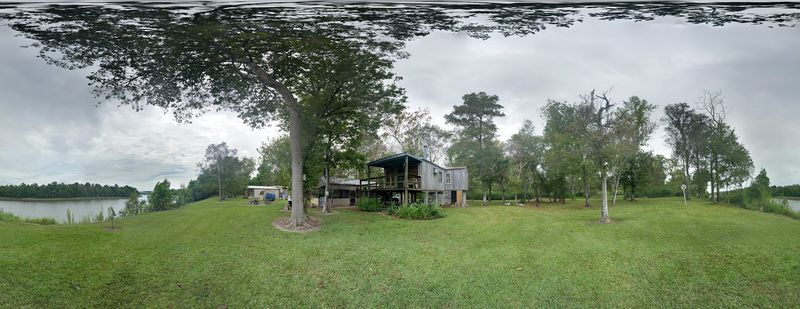
This town makes you wonder if you’ve stepped back in time when you see ancient cypress trees rising from the water like silent sentinels.
There is almost nowhere in Louisiana more physically immersed in the Atchafalaya Basin than Butte La Rose, a tiny settlement that sits directly within the basin’s floodway and makes no apologies for it.
This community, located in St. Martin Parish, is surrounded by the kind of raw, untouched swamp scenery that photographers and naturalists travel great distances to experience, and the locals live with it as their everyday backdrop.
The Butte La Rose boat launch is one of the most popular access points into the heart of the Atchafalaya Basin, drawing anglers, birders, and paddlers who want deep backcountry water access without a long drive to reach it.
Alligators are a regular presence in the channels and backwaters around the settlement, and spotting them gliding through the hyacinth-covered water is a routine part of life here rather than a rare event.
The flooded forests that surround Butte La Rose are ancient and atmospheric, with bald cypress trees rising from the water in clusters that seem to belong to a world older than anything with roads or electricity.
For anyone serious about experiencing the Atchafalaya in its most unfiltered form, Butte La Rose is the honest answer to that question.
8. Krotz Springs
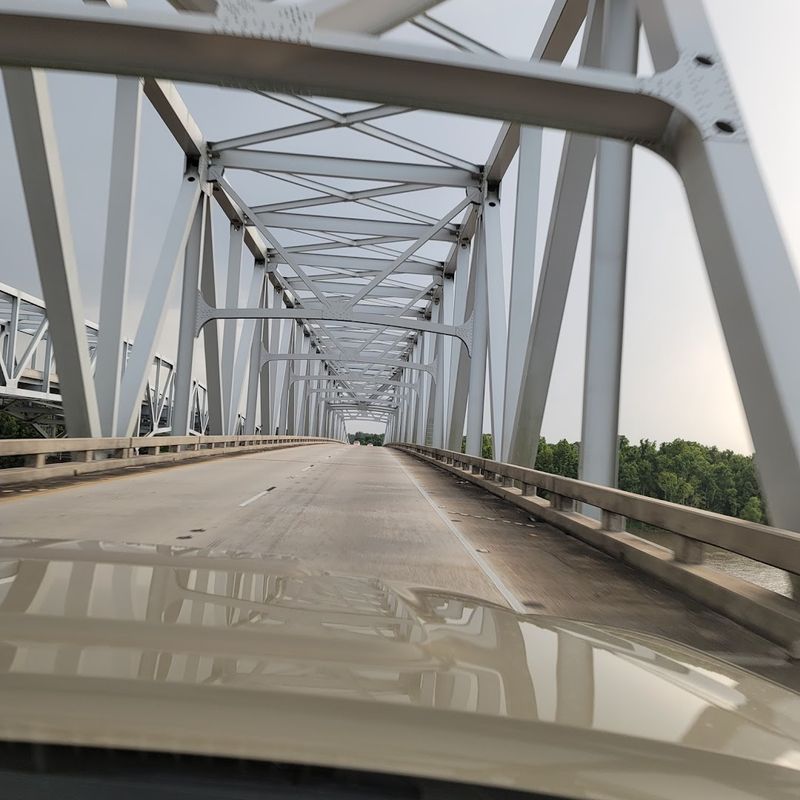
You might find yourself mesmerized for hours watching massive barges slip quietly into the northern reaches of the wild swamp.
Krotz Springs occupies a geography that is equal parts river town and swamp gateway, with the landscape shifting between the two depending on which direction you are looking.
The town is small, the kind of small where the local diner knows your order by the second visit, but its position along the Atchafalaya makes it a strategically interesting stop for anyone exploring the basin from the northern end.
US Highway 190 crosses the Atchafalaya here via the Krotz Springs Bridge, one of the longer spans across the river system, and watching barge traffic pass beneath it is a surprisingly engaging way to spend fifteen minutes.
Fishing is the dominant recreational activity, with catfish, bass, and sac-a-lait drawing anglers to the river’s edges and adjacent bayou channels throughout the year.
The surrounding wetlands host a rich diversity of wading birds, and the area around Krotz Springs is well regarded among birders who know that the northern basin edges can be just as productive as the more famous southern reaches.
Krotz Springs is the kind of town that rewards the curious traveler who takes the exit instead of driving past.
9. Melville
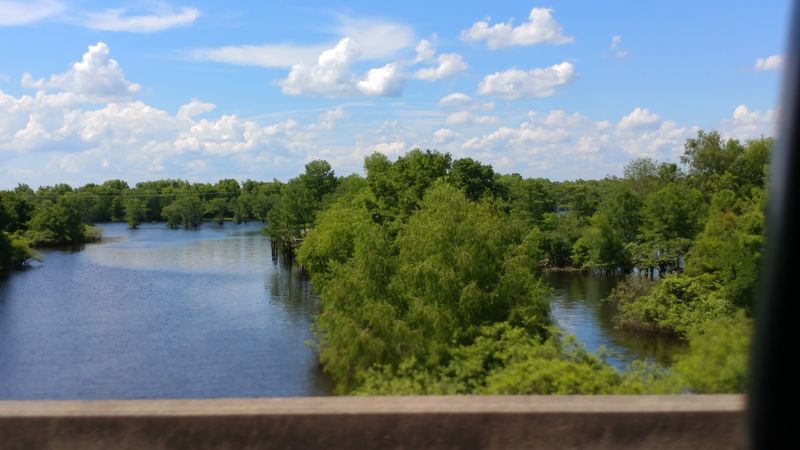
Isn’t it fascinating how a town can completely ignore the clock, choosing to live by the rising tides and the cotton seasons instead?
Melville is the kind of rural Louisiana town where the pace of life is set by the seasons and the river rather than any clock on the wall.
The community has a long history tied to agriculture and commercial fishing, with cotton fields and crawfish ponds often sitting within view of each other in the flat, water-laced landscape that surrounds the town.
Melville’s location near the confluence of the Atchafalaya and Red Rivers gives it an interesting hydrological position.
The surrounding wetlands and bayou channels are rich with fish, waterfowl, and the kind of quiet natural beauty that does not require a guided tour to appreciate.
The town’s annual events and community gatherings reflect a deeply Southern Louisiana identity, with food, music, and outdoor activities anchoring local social life across every season.
Hunting and fishing are not just recreational pursuits here; they are cultural institutions that connect families to the land and water in ways that have remained largely unchanged for generations.
Melville may not have a famous festival or a landmark on every travel list, but the authenticity of its bayou community life is something that leaves a genuine impression on anyone paying attention.
10. Simmesport
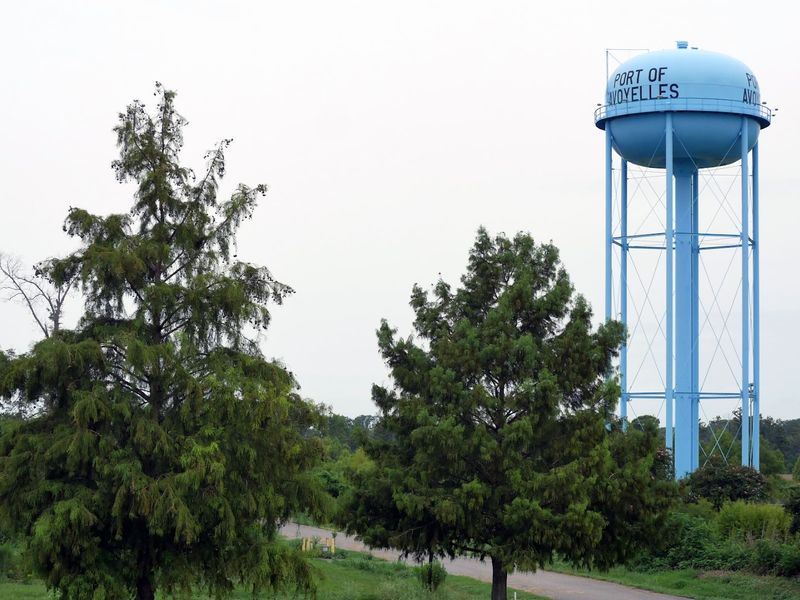
You’ll soon realize the northern basin offers a meditative quality that travel magazines usually miss, where the sky and water have no end.
At the northern edge of the Atchafalaya Basin, where the Old River Control Structure manages the flow between the Mississippi and Atchafalaya systems, Simmesport sits as a quiet witness to one of the most significant feats of water engineering in American history.
This small river community in Avoyelles Parish has long been shaped by the rhythms of the Atchafalaya, with fishing and river commerce providing the economic backbone that has sustained local families across multiple generations.
Catfishing on the Atchafalaya near Simmesport is considered among the best in the state, drawing serious anglers who know that the river’s northern reaches produce trophy-sized catches that rarely make it into travel magazines.
The surrounding countryside is flat, wide, and surprisingly beautiful in the particular way that only river floodplains can be, with enormous skies and the constant presence of water giving the landscape an almost meditative quality.
Simmesport is a town that has quietly held its ground beside one of America’s great rivers, and that quiet persistence is its most compelling story.