These 15 Romantic Spots In California Feel Like They Belong In A Classic Novel
Romance lives in places where time seems to slow down and beauty takes center stage. California holds countless destinations that capture this feeling with dramatic coastlines, historic architecture, and landscapes that stir the soul.
These spots offer more than scenic views; they create moments that feel lifted from the pages of beloved stories.
From windswept cliffs to garden paths lined with blooming flowers, each location carries an atmosphere that transforms ordinary visits into memorable experiences.
Couples seeking connection will find settings that encourage quiet conversations and shared wonder.
The state’s diverse geography means romantic escapes range from mountain retreats to seaside villages, each with its own character.
Whether drawn to Spanish colonial missions or misty forest trails, visitors discover places that feel both timeless and deeply personal.
These fifteen destinations stand out for their ability to transport people into settings where natural beauty and human history intertwine, creating backdrops that novelists have long tried to capture in words.
1. Big Sur
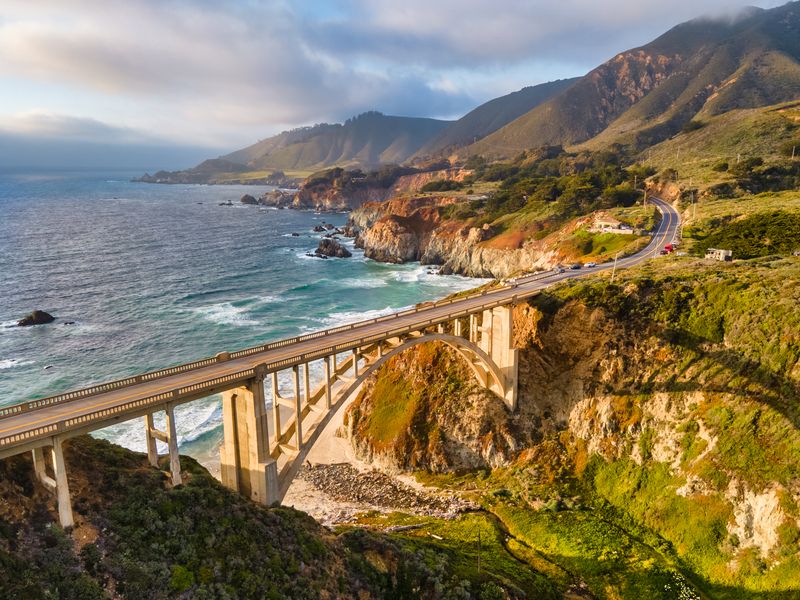
Rugged cliffs plunge into turquoise waters along this stretch of coastline that has inspired writers and artists for generations.
Big Sur represents California’s untamed beauty at its most dramatic, where the Santa Lucia Mountains rise sharply from the Pacific Ocean.
Highway 1 winds through this region, offering pullouts where visitors can pause to absorb views that change with the light and weather.
Morning fog often clings to the hillsides before burning off to reveal layers of ridges extending into the distance.
Trails lead to waterfalls that cascade directly onto beaches, and redwood groves provide cool shade inland.
The area maintains a remote feeling despite its accessibility, with limited development preserving the landscape’s wild character.
Visitors should plan for winding roads that require slow, careful driving, making the journey itself part of the experience.
Cell service remains spotty throughout much of the region, encouraging disconnection from daily routines.
Spring brings wildflowers to the hillsides, while winter storms create dramatic wave action against the rocks.
The climate stays mild year-round, though coastal fog can appear any season, adding atmospheric mystery to the scenery that feels pulled from romantic adventure tales.
2. Carmel-By-The-Sea
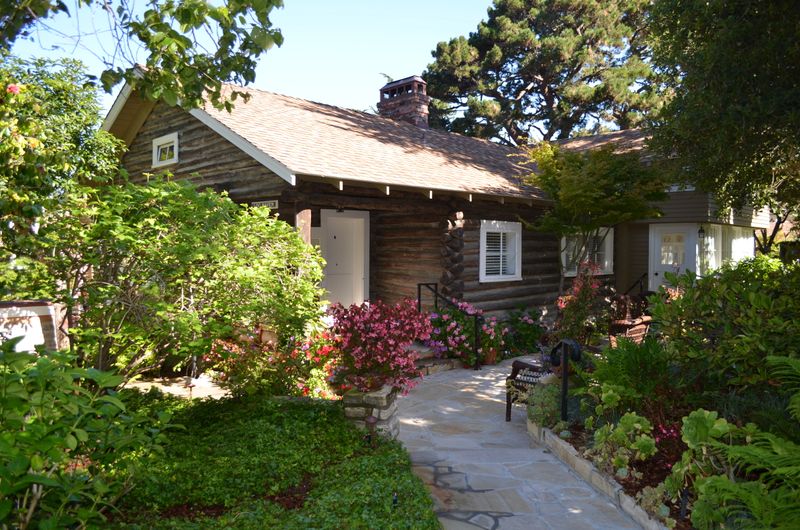
Cobblestone pathways wind between storybook cottages in this village where architectural whimsy meets coastal charm.
Carmel-by-the-Sea developed as an artist colony, and that creative spirit still defines its character through galleries, theaters, and unique shops.
The downtown area invites leisurely exploration on foot, with courtyards tucked between buildings and window displays that change with the seasons.
No two structures look alike, as the town never adopted standard building codes, allowing architects to express individual visions.
Carmel Beach stretches at the foot of Ocean Avenue, offering white sand and cypress trees that frame views of the bay.
Dogs run freely on this beach, adding lively energy to the scene, while sunset brings out photographers and couples walking the shoreline.
Cafes and restaurants occupy converted cottages, creating intimate dining spaces with outdoor patios.
The village maintains a pedestrian-friendly scale, with most attractions within easy walking distance of each other.
Weekdays tend to feel quieter than weekends, when day-trippers arrive from nearby cities.
The mild climate makes visits pleasant throughout the year, though summer fog sometimes rolls in during afternoons, creating soft light that enhances the village’s fairy-tale atmosphere.
3. Hearst Castle
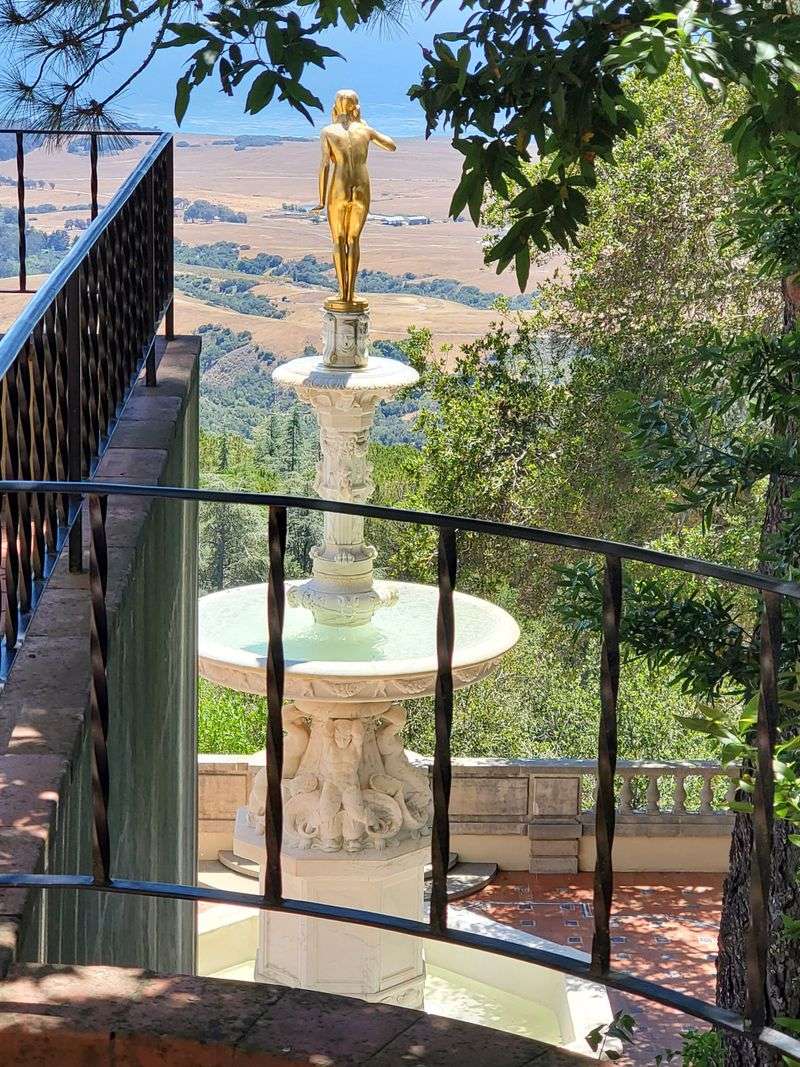
Perched high above the Pacific, this estate represents one man’s vision of grandeur brought to life through decades of construction.
Hearst Castle combines Mediterranean Revival architecture with an art collection that spans centuries and continents, creating spaces that feel both opulent and theatrical.
The location sits at 750 Hearst Castle Rd, San Simeon, CA 93452, where guided tours lead visitors through rooms filled with European antiques, tapestries, and ceiling details transported from historic buildings abroad.
Tours must be booked in advance, as the property operates as a state historic monument with limited daily capacity.
Multiple tour options focus on different aspects of the estate, from the main social rooms to the upstairs suites where famous guests once stayed.
The Neptune Pool, with its Roman temple facade and mosaic tilework, captures the estate’s ambitious scale and attention to detail.
Gardens terraced into the hillside provide views that extend for miles along the coastline, with pathways connecting different areas of the property.
Spring brings the most dramatic garden displays, though the estate maintains visual interest year-round.
Visitors should prepare for walking and stairs throughout the tours, as the property covers expansive grounds at varying elevations, making comfortable shoes essential for exploring this monument to Gilded Age ambition.
4. Point Lobos
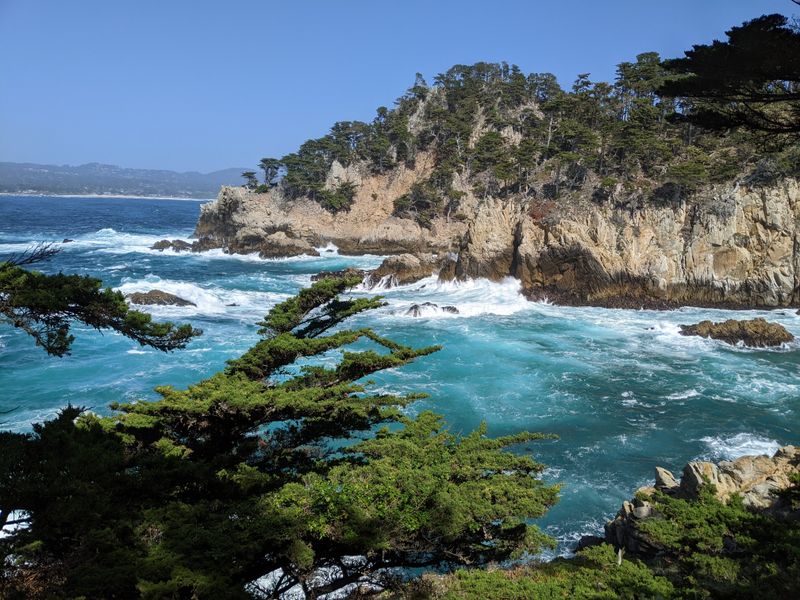
Twisted cypress trees cling to granite headlands where the land meets the sea in constantly changing displays of natural beauty.
Point Lobos State Natural Reserve protects a landscape that painters and photographers have long sought to capture, with coves, tide pools, and offshore rocks that harbor marine life.
Trails loop through different habitats, from coastal scrub to shaded groves, with multiple viewpoints overlooking the ocean.
The Cypress Grove Trail passes through some of the oldest trees in the reserve, their trunks sculpted by wind into dramatic shapes.
Harbor seals and sea lions frequent the coves, their barking audible from the trails above, while sea otters often float in the kelp beds just offshore.
Whales migrate past this point during spring and winter months, making it a prime location for spotting gray whales from shore.
The reserve limits daily visitors to protect the fragile environment, so arriving early helps ensure entry, especially on weekends.
Parking fills quickly during peak seasons, with the entrance sometimes closing once capacity is reached.
Tide pools accessible during low tide reveal colorful anemones and sea stars, though visitors should check tide tables and stay aware of wave action.
The reserve provides a condensed version of California coastal ecology, making it feel like stepping into a naturalist’s field guide.
5. Avalon California
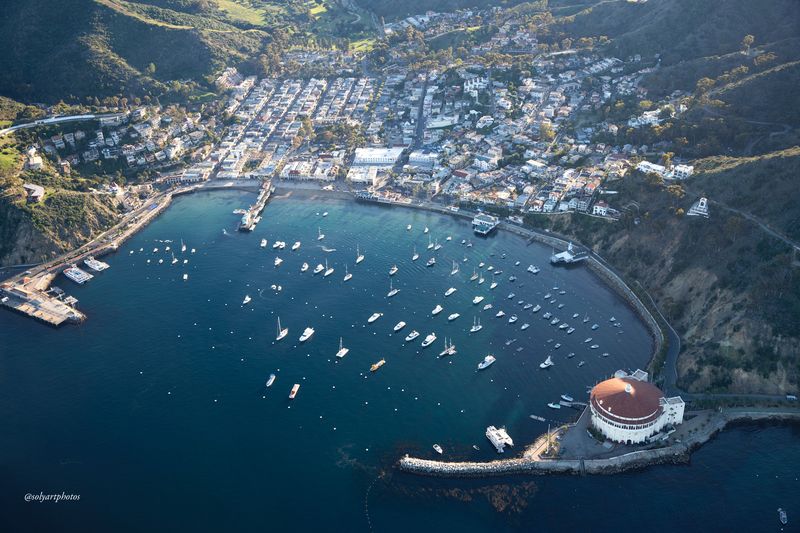
Accessible only by boat, this island town offers a retreat that feels worlds away from the mainland despite sitting just 22 miles offshore.
Avalon curves around a protected harbor on Catalina Island, with buildings stacked up the hillside in Mediterranean colors that catch the sunlight.
The iconic Casino building anchors one end of the waterfront, its Art Deco interior housing a ballroom and theater that transport visitors to the 1920s.
Golf carts serve as the primary transportation within town, as private cars are restricted, giving the streets a quieter, more relaxed pace.
Glass-bottom boat tours depart from the harbor, revealing the underwater kelp forests and marine life that thrive in the clear water surrounding the island.
Snorkeling and diving attract enthusiasts to sites where visibility often exceeds 50 feet.
Hiking trails climb into the island’s interior, offering views back toward the mainland and access to areas where bison roam, descendants of animals brought for a film shoot decades ago.
The Avalon Scenic Drive provides an easy introduction to the landscape beyond town.
Accommodations range from historic hotels to vacation rentals, with advance booking recommended during summer months when the island sees its highest visitor numbers and the harbor fills with private boats and weekend sailors.
6. Yosemite Valley
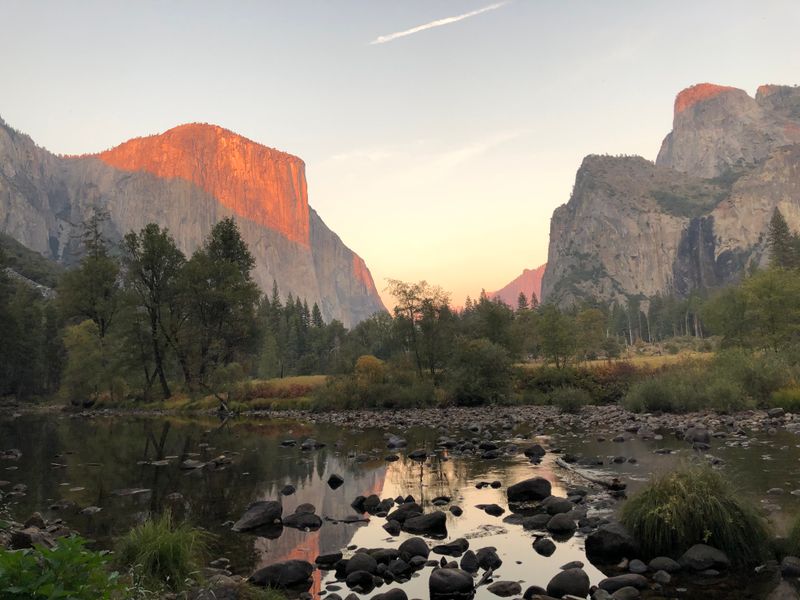
Granite walls rise thousands of feet from the valley floor in formations that have become icons of American wilderness.
Yosemite Valley concentrates some of the park’s most dramatic features into a relatively compact area, making it accessible while maintaining a sense of grandeur that inspired early conservationists.
Waterfalls thunder down the cliffs during spring snowmelt, with Yosemite Falls dropping nearly 2,500 feet in three sections.
By late summer, many falls reduce to trickles or disappear entirely, changing the valley’s character with the seasons.
Meadows along the Merced River provide open spaces for picnicking and wildlife watching, with deer commonly grazing in early morning and evening hours.
Trails range from easy valley floor walks to strenuous climbs that gain elevation quickly.
The valley sees heavy visitation, particularly during summer months, when parking becomes challenging and shuttle buses serve as the best way to move between sites.
Visiting during weekdays or shoulder seasons offers a quieter experience with fewer crowds at popular viewpoints.
Accommodations within the valley require advance reservations, sometimes months ahead for peak season stays.
The park’s high elevation means weather can change rapidly, with afternoon thunderstorms possible during summer and snow likely from late fall through early spring.
7. Ojai
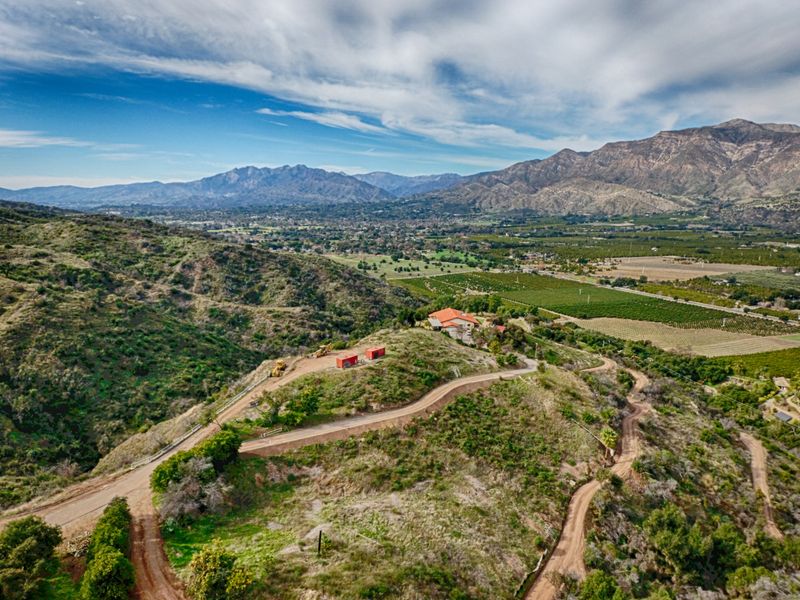
Mountains surround this valley town where the light takes on a rosy glow at sunset, a phenomenon locals call the Pink Moment.
Ojai developed as an artist community and wellness destination, maintaining a slower pace than nearby coastal cities while attracting visitors seeking natural beauty and cultural offerings.
The downtown arcade, with its Spanish Colonial Revival architecture, houses galleries, bookshops, and restaurants that emphasize local ingredients.
Sunday brings a farmers market where growers from the surrounding valley sell citrus, avocados, and seasonal produce.
Hiking trails access the surrounding Los Padres National Forest, with options ranging from easy nature walks to challenging climbs that reward effort with panoramic views.
The Ojai Valley Trail, a paved path, connects the town to nearby communities and provides level terrain for walking and cycling.
Hot springs and spas draw visitors focused on relaxation, with several resorts offering treatments that incorporate local botanicals.
The town maintains a quiet atmosphere, with limited nightlife and an emphasis on daytime activities.
Art studios open their doors during periodic studio tours, allowing visitors to meet working artists and see creative processes firsthand.
The valley’s agricultural heritage remains visible in the citrus and avocado groves that still occupy much of the surrounding land, creating a rural backdrop that contrasts with the town’s artistic sophistication.
8. Russian River
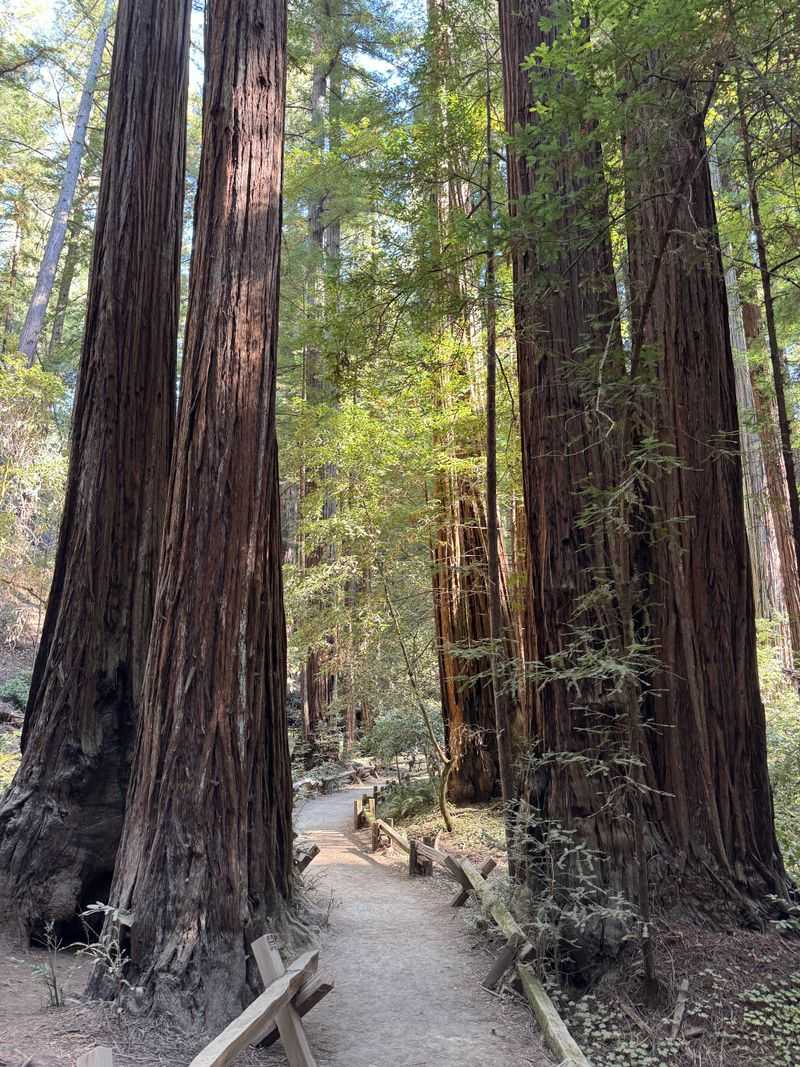
Redwood groves shade the banks of this river that winds through Sonoma County, creating summer retreats where swimming and canoeing replace the usual beach scene.
The Russian River region combines natural recreation with small-town charm, as communities like Guerneville serve as bases for exploring the area.
Armstrong Redwoods State Natural Reserve protects old-growth forest just minutes from town, with trails passing trees that predate European settlement.
The cool, quiet atmosphere under the canopy provides contrast to the sunny river corridor.
Sandy beaches appear along the river during summer months when water levels drop, creating spots for picnicking and wading in the gentle current.
Outfitters rent canoes and kayaks for downstream floats that take several hours, with shuttle services returning paddlers to starting points.
The region has long attracted visitors seeking alternatives to crowded coastal destinations, developing a welcoming atmosphere for diverse groups.
Summer weekends bring the most activity, while weekdays and shoulder seasons offer quieter experiences.
Local wineries produce Pinot Noir and Chardonnay from the cool-climate vineyards that surround the river valley, with many tasting rooms offering casual atmospheres.
The area’s proximity to the coast means fog often reaches inland during summer mornings, burning off by afternoon to reveal warm, pleasant conditions perfect for riverside relaxation.
9. Mendocino
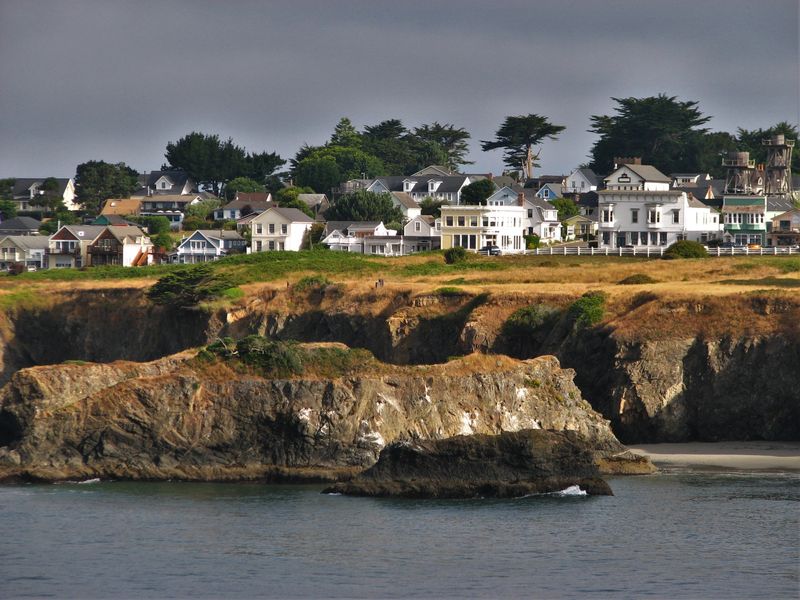
Victorian buildings perch on bluffs above the Pacific in this village that resembles a New England fishing town transplanted to the California coast.
Mendocino developed during the lumber era, when redwood logging drove the local economy, and many structures from that period remain, now housing galleries, inns, and restaurants.
Headlands surrounding the village offer walking paths with ocean views and access to small beaches tucked into coves below the cliffs.
Spring brings carpets of wildflowers to these coastal prairies, creating colorful displays that peak in April and May.
The downtown area maintains a compact, walkable layout, with shops occupying historic storefronts and art galleries showcasing work by local painters and craftspeople.
The village has long attracted creative individuals, contributing to a cultural scene that includes theater productions and music performances.
Fog frequently blankets the coast during summer months, creating atmospheric conditions that change the mood of the landscape.
Winter brings dramatic storm watching, with waves crashing against the rocks and rain sweeping across the headlands.
Accommodations lean toward bed-and-breakfasts and small inns rather than chain hotels, with many properties occupying Victorian homes that have been carefully restored.
The village stays relatively quiet compared to more developed coastal destinations, appealing to visitors seeking tranquility and natural beauty over entertainment and crowds.
10. Emerald Bay
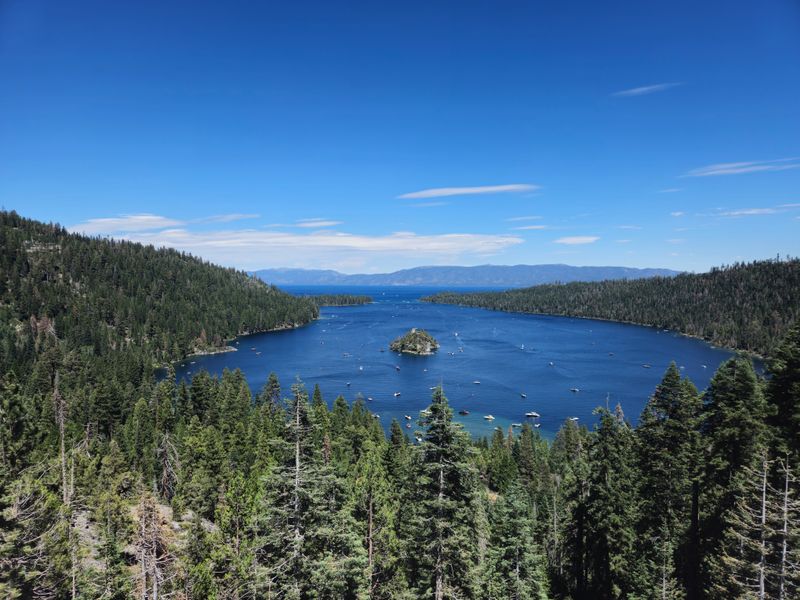
Turquoise water fills this fjord-like inlet on Lake Tahoe’s western shore, with a tiny island rising from the center that holds the ruins of a stone teahouse.
Emerald Bay State Park protects the shoreline and includes Vikingsholm, a Scandinavian-style mansion built in the 1920s that visitors can tour during summer months.
The bay sits along Highway 89, where a parking area provides access to overlooks that capture the full sweep of the inlet and surrounding mountains.
The steep trail down to Vikingsholm descends about 500 feet, requiring stamina for the return climb but rewarding hikers with close-up views of the architecture and access to the shore.
Kayakers and paddleboarders explore the bay’s calm water, launching from nearby beaches to reach areas inaccessible by trail.
The water’s clarity allows visibility to surprising depths, revealing rocks and fallen trees on the bottom.
Snow closes the highway during winter months, making the bay accessible primarily from late spring through fall.
Summer brings the warmest conditions, though the lake water remains cold even during peak season.
Eagle Falls, a short walk from the main parking area, provides another scenic attraction, with the cascade most impressive during spring snowmelt.
The bay’s unique color comes from the depth and clarity of the water, creating shades that shift from deep blue to bright turquoise depending on light and viewing angle.
11. Sonoma
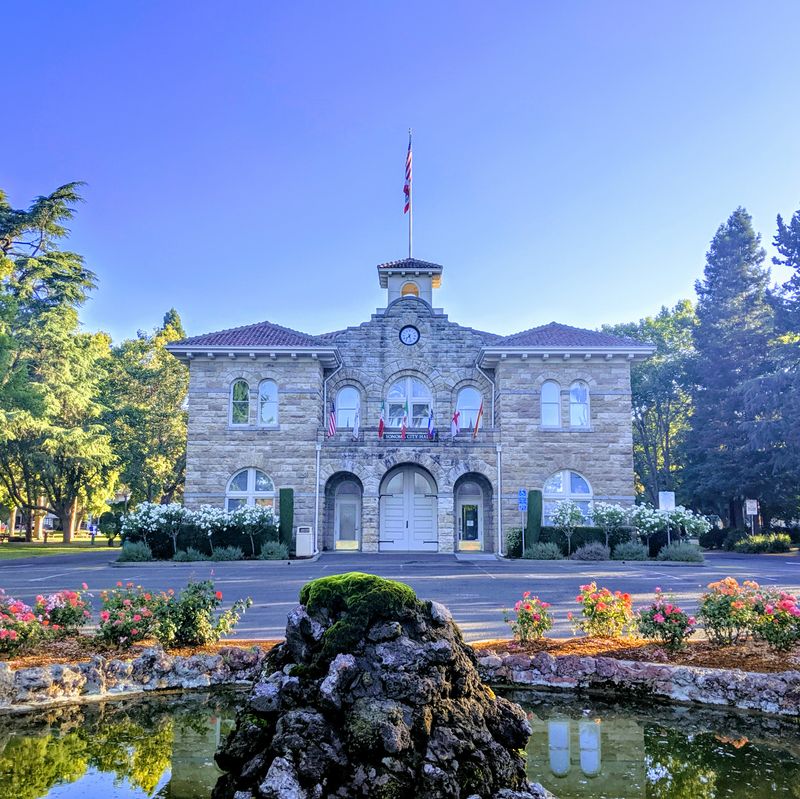
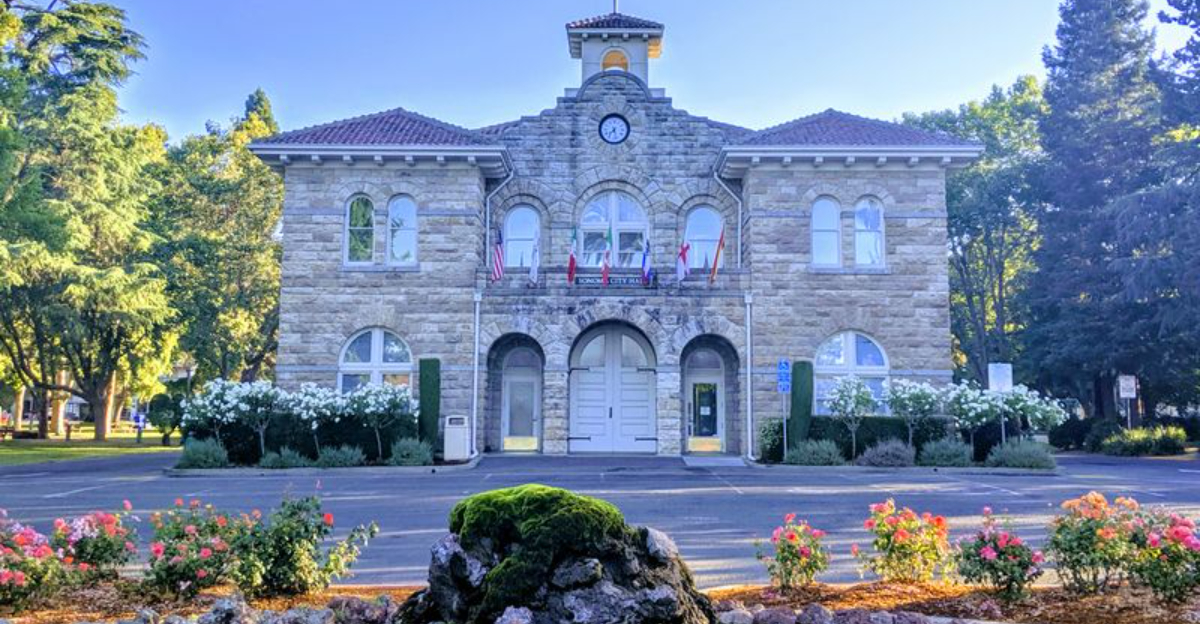
A tree-shaded plaza anchors this town where California wine country history began, surrounded by shops, tasting rooms, and restaurants that occupy buildings dating to the 19th century.
Sonoma retains a relaxed atmosphere despite its popularity with wine tourists, maintaining a town square that serves as a gathering place for locals and visitors alike.
The plaza sits at 453 1st St E, Sonoma, CA 95476, where the Mission San Francisco Solano and other historic structures tell the story of California’s Spanish and Mexican periods.
Walking paths circle the square, passing monuments and mature trees that provide shade during warm afternoons.
Tasting rooms representing various wineries cluster around the plaza, allowing visitors to sample wines without driving between distant vineyards.
The surrounding valley holds hundreds of wineries, from large estates to small family operations, producing diverse styles in the region’s varied microclimates.
Restaurants emphasize seasonal California cuisine, with many sourcing ingredients from nearby farms and ranches.
The town supports a strong food culture that extends beyond wine country stereotypes, including casual eateries and specialty food shops.
Weekends bring crowds to the plaza, particularly during summer and fall harvest season, while weekdays offer quieter experiences.
The town’s proximity to both Napa Valley and the coast makes it a convenient base for exploring multiple regions, with lodging options ranging from historic hotels to modern inns.
12. Laguna Beach
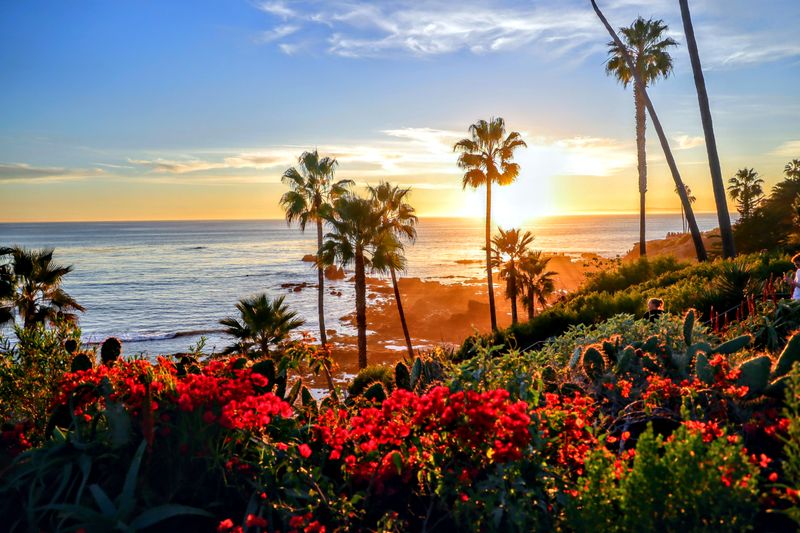
Coves and beaches tuck between rocky points along this stretch of Orange County coastline where art galleries and ocean views define the town’s character.
Laguna Beach developed as an artist colony in the early 20th century, and that creative heritage continues through numerous galleries, public art installations, and summer festivals.
The downtown area slopes toward the water, with the main beach, known simply as Main Beach, providing a central gathering spot with volleyball courts, boardwalks, and tide pools at the north end.
Staircases and paths provide access to smaller beaches along the coast, each with its own character.
Heisler Park runs along the blufftop north of downtown, offering walking paths with ocean views and access to several cove beaches below.
Gardens within the park display native plants and provide spots for picnicking with views of the surf.
The town’s hilly terrain creates dramatic ocean vistas from many vantage points, with homes stacked up the canyon walls in architectural styles ranging from beach cottages to contemporary designs.
Parking can be challenging during summer months, when visitors fill the beaches and browse the art galleries.
The Festival of Arts and Pageant of the Masters draw large crowds during summer, showcasing local artists and theatrical productions.
The town maintains a walkable downtown core, though the surrounding residential areas require driving to explore the various beaches and viewpoints scattered along the coast.
13. Santa Ynez Valley
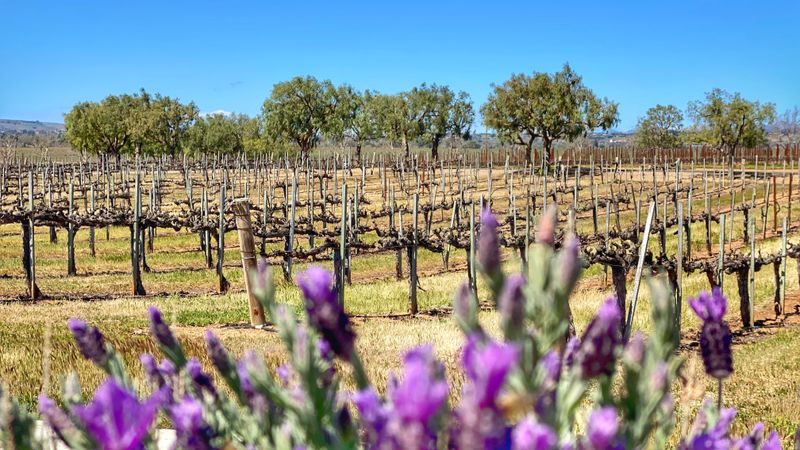
Rolling hills covered with vineyards and oak trees create a pastoral landscape that stretches between the Santa Ynez Mountains and the coast.
Santa Ynez Valley encompasses several small towns, each with distinct character, from the Danish-themed architecture of Solvang to the Old West atmosphere of Los Olivos.
Wineries throughout the valley range from rustic tasting rooms in converted barns to polished estates with manicured grounds.
The region produces diverse wines, with both warm-climate varieties and cooler-climate grapes thriving in different microclimates within the valley.
The town of Solvang attracts visitors with its bakeries, shops, and windmills that evoke a European village, though opinions vary on whether the theme feels charming or overly commercial.
Los Olivos maintains a quieter profile, with tasting rooms and galleries clustered along a few blocks.
Horse ranches occupy much of the valley, contributing to its rural character and offering trail riding opportunities for visitors wanting to explore beyond the wine trail.
The area’s agricultural heritage remains visible in the working ranches and farms that continue operating alongside the tourism industry.
Spring brings green hills and wildflowers, while summer turns the grasslands golden brown, creating dramatic color contrasts with the dark oak trees.
The valley’s inland location means warmer temperatures than the nearby coast, with summer days often reaching into the 80s and 90s, making morning visits to wineries more comfortable than afternoon tours.
14. Mount Tamalpais
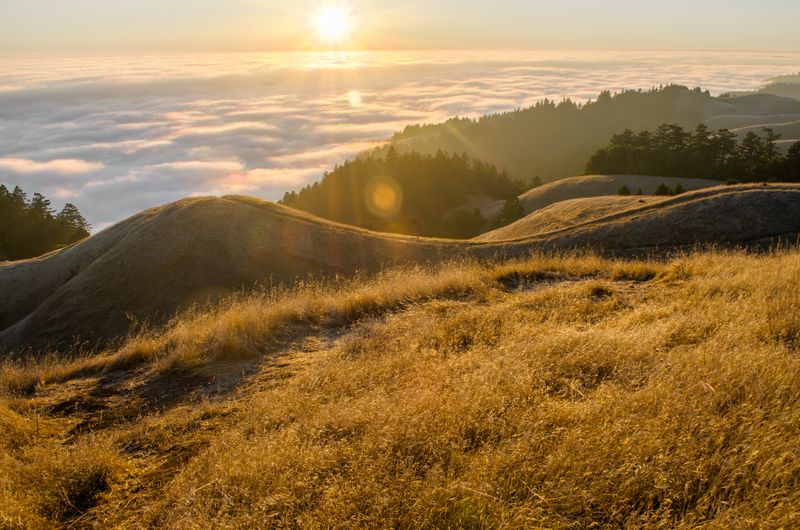
Rising from the Marin County landscape, this peak offers panoramic views that sweep from San Francisco to the Pacific Ocean, with trails traversing diverse habitats from coastal scrub to redwood groves.
Mount Tamalpais State Park protects much of the mountain, providing recreation opportunities that range from easy walks to challenging climbs.
The summit sits at 2,571 feet, accessible by both hiking trails and a winding road that leads to a parking area near the top.
The East Peak offers 360-degree views, with the San Francisco skyline visible on clear days along with the Farallon Islands offshore.
Trails throughout the park connect to create longer routes, with the Dipsea Trail serving as one of the most famous paths, descending from the mountain to the coast at Stinson Beach.
The varied terrain means hikers can choose routes through different ecosystems within a single visit.
Fog frequently reaches the mountain, particularly during summer months, creating atmospheric conditions that can limit views but add drama to the landscape.
The marine layer often sits at mid-elevation, leaving the summit clear while valleys below disappear in white.
The mountain’s proximity to the Bay Area makes it popular with local hikers, especially on weekends when trailhead parking fills early.
Visiting during weekdays or starting hikes early in the morning provides quieter experiences and better chances of securing parking at popular access points.
15. Mission San Juan Capistrano
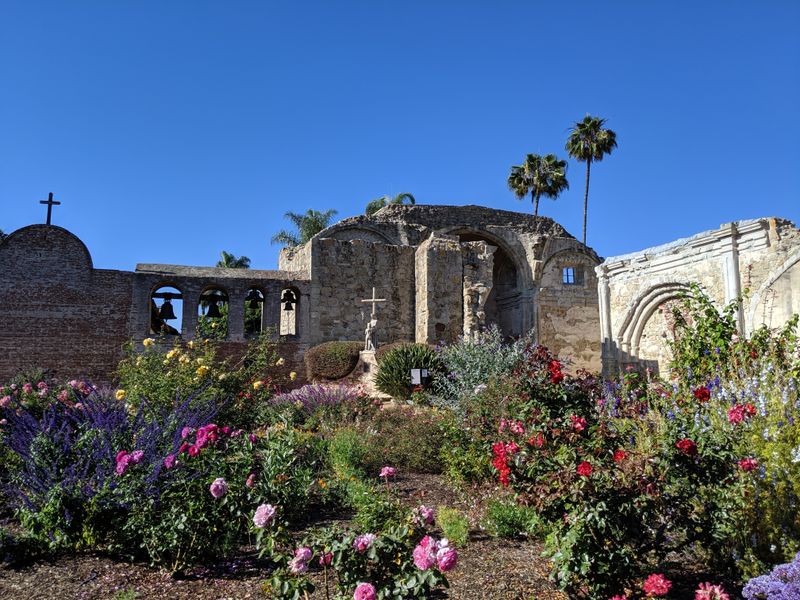
Founded in 1776, this mission represents one of California’s most historic sites, with gardens, chapels, and ruins that tell stories spanning centuries.
Mission San Juan Capistrano combines architectural beauty with natural elements, as gardens filled with flowering plants surround the buildings and courtyards.
The mission sits at 26801 Old Mission Rd, San Juan Capistrano, CA 92675, where self-guided tours allow visitors to explore at their own pace through the various structures and outdoor spaces.
The Serra Chapel, dating to 1782, stands as the oldest building still in use in California and continues to host services.
Ruins of the Great Stone Church dominate one section of the grounds, with remaining arches and walls showing the scale of the structure destroyed by an earthquake in 1812.
Swallows famously return to the mission each spring, though their numbers have declined in recent decades from the thousands that once arrived.
Gardens throughout the property showcase plants that would have grown during the mission period, with fountains and pathways creating peaceful spaces for reflection.
The mission maintains an active role in the community while serving as a museum and tourist destination.
Visiting during weekdays typically means smaller crowds than weekends, when school groups and tour buses often arrive.
The mission hosts special events throughout the year, including historical reenactments and seasonal celebrations that bring additional programming beyond the standard tour experience.