These 9 Small Towns In Connecticut Are Too Charming To Stay A Secret
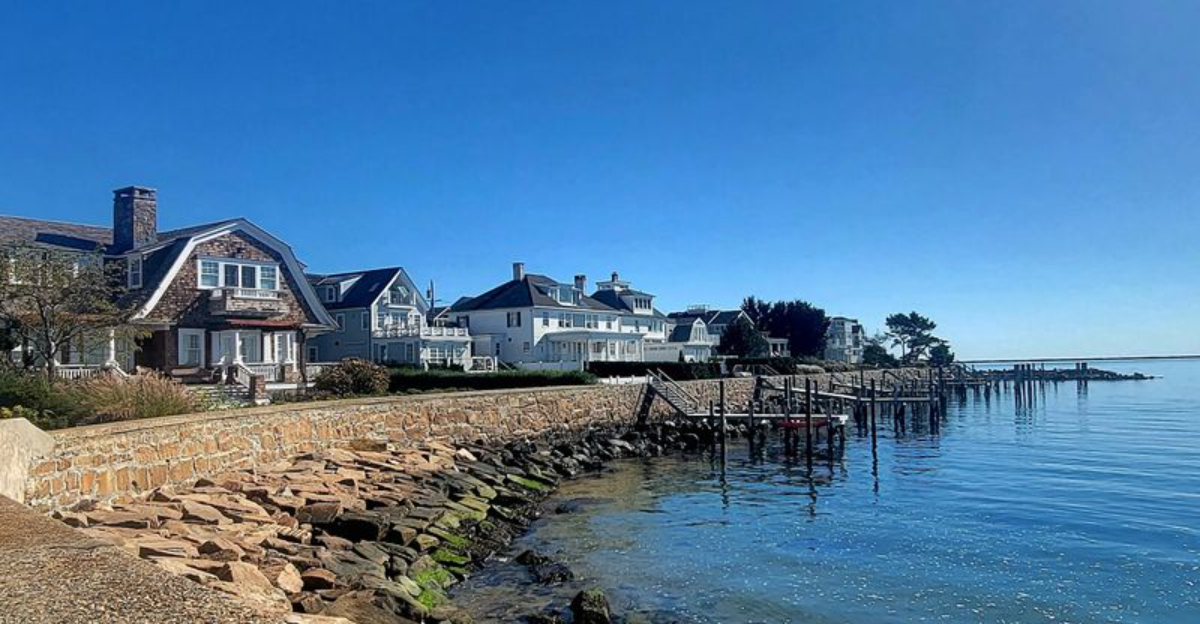
Small towns have a different way of winning people over. They do not need big attractions or a packed schedule to feel special.
Sometimes it is a quiet main street, a pretty green, or the way every corner seems to have a story attached to it.
These small towns in Connecticut feel charming enough to make even a simple afternoon wander feel memorable. The pace is slower in the best possible way.
You can notice the old buildings, the little shops, the river views, and the kind of local details that are easy to miss when you are rushing through bigger places.
Each town has its own personality, which keeps the list from feeling predictable. Some feel historic. Others feel artsy or peaceful.
The fun is realizing how much character can fit into a place that still feels wonderfully easy to explore.
1. Essex
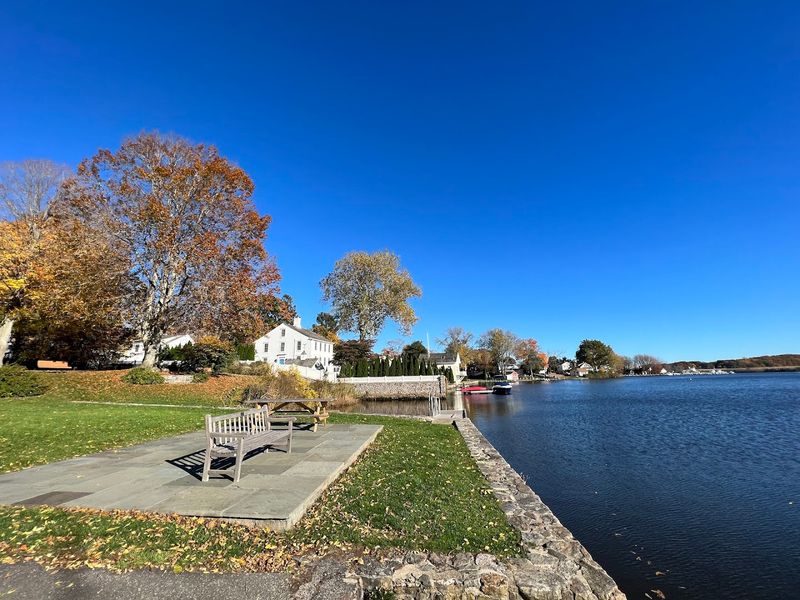
A small river town can feel wonderfully preserved when its waterfront, old homes, and quiet streets all seem to move at the same gentle pace.
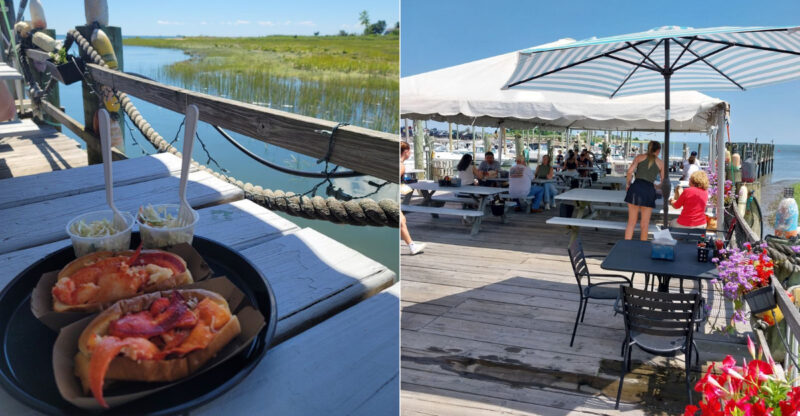
Essex has that classic New England look, with wooden docks reaching toward the river, sailboats resting in the marina, and white clapboard buildings giving the streets an elegant, historic feel.
As evening settles in, gas-lit lamps and carefully kept 18th-century homes add even more character to the tree-shaded roads.
Along the banks of the river, the town rewards visitors who prefer slow exploring over rushing from stop to stop.
The Connecticut River Museum, at 67 Main Street, Essex, CT 06426, occupies an 1878 Steamboat Warehouse and shares the river’s connection to regional history through exhibits, artifacts, and hands-on displays.
The building itself adds to the experience, with its historic structure and waterfront position making it worth appreciating before heading inside.
A different view of the area comes through the Essex Steam Train and Riverboat Excursion, which offers a narrated ride through the Connecticut River Valley and is especially scenic during fall foliage season.
Weekday visits usually make the town feel calmer, with more room to enjoy the waterfront, browse slowly, and take in the historic streets without feeling hurried.
Essex is best experienced at an easy pace, letting the river views and village charm shape the day.
2. Chester
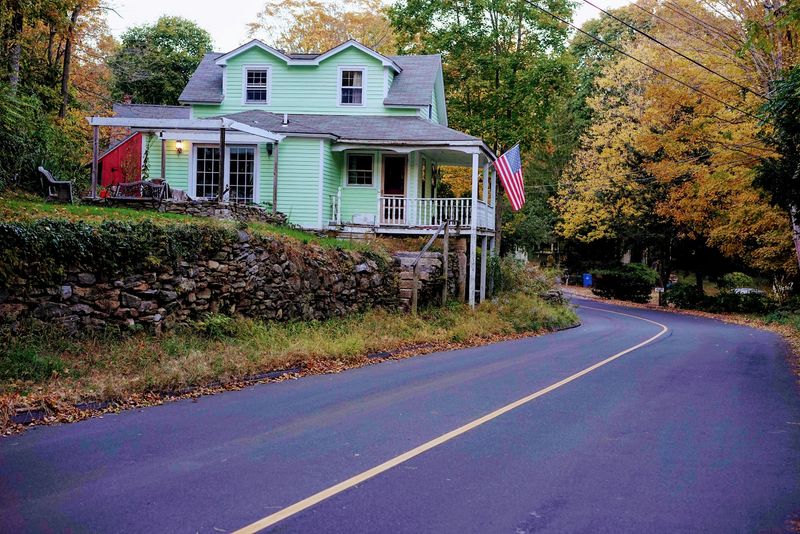
There is a creative energy in Chester that feels organic rather than curated, the kind that builds slowly in a community where artists, makers, and neighbors have been living side by side for generations.
Located in the lower Connecticut River Valley, this compact and walkable town has a strong artisan identity that shows up in its independent galleries, handcrafted goods shops, and farm-to-table dining spots clustered along its short but lively main street.
The scale of Chester makes it easy to explore everything in an afternoon without feeling rushed.
The town hosts seasonal events and fairs that draw visitors from across the state, adding a festive layer to an already welcoming atmosphere.
Nature is never far away here, with the river and several nearby nature preserves offering trails and open space for those who want to stretch their legs between gallery visits.
The mix of creative culture and natural access makes Chester appealing to a wide range of visitors.
Weekends tend to bring more foot traffic, so arriving on a weekday morning can mean a quieter experience with more time to browse without feeling crowded.
Many of the shops and studios in Chester are small and independently owned, which means selections change frequently and there is usually something new to discover on each visit.
The overall feel of Chester is unhurried and genuine, a town that has not tried to become anything other than exactly what it already is.
3. Kent
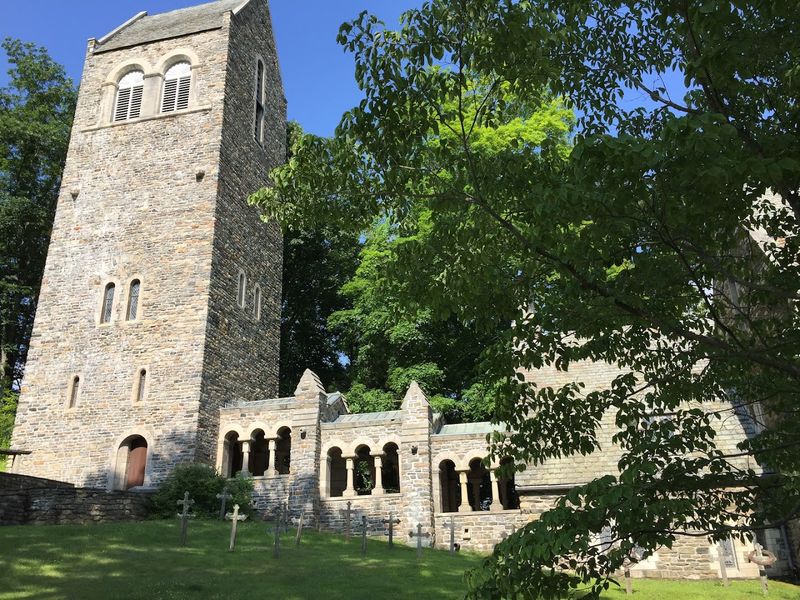
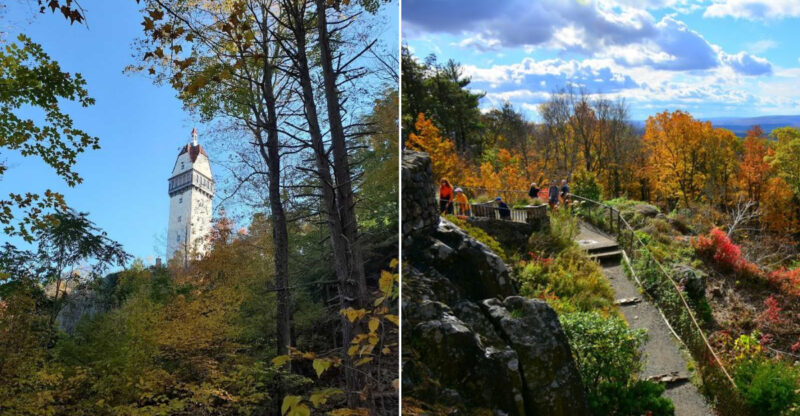
Autumn has a way of making certain places feel almost unreal, and Kent is one of those places where the fall foliage season reaches a kind of peak intensity that draws visitors from across New England and beyond.
Surrounded by state parks, forested ridgelines, and rushing streams, this small town in the state’s northwest corner balances natural beauty with a walkable downtown that feels approachable and unhurried.
Covered bridges and winding country roads add to the sense that time moves a little differently here.
Kent Falls State Park is one of the most visited natural attractions in the area, featuring a cascading waterfall that tumbles down a rocky hillside through a series of tiers before reaching a quiet pool below.
The hike to the falls is manageable for most fitness levels and rewards visitors with views that change with every season.
Spring brings rushing water from snowmelt, while summer offers shade and cool air near the base of the falls.
Downtown Kent offers a thoughtful mix of independent bookstores, art galleries, and casual cafes that make it easy to spend a full day without running out of things to do.
The town has maintained a low-key character despite its popularity, and most of the shops along the main street are small and locally owned.
Parking is generally available near the center of town, though weekend mornings during peak foliage season tend to fill up faster than expected.
4. Litchfield
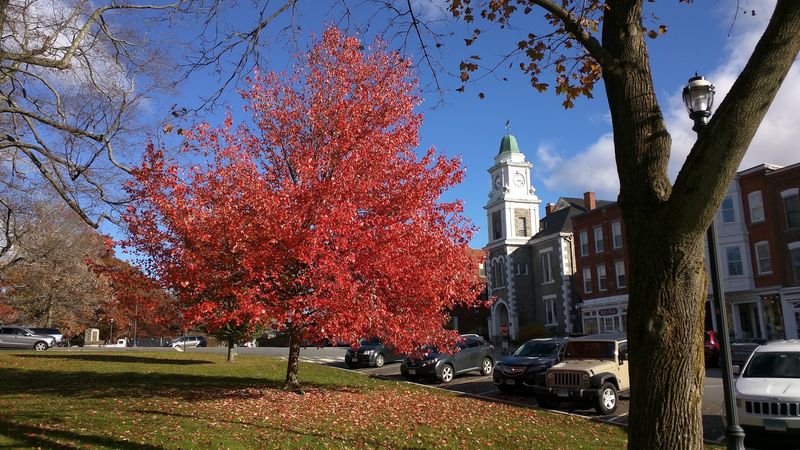
Standing on the town green in Litchfield feels like stepping into a textbook illustration of classic New England, except that everything here is genuinely real and remarkably well-preserved.
Cobblestone sidewalks, stately colonial homes, and a wide open green surrounded by mature trees create a setting that has remained largely unchanged for centuries.
The rolling hills of the state’s northwest region provide a dramatic backdrop that shifts color with every season.
Beyond its visual appeal, Litchfield offers a range of activities that suit different kinds of travelers. Boutique shopping and dining options line the streets near the green, and the overall atmosphere tends to be relaxed rather than rushed.
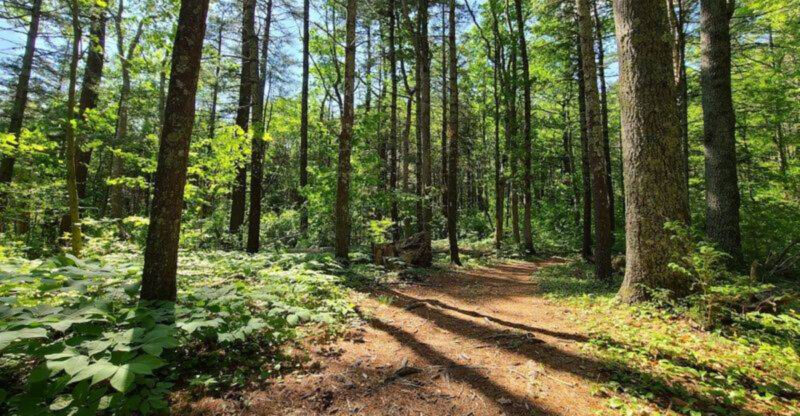
The White Memorial Conservation Center, located at 80 Whitehall Road, Litchfield, CT 06759, is one of the state’s largest nature centers, offering more than 35 miles of trails through forests, meadows, and wetlands that are open year-round to the public.
Fall is arguably the most spectacular time to visit, when the tree-lined streets blaze with color and the crisp air makes walking especially pleasant. Spring and summer bring their own rewards, including wildflowers along the trails and longer daylight hours for exploration.
Litchfield tends to attract visitors who appreciate history and natural scenery in equal measure, and the town delivers on both counts with very little effort required from the traveler.
Arriving mid-morning on a weekday typically offers the most comfortable experience with manageable crowds and easy access to parking near the green.
5. Washington
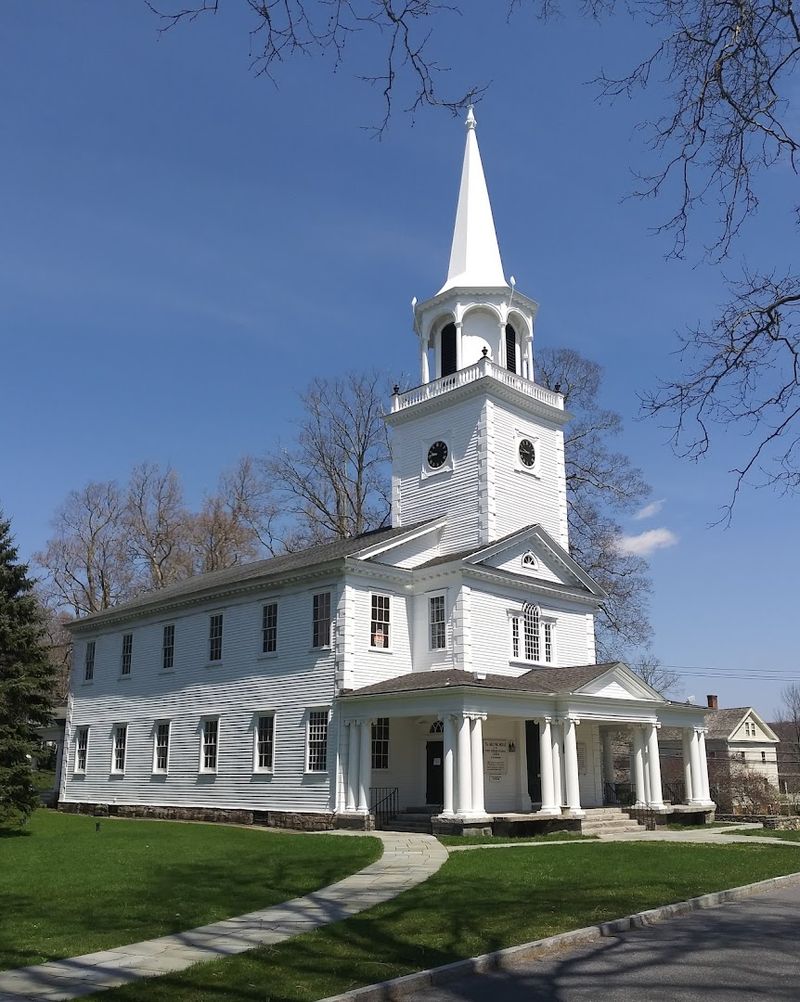
A quiet village framed by meadows, stone walls, and forested ridges can feel like a welcome pause from busier parts of the state.
Washington has that gentle Litchfield Hills rhythm, with a center that still carries the character of earlier centuries and a landscape that seems made for slow drives, scenic walks, and unhurried wandering.
Its appeal comes from feeling genuine rather than overly polished.
The Gunn Memorial Library and Museum adds helpful context to that local identity through historical collections, exhibitions, programs, and community events. You’ll find it at 5 Wykeham Road, Washington, CT 06793, in a classic New England-style setting that feels calm and reflective.
The museum offers a closer look at the people, places, and stories that shaped the town and the surrounding region, making it a meaningful stop before exploring farther.
Outdoor lovers can continue the day at Steep Rock Preserve, one of the area’s most scenic natural spaces. Its trails follow the Shepaug River, move through varied terrain, and climb toward viewpoints that open up broad valley scenery.
The preserve offers enough range for casual walkers and more experienced hikers, so the experience can be as easy or as ambitious as the day calls for.
Visitors come here for quiet beauty, local character, and a slower pace, not flashy attractions or heavy development.
The lack of big commercial strips gives Washington a rare sense of authenticity, while its preserved architecture, wooded roads, and strong community spirit make it one of the Litchfield Hills’ most rewarding small-town escapes.
6. Guilford
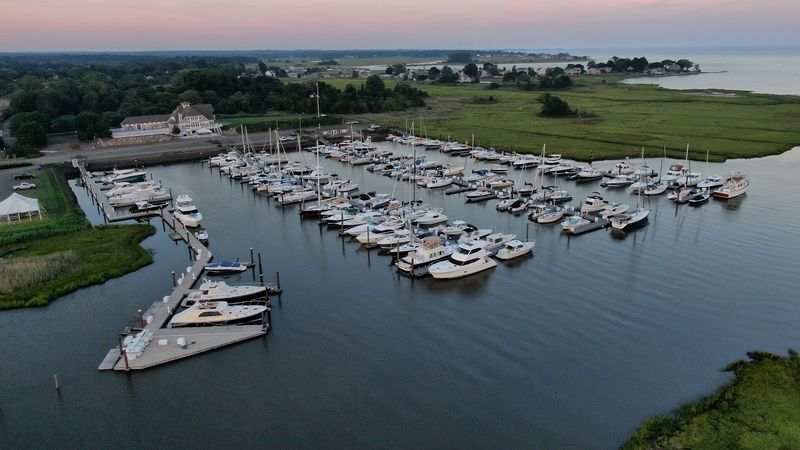
The state’s coast has no shortage of attractive towns, but Guilford stands out for a combination of reasons that go well beyond its shoreline.
The town green here is one of the largest in all of New England, a wide and grassy expanse that anchors the community and provides a natural gathering place that feels both historic and welcoming.
Surrounding the green are historic homes, local shops, and a sense of civic pride that is visible in the care taken with public spaces.
History runs deep in Guilford, most notably at the Henry Whitfield State Museum, located at 248 Old Whitfield Street Guilford CT 06437, which is recognized as the oldest stone house in the state and one of the oldest surviving houses in the entire country.
The museum offers guided tours and educational programming that bring the early colonial period to life in a setting that is genuinely impressive in its age and preservation.
Visiting the museum adds real historical weight to any trip to Guilford.
The Guilford Art Center is another cultural anchor in town, offering exhibitions, workshops, and classes throughout the year that reflect the town’s ongoing commitment to creative life.
Beaches along the Long Island Sound provide a relaxed and accessible option for those who want to spend time near the water without the crowds that come with more commercial beach destinations.
Guilford rewards visitors who take time to explore beyond the green and discover what each neighborhood has to offer.
7. Stonington
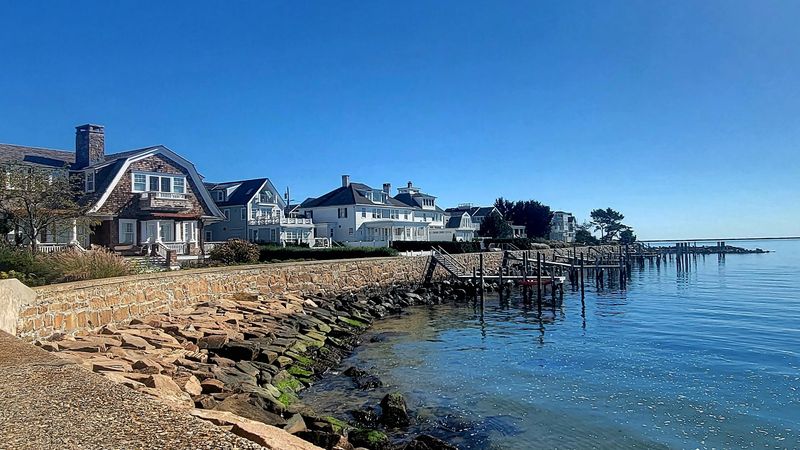
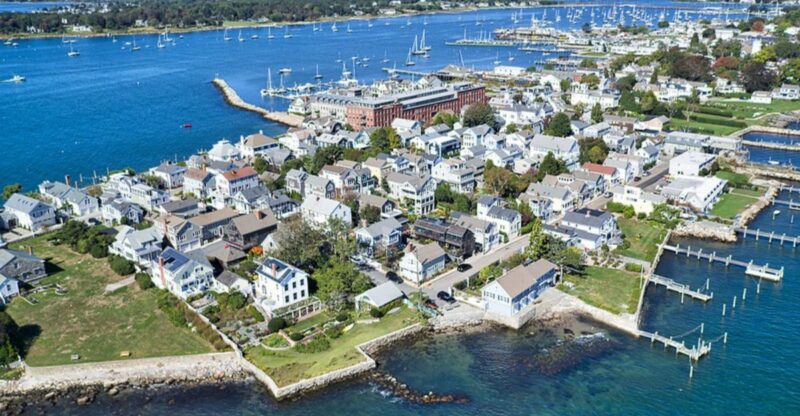
Narrow lanes, centuries-old colonial homes, and a working harbor that still smells faintly of salt and rope give Stonington a character that feels genuinely earned rather than manufactured for tourism.
Situated between Long Island Sound and the Atlantic Ocean, this small borough on the state’s southeastern coast has maintained an authentic nautical identity through generations of fishing families and seafaring tradition.
The streets here are quiet enough that footsteps echo on the pavement.
The Stonington Lighthouse Museum, located at 7 Water Street Stonington CT 06378, sits at the southern tip of the borough and offers visitors a fascinating look into the maritime history of the region.
The lighthouse dates to 1840 and the museum inside contains exhibits on local fishing history, the War of 1812, and the whaling era that once defined much of this coastline.
Climbing to the top of the lighthouse provides a sweeping view of the harbor and surrounding waters.
Small galleries, independent shops, and cafes occupy converted seafaring cottages along the main street, giving the commercial strip a texture and warmth that chain-heavy towns simply cannot replicate.
Stonington tends to be quieter and less visited than nearby Mystic, which means a visit here can feel more personal and less crowded throughout most of the year.
Arriving in the morning allows time to walk the full length of the borough before the afternoon brings in more visitors. The overall atmosphere is one of dignified simplicity.
8. Cornwall
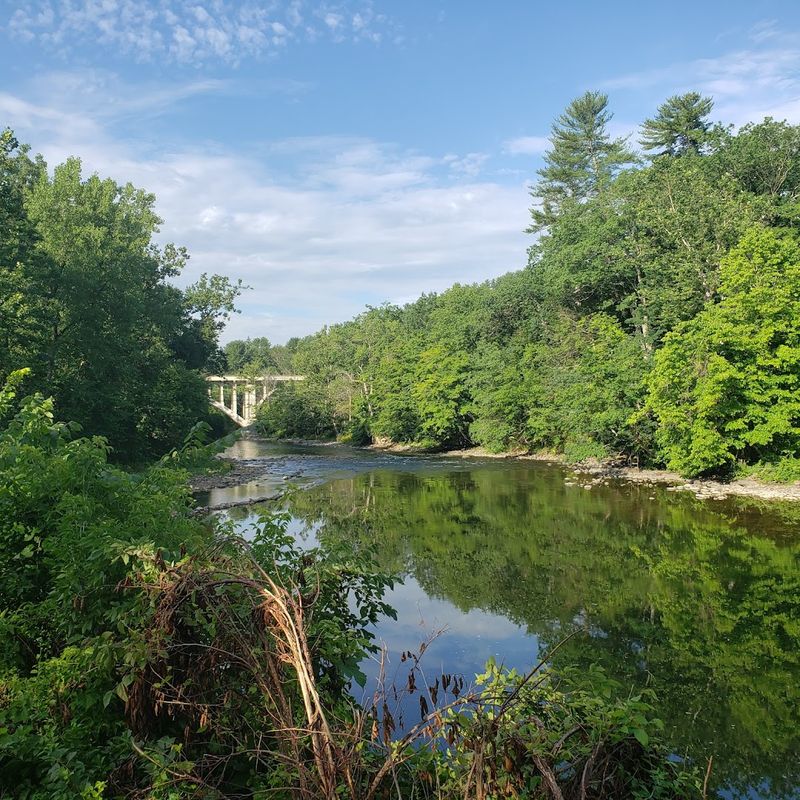
Not every charming town announces itself loudly, and Cornwall is a perfect example of quiet beauty that reveals itself gradually to those willing to seek it out.
Spread across several distinct villages in the state’s northwestern hills, this rural town is defined by dense forest, dramatic river scenery, and one of the most photographed covered bridges in the entire state.
The landscape here feels genuinely wild in places, which is a rare quality in a densely populated New England state.
The West Cornwall Covered Bridge spans the Housatonic River and has been in continuous use since 1864, making it one of the few remaining covered wooden bridges in the region that still carries vehicle traffic.
The setting around the bridge is especially striking in fall when the surrounding hills turn deep shades of orange and red, and the river below reflects the color of the sky.
Early morning visits tend to offer the most peaceful experience before day-trippers arrive.
Hiking in Cornwall is accessible through several trail systems that wind through Mohawk State Forest and along the Appalachian Trail, which passes through this part of the state on its long route between Georgia and Maine.
The terrain tends to be hilly and forested, offering a sense of genuine solitude that is hard to find elsewhere in the area.
Cornwall is not a town with a buzzing downtown or a long list of attractions, but that restraint is exactly what makes it memorable for visitors who prefer nature and quiet over crowds and commerce.
9. East Haddam
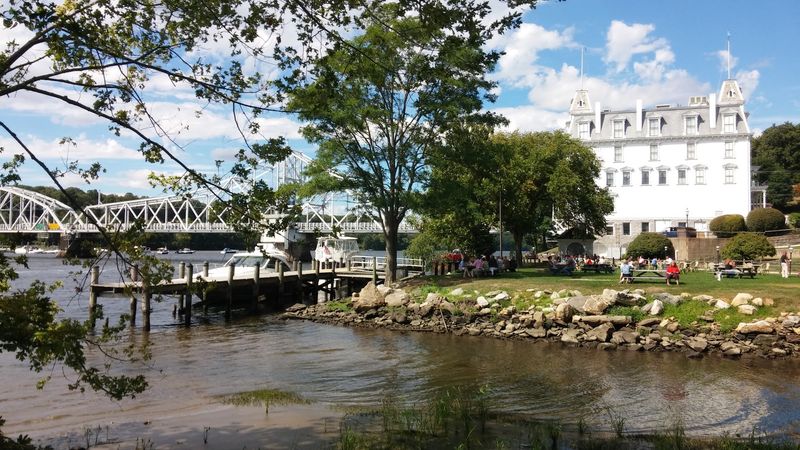
A bend in the river gives this small town a dramatic stage-set feeling, which makes its famous theater feel perfectly at home. East Haddam blends natural beauty with cultural history, creating a visit that feels richer than many travelers might expect from a place of its size.
Rising above the riverbank, the Goodspeed Opera House brings Victorian character and musical theater legacy together in one of the area’s most recognizable landmarks.
The Goodspeed Opera House, at 6 Main Street, East Haddam, CT 06423, has welcomed audiences since its 1963 reopening and continues to present live productions during its active season.
Its restored Victorian details help make a performance feel connected to the wider story of American musical theater, especially since the venue is known for developing shows with Broadway connections.
Checking the schedule ahead is smart for visitors hoping to plan around a performance.
Gillette Castle State Park adds another striking stop nearby, with a stone mansion built by actor William Gillette beginning in 1914. Set high above the river, the castle is surrounded by wooded parkland, walking trails, and wide views that give the grounds year-round appeal.
Its unusual architecture, hilltop setting, and connection to Gillette’s theatrical life make it unlike anything else in the state. East Haddam is a rewarding choice for visitors who enjoy a mix of stage history, river scenery, and outdoor exploring in one distinctive place.