These South Dakota Badlands Edge Towns Keep A Bison Food Tradition Alive
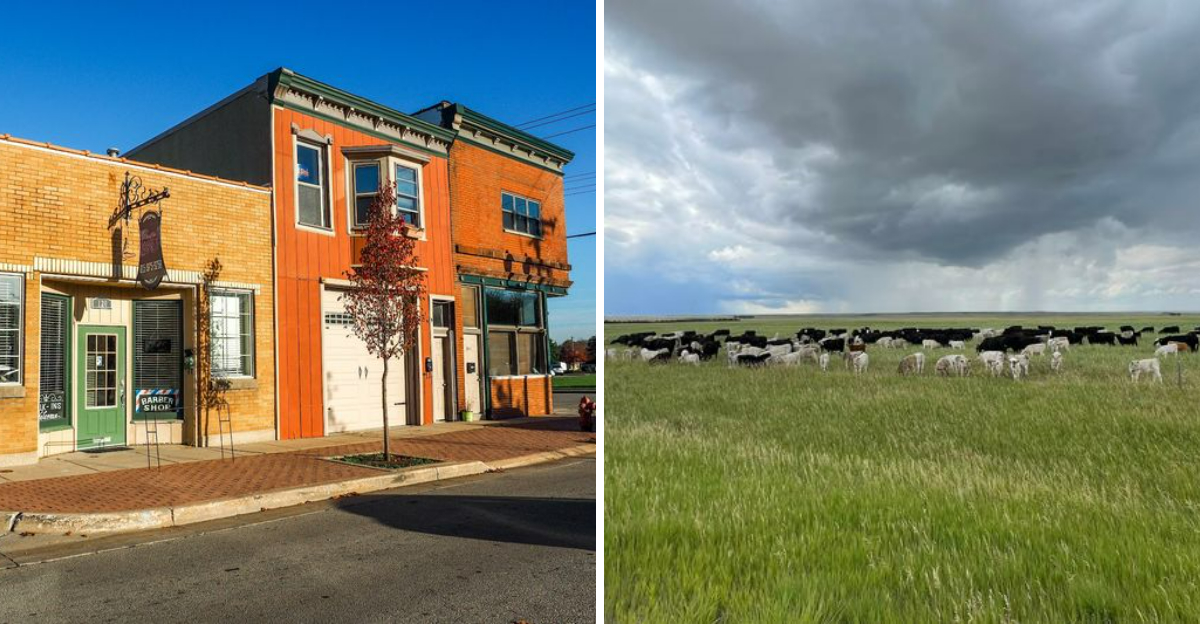
I drove six hours across South Dakota for a buffalo burger, and I’d do it again without hesitation. No GPS voice prepared me for what I found in those small towns hugging the Badlands edge, where the wind cuts sideways and the horizon never ends.
This state doesn’t do things for show. South Dakota built a buffalo burger culture out of necessity, out of history, and out of land that demanded respect.
Long before city restaurants started charging thirty dollars for bison and calling it artisanal, these communities were already doing it right. The meat was local, the portions were honest, and nobody needed a marketing campaign to explain why it tasted that way.
This state was ahead of the food world by decades, and most people still don’t know it.
1. Wall
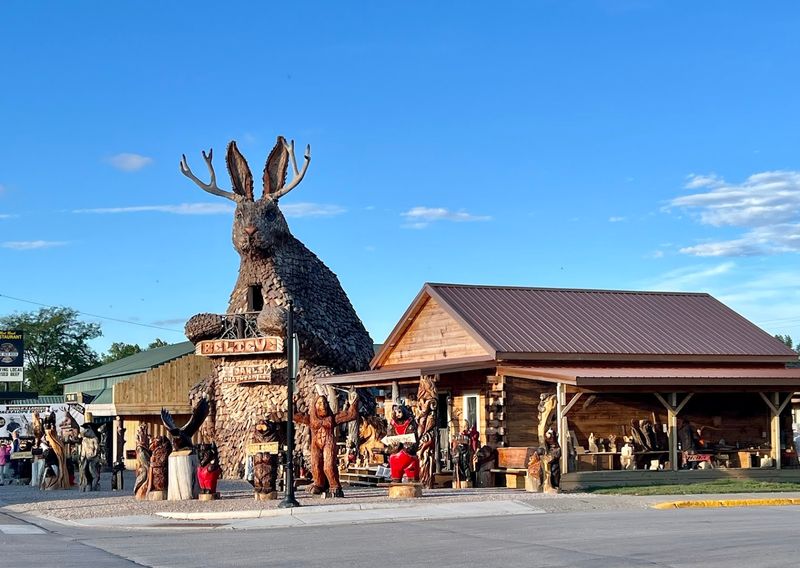
Before the billboards, before the bumper stickers, Wall was a working ranch town with serious beef on its mind. Long before it became a roadside stop, it was shaped by the land around it and the people who worked it every day.
Bison has been part of the broader food culture in this region for generations. Ranchers raised and used what the land supported, without framing it as something special or new.
It was simply part of daily life, prepared in ways that prioritized function over presentation.
Meals here reflect that mindset. They tend to be straightforward, filling, and built around familiar ingredients.
There’s no need for elaborate sauces or complicated menus. The focus stays on consistency and flavor, shaped by experience rather than experimentation.
Wall sits on the northern edge of Badlands National Park, right off I-90. The town’s ranching roots run deep, and that connection to the surrounding landscape is still easy to recognize.
The environment influences not only how people live, but also how they approach food.
If you find yourself rolling through on a road trip, it’s worth taking a break here. Wall, SD 57790 is more than just a stop along the highway.
It offers a glimpse into a way of life where food remains closely tied to place, shaped by the land rather than trends.
2. Interior
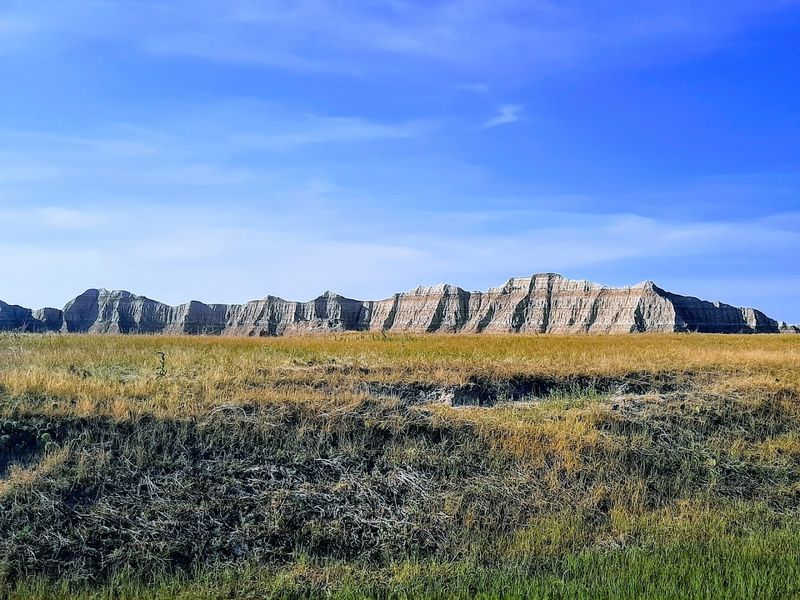
Blink and you’ll miss Interior. The population hovers around 60 people, which creates a close-knit atmosphere that’s hard to find elsewhere.
Life moves at a steady pace here, shaped more by routine than by outside influence.
This community sits near one of the Badlands’ main access points. Long before tourists started lining up for scenic overlooks, ranchers here relied on what the land provided, with bison playing a consistent role in the region.
That connection between landscape and livelihood still defines the area today.
The food culture in Interior isn’t performative. There’s no theme and no tourist-driven angle.
Meals feel simple and practical, shaped by daily routines rather than outside expectations. What’s served reflects what’s available, and that consistency is part of the appeal.
What makes this place quietly special is the context. Spending time in a town this close to the Badlands feels grounded and real.
The landscape has influenced local food habits over time, rather than the other way around. That connection shows up in small, everyday ways.
Interior, SD 57750 is the address for this tiny but meaningful stop. If the cafe is open, take the time to sit down.
If it’s closed, that’s part of the experience. Small towns keep their own hours, and that rhythm is part of what defines them.
3. Kadoka
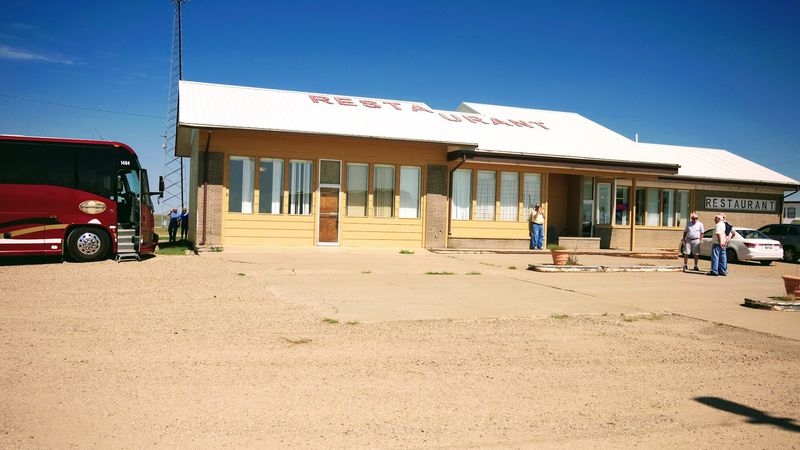
Kadoka calls itself the Door to the Badlands, and that’s not just a tourism slogan. The town sits at a geographic crossroads where the prairie shifts into something wilder.
The food reflects that transition perfectly.
The diners here haven’t chased trends. The menu looks like it did thirty years ago, and that consistency is the whole point.
A buffalo burger in Kadoka comes with lettuce, tomato, maybe some mustard. Done.
Ordered. Eaten.
There’s something deeply satisfying about food that doesn’t try too hard. Kadoka’s burger joints operate on the principle that quality ingredients don’t need camouflage.
Bison from the surrounding ranches is lean, flavorful, and doesn’t require a chef’s intervention to taste good.
The town itself sits along I-90, making it a natural stopping point for anyone crossing the region. Locals eat here not because it’s trendy but because it’s theirs.
That ownership shows in how the food is prepared and served.
Kadoka, SD 57543 is worth more than a gas stop. Pull off the highway.
Sit down at a booth. Order the buffalo burger and notice how something this straightforward can be this satisfying.
That’s not a food trend. That’s just good ranching country cooking.
4. Scenic
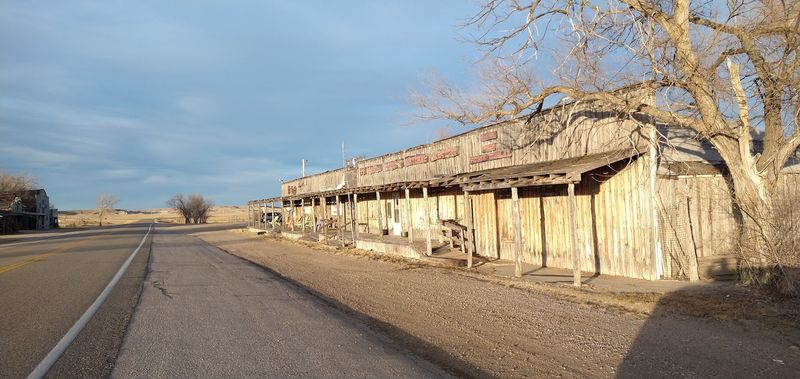
Scenic is one of those places that feels like the land swallowed most of it back. The buildings are sparse.
The wind is constant. But the cultural weight here is undeniable and deeply rooted in the surrounding landscape.
This area carries a long bison history that predates restaurants, food trends, and modern dining altogether. For the Lakota people, bison was never just a food source.
It was central to daily life, culture, and survival, shaping traditions that continue to influence the region today.
That relationship between people and land still shapes how food is understood here. It’s not about presentation or trends.
It’s about continuity, respect, and a connection to something that has existed for generations. Spending time in this part of South Dakota offers a different perspective on what food culture can mean.
Scenic itself has a complicated past, including changes in ownership and ongoing conversations around development. Even so, the land remains closely tied to Indigenous history and long-standing bison traditions.
That connection continues to define how this place is experienced.
Scenic, SD 57780 sits near the Badlands’ southern boundary. Passing through here is a reminder that food culture doesn’t always begin in a kitchen.
Sometimes it begins on open land, shaped over time by people, place, and tradition.
5. Philip
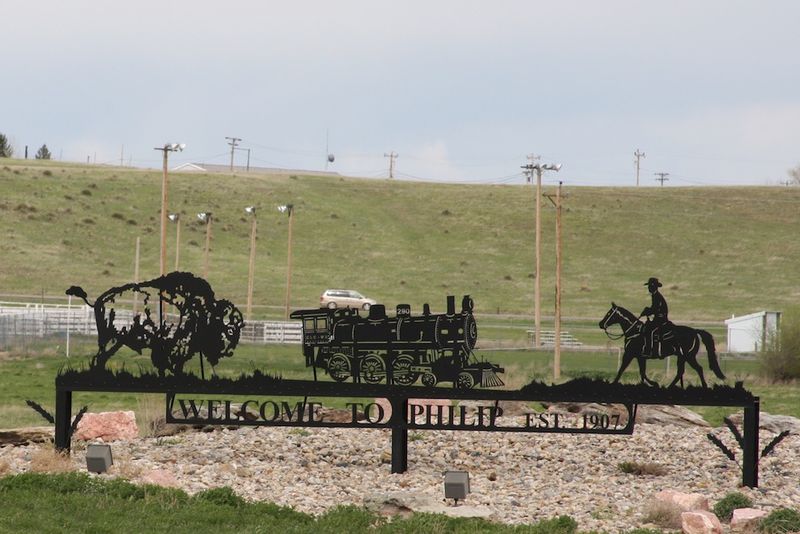
Philip runs on ranching. Haakon County is cattle and bison country, and Philip sits right at the center of that landscape.
The connection between agriculture and everyday life here is direct and easy to recognize, shaping both the pace of the town and its daily routines.
Bison and beef share the same pastures out here. Ranchers raise both because the land supports it, not because of trends or outside demand.
That proximity has shaped the broader food culture in this part of the state, where meals tend to reflect what’s produced nearby rather than what’s popular elsewhere.
What stands out about Philip is the lack of pretense. You won’t find a chalkboard explaining the ranch-to-table journey or menus trying to tell a story.
The approach to food feels practical and straightforward, shaped by familiarity with the land and the people who work it. That sense of familiarity carries through to the dining experience itself.
The town has a strong agricultural identity that shows up in community life and local traditions. It influences how people gather, how meals are prepared, and how consistency is valued over change.
That connection keeps the food culture grounded and steady over time.
Philip, SD 57567 is the kind of stop that rewards curiosity. It offers a clear sense of place, where food reflects the surrounding landscape and the routines of the people who call it home.
6. Murdo
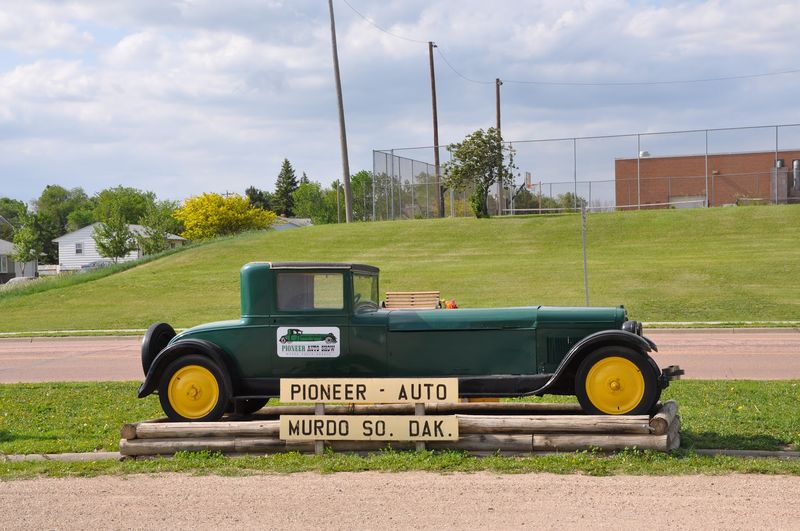
Murdo is the kind of town that interstate travelers speed past without a second thought. That’s their loss.
It’s a place where the food scene stays simple and focused on what works, without trying to impress or follow trends.
Honesty in food is underrated. Meals here don’t arrive with dramatic presentation.
They land on the table hot, straightforward, and ready. The flavors speak for themselves, built on familiarity rather than reinvention.
This town has been a stopover point for travelers crossing the Great Plains for generations. Long-haul truckers, ranch families, and road-trippers have all pulled off I-90 here.
That steady flow of people has shaped a dining culture built on consistency, where reliability matters more than novelty.
Bison ranching in this part of the region has long been a practical part of the landscape. Animals graze on open land, and that connection to agriculture still influences how food is approached across the area.
It’s a system built on proximity, where what’s available nearby naturally shapes what ends up on the table.
Murdo, SD 57559 deserves more than a fuel stop. The prairie wind outside is constant and real.
Time spent here feels grounded, and the experience reflects the pace and character of the surrounding plains.
7. Belvidere
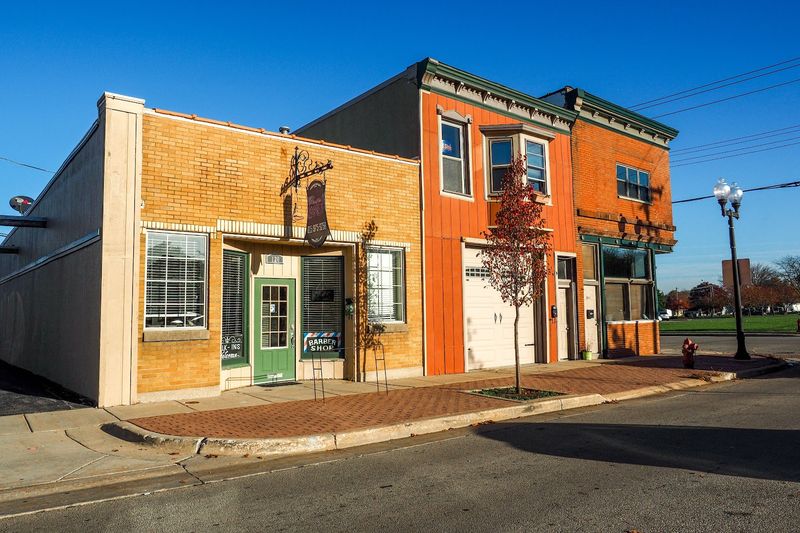
Belvidere is barely a dot on the map. The population is counted in dozens, not hundreds.
But the bison that roam the surrounding land have been here far longer than any human resident, and that matters.
There’s something grounding about spending time in a place where the connection to the land feels immediate. Ranch culture is visible and deeply rooted, shaped by generations who have worked this landscape.
Small communities like this one often get overlooked in food conversations. But they shouldn’t be.
The ranching knowledge here runs deep. Families have managed bison herds across this land for decades, and that experience influences the way food is understood in the region.
Belvidere sits just off I-90 in Jackson County. It’s the kind of exit most people take only for emergencies.
But if you stop intentionally, you’ll find a place that reflects a slower, more grounded way of life. The authenticity here isn’t curated.
It’s structural.
Belvidere, SD 57521 is proof that food culture doesn’t require population density to be meaningful. Sometimes the smallest communities carry the most genuine traditions, shaped directly by the land around them.
8. Midland
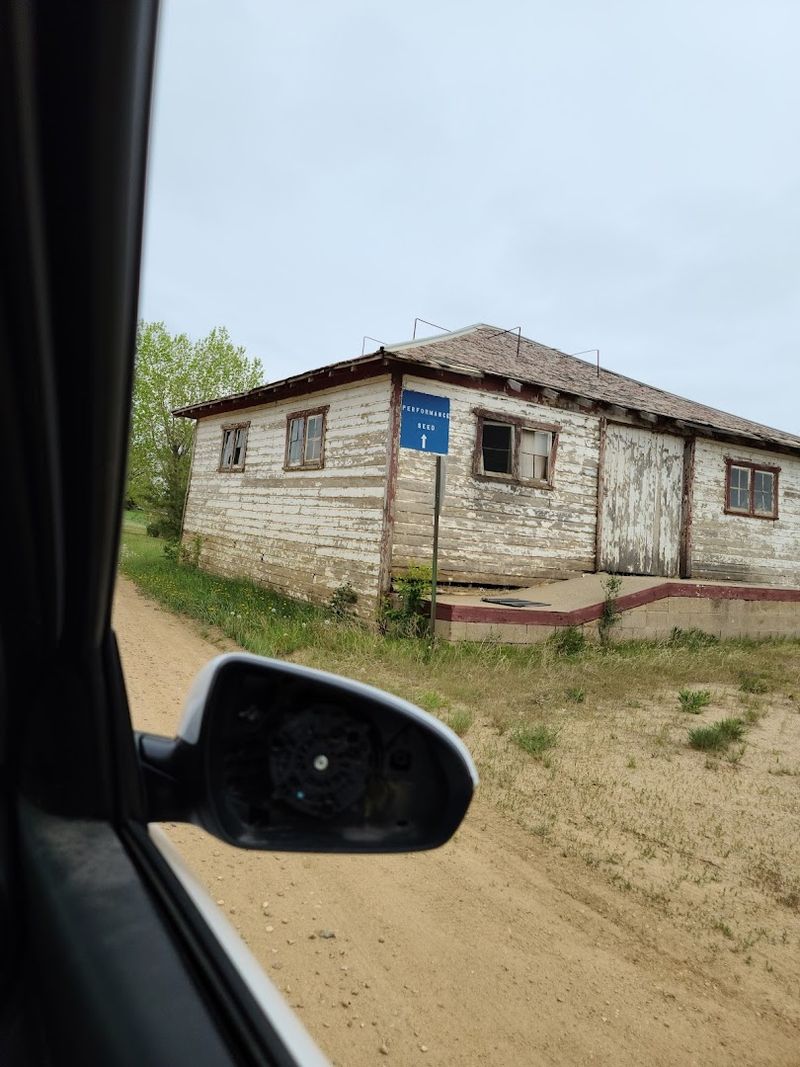
Haakon County has fewer people per square mile than almost anywhere else in the entire country. Midland sits quietly within that wide-open landscape, completely unbothered by outside opinions about what food should be.
Bison ranching here isn’t a lifestyle choice or a branding decision. It’s part of the regional economy.
Families raise bison because the land supports it and the market rewards it. Bison has long been part of the wider food culture in this part of South Dakota.
There’s a particular kind of food confidence that comes from isolation. When you’re this far from a city, you can’t fake it.
Ingredients tend to stay close to home, shaped by what the land provides rather than outside trends. That constraint often leads to simple, satisfying meals.
Midland’s ranching operations have supplied bison meat to local and regional markets for years. The community understands the land, the season, and the process.
That connection shows up in the way food is approached across the area.
Midland, SD 57552 sits deep in the kind of country that resets your sense of scale. The sky is enormous.
The town is small. The food feels grounded in something real, shaped by place rather than passing trends.
9. Martin
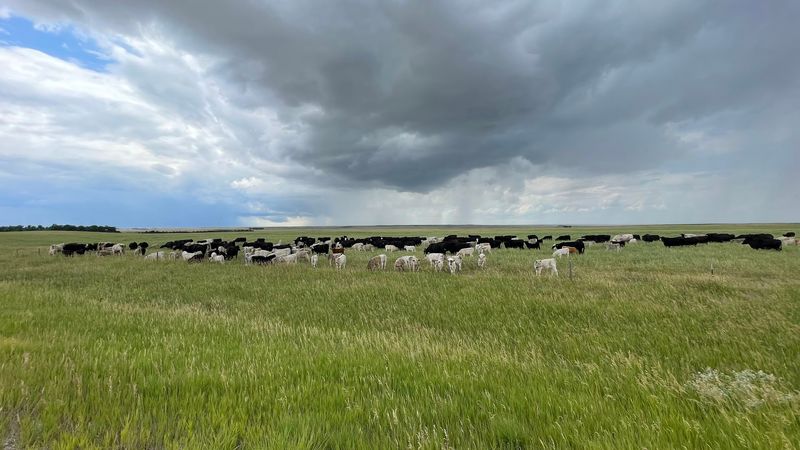
Martin is where ranch country and reservation land shake hands. Bennett County has always operated at that intersection, and the food here reflects that dual identity without making a big deal about it.
The buffalo burger in Martin isn’t imported from a specialty supplier. It comes from the surrounding landscape, where bison ranching has been part of the regional economy for a long time.
The menu here tells a geographic story more than a culinary one.
What makes Martin distinct is the layered context. You’ve got ranchers who raise bison commercially and Indigenous communities for whom bison holds deep cultural meaning.
Both influences shape what ends up on local plates. That’s a genuinely complex food culture.
The town serves as the county seat, which means it draws people from across a wide rural area. Ranchers, families, and travelers all pass through.
The local cafe absorbs that mix and serves food that reflects genuine regional foodways, not anything borrowed from a food magazine.
Martin, SD 57551 is easy to overlook on a map. But stop here and pay attention.
The buffalo burger on the menu carries the weight of real agricultural history. That’s not a selling point.
That’s just what happens when food grows directly from the land and the people who know it best.