These 14 Spring-Ready California Lakes Are Worth Planning A Trip Around
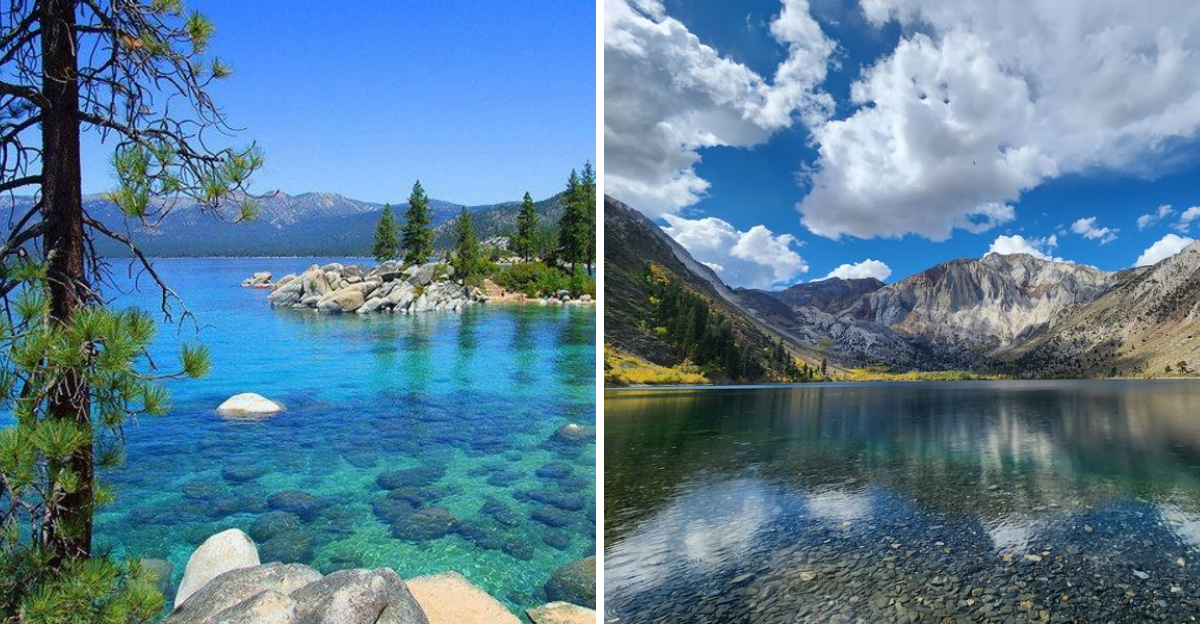
Spring has a way of transforming the outdoors into something worth leaving home for.
California happens to have some of the most stunning lake destinations in the country. From the towering Sierra Nevada to the rolling hills of wine country, the state is dotted with lakes that reward a visit when the weather starts warming up.
Wildflowers begin to bloom along the shorelines. Water levels tend to be higher after winter rainfall. The air carries that clean, refreshing quality that only comes with the season.
The plan might be kayaking at sunrise. It could be fishing from a quiet cove. Or simply sitting by the water with a good book. California lakes in spring offer something for just about every kind of traveler.
Each lake on this list has its own personality. Each one brings a different landscape and a reason to make the drive. Pack a bag. Check the road conditions. It’s the kind of trip that feels worth it from the moment it begins.
1. Donner Lake, Truckee
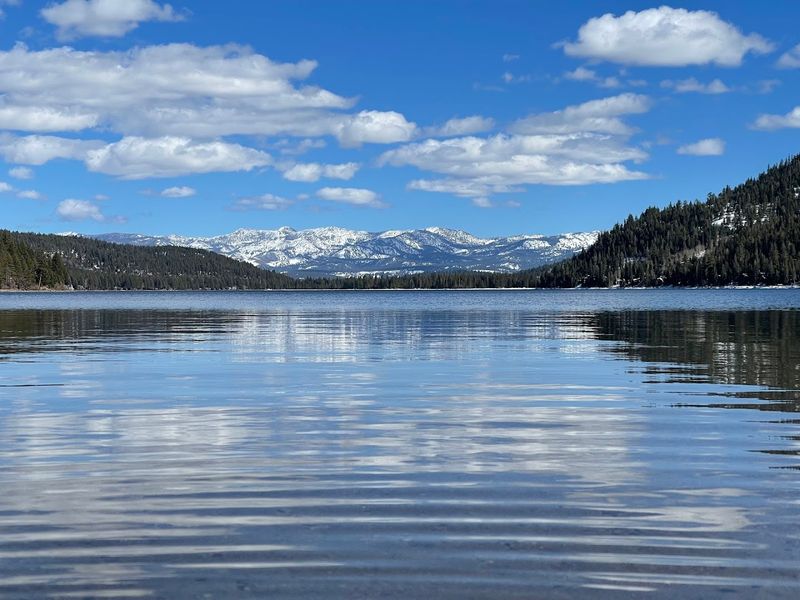
Tucked just west of Truckee in the Sierra Nevada, Donner Lake carries both natural beauty and a well-known piece of American history that adds a layer of depth to any visit.
The lake spans about three miles long and sits at roughly 5,936 feet in elevation, giving it a crisp mountain character even as spring temperatures begin to rise.
The surrounding Donner Memorial State Park preserves the area and offers a museum that provides historical context about the famous Donner Party who camped near this site in the winter of 1846 to 1847.
Spring brings a quieter energy to Donner Lake compared to the busy summer season, making it a good time for fishing, kayaking, or simply walking the shoreline trail without the usual crowds.
Trout fishing tends to pick up as the water warms slightly, and the lake is stocked regularly to support anglers of different skill levels.
The surrounding forest trails begin to clear of snow in late spring, opening up options for short hikes with rewarding mountain views.
The town of Truckee is just a short drive away and provides convenient access to food, gear rentals, and accommodations.
Mornings at Donner Lake tend to be especially calm, with the water often reflecting the ridgeline in a way that feels genuinely peaceful.
Arriving early on a weekday gives visitors the best chance to enjoy the lake at its most tranquil.
2. June Lake, June Lake
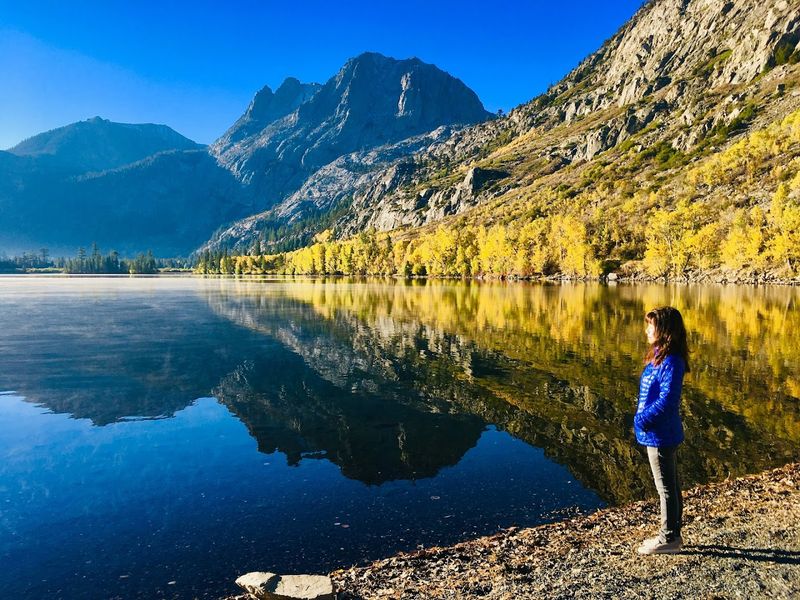
Nestled along the June Lake Loop in the Eastern Sierra, June Lake is one of those destinations that tends to surprise first-time visitors with how dramatically beautiful it actually is.
The deep blue water contrasts sharply against the rust-colored volcanic cliffs and snow-streaked ridges that frame the lake from multiple directions.
Spring arrives a bit later here than at lower elevations, but that delay is part of the appeal since the snowmelt feeds the lake and keeps the surrounding meadows lush and green well into June.
Fishing is a major draw at June Lake, with rainbow and brown trout regularly stocked throughout the season.
The lake is also popular for kayaking and paddleboarding, and rentals are typically available through local outfitters in the small town nearby.
The June Lake Loop road itself offers one of the more scenic drives in California, passing by several connected lakes including Gull Lake, Silver Lake, and Grant Lake within just a few miles.
The village of June Lake has a laid-back mountain town atmosphere with a handful of dining options and small shops that cater to outdoor visitors.
Spring weekends can draw a modest crowd of anglers and hikers, but the area rarely feels overwhelmed the way some more famous Sierra destinations can.
Bringing layers is always a good idea, as temperatures at this elevation can shift quickly between morning and afternoon.
3. Lake Almanor, Chester
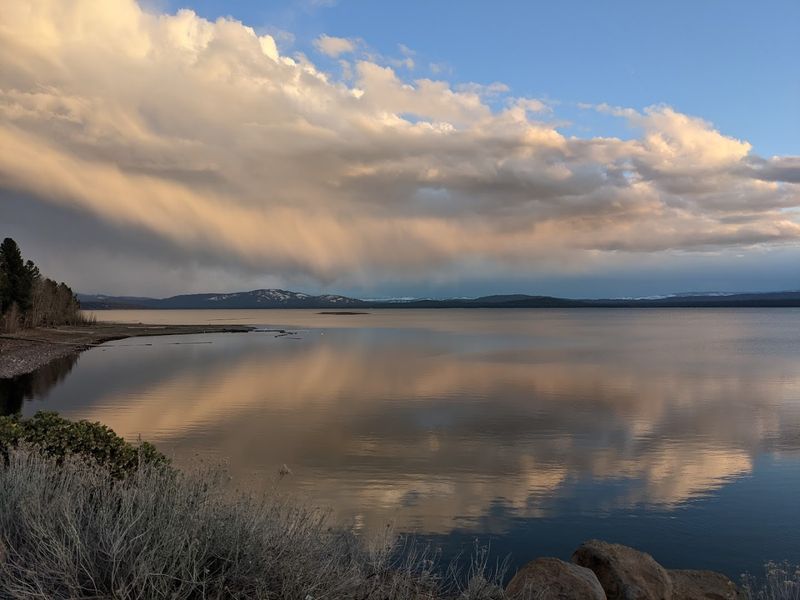
Lake Almanor is one of Northern California’s lesser-known gems, and that relative anonymity is a big part of what makes it so pleasant to visit.
Situated near the small town of Chester in Plumas County, the lake covers about 28 square miles and is ringed by pine forests that give it a serene, tucked-away feeling.
Spring brings blooming wildflowers to the surrounding meadows, and the snowmelt from nearby Mount Lassen and the Cascade Range keeps the lake levels full and the landscape lush.
Fishing is one of the main draws here, with rainbow trout, brown trout, and smallmouth bass all present in the lake.
Boating is also popular, and the relatively uncrowded waters in spring make for a relaxed experience whether the goal is fishing or just cruising the shoreline.
Hiking trails in the surrounding Plumas National Forest offer additional options for those who want to explore beyond the waterfront.
The town of Chester provides basic amenities including lodging, grocery stores, and a few local dining spots that serve the outdoor recreation community.
Lassen Volcanic National Park is a short drive away, which makes Lake Almanor a natural addition to a broader Northern California road trip.
Spring temperatures at this elevation tend to be mild during the day but can drop noticeably at night, so packing a warm layer is genuinely useful rather than just precautionary.
4. Shasta Lake, Redding
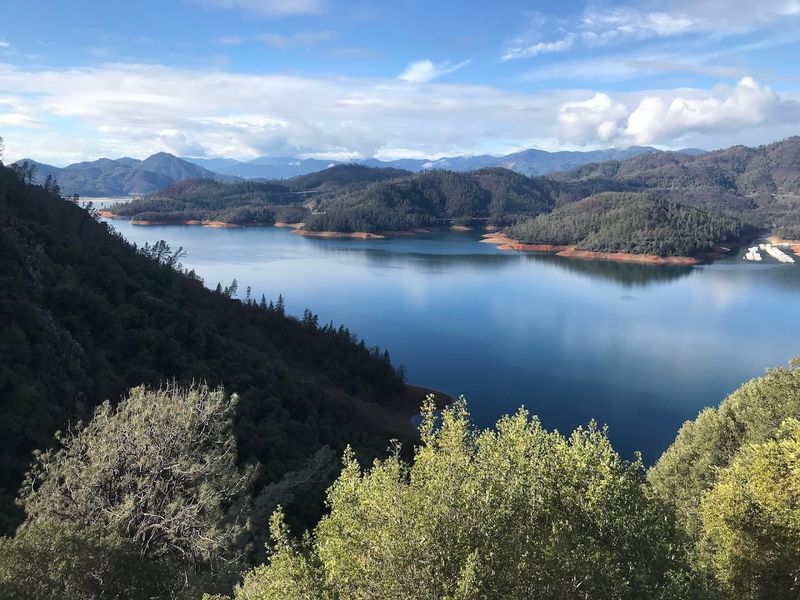
As California’s largest reservoir by storage capacity, Shasta Lake operates on a scale that can feel genuinely impressive when seen from above or from the water itself.
The lake has over 365 miles of shoreline with dozens of coves and inlets that make it a popular destination for houseboating, which is a particularly unique way to experience the area over a long weekend.
Spring tends to bring higher water levels following winter rainfall, which opens up more of the shoreline and makes navigation easier for boaters of all kinds.
Fishing at Shasta Lake is well regarded, with bass, trout, catfish, and kokanee salmon all found in its waters depending on the season.
The surrounding Shasta-Trinity National Forest provides trail access for hikers and mountain bikers looking to explore beyond the waterfront.
Shasta Dam, which created the reservoir, is located nearby and offers tours that provide an interesting look at the engineering history behind the lake’s existence.
The city of Redding serves as the main gateway to Shasta Lake, with a full range of hotels, restaurants, and outdoor gear shops available for visitors.
Spring weekends can get busy around the marina areas, especially as temperatures warm up and more boaters arrive from the Sacramento Valley.
Booking houseboat rentals well in advance is a practical necessity for spring trips, as availability tends to fill up faster than many visitors expect.
5. Trinity Lake, Trinity Center
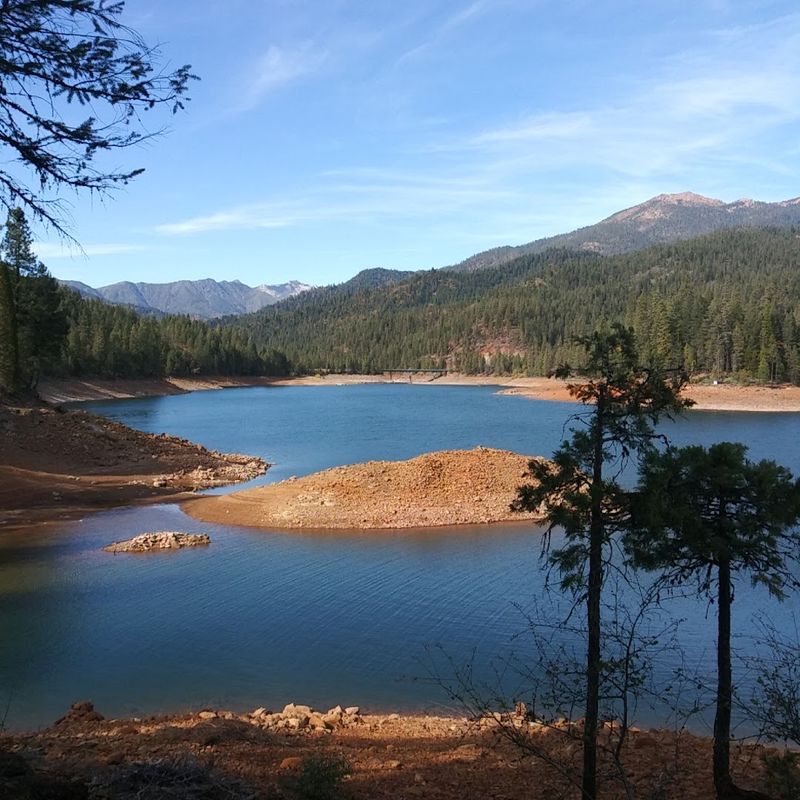
Hidden away in the Shasta-Trinity National Forest, Trinity Lake has a remote, unhurried quality that feels increasingly rare in a state as populated as California.
The lake sits at about 2,370 feet in elevation and is surrounded by forested ridges that reflect clearly in the calm water on still mornings.
Spring is an especially appealing time to visit because the surrounding hillsides turn a vivid green, wildflowers appear along the trails, and the lake itself tends to be at or near full capacity from winter precipitation.
Boating, waterskiing, and fishing are all popular activities, with kokanee salmon, trout, and bass among the species anglers pursue in the lake.
The area around Trinity Center is quiet and small, which contributes to the sense that visitors here are getting something off the beaten path rather than a heavily commercialized experience.
Several campgrounds line the shoreline, and spring camping here can feel genuinely peaceful given the relatively low visitor numbers compared to more famous California lakes.
Trinity Alps Wilderness, which borders the lake, offers serious hiking options for those willing to venture further into the backcountry.
Cell service in this area can be limited, so downloading maps and trail information before arriving is a practical suggestion rather than an optional one.
The drive to Trinity Lake through winding mountain roads is scenic in its own right and worth taking slowly to appreciate the landscape.
6. Berryessa Lake, Napa County
Lake Berryessa is Napa County’s best-kept secret for outdoor recreation, sitting just east of the famous wine region but drawing a completely different kind of visitor.
The lake stretches about 25 miles in length and is the largest lake entirely within Napa County, offering boating, fishing, camping, and swimming across its broad surface.
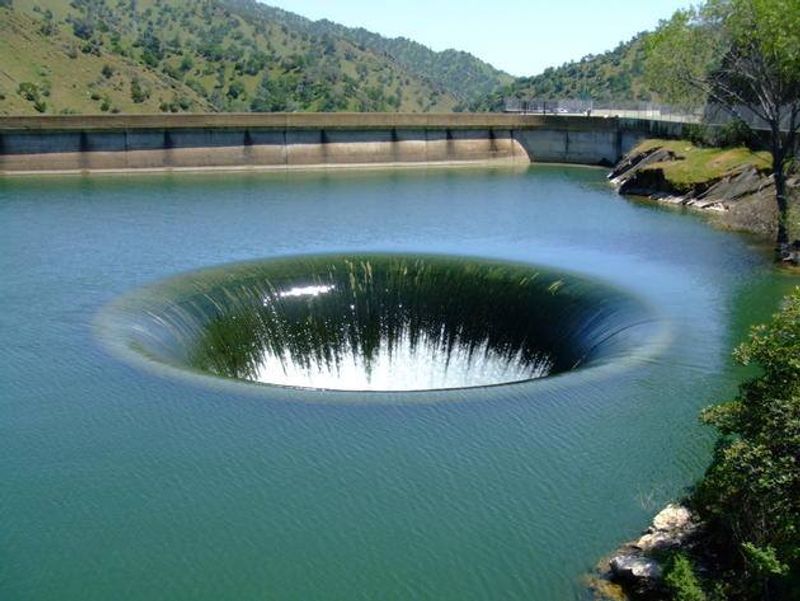
One of its most talked-about features is the Glory Hole spillway, a circular drain that becomes visually dramatic when the lake reaches capacity and water pours into it with considerable force.
Spring is a particularly scenic time to visit because the surrounding hills are covered in green grasses and wildflowers that contrast beautifully with the blue water below.
Bass and trout fishing are both productive during this season, and the lake’s numerous coves provide sheltered spots for kayakers and paddleboarders to explore at a relaxed pace.
Several day-use areas around the lake offer picnic facilities and boat launch access for visitors who plan ahead.
The lake is managed by the Bureau of Reclamation, and facilities at various recreation sites along the shoreline have seen updates in recent years that improved the overall visitor experience.
Spring weekends can bring moderate crowds, particularly from the Bay Area, so arriving early in the day helps secure a good spot.
Bringing sunscreen and plenty of water is genuinely important here, as the open hillside terrain offers limited natural shade during midday hours.
7. Folsom Lake, Folsom
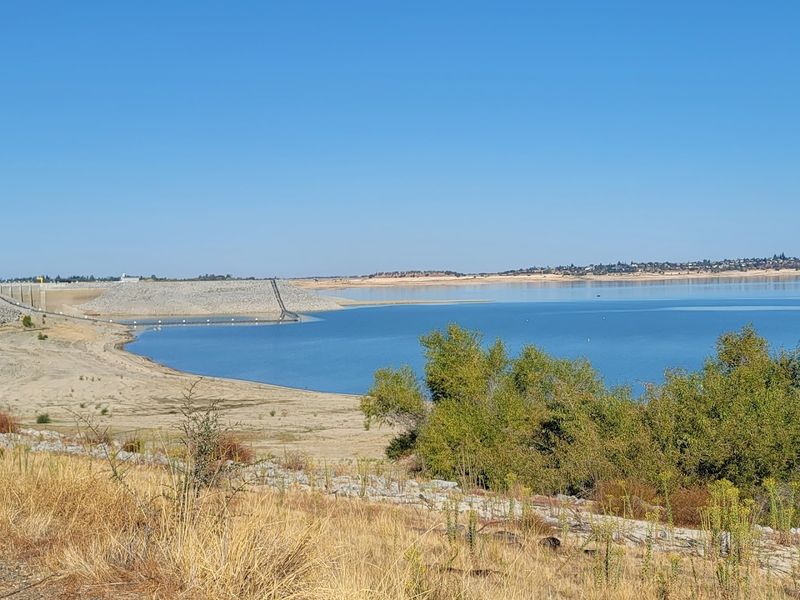
Sitting just east of Sacramento, Folsom Lake is one of the most accessible major reservoirs in the state for residents of the Central Valley and Bay Area alike.
The lake is part of Folsom Lake State Recreation Area, which covers over 18,000 acres and includes extensive trail networks, multiple boat launches, and several sandy beaches that fill up quickly on warm spring days.
Spring tends to bring the lake to higher water levels, which opens up more of the shoreline and makes the setting feel more expansive and inviting.
Mountain biking and hiking are hugely popular here, with trails like the Granite Bay and Rattlesnake Bar areas offering routes that range from easy flat paths to more challenging terrain with views over the water.
Fishing for bass, trout, and catfish is a regular activity throughout the spring, and the lake’s size means there is usually enough space for both boaters and shore anglers without too much conflict.
Equestrian trails also run through parts of the recreation area, adding another dimension to the outdoor options available.
Folsom itself is a well-developed city with plenty of dining, shopping, and lodging options that make a lake trip easy to extend into a full weekend.
Spring wildflowers along the trail corridors add color to what can otherwise be a fairly dry oak woodland landscape.
Weekday visits tend to feel noticeably calmer than weekends, especially from April onward when school groups and families begin arriving in larger numbers.
8. Pinecrest Lake, Pinecrest
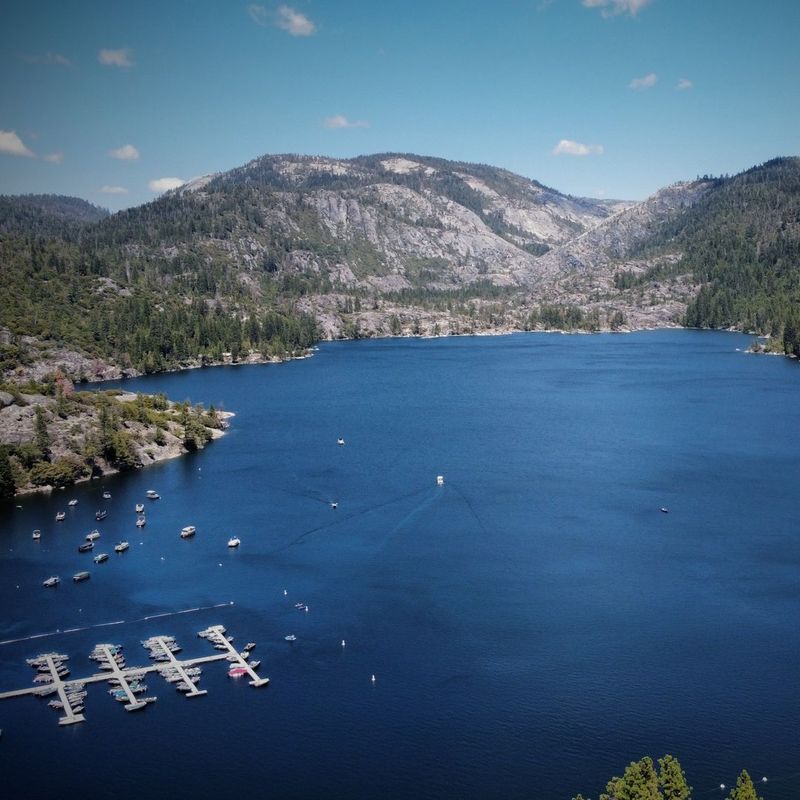
At an elevation of about 5,621 feet in the Stanislaus National Forest, Pinecrest Lake has the kind of classic Sierra Nevada character that tends to stay with visitors long after they leave.
The water is a clear blue-green color surrounded by granite outcroppings and towering pines, and a well-maintained loop trail circles the entire lake in just under three miles, making it a popular choice for families with younger hikers.
Spring here means snowmelt keeps the creek feeding the lake full and flowing, and the forest floor comes alive with ferns and small wildflowers pushing through the needle cover.
Swimming is a favorite summer activity, but spring visitors often find the water still cold enough to discourage swimming while still warm enough for comfortable shoreline exploration.
Fishing for rainbow trout is productive throughout spring, and the lake is regularly stocked to maintain healthy populations for anglers.
Pinecrest Lake Resort, located at the edge of the lake, offers cabin rentals, a marina with boat and paddleboard rentals, and a small general store that covers basic visitor needs.
The surrounding Dodge Ridge ski area is nearby and may still be operating in early spring, which makes Pinecrest a genuinely versatile destination depending on the timing of a visit.
The road to Pinecrest off Highway 108 is generally accessible in spring but can close temporarily after late storms, so checking conditions before heading up is always a sensible step.
Weekday mornings here feel especially unhurried and quiet.
9. Bass Lake, Bass Lake
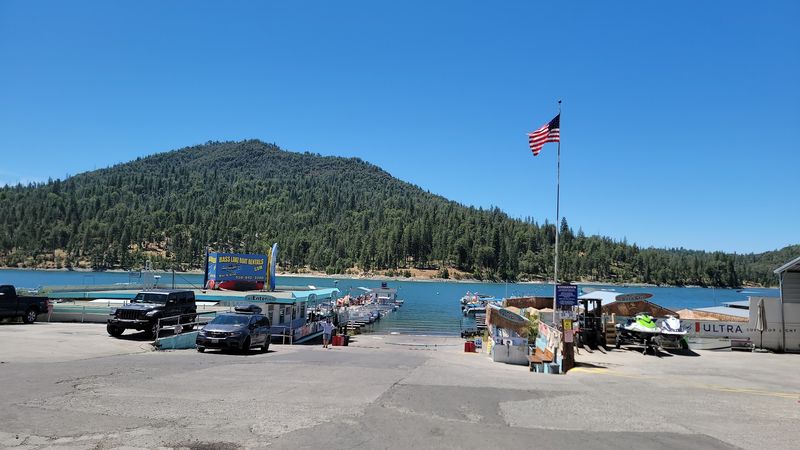
Located just a few miles south of Yosemite National Park’s southern entrance, Bass Lake sits at a comfortable elevation of about 3,400 feet and warms up noticeably faster in spring than the higher Sierra lakes nearby.
The lake is a popular spot for waterskiing, wakeboarding, and tubing, and the relatively warm water temperatures by late spring make it one of the more welcoming lakes in the region for water sports.
A paved road circles most of the lake, giving visitors easy access to several designated recreation areas, picnic spots, and boat launches.
Spring wildflowers bloom along the hillsides above the lake, and the surrounding Sierra National Forest offers hiking trails that connect to more remote terrain for those looking to extend the adventure beyond the shoreline.
The small community of Bass Lake has a marina, a handful of casual dining options, and cabin and vacation rental properties that make it easy to plan a multi-day stay.
Yosemite’s proximity means that combining a Bass Lake visit with a day trip into the park is a natural and practical option for travelers in the area.
Fishing for bass, catfish, and trout is a regular activity here, and the warmer water temperatures relative to higher-elevation lakes give Bass Lake a distinct character among Sierra destinations.
Spring weekends tend to draw families and groups from the Fresno area, so arriving early or mid-week helps avoid the busier periods.
The atmosphere here leans more toward relaxed fun than rugged wilderness, which suits a wide range of visitors.
10. Lake Tahoe, South Lake Tahoe
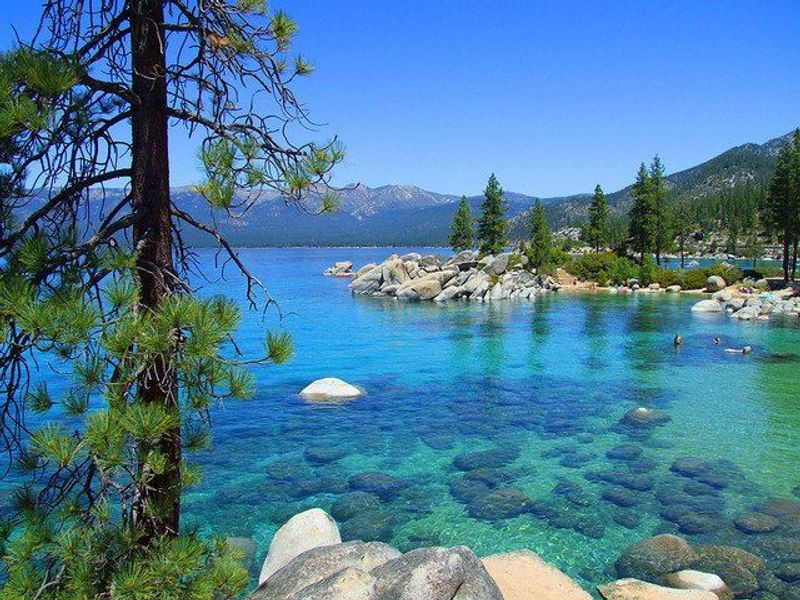
Few lakes in North America can match the sheer visual impact of Lake Tahoe, where the water shifts from turquoise near the shores to a deep cobalt blue toward the center.
Straddling the California-Nevada border, the lake sits at an elevation of about 6,225 feet and stays remarkably clear thanks to strict environmental protections that have been in place for decades.
Spring is a genuinely exciting time to visit, since snow may still dust the surrounding peaks while the lower trails begin to open up for hiking.
Visitors arriving in April and May can often enjoy a mix of late-season skiing in the morning and lakeside walks in the afternoon, which makes for a surprisingly full day.
Sand Harbor and Kings Beach are two popular spots along the shoreline where families tend to gather as temperatures climb.
The surrounding towns offer a solid range of lodging, dining, and outdoor rental options that cater to different budgets and travel styles.
Water clarity at Tahoe is genuinely remarkable, with visibility sometimes reaching 70 feet or more during clearer periods.
Spring weekdays tend to draw smaller crowds than summer weekends, so arriving mid-week could mean more breathing room at popular access points.
Planning ahead for parking and trail access is always a smart move during peak spring travel.
11. Big Bear Lake, Big Bear Lake
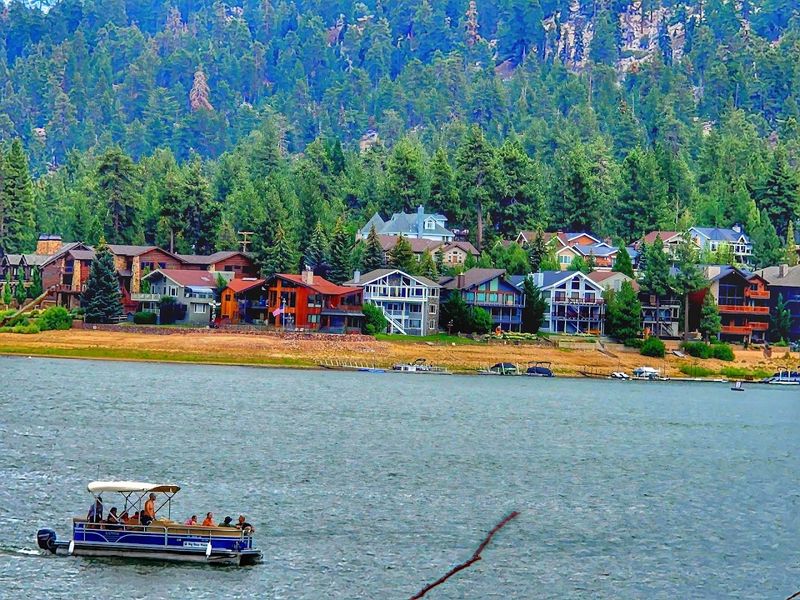
Perched at about 6,752 feet in the San Bernardino Mountains, Big Bear Lake offers a mountain escape that feels genuinely removed from the urban sprawl of Southern California despite being just a couple of hours from Los Angeles.
Spring here brings a pleasant overlap of seasons, with ski resorts like Bear Mountain and Snow Summit potentially still operating in early spring while hiking trails and the lakefront begin to open up for warmer-weather activities.
The lake itself covers about 3,000 acres and has a well-developed village area along its southern shore with shops, restaurants, and rental outfitters.
Boating, kayaking, and fishing are all popular spring activities, with trout stocked regularly and bass fishing picking up as water temperatures climb through April and May.
The Big Bear Discovery Center near Fawnskin on the north shore is a good starting point for learning about the local ecosystem and finding trail recommendations suited to different fitness levels.
Spring wildflowers along trails like the Cougar Crest and Castle Rock routes add color to hikes that already deliver strong views of the lake and surrounding ridges.
The town of Big Bear Lake has a comfortable small-town feel with a mix of year-round residents and weekend visitors that gives it a livelier atmosphere than more isolated mountain destinations.
Accommodation options range from budget-friendly motels to cozy cabin rentals that suit longer stays.
Spring weekends can get busy as Southern California residents look for relief from the heat building in the valleys below, so booking lodging in advance is a smart move.
12. Lake Arrowhead, Lake Arrowhead
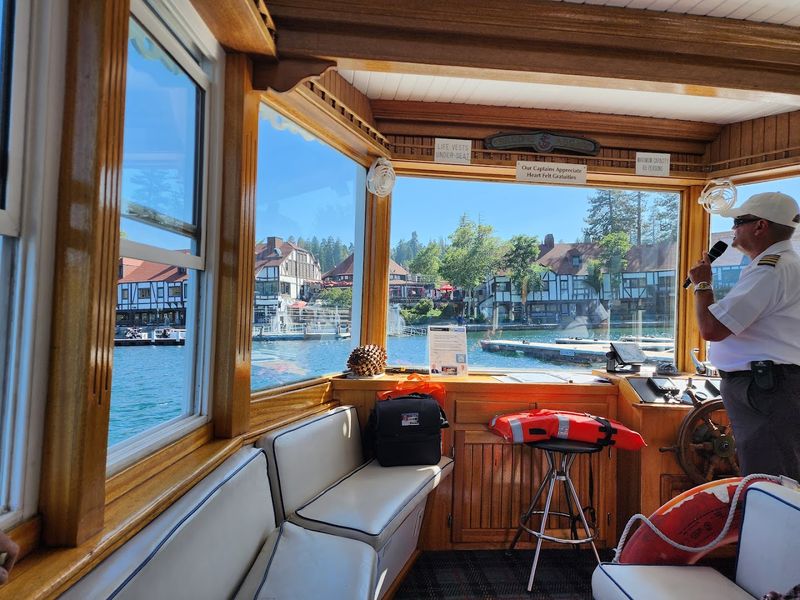
This lake has a certain storybook quality to it, with clear blue water tucked among tall pines and a charming village nearby that feels more like a mountain retreat than a typical California day-trip destination.
The lake is privately owned, which means public access to the water itself is limited primarily to guests of resort properties or those who arrange access through the Lake Arrowhead Resort and Spa.
That limited access actually works in the lake’s favor by keeping the water quieter and less congested than many other popular Southern California lakes during spring.
Lake Arrowhead Village, the commercial hub near the water, is open to the public and features shops, restaurants, and a lakefront boardwalk area where visitors can enjoy views of the water even without getting on it.
Arrowhead Lake Association members can access the lake directly for boating, fishing, and swimming, while day visitors tend to focus on the village and the surrounding hiking trails in the San Bernardino National Forest.
Trails like the Heaps Peak Arboretum loop offer an accessible spring walk through a forest that transitions beautifully between late winter and early spring conditions.
The drive up Highway 18 or Highway 138 to Lake Arrowhead is scenic and well-maintained, passing through mountain terrain that feels distinctly different from the desert landscape at lower elevations nearby.
Spring temperatures here tend to be mild and comfortable, making outdoor walking and exploring genuinely pleasant without requiring heavy gear.
The overall atmosphere leans toward relaxed and unhurried, which suits visitors looking for a calm mountain getaway rather than an action-packed outdoor itinerary.
13. Silverwood Lake, Hesperia
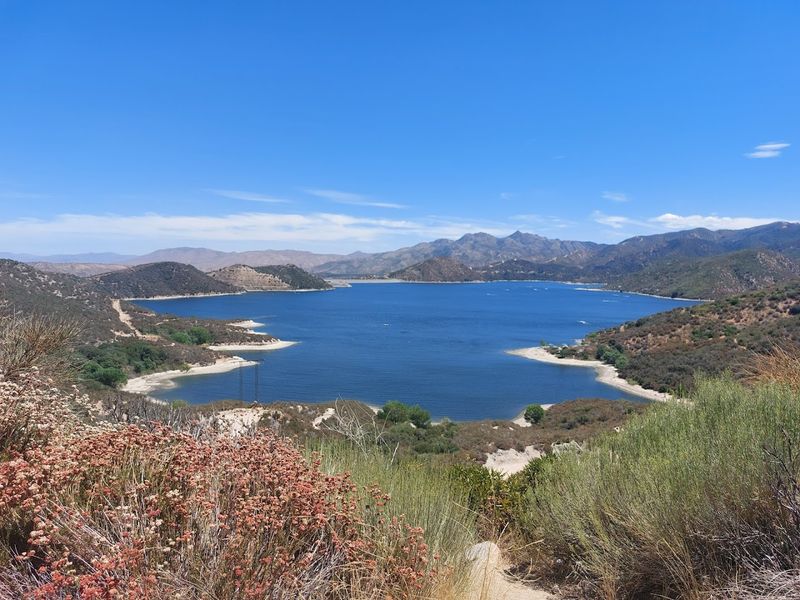
Silverwood Lake sits at about 3,350 feet in the San Bernardino Mountains and serves as the highest reservoir in the State Water Project, a fact that gives it a functional importance beyond its recreational appeal.
The lake is part of Silverwood Lake State Recreation Area, which covers roughly 2,200 acres and offers a well-rounded set of outdoor activities including boating, fishing, swimming, hiking, and cycling along a paved multi-use trail.
Spring tends to bring green chaparral and blooming wildflowers to the surrounding hillsides, which gives the landscape a more colorful and inviting look than the drier summer months ahead.
Fishing here covers a solid range of species including bass, catfish, bluegill, and trout, with the lake stocked regularly to support recreational fishing throughout the season.
The swimming area at Mesa Beach is a popular spot for families, and the relatively protected cove setting makes it calmer than open-water swimming areas at larger reservoirs.
The multi-use trail that runs through the recreation area is flat and accessible, making it a good option for casual cyclists and families with younger children.
Proximity to both the Inland Empire and the high desert means Silverwood Lake draws visitors from a broad geographic range, particularly on spring weekends when temperatures in the valleys below push people toward higher elevations.
Arriving early on weekend mornings helps secure a good parking spot and a quieter experience before the midday crowds arrive.
The combination of accessible facilities, varied activities, and spring scenery makes Silverwood a reliable and underappreciated destination in Southern California.
14. Convict Lake, Mammoth Lakes
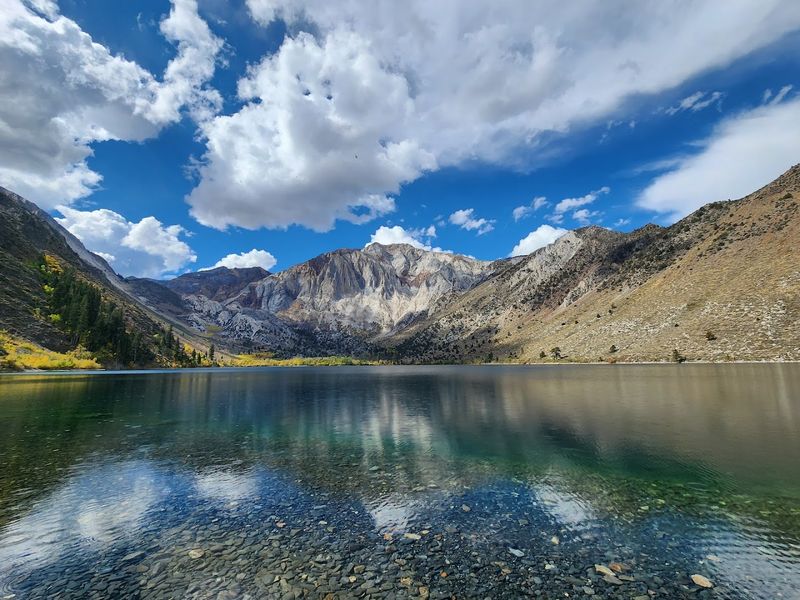
Just south of Mammoth Lakes, Convict Lake sits in a natural bowl surrounded by some of the most dramatic rock formations in the entire Eastern Sierra.
The water takes on a striking turquoise hue in spring, fed by snowmelt cascading down from the peaks above.
A relatively easy loop trail circles the lake, covering about 2.8 miles with minimal elevation gain, making it accessible for hikers of varying fitness levels who want a rewarding walk without a strenuous climb.
The lake gets its unusual name from an 1871 incident involving escaped convicts who were pursued into the area by a posse, a story that adds a bit of rugged frontier history to an already memorable setting.
Fishing at Convict Lake is considered excellent by Eastern Sierra standards, with large brown trout known to inhabit the deeper sections of the water.
A small resort near the lake offers boat rentals, a marina, and a restaurant that serves as a convenient base for visitors spending a full day in the area.
Spring visits tend to offer cleaner air, fewer crowds, and the visual bonus of snow still clinging to the upper peaks while the lower meadows come to life.
The access road typically opens in spring once snow conditions allow, so checking current road status before visiting is a practical step.
Mornings here are especially quiet and the light on the water during early hours tends to be particularly striking.