These Stunning Interiors Make The Garden Room Georgia A Must-Visit Spot In 2026
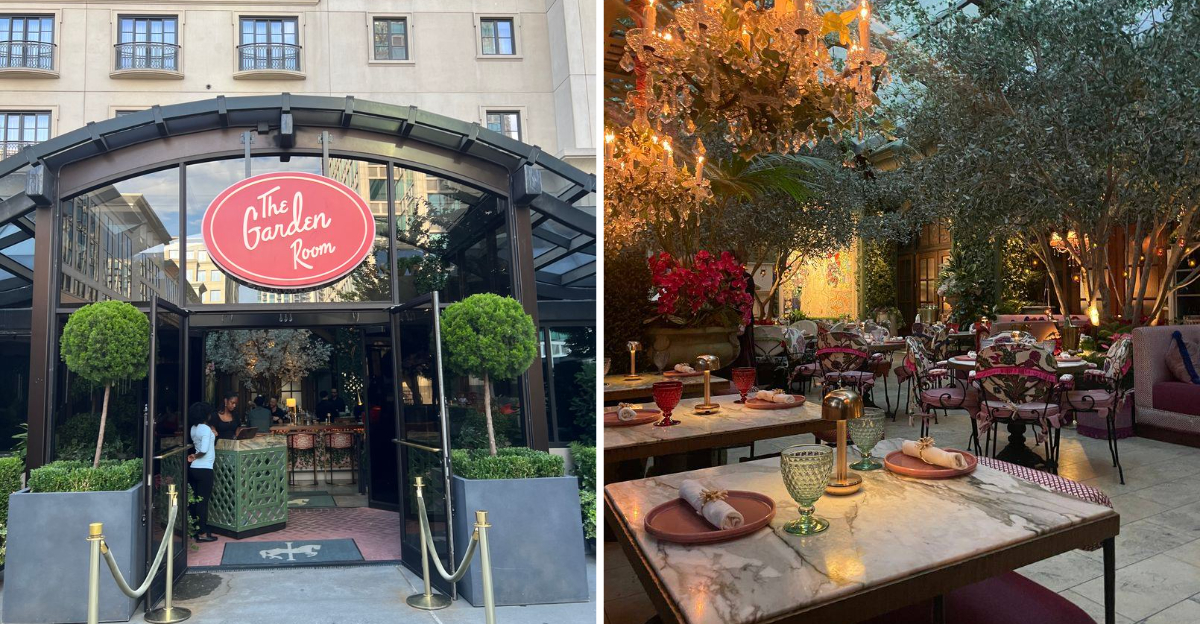
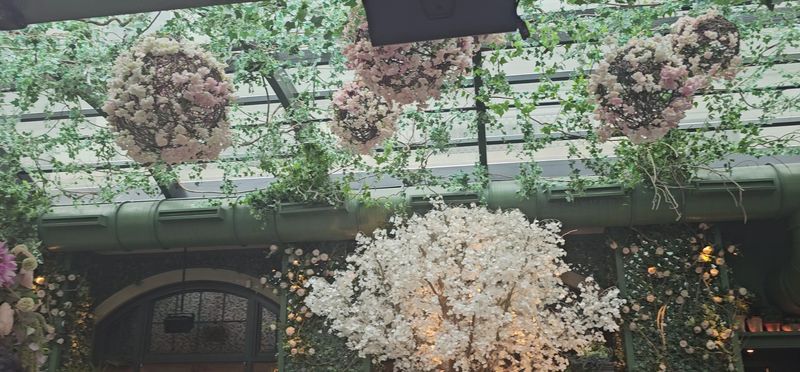
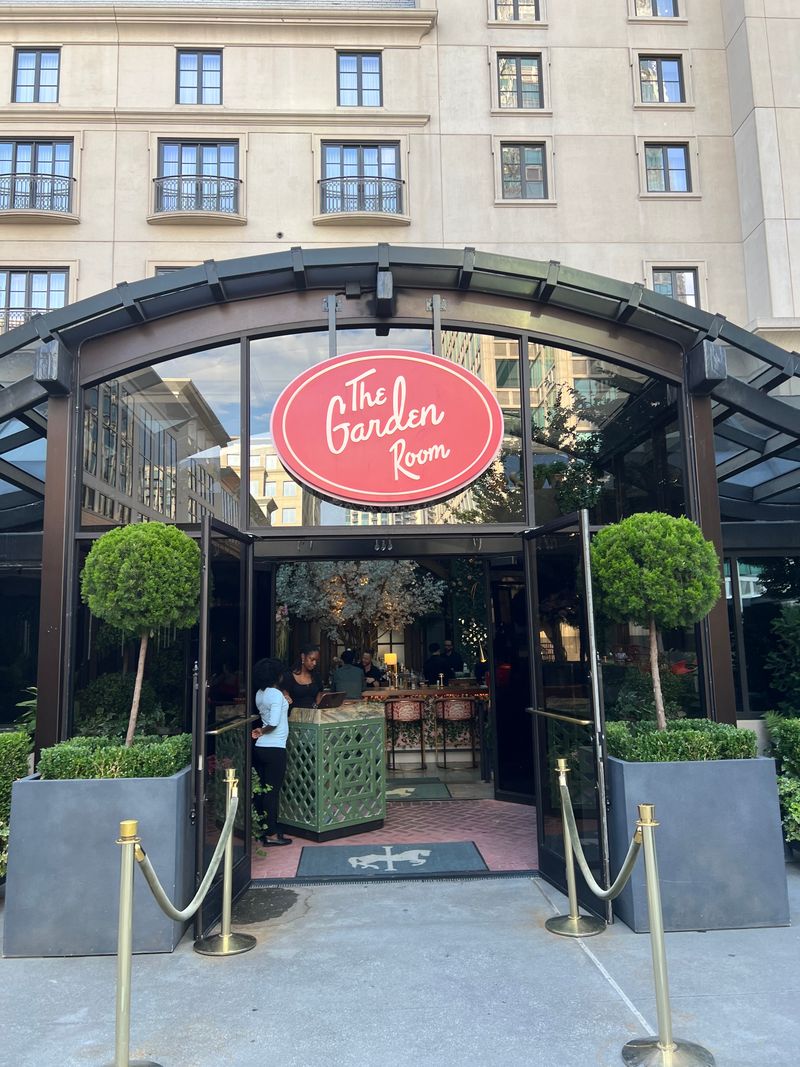
Picture walking into a space where classic Georgian charm blends seamlessly with modern elegance, creating an atmosphere that feels both inviting and unforgettable. The Garden Room in Atlanta, located at 88 West Paces Ferry Road NW, delivers exactly that kind of immersive experience. From the moment you step inside, the design surrounds you with lush greenery, glowing light, and intricate details that feel thoughtfully curated rather than overdone.
Every corner reveals something new to admire, from handcrafted finishes to artistic décor that balances sophistication with warmth. The ambiance feels transportive, as though you have entered a hidden conservatory tucked away from the city’s pace. Soft lighting, layered textures, and garden inspired elements work together to create a setting that feels perfect for special occasions or memorable evenings out.
Whether it is your first visit or a long awaited return, The Garden Room offers an interior experience that is as captivating as it is beautifully designed.
1. Authentic Georgian Architectural Elements
Walking through doorways that have stood for generations creates an instant connection to Georgia’s past. The architectural bones of The Garden Room showcase authentic Georgian design principles that date back centuries. You’ll find yourself surrounded by graceful arches, sturdy stone walls, and proportions that reflect the mathematical precision Georgian builders valued.
The ceiling heights alone will make you pause and appreciate the craftsmanship of another era. Natural light filters through windows positioned with intention, creating shadows and highlights that change throughout the day.
Every structural element serves both beauty and function, a hallmark of Georgian design philosophy. The walls tell silent stories of the families and communities who gathered in similar spaces across generations. Standing beneath these ceilings, you become part of a living architectural tradition that continues to inspire modern designers worldwide.
2. Hand-Painted Frescoes and Wall Art
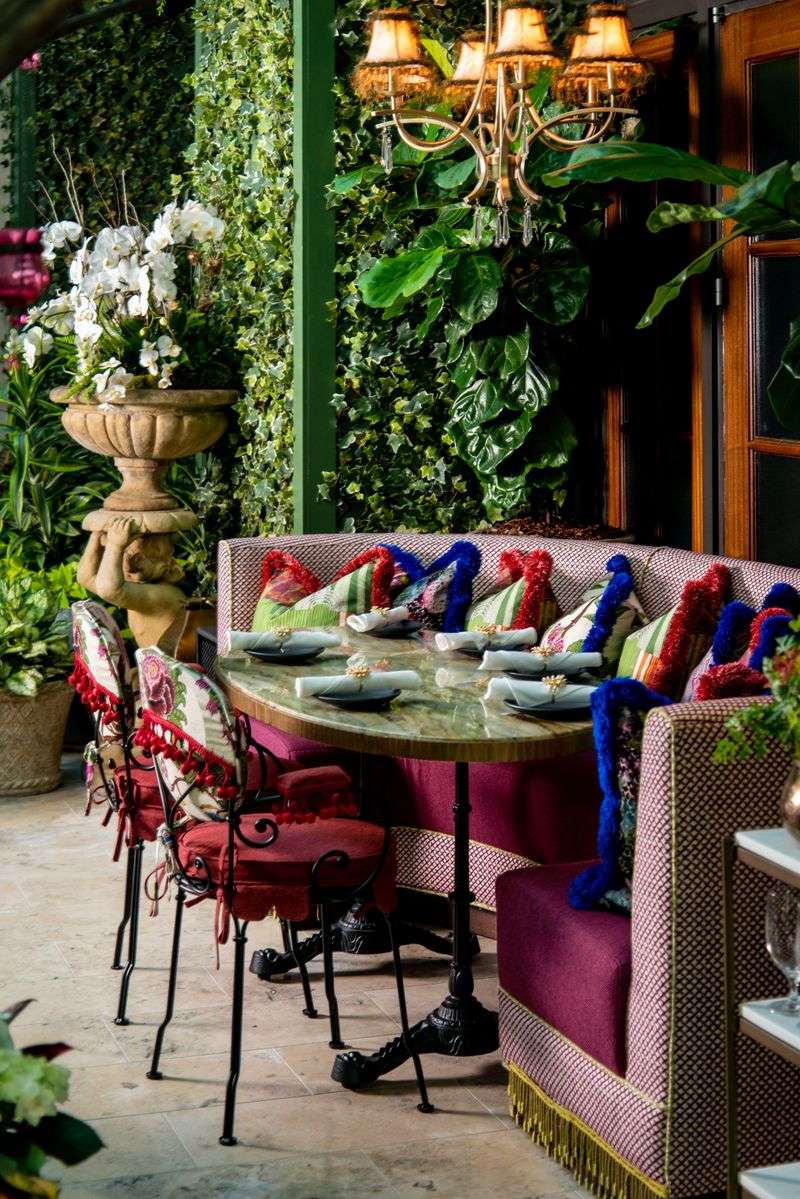
Artists spent countless hours creating the visual masterpieces that adorn The Garden Room’s walls. These aren’t mass-produced decorations but genuine hand-painted works that reflect Georgia’s artistic heritage. Each brushstroke carries the personality of the artist who created it, making every fresco completely unique.
Traditional Georgian motifs blend with contemporary interpretations, creating a visual language that speaks to both history and innovation. The color palette draws from natural pigments that have been used in Georgian art for centuries. You’ll notice how the paintings interact with natural light, revealing different details as the sun moves across the sky.
Some frescoes depict scenes from Georgian folklore, while others celebrate the country’s legendary wine culture and agricultural abundance. The attention to detail becomes more impressive the longer you study each piece. These walls transform ordinary rooms into galleries where art and daily life coexist seamlessly, inviting you to discover something new with each visit.
3. Traditional Georgian Textile Displays
Fabric tells stories in ways that words sometimes cannot, and The Garden Room understands this perfectly. Throughout the space, you’ll encounter textiles that represent generations of Georgian weaving traditions. These aren’t just decorative pieces but cultural artifacts that connect visitors to the skilled hands that created them.
The patterns you see have meanings rooted in Georgian symbolism, with each color and design element representing specific concepts or regional traditions. Wool, silk, and cotton blend in combinations that showcase the diversity of Georgia’s textile heritage. Some pieces serve as wall hangings, while others function as cushions, throws, or table coverings.
The textures invite touch, though you’ll want to admire them respectfully given their cultural significance and craftsmanship. Many textiles feature the famous Georgian color combinations that have influenced fashion designers worldwide. Standing among these woven treasures, you gain appreciation for the patience and skill required to create such intricate patterns by hand.
4. Vintage Georgian Furniture Collection
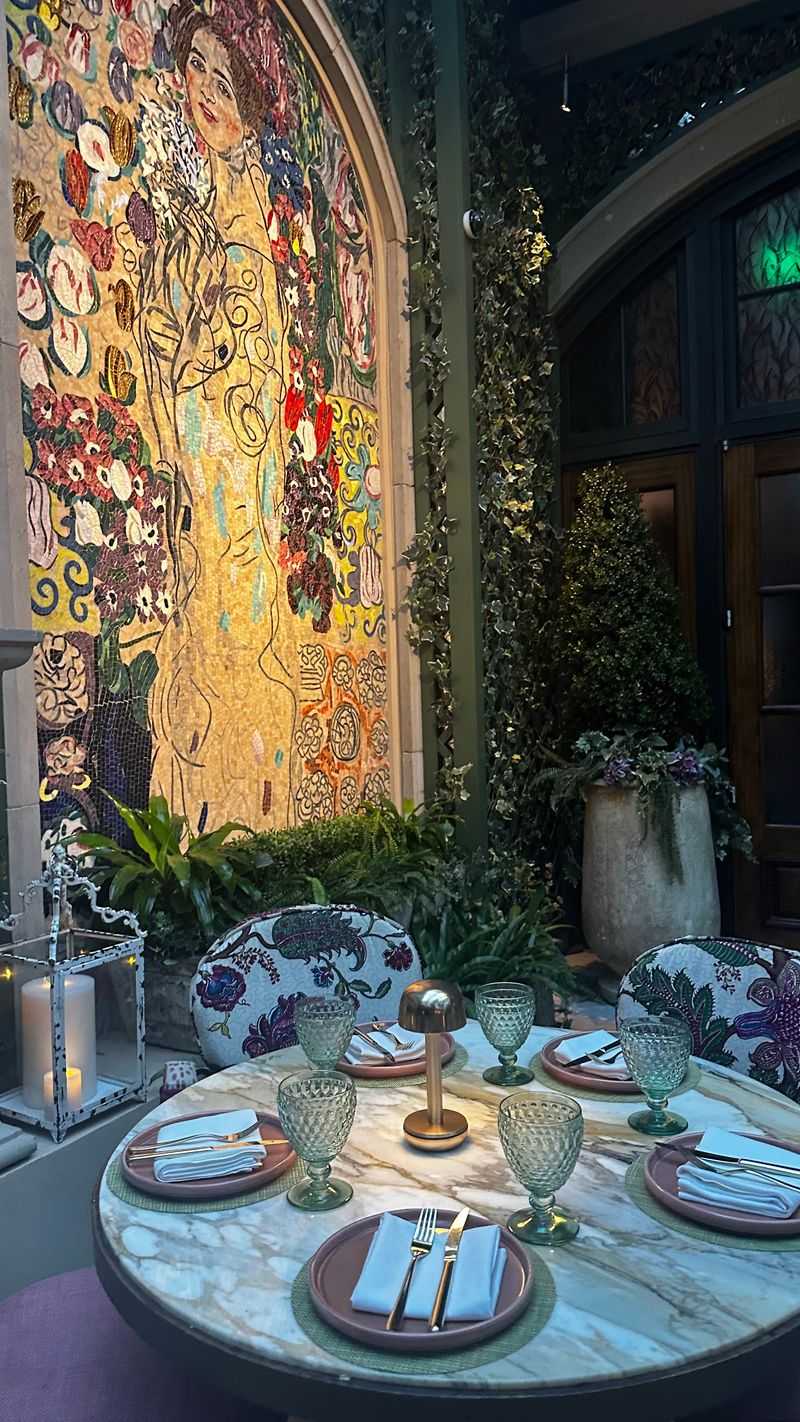
Furniture can be functional or it can be art, and at The Garden Room, it manages to be both simultaneously. The collection includes pieces that range from simple country designs to elaborate urban styles that once graced aristocratic homes. Each item has been carefully selected to represent different periods and regions of Georgian furniture-making traditions.
Carved wood details showcase the technical abilities of Georgian craftsmen who worked without modern power tools. The joinery techniques used in these pieces have allowed them to survive decades or even centuries of use. You’ll notice how the furniture proportions feel perfectly suited to human comfort despite being created long before ergonomics became a science.
Some pieces retain their original finishes, showing the beautiful patina that only time can create. Others have been lovingly restored to protect them for future generations while maintaining their authentic character. Sitting in these chairs or admiring these tables, you experience Georgian daily life from a tangible, intimate perspective that photographs cannot capture.
5. Contemporary Georgian Art Integration
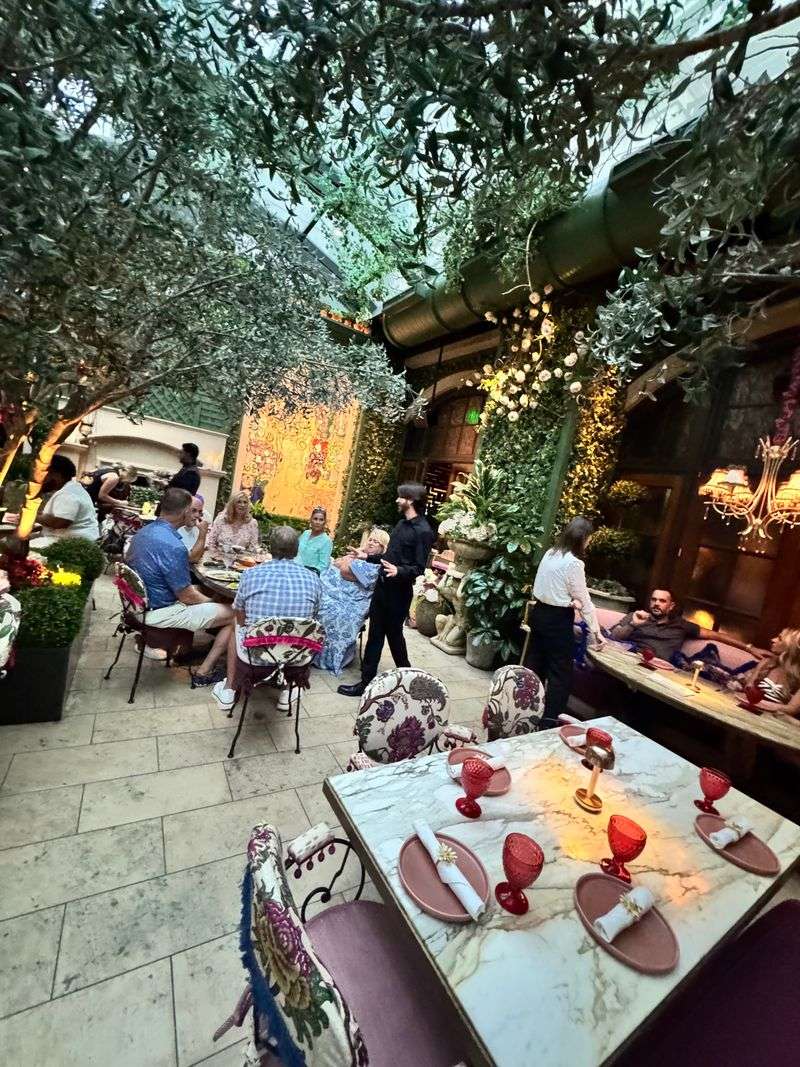
Modern Georgian artists bring fresh perspectives while honoring their cultural roots, and The Garden Room celebrates this creative evolution. The contemporary art pieces displayed throughout the space prove that Georgian creativity didn’t stop with historical traditions. You’ll encounter paintings, sculptures, and mixed-media works that address current themes through a distinctly Georgian lens.
These modern pieces create fascinating dialogues with the traditional elements surrounding them, showing continuity rather than conflict between old and new. The artists represented come from various regions across Georgia, each bringing their unique geographical and cultural perspectives. Some works reference ancient Georgian symbols reimagined for contemporary contexts, creating bridges between generations.
The curation demonstrates thoughtful consideration of how art influences the atmosphere and emotional experience of a space. Colors, themes, and styles have been selected to complement rather than compete with the room’s overall aesthetic. Experiencing this blend of traditional and contemporary Georgian art helps you understand the country’s dynamic cultural identity beyond tourist stereotypes.
6. Natural Stone and Wood Materials
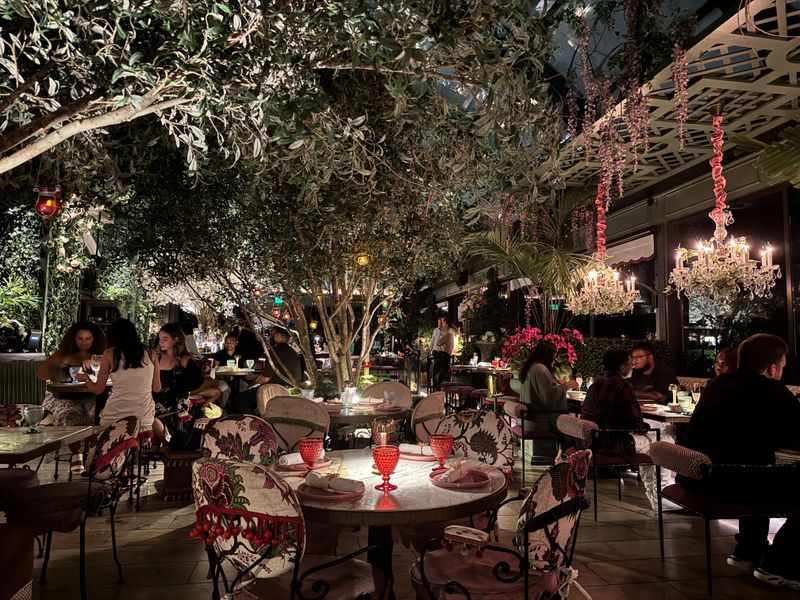
Materials matter more than most people realize when creating spaces that feel authentic and grounding. The Garden Room prioritizes natural stone and wood sourced from Georgian landscapes, creating direct connections between interior spaces and the country’s physical geography. These materials bring warmth and texture that synthetic alternatives simply cannot replicate.
Stone walls regulate temperature naturally, keeping spaces cool in Georgia’s hot summers and retaining warmth during winter months. The wood used throughout shows the grain patterns and color variations that make each board unique. You can actually feel the difference when touching these natural surfaces compared to manufactured materials.
The decision to use local materials also reduces environmental impact while supporting Georgian quarries and forestry operations. Age has enhanced rather than diminished these materials, with stone developing character and wood gaining deeper tones over time. Standing surrounded by these elements, you experience the same materials that have sheltered Georgians for centuries, creating an almost primal sense of connection and security.
7. Traditional Georgian Wine Cellar Design
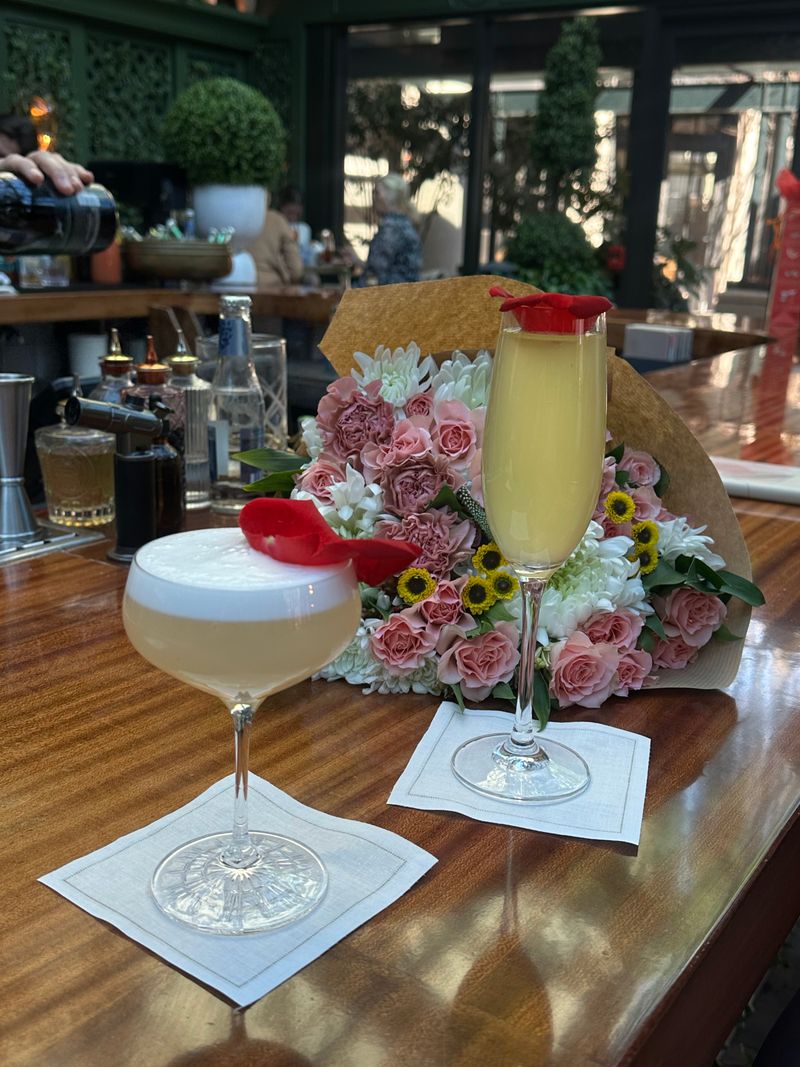
Georgia claims the title of birthplace of wine, with archaeological evidence dating viticulture here back 8,000 years. The Garden Room honors this heritage with wine cellar design elements that showcase traditional Georgian winemaking methods. You’ll see the famous qvevri vessels, large clay containers that are buried in the ground for natural temperature regulation during fermentation.
The cellar design incorporates both functional storage and educational display elements that help visitors understand Georgia’s unique wine culture. Temperature and humidity remain consistent through traditional building techniques rather than modern climate control systems. Wooden racks hold bottles from various Georgian wine regions, representing the country’s incredible grape variety diversity.
The lighting has been carefully designed to protect wine while allowing visitors to appreciate the cellar’s atmospheric qualities. Stone walls and earthen floors create the ideal environment that Georgian winemakers have relied upon for millennia. Even if you’re not a wine expert, spending time in this space helps you understand why Georgian wine culture received UNESCO recognition as intangible cultural heritage.
8. Handcrafted Georgian Pottery Displays
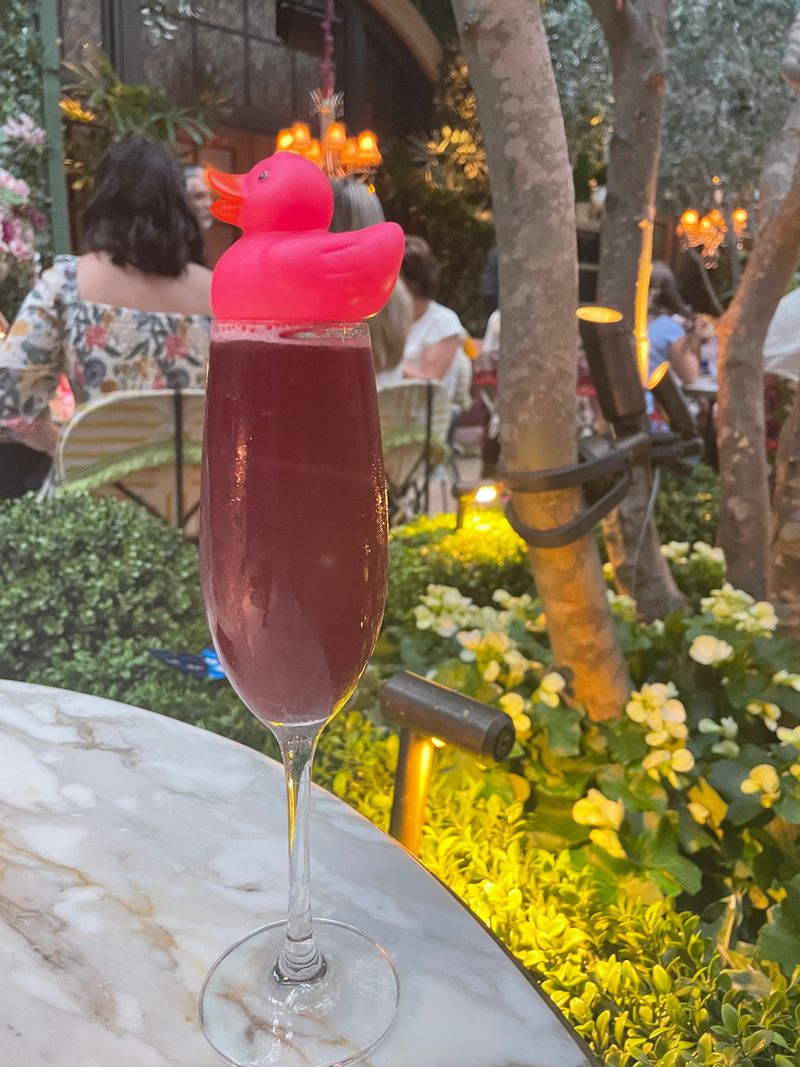
Clay transformed by fire becomes vessels that serve both practical needs and aesthetic desires. The pottery displayed throughout The Garden Room represents various Georgian ceramic traditions, from simple utilitarian pieces to elaborate decorative works. Each region of Georgia developed its own pottery styles, influenced by local clay compositions and cultural preferences.
You’ll notice the distinctive shapes that Georgian potters have refined over generations, with forms designed for specific purposes like wine service, food storage, or water carrying. The glazes show color ranges from earthy browns and deep reds to occasional blues and greens created from natural mineral sources. Many pieces feature hand-carved or stamped decorations that identify their makers and origins.
The display arrangement allows you to compare pieces from different eras and regions, seeing how techniques evolved while maintaining core traditions. Some pottery shows the intentional asymmetry that marks handmade work, reminding us that perfection and beauty aren’t always the same thing. Holding or closely examining these pieces connects you to the countless Georgian potters who shaped clay into objects that transcend mere function.
9. Ornate Georgian Metalwork Details

Metal shaped by skilled hands becomes sculpture that serves architectural purposes. The metalwork throughout The Garden Room demonstrates the high level of craftsmanship that Georgian metalworkers achieved using traditional forging techniques. You’ll find wrought iron, bronze, and copper elements that combine strength with delicate decorative details.
Door handles, hinges, railings, and light fixtures all showcase the attention Georgian craftsmen paid to objects that many modern buildings treat as afterthoughts. The designs often incorporate natural motifs like grape vines, leaves, and geometric patterns that reference Georgian cultural symbols. Each piece was individually crafted rather than mass-produced, giving them character that machine-made alternatives lack.
The patina that has developed on older metalwork adds depth and visual interest that new metal cannot replicate. You can see hammer marks and subtle irregularities that prove human hands shaped these elements. The functional durability of this metalwork explains why so many Georgian buildings still feature their original metal elements after centuries of use, testament to both material quality and craftsmanship excellence.
10. Traditional Georgian Lighting Design
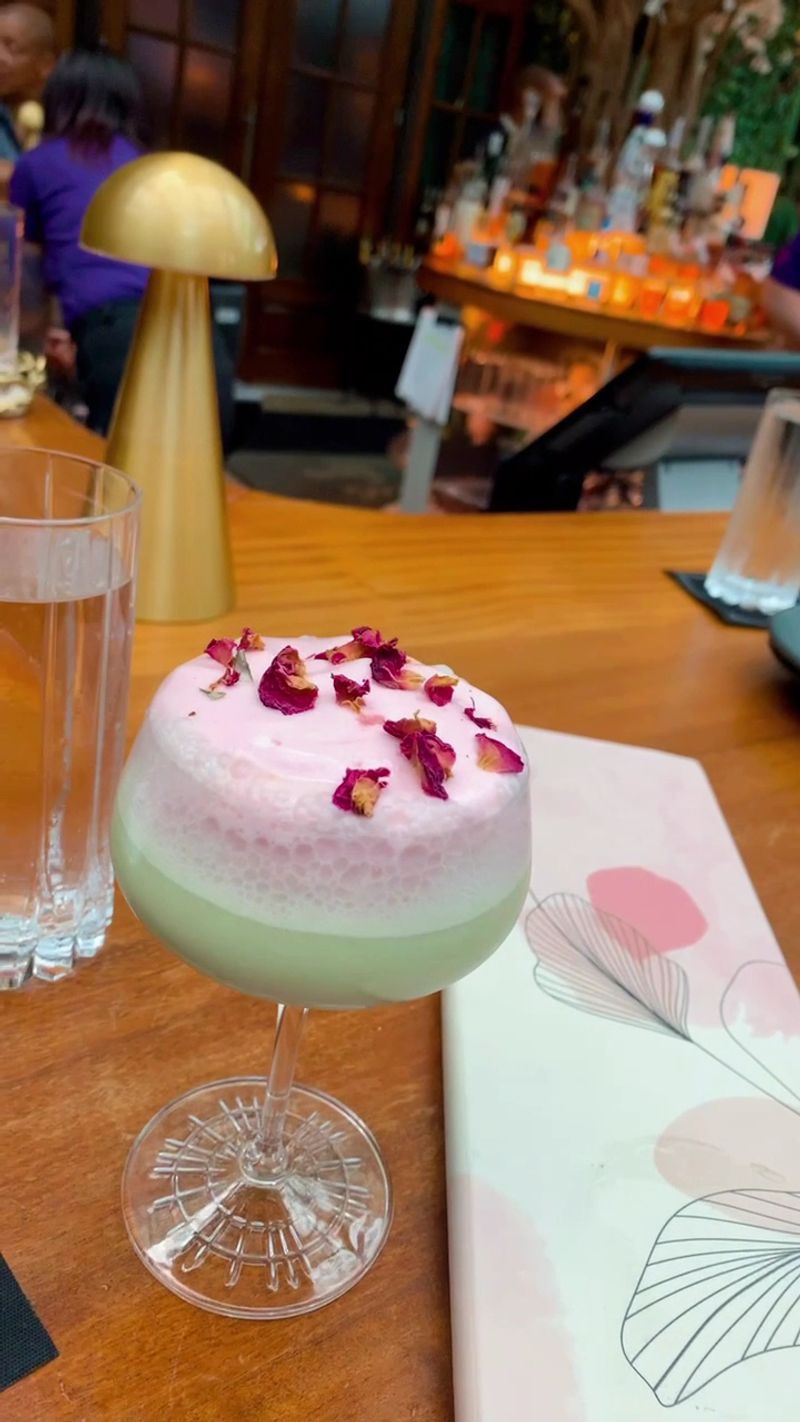
Light transforms spaces more dramatically than almost any other design element. The Garden Room uses lighting that references traditional Georgian approaches while incorporating modern technology for practicality. You’ll see fixtures that echo designs used in Georgian homes for centuries, from simple candle holders to elaborate chandeliers.
The lighting philosophy prioritizes warm, layered illumination that creates atmosphere rather than harsh, uniform brightness. Multiple light sources at different heights mimic the natural variation of candlelight and firelight that Georgians relied upon historically. Materials like brass, copper, and iron feature prominently in fixture construction, often combined with glass or fabric shades.
The placement of lights highlights architectural features, artwork, and gathering spaces in ways that guide your attention and movement through the room. Dimmers allow adjustment for different times of day and activities, maintaining flexibility within traditional aesthetics. Evening hours showcase the lighting design most effectively, when the warm glow creates an intimate atmosphere that invites conversation and connection among visitors.
11. Georgian Garden-Inspired Indoor Elements
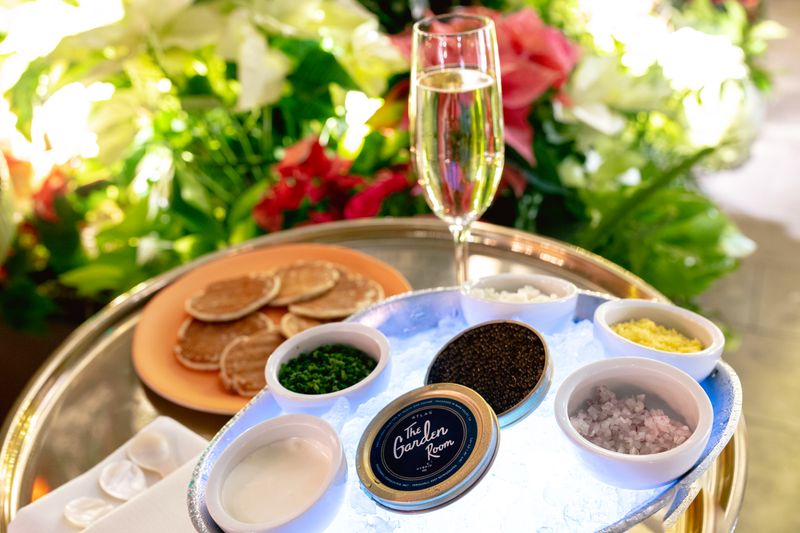
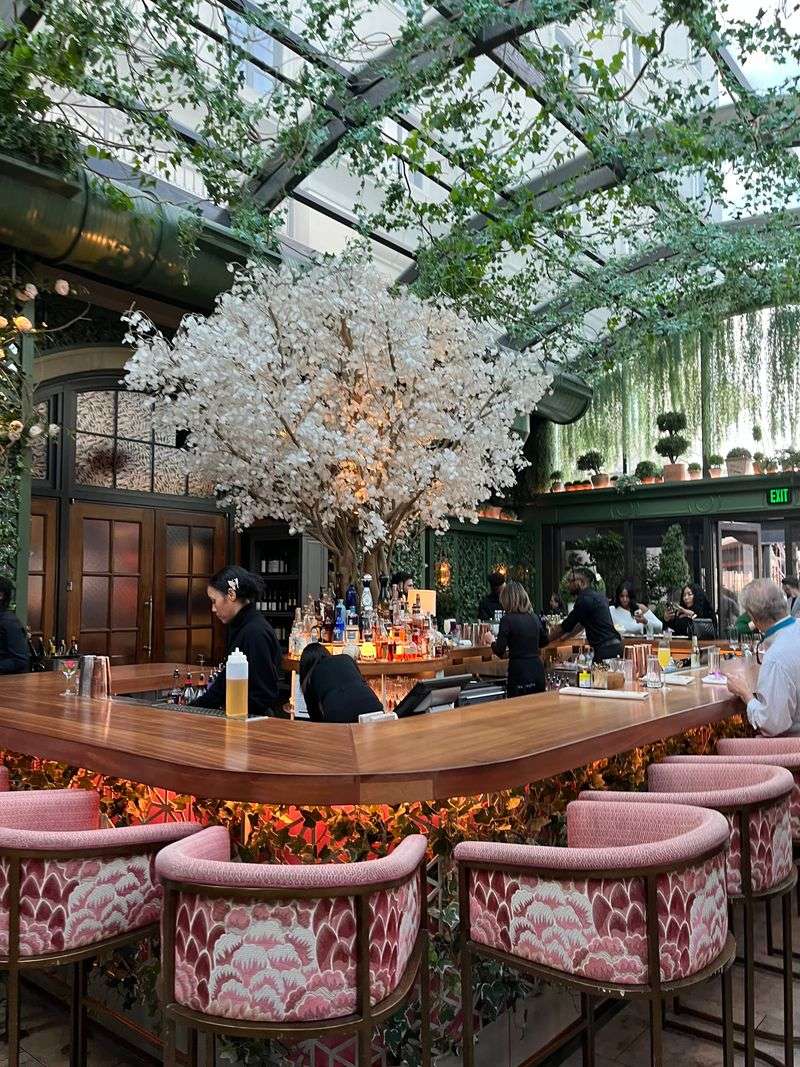
Boundaries between indoor and outdoor spaces blur beautifully when design intentionally bridges them. The Garden Room lives up to its name by incorporating botanical elements that reference Georgia’s famous garden traditions. You’ll find carefully selected plants that thrive indoors while evoking the lush gardens that Georgian culture has celebrated for centuries.
Botanical artwork, pressed flowers under glass, and nature-inspired decorative objects create visual connections to the outdoors throughout the interior. The plant selections include species native to Georgia alongside varieties that have historical significance in Georgian horticulture. Natural materials like river stones, driftwood, and dried flowers add organic textures that complement the living plants.
The arrangement creates microclimates within the space, with plants positioned near windows where they receive optimal light while contributing to the overall aesthetic. Seasonal changes become part of the interior experience as plants bloom, grow, and rest according to natural cycles. This integration of garden elements indoors reflects the Georgian worldview that sees nature and daily life as interconnected rather than separate realms.
12. Traditional Georgian Seating Arrangements
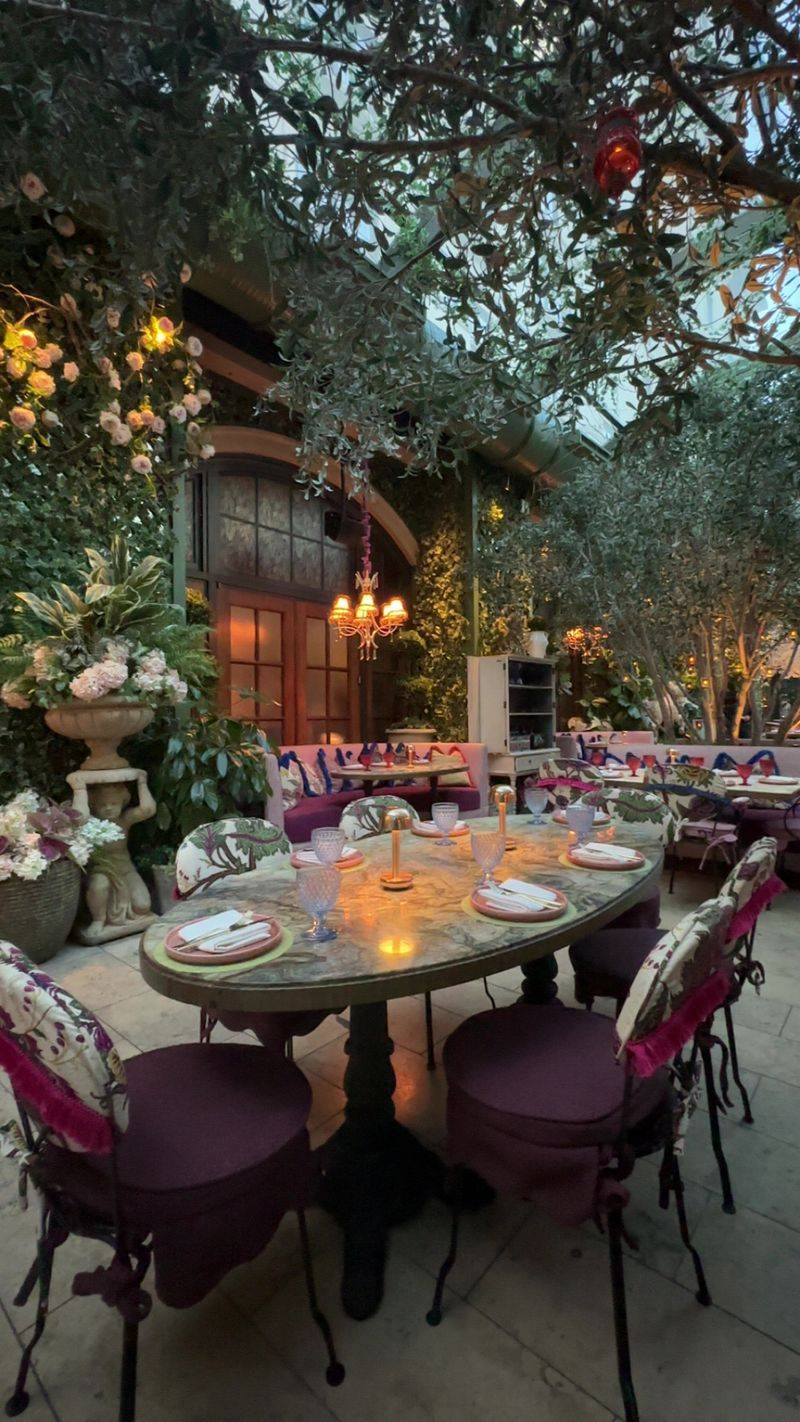
How we arrange seating reveals our values about community and hospitality. The Garden Room features seating configurations that reflect Georgian traditions of welcoming guests and facilitating conversation. You’ll notice arrangements that encourage face-to-face interaction rather than the parallel seating common in modern spaces.
Traditional Georgian homes often included low seating platforms covered with cushions and textiles, a design element that appears throughout The Garden Room. The furniture placement creates intimate conversation areas while maintaining visual connections to the broader space. Cushions and pillows in traditional fabrics add comfort while reinforcing cultural authenticity.
The arrangements accommodate both small gatherings and larger groups, showing flexibility within traditional frameworks. You’ll find that these seating areas naturally draw people together, promoting the kind of extended conversations that Georgian culture values. The comfort level surprises many visitors who expect traditional furniture to sacrifice ease for aesthetics, but Georgian design has always understood that genuine hospitality requires physical comfort alongside visual beauty.
13. Historic Georgian Window Treatments
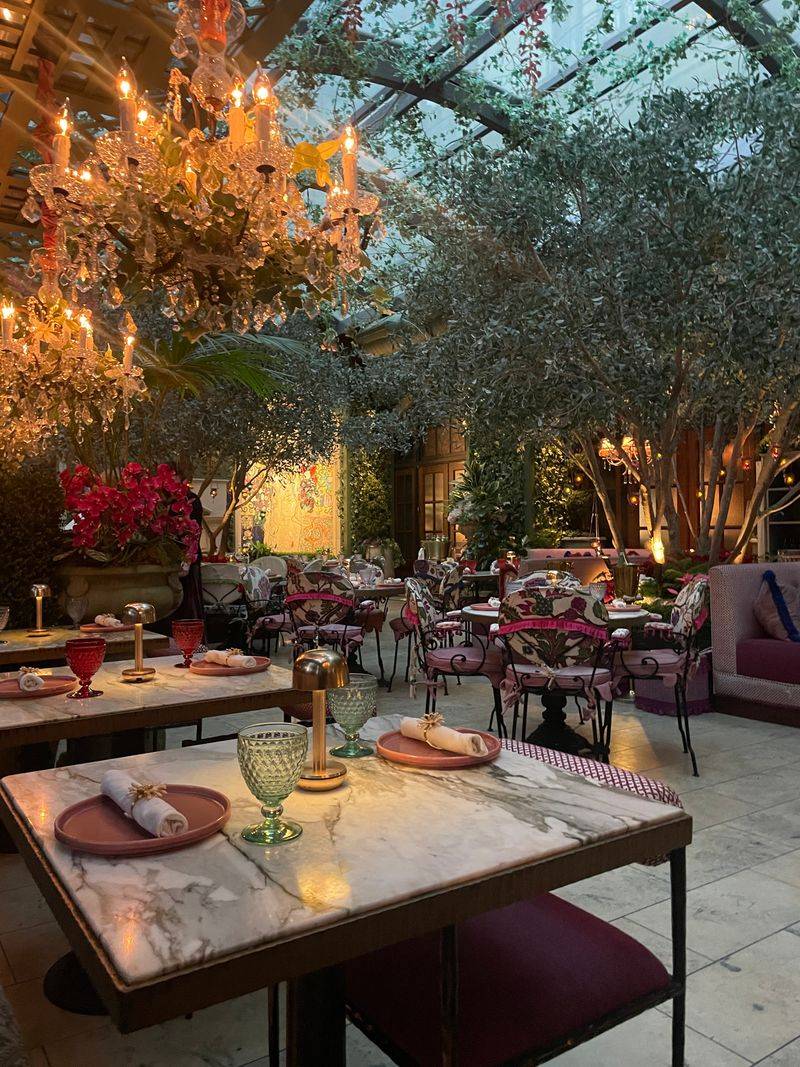
Windows connect interior spaces to the world beyond while requiring thoughtful treatment for privacy and light control. The Garden Room features window coverings that reference historical Georgian approaches while serving contemporary needs. You’ll see heavy fabrics that provide insulation, wooden shutters that offer adjustable light control, and layering techniques that create depth and visual interest.
The fabrics chosen for curtains and drapes often feature traditional Georgian patterns or colors that complement the overall interior palette. Hardware like curtain rods and tiebacks showcase metalwork craftsmanship consistent with other decorative elements throughout the space. The layering of sheer and heavy fabrics allows fine-tuning of light and privacy throughout the day.
Window treatments frame views of the surrounding landscape, turning windows into living paintings that change with weather and seasons. The weight and texture of traditional fabrics create satisfying sounds when curtains are drawn, adding subtle sensory dimensions to the experience. These treatments demonstrate how practical necessities become opportunities for artistic expression when approached with care and cultural awareness.
14. Traditional Georgian Color Palette
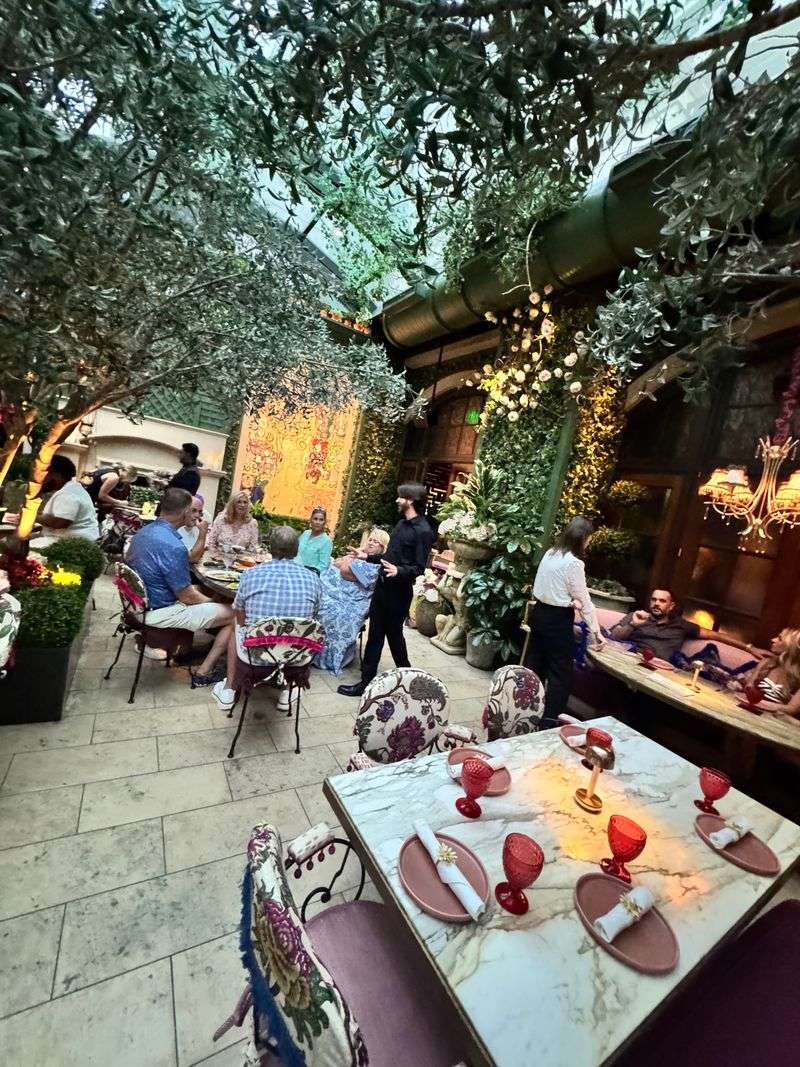
Colors affect mood and perception in ways we often don’t consciously recognize. The Garden Room employs a color palette rooted in traditional Georgian preferences and the natural pigments historically available to Georgian painters and dyers. You’ll experience warm earth tones, deep reds, rich golds, and occasional vibrant accents that create visual warmth without overwhelming the senses.
These colors derive from natural sources like clay, minerals, and plant materials that Georgian artisans have used for centuries. The palette creates cohesion throughout the space while allowing individual rooms or areas to develop their own character. You’ll notice how colors interact with natural light differently throughout the day, revealing subtleties that artificial lighting alone cannot achieve.
The psychological impact of these traditional colors creates feelings of warmth, welcome, and comfort that align with Georgian hospitality values. Modern paint technology reproduces these historical colors with improved durability while maintaining authentic visual qualities. Experiencing this color environment helps explain why certain Georgian interiors feel immediately comfortable even to first-time visitors, as the palette connects to human preferences that transcend cultural boundaries.
15. Georgian Cultural Artifact Integration
Objects from daily life become windows into culture when preserved and displayed with context. The Garden Room incorporates authentic Georgian artifacts that help visitors understand how people actually lived in different eras. You’ll encounter traditional tools, household items, musical instruments, and personal objects that tell stories beyond their physical forms.
Each artifact has been selected for its ability to communicate something meaningful about Georgian culture, whether craftsmanship techniques, social customs, or daily routines. Display methods balance preservation needs with accessibility, allowing close viewing while protecting fragile items. Subtle labeling provides context without cluttering the visual experience or making the space feel like a formal museum.
The artifacts span various time periods and social classes, presenting a more complete picture of Georgian life than focusing on elite culture alone would provide. You’ll discover objects whose purposes might not be immediately obvious, inviting curiosity and questions. This integration of authentic cultural artifacts transforms The Garden Room from a merely beautiful space into an educational environment where aesthetic appreciation and cultural learning happen simultaneously and naturally.
16. Authentic Georgian Hospitality Spaces
Hospitality reaches its highest expression in Georgian culture through the tradition of supra, elaborate feasts that celebrate community and friendship. The Garden Room dedicates specific areas to recreating the atmosphere where these legendary gatherings occur. You’ll find tables set in traditional configurations, with space for the abundant food and wine that characterize Georgian hospitality.
The design of these spaces prioritizes comfort for extended gatherings, as Georgian supras often last many hours with toasts, songs, and storytelling. Seating arrangements ensure everyone can see and hear each other, maintaining the inclusive spirit essential to authentic Georgian hospitality. Decorative elements reference the ceremonial aspects of supra while remaining functional for actual use.
Traditional serving vessels, drinking horns, and table settings demonstrate the material culture surrounding Georgian feasting traditions. The spaces feel welcoming rather than formal, reflecting the Georgian belief that true hospitality makes guests feel like family. Experiencing these hospitality areas helps you understand why Georgians take such pride in their reputation as some of the world’s most generous hosts, with traditions that turn meals into meaningful cultural ceremonies.