These 10 Little-Known Washington Towns Feel Like Peaceful Escapes Most Travelers Haven’t Found Yet
Washington State has a well-worn tourist trail, and most people stick to it without ever wondering what they are missing.
The answer, it turns out, is quite a lot.
Hidden between the mountains, along forgotten river valleys, and at the edges of lakes that somehow never made it onto anyone’s must-see list, small towns in this state will stop you completely in your tracks.
I have spent years taking the wrong exit on purpose, following signs to places I had never heard of, and discovering corners of Washington that felt almost too good to share.
Some of these towns have one main street, one great coffee shop, and views that belong on a postcard nobody has bothered to make yet.
If you are the kind of traveler who finds more joy in stumbling onto something unexpected than checking off the obvious stops, this list was written specifically for you.
1. Metaline Falls
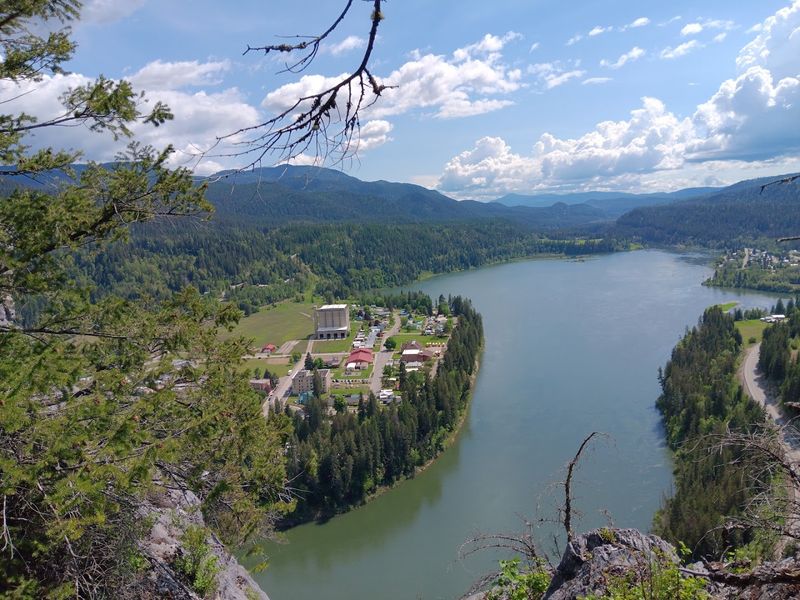
Standing on the edge of this northeastern Washington town feels like the rest of the world forgot to follow you here.
Metaline Falls sits near the Canadian border, between mountains and the Pend Oreille River, and it moves at its own quiet pace.
The Cutter Theatre is one of the most surprising finds in the state. It was built in 1912 and still hosts live performances, which feels almost surreal for a town this small.
Local pride runs deep here, and people actually show up for community events.
Box Canyon Dam is just a short drive away and worth every minute. The gorge views are dramatic and the area around it is great for hiking without the weekend crowds.
Fishing along the Pend Oreille River is seriously underrated.
Metaline Falls has a population of just a few hundred people, which means you get genuine interactions instead of tourist-facing smiles.
The kind of place where someone at the general store actually asks how your trip is going. Come in summer for the best weather and longest daylight hours.
2. Roslyn
If the name Roslyn rings a bell, you might be thinking of the TV show Northern Exposure, which used this town as its filming location. But Roslyn is far more interesting than a TV backdrop.
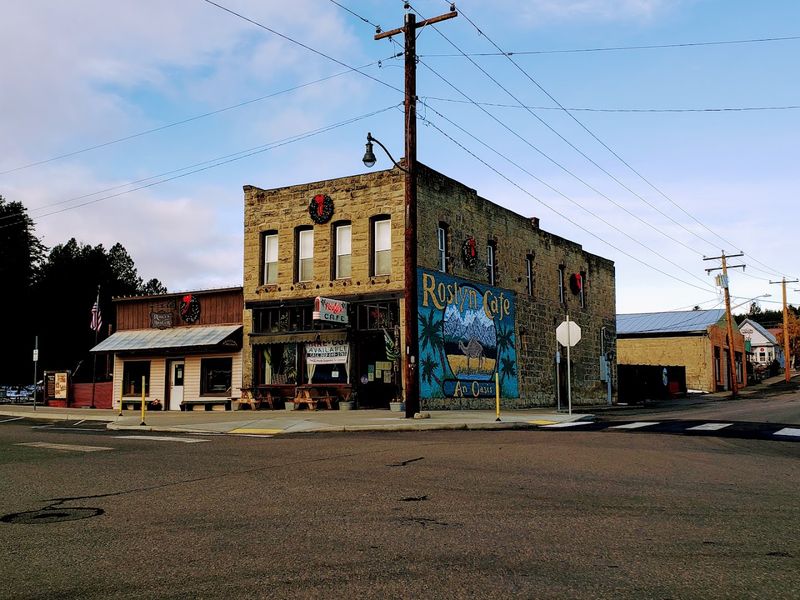
The town was a coal mining hub in the late 1800s, and you can still feel that history in the brick buildings lining Pennsylvania Avenue.
There are 27 separate ethnic cemeteries on the edge of town, each representing a different immigrant group that came to work the mines. That detail alone makes Roslyn unlike anywhere else in the state.
The Roslyn Cafe is iconic and genuinely good. The murals painted on the exterior walls have become a landmark in their own right.
Grab a seat and order something warm because the mountain air has a bite to it even in late spring.
Hiking and mountain biking trails fan out in every direction from here. The Cle Elum area right next door adds even more options.
Roslyn rewards the curious traveler who slows down enough to read the signs and ask a local question or two.
3. Concrete
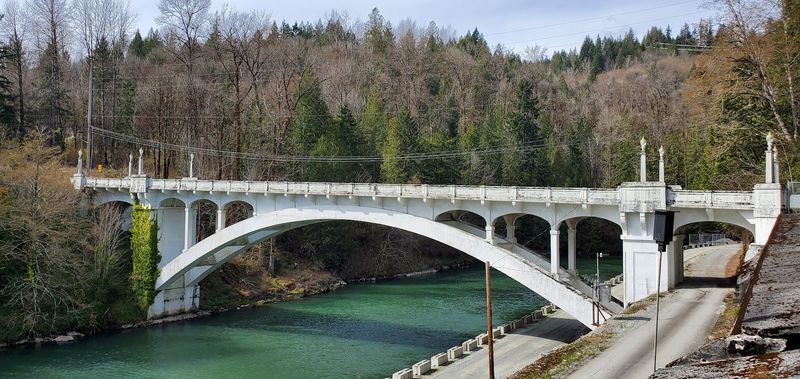
The name alone raises eyebrows, and honestly, that’s a fair reaction. Concrete, Washington got its name from the cement industry that once dominated the town, and several of the original concrete structures still stand today.
Sitting in the Skagit River valley with the North Cascades looming overhead, Concrete has one of the most dramatic natural settings of any small town in the state. The mountains here are not subtle.
They show up big and close and demand your attention every time you look up.
The town is a great base for exploring the North Cascades National Park without paying Seattle hotel prices.
Baker Lake is about 20 minutes away and offers stunning reflections of Mount Baker on calm mornings. Kayaking and camping there are both excellent options.
Concrete also has an unexpected arts scene. Local murals, a historic theater, and a small but lively community of creative types give the town a personality that surprises first-time visitors.
The Upper Skagit area has salmon runs in the fall that draw bald eagles by the hundreds. Watching that is one of the most memorable natural experiences Washington offers.
4. Marblemount
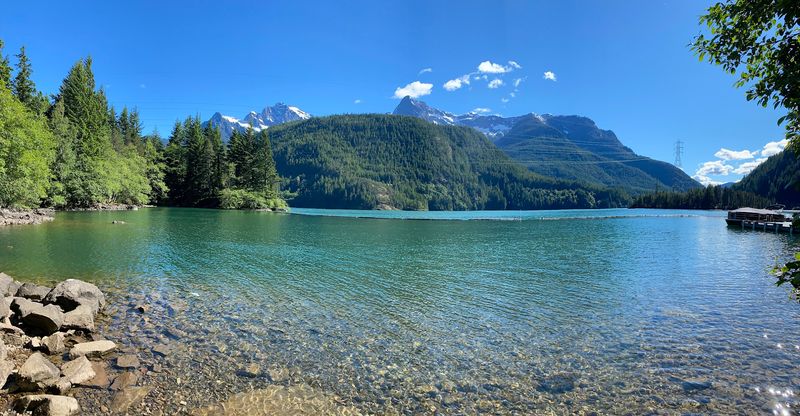
Marblemount is the last real stop before the road into the North Cascades gets serious. It has a population hovering under 300 people, and yet it punches well above its weight as a destination.
The Skagit River runs right alongside town and the fishing is exceptional. Steelhead and salmon make their runs here, and serious anglers know exactly where Marblemount sits on the map.
The surrounding forests are old-growth dense and absolutely gorgeous in any season.
Buffalo Run Restaurant is a local institution and one of the more unique dining experiences in rural Washington.
The menu leans toward wild game, which fits the whole vibe of a town surrounded by wilderness. It is the kind of meal you think about on the drive home.
For hikers, Marblemount is a legitimate launching point into the Cascades backcountry. The Cascade Pass trail is one of the most scenic hikes in the entire national park system and starts not far from here.
Getting up early to beat the clouds is worth setting an alarm for. The morning light through the peaks is something a photo can almost but never fully capture.
5. Northport
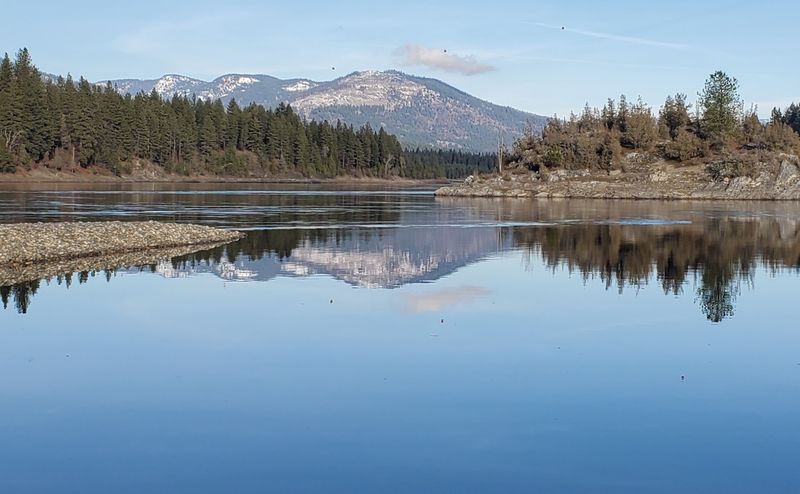
Most people driving through northeastern Washington are just trying to get somewhere else. Northport is a reminder that sometimes the road itself is the destination.
Sitting right on the Columbia River near the Canadian border, Northport has a laid-back quality that feels earned rather than manufactured.
The river here is wide and calm and perfect for fishing, kayaking, or just sitting on the bank doing absolutely nothing productive.
The town has a small historic downtown with buildings that date back to the early 1900s silver mining era. It never became a booming city, which is exactly why it still has character.
Small towns that missed the development wave often end up being the most interesting ones to visit decades later.
Colville National Forest surrounds the area and offers serious hiking, wildlife watching, and dispersed camping for people who want space without a reservation system. Mule deer are common sights along the roads at dusk.
The night skies out here are genuinely dark, which means stargazing is spectacular on clear nights. Northport is the kind of place you tell one friend about and then quietly hope it stays exactly the way it is.
6. Ilwaco
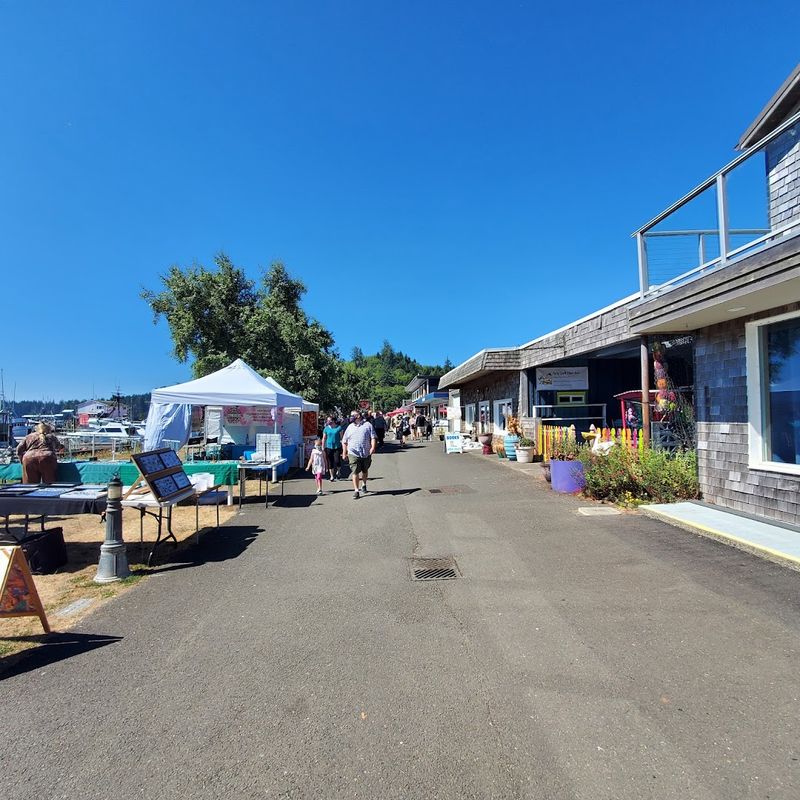
There is a specific kind of satisfaction that comes from eating fresh fish in the same town where it was caught that morning. Ilwaco delivers that feeling without any fuss.
Located at the southern tip of the Long Beach Peninsula where the Columbia River meets the Pacific Ocean, Ilwaco is a working fishing town with real charm.
The harbor is active and loud in the early morning hours, which is honestly a great alarm clock if you are staying nearby.
The Columbia Pacific Heritage Museum does an impressive job telling the story of this coastal region, from the Indigenous peoples who lived here to the fishing and logging industries that shaped the modern town.
It is compact but genuinely well done. Visiting takes about two hours and leaves you with a much richer sense of place.
Cape Disappointment State Park is right next door and contains two historic lighthouses, dramatic ocean bluffs, and miles of trails through coastal forest.
The Lewis and Clark Interpretive Center inside the park is one of the better history experiences on the entire Washington coast.
Ilwaco itself has good food options and a marina atmosphere that makes it easy to spend a full day without running out of things to do.
7. Twisp
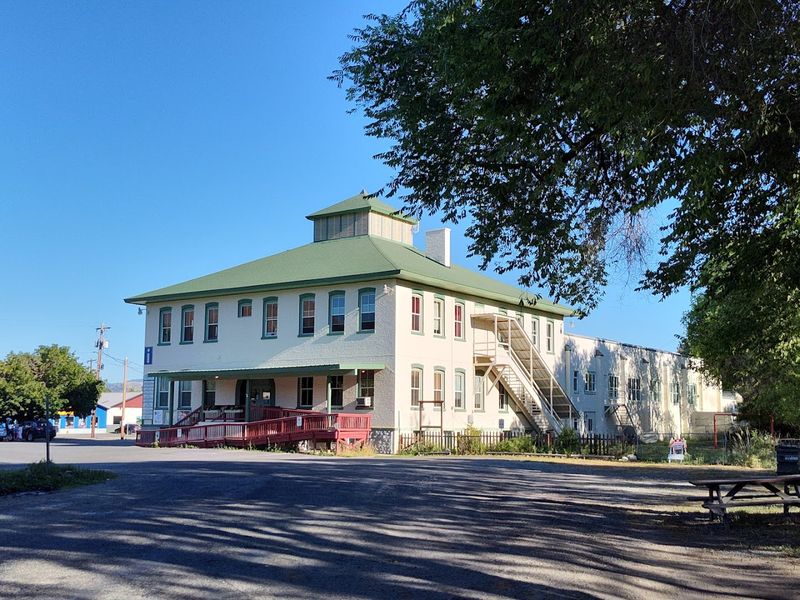
The Methow Valley has been quietly attracting artists, outdoor lovers, and people fleeing city noise for years.
Twisp is where a lot of them ended up, and the town has developed a personality that reflects exactly that mix.
Unlike its slightly more polished neighbor Winthrop, Twisp skips the themed storefronts and just gets on with being itself. There is a genuine arts community here.
The Confluence Gallery and Art Center is a real hub, showing work by regional artists in a space that takes the craft seriously.
The Twisp River Trail is a lovely hike that follows the river through ponderosa pine forest with minimal elevation gain, making it accessible for most fitness levels. In the fall, the colors along the trail are outstanding.
The light in the Methow Valley in October is almost unreasonably beautiful.
Local food options have gotten genuinely good over the past decade. Small cafes and a handful of excellent bakeries serve the kind of food that makes you want to linger over a second cup of coffee.
The Methow Valley is also famous for its cross-country ski trail system in winter, one of the largest groomed networks in the country. Twisp is the quieter, more affordable entry point into all of it.
8. Seabeck
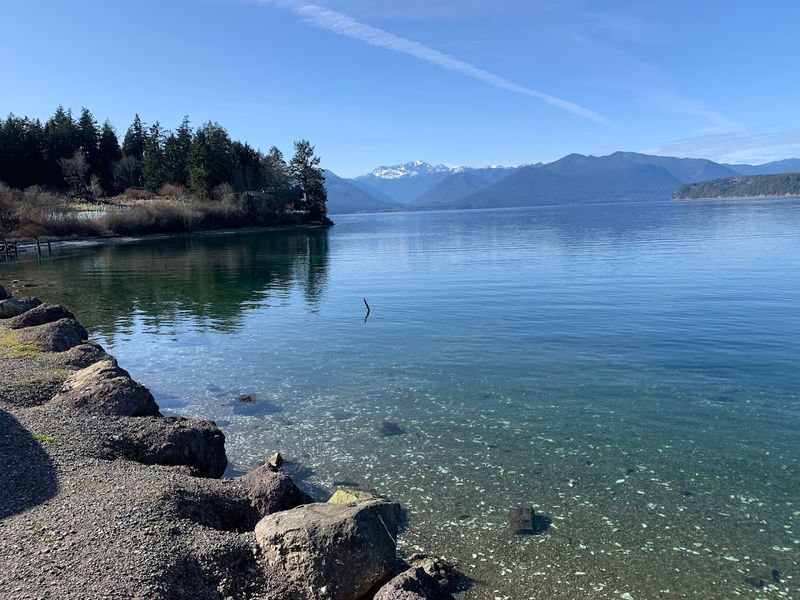
Hood Canal does not get nearly enough credit for being one of the most beautiful bodies of water in the entire Pacific Northwest.
Seabeck sits right on its shore, and the views across to the Olympic Mountains are the kind that make you stop mid-sentence.
This is not a tourist town. Seabeck has a small marina, a historic conference center, and a community that largely keeps to itself.
That is exactly what makes it worth visiting.
The pace here is genuinely slow in the best possible way.
Seabeck Bay itself is excellent for kayaking, and the calm water makes it approachable even for beginners.
Oysters and clams are harvested from Hood Canal, and finding a place to enjoy fresh shellfish nearby is not difficult. The connection between the water and the food feels immediate and real here.
The surrounding area has good hiking options, including trails in the Tahuya State Forest just a short drive inland.
Scenic Beach State Park near Seabeck offers camping, a sandy beach, and those jaw-dropping mountain views I keep coming back to.
Sunsets here in the summer, with the Olympics catching the last light, are the kind of thing you would drive a long way to see. And this one is free.
9. Goldendale
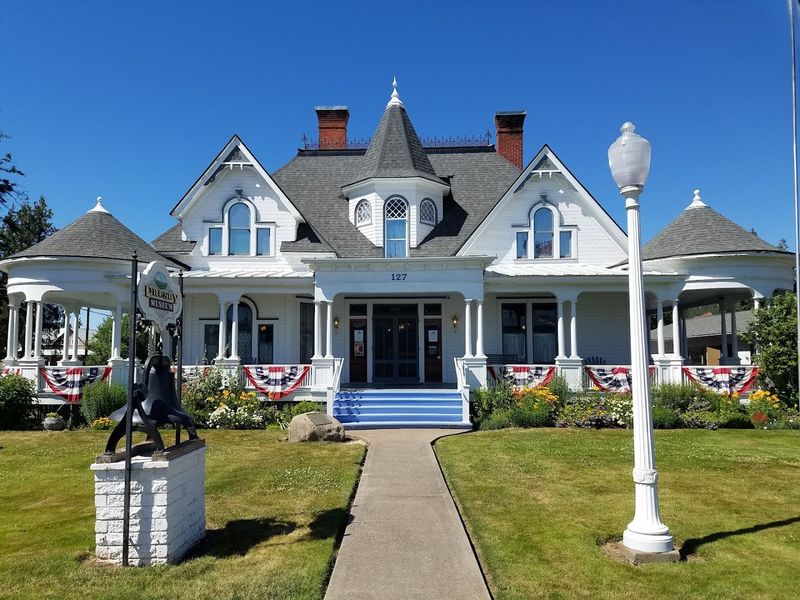
Goldendale sits on a plateau above the Columbia River Gorge at about 1,600 feet elevation, which means the sky here feels enormous. That is not an accident of geography.
It is the whole point of coming.
The Goldendale Observatory State Park is one of the best public astronomy sites in the Pacific Northwest. The main telescope has a 24.5-inch mirror and is open to visitors on clear nights.
Seeing Saturn’s rings for the first time through a telescope that size is genuinely unforgettable, especially for kids.
Maryhill Museum of Art is just 12 miles away and is one of the strangest and most wonderful museums I have ever visited.
It sits alone on a windswept hill above the Columbia River and contains an impressive collection of Rodin sculptures, Native American artifacts, and chess sets.
The building itself looks completely out of place, which adds to the whole experience.
The town of Goldendale is small but has a functional downtown with a few good local spots to eat. The surrounding landscape is high desert with dramatic basalt formations and sweeping views.
Spring wildflower season brings color to the hills in a way that feels almost theatrical. Come for the stars, stay for the art, and leave genuinely puzzled in the best way.
10. Coulee City
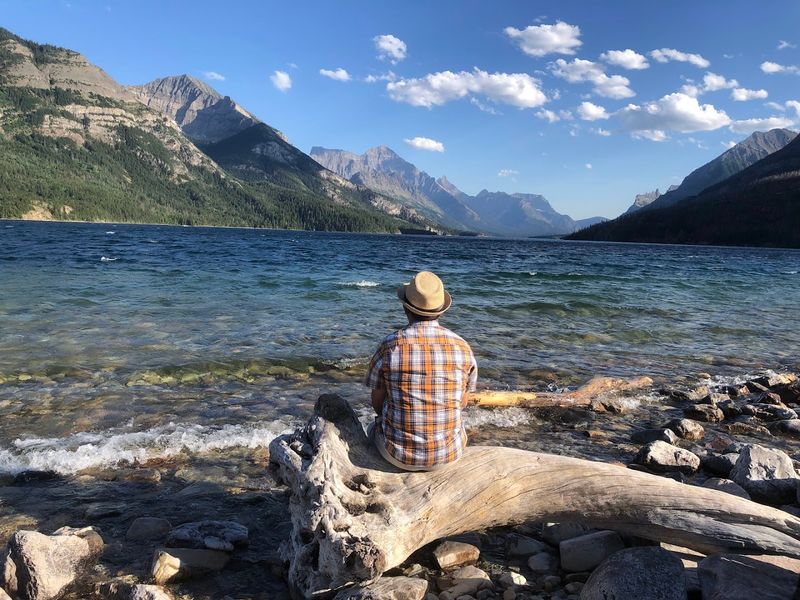
Dry Falls is one of the most geologically spectacular places in North America, and most people have never heard of it. Coulee City is the closest town, which gives it a front-row seat to something truly extraordinary.
During the Ice Age floods roughly 15,000 years ago, Dry Falls was the largest waterfall on Earth, about 3.5 miles wide and 400 feet tall.
Standing at the viewpoint today and trying to picture that amount of water is a genuinely dizzying exercise.
The Dry Falls Interpretive Center does an excellent job helping visitors understand the scale of what happened here.
Banks Lake stretches north from Coulee City and offers some of the best warm-water fishing in Washington. Walleye, bass, and perch are all common catches.
The lake also has good camping along its shoreline, and the basalt cliffs rising above the water make for dramatic scenery in every direction.
Sun Lakes-Dry Falls State Park connects all of this into one accessible destination. The park has trails, camping, a small resort, and access to the lake and the ancient coulees carved by those prehistoric floods.
Coulee City itself is modest and friendly, a real small town that happens to sit next to something world-class. That combination is rare and worth the detour.