These 12 Texas Small Towns And Charming Spots Have Been Waiting For Someone To Finally Pay Attention To Them
Dusty roads lead to places that time seems to forget often. These Texas towns sit quietly waiting for a friendly new visitor.
You will find warmth in the smiles of every local person. I think small towns hold the true heart of our country.
Is it time to trade the city lights for starry nights? Historic town squares offer a glimpse into a very rich past.
These spots provide a charm that big cities can never match.
You might find a shop that sells the perfect peach pie. Every single street tells a colorful story of grit and grace.
Let these little places show you a brand new world.
1. Fredericksburg
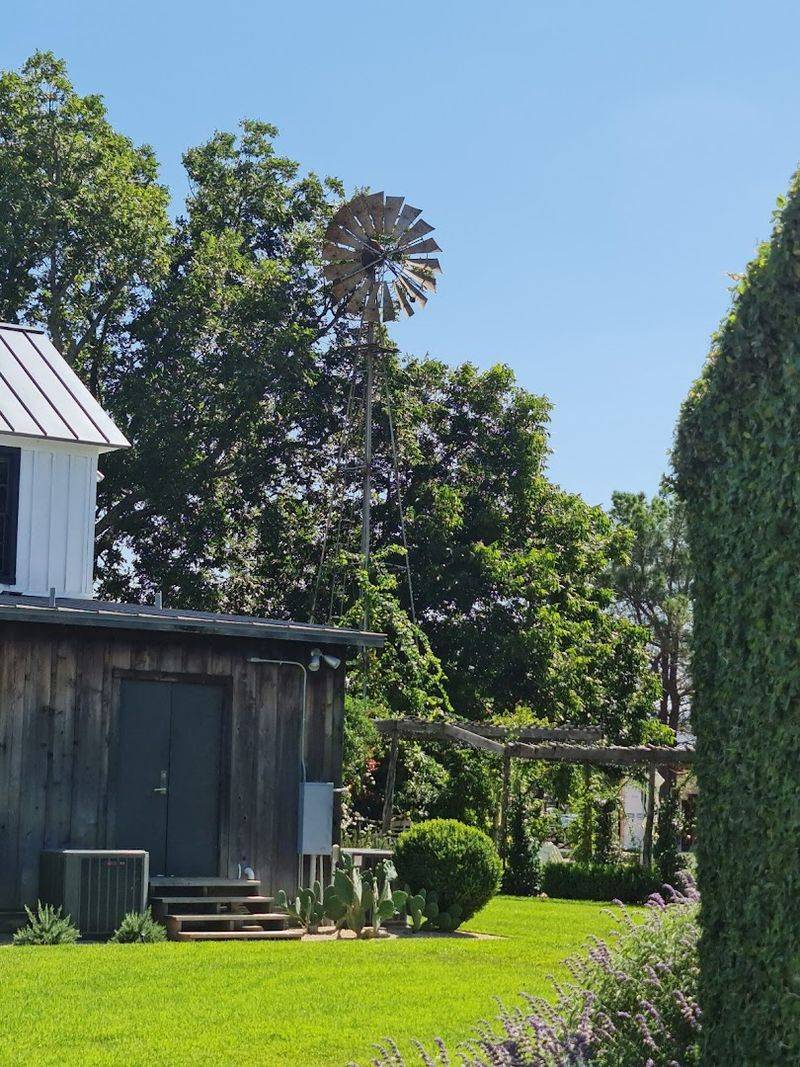
What if I tell you that there’s a small Texas town that once made me think I had accidentally crossed into Bavaria? Fredericksburg sits in the heart of the Texas Hill Country, about 70 miles west of Austin.
German settlers founded it in 1846, and that heritage is still very much alive today. The main drag, Hauptstrasse, is lined with boutiques, bakeries, and peach orchards that draw visitors every summer.
The National Museum of the Pacific War at 311 E Austin St is here too, honoring Admiral Chester Nimitz. It is one of the most respected World War II museums in the entire country.
History lovers will easily spend a full day inside.
Spring is magical when bluebonnets blanket the surrounding countryside. Fall brings apple and pumpkin festivals that feel genuinely festive.
Book a stay at one of the many Sunday Houses, which are charming guesthouses scattered throughout town. Fredericksburg rewards slow travelers who take time to wander.
2. Luckenbach
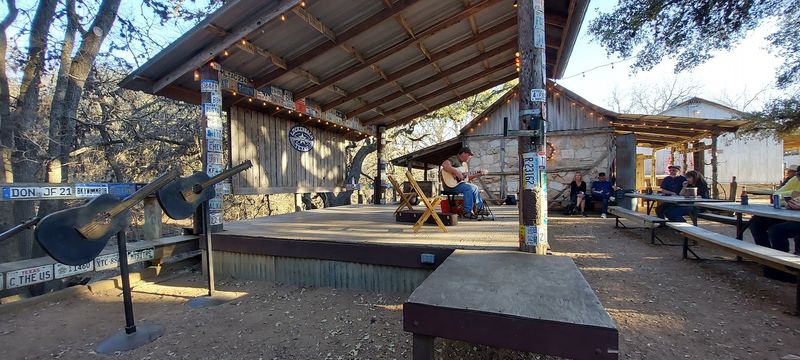
Who would have thought that a town with a population of three could become one of Texas’s most beloved musical landmarks? Luckenbach is located about 13 miles southeast of Fredericksburg in Gillespie County.
The entire town is essentially a general store, a dance hall, and a few oak trees. Yet musicians and music lovers have been making pilgrimages here for decades.
Willie Nelson and Waylon Jennings famously put it on the map with their 1977 song.
Weekend jam sessions happen regularly under the shade of ancient oaks. Local pickers show up with guitars, harmonicas, and plenty of stories. The crowd is always a wonderful mix of locals and curious travelers.
There is no pretense here and no fancy signage trying to impress anyone. Just good music, a laid-back crowd, and the sound of Texas flowing freely. Even on a quiet Tuesday afternoon, the atmosphere feels magnetic.
The general store sells cold drinks, T-shirts, and souvenirs that actually feel worth buying. Luckenbach proves that the best experiences in life are often the simplest ones.
Show up, sit down, and let the music do the rest.
3. Jefferson
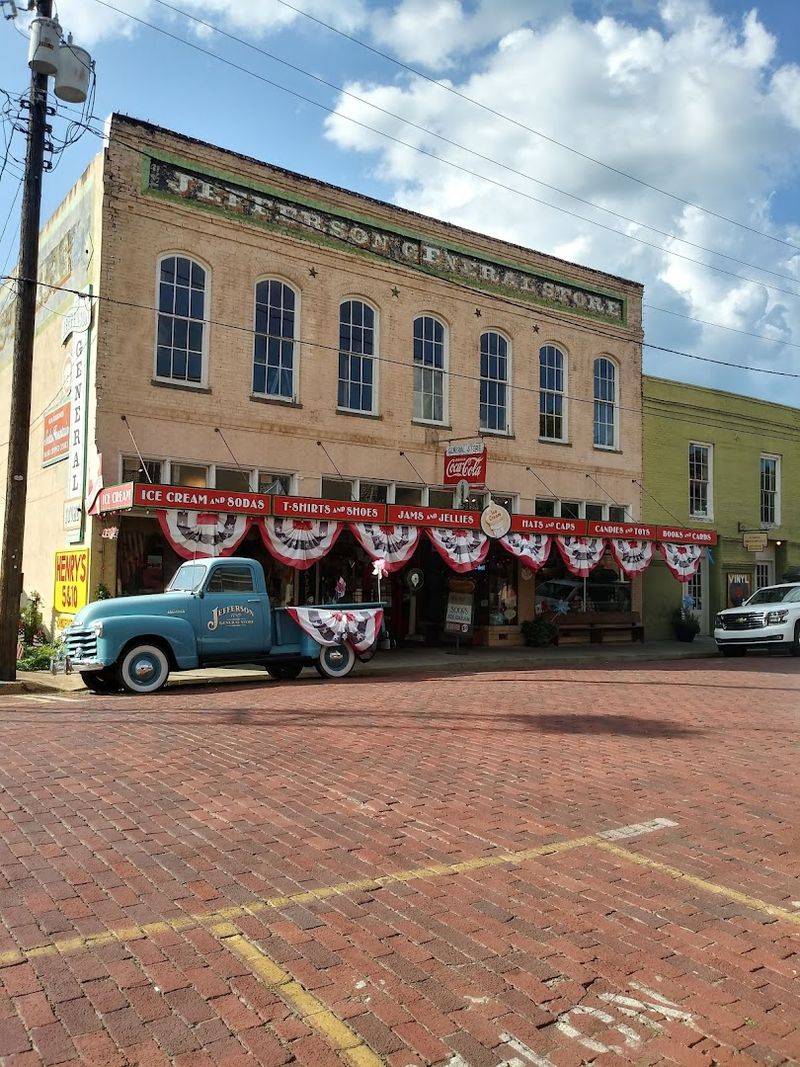
I never would have guessed that one of Texas’s most atmospheric towns would be tucked into the far northeastern corner of the state.
Jefferson sits along Big Cypress Bayou in Marion County, just miles from the Louisiana border.
During the mid-1800s, Jefferson was actually the largest city in Texas. Riverboats carried cotton and goods through its busy port, making it a commercial powerhouse.
Then the railroads changed everything, and the town quietly stepped back in time.
That frozen-in-time quality is exactly what makes Jefferson so captivating now. Victorian mansions line shaded streets, and the downtown historic district feels like a living museum.
Antique shops and bed-and-breakfast inns fill buildings that date back to the 1850s.
Ghost tours are a local specialty here, and Jefferson takes its haunted reputation seriously. The Jefferson Hotel and the Excelsior House are two of the most storied lodging options in all of East Texas.
Both have hosted presidents and celebrities over the years.
4. Nacogdoches
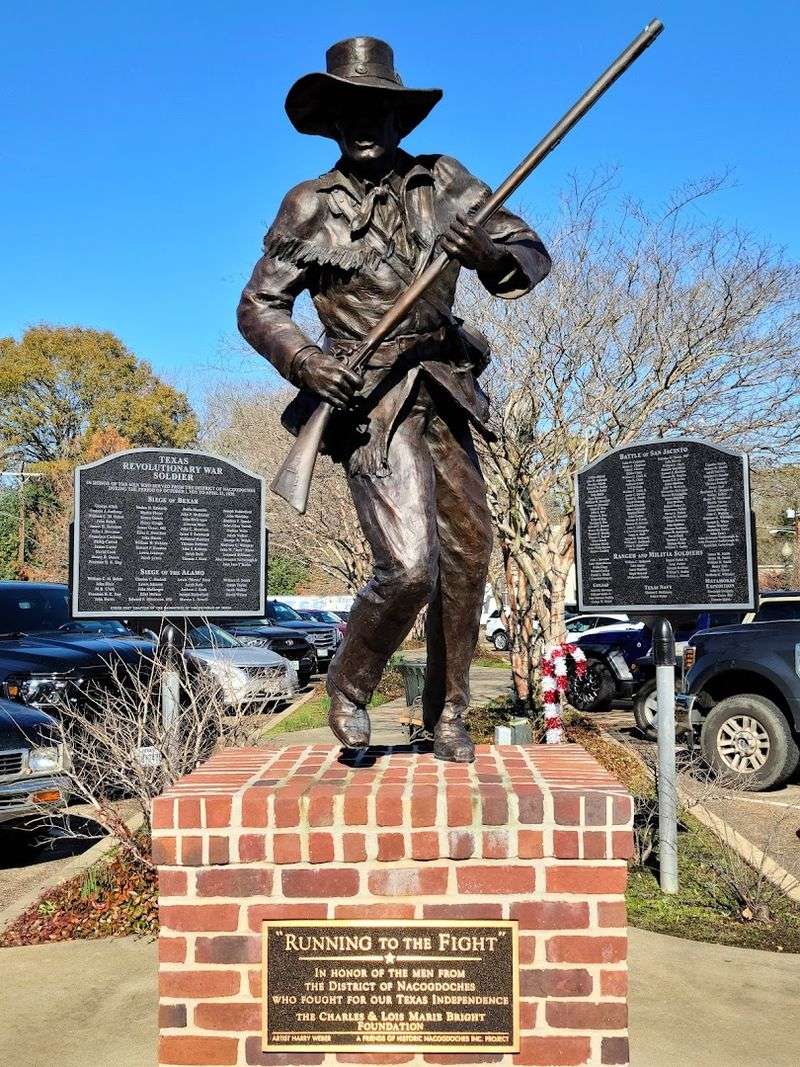
Can you believe that the oldest town in Texas barely gets mentioned in most travel guides? Nacogdoches sits in the deep Piney Woods of East Texas, about 75 miles south of Tyler.
Founded in 1779, it holds the title of the oldest continuously inhabited town in the state. Nine flags have flown over Nacogdoches, more than any other city in Texas.
That layered history shows up in its architecture, its museums, and its streets.
Stone Fort Museum at 1808 Alumni Drive North, Griffith Blvd is a must-see. It is a reconstruction of a Spanish trading post that once stood at the heart of town.
The university itself adds a lively, creative energy to the whole area.
Millard’s Crossing Historic Village offers a walkable collection of restored 19th-century buildings. It is one of the most underrated open-air museums in the entire South. Guided tours bring the stories of early settlers to vivid life.
The Piney Woods surrounding the town are gorgeous for hiking and birdwatching, especially in autumn. Azalea trails bloom brilliantly each spring and draw admirers from across the region.
Nacogdoches rewards curious travelers who love depth over spectacle.
5. Granbury
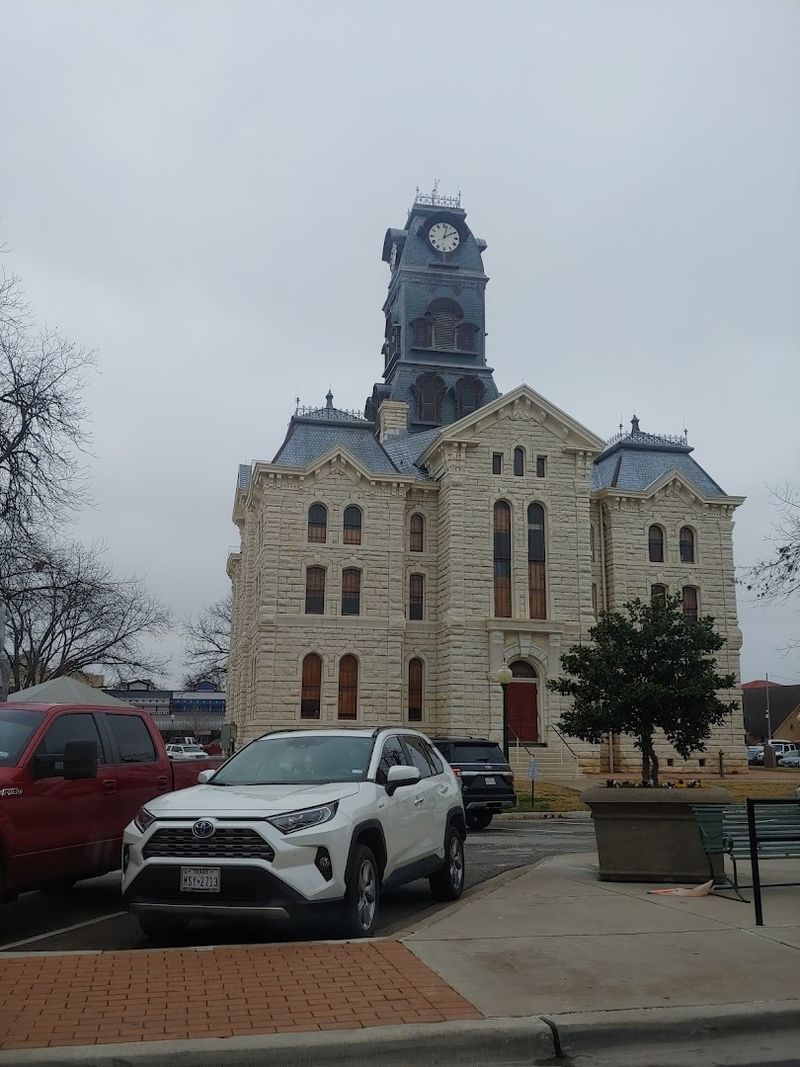
Doesn’t it sound interesting, a town square so perfectly preserved that it has been designated a National Historic District? Granbury sits on the banks of Lake Granbury, about 35 miles southwest of Fort Worth.
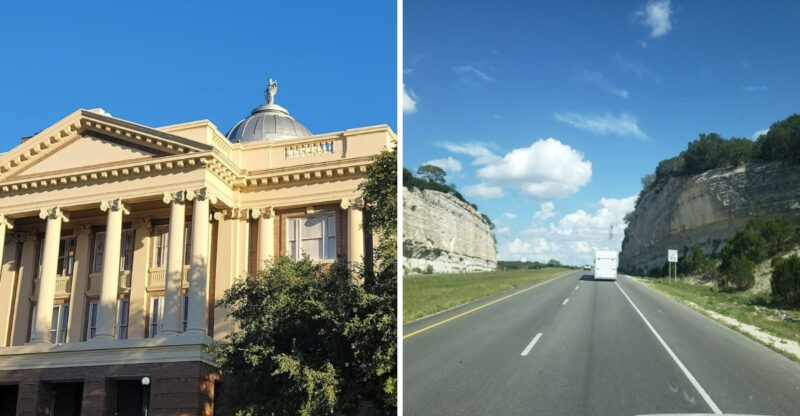
The Granbury Square is the crown jewel of this Hood County town. A stunning 1891 limestone courthouse anchors the square, surrounded by boutiques, restaurants, and a classic opera house.
It looks almost too perfect to be real.
Granbury Opera House at 133 E Pearl St has been staging live performances since 1886. Local productions and touring shows fill its seats year-round. It is one of the oldest continuously operating opera houses in Texas.
Lake Granbury adds a relaxed, waterfront dimension to the town’s character. Boating, fishing, and lakeside dining are all easy to enjoy within minutes of the square. Sunset cruises on the lake are especially popular with couples and families.
The town also has a curious claim to fame in Jesse James lore.
Local legend holds that the outlaw lived out his final years here under an assumed name. Whether true or not, the story adds a delicious layer of mystery to every corner of town. Granbury is simply irresistible.
6. Glen Rose
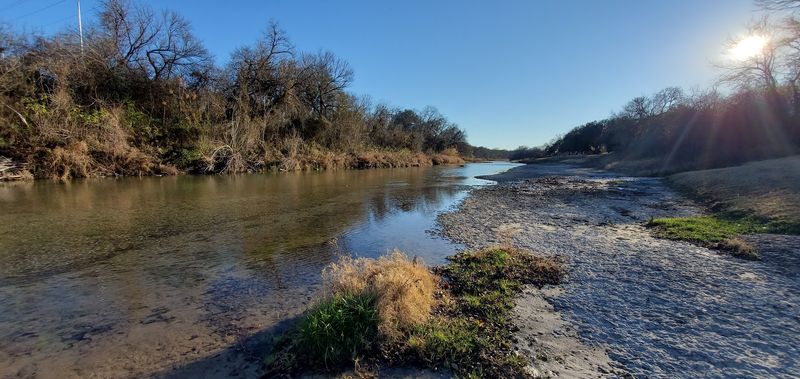
I know, finding real dinosaur footprints in a Texas riverbed sounds like something out of a movie. Glen Rose is located in Somervell County, about 55 miles southwest of Fort Worth, and it is absolutely wild.
Dinosaur Valley State Park protects some of the best-preserved sauropod and theropod tracks in the world. You can actually walk right up to them in the Paluxy River during low water.
Kids and adults alike lose their minds with excitement at the sight.
Beyond the dinosaurs, Glen Rose has a sweet, artsy downtown that surprises first-time arrivals. The Somervell County Courthouse square is lined with galleries, antique stores, and locally owned eateries.
The whole area has a creative, unhurried energy that is easy to love.
Fossil Rim Wildlife Center just outside town is another extraordinary attraction. It is a conservation park where you can drive through and feed giraffes, rhinos, and cheetahs from your car.
Few experiences in Texas match that kind of up-close wildlife encounter.
Camping along the Paluxy River is a lovely way to end a full day of exploration. Glen Rose sits at a perfect crossroads of science, nature, and small-town warmth.
Come for the dinosaurs, stay for everything else.
7. Marfa
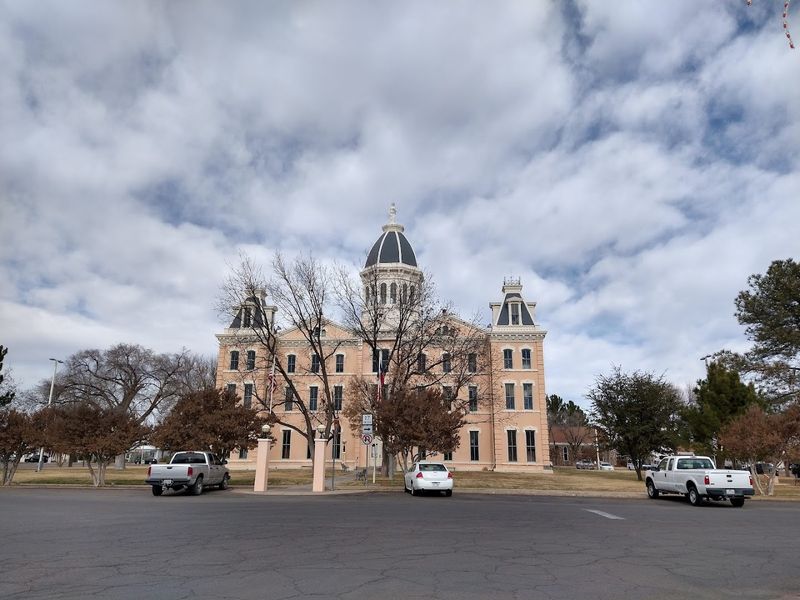
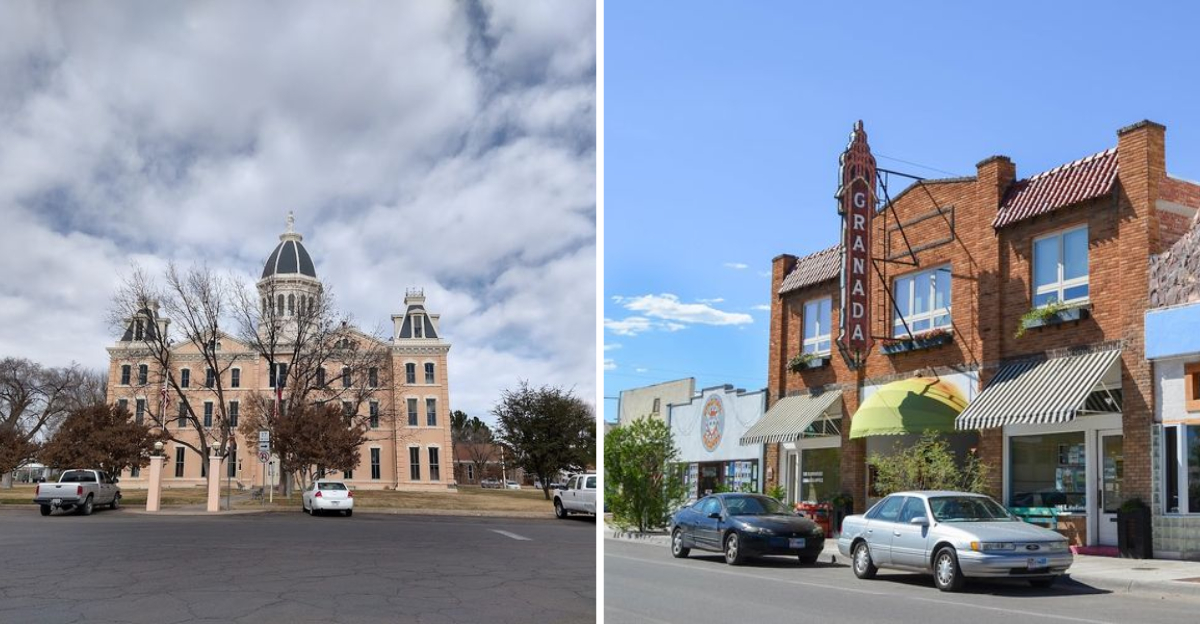
Doesn’t every art lover deserve to stumble upon a town this strange and this beautiful at least once? Marfa is perched in the high Chihuahuan Desert of far West Texas, in Presidio County.
It sits at an elevation of nearly 5,000 feet, which gives it a cool, clear quality that feels nothing like the rest of Texas.
The town has fewer than 2,000 residents, yet it draws artists, architects, and curious wanderers from around the world. That contrast is part of what makes Marfa so magnetic.
Donald Judd, the minimalist artist, essentially transformed Marfa in the 1970s when he moved here and began installing large-scale art installations. The Chinati Foundation now houses his permanent works along with pieces by other major artists.
The mysterious Marfa Lights are another draw entirely. Unexplained floating lights appear near the horizon on certain nights, and scientists have never fully explained them.
A dedicated viewing area on Highway 90 fills up with curious onlookers after dark.
Prada Marfa, a faux boutique sculpture in the desert, has become one of Texas’s most photographed oddities.
Marfa is genuinely unlike anywhere else on Earth. Show up with zero expectations and prepare to be quietly astonished.
8. Alpine
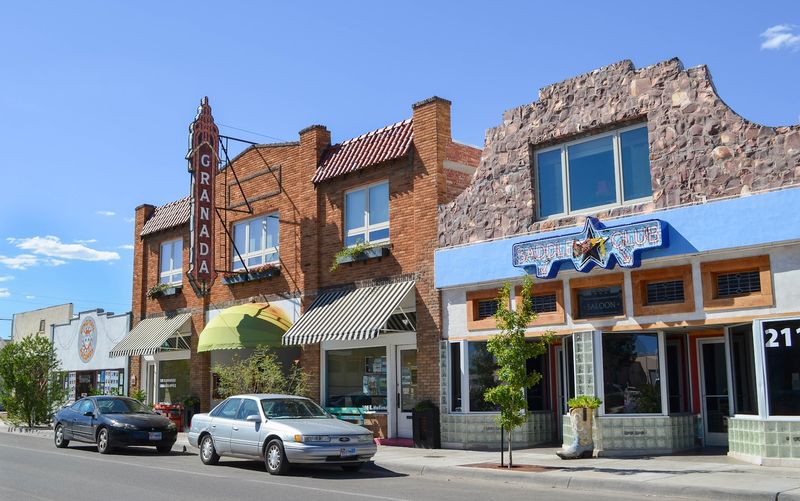
Here is a secret that West Texas locals have been quietly keeping for years. Alpine is the largest town in Brewster County, sitting at the base of the Davis Mountains in the Trans-Pecos region.
Sul Ross State University gives this mountain town a surprisingly vibrant intellectual energy. The Museum of the Big Bend at 400 N Harrison St C-101 tells the rich story of the surrounding desert region.
It is genuinely one of the most thoughtful regional museums in the state.
Downtown Alpine has a relaxed, unpretentious character that feels refreshingly real. Murals cover building walls, local coffee shops buzz with conversation, and independent bookstores invite long afternoons of browsing.
Alpine serves as the perfect base camp for Big Bend National Park, which is about 80 miles south. Hikers and stargazers make the drive regularly, returning to Alpine for a warm meal and a comfortable bed.
The dark skies here rival almost anywhere in the continental United States.
The Marfa-to-Alpine corridor is one of the most underrated road trip routes in America. Cattle ranches, mountain silhouettes, and open desert frame every mile of the drive.
9. Rockport
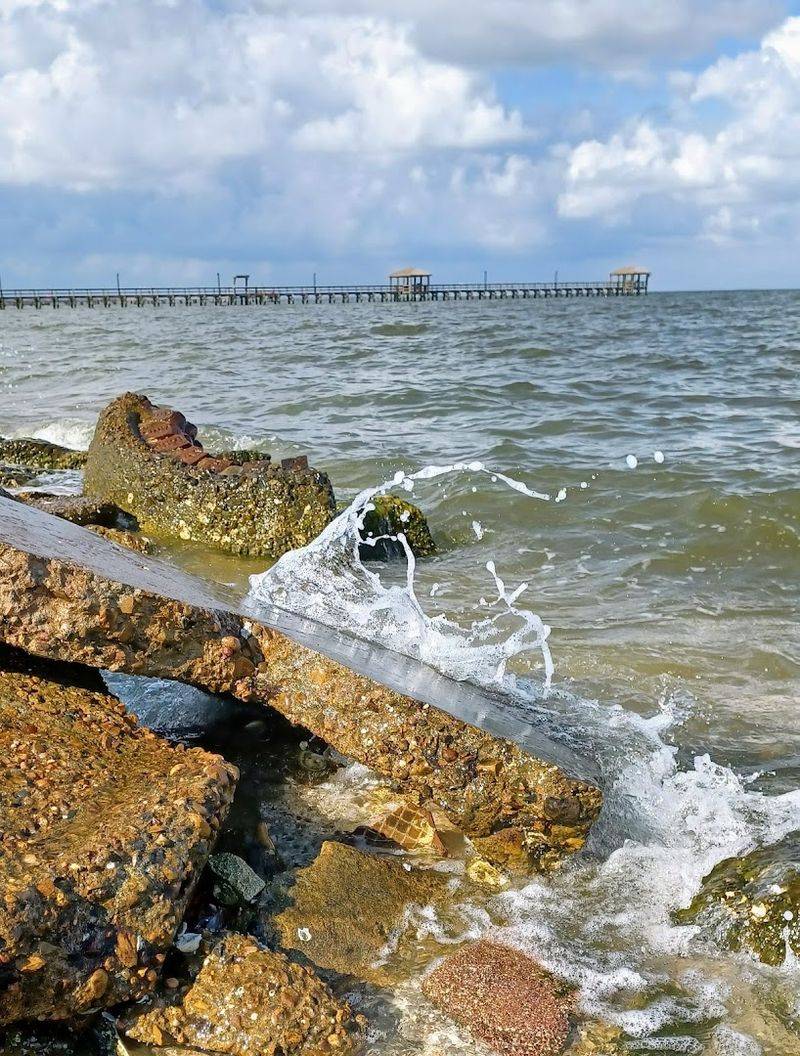
It’s amazing how one of the best birdwatching spots in all of North America is a small coastal town most Texans have never spent a weekend in.
Rockport is located on the Gulf Coast in Aransas County, about 35 miles north of Corpus Christi.
The Aransas National Wildlife Refuge nearby is the winter home of the endangered whooping crane. Boat tours during winter months offer close-up views of these rare, magnificent birds.
It is a wildlife experience that genuinely takes your breath away.
Rockport’s historic downtown sits right along the bay and has a cheerful, unhurried character. Art galleries are everywhere, which makes sense given the extraordinary coastal light that artists have chased here for generations.
Rockport Center for the Arts at 204 S Austin St is a genuine cultural anchor for the community.
Fulton Mansion State Historic Site at 317 Fulton Beach Rd, just north of downtown, tells the story of a 19th-century cattle baron who built one of Texas’s most innovative homes.
The mansion had central heating, gas lighting, and indoor plumbing in 1877. That is remarkable by any era’s standards.
Fishing, kayaking, and dolphin-watching tours round out the outdoor options beautifully.
10. Port Aransas
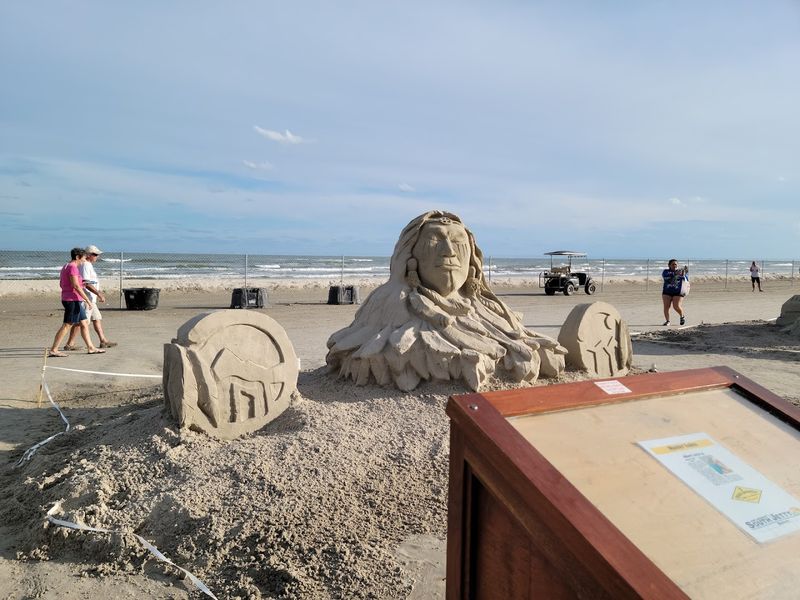
A tiny barrier island town can pack this much personality into such a small stretch of coastline? Wow, just wow!
Port Aransas sits on Mustang Island along the Texas Gulf Coast, in Nueces County. Getting there requires a short ferry ride from Aransas Pass, and that crossing alone sets the mood perfectly.
Dolphins frequently swim alongside the ferry, greeting arrivals like cheerful welcoming ambassadors. It is one of those small travel moments that stays with you.
The beach here stretches for miles and has a relaxed, unpretentious energy that family-friendly resorts often lack. Cars are actually allowed on parts of the beach, which is a beloved Texas coastal tradition.
Fishing from the surf or the pier is a daily ritual for locals and regulars alike.
The town itself is compact but full of character. Brightly painted shops, taco stands, and surf rental shacks line the main streets.
Street art and murals reflect the town’s creative, laid-back coastal identity.
Birding is surprisingly excellent here too, especially during spring migration when warblers and shorebirds flood the island.
11. Salado
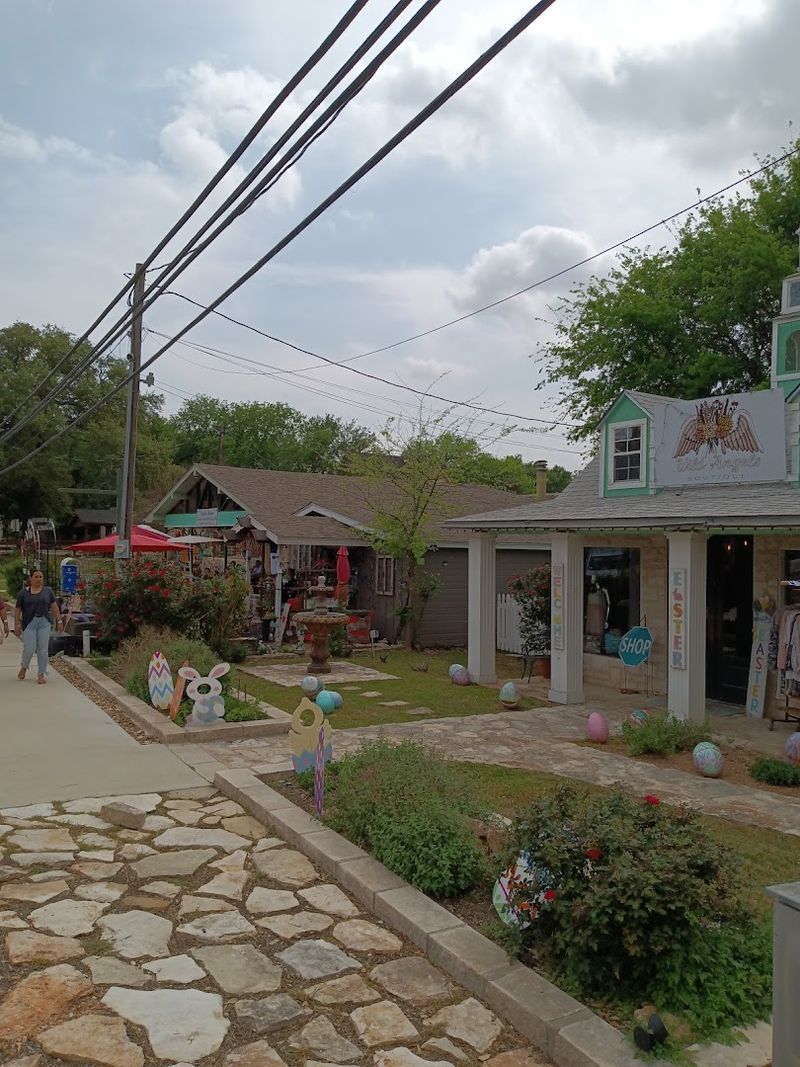
A town with fewer than 2,500 people somehow manages to host one of the most charming arts communities in Central Texas.
Salado sits along Salado Creek in Bell County, right off Interstate 35 between Austin and Waco. The creek itself is the town’s natural centerpiece, flowing crystal clear through a landscape of giant pecan trees and limestone outcroppings.
Wading in the creek on a hot afternoon is one of those simple pleasures that feels almost too good to be free. Families have been doing it for generations.
Salado has a rich Scottish heritage that comes alive every November during the Salado Scottish Games. Kilts, bagpipes, and athletic competitions fill the town with color and sound.
It is one of the most spirited cultural events in the region.
Galleries and studios line the main road through town, showcasing work by local and regional artists. The Tablerock Festival, an outdoor drama held near the creek, has been telling stories of Texas history for decades.
It is genuinely moving to watch under the open sky.
Salado rewards the kind of traveler who finds joy in the quiet and the specific. Every corner of this small town has earned its own small story.
12. Bastrop
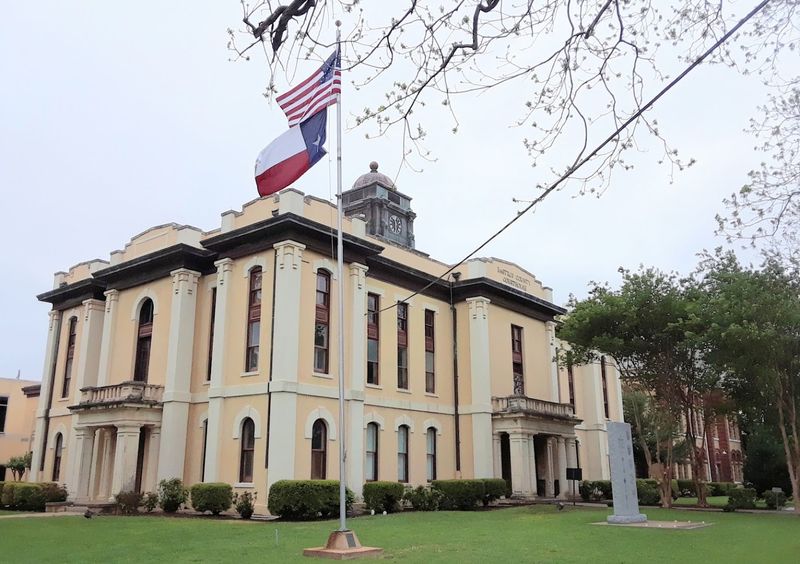
Would you believe me if I told you that a forest of loblolly pines exists as a completely isolated island of trees surrounded by Texas prairie?
Bastrop is home to the Lost Pines, a remarkable ecological anomaly in Bastrop County, about 30 miles southeast of Austin.
The Lost Pines are separated from the main East Texas pine forests by nearly 100 miles. Scientists believe they survived here due to unique local soil conditions dating back thousands of years.
Walking among them feels like entering a completely different world.
Bastrop State Park at 100 Park Road 1A is the gateway to this forest, offering hiking trails, cabins built by the Civilian Conservation Corps in the 1930s, and a scenic park road. The CCC-era architecture alone is worth the trip.
Those stone and timber structures have an enduring beauty that modern construction rarely matches.
Downtown Bastrop has experienced a lovely revival in recent years.
The Colorado River bends right through town, and the historic district along Main Street has filled with independent shops, murals, and farm-to-table restaurants. It has the energy of a town that knows it is having a moment.
Film crews have used Bastrop as a backdrop for movies and TV shows multiple times. The surrounding landscape is that cinematic.
Bastrop is one of those rare towns that feeds the soul from multiple directions at once.