These 10 Washington State Parks Are Made For The Ultimate Day Trip
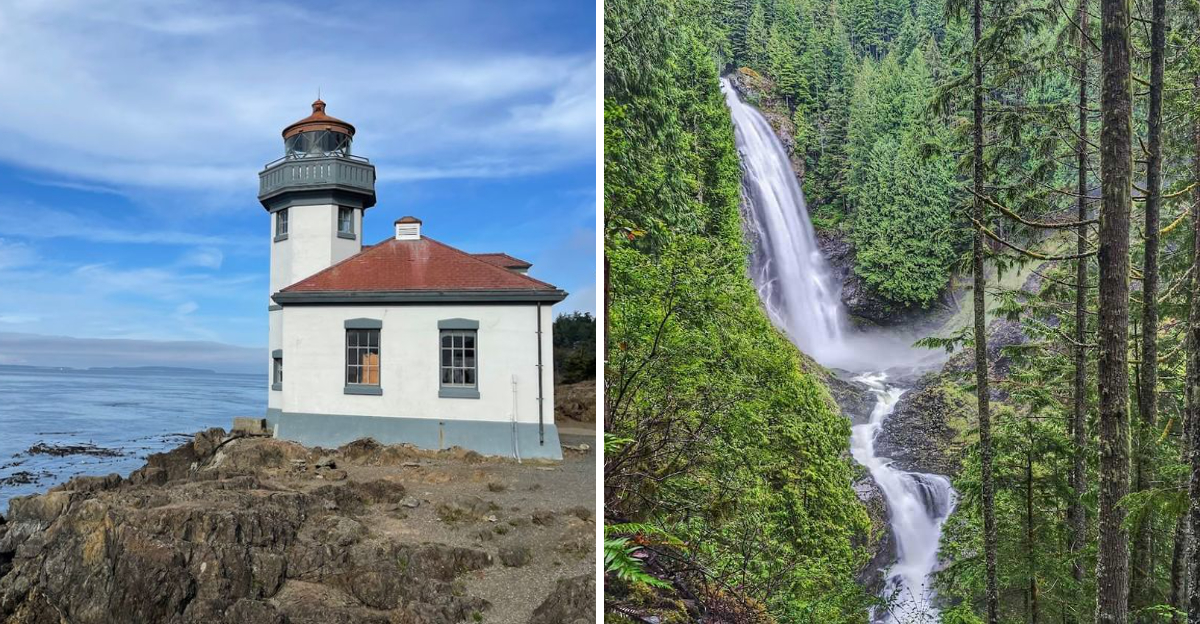
I have been caught completely off guard by Washington State more times than I am willing to admit. There is no gentle warm-up, no scenic appetizer before the main course.
You drive around a bend and suddenly there is a volcano on the horizon, or a waterfall dropping into a canyon, or a stretch of coastline so dramatic you pull over just to confirm it is real.
I have had more than one moment in this state where I genuinely forgot what I was originally driving toward because something out the window demanded my full attention.
The parks here cover so much ground that calling them all by the same name almost feels like a category error. Ancient lava fields, old-growth rainforests, glacier-carved lakes, and tidal beaches all fall under the same banner.
Picking one for a day trip felt like an impossible job, and then I did it anyway. Every park on this list earns its spot, and every single one is worth rearranging your weekend for.
1. Deception Pass State Park
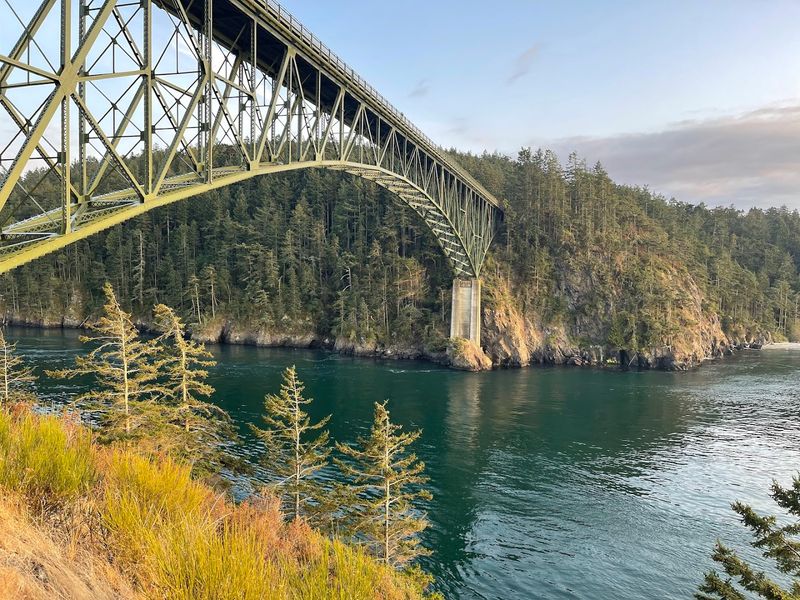
Standing on the Deception Pass Bridge for the first time is one of those moments where your legs go slightly wobbly and your brain says, “Wow, okay, this is real.”
The bridge stretches 976 feet across a churning saltwater gorge between Whidbey Island and Fidalgo Island, and the views in every direction are absolutely stunning.
The park itself covers over 4,000 acres and includes beaches, hiking trails, old-growth forest, and stunning tidepools. You could spend an entire day here and still not see everything.
The trails range from easy beach walks to more challenging forest hikes with rewarding overlooks.
Families love it because there is genuinely something for everyone. Kids go wild for the beach at North Beach, while hikers head straight for the Goose Rock trail to earn that panoramic view.
Fishing, kayaking, and wildlife spotting are all on the table too.
The park is located at 41020 State Route 20, Oak Harbor, and is one of the most visited state parks in Washington. Get there early on weekends because the parking fills up faster than you would expect.
2. Moran State Park
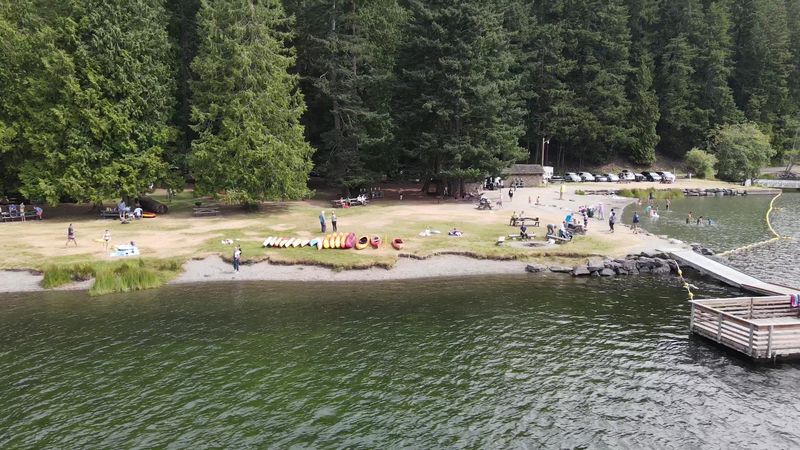
Moran State Park sits on Orcas Island, which already puts it in a special category. Getting there involves a ferry ride through the San Juan Islands, and honestly, the journey is half the fun.
The water, the islands, the sea air, it all starts building anticipation before you even arrive.
Once inside the park, Mount Constitution dominates the landscape.
At 2,409 feet, it is the highest point in the San Juan Islands, and the stone observation tower at the summit delivers a 360-degree view that includes the Cascade Mountains, the Olympic Peninsula, and even Mount Rainier on a clear day.
The park has over 38 miles of trails, five freshwater lakes, and campgrounds that fill up quickly in summer. Cascade Lake is a favorite for swimming and paddling, with calm water and a relaxed atmosphere that feels miles from any stress.
Wildlife sightings are common here. Deer wander the trails without much concern for hikers, and bald eagles are a regular overhead presence.
The park address is 3572 Olga Road, Olga. Plan your ferry timing carefully or you will be spending an unplanned night on the island, which honestly might not be the worst thing.
3. Cape Disappointment State Park
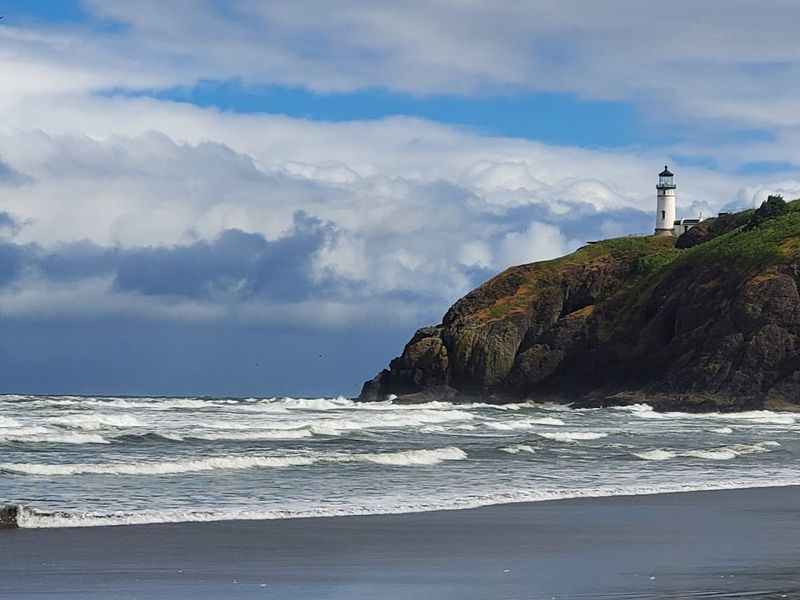
The name sounds discouraging, but Cape Disappointment State Park is anything but. The name actually comes from a British fur trader in 1788 who was disappointed he could not find the Columbia River mouth.
Fast forward a few centuries and this place has become one of the most dramatic coastal destinations in the entire Pacific Northwest.
Two historic lighthouses stand here, the Cape Disappointment Lighthouse built in 1856 and the North Head Lighthouse from 1898. Both are still active.
Walking out to either one feels like stepping into a completely different era, especially when the Pacific fog rolls in and everything turns cinematic.
The park has over 27 miles of hiking trails, two beaches, and a fascinating interpretive center dedicated to the Lewis and Clark Expedition, which ended its westward journey here in 1805. History and scenery collide in the best possible way.
Waikiki Beach inside the park is surprisingly sheltered and popular with families. The waves on the outer coast are powerful and beautiful to watch, even if swimming is not recommended there.
Find the park at PO Box 488, Ilwaco. If the weather looks moody and dramatic, that is actually the perfect day to visit Cape Disappointment.
4. Larrabee State Park
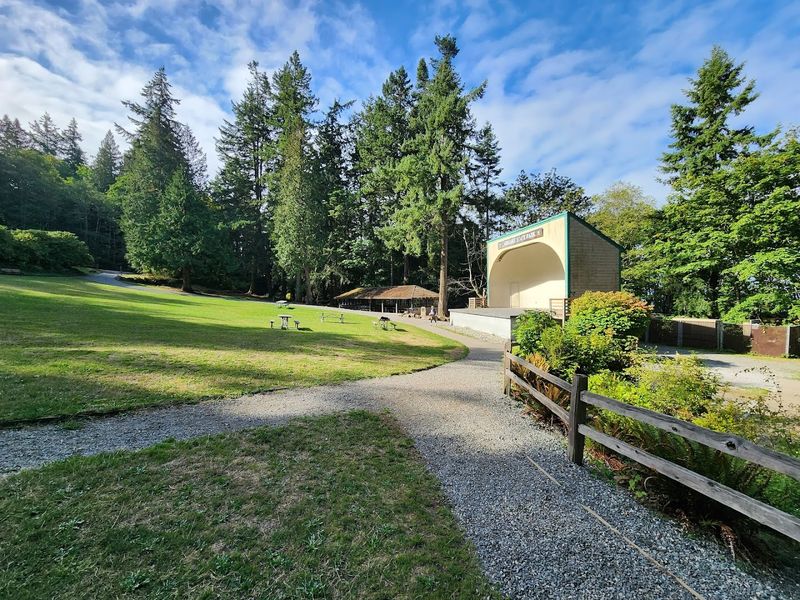
Larrabee holds a notable distinction as Washington’s first state park, established in 1923. That alone deserves some respect.
But the reason people keep coming back has nothing to do with history and everything to do with those extraordinary sandstone rock formations along the shoreline.
The exposed rocks at low tide look like something sculpted by an artist with too much ambition and too much time.
Swirls, ridges, and pockets carved by centuries of water create a landscape that is endlessly photogenic and genuinely fun to explore on foot. Tidepooling here is exceptional when the tide cooperates.
The park connects to the Interurban Trail and Chuckanut Mountain trail system, opening up miles of hiking options through second-growth forest with occasional views over Samish Bay and the San Juan Islands.
The Fragrance Lake trail is a favorite, leading to a quiet mountain lake surrounded by trees.
Cyclists love the Chuckanut Drive approach, which is one of the most scenic roads in Washington.
The park sits at 245 Chuckanut Drive, Bellingham, and is easy to reach from the city. Bring a picnic, arrive at low tide, and give yourself at least half a day.
You will use every minute of it.
5. Palouse Falls State Park
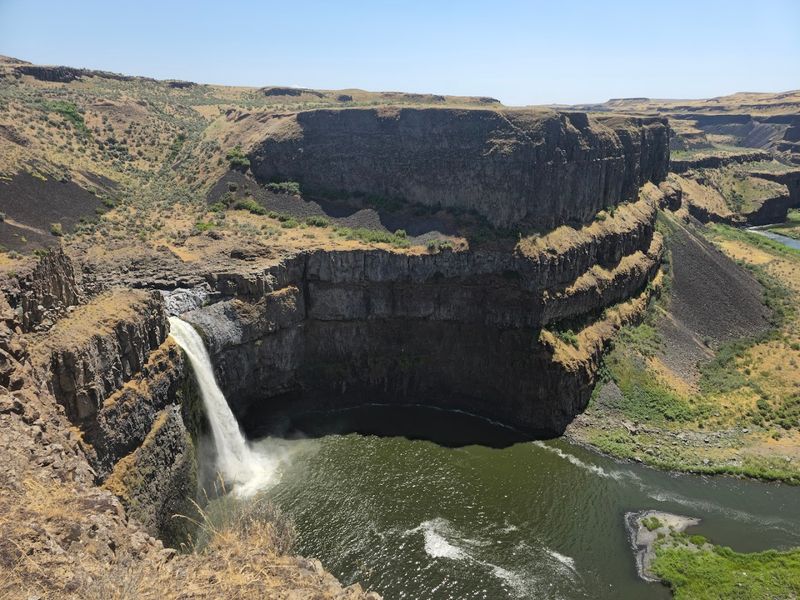
There is something almost unbelievable about Palouse Falls.
You drive through miles of rolling wheat fields in eastern Washington, wondering if the GPS has lost its mind, and then suddenly a canyon opens up and a 198-foot waterfall drops into a perfectly carved basalt bowl.
It stops you cold every single time.
Palouse Falls is the official state waterfall of Washington, a title it earned in 2014 after a campaign by local students.
The falls were formed during Missoula Floods at the end of the last Ice Age, which carved much of eastern Washington’s dramatic landscape in a matter of days.
The main viewpoint is just a short walk from the parking lot, making this one of the most accessible dramatic landscapes in the state.
For those wanting more, a steep trail leads down closer to the plunge pool, though it requires careful footing on loose basalt rock.
Spring is the best time to visit when snowmelt pushes the Palouse River to its highest flow and the falls thunder with real authority.
The address is Palouse Falls Road, LaCrosse. Sunrise here is spectacular, with golden light catching the mist rising from the canyon below.
Set that alarm.
6. Lime Kiln Point State Park
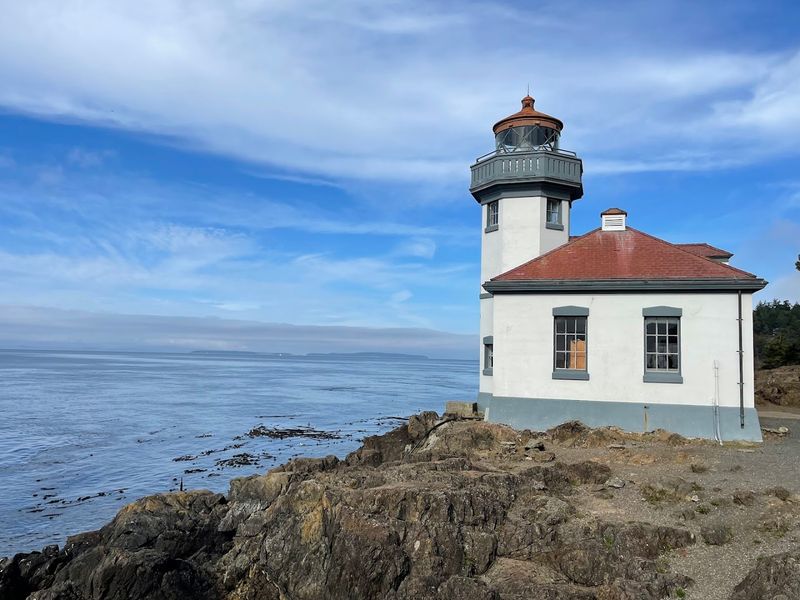
Lime Kiln Point is known as one of the best places in the world to watch orcas from shore.
Not from a boat, not from a screen, but actually standing on solid ground with binoculars and maybe a thermos of something warm. That fact alone is worth the ferry ride to San Juan Island.
The park sits along Haro Strait, where the deep underwater ledge creates a natural feeding ground for the Southern Resident orca population.
Summer months between May and September offer the highest chance of sightings, though nothing is ever guaranteed with wild animals. The waiting is part of the experience.
The historic Lime Kiln Lighthouse, built in 1919, adds a postcard-worthy backdrop to the rocky shoreline.
A short interpretive trail explains the orca research conducted here by The Whale Museum. Harbor seals, porpoises, and Minke whales also make regular appearances.
Even on days when the orcas stay offshore, the park delivers. The rocky bluffs, the strait views, and the quiet forest trails make for a genuinely restorative afternoon.
The park is at 1567 Westside Road, Friday Harbor. Bring patience, bring snacks, and keep your eyes on the water.
The payoff when those black fins appear is something you will not forget quickly.
7. Wallace Falls State Park
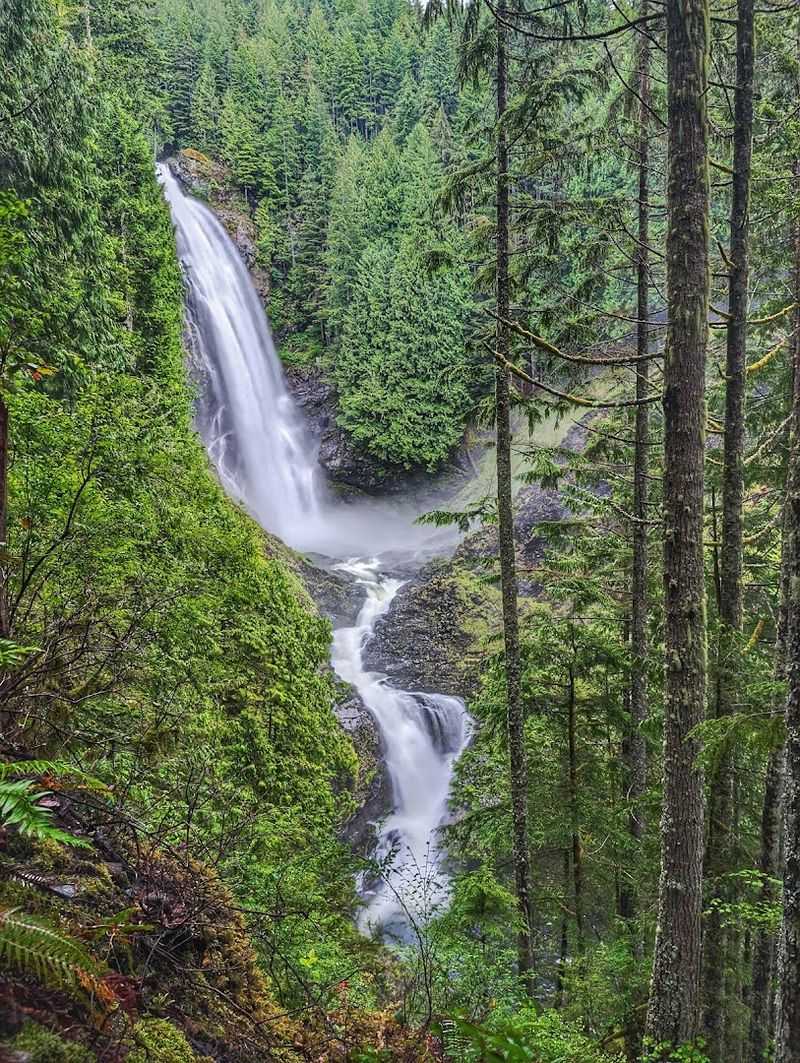
Wallace Falls rewards effort. The trail to the upper falls is about 5.6 miles round trip with a solid elevation gain, and by the time you reach the top viewpoint, your legs will have opinions about your life choices.
But then you see it, a series of nine waterfalls cascading down the forested hillside, and every complaint evaporates instantly.
The park is located near the town of Gold Bar in the foothills of the Cascades, about an hour east of Seattle.
That proximity makes it a go-to destination for city dwellers craving a real forest fix without committing to a full weekend.
The trailhead fills up early on sunny Saturdays, so arriving by 8 a.m. is a genuine recommendation, not just a polite suggestion.
Three main viewpoints offer increasingly impressive perspectives of the falls. The middle falls viewpoint is the most popular and gives a full frontal view of the most dramatic drop.
The upper viewpoint adds a wider canyon perspective and is worth the extra push.
Old-growth Douglas fir and western red cedar line the trail, creating that cathedral-forest feeling that is hard to replicate anywhere else.
The park address is 14503 Wallace Lake Road, Gold Bar. Waterproof boots are a good call year-round since the trail can get muddy and the mist from the falls reaches further than expected.
8. Steamboat Rock State Park
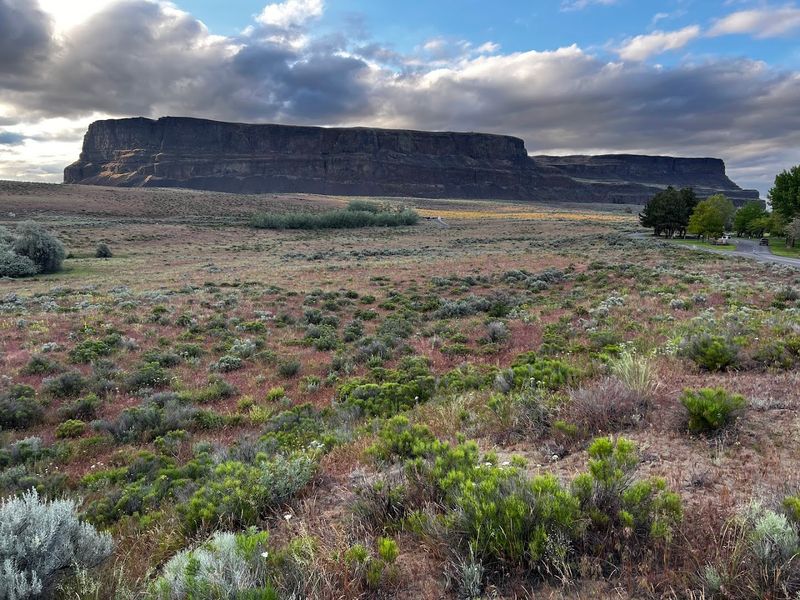
Steamboat Rock is one of those geological features that makes you question everything you thought you knew about eastern Washington.
Most people picture wheat fields and flat horizons when they think of that part of the state. Then they see a 800-foot basalt butte rising straight out of a massive reservoir, and suddenly the whole mental map needs updating.
Banks Lake surrounds the base of Steamboat Rock on three sides, creating a peninsula-like setting that is spectacular for camping, boating, and swimming.
The lake is warm enough in summer for comfortable swimming, which is a pleasant surprise given the high-desert setting. Jet skis, fishing boats, and kayaks share the water on busy summer weekends.
The trail to the top of Steamboat Rock is about 1.5 miles each way with a steep final push.
The summit is a vast, flat plateau covered in sagebrush and bunchgrass, with sweeping views of the Columbia Plateau stretching in every direction. It is one of the most unique summit experiences in the state.
Wildflowers bloom across the plateau in spring, turning the basalt landscape surprisingly colorful. The park sits at 51052 Highway 155, Electric City.
Pair the hike with a swim in Banks Lake afterward and you have a near-perfect eastern Washington day trip formula.
9. Sun Lakes-Dry Falls State Park
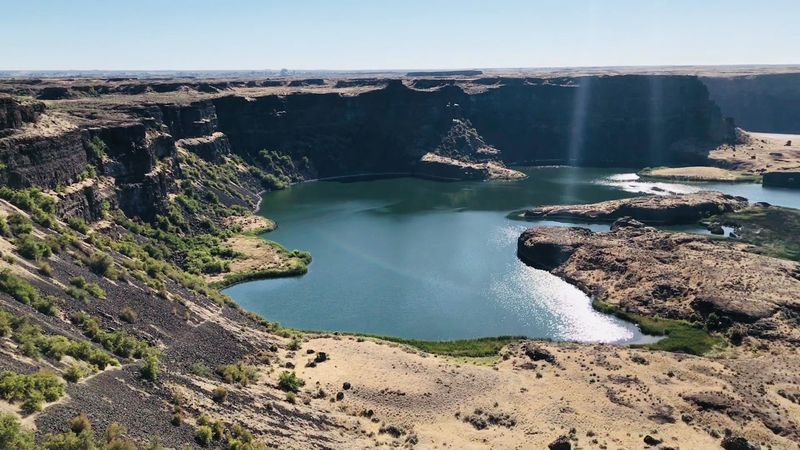
Dry Falls is the kind of place that makes geology feel genuinely exciting, which is not a sentence most people expect to say.
During the Missoula Floods roughly 15,000 years ago, this was the largest waterfall on Earth, stretching 3.5 miles wide and dropping 400 feet.
Today it stands silent and dry, but the scale of the canyon it carved is jaw-dropping.
The visitor center perched at the rim does an excellent job explaining what happened here, with exhibits that help the brain process the sheer magnitude of those ancient floods.
Standing at the overlook afterward, knowing what you know, makes the view hit completely differently. The turquoise lakes sitting at the base of the cliff add a surreal color contrast to all that ancient basalt.
Below the cliffs, the park opens into a desert canyon landscape with hiking trails, fishing lakes, and swimming areas that feel almost tropical on a hot summer day.
Sun Lakes itself is popular for camping, paddling, and picnicking among the sagebrush and canyon walls.
The address is 34875 Park Lake Road NE, Coulee City.
Spring and early summer bring wildflowers to the canyon floor and ideal hiking temperatures. Combine a stop at the Dry Falls overlook with a swim at Park Lake and you will leave feeling like you genuinely earned the day.
10. Fort Worden Historical State Park
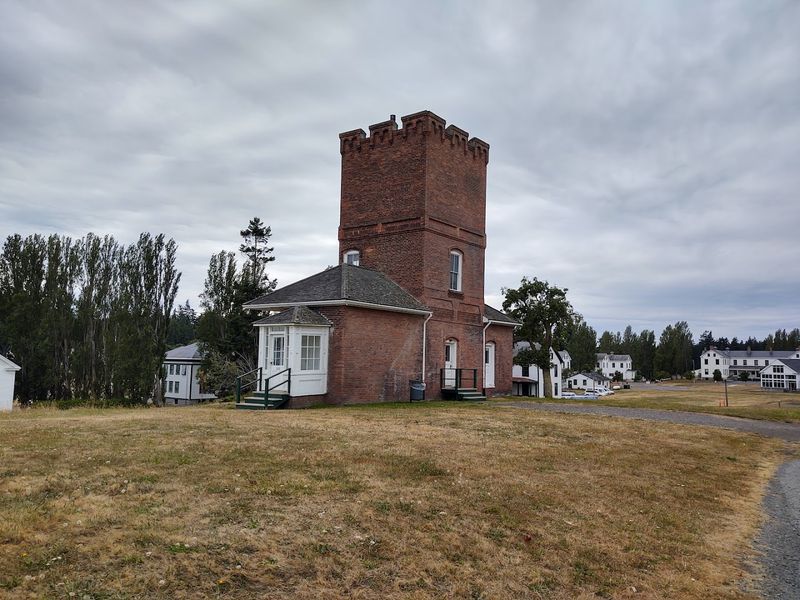
This is the kind of place that makes you feel like you stepped into three different stories at once.
There is the Victorian military history, the beautiful Victorian seaport town of Port Townsend surrounding it, and the sheer natural beauty of the headland where the Strait of Juan de Fuca meets Admiralty Inlet.
It is a lot to take in, in the best possible way.
The fort was built in the late 1890s as part of a coastal defense system and remained active through World War II.
Today the grounds are remarkably well preserved, with concrete gun batteries, officer quarters, and a commanding officers house open for tours. History enthusiasts could spend hours exploring the bunkers alone.
Beyond the history, the park offers a long sandy beach with stunning views of the Olympic Mountains and passing ships.
The marine science center on site, run by the University of Washington, has touch tanks and exhibits that kids absolutely love.
It adds a genuinely educational layer to the day without feeling like homework.
Port Townsend itself is worth exploring before or after your park visit, with its Victorian architecture and waterfront shops.
The park address is 200 Battery Way, Port Townsend. Sunset from the beach here, with the mountains turning pink across the water, is the kind of ending a day trip deserves.