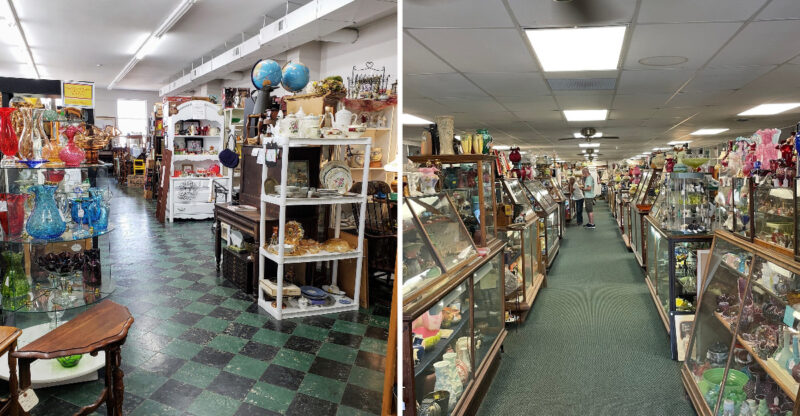
These 10 Weird And Wonderful West Virginia Roadside Stops Look Almost Unreal
A giant teapot beside the highway should tell you immediately that this road trip is going somewhere interesting.
West Virginia fills its back roads with cryptid statues, bizarre buildings, enormous food, curious museums, gravity tricks, scientific marvels, and roadside creations that make absolutely no attempt to act normal.
That is exactly why stopping is so much fun!
One detour may involve folklore, while the next jumps into space science, local history, or somebody’s wonderfully odd artistic vision.
Seriously, what will show up next?
Most stops do not require much time, which makes them easy additions to a longer drive.
Keep the route flexible, because the weirdest fifteen-minute detour may become the story everyone remembers.
1. Mothman Statue, Point Pleasant
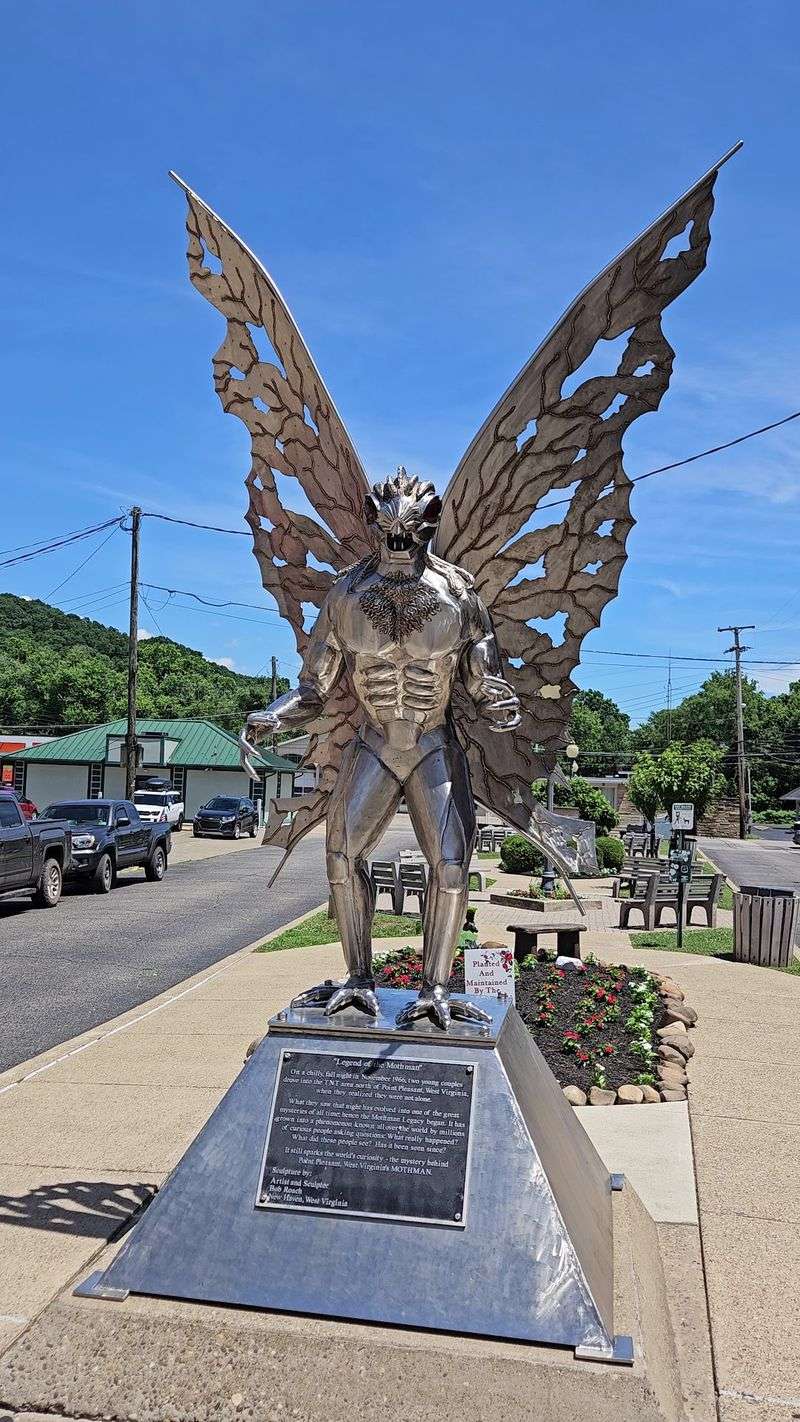
Are you seeing what I am seeing? Something silver and winged is watching Main Street.
The Mothman Statue in Point Pleasant honors sightings reported between November 1966 and December 1967. Locals described a tall figure with glowing red eyes and enormous wings.
Sculptor Bob Roach created the metallic tribute installed in 2003, and the Mothman figure stands roughly 12 feet tall.
Red eyes catch the sun and throw light back at you. Photos here come out looking almost cinematic.
Visitors frequently stop at the statue for photos before exploring the adjacent Mothman Museum and other downtown attractions.
Books and films carried the legend far beyond state lines. Still, the story belongs to this river town first.
Nearby sits the former World War II munitions plant tied to early accounts. The area adds real texture to the tale.
The 2026 Mothman Festival is scheduled for September 19 and 20, when downtown Point Pleasant fills with vendors, live entertainment, speakers, cosplay, and Mothman-themed events.
Downtown Point Pleasant is easy to explore on foot, though parking changes dramatically during the Mothman Festival, when special parking arrangements and larger crowds are expected.
You will find the statue at 201 4th St, just steps from the Mothman Museum on Main Street in downtown Point Pleasant.
2. Mystery Hole, Ansted
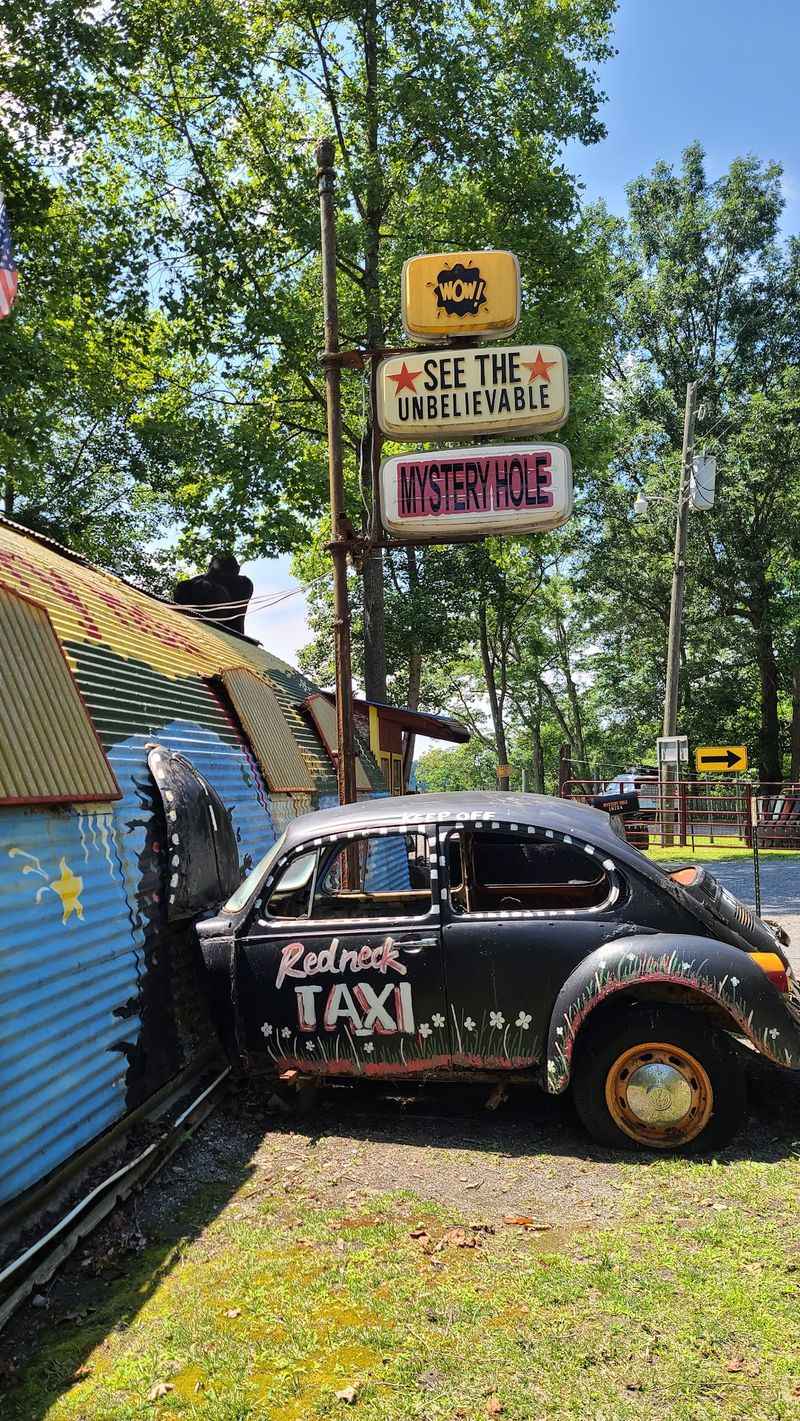
The apparent Volkswagen Beetle crash on the exterior is only the beginning, since the attraction’s main surprises wait inside.
Mystery Hole in Ansted is a kitschy underground chamber where gravity acts confused. Donald Wilson opened the attraction back in 1973.
Tours lead visitors through tilted spaces and gravity-defying illusions designed to scramble the senses without giving away all of the attraction’s secrets.
Balls roll uphill and water refuses to run the expected way. Chairs perch at angles that should never hold.
Outside, a brightly painted Quonset hut sets the mood immediately. A Volkswagen Beetle appears to have crashed into the side.
A giant gorilla statue looms near the entrance for extra absurdity. Every inch of the exterior begs for a snapshot.
Low-tech charm is exactly the appeal, with no screens or apps involved. The whole thing runs on clever carpentry and showmanship.
Mystery Hole currently opens Saturday and Sunday from 10:30 a.m. to 5:30 p.m., with the final tour beginning at 5:15, and operates seasonally.
The deliberately low-tech illusions make the attraction a playful stop for visitors curious about how their eyes and sense of balance can be fooled.
Point your wheels toward 16724 Midland Trl. Reality bends here, and the memory sticks around far longer.
3. World’s Largest Teapot, Chester
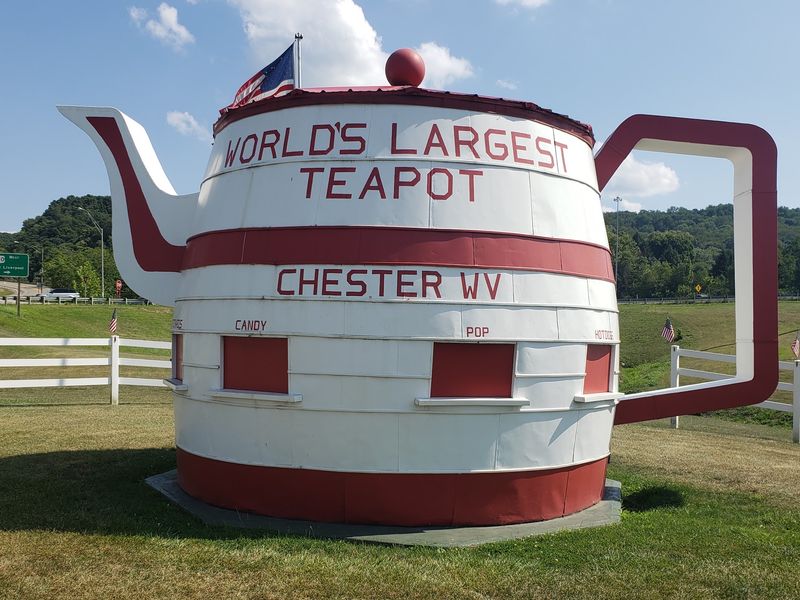
A 14-foot roadside teapot sounds almost invented, yet Chester has had one drawing curious drivers since 1938.
Long billed as the World’s Largest Teapot, Chester’s landmark stands about 14 feet high and 14 feet in diameter, though a larger Texas teapot claimed the size title in 2025.
Life started as a giant wooden barrel in the early 1900s. Hires Root Beer used it for advertising in Pennsylvania.
William Babe Devon bought the barrel in 1938 and hauled it here. A spout and handle completed the transformation.
It first sat outside Devon’s pottery outlet store selling snacks and souvenirs. Travelers stopped for both the goods and the novelty.
The monument also honored a region once famous for pottery production. That industry shaped local jobs for generations.
Years of weather took a toll on the paint and structure. Residents organized a restoration in 1990 and again in 2007.
Today it sits in a tidy little park with easy parking. Interpretive signs fill in the backstory nicely.
Morning light works best for photos without harsh shadows. Bring a friend for scale, because the size never reads right alone.
Look for it along County Highway 30/6. Few roadside icons brew up this much local pride.
4. Hillbilly Hot Dogs, Lesage
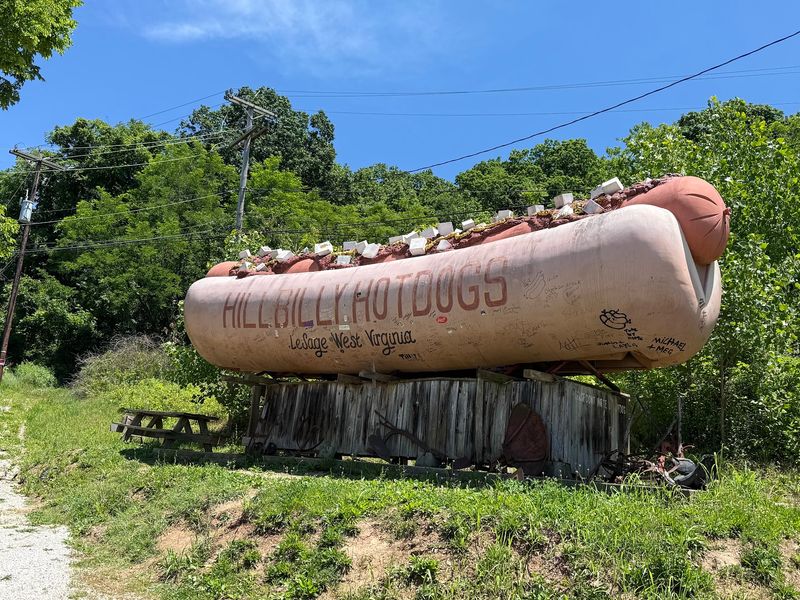
Some meals truly deserve a full detour.
Hillbilly Hot Dogs in Lesage has earned national attention for oversized creations. The building itself looks assembled from pure imagination.
Hand-painted signs, license plates, and odd memorabilia cover nearly every surface. A converted bus adds seating with personality.
The menu leans into enormous loaded hot dogs with bold names. The Homewrecker and WidowMaker headline the list.
Specialty dogs nod to local legends and comfort food favorites. Look for the Mothman Dog and the Pizza Dog.
Portions run generous, so sharing is a smart strategy. Bring napkins and abandon any hope of neatness.
Staff keep the mood friendly and the jokes flowing steadily. Regulars scribble messages on the walls and ceilings.
Outdoor picnic tables sit close to the Ohio River road. Warm afternoons make the patio the best seat available.
Current hours are 11 a.m. to 5 p.m. Monday and Thursday through Sunday, with Tuesday and Wednesday closed, so checking the schedule matters more than trying to predict crowd levels.
Photos of the exterior alone justify pulling off the highway. Then the food arrives and doubles the fun.
Find this delicious oddity at 7660 Ohio River Rd. Loosen your belt before you even open the door.
5. Flatwoods Monster Museum, Sutton
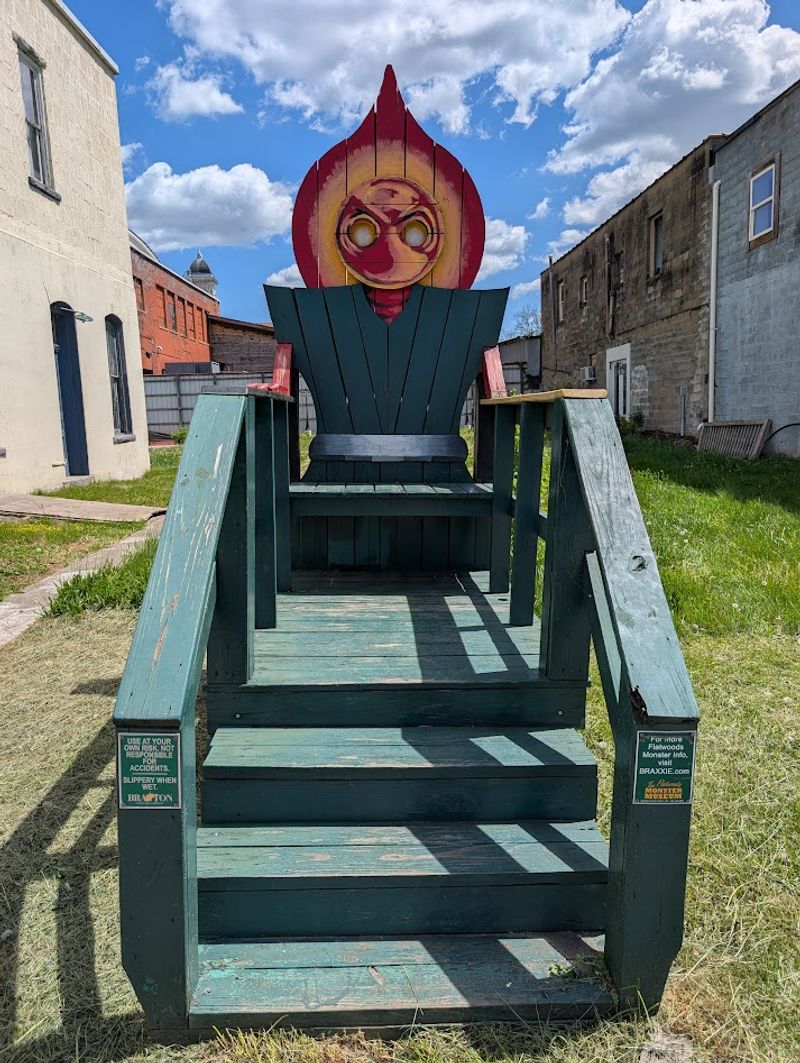
Correct me if I am wrong, but a spade-headed alien sounds unforgettable. West Virginia has been telling that story since 1952.
The Flatwoods Monster Museum in Sutton collects everything tied to the sighting. Witnesses described a hovering 10-foot figure with glowing eyes.
Some folks call the creature the Green Monster. Its pointed head shape became the signature detail.
Inside, glass cases hold artifacts, newspaper clippings, and vintage memorabilia. Displays trace how the legend grew over the decades.
A life-sized costume lets you see the described proportions up close. Photos beside it turn out delightfully strange.
The building also serves as the Braxton County Visitors Center. Staff share maps, tips, and plenty of local lore.
Admission is free, which makes a short stop very easy. Half an hour covers the highlights comfortably.
Souvenirs include quirky shirts, magnets, and small monster figures. They make excellent proof of your detour.
Around town, painted monster chairs pop up as a scavenger hunt. Kids especially enjoy tracking them down.
Sutton’s historic downtown sits nearby for coffee and a stroll. The whole area rewards slow exploring.
Head to 208 Main St to meet the legend. Believers and skeptics both leave grinning.
6. Prabhupada’s Palace Of Gold, Moundsville
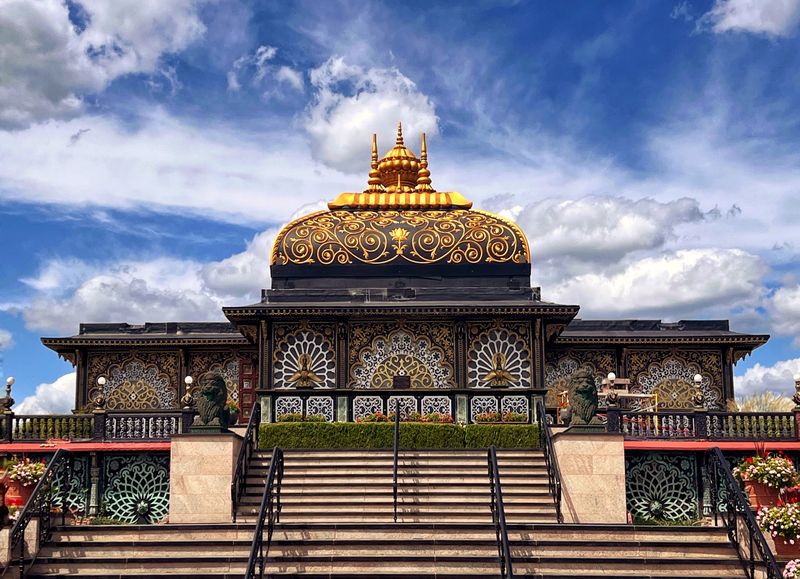
Gold domes are not what you expect on an Appalachian ridge.
Prabhupada’s Palace of Gold sits in the hills near Moundsville. Many travelers call it America’s Taj Mahal.
The exterior gleams with 22-karat gold leaf across intricate detailing. Sunset light makes the whole structure glow.
Plans began in the early 1970s as a home for A.C. Bhaktivedanta Swami Prabhupada. He founded the Hare Krishna movement.
He passed before completion, so disciples finished it as a memorial. Their craftsmanship shows in every corner.
Fine marble, crystal chandeliers, and mirrored ceilings fill the interior. Stained-glass peacock windows scatter color across the floors.
Murals depict scenes from ancient Indian classics. Guides explain the symbolism during tours.
Outside, flower gardens include an award-winning rose collection. A tranquil lake and fountains complete the grounds.
The hilltop perch opens onto broad views across the surrounding Appalachian hills and valleys, giving visitors another reason to linger outside.
The Palace Rose Garden has several major bloom periods from early June into late September, while current Palace tours run throughout the week on a separate schedule.
The address is 3759 McCrearys Ridge Rd. Nothing on the drive up prepares you for that first golden glimpse.
7. John Henry Historical Park & Statue, Talcott
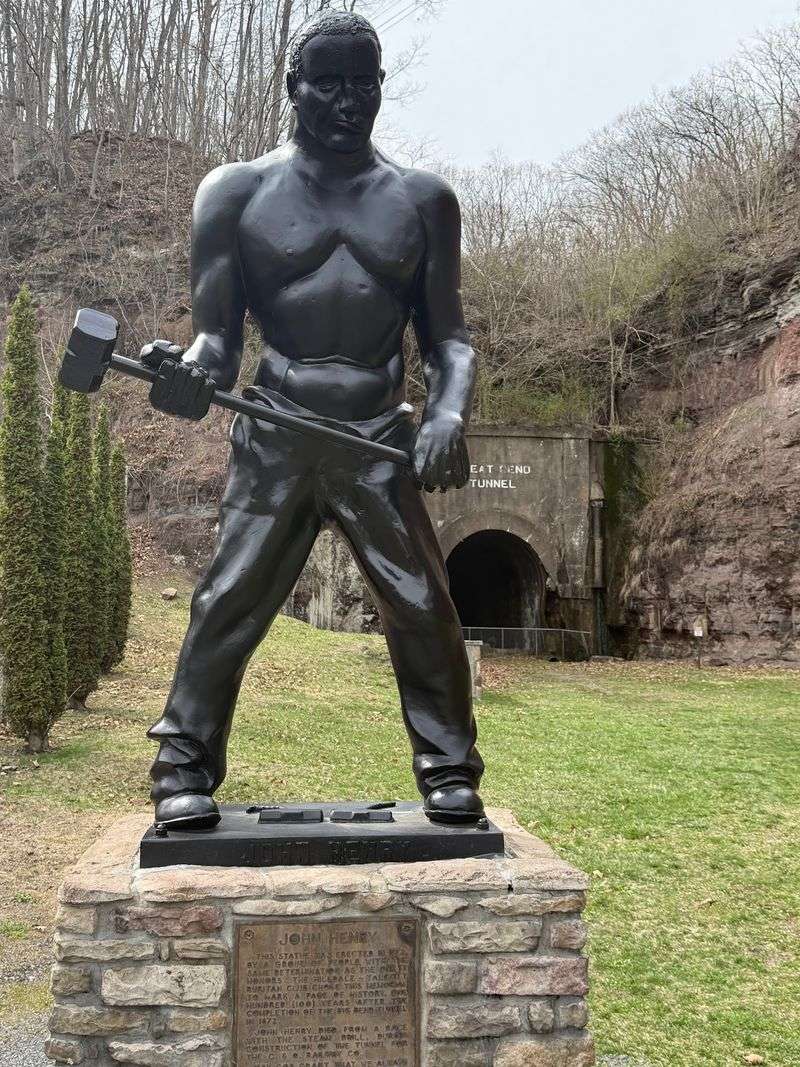
Just imagine for a second one man racing a steam drill. That contest became an American legend.
John Henry Historical Park and Statue in Talcott honors the steel-drivin’ man. The story centers on Big Bend Tunnel around 1870.
John Henry stood for countless African American laborers who built the railroads. Their work shaped travel across the state.
Crews cut a 6,450-foot tunnel through Big Bend Mountain. Conditions in the early 1870s were brutally hard.
Informational kiosks explain the labor, the tools, and the legend. Reading them changes how you hear the old song.
Walking trails wind across the hillside above the tunnel. A picnic shelter makes a shady lunch stop.
The statue was erected in 1972, then restored and relocated closer to the Great Bend Tunnel entrance in 2012.
Informational kiosks interpret John Henry, railroad labor, and local history, while the park also includes walking trails, a picnic shelter, and a stage used for community events.
Autumn colors along the ridges make the drive worthwhile alone. Spring brings wildflowers and easier trail walking.
Nearby Hinton and Bluestone Lake round out a full day. Pack water and comfortable shoes.
Access this West Virginia park from Route 3/12. Standing there, that hammer story hits harder than any textbook page.
8. Coal House, Williamson
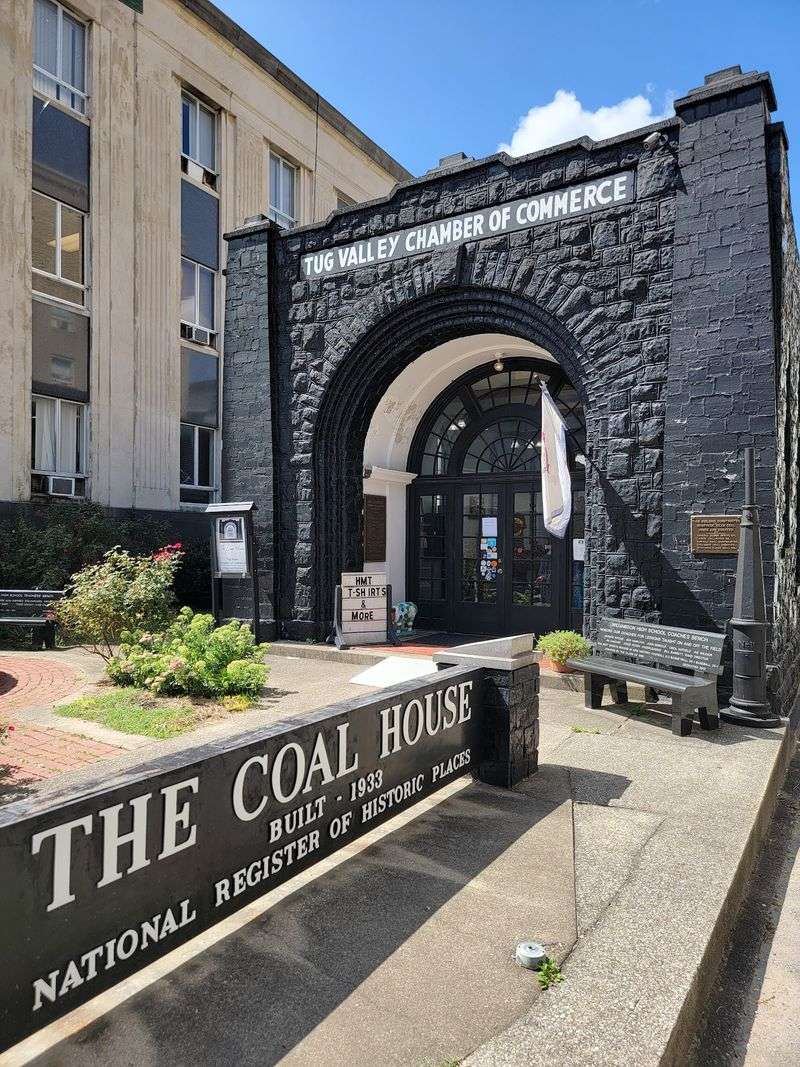
Let us be real for a second. A building made of coal sounds impossible until you touch the wall.
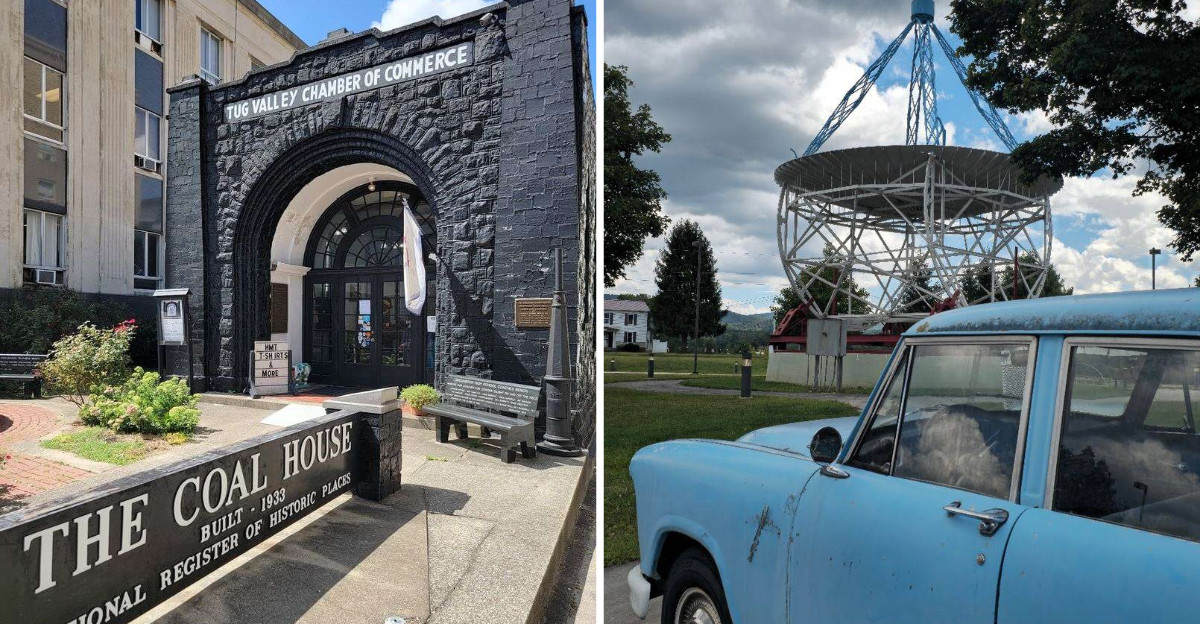
The Coal House in Williamson was built in 1933 from 65 tons of bituminous coal, with exterior coal walls measuring roughly one foot thick.
Builders used 65 tons of bituminous coal, quarried in blocks and dressed like stone. The result looks glossy and black.
O.W. Evans, a superintendent for the Norfolk and Western Railway, championed the idea. He wanted a symbol for the Billion Dollar Coalfield.
Architect H.T. Hicks designed the Coal House, with D.M. Goode also involved in the project, creating an unusual monument to the region’s coal industry.
Varnish protects the masonry from rain and sun. Maintenance keeps that distinctive shine intact.
Today the Tug Valley Chamber of Commerce works inside. Staff often share stories about the structure.
Close-up photos capture the glittering texture of the coal blocks. Bright overcast days reduce glare nicely.
Downtown Williamson holds murals and railroad heritage worth a short walk. The Hatfield-McCoy trail system runs nearby.
Weekday hours give the best chance of seeing the interior. Check ahead before making a long drive.
The Coal House sits at 73 E 2nd Ave. Few landmarks explain a region’s identity so literally.
9. Trans-Allegheny Lunatic Asylum, Weston
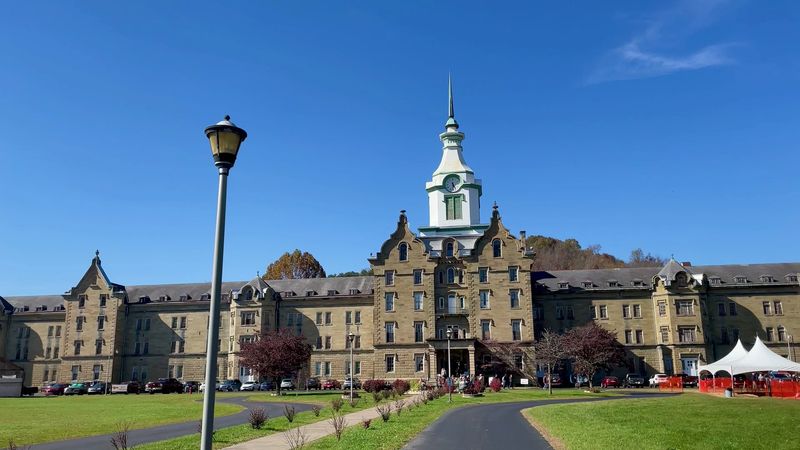
This stone giant stretches farther than the eye tracks. Its hallways run for what seems like miles.
Trans-Allegheny Lunatic Asylum in Weston is a National Historic Landmark. Care for patients began here in the mid-1800s.
Construction ran between 1858 and 1881 using hand-cut stone masonry. It is the largest hand-cut stone masonry building in North America, while some sources describe it as the second largest of its kind in the world.
The Kirkbride Plan guided the design toward sunlight and fresh air. Long wings and tall windows show that intent.
Roughly 160 years of history include Civil War raids and a gold robbery. Guides tell those chapters vividly.
By the 1950s nearly 2,400 patients lived inside. Original plans called for far fewer.
Daytime historic tours walk through restored museum rooms and wards. Displays trace changes in mental healthcare.
Evening paranormal tours and overnight ghost hunts run for braver travelers. Flashlights and sturdy shoes help a lot.
This West Virginia historic building is not climate controlled, so interior temperatures can become hot in summer and cold during cooler weather.
The grounds and clock tower make striking exterior shots. Autumn light suits the stonework beautifully.
Tours depart from 50 S River St. History and hair-raising atmosphere share the same address here.
10. Green Bank Observatory, Green Bank
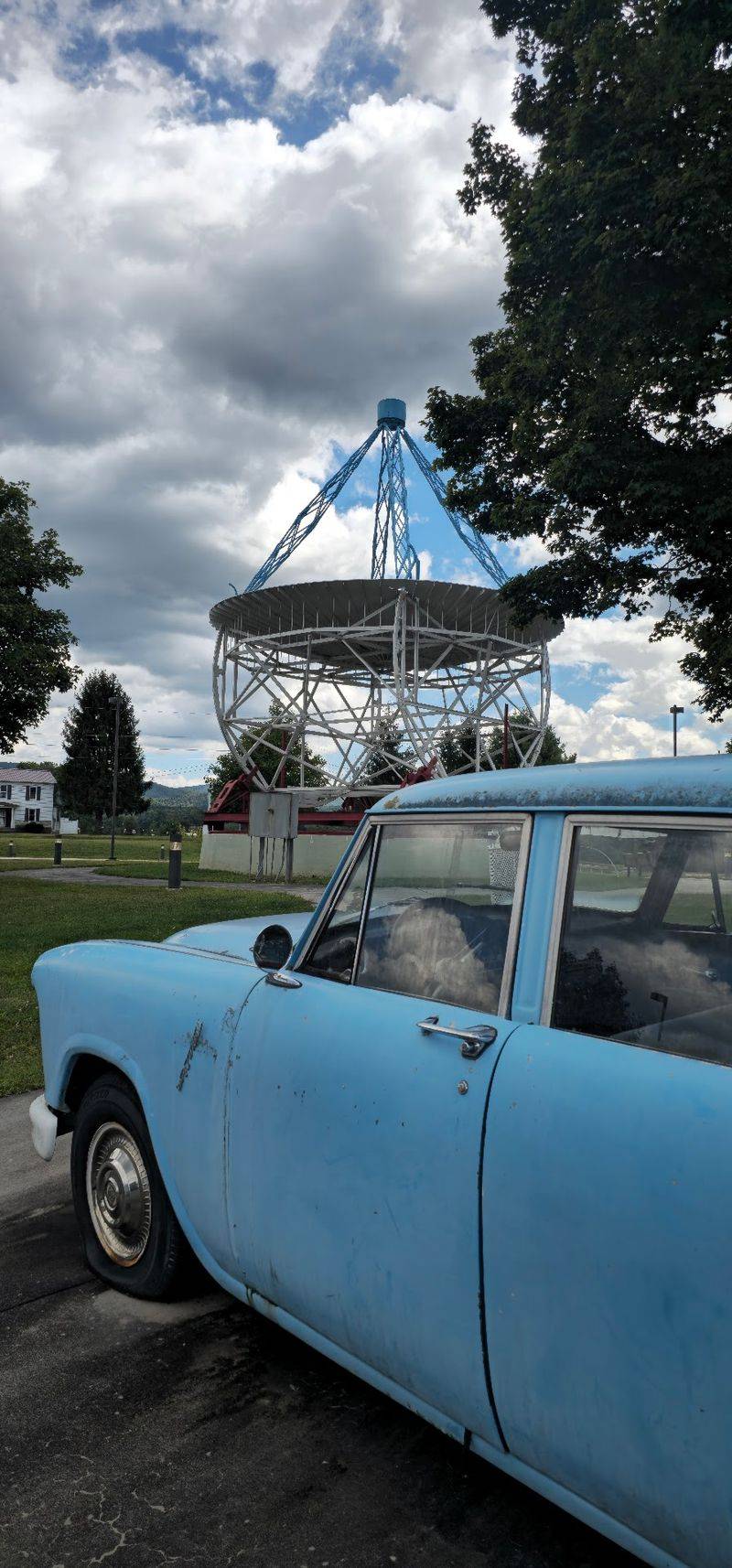
Call me crazy, but a zone with no cell service sounds refreshing. Science needs that silence to work.
Green Bank Observatory sits inside the National Radio Quiet Zone. The protected area spans 13,000 square miles.
The National Radio Quiet Zone restricts and coordinates radio-frequency interference across roughly 13,000 square miles, while much stricter electronics rules apply on the observatory campus itself.
The Green Bank Telescope is the world’s largest fully steerable radio telescope. It stands 485 feet tall and has a collecting surface covering roughly 2.3 acres.
That dish gathers whispers from deep space. Researchers use the data to study galaxies and pulsars.
The Science Center holds an exhibit hall with hands-on displays. Guided site tours combine a presentation with a ride on a radio-quiet bus for a closer look at the observatory’s telescopes.
Self-guided walks let you explore the grounds at your own pace. The Starlight Cafe handles snacks and lunch.
A gift shop stocks space-themed souvenirs for young astronomers. Kids often leave asking excellent questions.
Visitors entering the restricted telescope zone should leave electronic devices in their vehicle or follow the observatory’s instructions for completely disabling them before proceeding.
Surrounding Pocahontas County countryside is quiet and green. Clear nights bring extraordinary star viewing.
This West Virginia observatory sits at 155 Observatory Rd. Unplugging has rarely looked this spectacular against a mountain sky.