These Wisconsin Ice Fishing Villages Turn Frozen Lakes Into Food Hubs Every January
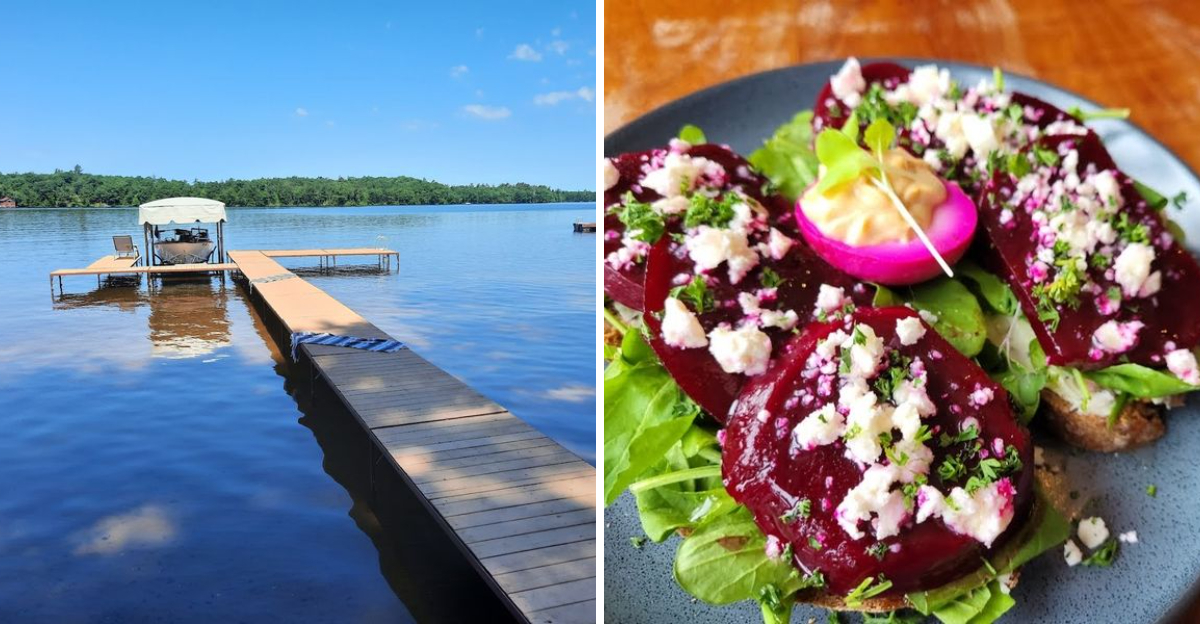
Every January, something quietly spectacular happens across Wisconsin that most people outside the state never hear about, and that is honestly their loss.
Frozen lakes transform into buzzing communities almost overnight.
Ice shanties line up like tiny improvised neighborhoods and locals go about their cold-weather routines with the calm efficiency of people who have been doing this their entire lives.
I had absolutely no idea how much food culture existed inside these frozen villages until I started exploring them myself.
What I found out there on the ice changed the way I think about winter entirely.
Fresh walleye pulled up and fried within the same afternoon. Smoked whitefish with a depth of flavor that no restaurant has ever quite managed to replicate.
The kind of eating that only happens when the ingredients are that close to the source and the people making the food have been perfecting it since childhood. Wisconsin winters, it turns out, are worth every single degree.
1. Oshkosh
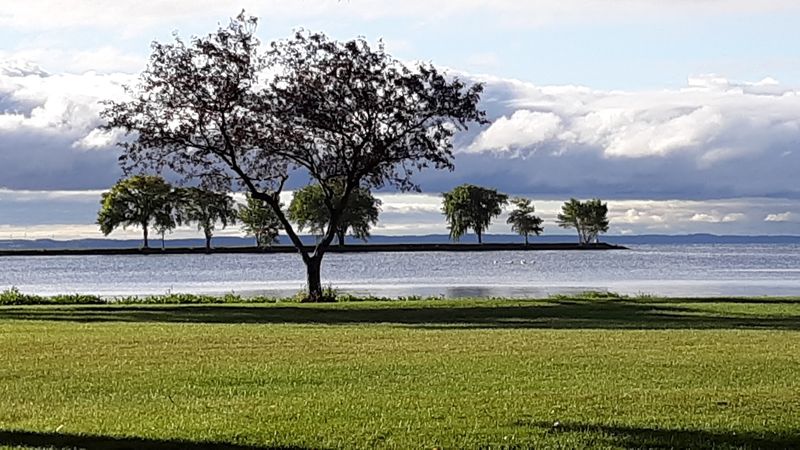
Lake Winnebago does not mess around.
Every January, it becomes one of the largest sturgeon spearing events in the country, drawing thousands of people who set up shanties, drill holes, and wait patiently beneath the ice for something massive to appear.
The food scene that builds up around this event is genuinely impressive.
Local restaurants in Oshkosh start running fish fry specials almost daily, and community fish boils pop up around the lake with big pots of freshly caught perch and potatoes.
The Friday fish fry tradition here is serious business, not just a menu option.
Restaurants like Friar Tuck’s on the water serve up battered lake perch that locals have been ordering for decades. The portions are generous, the fish is fresh, and nobody is trying to impress you with fancy plating.
Oshkosh delivers the kind of food that makes you loosen your belt and lean back satisfied. If you want to understand Wisconsin’s ice fishing food culture, this lake-city is the perfect starting point for your January adventure.
2. Fond Du Lac
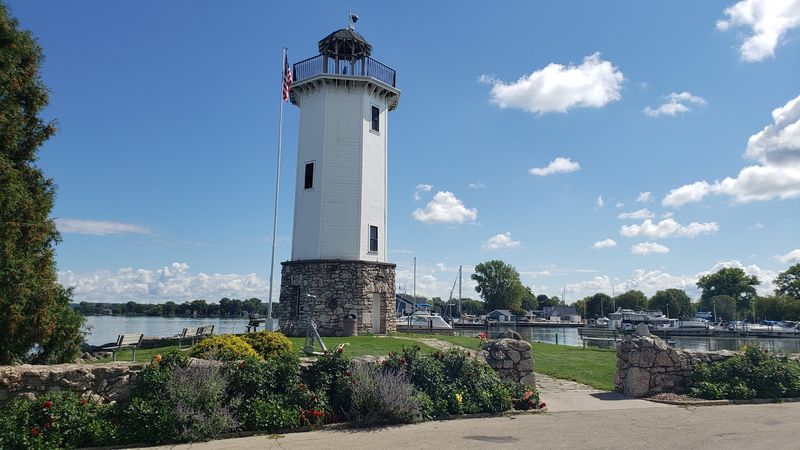
Fond du Lac sits right at the southern tip of Lake Winnebago, which means it gets the full force of ice fishing season every single year. The town leans into it hard, and the results are delicious.
During sturgeon spearing season, the energy in Fond du Lac is contagious. People gather at local taverns and restaurants to swap stories about what they spotted under the ice, and the menus shift to match the season beautifully.
Fresh perch baskets, smoked fish spreads, and hearty chowders become the daily specials worth ordering.
One thing that surprised me here was how many local shops start stocking smoked fish products during January.
You can pick up smoked lake perch or whitefish at several spots along the main commercial strip, and they make for the best car snack imaginable on a cold drive home.
The community around the lake feels genuinely proud of this tradition. Fond du Lac is not just a place you pass through on the way to bigger destinations.
It earns its spot on this list with real food, real fish, and real January energy that is hard to replicate anywhere else.
3. Rhinelander
This place sits in the Northwoods of Wisconsin, surrounded by hundreds of lakes, and in January the whole town smells faintly of wood smoke and fried fish. That combination alone should be reason enough to visit.
The ice fishing culture here runs deep. Local guides take visitors out onto lakes like Lake Metonga and Boom Lake, where panfish and walleye are plentiful and eager.
After a morning on the ice, the real reward comes at local supper clubs and diners where the catch gets transformed into something genuinely worth eating.
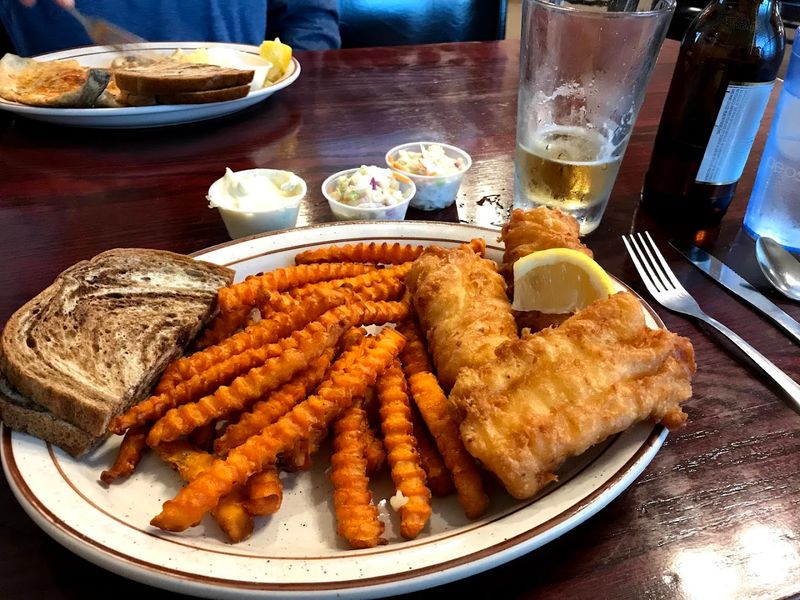
The Rhinelander area is known for its old-school supper club dining, where Friday fish fry means a full spread including coleslaw, rye bread, and potato pancakes alongside perfectly fried lake fish.
It is comfort food that has been refined over generations rather than invented by a marketing team.
I remember sitting in one of these spots after a freezing morning on the ice and feeling completely restored by a single plate of walleye.
Rhinelander proves that great food does not need a flashy address. Sometimes it just needs a frozen lake nearby and a kitchen that knows what to do with what comes out of it.
4. Minocqua
It is the kind of town that looks like a postcard in summer and becomes something even better in January. The lakes freeze solid, the tourists thin out, and what remains is a quiet, food-forward ice fishing community that locals actually love.
Lake Minocqua sits right in the middle of town, which means you can walk from your hotel to the ice in about five minutes.
Anglers pull in bluegill, crappie, and perch regularly, and several local restaurants have built their winter menus around exactly those species. The fish here tastes clean and fresh because it comes from clear Northwoods water.
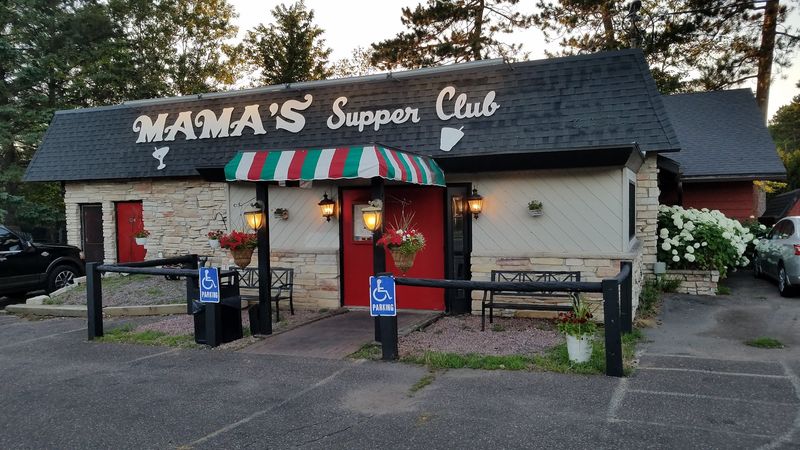
Mama’s Supper Club, located at 10486 Highway 70 West in Minocqua, is one of those places that feels like it has been feeding ice fishermen forever.
The atmosphere is warm, the portions are huge, and the fish fry is the kind of meal you think about on the drive home.
Minocqua also has a handful of bait shops that double as informal gathering spots where locals share reports of what is biting and where.
That community knowledge, shared freely over hot coffee, is part of what makes this town feel like a real ice fishing village rather than just a tourist destination with a frozen lake attached.
5. Hayward
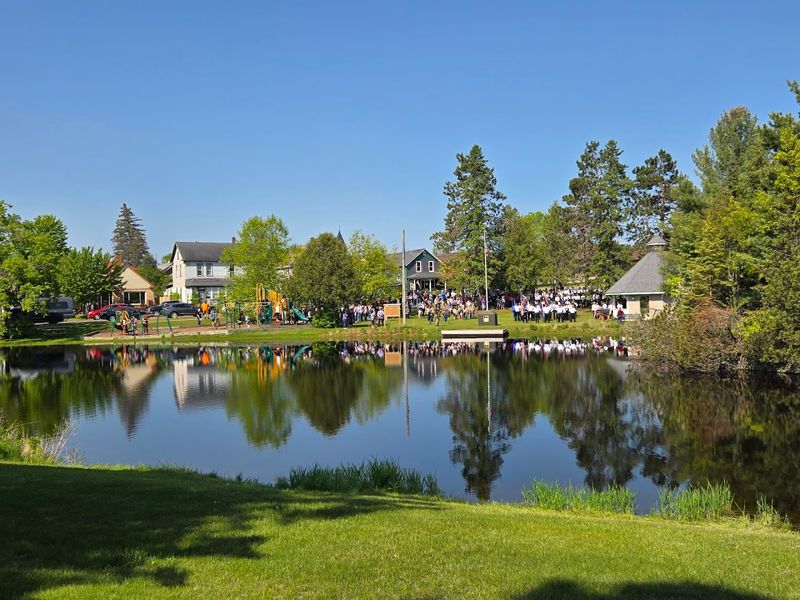
Hayward is already famous for fishing, home to the National Fresh Water Fishing Hall of Fame, but January reveals a completely different side of this small Northwoods city.
The Chippewa Flowage freezes over, the shanties go up, and the serious anglers arrive with their tip-ups and their appetites.
Muskie is the legendary fish of this region, but in winter it is walleye and perch that dominate the ice fishing conversation.
Local outfitters like Hayward Bait and Tackle are busy every morning with anglers picking up supplies and trading tips about productive spots on the flowage. The community here is genuinely welcoming to newcomers.
After a long cold day on the ice, the local restaurants deliver exactly what you need. Angler’s Bar and Grill on Main Street in Hayward serves up fish baskets and hearty plates that feel earned after hours in a freezing shanty.
The walleye here is consistently excellent, and the local knowledge about how it was caught makes every bite feel more interesting.
Hayward has a way of making ice fishing feel like a full lifestyle rather than just a weekend hobby, and the food culture around it is absolutely part of that experience.
6. Eagle River
Eagle River sits at the center of the world’s largest chain of lakes, which means when January arrives, there is an almost ridiculous amount of frozen water available for fishing.
The chain has 28 connected lakes, and ice shanties spread across them like a small city every winter.
The food scene that develops around this fishing culture is genuinely exciting.
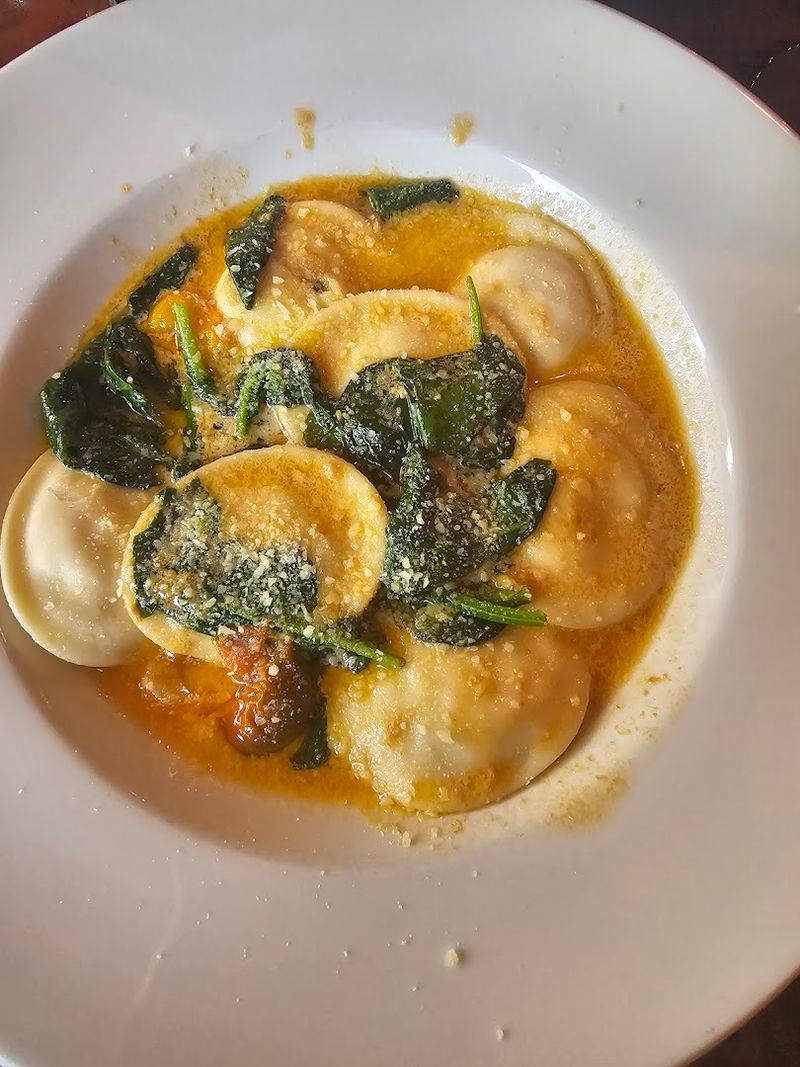
Local restaurants run extended winter hours specifically to serve the ice fishing crowd, and the menus lean heavily on freshly caught walleye, northern pike, and perch.
There is something deeply satisfying about eating fish that was pulled from a lake you can see from the restaurant window.
Chanticleer Inn, located at 1458 East Dollar Lake Road in Eagle River, is a local institution that pairs Northwoods atmosphere with honest, well-prepared food.
Their fish dishes during January feel especially appropriate given the setting. Eagle River also hosts the World Championship Snowmobile Derby every January, which adds another layer of energy to an already lively winter scene.
The combination of championship-level ice fishing and a community that knows how to feed people well makes Eagle River one of the most complete winter food destinations in all of Wisconsin. Plan to stay at least two nights.
7. Sturgeon Bay
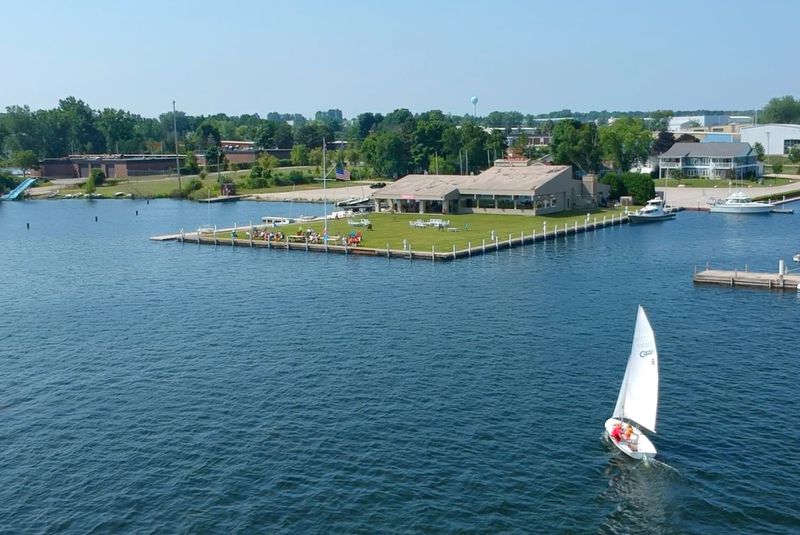
It earns its name every winter when the frozen waters of Green Bay and the surrounding area become prime ice fishing territory. The Door County setting adds a particular charm that you do not find in the inland lake towns farther north.
Fishing here in January means targeting yellow perch, walleye, and whitefish, all of which end up on local menus in some form by dinnertime.
The restaurant scene in Sturgeon Bay is more developed than you might expect for a small city, partly because Door County draws food-minded visitors year-round and the local chefs have kept up with that expectation.
Inn at Cedar Crossing, located at 336 Louisiana Street in Sturgeon Bay, serves thoughtful food in a historic setting that feels genuinely comfortable in winter.
Their locally sourced fish dishes during January are worth the trip alone.
What makes Sturgeon Bay distinct from other spots on this list is that it blends serious ice fishing culture with a more polished dining scene.
You can spend the morning drilling holes in Green Bay ice and the evening eating well in a candlelit dining room. That contrast is part of the fun, and it makes for a memorable January weekend that covers all the bases.
8. Ashland
When that massive bay freezes in January, the ice fishing that follows is unlike anything you will find on a typical inland lake, because Ashland sits on Chequamegon Bay along Lake Superior.
The scale is different here. The cold is different here.
The fish are different here too.
Lake Superior smelt, whitefish, and yellow perch are the primary targets for Ashland ice anglers, and the local food culture has developed around these species in interesting ways.
Smelt fries are a beloved tradition in this part of Wisconsin, and several community organizations host public smelt fry events during winter that are genuinely fun to attend.
Ashland has a strong local food identity built on its working waterfront history, and that comes through in the restaurants and markets that serve the area.
Black Cat Coffeehouse at 122 West Main Street in Ashland is a beloved gathering spot where anglers warm up between sessions on the ice.
The town’s proximity to the Apostle Islands adds a dramatic backdrop to the whole experience. Ashland feels like a place that takes both its fishing and its food seriously, without any pretense about either.
That honesty is refreshing, and the smelt fry alone is worth the drive up Highway 2 in January.
9. Boulder Junction
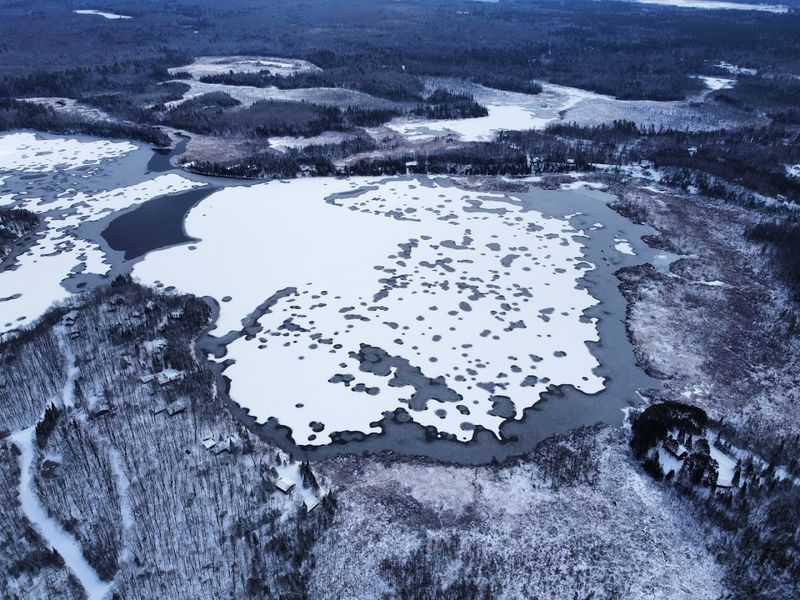
This village calls itself the Muskie Capital of the World, but in January it shifts its focus to the species that actually cooperate with winter anglers.
The area has over 200 named lakes within a short drive, which means finding a productive ice fishing spot is never a problem here.
What makes Boulder Junction special during January is its small-town intimacy. This is not a place with a massive tourist infrastructure.
It is a genuine Northwoods community where the bait shop owner knows your name by your second visit and can tell you exactly which lake is producing and where on that lake the fish are holding.
The local restaurants reflect that same personal quality.
Guide’s Inn Restaurant, located on County Road M in Boulder Junction, has been serving Northwoods-style food for decades, and their fish dishes during winter carry real credibility.
The walleye and panfish preparations here are straightforward and delicious, the kind of cooking that respects the ingredient rather than burying it under unnecessary complexity.
Boulder Junction also sits within the Northern Highland American Legion State Forest, so the natural setting around every frozen lake is stunning.
Eating fresh walleye while surrounded by snow-covered pines feels like the most Wisconsin thing possible, and I mean that as a compliment.
10. Lac Du Flambeau
Lac du Flambeau carries a history that makes every ice fishing trip here feel like more than just a recreational outing.
The Ojibwe people have fished these lakes for centuries, and their traditions around spearing and fishing through the ice are woven into the cultural fabric of this community in meaningful ways.
The Lac du Flambeau Band of Lake Superior Chippewa operates the Lac du Flambeau Public Beach and various community events during January that celebrate both the fishing tradition and the food culture connected to it.
Wild rice, whitefish, and freshwater fish prepared in traditional styles appear alongside more familiar Wisconsin fish fry offerings at local events and restaurants.
The Dillman’s Bay Resort area and local establishments near the tribal center provide comfortable bases for exploring the lakes.
The George W. Brown Jr. Ojibwe Museum and Cultural Center on Peace Pipe Road offers context that genuinely enriches the experience of being on these lakes.
Understanding who fished here first, and how, changes the way you think about every fish pulled through the ice.
Lac du Flambeau is the most culturally layered destination on this list, and that depth makes the food taste better, the cold feel more meaningful, and the whole January experience feel like something worth remembering long after the lakes thaw.