12 Things Not To Do On Catalina Island In California If You Want To Avoid Rookie Mistakes
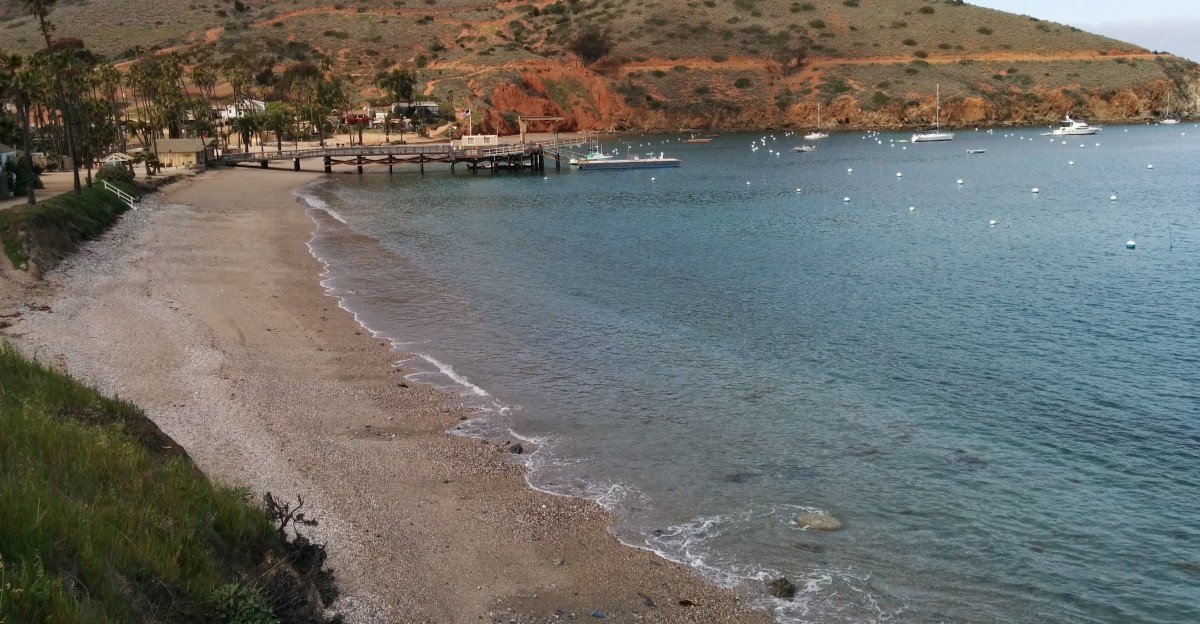
Island trips have a funny way of looking effortless until you actually start planning one.
Boats have schedules, popular activities fill up, and assumptions that work perfectly well on the mainland can become annoying little problems once you arrive.
Catalina is easy to enjoy, but first-time visitors can make the experience harder than necessary.
Packing poorly, overlooking transportation quirks, or trying to squeeze too much into one day can steal time you would rather spend exploring.
A Catalina Island getaway in California runs much smoother when you know the rookie moves before making them yourself.
Most mistakes are simple enough to avoid once you know what to expect.
A little planning can mean less waiting and more time enjoying the island instead of fixing decisions made earlier in the day.
1. Don’t Assume You Can Bring A Car Over And Drive Around Normally

You pack the trunk, plan to drive onto a ferry, and then cruise around Catalina like it is any other California town. Sorry, friend, but that plan falls apart at the dock.
The ferries that run to Catalina carry people, not personal cars. Visitors are generally not allowed to bring their own vehicles over at all.
Avalon, the island’s only incorporated city, keeps a very tight limit on how many cars can be on its streets.
Here is a wild fact for you. Residents of Avalon can wait more than 20 years on a list just to get a permit for a full-size car.
Some locals grow up, graduate, and start families before their name comes up. That tells you how serious the island is about keeping traffic low.
So how does everyone get around? Mostly on foot, by bike, in taxis, or in golf carts. Honestly, it is part of the charm. You will hear seagulls and laughter instead of honking horns and engines.
Plan to leave your car in a parking lot at one of the mainland ferry terminals in Long Beach, San Pedro, or Dana Point.
Once you arrive, wear comfy shoes and enjoy the slower pace. Avalon is compact and easy to walk.
Without a car, you will notice tiny details you would have zoomed past, like hidden tile murals and little garden courtyards.
2. Don’t Wait Until The Last Minute To Book Your Ferry

Nothing deflates a beach day faster than walking up to the ticket window and hearing the words sold out. It happens more than you might think, especially on busy weekends and holidays.
The ferry is your main ride to Catalina, and the boats only hold so many people. When the weather is warm and school is out, families from all over Southern California have the same idea you do.
Seats fill quickly, and the next open boat might be hours later or even the next day.
My best tip is simple. Book your round-trip tickets online as soon as you know your travel date.
You will lock in your departure and your return, which takes a huge weight off your shoulders.
Arrival time matters too. Plan to get to the terminal about 45 to 60 minutes before your boat leaves.
That gives you time to find parking, check in, drop off bags, and get in line without sprinting across a parking lot with a cooler bouncing on your hip.
Traveling in the off-season? You may have more wiggle room, but booking ahead is still smart.
Schedules can be lighter in cooler months, which means fewer boats to choose from.
Think of your ferry ticket as the key to the whole adventure. Grab it early, double-check the departure port, and save a screenshot of your confirmation. Future you will be very grateful.
3. Don’t Treat Avalon Like It Is The Entire Island
Lots of visitors step off the boat, stroll the waterfront, eat some ice cream, and head home thinking they saw Catalina. They had fun, sure. But they only saw a small corner of the place.
Avalon covers roughly two to three square miles. The whole island stretches about 22 miles long.
Do the quick math, and you will see that the town is just a tiny slice of the pie.
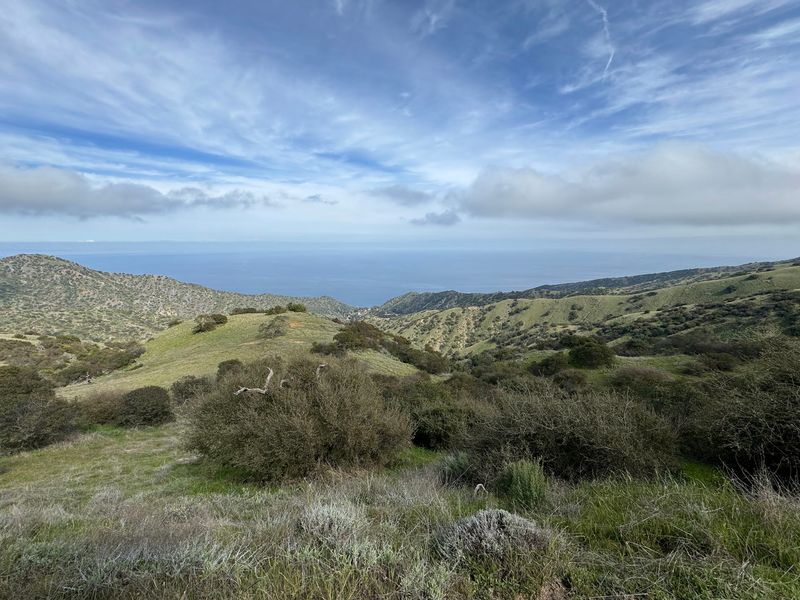
Beyond town, nearly 90 percent of Catalina is protected wildland managed by the Catalina Island Conservancy.
Out there you will find rolling hills, deep canyons, rocky coves, and animals you will not spot on Crescent Avenue. It feels more like a wild frontier than a beach resort.
There is also Two Harbors, a small and quiet village on the island’s narrow isthmus. It has a laid-back camp vibe, fewer crowds, and views of two bays at once.
Many travelers say it feels like a secret hideaway.
None of this means Avalon is boring. It is lively, colorful, and full of history. Just think of it as the front porch of a much bigger house.
Before your trip, look at a map of the whole island. Pick at least one spot beyond town that sparks your curiosity. Even a short tour or hike can totally change how you see Catalina.
4. Don’t Rent A Golf Cart Without Watching The Clock
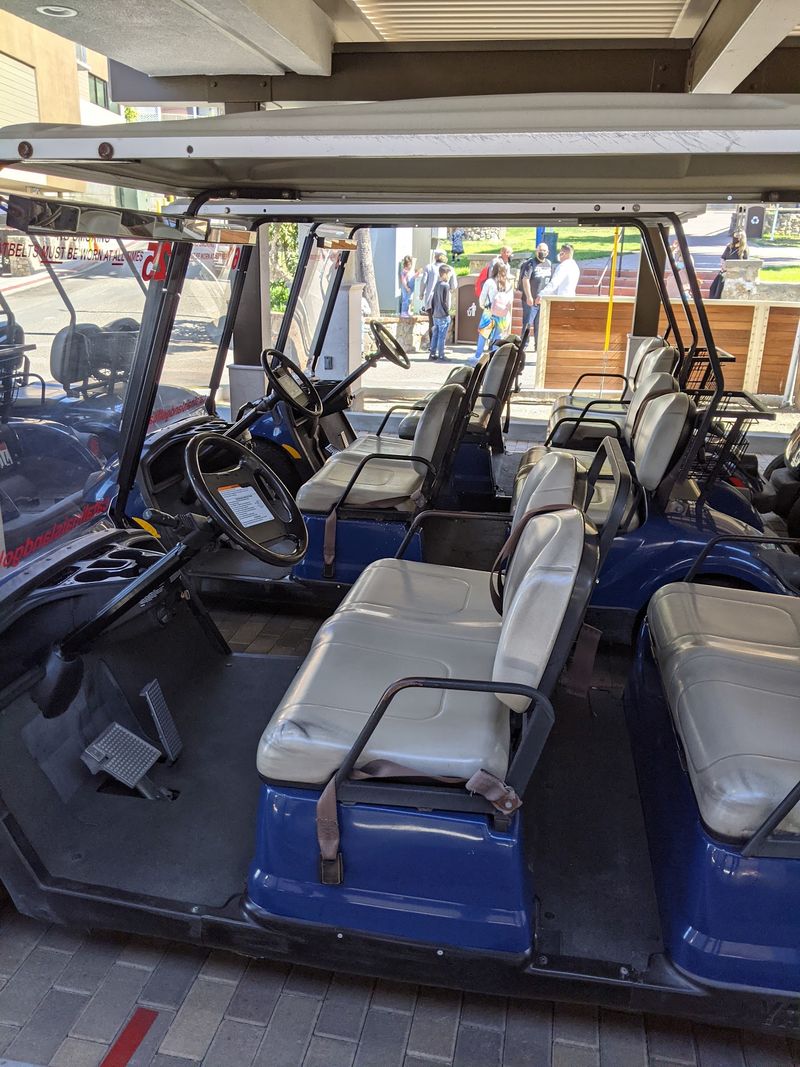
Golf carts on Catalina are basically the official island ride, and zipping up the hills above Avalon is a blast.
The views of the harbor are so pretty that time just sort of disappears. That is exactly where people get into trouble.
Rentals in Avalon are usually priced by the hour. Many companies cap your rental at two hours total.
Go over your time, and you will likely face extra charges, which are often taken from the cash deposit you left at the counter.
Here is how it usually goes wrong. A family stops at a lookout, snaps photos, chats, then stops again at another lookout. Suddenly someone checks a phone and realizes they are 25 minutes late. Oops.
Want to avoid that awkward moment? Set a phone alarm for about 20 minutes before your cart is due back. That gives you enough buffer to finish your route and roll in calmly.
Also, ask the rental staff for a map of the recommended loop. Most routes are designed to fit nicely inside the rental window, with plenty of stops for pictures.
Bring cash, too, since some shops ask for a cash deposit. And remember, the driver usually needs to meet a minimum age requirement, so check rules ahead of time.
5. Don’t Start A Backcountry Hike Without A Free Hiking Permit
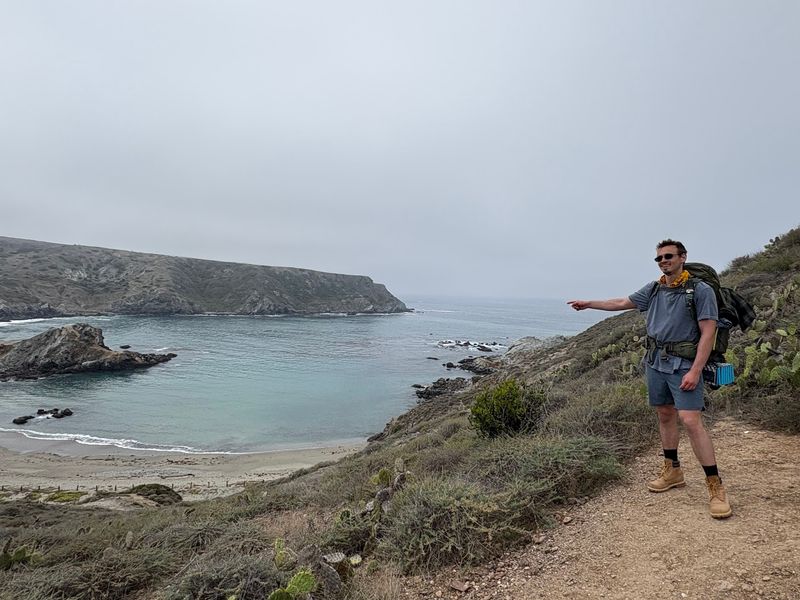
Good news first. The permit you need to hike Catalina’s interior costs exactly zero dollars. Bad news? Lots of rookies skip it anyway and set out without one.
Anyone hiking in the island’s interior or backcountry needs a free hiking permit from the Catalina Island Conservancy.
You can get one online before your trip. You can also pick one up in person at the Trailhead Visitor Center in Avalon, in Two Harbors, or at the Airport in the Sky.
Why bother? The permit is not just paperwork. It helps the Conservancy know who is out on the trails, which matters a lot if someone gets hurt, lost, or caught in bad weather.
Getting your permit is also a great excuse to chat with staff at the visitor center.
They often know which trails are in good shape, where the shade is, and what wildlife has been spotted lately. That kind of local tip is pure gold.
Here is a smart routine. Grab your permit, snap a photo of it, and tell a friend or hotel staff your planned route and expected return time.
It takes a few minutes, it is free, and it could make a huge difference. Easy win, right?
6. Don’t Expect Reliable Cell Service Once You Leave Avalon
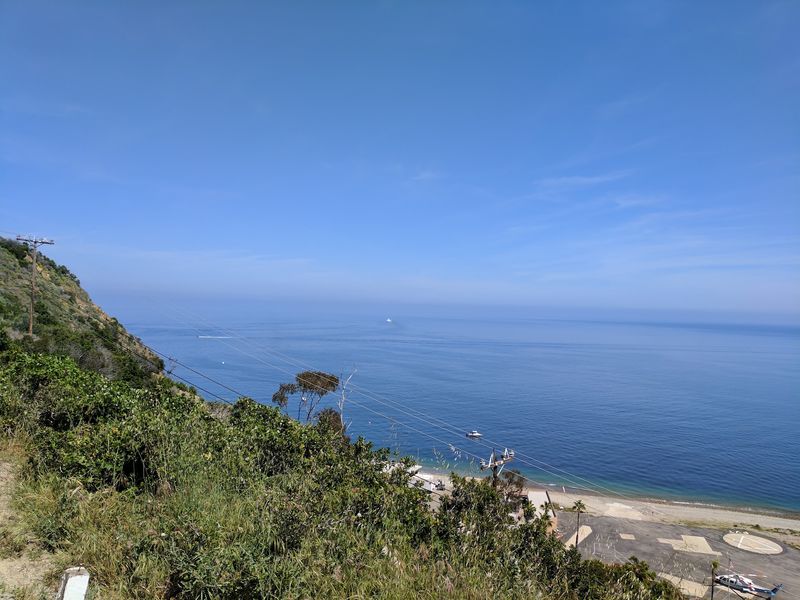
Raise your hand if your phone is basically glued to your palm. No judgment here. Just know that Catalina’s wild side may not care much about your signal bars.
Around Avalon, service is usually fine. Once you head into the hills and canyons, though, coverage can get spotty or disappear completely.
If you are relying on an online map, your route might stop loading right when you need it. Calling for help could also be tricky in some spots.
So prepare like it is the old days. Download offline maps before you leave town.
Carry a paper trail map from the visitor center, and take a quick look at it before starting.
Tell someone your plan, including the trail name and when you expect to be back. Your hiking permit also helps the Conservancy know you are out there.
A small portable battery pack is a smart add-on, since phones drain faster while hunting for a signal. Some hikers turn on airplane mode to save power and switch it off only when needed.
And honestly? Losing signal can be a gift. Without notifications pinging, you notice the hawks circling, the smell of sage, and the crunch of the trail.
7. Don’t Feed Any Of The Wildlife

That tiny fox staring at your sandwich sure looks hungry. Those cute eyes are hard to resist. Still, tossing it a bite is one of the worst things you can do.
Catalina is home to the Catalina Island fox, a little animal found nowhere else on Earth.
Years ago, the population dropped to scary low numbers because of disease. Thanks to big recovery efforts, they bounced back, and keeping them healthy matters a lot.
Human food is not good for wild animals. It can make them sick, mess up their natural diet, and teach them to beg. Animals that get used to people may wander near roads which puts them in danger.
Seagulls, ravens, and ground squirrels near town will also try their luck. Feeding them leads to bolder birds swooping at picnic tables, which is not fun for anyone eating lunch.
The fix is easy. Keep your food packed away when you are not eating. Close lids on trash cans, and if a bin is full, carry your trash until you find another one.
Campers should store food in proper containers, since foxes are surprisingly clever at opening backpacks and zippers. They have been known to grab snacks in a flash.
Watching wildlife act naturally is way cooler than seeing it beg. Let the animals find their own meals, and enjoy the show from a respectful distance.
8. Don’t Assume You Can Take Any E-Bike Anywhere You Want
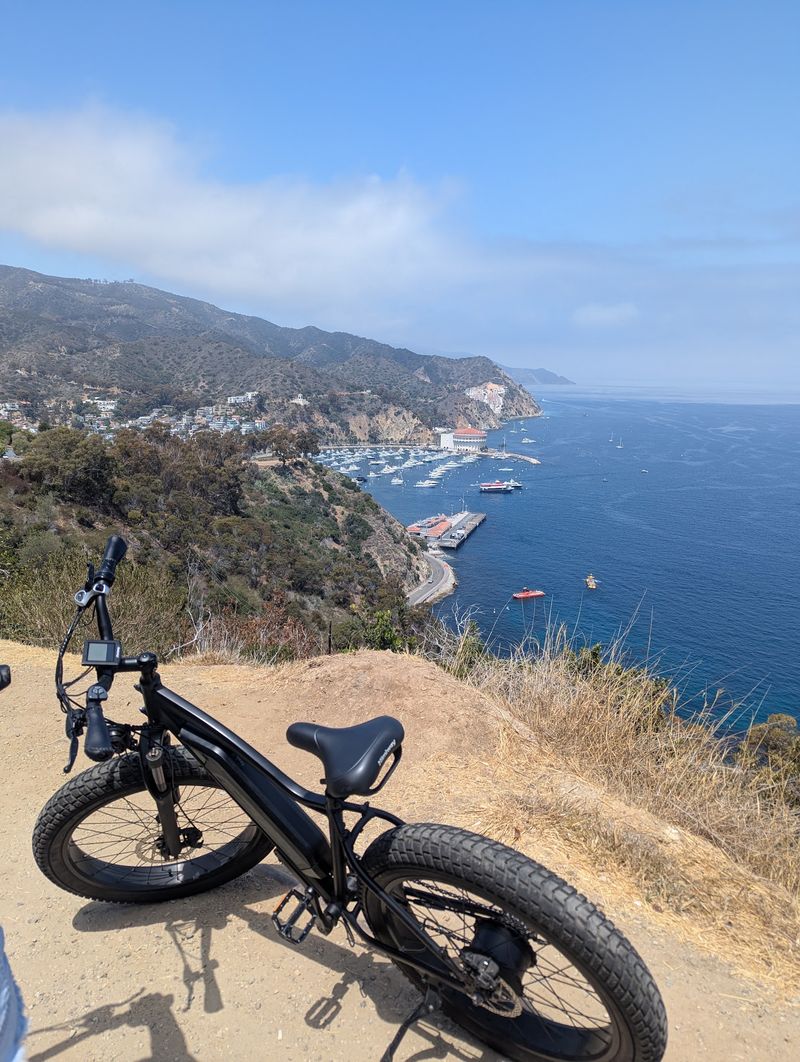
E-bikes make hills feel like gentle bumps, so it is no wonder they are popular on an island full of climbs. But on Catalina, riding into the interior takes more than just hopping on and pedaling away.
To cycle in the interior, including on Class 1, Class 2, and Class 3 e-bikes, you need a Freewheeler Bike Pass.
That pass comes as a benefit of Catalina Island Conservancy membership. On top of that, riders must book a reservation online before each ride into the interior.
Why the reservation system? It helps the Conservancy manage how many riders are out on the trails at once. That keeps things safer and helps protect the land from overuse.
Not every e-bike is welcome either. Bikes without working pedals, or those that go beyond Class 1 through 3 specs, are not allowed. If your ride is more like a mini motorcycle, it stays in town.
Before you lug your bike onto a ferry, read the latest Conservancy rules carefully. Requirements can change, and showing up unprepared would be a bummer.
Once you are set, the rides can be awesome. Expect long climbs, wide views, and maybe a bison sighting.
Bring a helmet, plenty of water, a repair kit, and a fully charged battery.
9. Don’t Pack Like The Ferry Has Unlimited Luggage Space
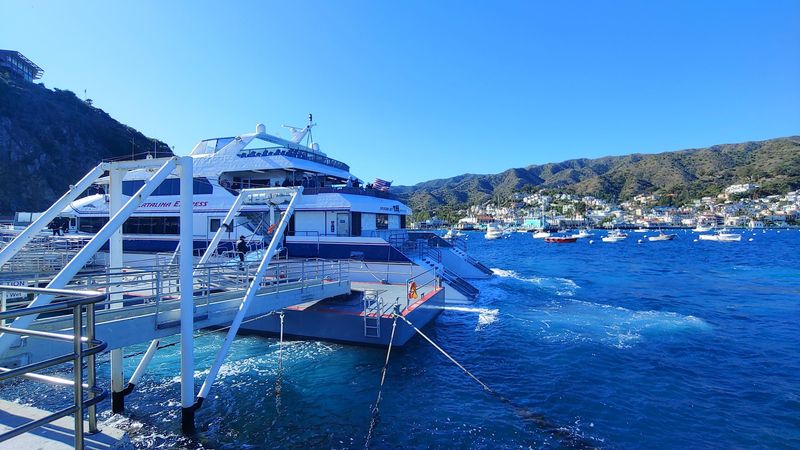
Maybe you are the type who packs three outfits per day just in case. Totally understandable. On a Catalina ferry, though, extra bags can turn into an extra headache.
Catalina Express has clear baggage rules.
Each passenger can bring two pieces of luggage to be stowed, and each one can be no larger than 23 by 23 by 37 inches and no heavier than 50 pounds.
You also get one carry-on that fits at your seat or in the overhead bin.
These limits are enforced. They help keep passengers and crew safe, and the boats only have so much storage space. Imagine a hundred people each trying to bring a giant cooler and four suitcases.
Special guidelines exist for divers and campers who bring gear. If you plan to scuba dive or camp, check those rules before your trip so nothing gets left on the dock.
Packing light also makes life on the island easier. Remember, there are no regular cars to haul your stuff around.
You may be rolling your bag up a hill to your hotel, and trust me, a giant suitcase feels heavier with every step.
Stick with versatile clothes, a light jacket for breezy evenings, and comfy shoes.
10. Don’t Plan A Tight Return Schedule Without Leaving Ferry Buffer Time
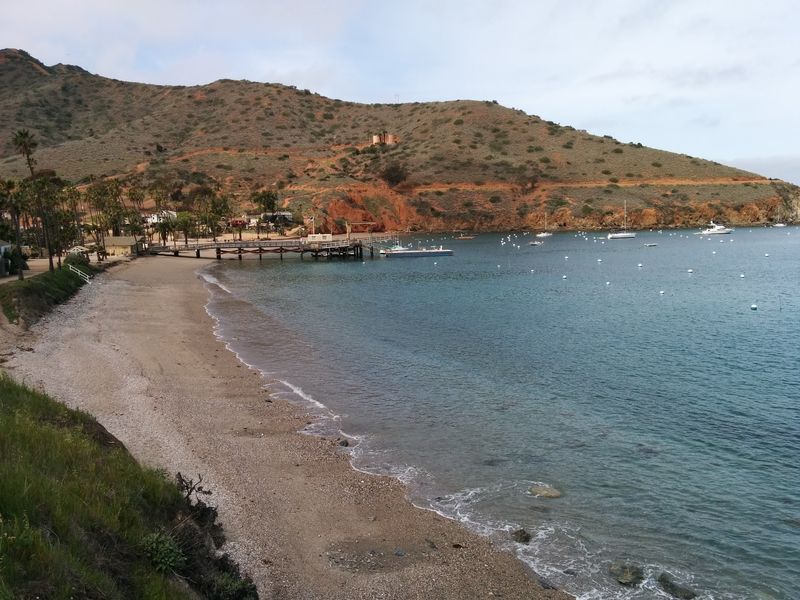
Ever booked dinner reservations on the mainland just one hour after your ferry lands? It sounds clever on paper. In real life, it is a recipe for stress.
Leaving Catalina takes more time than people expect. You need to return rentals, grab bags from your hotel, and walk to the terminal.
Experts recommend arriving 45 to 60 minutes before departure to check in and board calmly.
Things can also slow down. Lines can be long during busy weekends, and weather or ocean conditions can affect boats.
Once you land, you still have to find your car and deal with SoCal traffic.
Now imagine you have a flight that evening. One small delay could domino into a missed plane. That is not the souvenir anyone wants.
Give yourself room to breathe. Plan your last island activity to wrap up well before you need to head to the dock. Leave a cushion of a few hours between your ferry arrival and anything important.
Store your luggage if your hotel offers it, so you are not hauling bags around on your final morning. Keep tickets and IDs handy in one easy pocket.
A relaxed departure is a gift to yourself. You can sip a coffee by the harbor, watch the boats, and say goodbye to Catalina without checking your watch every two minutes.
11. Don’t Leave Your Best Activities Until The Final Few Hours
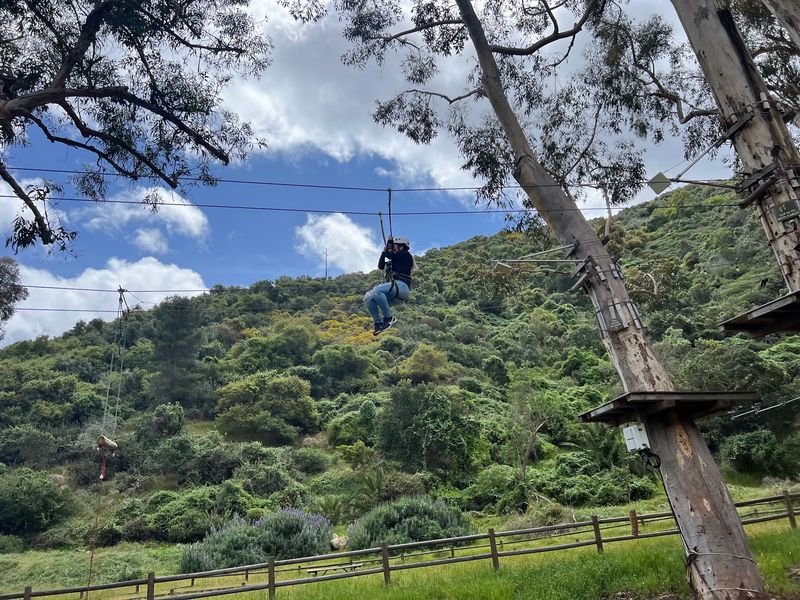
We all know someone who saves the best dessert for last. Sweet idea, except on Catalina, the best stuff might be gone by the time you get to it. Popular tours and activities can book up weeks ahead.
Think glass-bottom boat rides, zip lines, snorkeling trips, and interior tours. If you wait until your last afternoon, you may find every slot full.
There is also the weather to think about. Wind or rough water can cancel boat trips. If your must-do activity is scheduled first, you have time to rebook if something changes.
Here is a smart approach. Choose the one or two things you would be most sad to miss. Book them in advance, and schedule them early in your trip or early in the day.
Starting the morning early helps too. Day-trippers who catch the first ferry have so much more time to explore than those arriving midday. Morning water is often calmer and clearer as well.
Get the big highlights done first. Then the rest of your trip can be relaxed wandering, snacking, and enjoying the view without that nagging feeling of missing out.
12. Don’t Expect Every Beach To Feel Like A Typical Southern California Beach
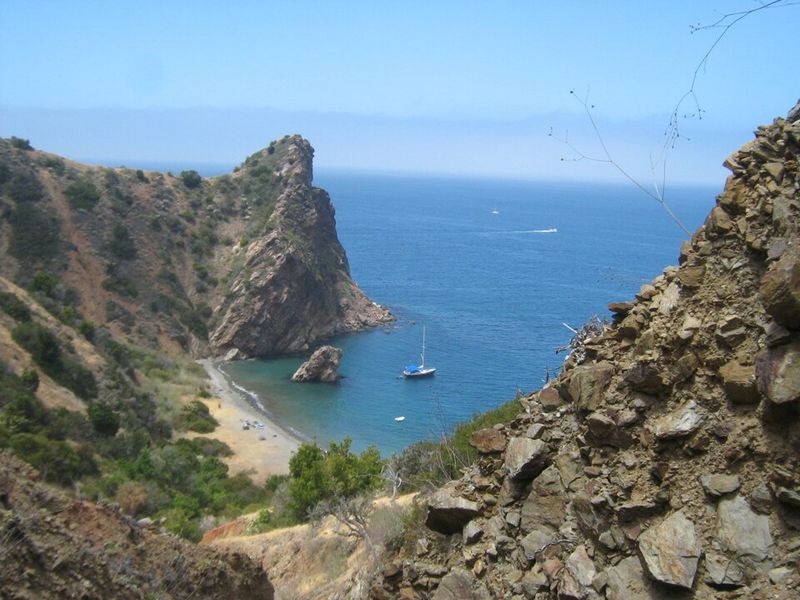
If you are picturing wide, endless sand with surfers riding big waves, Catalina may surprise you. The island’s beaches march to their own beat.
Many Catalina beaches are small, tucked into coves, and sometimes pebbly or rocky. Waves are usually calmer than on the mainland, since the island sits sheltered in the channel.
What you do get is amazing water. Clear, blue-green coves are perfect for snorkeling, kayaking, and paddleboarding.
Fish dart around the rocks, and kelp sways just below the surface like an underwater forest.
In Avalon, beaches near town have sand and lots of activity, but they can feel crowded on summer days. Spots farther away, reachable by boat or hike, feel quieter and wilder.
Pack smart for the difference. Water shoes are a huge help on rocky shores. A snorkel mask turns a simple swim into a full nature show.
Also, check rules for each beach. Some areas are private, belong to clubs, or charge fees, so look ahead before you arrive.
Once you let go of the classic SoCal beach picture, Catalina’s coves feel like a hidden gem. Calm, clear, and full of life, they offer something many mainland beaches simply cannot.