This 1.8-Mile North Carolina Trail Crosses A Hidden Birding Reserve Most Drivers Never Notice
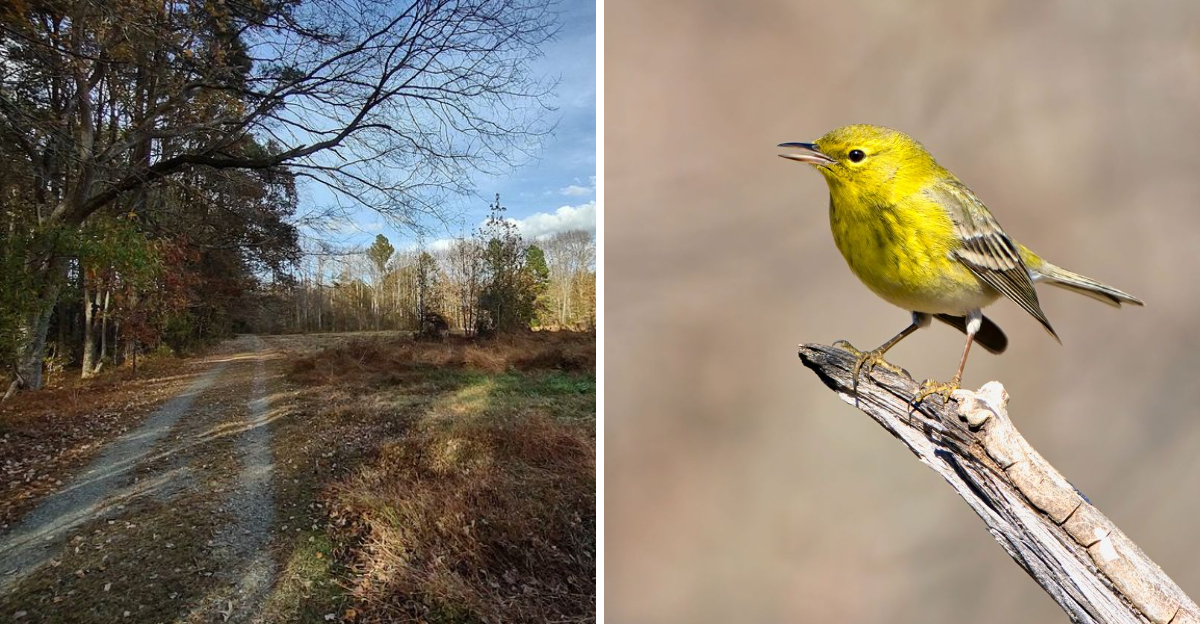
Plenty of drivers pass through Chapel Hill without realizing a remarkably wild corner of North Carolina is hiding beyond the road.
Protected meadows, wetlands, swamp forest, and oak-hickory woods spread across 367 acres here, creating the sort of habitat that makes birders forget how long they have been standing completely still.
Hundreds of plant and animal species call the reserve home, although the birds remain under no obligation to pose for photographs.
A relatively flat 1.8-mile loop offers a quiet route through the landscape, but reaching it now requires more preparation than casually pulling into a parking lot and wandering off.
Current official access runs through an adjoining preserve, adding extra walking before the loop even begins.
Visitors also need to secure a permit ahead of time, so spontaneous arrivals may discover that nature has paperwork too.
Those details make planning essential, but they also help protect one of the Triangle’s richest natural areas.
Hidden in plain sight, this peaceful route rewards anyone willing to handle the logistics and look beyond what most passing motorists ever notice.
Follow The 1.8-Mile Old Farm Trail Through A Landscape Few Drivers Notice
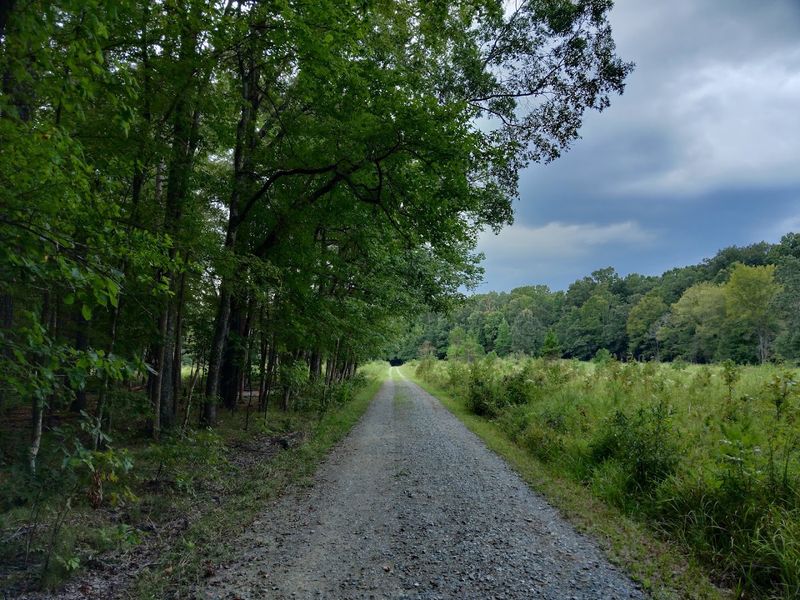
Gravel, grass, and quiet habitat do most of the work on the Old Farm Trail. The official North Carolina Botanical Garden page describes this 1.8-mile loop as relatively flat, with a surface that is mostly an old gravel road, though some sections are covered with grass.
That makes the walk feel easy in distance, but not boring in setting. Open meadows give way to wooded edges, old drainage ditches, wet pockets, and shaded corridors where the reserve’s research-and-conservation purpose becomes clear.
This is not a landscaped garden path built only for pretty strolling. It is a working natural area where wildlife, plants, and long-term habitat protection come first.
A 450-foot boardwalk reopened in 2023, allowing visitors to travel the full loop again after earlier flood damage left Siler’s Bog difficult to pass.
That boardwalk adds a small thrill to the walk, especially when the ground nearby looks too soft to trust.
The best way to enjoy the trail is slowly. Let faster walkers pass, listen before moving again, and give the fields time to reveal what most drivers never notice from nearby roads.
Watch The Open Fields Come Alive With Colorful Songbirds
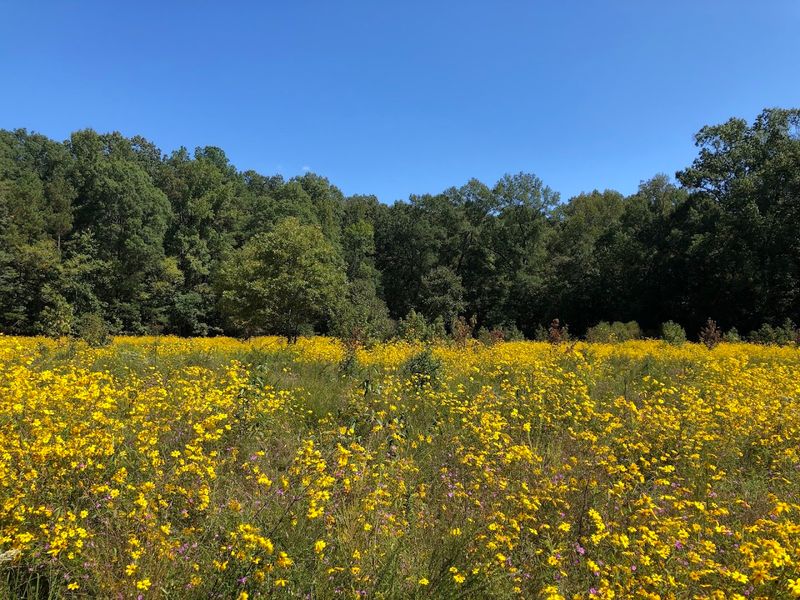
Brushy edges make this reserve a birding magnet, especially when the warm months pull color into the open.
The Triangle Birder’s Guide describes Mason Farm as Chapel Hill’s most popular birding destination. During spring and summer, its fields, oak-hickory woods, and brushy habitats attract Indigo Buntings, Blue Grosbeaks, and Yellow-breasted Chats.
That kind of habitat gives the walk a different rhythm from a standard forest trail. Instead of only looking up into a canopy, visitors scan shrubs, tall grasses, fence lines, field margins, and perches where small birds pause just long enough to be seen.
The fields feel especially alive in the morning, when songs carry clearly and movement pops out against the grasses. Winter brings a quieter but still rewarding scene, with sparrows taking over many of the brushy areas.
Hawks can also appear overhead through the year. Binoculars make the visit much better, but patience matters even more.
A field may look still at first. Then one blue flash moves.
Then another bird answers from the thicket. Suddenly the whole meadow feels busy, and the trail becomes less about distance than attention.
You Could Spot A Different Species Around Nearly Every Bend
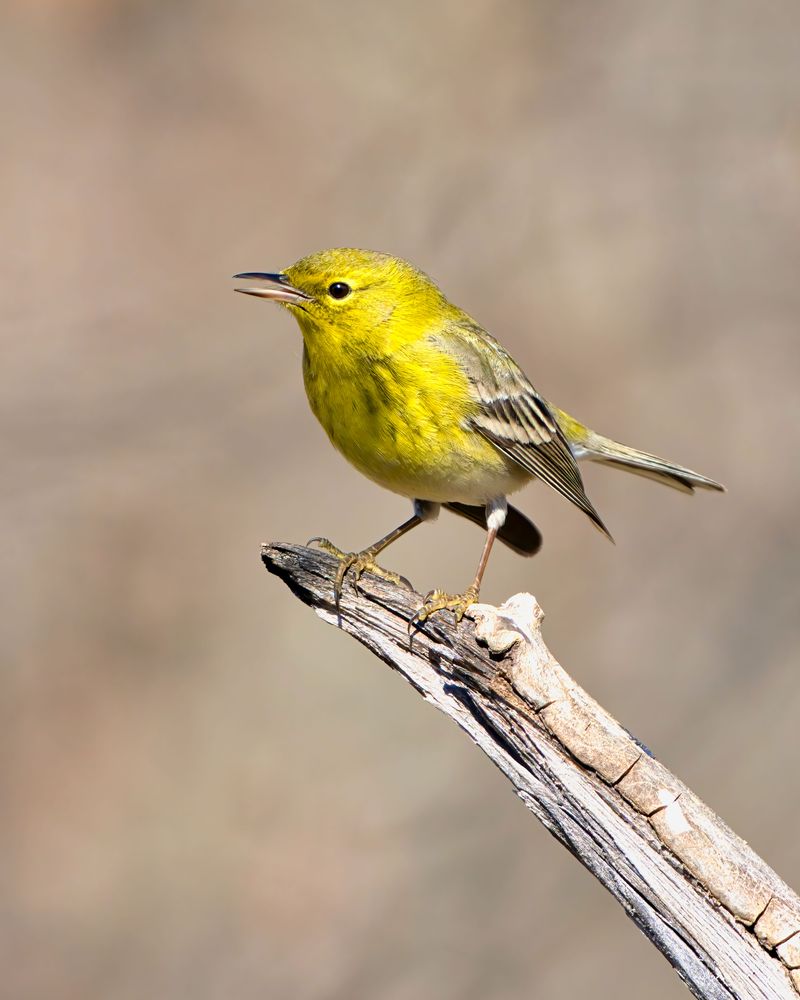
Numbers this large make the reserve feel almost unreasonable for a trail this short.
The North Carolina Botanical Garden says Mason Farm is home to more than 800 plant species, 216 bird species, 29 mammal species, 28 fish species, 28 reptile species, 23 amphibian species, and 67 butterfly species.
That biodiversity turns a 1.8-mile loop into something that can feel different on every visit. A casual walker may notice butterflies, frogs, field birds, woodpeckers, flowers, and creekside movement without trying too hard.
A serious naturalist could spend hours slowing down over details most people would pass in seconds. The reserve’s location also helps explain the richness.
Roughly 40,000 acres of protected land surround Jordan Lake and its tributaries, with Mason Farm included in that larger conservation network.
The Botanical Garden describes the reserve as an important wildlife corridor connecting Chapel Hill with the Cape Fear River Basin and the Atlantic Coast.
That makes this small-feeling walk part of a much larger ecological connection.
Bring a checklist or a phone app, but do not turn the whole visit into homework. The fun comes from realizing how much life is packed into a place many people pass without realizing it exists.
Pass Through Bottomland Forests, Wetlands, And Former Farmland
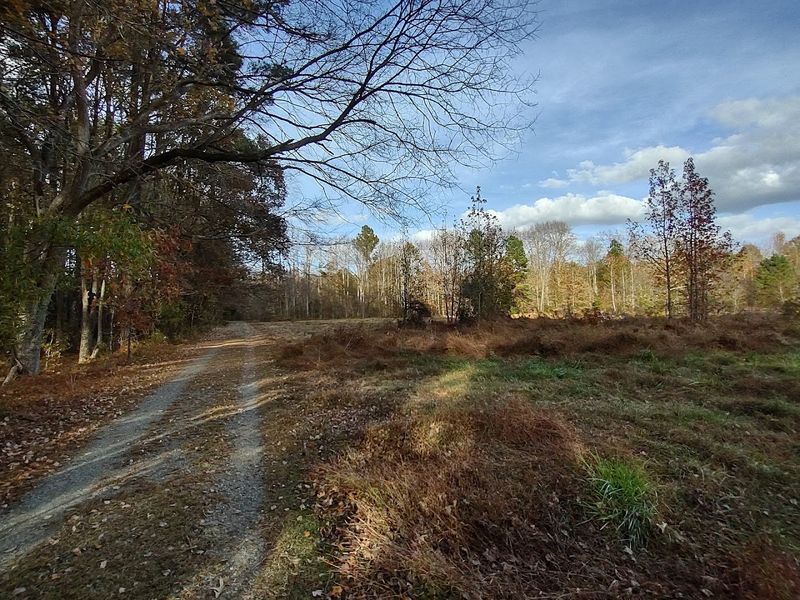
Habitat changes give Mason Farm its strongest sense of surprise. The Old Farm Trail moves through open bottomland meadows, old-growth swamp forests, oak-hickory forests, and beaver wetlands, according to the North Carolina Botanical Garden.
That mix keeps the loop from feeling repetitive. One stretch may feel sunny and open, with grasses and shrubs pulling birds into view.
Another section can feel shaded, damp, and older, with trees and wet soil shifting the mood completely.
The official trail description also mentions old drainage ditches dug when the property was used for agriculture, which gives the landscape a visible human history beneath its current wildness.
Those traces matter. The reserve is not untouched wilderness.
It is former farmland, forest, wetland, and research land all layered together. After rain, muddy spots and wet areas can make waterproof shoes useful, especially near low sections.
The new boardwalk helps with some boggy ground, but this is still a natural preserve, not a paved park loop. That slight roughness is part of the reward.
The trail makes visitors move through a living Piedmont landscape where old use, restoration, water, trees, and wildlife all share the same narrow path.
Visit During Migration Season For The Most Exciting Bird Activity
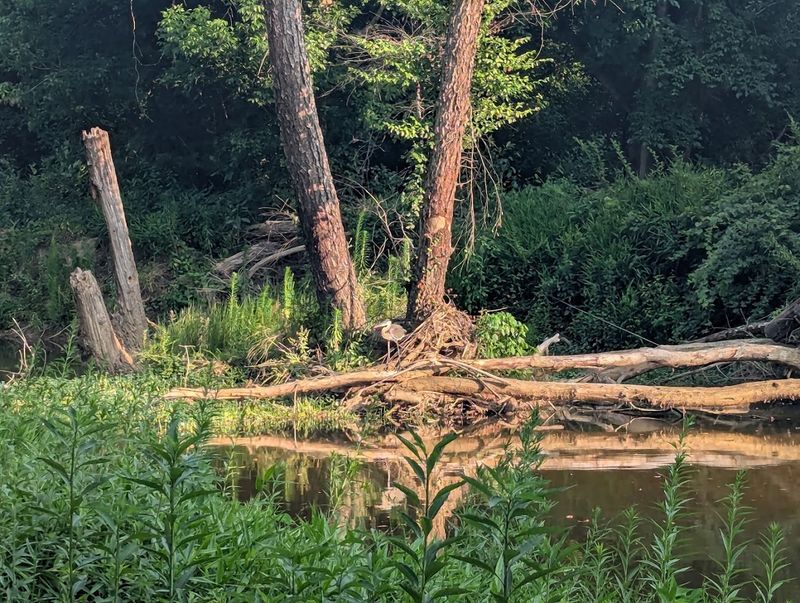
Migration turns an already good birding walk into something unpredictable. The Triangle Birder’s Guide notes that Mason Farm is excellent for warblers in spring and fall, sparrows in winter, and hawks all year.
That seasonal rhythm gives visitors a reason to come back instead of treating the trail as a one-time stop. Spring can bring a quick burst of color and song, with birds moving through fields, thickets, creek edges, and forest gaps.
Fall has a quieter excitement, when careful watching can still reward patient walkers with birds passing through on their way south. Winter changes the cast again, bringing sparrows, woodpeckers, towhees, and other species into focus.
The same route can feel like a different place depending on the month. Early morning usually gives birders the best chance at movement and sound, especially before heat and foot traffic build.
A slow pace helps too. Stop at field edges, listen near wet places, and scan exposed branches before stepping forward.
Mason Farm does not need a dramatic overlook to feel exciting. The thrill is smaller and sharper here, built from sudden movement, quick flashes of color, and the possibility that the next bend may hold something new.
Look For Indigo Buntings, Blue Grosbeaks, And Yellow-Breasted Chats
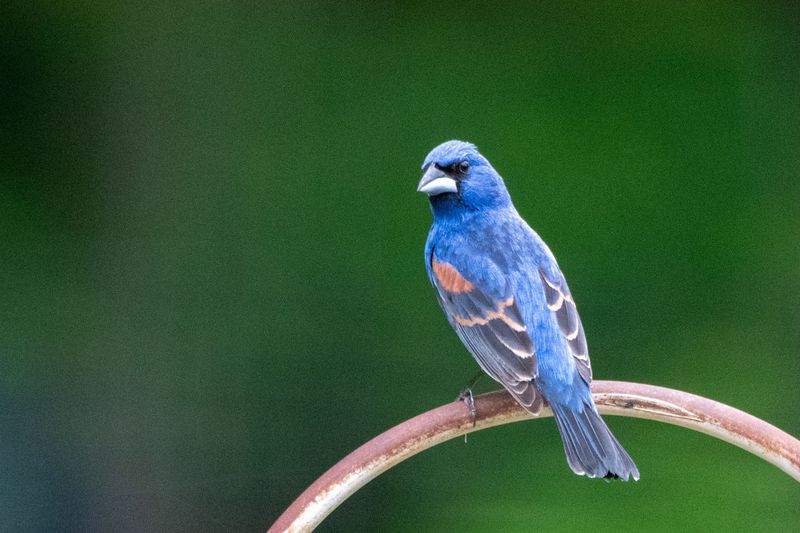
Bright birds give the fields some of their most memorable moments. The Triangle Birder’s Guide specifically points to Indigo Buntings, Blue Grosbeaks, and Yellow-breasted Chats as species readily found in Mason Farm’s fields and brushy areas during spring and summer.
Those names alone can make a casual visitor pay better attention. A male Indigo Bunting in good light can look almost unreal, flashing blue from a perch or field edge.
Blue Grosbeaks bring a deeper, heavier color, while Yellow-breasted Chats add personality from dense cover.
The guide also lists birds such as Acadian Flycatcher, Northern Parula, American Redstart, Prothonotary Warbler, Common Yellowthroat, and Orchard Oriole among spring and summer highlights.
Not every visitor will see every species, and that is fine. Birding rewards return trips, quiet timing, and luck.
The best strategy is to move slowly along brushy edges, pause before open stretches, and let the birds settle after each group passes.
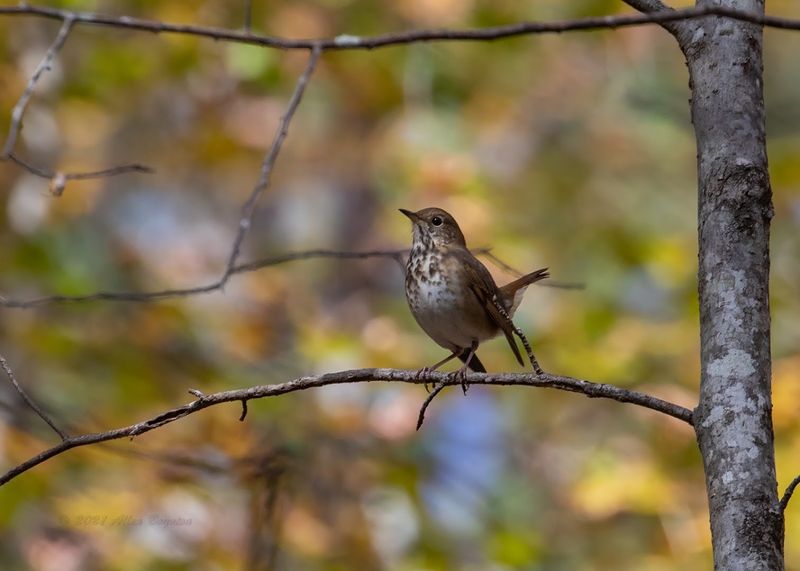
Photos are possible, but the better memory may be simpler: a sudden blue bird on a green stem, a hidden call from the shrubs, and the feeling that the field was much busier than it first looked.
Enjoy A Mostly Flat Route That Does Not Demand A Grueling Hike
Easy terrain makes this reserve welcoming without making it feel tame. The North Carolina Botanical Garden describes the Old Farm Trail as a relatively flat 1.8-mile loop, and the Triangle Birder’s Guide also calls the main loop an easy hike with mainly flat terrain.
That means visitors do not need a mountain-climb mindset to enjoy the place. Families, birders, plant lovers, students, and casual walkers can all find something rewarding here.
Still, easy does not mean polished. The surface includes old gravel road, grass-covered sections, boardwalk, and natural areas that can stay wet or muddy after rain.
The reserve is also a conservation and research site, so visitors need to follow the rules rather than treating it like an ordinary city park.
The Botanical Garden says Mason Farm is open dawn to dusk, 365 days a year, and visitors must fill out a permit form before going.
That permit requirement helps protect the site and keeps use tied to its conservation mission. Plan for a relaxed hour if walking steadily, or much longer if stopping for birds, plants, photos, or quiet.
The trail is short enough to fit into a busy day, but interesting enough to stretch if attention takes over.
Slow Down Long Enough To Notice The Reserve’s Plant Life Too
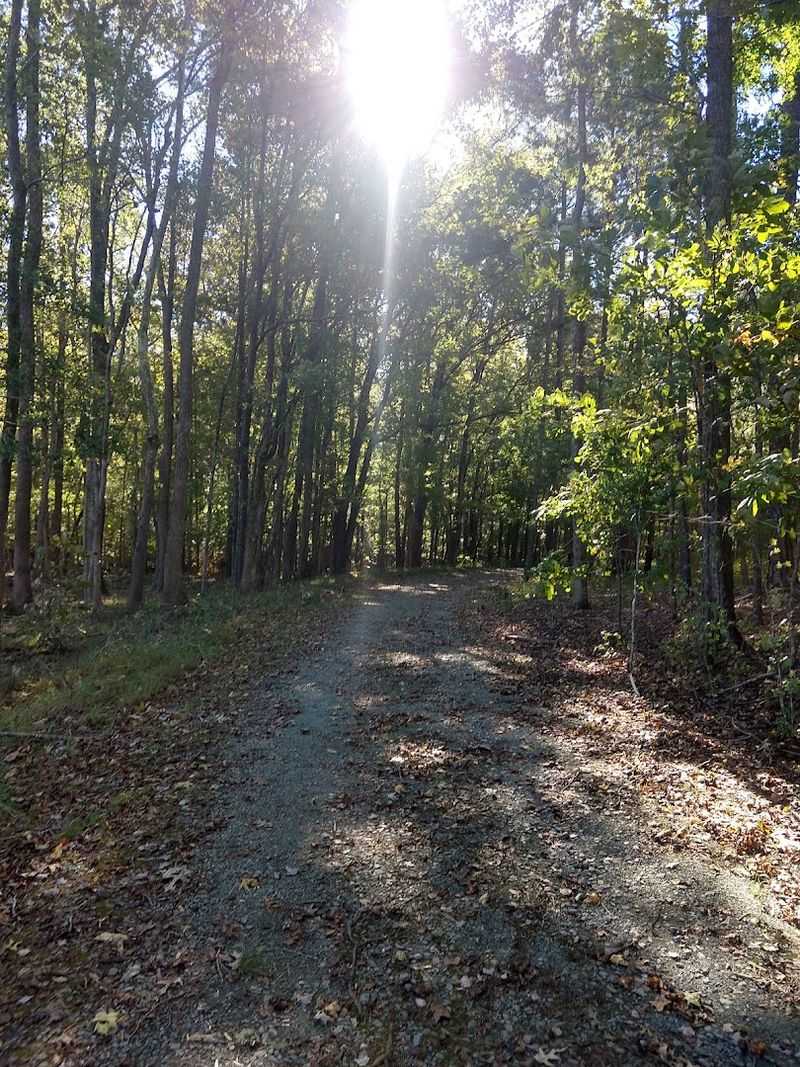
Plants deserve more attention here than they usually get from first-time visitors chasing birds. Mason Farm’s more than 800 plant species make it one of those places where the ground, shrubs, trees, vines, and wetland edges all carry part of the story.
The trail’s habitat variety helps explain that richness. Meadows, oak-hickory woods, old-growth swamp forest, beaver wetlands, and bottomland areas support different plant communities in a small area.
Mason Farm Trail links the reserve with the 127-acre Parker Preserve. Current access runs through Parker Preserve because the low-water crossing from Old Mason Farm Road and Finley Golf Club remains closed until further notice.
That access change matters for anyone planning a visit now.
Use the designated Parker Preserve parking off Mount Carmel Church Road, complete the required permit form, and expect an additional 1.25-mile hike from the Parker trailhead to reach Mason Farm and the Old Farm Trail.
Older listings still show Mason Farm Biological Reserve on Old Mason Farm Road in Chapel Hill, but the official current route is different.
Once there, slow down. The birds may be louder, but the plants are the reason the whole reserve breathes.