This 10-Acre North Carolina Sanctuary Is A Safe Haven For Rescued Farm Animals
You can read about animal rescue all day, but standing a few feet away from an animal that finally feels safe hits differently.
This North Carolina sanctuary gives rescued farm animals ten quiet acres to settle into a much better chapter. Some are curious right away.
Others hang back. A few seem perfectly content doing absolutely nothing, which honestly feels like a victory in itself.
Visitors can walk the grounds, meet the animals, and learn how they ended up here. Those stories give the place its heart.
The sanctuary has been caring for animals since 2000, and the atmosphere feels more personal than polished. There is no need for anything flashy.
A nose reaching toward the fence or a pig stretched out comfortably in the grass can say plenty.
You may expect to spend an hour looking around.
Then one animal makes eye contact, and suddenly leaving feels a little harder than planned.
Meet The Rescued Animals Who Finally Found A Safe Home
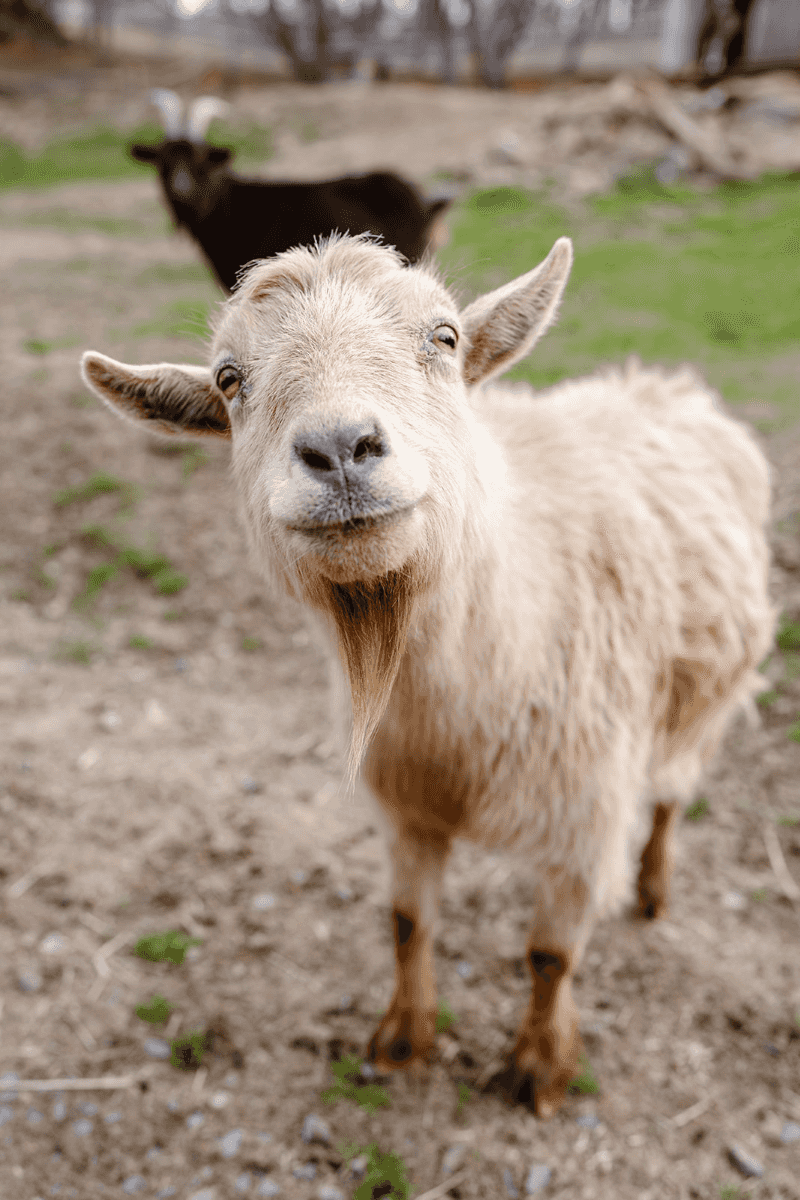
The residents are much easier to remember once you begin learning their names and personalities. Jingles, a Nigerian Dwarf goat who was born blind, now shares her space with KC and young Opie.
Bob the goat has earned a reputation around the sanctuary as a friendly ambassador, while Bubbles the pig is known for enjoying naps, belly rubs, and even creating paintings with her hoof.
Tulsi is currently the sanctuary’s lone cow and shares her pasture area with sheep.
Shorty, a small pygmy goat found wandering without an owner, remains another longtime resident. Their backgrounds differ, and some arrived after difficult circumstances, but the current tour wisely puts much of its attention on what their lives look like now.
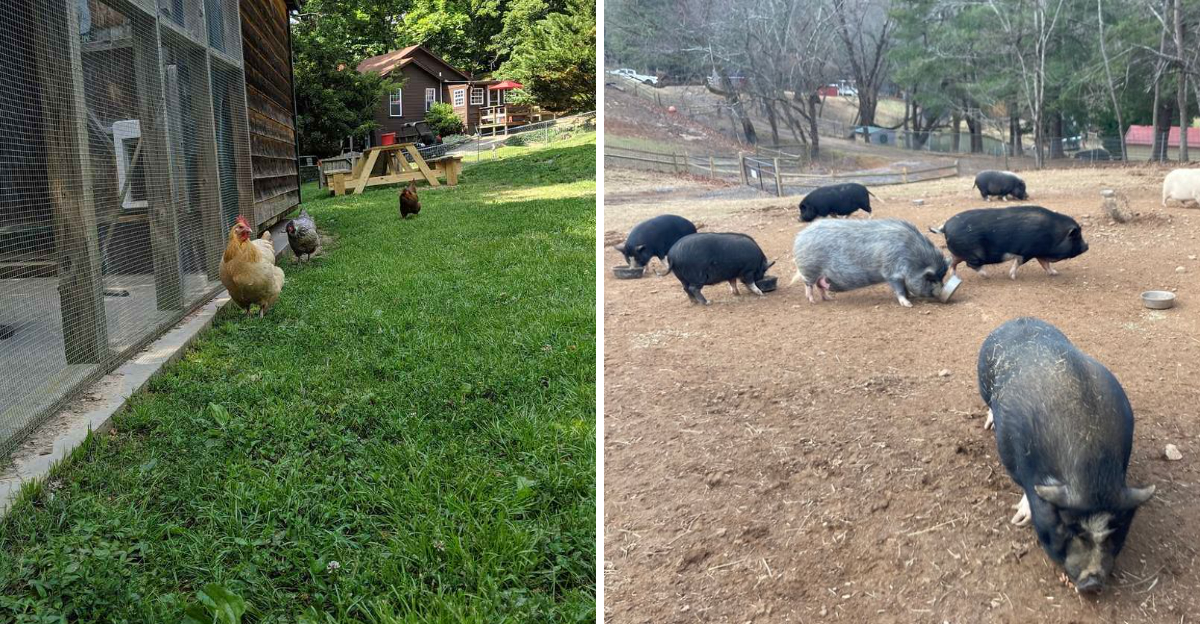
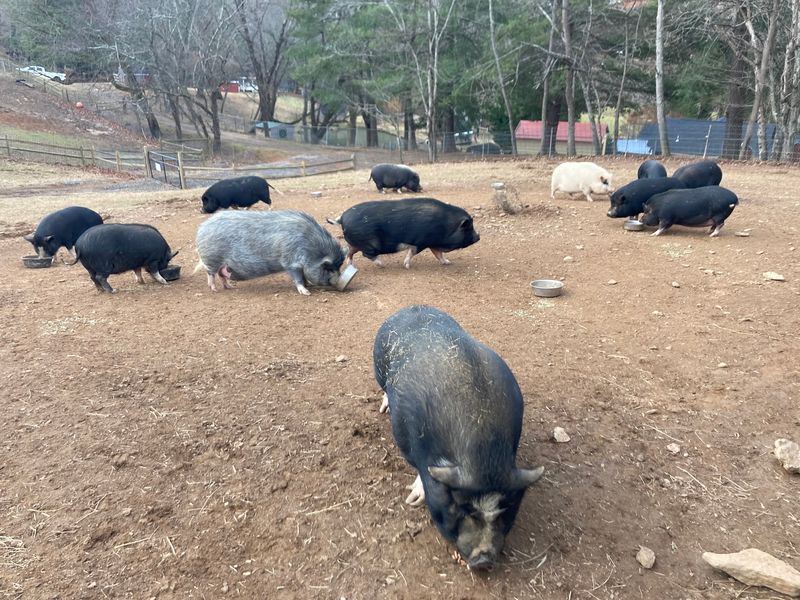
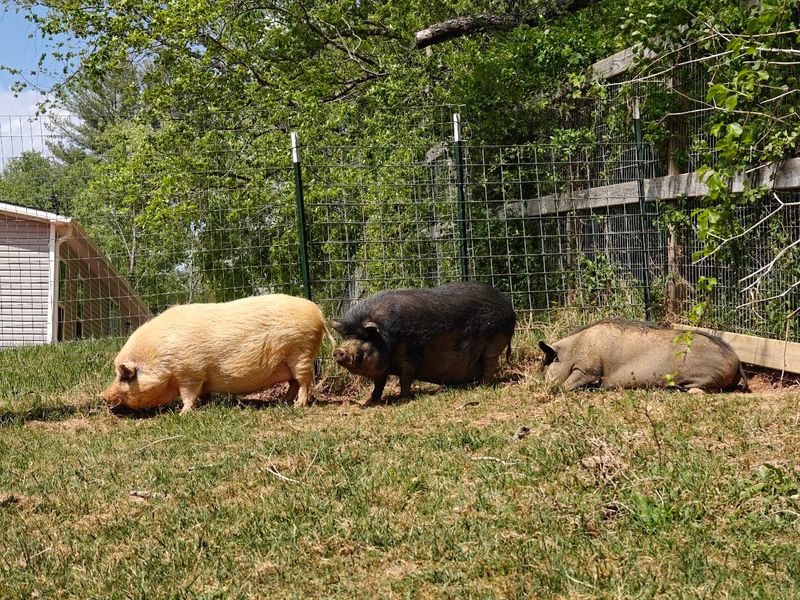
You may see pigs rooting or sleeping in the sun, goats exploring their shelters, chickens taking dust baths, and sheep grazing quietly.
Visitors should remember that these are permanent residents in their own home, not animals placed on display for constant handling.
Walk The Sanctuary At Your Own Pace
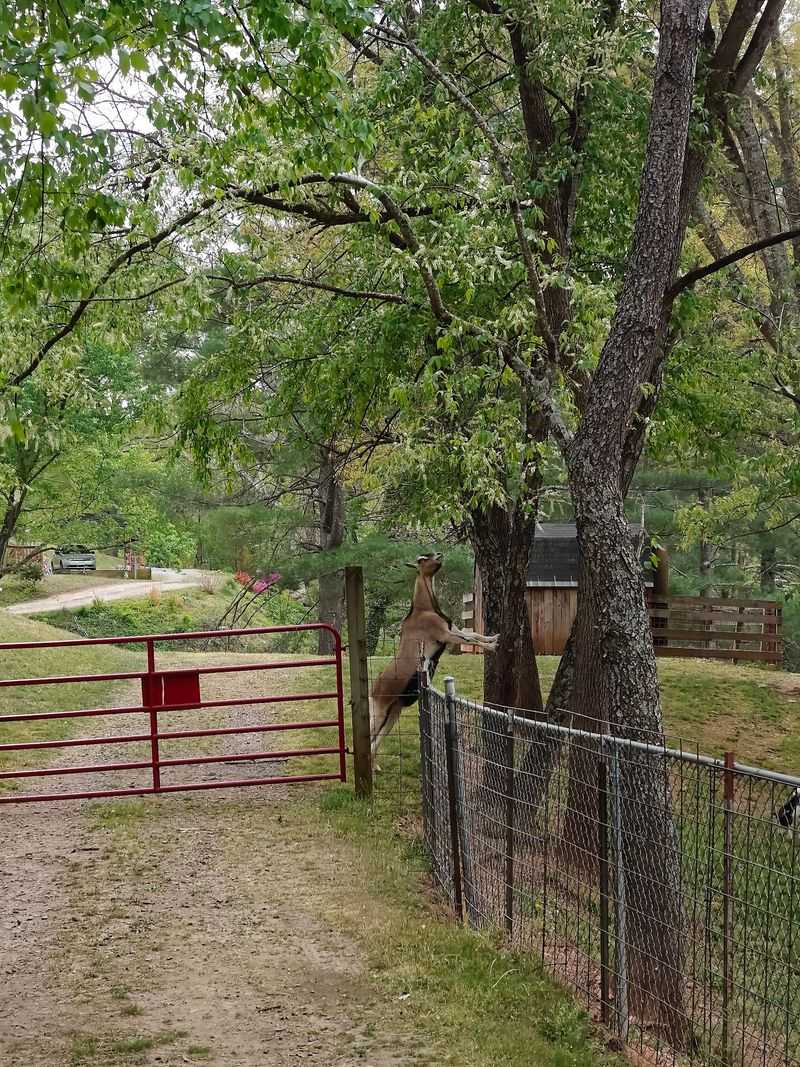
A self-guided QR-code tour lets you explore without keeping up with a scheduled group.
Stops throughout the property include the Lower Goat Barn, Lower Pig Barn, Geese and Chicken Coop, Sheep and Cow Barn, Upper Goat Barn, and Upper Pig Barn. Online profiles also share background details about many of the animals visitors may encounter.
There are a few important rules that keep the visit comfortable for both people and animals. Children need active adult supervision, running and climbing on fences are not allowed, and visitors should move calmly around the enclosures.
Feeding the animals is prohibited, gates need to be closed securely behind you, and locked or marked areas should be left alone. Shoes are required, with closed-toe footwear strongly recommended for walking around the farm.
Some residents enjoy attention more than others, so the sanctuary also asks guests to use good judgment before approaching or touching an animal.
That slower, respectful style of visiting works well here because you can spend longer at the areas that interest you and move on whenever you are ready.
Learn The Stories Behind The Goats, Pigs, Cows, And Sheep
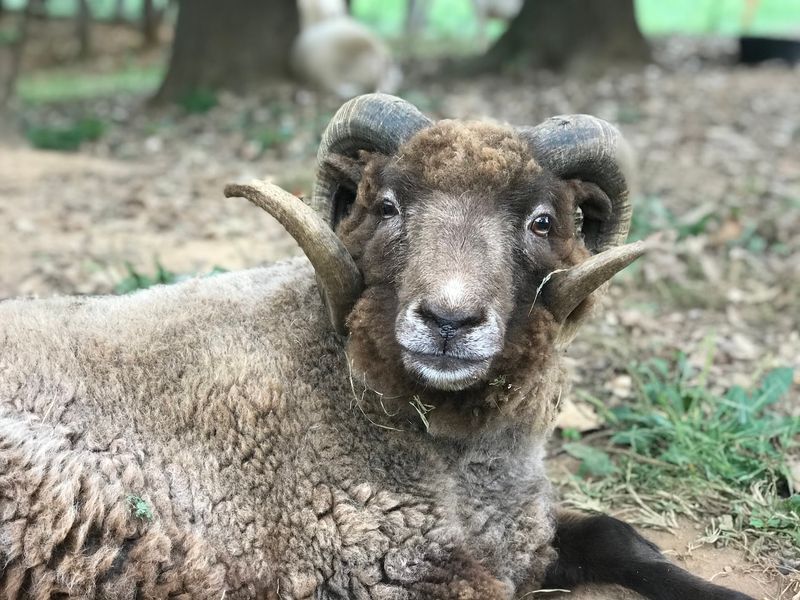
The sanctuary’s QR tour gives individual animals enough personality that a visit becomes more than simply identifying species behind fences. Bubbles was found loose near a busy road and now spends her days among the sanctuary’s other pigs.
Jingles arrived as a blind baby goat and was bottle-fed before settling into life with other young goats. Tulsi came to Animal Haven in need of more suitable care and is now described as thriving alongside the sheep.
Several pigs, including Wilma, Karen, Pebbles, and others, came through organized rescue cases, but there is no need to dwell on graphic details to understand why the sanctuary matters.
Their lives today are centered on appropriate food, veterinary attention, shelter, enrichment, companionship, and plenty of space to behave naturally.
The same is true for sheep and goats whose former families could no longer care for them.
Reading those stories while the animals are right in front of you makes each barn feel less anonymous and gives the self-guided tour much more substance than a simple walk around the property.
See What Daily Life Looks Like On A 10-Acre Refuge
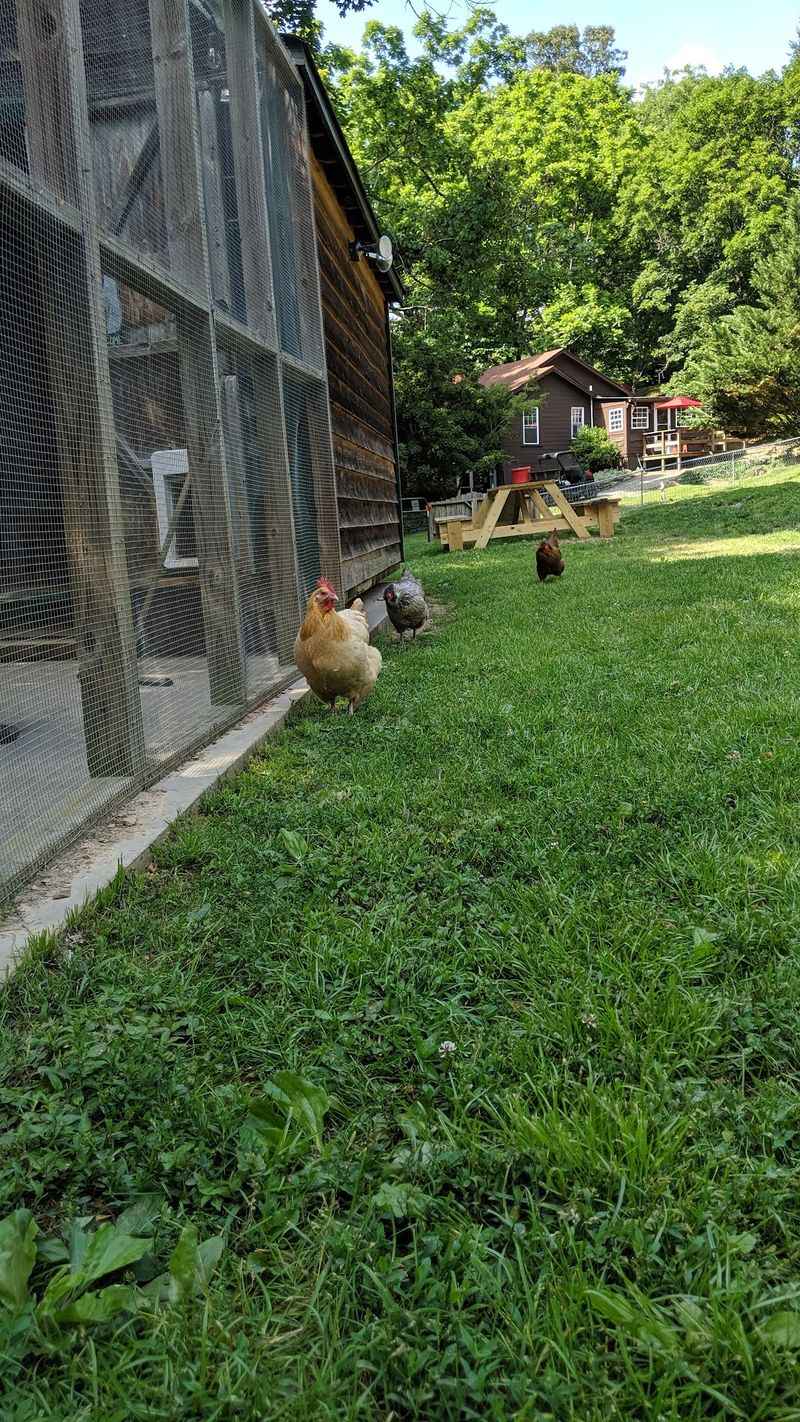
Running 10 acres for rescued farm animals requires a steady routine long before the first visitor arrives. Volunteers begin farm chores at 8:30 in the morning, cleaning habitats, replacing bedding, moving hay, and making sure the animals have food and fresh water.
Other volunteers maintain the grounds, work in the thrift store, assist with events, and help with gardening and administrative projects.
The sanctuary currently describes itself as home to more than 60 animals, although that number naturally changes as new residents arrive and others age.
Goats use shelters across the hillside, pigs have areas for rooting and mud baths, geese and chickens have their own spaces, and the larger pasture accommodates sheep and Tulsi the cow.
There is nothing particularly staged about the daily rhythm, which is part of what makes visiting interesting.
Animals may be eating, resting, exploring, or keeping their distance depending on the time of day. Seeing those ordinary routines gives you a better idea of how much ongoing work sits behind the peaceful scene visitors encounter during open hours.
You Can Support The Animals Just By Shopping On Site
The thrift store at the entrance is one of the easiest ways to support Animal Haven during a visit.
The roughly 1,500-square-foot shop sells furniture, clothing, shoes, housewares, books, jewelry, tools, pet supplies, collectibles, toys, and other donated items, with proceeds going toward the sanctuary’s animals.
Gently used donations are also accepted during open hours. Store hours mostly follow the sanctuary schedule, although on Saturdays the thrift store currently opens at noon rather than 11 a.m.
The organization receives no city, county, or state funding, relying instead on private contributions, grants, fundraising, and thrift-store income to cover expenses that include feed, shelter, veterinary care, and general operations.
That makes shopping here feel directly connected to what you have just seen across the property without requiring anyone to make a separate large donation.
Inventory changes constantly, as it does at any donation-based shop, so browsing is part of the fun. You may leave with a book or piece of furniture while helping support the animals at the same time.
Spend A Peaceful Afternoon Surrounded By Farm Animals
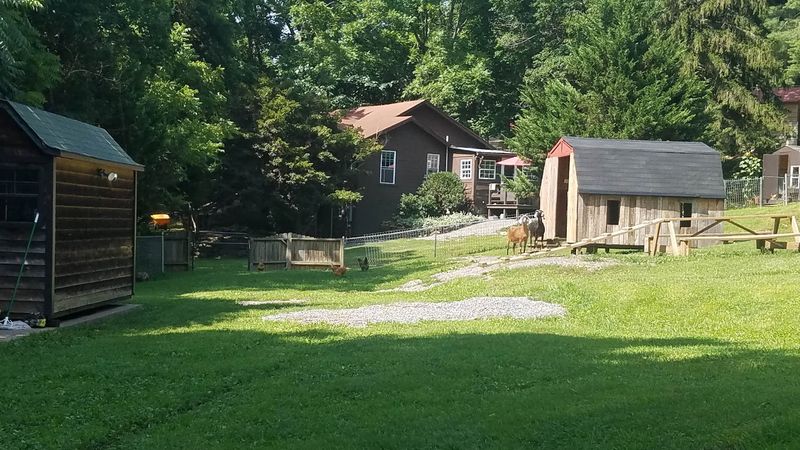
Animal Haven works best when you arrive without trying to rush through every enclosure. Goats may approach curiously, pigs often spend part of the afternoon resting or rooting, and chickens can usually be found scratching through the ground or taking dust baths.
Other residents prefer more space, which is why the sanctuary emphasizes that this is not a petting zoo. Visitors are guests in the animals’ home, and interactions depend on the individual animal rather than a promised hands-on experience.
The property is open Wednesday through Friday from 11 a.m. to 5 p.m., Saturday from 11 a.m. to 5 p.m., and Sunday from noon to 5 p.m. The extra Sunday hours are a recent addition to the regular schedule.
Families are welcome, provided children remain closely supervised and everyone follows the farm rules. Give yourself enough time to read the QR profiles instead of moving from barn to barn simply to see everything.
You are likely to remember far more about Jingles, Bubbles, Tulsi, Shorty, and the other residents when the afternoon is allowed to unfold at an easy pace.
Discover How Volunteers Keep The Sanctuary Running
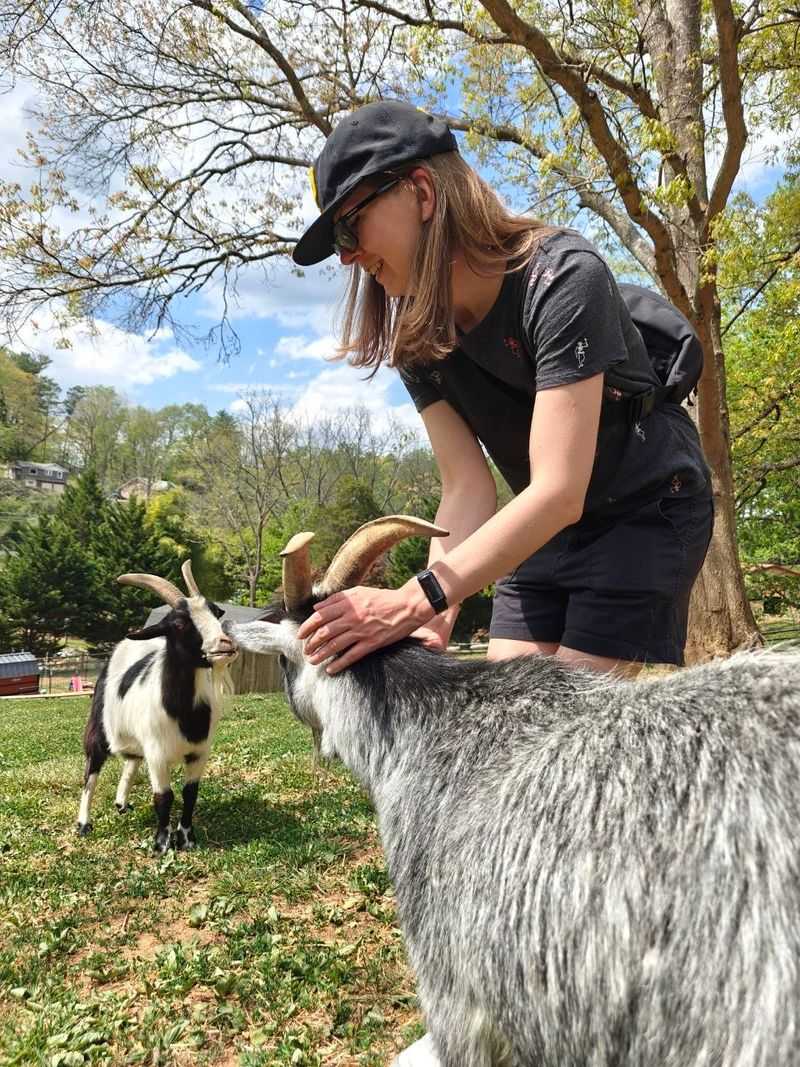
Volunteers are involved in nearly every part of Animal Haven’s operation. Morning crews tackle animal care from 8:30 to 10:30, handling feeding, watering, bedding, and habitat cleaning before public visiting hours begin.
Other shifts take place inside the thrift store, where volunteers sort donations, price merchandise, arrange displays, and help customers. Groundskeeping can include pruning, planting, raking, and caring for outdoor spaces, while event volunteers assist with setup and guest activities.
The sanctuary also welcomes help with marketing and web projects. Older descriptions sometimes give a specific number of regular volunteers, but the organization does not currently publish a fixed total, so it is better to focus on the work itself rather than a figure that may change.
Anyone interested in joining can complete the current volunteer application through Animal Haven or call 828-299-1635 for more information.
The variety of roles means helping does not necessarily require doing heavy farm chores, which opens the door to people with different skills, schedules, and comfort levels.
Leave With A Better Understanding Of What Rescue Really Means
A visit makes it clear that rescue is only the beginning of the work. Animal Haven’s mission centers on giving farm animals lifelong shelter along with appropriate food, veterinary care, companionship, and daily attention.
The organization also offers educational programs for school-age children, families, youth groups, and community organizations, using time at the sanctuary to teach responsible animal care and respect for living creatures.
Visitors often see those lessons in action as goats rest together, pigs relax in the sun, and sheep quietly graze around their pasture.
Some animals need special accommodations, while others simply need consistency and a safe place to remain for the rest of their lives.
The sanctuary’s work is supported by volunteers, shoppers, donors, sponsors, and visitors who choose to become more involved after seeing it firsthand.
You may arrive because you like farm animals, but you leave with a clearer sense of the everyday commitment required to care for them long after the original rescue is over.
You will find Animal Haven at 65 Lower Grassy Branch Road in Asheville, North Carolina.