This 100-Year-Old California Inn Refuses To Let Modern Upgrades Erase Its Old-School Charm
The temptation with a century-old inn is to polish away every wrinkle. Thankfully, that is not what happened here.
Walk through the doors and let your eyes adjust to a place that still seems proud of its age.
Historic details remain visible, the atmosphere feels pleasantly unhurried, and modern comforts have been added without turning the building into something anonymous.
Old-school hospitality still has a surprisingly elegant home in this corner of California.
Now play detective for a few minutes.
Notice the staircase. Study the woodwork. Look for the little architectural quirks newer hotels would probably smooth over.
Those details are exactly what make staying here feel different from booking another polished room that could exist almost anywhere.
The inn has changed over the decades, of course. It had to. But the clever bit is what it chose not to change.
Opened Along The Redwood Highway In 1926
Back when automobiles were still a fresh adventure, this grand lodge first opened its doors in July 1926.
The timing was no accident, since the newly finished Redwood Highway had started carrying curious travelers through Northern California.
Road trippers heading north needed a comfortable place to rest, and the inn arrived right when that need was growing fast.
The Benbow Historic Inn sits at 445 Lake Benbow Dr, Garberville, CA 95542, just off Highway 101 beside the Eel River.
Its early years lined up perfectly with a booming era of car travel, when families packed picnic baskets and set off to see the giant trees.
The location made it a natural stopping point, close enough to the road yet surrounded by peaceful forest.
Nearly a century later, guests still pull off the highway and follow the same path toward the old building.
That long stretch of continuous hospitality is part of what gives the place its character today.
If planning a redwood road trip, this inn offers a rare chance to sleep somewhere that has hosted travelers since the golden age of the open road.
Nine Siblings Built The Original Resort
Family teamwork sits at the very heart of this property’s beginning.
Nine brothers and sisters from the Benbow family came together to create the inn and the wider resort community around it.
In 1924, they acquired 1,288 acres near the South Fork Eel River, dreaming of a destination where visitors could relax among the trees.
The siblings included Joseph, Evangeline, Burtis, Clara, Helen, Jessie, Loleta, Walter, and Robert, each playing a part in the shared vision.
Building something this large took real coordination, and having so many hands involved gave the place a warm, personal feeling from the start.
Their names still echo through the property, since certain rooms and spaces carry those family connections forward.
The idea of a whole family pouring their energy into one riverside retreat adds a heartfelt layer to any visit.
It was not built by a faceless company chasing profit but by relatives who wanted to welcome guests personally.
Knowing that history can make a walk through the grounds feel a little more meaningful, especially when passing spaces that still honor those original founders.
Tudor Revival Architecture Still Defines The Building
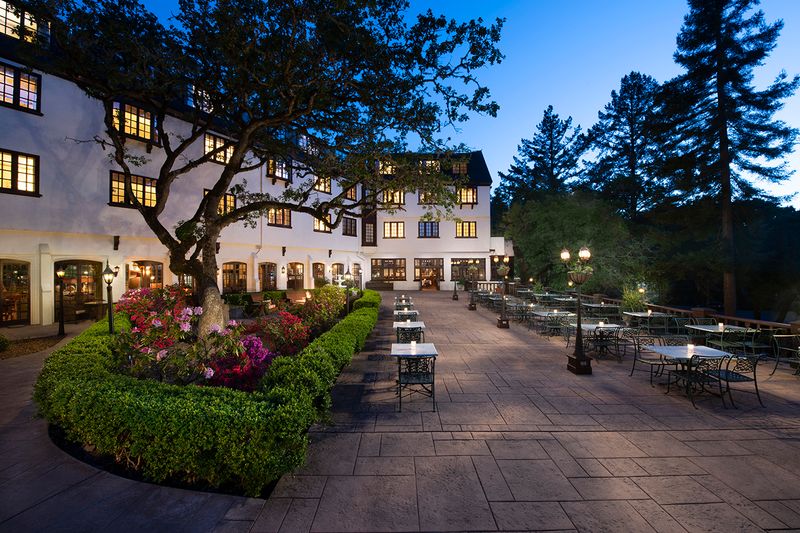
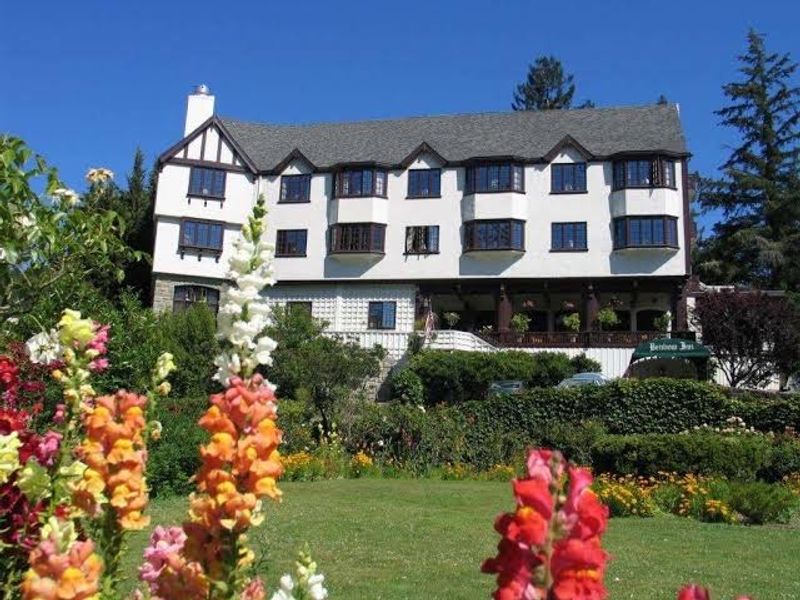
Steep roofs, dark timber framing, and cream-colored walls give this building an unmistakable storybook look.
San Francisco architect Albert Farr designed the property to echo grand English Tudor houses, and that vision still shapes every angle of the structure.
The architectural style stands out sharply against the surrounding redwoods, creating a scene that feels like it belongs in an old European countryside rather than California.
Preserving that original design has been a priority for decades, so the exterior keeps much of its early charm.
Walking up to the entrance, visitors often notice the careful detailing along the roofline and the sturdy, handsome feel of the whole facade.
Inside and out, the building rewards slow observation, since small architectural touches appear in corners and along hallways.
The Tudor Revival appearance is one big reason the inn earned lasting recognition as a historic landmark.
For anyone who loves classic buildings, the exterior alone makes an interesting stop, even before stepping inside.
The steady commitment to keeping that look intact is exactly why the property still feels authentic rather than freshly manufactured.
Some Historic Rooms Still Have No TVs
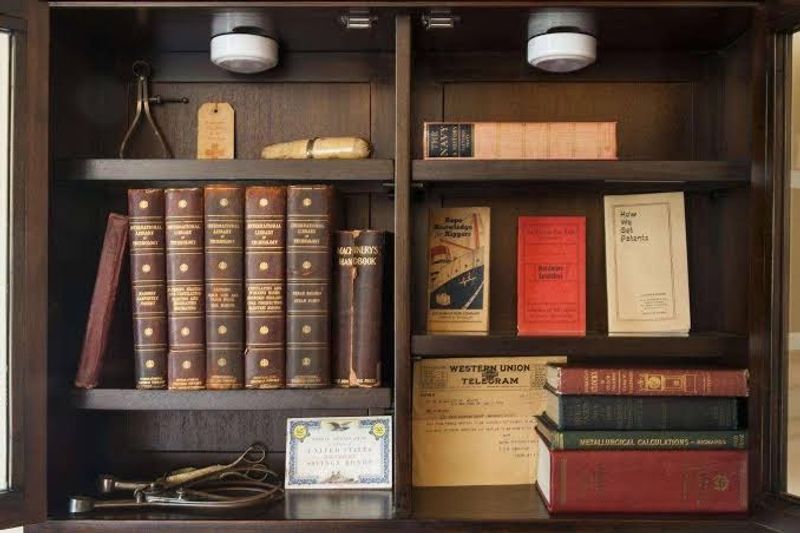
Unplugging is genuinely possible here, and it is done on purpose.
Several rooms in the original historic building deliberately come without televisions, including the Historical King and Premium Queen rooms.
The idea is to help guests slow down and enjoy the quiet setting instead of falling into the usual screen habits.
Deluxe Queen rooms in the historical building also skip the TV, leaning into that peaceful, old-fashioned feeling.
Some travelers love this choice, since it encourages reading, resting, and simply listening to the river and the trees. Others may prefer a screen, so it helps to know this detail before booking a specific room type.
Guests looking for a restful night without distractions often find these rooms a welcome change of pace.
Choosing a TV-free room can turn a stay into a real break from everyday noise and digital clutter.
For a redwood getaway meant to feel calm and restorative, that quiet approach fits the setting beautifully and reflects the inn’s respect for its own history.
Bay Windows And Wingback Chairs Keep The Feeling Alive
Comfort here comes wrapped in old-fashioned style rather than sleek modern lines.
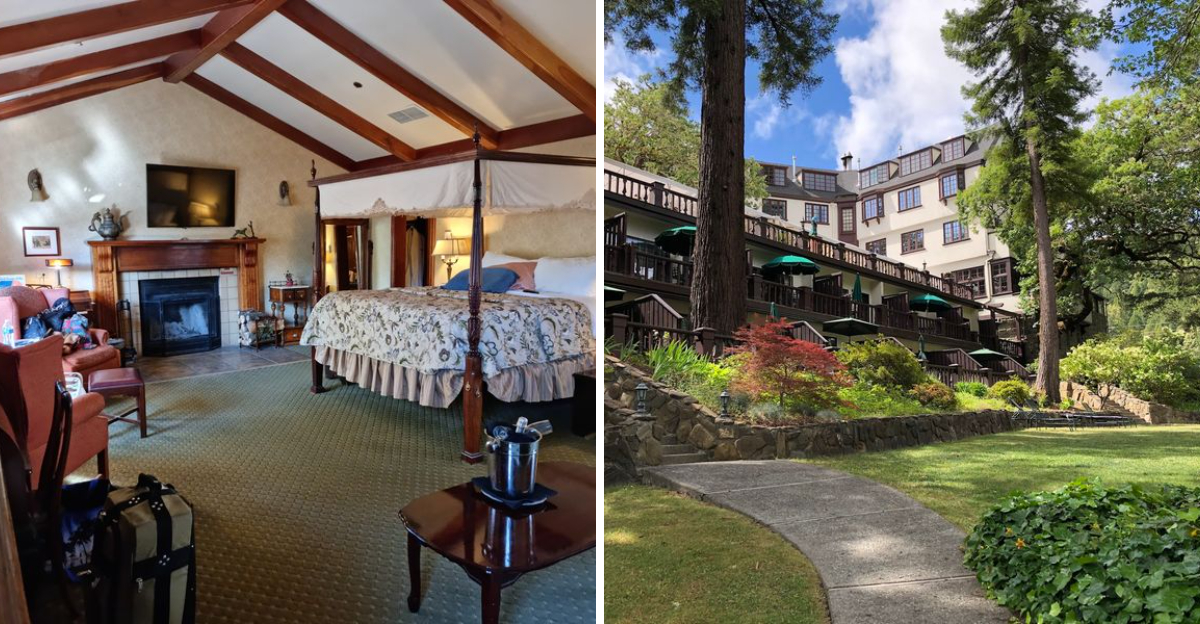
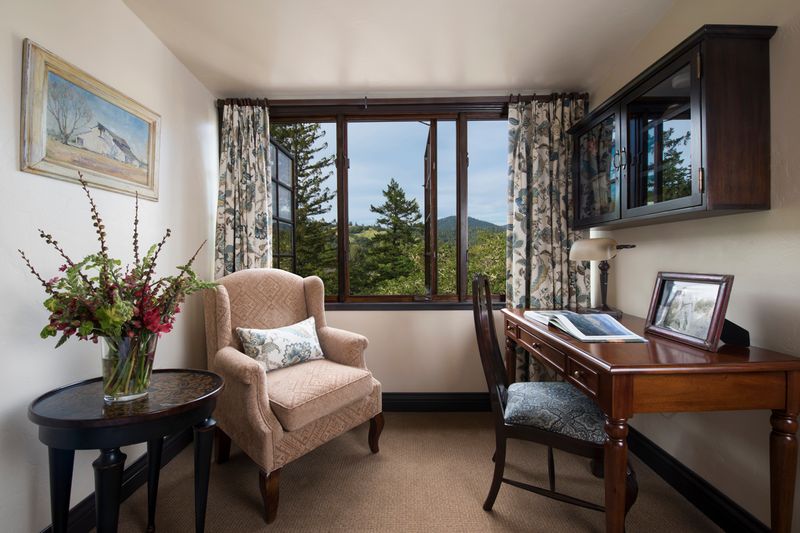
Historical King rooms feature bay windows and wingback chairs instead of trying to copy a generic hotel look.
Those bay windows let in soft natural light and offer a quiet spot to sit and watch the grounds outside.
Wingback chairs add a cozy, tucked-in feeling, perfect for relaxing with a book on a slow afternoon.
Historical Queen rooms carry similar touches, pairing queen beds with the same classic seating.
The antique furnishings throughout these rooms help guests feel like they have stepped into an earlier era.
Rather than chasing the newest trends, the design leans into warmth, texture, and a sense of place. Small details like these are exactly what make the inn feel different from a standard roadside stay.
Sitting by the window with the light filtering through the redwoods can be a simple, restful highlight of the visit.
A Hideaway For Hollywood Stars
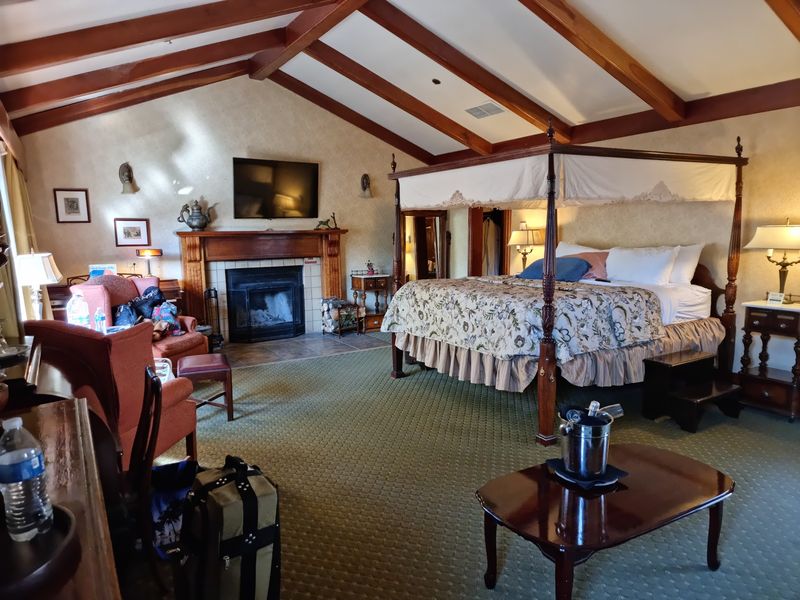
Old Hollywood glamour once drifted through these very halls. During the inn’s early fame, it became a quiet retreat for movie stars looking to escape the spotlight.
Clark Gable and Spencer Tracy were among the well-known guests who enjoyed the seclusion and elegant hospitality.
Other famous names, including Alan Ladd, Charles Laughton, Joan Fontaine, and Basil Rathbone, also chose to stay here.
The remote redwood setting offered privacy that big-city hotels simply could not match, which suited celebrities perfectly.
Walking through the lobby today, it is easy to imagine those glamorous visitors settling in for a peaceful stay.
The inn’s classic architecture and refined atmosphere fit right in with that golden-age Hollywood image.
Staying somewhere with such a colorful guest history adds a touch of excitement to an ordinary night away.
The property leans gently into this heritage without turning it into a gimmick, letting the history speak for itself.
The Riverside Setting Matters As Much As The Building
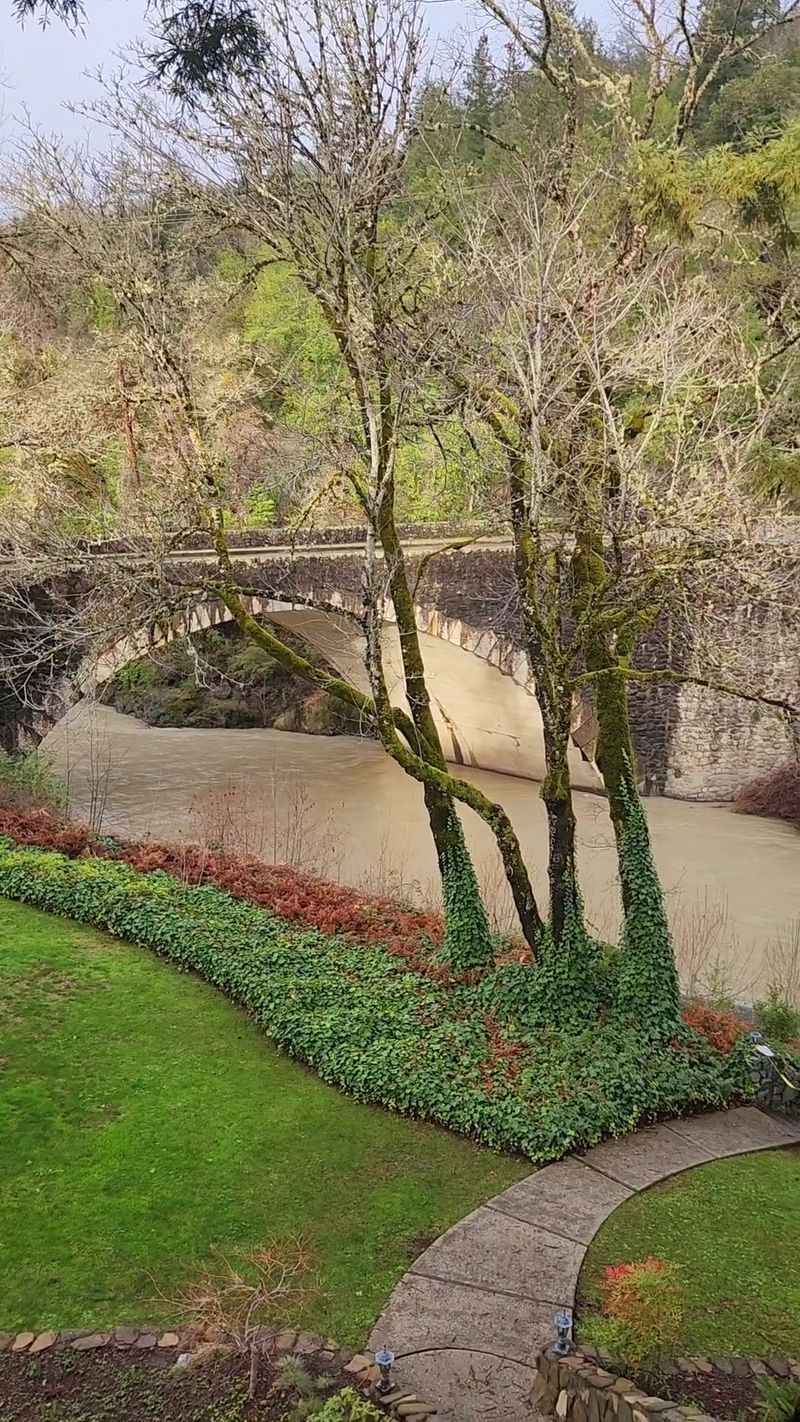
Nature plays a leading role in the whole experience here.
The property sits beside the Eel River in Humboldt County, wrapped in the redwood country of Northern California.
It is specifically nestled on two forks of the Eel River, giving guests easy access to peaceful water views.
Many rooms and common areas take advantage of that setting, with river views ranking among the most talked-about features.
In warmer months, the river access can add a fun element to a stay, whether resting nearby or exploring the banks.
The sound of moving water and the shade of towering trees create a calm, restful backdrop. Walking down toward the river is a simple pleasure that many guests enjoy during their visit.
The natural surroundings feel almost as important as the historic building itself, blending comfort with wild beauty.
Because the setting shifts with the seasons, each visit can feel a little different depending on the time of year.
Gardens Add To The Country-Inn Feeling
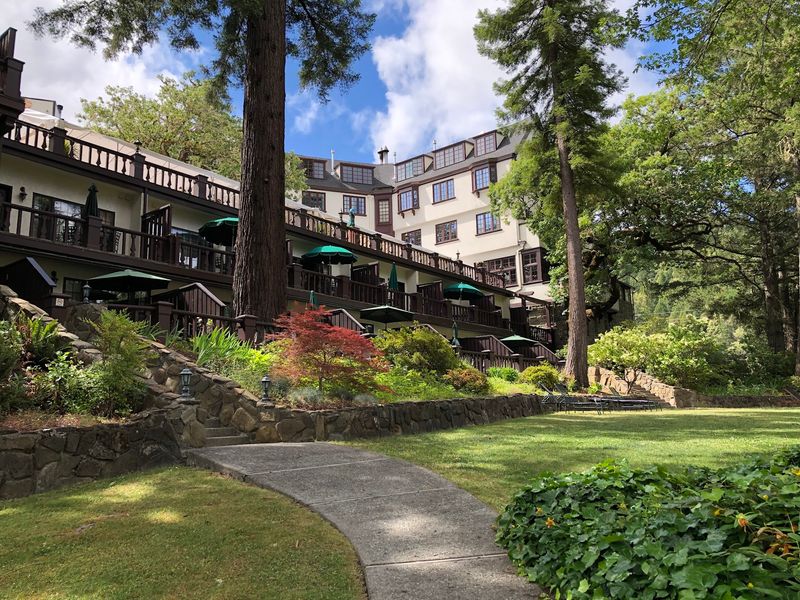
Green, tended spaces wrap around the property and invite slow strolls.
Landscaped garden areas contribute to the inn’s warm country-inn atmosphere, offering plenty of shady spots to rest.
Some historic rooms, like the Historical King rooms, overlook the Rose Garden and Reed Mountain.
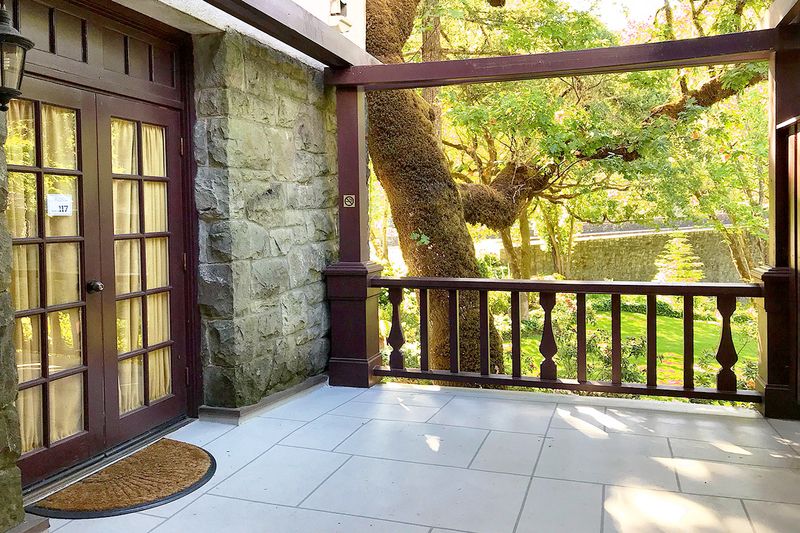
Historical Queen rooms also offer views of the terrace or garden, letting guests enjoy the greenery right from their windows.
Wandering the grounds is a favorite pastime here, with a stone bridge and quiet corners waiting to be discovered.
The gardens change with the seasons, so blooms and colors may look different depending on when a visit happens.
Morning walks through the landscaped areas can be a peaceful way to start the day. These outdoor spaces make the property feel welcoming and lived-in rather than stiff or formal.
Guests often mention how relaxing it is to explore the lush surroundings before or after meals.
A Big Renovation Protected The Historic Character
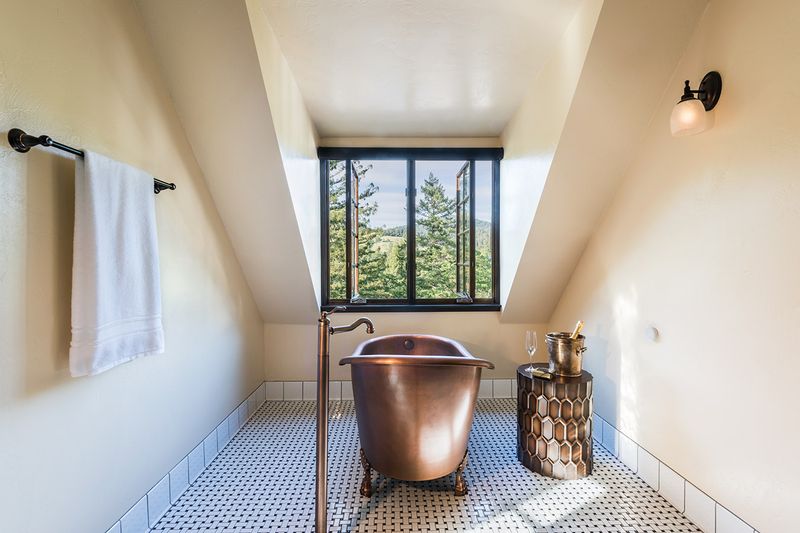
Careful updates prove that modern comfort and old-school charm can coexist.
The property completed a roughly $10 million renovation that concluded in March 2018, with preserving its historic identity at the center of the plan.
Rather than stripping away the past, the work blended thoughtful upgrades with authentic character.
The project made the inn ADA compliant, added an elevator, and introduced a themed banquet room, a new banquet kitchen, and new restrooms.
Earlier improvements set the stage too, including a full guest-room and common-area refresh in 2013. A $1.5 million update in 2015 focused on energy-efficient windows and terrace waterproofing.
More recently, an innovative Combined Heat and Power energy system was installed to boost efficiency and sustainability.
All of these changes aimed to improve comfort while respecting the building’s cherished history.
Because older properties can show wear, honest travelers should expect some historic quirks alongside the modern touches.
Still, the balance struck here is exactly why the inn feels genuine rather than gutted.