This 170-Year-Old North Carolina Museum Turns Local History Into A Mansion-Sized Time Capsule
An 1852 hotel sounds like the kind of building that has been politely hoarding secrets for generations.
That is what makes this free North Carolina museum feel more alive than a quiet history stop has any right to be.
The rooms do not just sit there looking old.
They seem to carry the echo of travelers, conversations, and long-gone stories that somehow still make the place feel warm.
Nothing about the visit needs to be flashy.
The preserved setting does the work with creaking character, old-fashioned charm, and the strange feeling that the walls know more than they are saying.
A walk through the halls becomes less about reading dates and more about stepping into a building that never fully stopped telling its story.
Getting that kind of atmosphere without paying a dollar feels almost suspicious now.
History rarely hands out this much personality for free.
The Hoffman Hotel Building
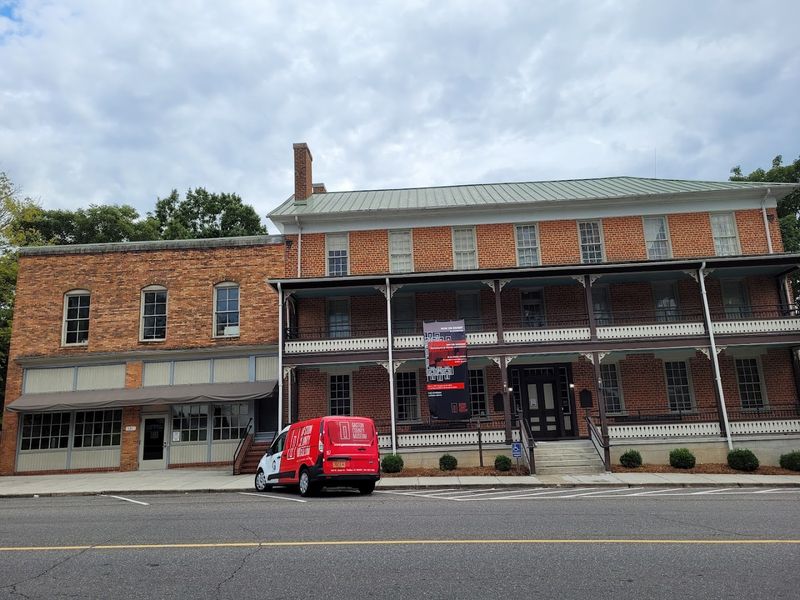
Historic character starts before visitors even reach the first exhibit.
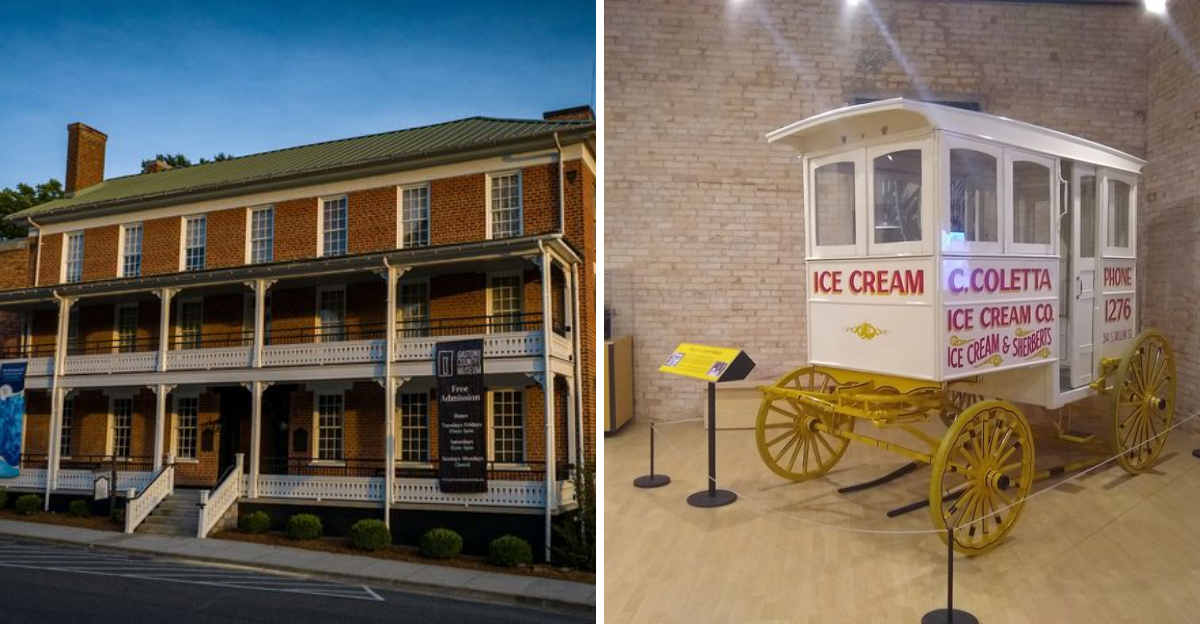
The Hoffman Hotel, built in 1852 by Daniel Hoffman at 131 West Main Street in Dallas, is described as a 44-room Greek Revival hotel. It once served a wide range of visitors, from politicians and judges to farmers and businesspeople attending county court.
Today, the restored building houses the Gaston County Museum of Art and History, which gives every hallway, staircase, and room an extra layer of meaning.
Instead of displaying local history inside a plain modern box, the museum lets guests move through a structure that actually belongs to the county’s 19th-century story.
Reconstructed rooms and historic architectural details help the building feel lived-in rather than decorative. Dallas may be a small town, but this old hotel gives the museum a strong sense of place from the moment visitors walk in.
Local history feels easier to understand when the walls, floors, and layout are part of the evidence.
Three Floors Of Exhibits
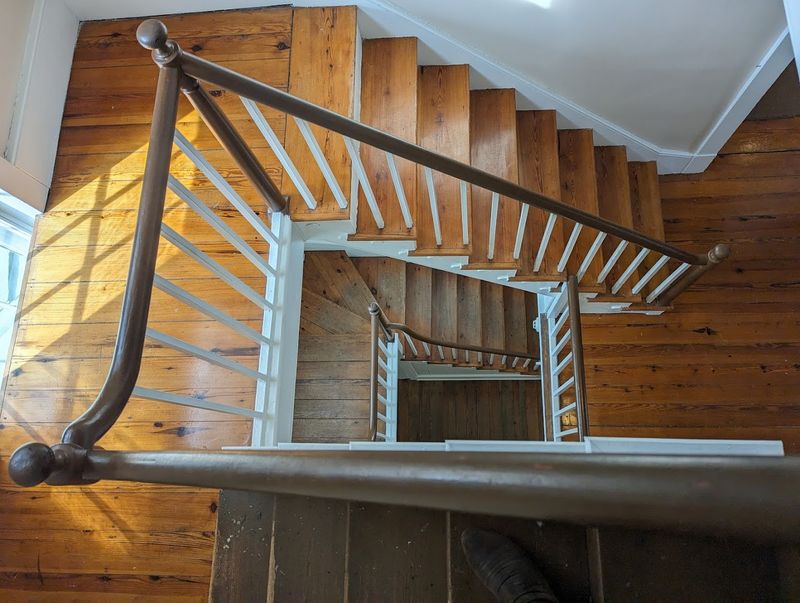
Room after room makes the museum feel bigger than many first-time visitors expect. The official museum site describes permanent and rotating exhibits that explore the art and history of Gaston County, and the restored hotel setting gives those displays a layered, mansion-like rhythm.
One section may focus on local industry, another on community stories, and another on art or temporary exhibits that shift over time. That mix helps the museum avoid feeling frozen.
Visitors can return and find something different, especially when special exhibitions bring in topics such as regional businesses, artists, photography, or social history. The three-floor experience also keeps the visit moving because each level carries a slightly different mood.
History lovers get county context, art fans get rotating displays, and families get enough variety to avoid museum fatigue. The museum recommends about 1.5 hours to explore the entire site, which feels manageable without being rushed.
A compact footprint becomes surprisingly rich once the old hotel rooms start opening into one story after another.
The Textile Legacy Collection
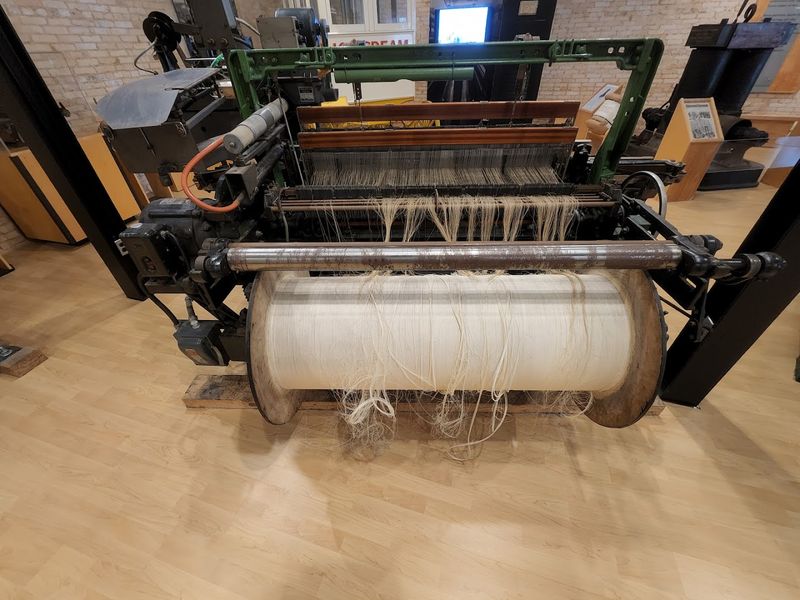
Textile history gives Gaston County one of its strongest identity threads, and the museum is an ideal place to understand why.
The Town of Dallas notes that the restored Hoffman Hotel houses permanent exhibits about local textile history, while recent tourism updates have highlighted textile-focused programming such as “The Ties That Bind.”
That focus matters because mills, fabric production, and textile labor helped shape the region’s economy and community life for generations.
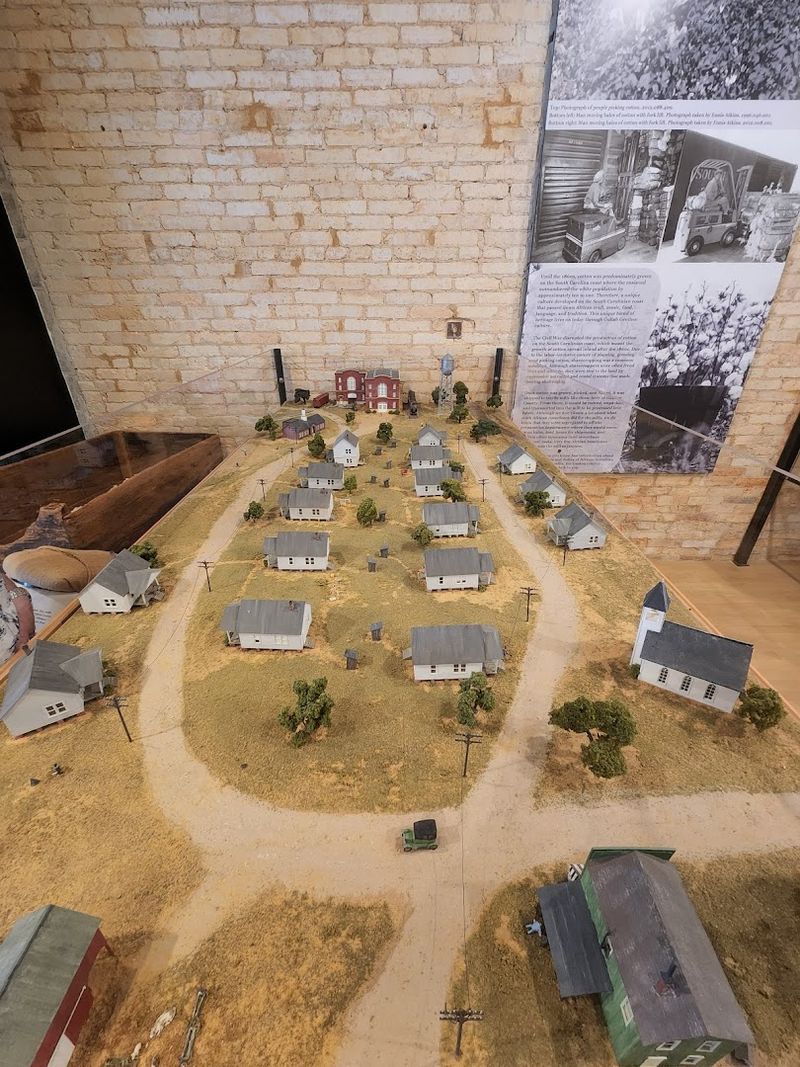
Seeing textile tools, images, machinery, or interpretive displays in person makes the subject feel far more human than a paragraph in a history book. Visitors can connect industry to families, jobs, neighborhoods, and the daily routines that built Gaston County’s reputation.
Museum settings like this also help preserve stories that could easily disappear as old mills close, buildings change use, and younger generations move farther from the factory era. North Carolina’s textile past is broad, but Gaston County’s version feels especially personal here.
The exhibit work turns machines and materials into a clearer story about labor, skill, and local pride.
Daniel Stowe Carriage House
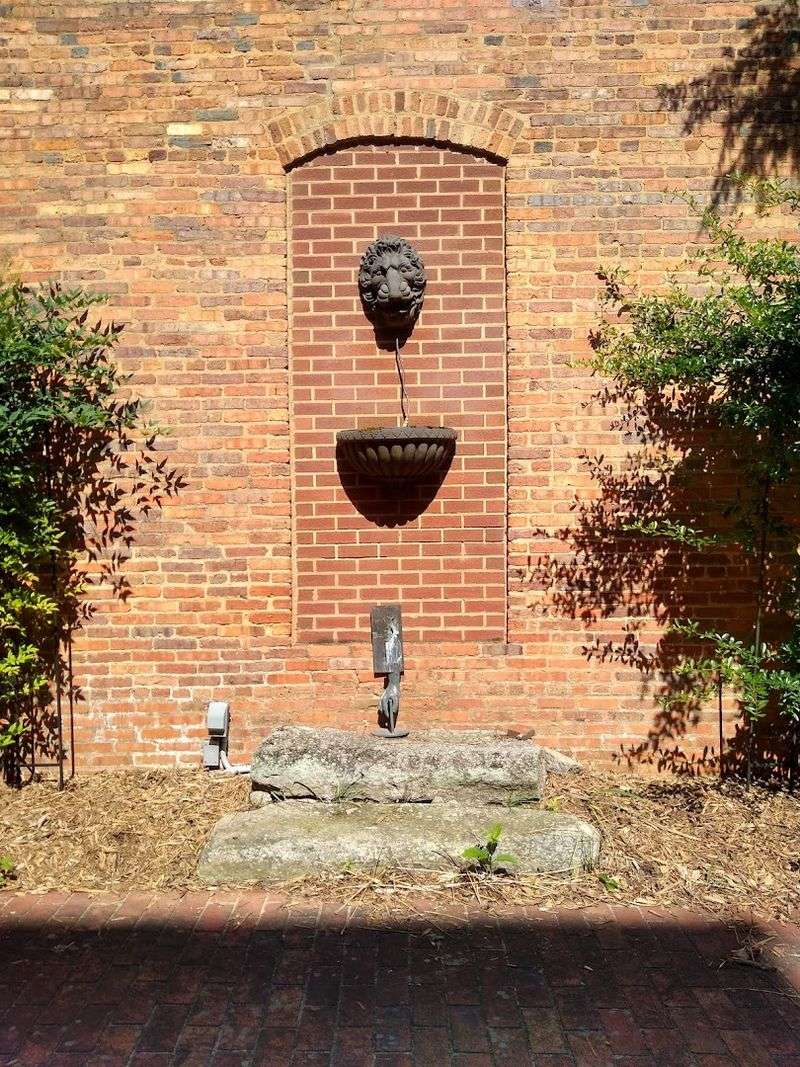
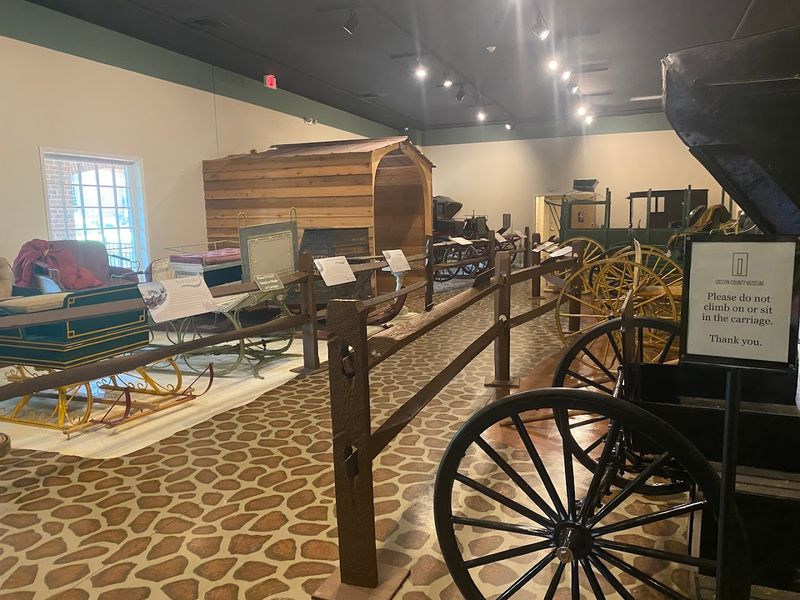
Transportation history waits just behind the main museum building. The Daniel Stowe Carriage House is home to North Carolina’s largest collection of horse-drawn vehicles, according to the museum’s official carriage house page.
On display are sleighs and carriages dating from the 1840s through the 1980s, making the collection much broader than a single row of old buggies. The museum’s visit page also notes that visitors with mobility limitations can drive to the carriage house entrance at 106 W.
Church Street in Dallas, which is helpful for planning. This separate building adds a strong bonus to the museum visit because it shows how people moved through the world before cars made travel feel ordinary.
Formal carriages, practical wagons, and specialized vehicles reveal differences in work, wealth, weather, and daily life. Children often understand this section quickly because transportation is easy to picture, even across centuries.
For adults, the craftsmanship and preservation are the big draw. The carriage house gives the museum campus scale, surprise, and one of its most memorable claims.
Free Admission For All
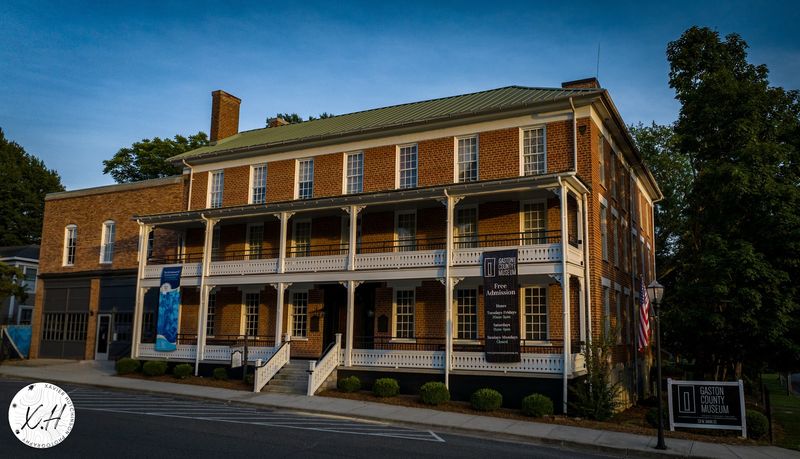
Free admission makes this museum especially easy to recommend. The Gaston County Museum’s official site states that admission is free to the public, removing the biggest barrier for families, students, casual travelers, and locals who want a cultural outing without budgeting for tickets.
That matters because the museum is not a tiny single-room stop.
Visitors get the restored Hoffman Hotel, rotating and permanent exhibits, children’s and adult programming, and access to the Daniel Stowe Carriage House collection.
Free entry also encourages repeat visits, which is important for a museum with changing exhibits and community events.
A family can stop by for a short visit one month and return later without feeling like the trip needs to justify a ticket price.
Donations and support still matter, of course, especially for preservation and programming, but the open-door model makes the museum feel genuinely public.
In a time when many attractions have become expensive, a free art and history museum inside a restored 1852 hotel feels refreshingly generous.
Tony’s Ice Cream History Corner
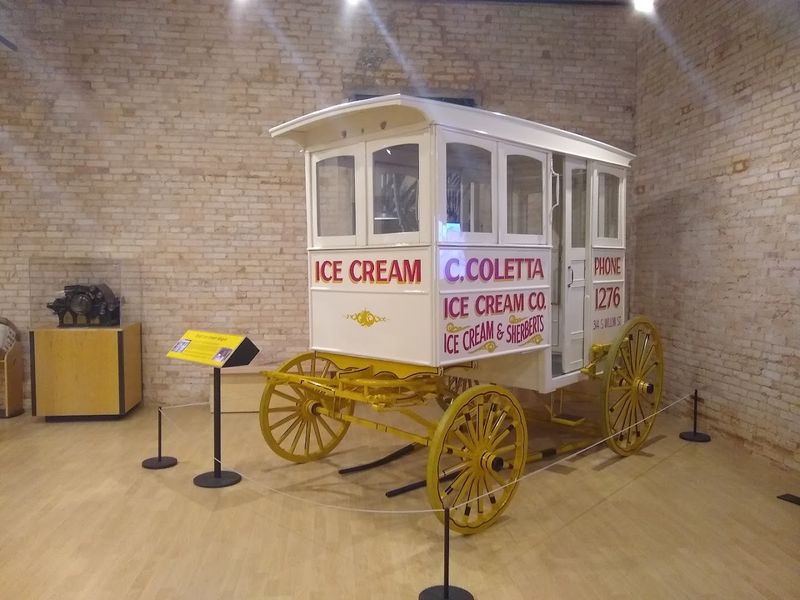
Who knew a museum could make you crave ice cream? One of the most delightfully unexpected stops inside the Gaston County Museum of Art and History is the exhibit featuring the original cart that launched Tony’s Ice Cream, a beloved regional brand with deep roots in the area.
Seeing the very cart where it all started brings a warm, nostalgic smile to just about everyone who spots it.
Tony’s Ice Cream holds a special place in the hearts of many Gaston County residents, and the museum treats this local business history with genuine respect and affection.
The exhibit connects food culture to community identity in a way that feels both playful and meaningful.
It is a reminder that history is not just about politics but also about the everyday joys that define a place.
Visitors young and old tend to stop and linger here longer than expected. Multiple reviewers mentioned this section specifically, with one calling it a personal favorite.
Small exhibits like this one are exactly why the Gaston County Museum of Art and History feels so human, so local, and so worth visiting in North Carolina.
Rotating Art Exhibits
Changing exhibits help the museum stay alive instead of feeling like a one-time stop.
The Gaston County Museum’s official site emphasizes both permanent and rotating exhibits connected to art and history, which lets the institution balance local heritage with fresh creative programming.
That approach is especially valuable in a county museum because it creates room for community stories, regional artists, special anniversaries, traveling materials, and themes that may not fit neatly into permanent displays.
Visitors can return across the year and find a different reason to walk the halls.
Art also changes the energy of the historic hotel. A restored 19th-century building filled only with old objects might feel formal, but rotating creative displays bring a present-day voice into the space.
Local and regional artists benefit from the platform, while visitors get a fuller picture of Gaston County culture.
The museum’s mission centers on inspiring curiosity and connection by weaving together art and history, and rotating exhibits are where that mission becomes especially visible.
They keep the story moving forward.
Family-Friendly Interactive Spaces
Museums sometimes get a reputation for being quiet, hands-off places where kids have to keep their energy in check. The Gaston County Museum of Art and History throws that idea out the window entirely.
Hands-on elements include a hotel-room experience where visitors can explore historic details, try period-style activities, and engage with the building’s past.
There is a dedicated play area for younger children, a piano section that invites guests to sit down and explore, and tablets that let visitors engage with exhibits in a more hands-on way.
Placed at 131 West Main Street in Dallas, the museum welcomes school groups, families, and casual visitors equally.
Staff members are consistently praised for being warm, knowledgeable, and genuinely happy to help. Whether you are five years old or fifty, there is something here that will pull you in and hold your attention.
North Carolina families looking for a meaningful weekend outing have found a true gem in this remarkable, history-packed museum.