This 1881 North Carolina Courthouse Holds A Museum With A Remarkable Survival Story
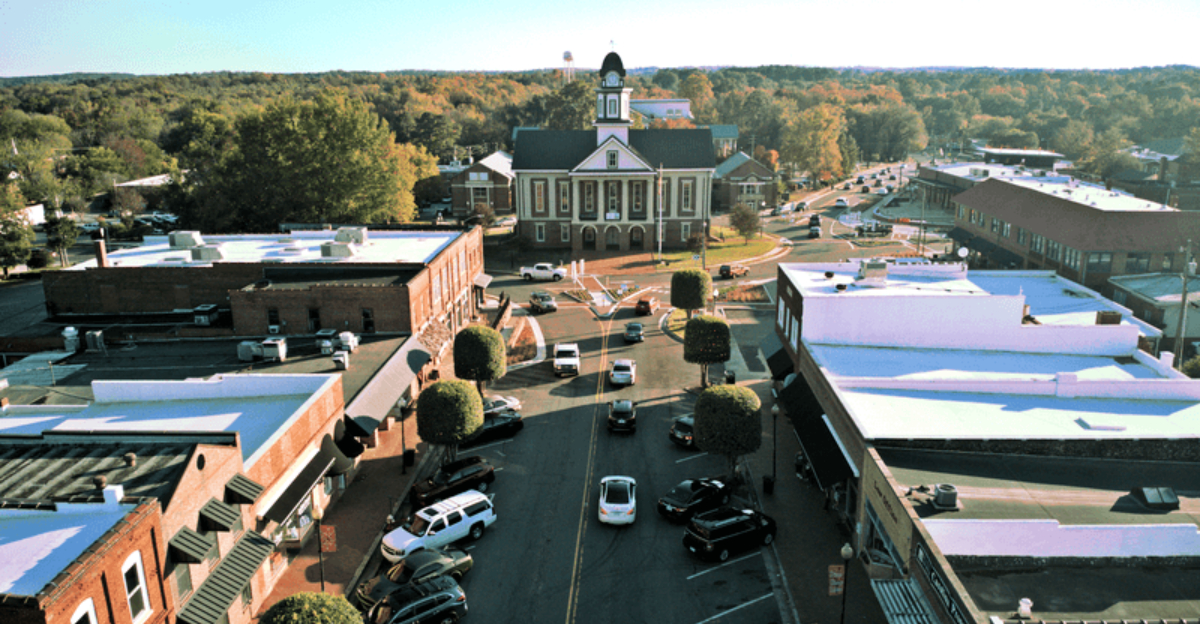
Courthouses are not usually where you expect a phoenix moment, but this one in North Carolina seriously earned its wings.
After a devastating 2010 fire tried to turn a landmark and its history into smoke, the old 1881 building managed the rare feat of refusing to stay down, which is honestly very rude behavior for ashes.
Luck helped, the wind showed up like an unlikely hero, and the museum collection made it through with the kind of escape story most places would love to borrow.
Now the restored space stands right in the heart of Pittsboro with all the charm, resilience, and quiet comeback energy of a local legend that rose, dusted itself off, and came back ready for visitors.
The 1881 Courthouse Building
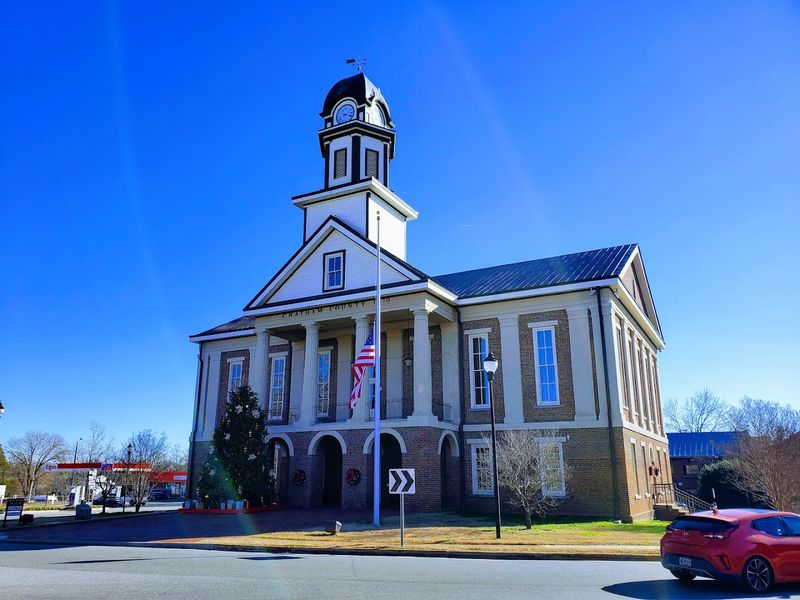
Few buildings tell a story quite like the one standing at. Constructed in 1881, the Historic Chatham County Courthouse is a proud example of classic brick courthouse architecture that defined small-town civic life across North Carolina during the late 1800s.
Its sturdy red brick walls and formal design made it a community anchor for generations of Chatham County residents.
Walking up to the entrance today, visitors immediately sense the weight of history layered into every corner of the structure. The building has been listed on the National Register of Historic Places, recognizing its architectural and cultural significance to the state.
That recognition was well earned, given how much this courthouse has endured and survived over more than a century.
What makes it especially meaningful is that the 1881 character of the building was not erased by reconstruction. Careful preservation work ensured that the spirit of the original design remained visible, giving visitors a genuine connection to the past the moment they step inside.
The March 2010 Courthouse Fire
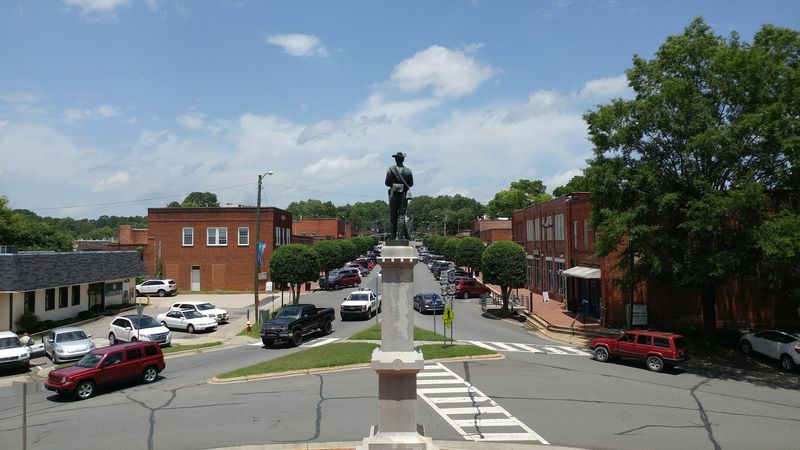
On March 25, 2010, a fire broke out at the Historic Chatham County Courthouse that would change the building forever. Most of the roof and a significant portion of the interior were destroyed in the blaze, sending shockwaves through the local community and beyond.
For many residents of North Carolina, the thought of losing such a beloved landmark was genuinely heartbreaking.
Firefighters worked hard to contain the damage, but the destruction to the structure itself was severe. The wooden fire joists that had supported the building for nearly 130 years were gone, and the interior spaces that had hosted county life for so long were left exposed and ruined.
It was a moment that could have marked the permanent end of the courthouse story.
Yet even in the middle of that crisis, something remarkable was already unfolding. The direction of the wind that night played a surprising and critical role in what happened next, setting the stage for a survival story that still amazes visitors who learn about it today.
How The Collection Survived
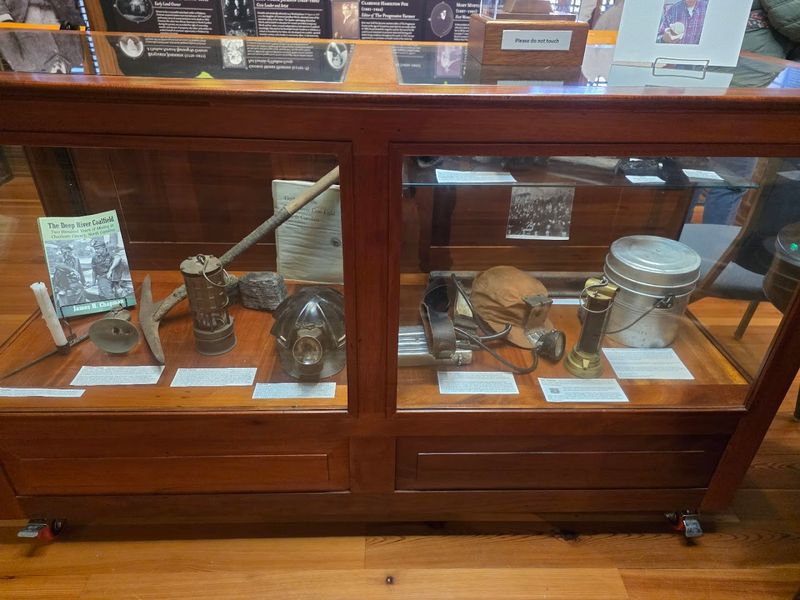
Luck rarely gets to sound this specific. Chatham Historical Museum’s own history page says a southwest wind helped save the museum collection from extensive fire and smoke damage during the 2010 courthouse blaze.
Given the destruction to the building itself, that detail still feels astonishing. Many items suffered little or no damage at all, and very few were lost.
Volunteers then moved quickly into salvage mode, devoting long hours to drying out pieces affected by water while protecting the rest of the collection for the future. That means the museum visitors walk through today is not built mostly on replacements, facsimiles, or reconstructed memories.
It still holds real local artifacts, documents, photographs, and objects that came dangerously close to disappearing forever. Survival stories attached to historic sites often sound inflated after enough retellings, but this one remains remarkable even in its plainest form.
A county museum housed in a fire-damaged courthouse kept nearly all of its collection because the wind shifted in the right direction and people acted fast enough afterward to protect what remained. Pittsboro did not just save a building.
It saved a usable archive of county history that can still be seen, studied, and remembered in the place where it nearly vanished.
The Rebuilding Process
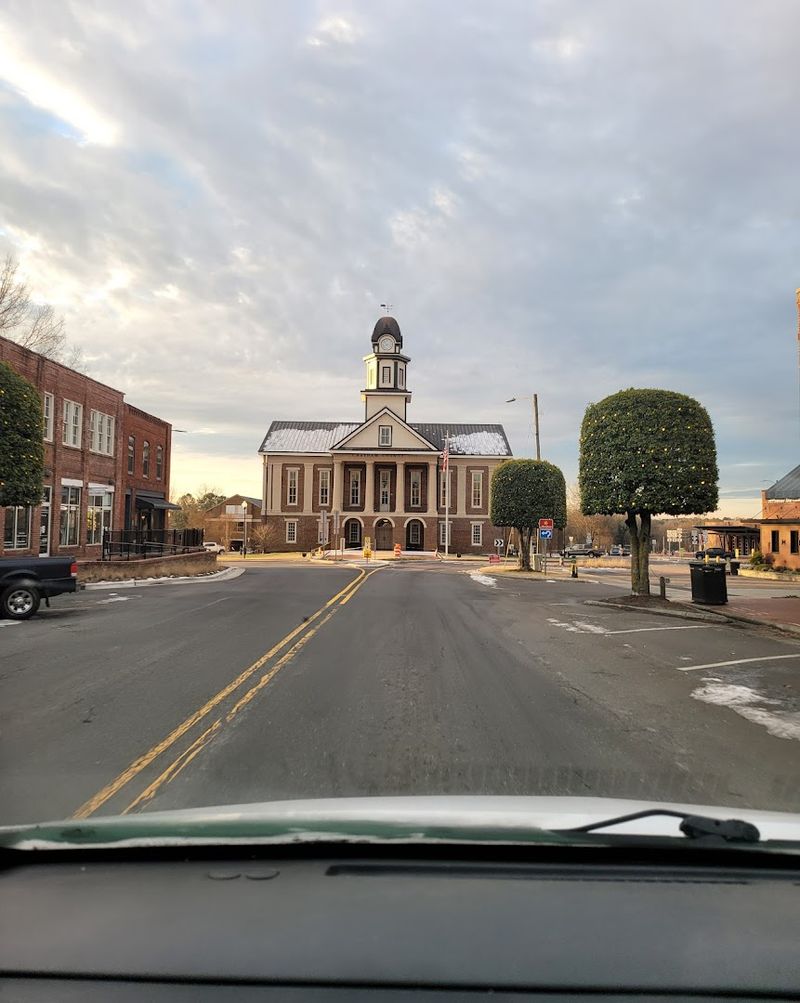
Rebuilding a courthouse like this was never going to mean simply putting back what had been there before. Architects and preservation teams had to decide how to make the structure safer and stronger without stripping away the building’s historic identity.
Project information from Hobbs Architects explains that engineering reports found the masonry walls remained structurally sound, which made stabilization and reconstruction possible. From there, the courthouse was rebuilt with steel replacing the original wooden fire joists, a change also highlighted by museum history materials and later courthouse reflections.
That decision mattered for obvious practical reasons, but it also shaped the building’s second life in a deeper way. Pittsboro was not trying to turn the courthouse into a fragile monument that merely looked historic from the sidewalk.
The goal was to restore a working landmark that could carry the spirit of the old building while being prepared for the future in ways the 1881 structure could never have anticipated. Preservation works best when it respects both memory and necessity, and this courthouse reconstruction seems to have balanced those two pressures unusually well.
Visitors can still feel the age of the place, but now that feeling sits inside a structure designed not to surrender so easily again.
The Preserved Second-Floor Courtroom
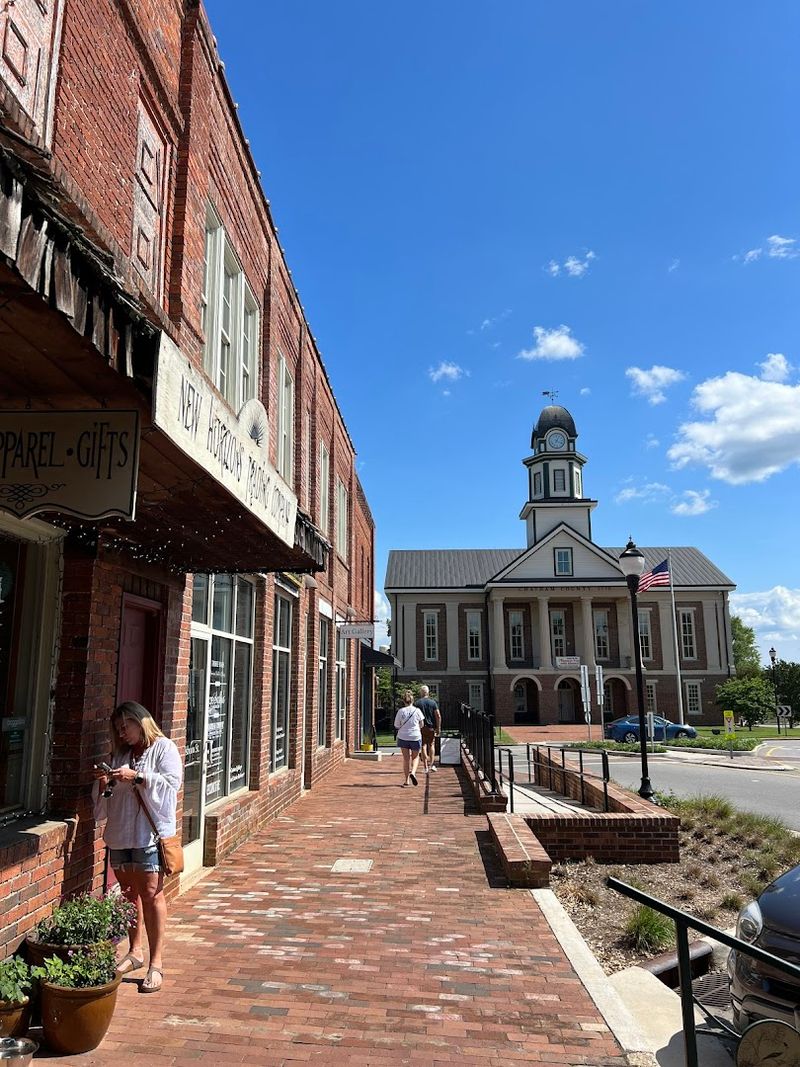
One of the most exciting parts of visiting the Chatham Historical Museum is stepping into the second-floor courtroom that was retained during reconstruction. The rebuilt courthouse still includes its second-floor courtroom, and museum materials highlight what was kept from the original 1881 building during reconstruction.
Standing inside it gives visitors a direct, tangible link to the original 1881 North Carolina courthouse that once served the entire county.
The room carries a quiet authority that is hard to describe until you experience it yourself. Wooden details, the layout of the space, and the formal atmosphere all contribute to a sense of stepping back in time.
Visitors can almost picture the legal proceedings, local debates, and community gatherings that once filled the room with voices and decisions that shaped Chatham County life for generations.
The museum’s What to See page specifically highlights this courtroom as one of the features visitors should not miss. It stands as a symbol of what was saved from the original building, making it one of the most emotionally resonant spaces in the entire museum experience.
Grand Reopening On April 20, 2013
April 20, 2013 appears on the museum history page as the official opening date for the Chatham Historical Museum exhibits. A later courthouse anniversary program repeats the same milestone, noting that the courthouse reopened on April 20, 2013 as the Historic Courthouse with the Chatham Historical Museum.
More than a date on paper, April 20, 2013 marks the moment when the building moved beyond disaster recovery and fully returned to public life.
Reopening on that day meant more than saving and restoring a landmark after the 2010 fire.
It also signaled the courthouse’s renewed role as a place where Chatham County history could once again be preserved, shared, and interpreted inside the building itself, giving the restored space fresh civic and cultural meaning.
Museum Exhibits And What To See
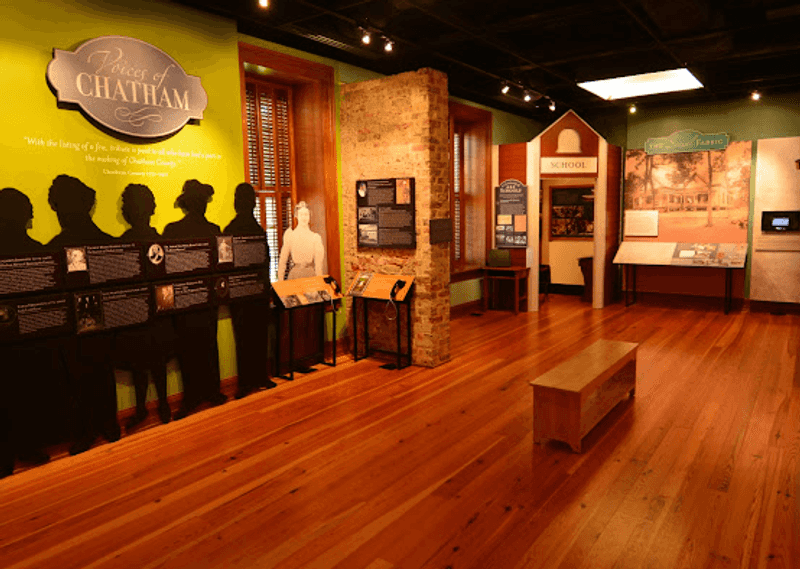
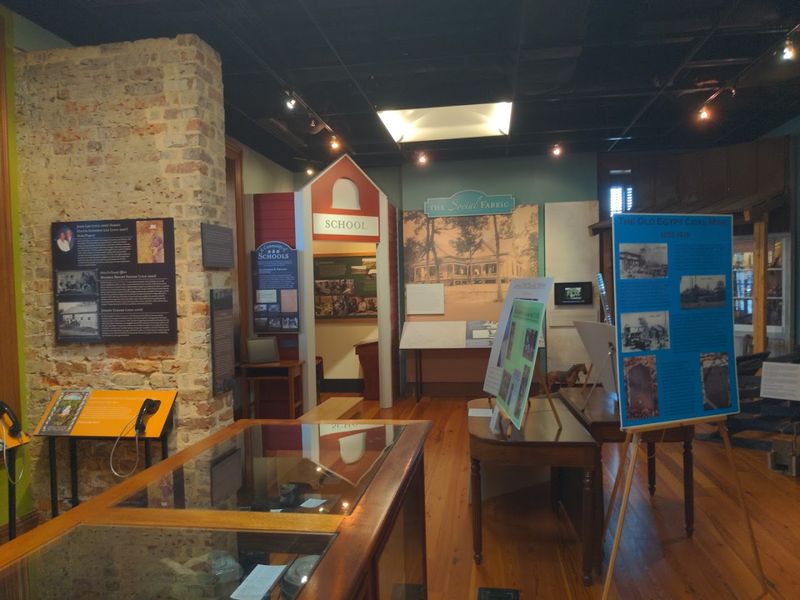
Museum visitors do not come here only for the fire story, and that is one of the most satisfying parts of the experience. Chatham Historical Museum’s visitor information describes exhibits that include courthouse history, local artifacts, maps showing historic mills and cemeteries, family history resources, artwork, and photographs connected to Chatham County life.
Rotating short-term exhibits also keep the space active rather than static, which helps the museum feel like a living local institution instead of a fixed display that rarely changes. That variety gives the museum a broader appeal than some small local-history spaces manage to achieve.
Genealogy-minded visitors can focus on records, maps, and community traces. Architecture lovers get the building itself.
Casual travelers who simply wandered into downtown Pittsboro can still find plenty that feels readable, visual, and engaging without needing to arrive with research goals. Small museums often become memorable when they balance specificity with openness, and this one seems to do exactly that.
Chatham County remains the center of the story, yet the exhibits give enough points of entry that almost anyone can find a way into the place.
Current Visiting Hours And Access
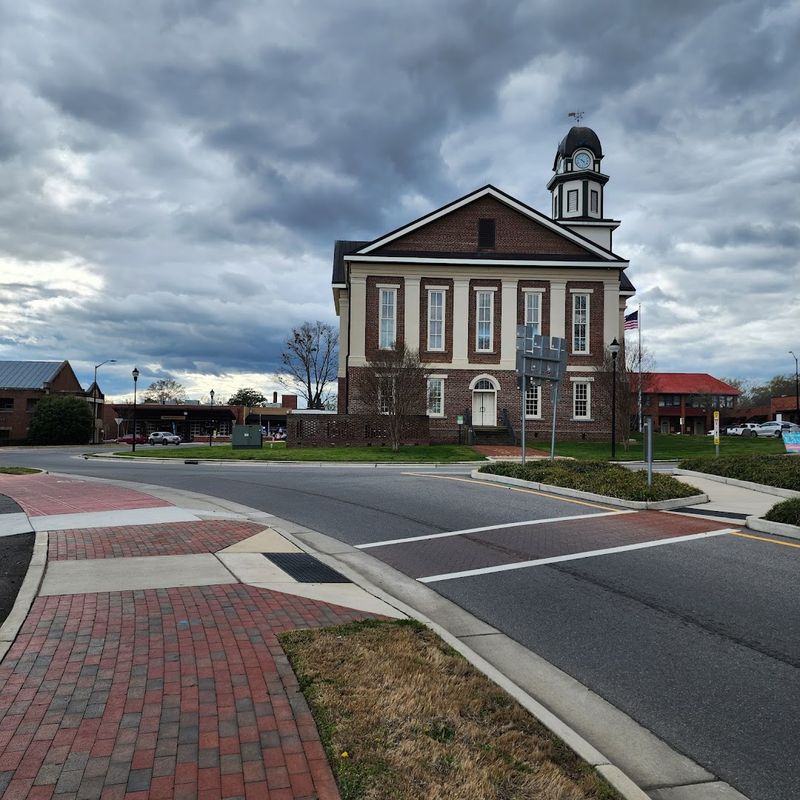
Planning a visit to the Chatham Historical Museum is easy once you know the schedule. Located at 9 Hillsboro St, Pittsboro, NC 27312, the museum is open Wednesday and Friday from 11 a.m. to 4 p.m., Thursday from 11:30 a.m. to 4 p.m., and Saturday from noon to 4 p.m., except for first Saturdays of the month.
From April through December, the museum also opens on first Sundays from noon to 3 p.m., giving visitors a few extra chances to stop by.
Those hours make the museum a practical stop for weekend travelers exploring central North Carolina who want to add a meaningful cultural experience to their itinerary. Admission details and any updates to the schedule can be confirmed through the museum’s official website before your visit.
It is always a good idea to double-check ahead of time, especially if you are traveling from out of town.
The courthouse location in the heart of Pittsboro also puts visitors within easy reach of local shops, cafes, and the charming small-town atmosphere that makes this part of North Carolina so worth exploring on a relaxed afternoon.
Why This Courthouse Museum Matters Today
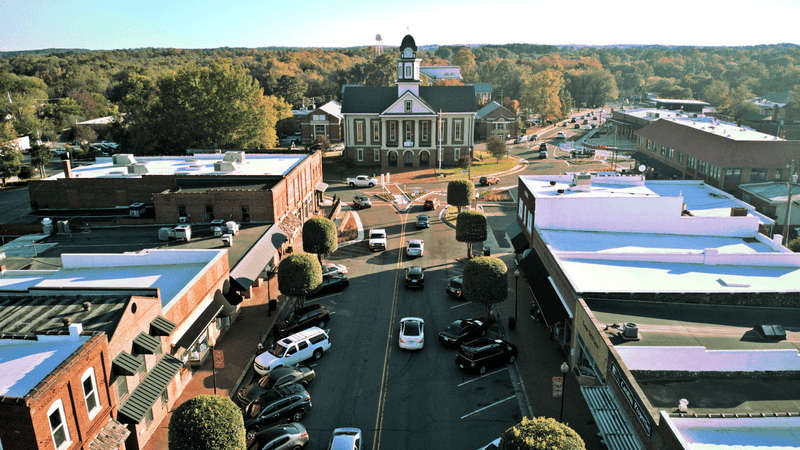
Some historic places survive because they were never seriously tested. This one matters because it was tested and still came back.
The courthouse at Pittsboro is not compelling only because it dates to 1881 or because it holds a local-history museum. Plenty of towns have old buildings and museum collections.
What makes this place different is the combination of architecture, disaster, luck, volunteer effort, and thoughtful rebuilding that now lives inside one address. Visitors are not simply touring a preserved courthouse.
They are moving through a space that nearly vanished, protected much of its collection against the odds, and then reopened in a form that still honors its past while carrying the structural lessons of the fire forward. That kind of layered survival gives the museum emotional force even before anyone reads a single label.
It also says something larger about Pittsboro and Chatham County. Communities reveal what they value most clearly when something they love is threatened.
In this case, the answer was unmistakable.