This 60-Foot Giant Cross Can Be Seen For Miles Across North Carolina, But Few Know Who It Honors
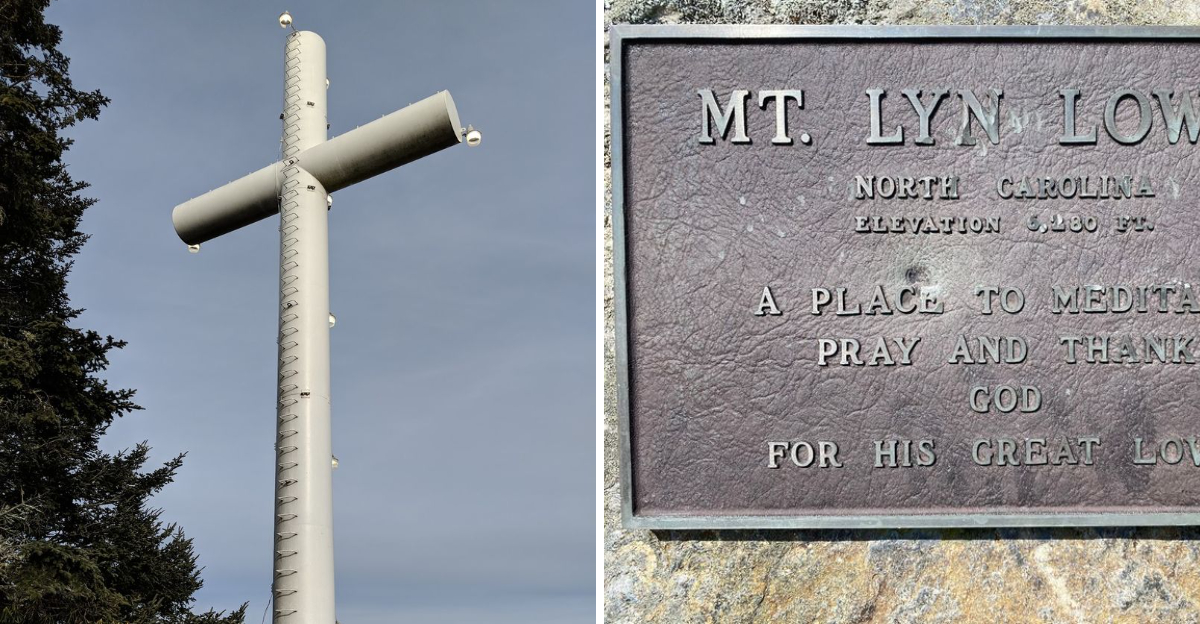
High above the mountain roads of western North Carolina, a sixty-foot cross has been shining through the darkness for more than six decades.
Many drivers notice its glow from below. Far fewer know why it was placed there.
Raised in 1964 in memory of a young girl whose life ended far too soon, the cross stands on private property, so this is a landmark to appreciate respectfully rather than approach without permission.
That detail matters because the structure is not simply a roadside curiosity or scenic photo stop. At its heart, it is a family memorial with a deeply personal story behind it.
Its height may catch the eye first, especially after dark, but the meaning carries much further.
For generations, the cross has remained above the valley as a quiet remembrance, visible to countless travelers while still belonging to a place that deserves privacy and respect.
See The Towering Cross Long Before You Reach The Mountain
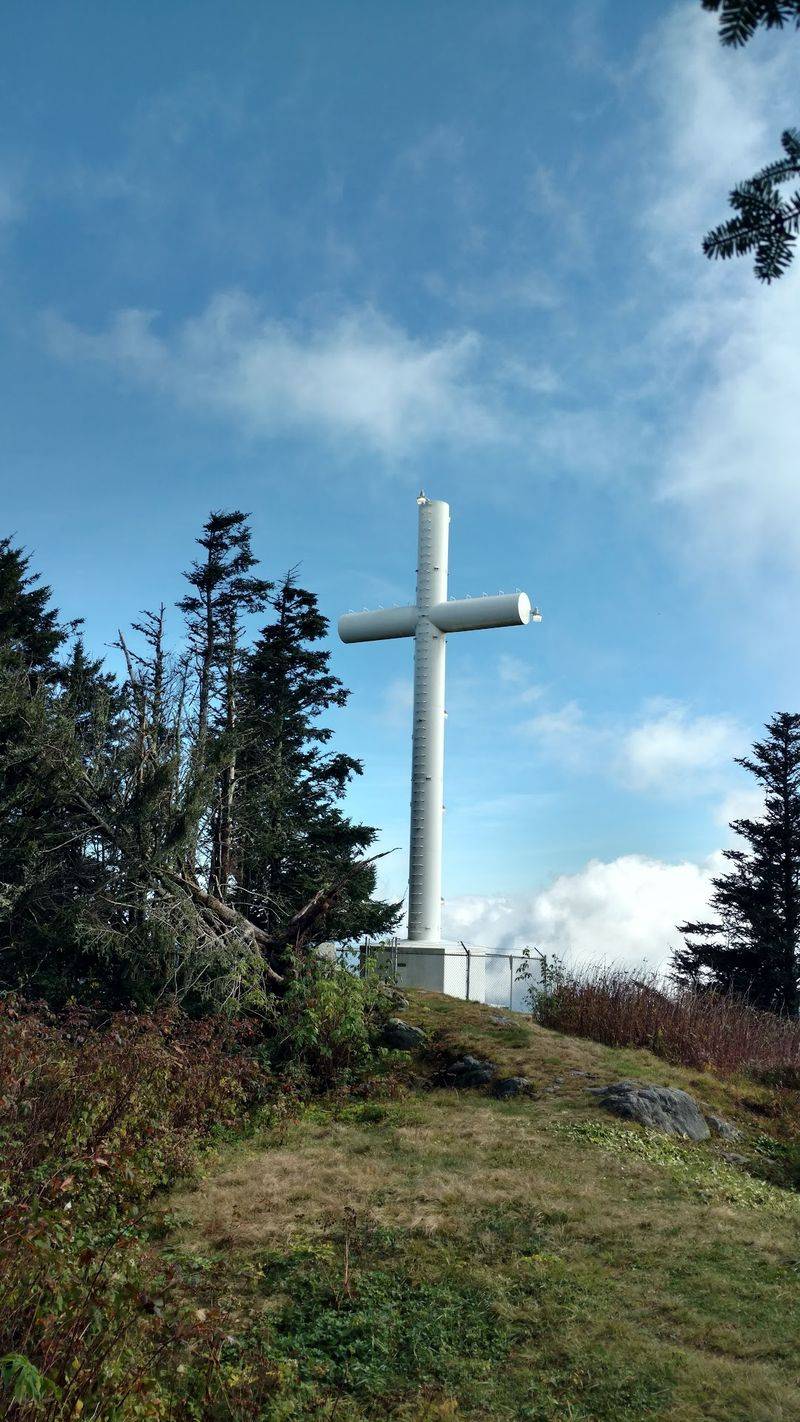
Long stretches of highway in the Great Balsam Mountains hide their surprises until the light fades. Then a small bright point appears on the skyline, steady and unmistakable, sitting far above the treeline.
The memorial stands on Mount Lyn Lowry at an elevation of 6,240 feet, where it keeps a silent watch across the surrounding peaks. During daylight hours it reads as a pale white silhouette against the sky, easy to miss if you are not looking for it.
Travelers along US 19/74 between Waynesville and Balsam Gap often catch the best glimpses, especially as twilight settles into the valleys.
On clear evenings, the glow has been reported visible from as far as 30 miles away, which explains why so many people notice it without ever learning its name.
Roll your window down at a safe pullout and you will hear wind moving through the ridges while that faraway light holds steady. It is a striking first impression, and it sets the tone for everything that follows.
You Can Follow The Road Up For A Much Closer Look
Curiosity naturally pulls people toward the summit, but the approach requires a little planning. The road that climbs directly to the memorial is privately maintained and closed to vehicle traffic, so the best access comes from public viewpoints instead.
One of the finest sits at the Mt. Lyn Lowry Overlook, at Milepost 445.2 on the Blue Ridge Parkway.
A broad picnic area spreads out there, with room to stretch, unpack a thermos of coffee, and study the ridgeline at a slow pace.
Hikers have their own route as well. Several reviewers describe the climb as demanding and steep, part of the well-known South Beyond 6000 Challenge, and worth every labored breath for those prepared with sturdy boots, water, and time.
Whichever way you choose, the payoff is scale. From the overlook, the cross reads as a small white marker against enormous folded mountains, and that contrast helps you understand exactly how high above the valley floor it truly rises.
Learn The Personal Story Behind The Memorial
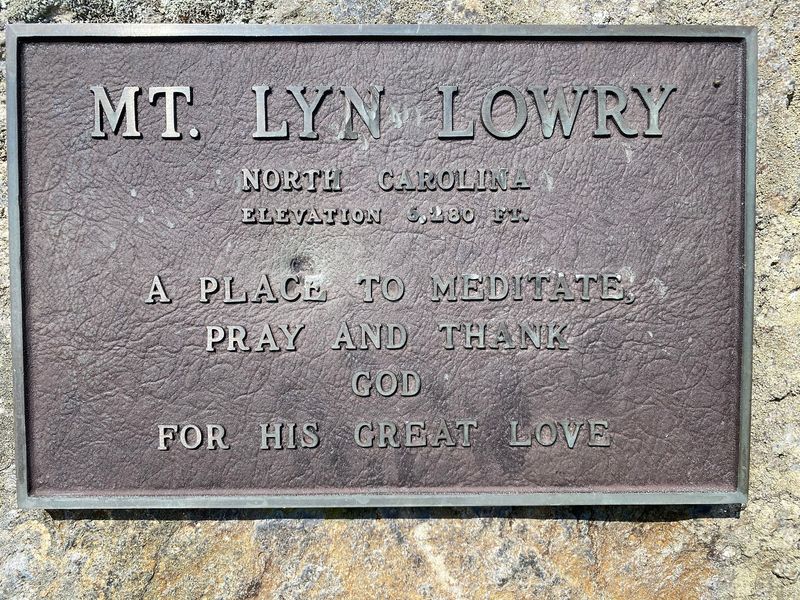
Behind the steel and the floodlights is a family that lost a child. Lyn Lowry was a bright, spirited teenager from Tampa, Florida, and passed away from leukemia in 1962 when she was just fifteen years old.
Her parents, retired Army Lt. Gen.
Sumpter Lowry and Ivilyn Lowry, wanted something permanent in a place their daughter genuinely loved.
The mountains near Maggie Valley had been a treasured vacation spot for the family, full of cool summer air and long green views.
Grief moved them toward action rather than silence. Instead of a quiet marker in a cemetery, they imagined a tribute large enough to be seen across whole counties, a way of keeping her name in the open air.
Knowing that story changes how the landmark feels. What looks like a piece of engineering from the highway becomes, up close in your mind, a parent’s promise that a young life would not be forgotten.
Find Out Why The Cross Was Built High Above The Valley
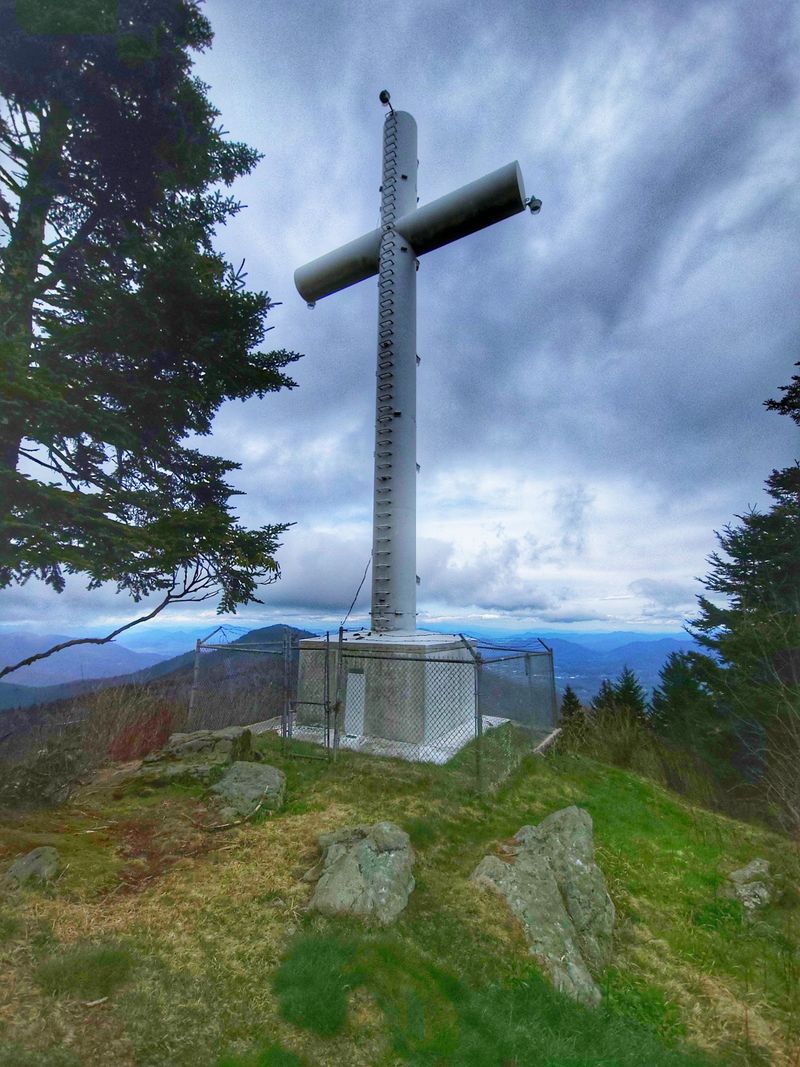
The peak was called Jones Knob before any of this happened. General Lowry later wrote in a personal booklet that he felt guided when he acquired both the steel fabrication plant where the cross would be built and the mountain itself, years before his daughter became ill.
He referred to those two purchases as miracles. Together they made the memorial possible without delay once the family decided to move forward.
On August 6, 1964, the lights of the sixty-foot cross were switched on for the first time, and the mountainside gained a beacon it has kept ever since.
A year later, in 1965, evangelist Billy Graham led the dedication, speaking of sorrow and rejoicing mixed together and calling the structure a symbol of the pure and wonderful life Lyn had led.
In 1967 the state legislature made the tribute official by renaming the peak Mount Lyn Lowry. Height was the point all along, because elevation is what carries her name across the valley.
Take In Sweeping Mountain Views From The Surrounding Area
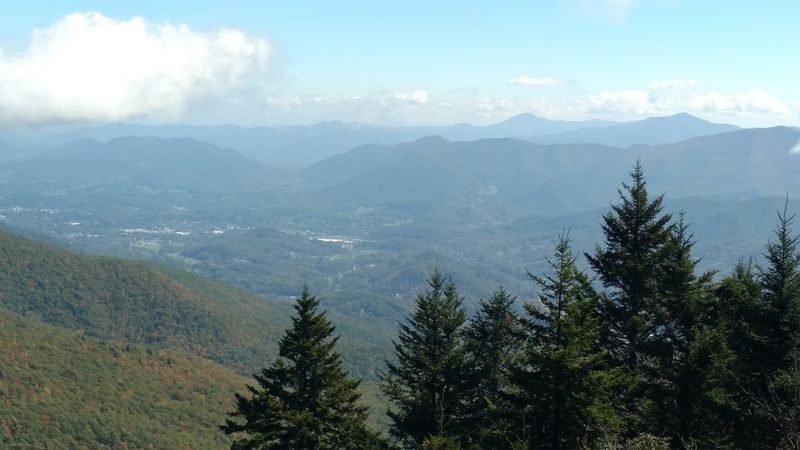
Crisp air hits you first at these elevations, even in midsummer. Overlooks along the Blue Ridge Parkway and the connecting roads between Waynesville and Sylva open onto layer after layer of ridgelines, each one paler than the last.
The Plott Balsam Range dominates the scene, its slopes thick with spruce and fir that turn nearly black as evening approaches.
Morning light does something different, sliding across the folds and revealing pockets of mist still resting in the hollows.
Sunsets here reward patience. Orange and violet spread over the peaks, and just as the color deepens, the distant cross catches the last brightness before its own lights take over.
Pack a simple picnic and stay a while. Apple butter on biscuits, a wedge of sharp cheddar, or a bag of boiled peanuts from a roadside stand all taste better with this backdrop, and the quiet up here gives you room to slow your thoughts down.
Notice How Different It Looks Once You Stand Beneath It
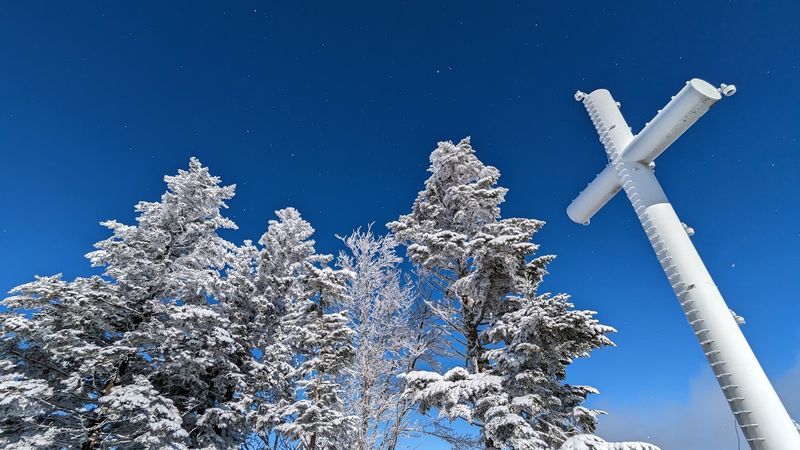
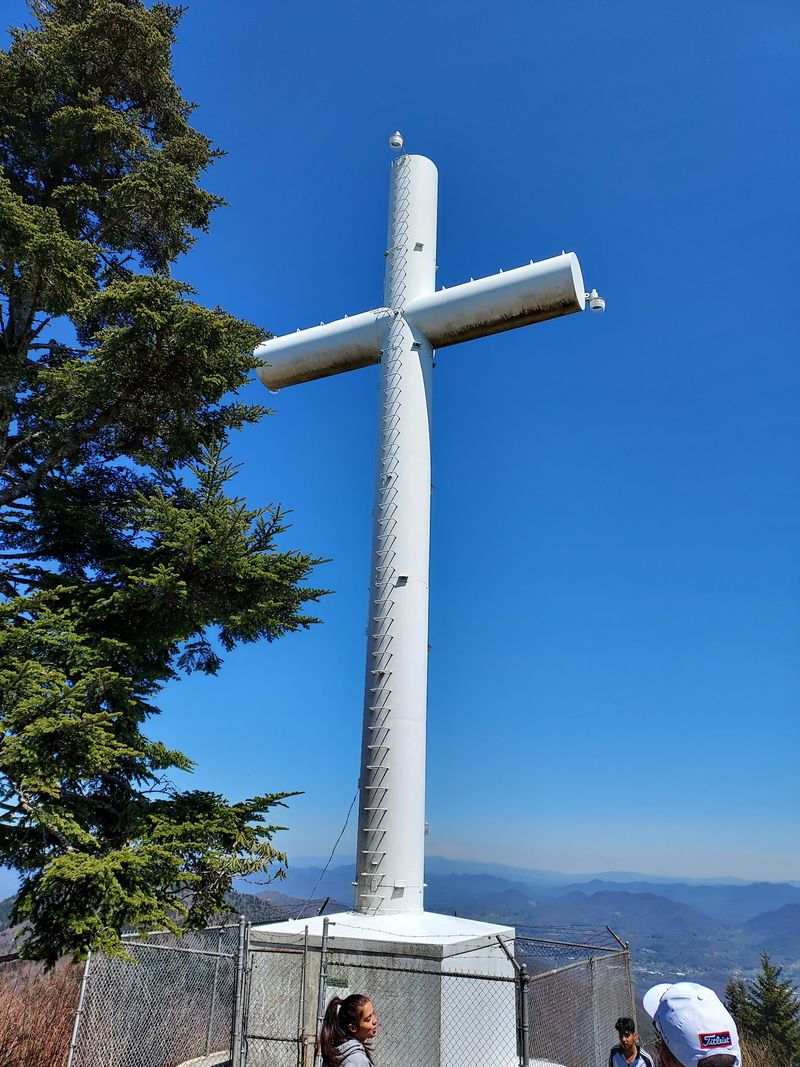
Scale plays tricks from the highway. What appears delicate against the sky becomes enormous when you finally stand at its base, sixty feet of steel framework climbing straight up over your head.
Wind is the constant companion at 6,240 feet. It moves through the spruce and fir with a low steady rush, and the metal above you holds firm against it without a sound.
Details you never suspected come into focus here: the thickness of the supports, the anchoring at the ground, the careful joinery that has kept this memorial standing since the mid-1960s. Somebody thought hard about every bolt.
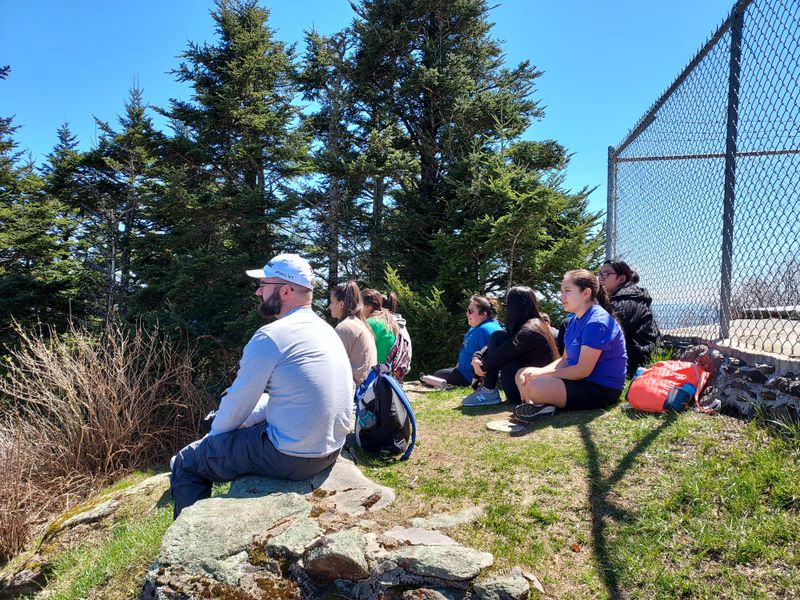
Visitors who make the climb often describe the summit as a place for prayer, meditation, or simply sitting still. Church youth groups have hiked up together, and solo walkers come for the quiet.
Whatever brings you, the shift in perspective is real. Distance makes the cross a landmark, but standing underneath makes it a monument you can feel.
The summit is private property, bear that in mind as well.
Pause At A Landmark Most Drivers Only See From A Distance
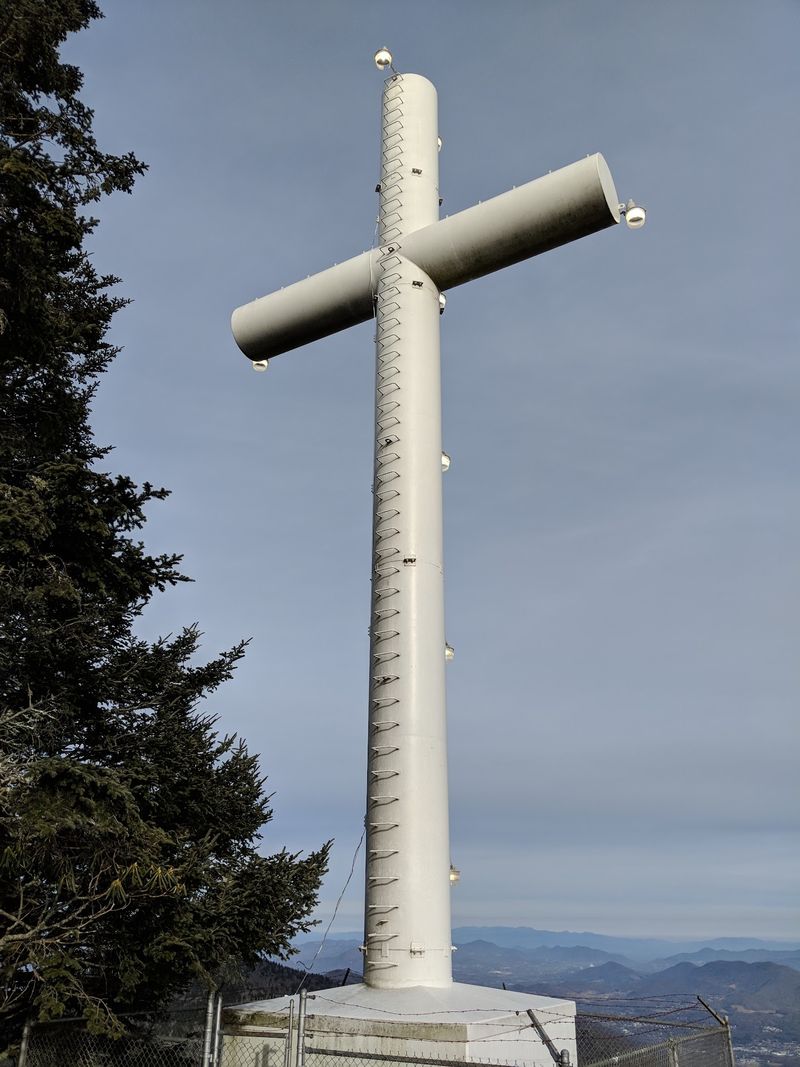
Thousands of cars roll past this landmark every week, and most passengers never learn what they saw. A brief white flash on a ridge, a comment, then the road curves and the moment is gone.
Choosing to stop changes that. Pull into one of the accessible overlooks along the Blue Ridge Parkway, cut the engine, and let the mountain sounds take over for ten or fifteen minutes.
Evening is the sweet spot. Around dusk the valley cools quickly, sweaters come out of the back seat, and the memorial lights flick on while the sky still holds a little color.
Bring binoculars if you have them, since they turn a faraway shape into a recognizable structure with visible framework. A folding chair and something warm to drink stretch the visit into a proper pause.
Set against the hush of the Appalachian high country, the memorial stops being a navigation marker and becomes what its builders intended: an invitation to think about faith, loss, and love that lasts.
Leave Knowing Who The Giant Mountain Memorial Was Created To Honor
Drive away and the glow follows you for miles, appearing between gaps in the ridgeline like it is checking that you remember. By then the light means something entirely different than it did on the way in.
Lyn Lowry was fifteen. Her parents took the deepest kind of loss and turned it into something that gives comfort to strangers more than sixty years later, which is a remarkable thing to consider from a highway shoulder.
Nearby Maggie Valley makes an easy base for the trip, with mountain diners serving country ham, stacked pancakes, and cobbler warm from the oven.
The landmark itself carries a Maggie Valley, NC 28751 address, though the views belong to the whole region.
What you carry home is more than photographs of blue ridges at sunset. You leave with a name, a story, and the understanding that this beacon over western North Carolina was built so one bright girl would never fade from the landscape she loved.