This 60-Foot Idaho Cross Is One Of The State’s Most Striking Hilltop Landmarks
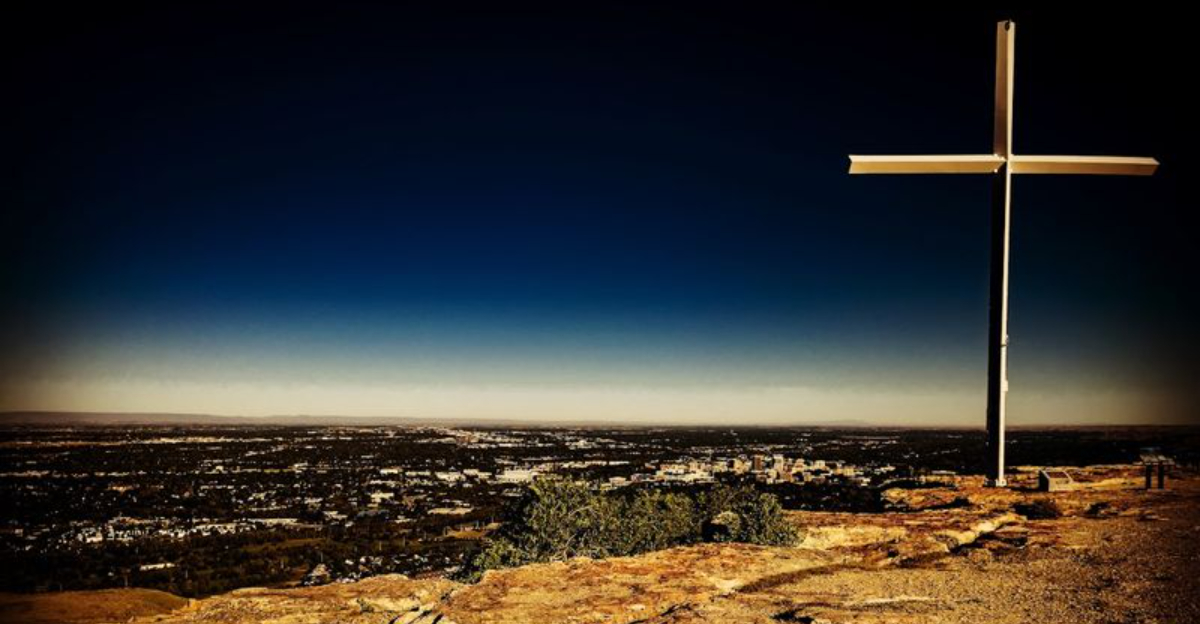
Size is one thing on paper, but seeing a 60-foot cross standing high above an Idaho valley is a whole different “wait, that thing is how tall?” moment.
From below, it already catches the eye.
Up close, the scale feels even more surprising, like the hilltop decided to add an exclamation point large enough for everyone to notice.
Hikers may start the climb expecting a good view and then arrive slightly flabbergasted by how boldly the landmark rises against the open sky.
At night, the illuminated outline gives the ridge an even stronger presence, turning the whole scene into something hard to ignore.
Love it as a landmark or visit for the viewpoint. Either way, this Idaho sight does not do small.
A 60-Foot Cross Watching Over Boise From The Foothills
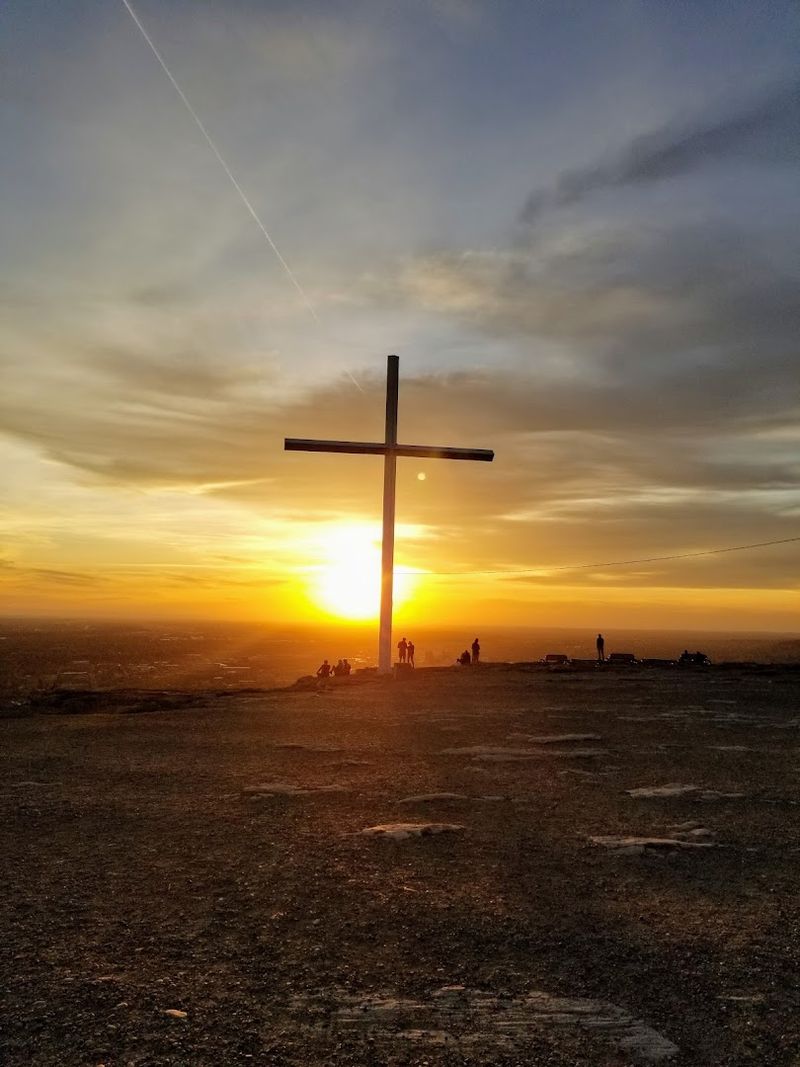
High above Boise, the Table Rock Cross uses elevation, simplicity, and open sky to make a bigger impression than many more elaborate landmarks.
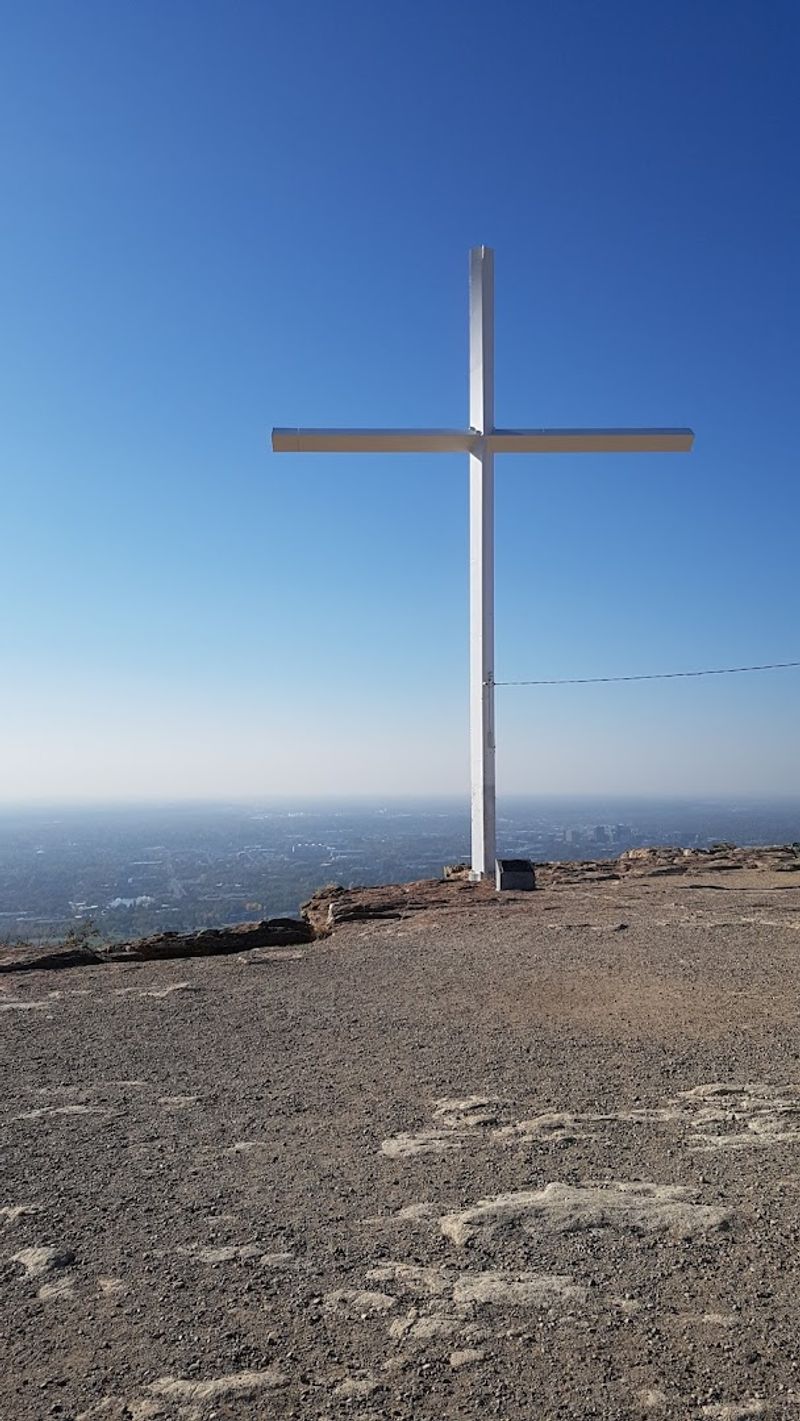
The white cross stands 60 feet tall on Table Rock, a mesa overlooking the Treasure Valley, and its placement makes it visible from many parts of the city.
Built in 1956 by the Boise Jaycees, it has become a familiar point of reference for residents, hikers, photographers, and visitors trying to understand the shape of Boise from above. The cross itself is not a commercial sign or a building marker.
It stands alone, which is part of why it draws so much attention. During the day, the pale structure contrasts with the darker foothill terrain.
From below, it gives the hillside a clear visual anchor, especially when viewed from east Boise, the Greenbelt area, or nearby roads. The landmark also gives hikers a visible goal before they even start climbing.
Seeing it from the valley and then reaching it on foot makes the outing feel satisfying in a very straightforward way. Boise has bigger buildings, but few sights are this instantly recognizable.
Table Rock Gives The Landmark Its Striking Hilltop Setting
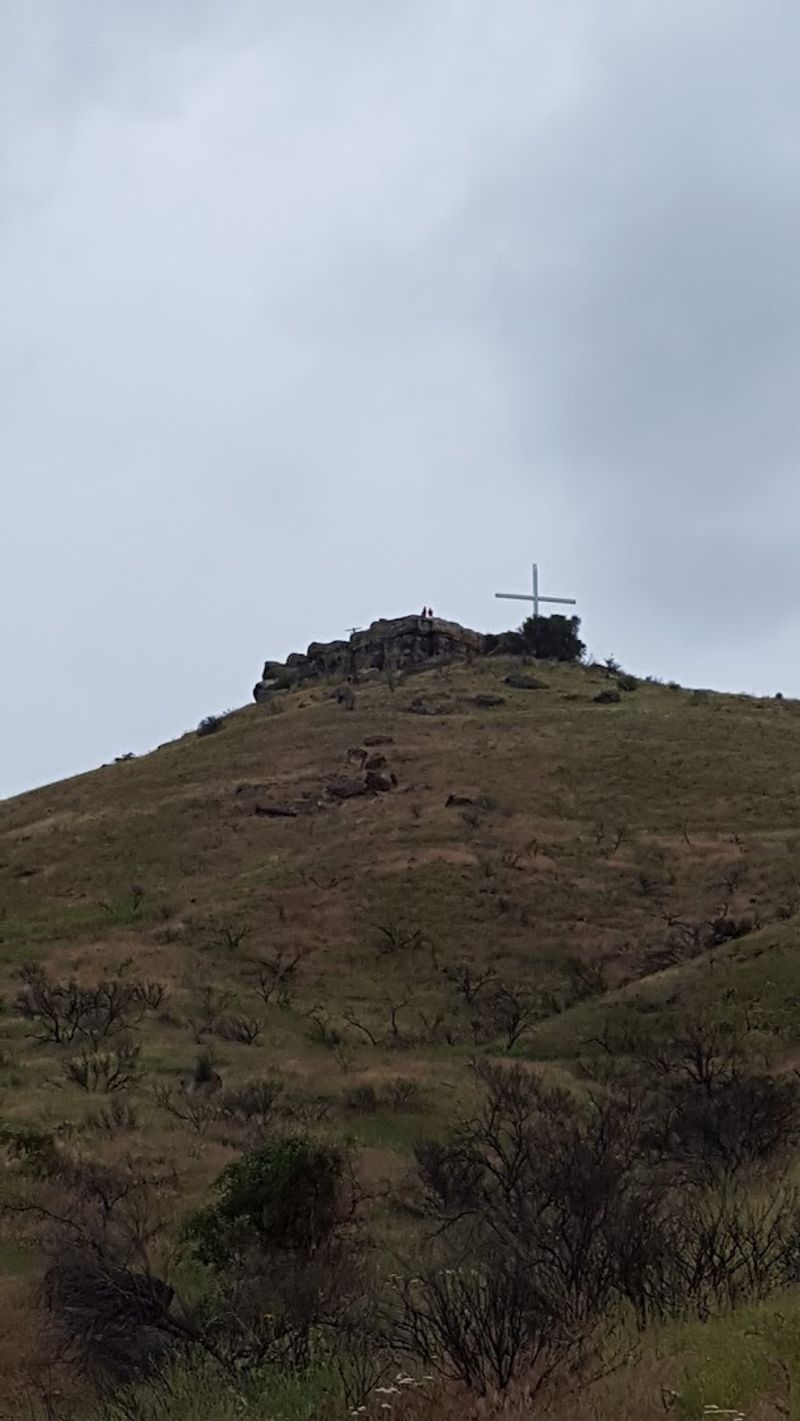
Flat-topped terrain makes Table Rock feel like a natural stage. The mesa rises southeast of downtown Boise in the foothills, creating a broad overlook where city views, sagebrush slopes, basalt and sandstone character, and wide Idaho sky all meet.
Official Idaho State Historical Society information lists Table Rock as accessible by walking, hiking, and biking paths through the Foothills trail system, with parking for recreational access near the Old Idaho Penitentiary.
That approach matters because the setting is not simply a backdrop for the cross.
It is a major part of the experience. The climb brings visitors through open, sun-exposed foothill terrain, then rewards them with a high perch above the valley.
Once on top, there is room to look around, catch your breath, and understand why the location became so meaningful to Boise residents. The mesa feels rugged without being remote, close to the city but visually separate from it.
Current Ridge to Rivers guidance notes that the mesa is closed to all access at sunset and that vehicular access to the top remains closed, so the most responsible way to experience it is by trail during daylight hours.
The 1956 Structure Has Become One Of Boise’s Most Recognizable Sights
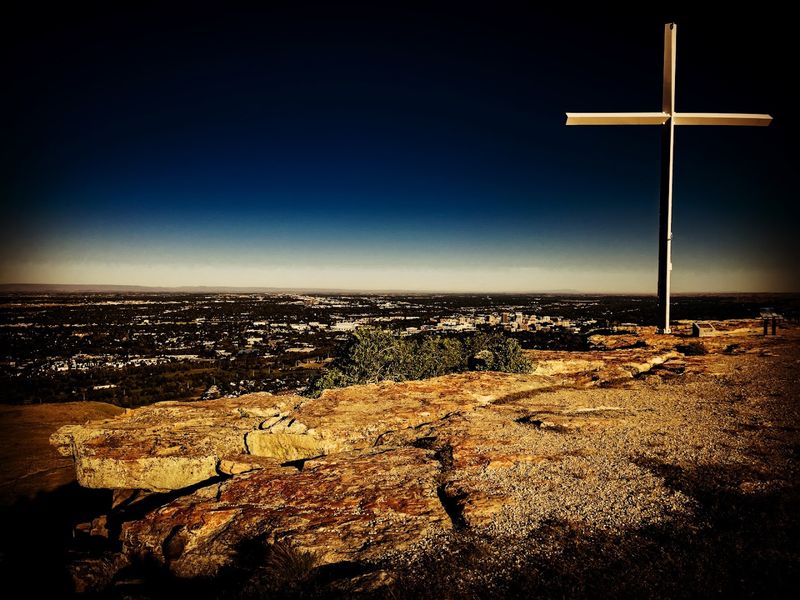
Decades of visibility have turned the Table Rock Cross into more than a piece of steel on a hill.
Idaho Architecture Project identifies the structure as built in 1956 by the Junior Chamber of Commerce (Jaycees). Intermountain Histories describes it as a 60-foot white cross erected by the Boise Jaycees that same year.
That long presence helps explain why many Boise residents think of it less as a new attraction and more as part of the city’s visual memory. Landmarks often become important through repetition.
People see them on the way home, point them out to visitors, include them in photos, and use them as quiet markers of place. The Table Rock Cross has done that for nearly 70 years.
It has also been discussed, debated, maintained, and photographed enough to become part of Boise’s public conversation. A visitor does not need to know all of that history before noticing the cross, but understanding its age adds depth to the view.
The landmark has watched Boise grow outward below it, and that continuity gives the hilltop stop a stronger sense of local identity.
City Views Make The Short Detour Feel Bigger Than Expected
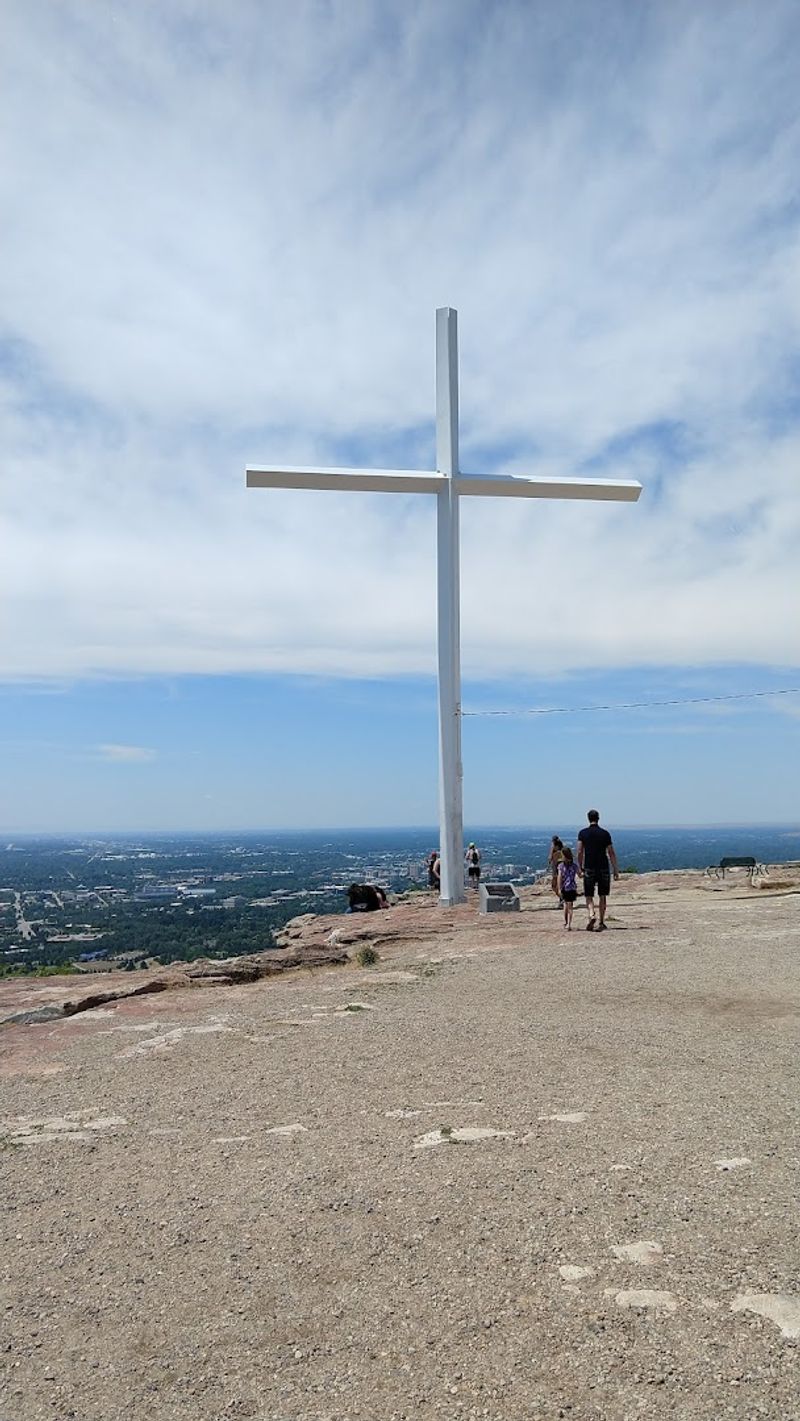
Climbing to Table Rock turns a Boise outing into a full valley-view experience.
Ridge to Rivers describes the Table Rock Trail as a steep climb from the Old Penitentiary parking lot to the top of Table Rock. Local trail information commonly lists the hike at roughly 3.7 to 4 miles round trip depending on route, with significant elevation gain.
The distance is not enormous, but the open terrain and steady climb make it feel like a real effort, especially in heat. The payoff is the view.
Downtown Boise spreads below, the Boise River corridor cuts through the city, foothills roll outward, and the Owyhee Mountains can appear in the distance on clear days. That broad perspective makes the hike feel larger than its mileage.
Visitors often pause at the top because the city suddenly makes more visual sense from above. Early morning and late afternoon offer softer light, but official access rules still matter, since Table Rock is open sunrise to sunset and closed after dark.
Bring water, sun protection, and shoes with grip. The view may be close to town, but the climb still deserves respect.
The Illuminated Cross Stands Out After Sunset From Below
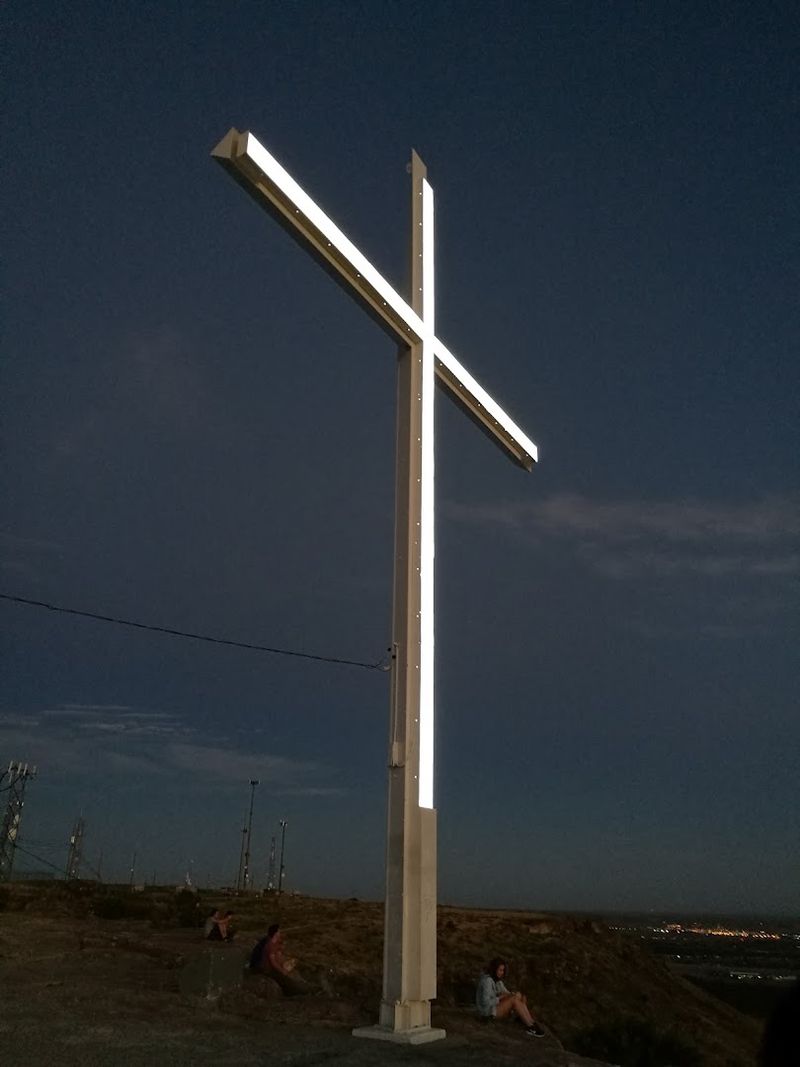
Evening visibility is part of the Table Rock Cross’s public identity, but visitors should separate seeing it from below from going up after dark. The cross has long been known as an illuminated landmark, and local histories note its lit presence on the Boise hillside.
From neighborhoods, roads, and open spaces across the valley, the glow can make the cross feel like a steady nighttime marker. That view from below is the safest and most rule-friendly way to appreciate the after-dark effect.
Current Idaho State Historical Society guidance says access after dark is prohibited, and Ridge to Rivers also states that Table Rock mesa is closed to all access at sunset.
That means sunset hikers need to plan carefully and leave the mesa before closure, not linger for nighttime photos from the top.
The illuminated cross still remains striking from the city, especially when the sky darkens and the hillside itself fades from view. For photographers, the better option may be capturing it from legal public viewpoints below rather than trying to stay on the mesa after hours.
The nighttime glow is real, but the responsible visit happens during posted access times.
A Popular Hiking Route Leads Visitors Up To The Landmark
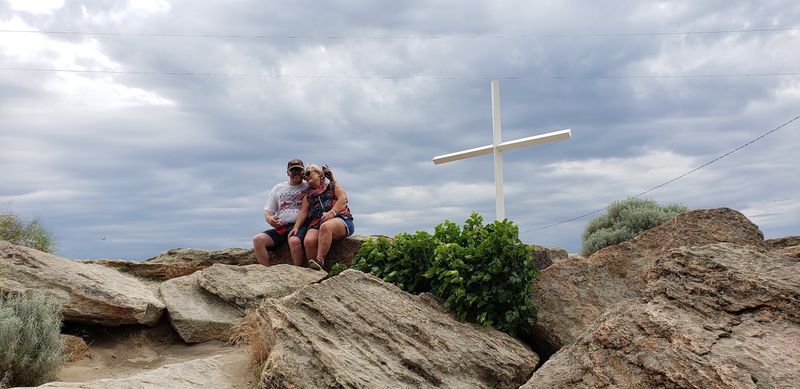
Trail access gives the Table Rock Cross much of its modern popularity. Ridge to Rivers identifies Table Rock Trail #15 as probably the most popular route to the top, climbing from the Old Penitentiary parking lot on a wide old-road alignment.
That popularity makes sense because the cross gives hikers a clear destination, while the overlook gives them a reward beyond the workout.
The route is often described as moderate to challenging because it gains nearly 900 to 1,000 feet depending on the exact route, and shade is limited on much of the climb.
Summer heat can make the hike feel harder than the mileage suggests, so mornings are usually more comfortable than exposed afternoons.
Spring can bring wildflowers, but muddy trail closures may happen during wet conditions, which means checking current Ridge to Rivers updates is smart before heading out.
Dogs are common on Boise foothill trails, but leash and control rules vary by trail, so visitors should check current signage. The best approach is simple: take water, avoid muddy conditions, stay on official trails, and treat the cross as one stop in a broader foothills experience.
The Old Idaho Penitentiary Area Makes A Natural Starting Point
Historic surroundings make the Table Rock hike feel more layered before the climb even begins.
According to the Idaho State Historical Society, parking for Table Rock recreational access is available near the Old Penitentiary. Meanwhile, Visit Boise lists the Old Penitentiary Trailhead at 2421 E Old Penitentiary Road.
That area gives visitors several nearby points of interest, including the Old Penitentiary and the Botanical Garden, which makes it easy to build a fuller Boise outing around the hike. Starting near the Old Pen also gives the route a clear sense of place.
The penitentiary’s stone walls, historic district setting, and foothill backdrop create a striking contrast with the open mesa above.
A visitor could tour the Old Penitentiary, walk nearby grounds, then hike toward Table Rock for a city overlook, turning one stop into a mix of history and outdoor movement.
Practical planning still matters. Parking can fill during popular times, the trail is exposed, and current rules prohibit access to Table Rock after dark.
Still, as a starting point, the Old Pen area is convenient, scenic, and strongly tied to Boise’s public landscape.
The Cross Has A Complicated Public-Land History
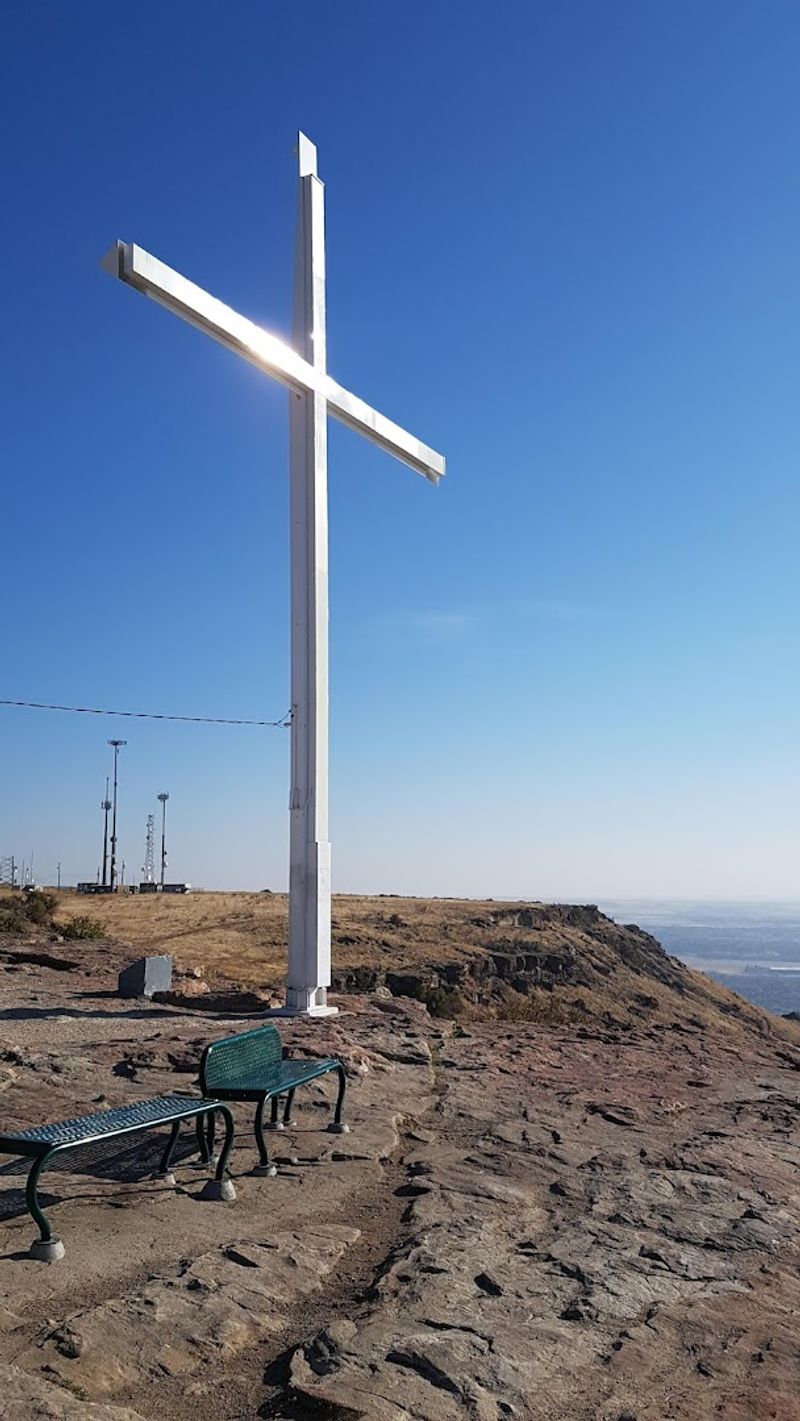
Public meaning makes the Table Rock Cross more complex than a simple scenic landmark. Sources agree that the cross was built by the Boise Jaycees in 1956, and later history has included debate over church-state issues and land ownership.
BoiseDev reports that controversy centered largely on separation of church and state. The State of Idaho later sold the small piece of land beneath the cross to the Jaycees in the early 1970s for $100, creating a pocket of private land.
Intermountain Histories also notes that the cross was originally built on government land, which explains why legal and civic questions have followed it over time.
That history should be handled carefully because the landmark carries different meanings for different people. For some, it is a religious symbol.
For others, it is a familiar Boise landmark. For others still, it raises questions about public space and representation.
Visitors can acknowledge all of that without turning a hike into an argument. The cross stands in a place shaped by scenery, community memory, and public debate, which makes it one of Idaho’s more visually striking and historically layered hilltop landmarks.