This Abandoned Idaho Mining Town Is Free To Explore And It’s Even Eerier In October
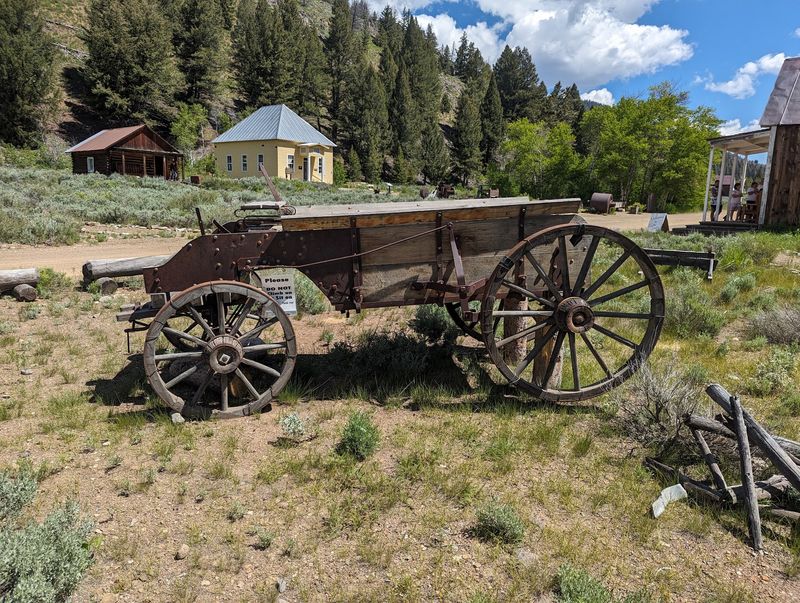
Miles of gray gravel piles line the dirt road before a single weathered building comes into view in the Idaho backcountry. They look like leftovers, and they are, from a giant machine that chewed through this valley hunting for gold.
At the end of that road sits a quiet mining camp where the doors stay shut, the signs do the talking, and nobody charges you a cent to walk the street. Go when the aspens turn and the crowds thin out, and the whole place feels like it is holding its breath.
A Gold Camp Above the Yankee Fork
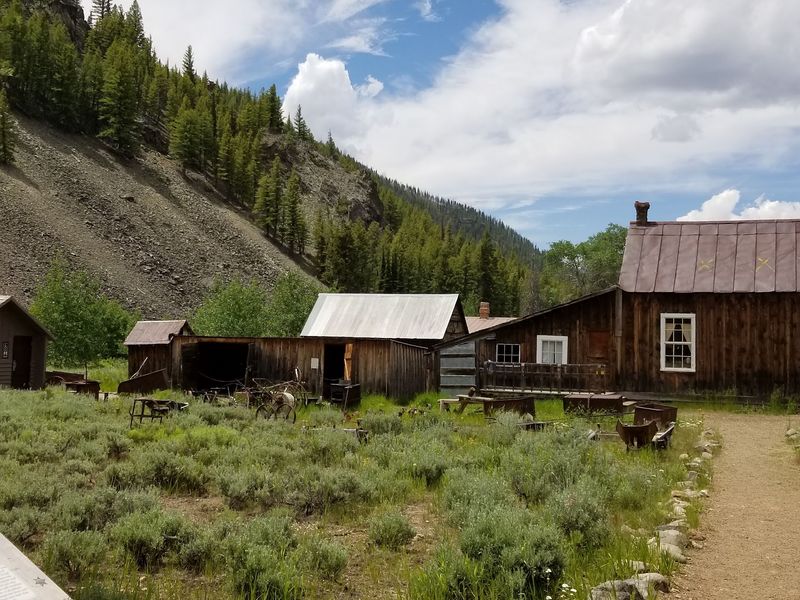
Gold built this town, and gold is the reason it emptied out. Custer is a preserved ghost town in central Idaho, reached from the Stanley side of the Sawtooths, and today it is cared for as a historic site rather than left to crumble.
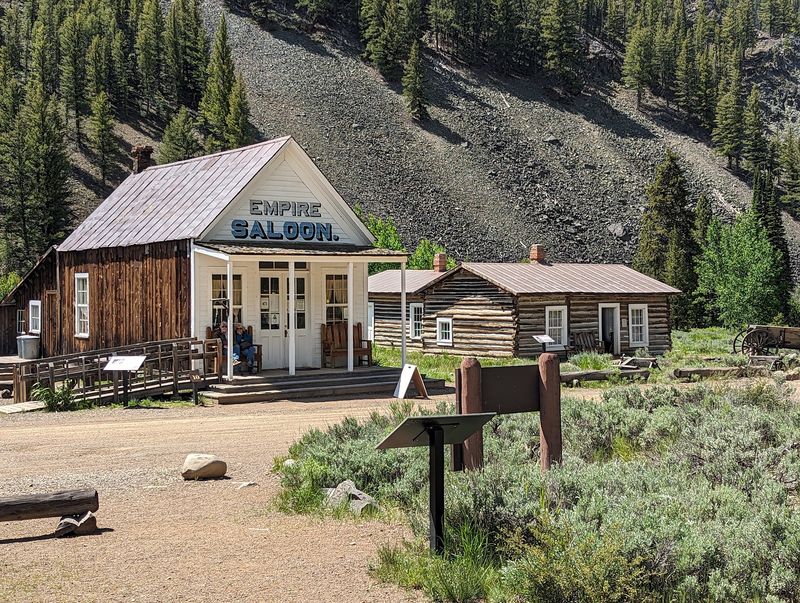
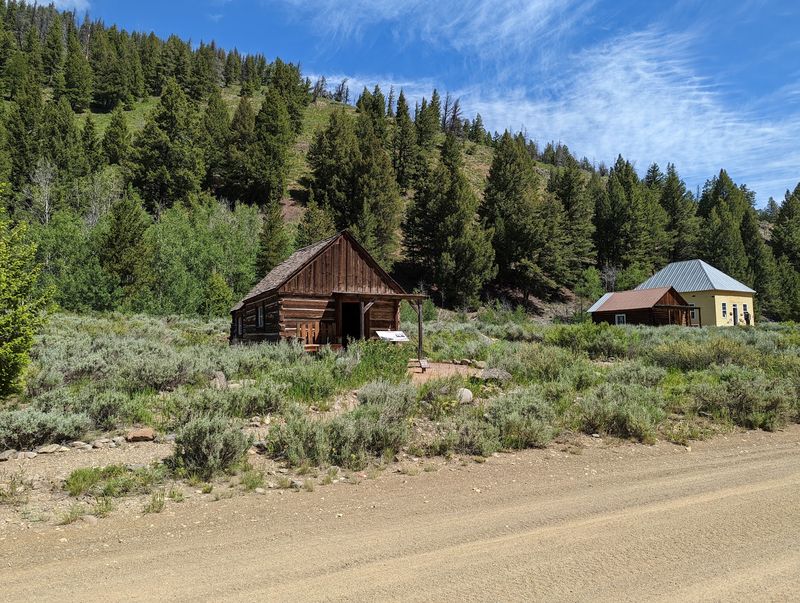
Walking in, you notice right away how tidy it is. Old homes and shops stand in rows along a dirt street, each one paired with a sign explaining what it once was.
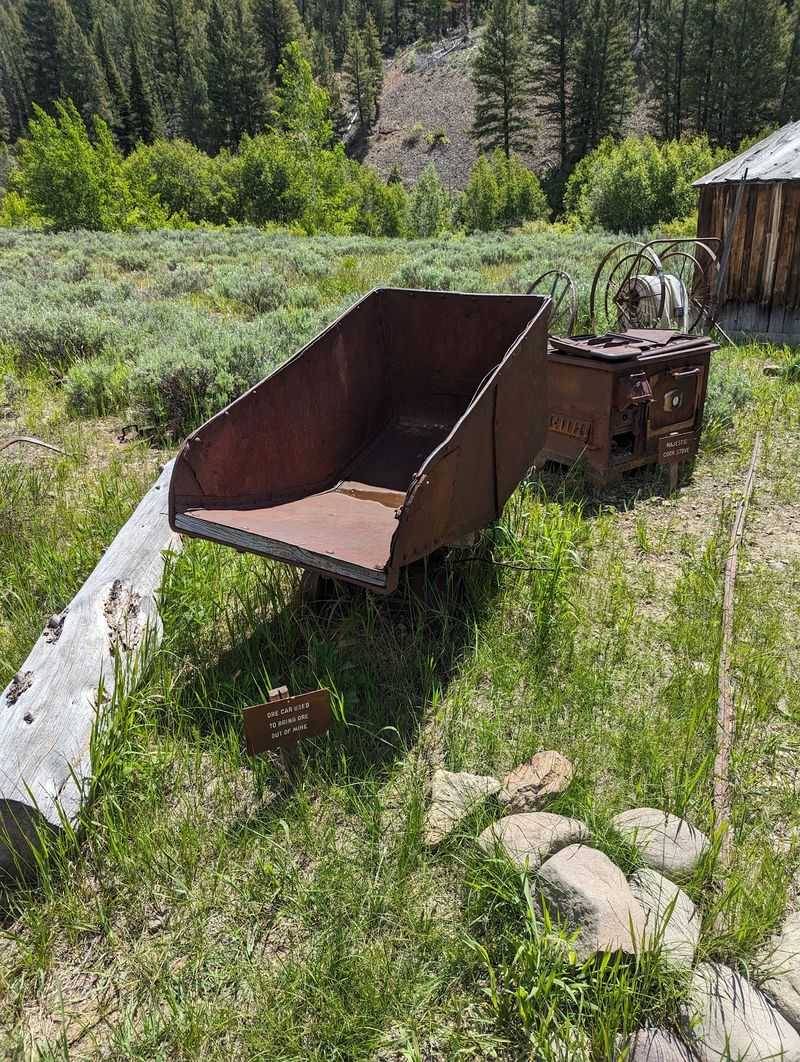
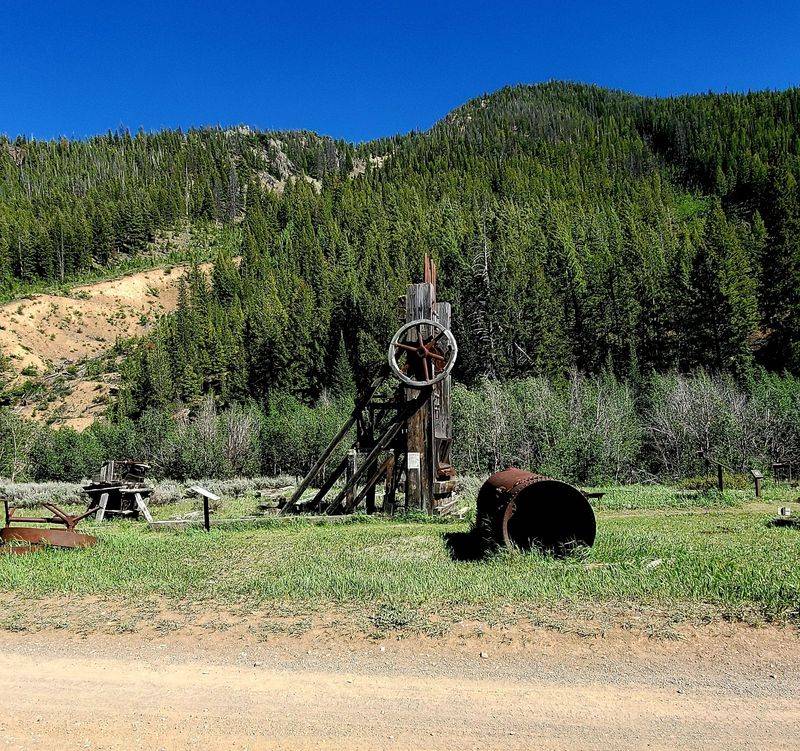
Mining equipment that was saved from the scrap yard sits out in the open, rusting gently in the mountain air.
Plenty of ghost towns in Idaho are little more than a foundation and a rumor. Custer is different because volunteers have spent years keeping the buildings standing and the stories straight.
Visitors often describe it as well preserved, and a longtime Idaho native noted that the site barely changed over two decades, which is exactly the point.
Surrounded by forest and big mountain views, the town feels far from everything. That distance is part of the charm, and it sets the tone for a slow, curious afternoon spent poking around the past.
Gravel Miles From Highway 75
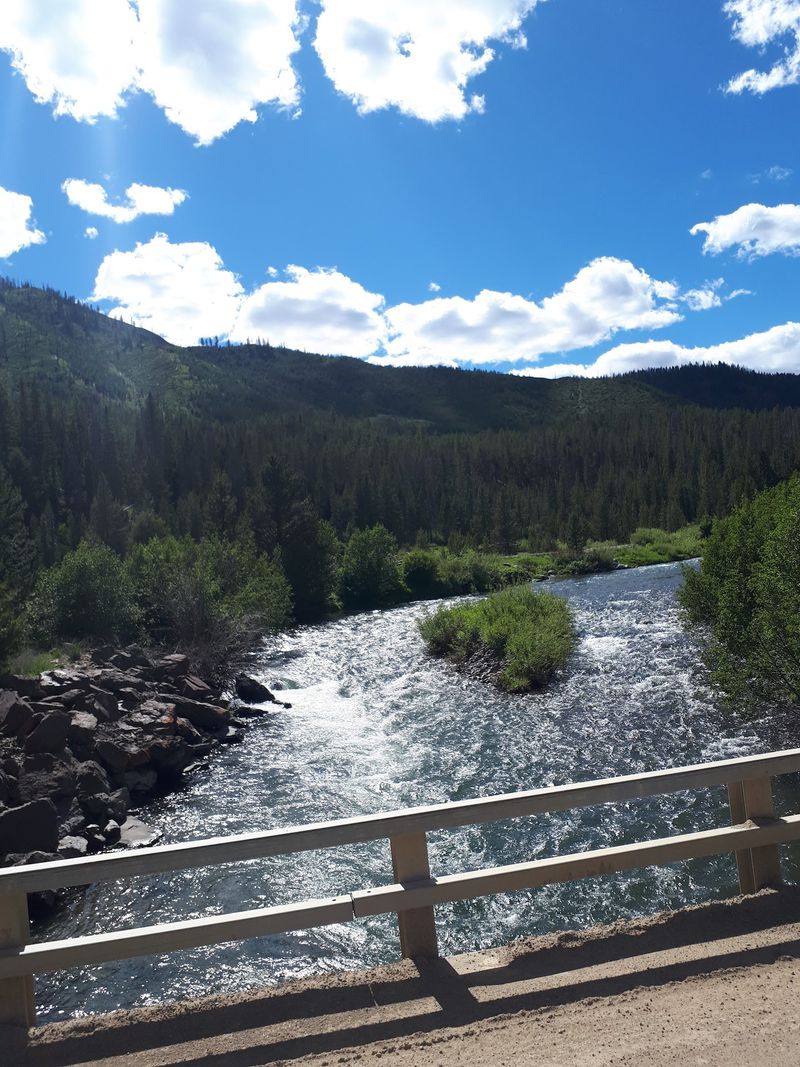
Dust on the windshield is practically a souvenir here. The route to Custer leaves pavement behind and follows a long gravel and dirt road, and one visitor put it perfectly by saying the rough ride is all part of the ambience.
Good news for nervous drivers: people consistently describe the road as well maintained. It is long, though, so plan for a slower pace and enjoy the canyon scenery rolling past.
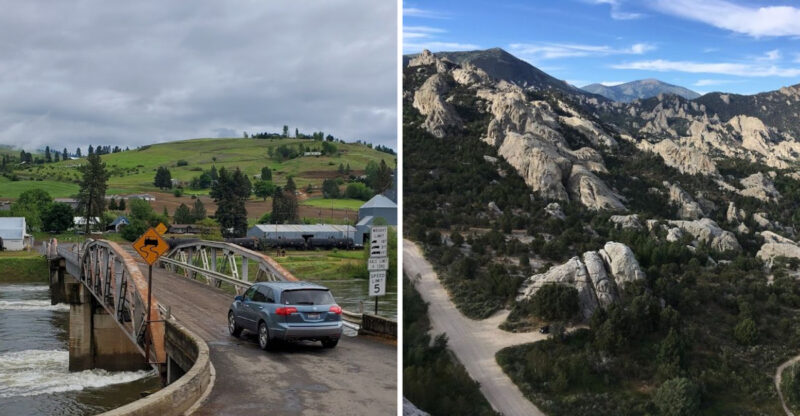
The turnoff sits near the old Sunbeam dam site along the river, a handy landmark on the way in.
For mail and map purposes, the site is listed under Stanley, Idaho 83278. Cell service fades long before you arrive, so download directions and any tour material ahead of time.
A note of caution from past visitors: the roads may also be used for logging, and weather can close them. Check conditions before driving, especially as fall moves toward winter in the high country.
Feeling bold? The Custer Motorway continues roughly 30 miles on to Challis.
Travelers who have done it recommend a high clearance vehicle, preferably with all wheel drive, and say the road is decent but not for every car.
Where Prospectors Once Bet Everything
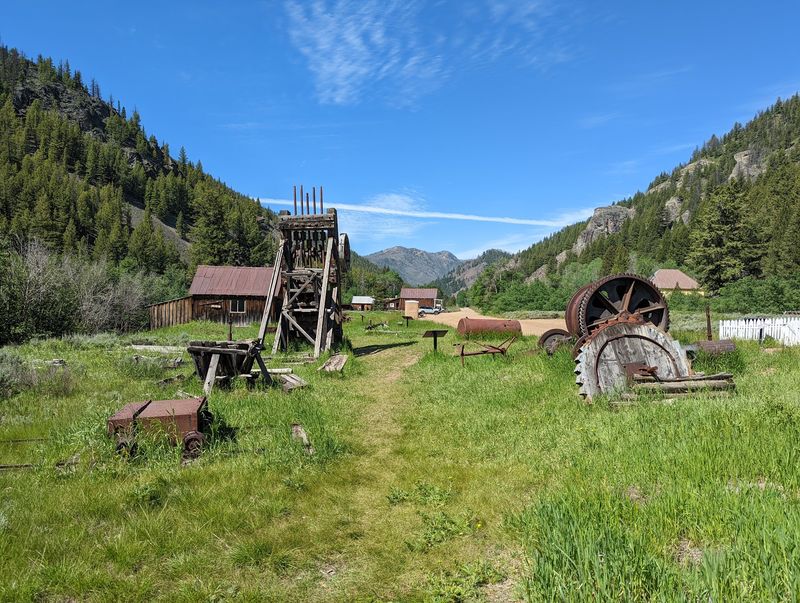
Every rusty gear in Custer points back to one big idea: somebody believed there was a fortune in these hills. The town grew around gold mining, and the whole site is arranged to show how that work shaped daily life in this corner of Idaho.
Signage throughout the grounds honors the many people who contributed to mining in the area. You get more than a list of names, too.
The displays explain how buildings were used and how the operation fit together, from the homes where families lived to the equipment that did the heavy lifting.
Guests who arrive knowing little about mining tend to leave surprised. One recent visitor called the gold mining history fascinating, and several describe the visit as genuinely educational without feeling like a classroom.
History here is hands-near rather than hands-on. You can stand next to the machinery, peer at the construction of old walls, and picture what the street looked like when it was busy.
That mix of real objects and clear explanations is what keeps people lingering. The past feels less like a textbook chapter and more like a place you just happened to wander into.
Signs That Tell Each Building’s Tale
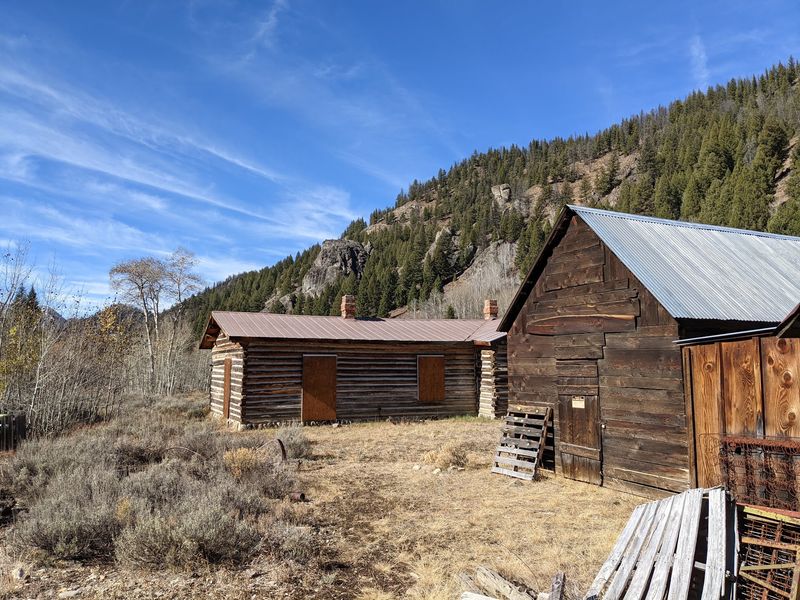
Reading your way down the street might be the best way to see Custer. Interpretive signs stand in front of the buildings, and visitors mention them again and again as one of the site’s biggest strengths.
Each sign explains what a structure was and how it fit into town life. Families say the signs made the stop educational, while history fans appreciate that they add real depth without needing a guide at your elbow.
Most buildings are closed to the public, which surprises a few first-timers. One visitor pointed out the upside: keeping doors shut helps protect the town from vandalism.
You still get to see houses and shops up close, peek at their details, and learn their stories from the outside.
Want more? Past visitors mention a guided tour option connected to the state park office in Challis, possibly available online as well.
Grab it before you leave town, since reception in Custer is basically nonexistent.
With signs, marked paths, and plenty of room to roam, the town works like an open-air museum. Take it slowly, read every panel, and the empty street starts to fill with the people who once lived there.
Rescued Relics in the Open Air
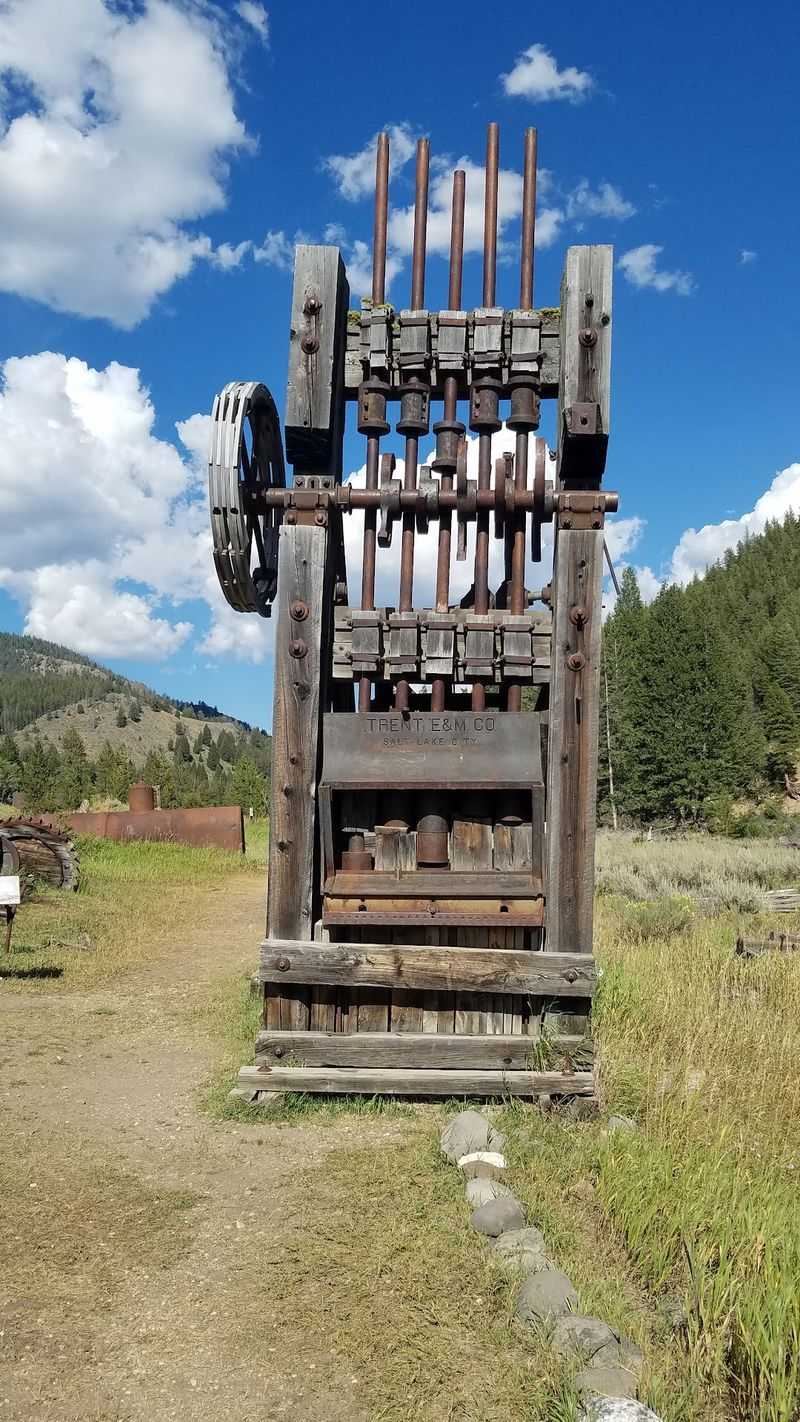
Scrap yards nearly claimed a lot of what you see at Custer. Instead, tons of old mining equipment were saved and brought back to the town, where they now sit on display for anyone to study.
One Idaho native who has visited many ghost towns said he had never seen one with so many original or recovered items openly displayed. That is high praise from someone who knows the territory.
Mining items came up often in visitor comments, a sign that the collection leaves an impression.
The pieces range from large machinery to smaller tools and relics, many shown right where you can walk up and look closely. You can see bolts, belts, and worn metal surfaces that tell you how hard these machines worked.
Photographers love this part of the visit. Rust against blue sky, iron against pine green, and old wood behind it all make for pictures that feel instantly old-fashioned.
Kids tend to find the relics more exciting than any sign. A giant wheel or strange contraption sparks questions fast, and the answers usually lead right back to the hunt for gold.
An Old Automobile Still in One Piece
Among the machinery, one relic steals attention from people who never expected to care about cars. An old, early 1900s style automobile still sits intact at Custer, and at least one visitor called it a personal highlight.
Seeing a vehicle like this in a remote mining camp is a little startling. It reminds you that Custer kept changing over time, moving from horse and wagon days into an era when a motorcar could rattle up a mountain road.
Imagine driving that thing on today’s gravel route. Now imagine doing it when the road was rougher, with no rest stops and no cell signal to call for help.
Car buffs will want to study the details, from the body shape to the wheels. Everyone else will probably just grin and snap a photo, because it looks like the town’s most patient resident, still waiting for someone to crank it to life.
Small surprises like this are what make wandering Custer worthwhile. You come for mining history and stumble into a scene that feels lifted from an old postcard.
Volunteers With Stories Worth Hearing
Stop and listen. That advice from a past visitor might be the most useful tip for enjoying Custer, because the volunteers here carry a treasure chest of stories.
Guests describe the docents as knowledgeable, friendly, and helpful. One family happened upon a worker inside an old building who cheerfully answered their questions, turning a quick look into a real conversation.
Much of what you see exists because of dedicated volunteers. Visitors credit them with lovingly caring for both the town and the nearby dredge, and a restoration effort has been underway for years.
Volunteering itself draws people back. One couple spent a summer helping out and said the experience was awesome, adding that the greatest people volunteer there.
It is easy to see why the site feels welcoming rather than roped off.
Timing matters if you want to chat. Staff and shops keep daytime hours, and one visitor wished she had arrived before things closed in the late afternoon.
Check current schedules before heading out, especially late in the season.
A few minutes with a docent can make an empty cabin feel lived in again.
Homemade Ice Cream by Donation
Of all the things you would expect in a mining ghost town, homemade ice cream probably is not on the list. Yet it is one of the details visitors remember most about Custer.
Here is the sweet twist: the ice cream is offered by donation. Guests call it yummy and great, and several mention how cool it is that nobody sets a firm price.
You give what feels right and enjoy a cold treat in the middle of the mountains.
That simple arrangement fits the spirit of the place. Custer runs on volunteers and goodwill, and the donation approach keeps the visit friendly and relaxed.
A scoop makes a perfect reward after walking the town, especially on a warm afternoon. On chilly fall days, it becomes a playful little dare instead.
Offerings can change with the season, so treat the ice cream as a happy bonus rather than a guarantee. If it is available when you visit, grab some, find a picnic bench, and take a minute to soak in the quiet street around you.
Crystals, Candy, and Gold Pans
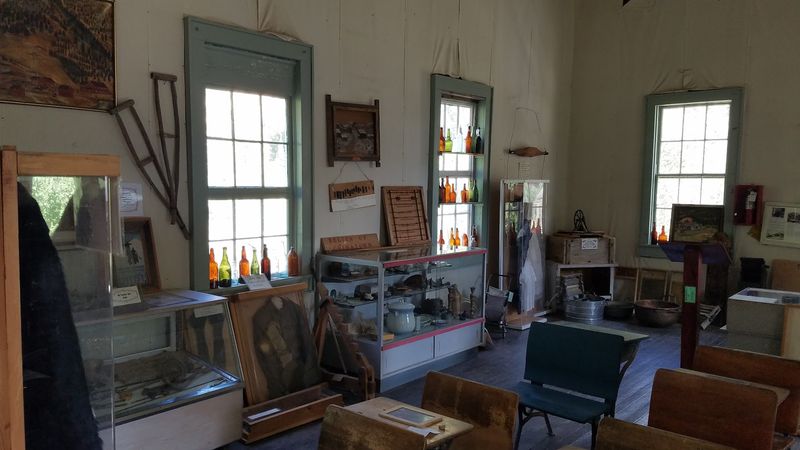
Rock hounds, you have been warned. The small gift shop at Custer is stocked with crystals, rocks, and gems that past visitors describe as awesome, and it is hard to leave empty-handed.
Beyond the sparkly stuff, shelves hold candy, T-shirts, and gold panning items. It is a fitting lineup for a town that owes its existence to people sifting dirt for treasure.
Parents especially like the variety. One visitor noted the shop has an assortment of fun things for both kids and adults, which means everyone gets something to hold onto after the trip.
A gold pan might be the most on-theme souvenir you can buy. Take it home, practice your swirl, and you will understand the patience those early miners needed.
The shop shares the same easygoing mood as the rest of the town. Staff are described as super nice and helpful, happy to talk about what is on the shelves or where to head next.
Hours can shift through the season, so plan to visit earlier in the day if shopping is part of your plan.
The Monster Dredge Down the Road
Remember those endless gravel piles on the drive in? A massive machine made them.
The Yankee Fork Gold Dredge sits about a mile before Custer, and visitors strongly recommend pairing the two stops.
One longtime Idaho visitor called it the old monster dredge, and the nickname fits. This giant chewed through the valley floor, leaving the miles of rock and gravel that now line the road.
Walking through the dredge is a highlight for many families. Guests describe it as interesting to tour, and it helps the ghost town make more sense, since you can see the scale of the mining effort that shaped this landscape.
Volunteers care for the dredge too, and people say it shows. Together with Custer, it makes what one traveler called a perfect excursion into Idaho gold mining history.
A hopeful note: past visitors also spotted the beginnings of a stream restoration project in the area. After decades of heavy digging, seeing the valley start to heal adds a thoughtful layer to the trip.
Give yourself extra time here. The dredge easily earns its own chunk of the afternoon.
Side Trips to Sunbeam and Bonanza
Half a day disappears fast in this valley, and not only because of Custer. A couple of nearby stops round out the story and are worth a pause on the drive.
First comes the old Sunbeam dam site at the turnoff. The dam was roughly removed decades ago, and the river now runs free.
Still, you can see signs that it was built in a hurry to send electricity up the canyon during Custer’s later years.
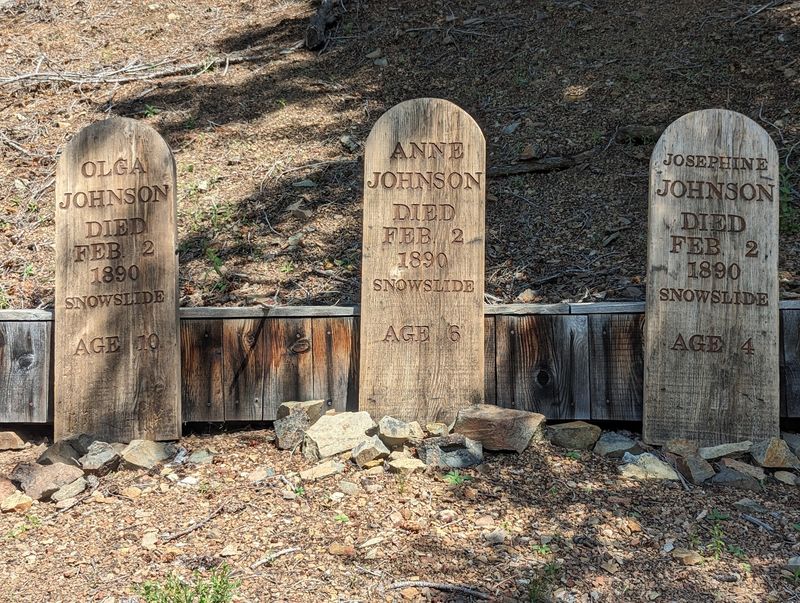
Then there is Bonanza, another historic spot along the way. Visitors point out that Bonanza holds the actual old cemetery, reached by a clearly marked fork as you head toward Stanley.
It sits not far from Custer and offers a quiet, reflective stop.
An Idaho native summed it up well: the town, the dredge, the valley of leftover gravel, and the dam site can easily fill half a day or more.
Linking these places makes the trip feel like a chapter-by-chapter tour. Each stop shows a different piece of how people chased gold, built power, and made a life in this rugged country.
Why the Quiet Deepens in Fall
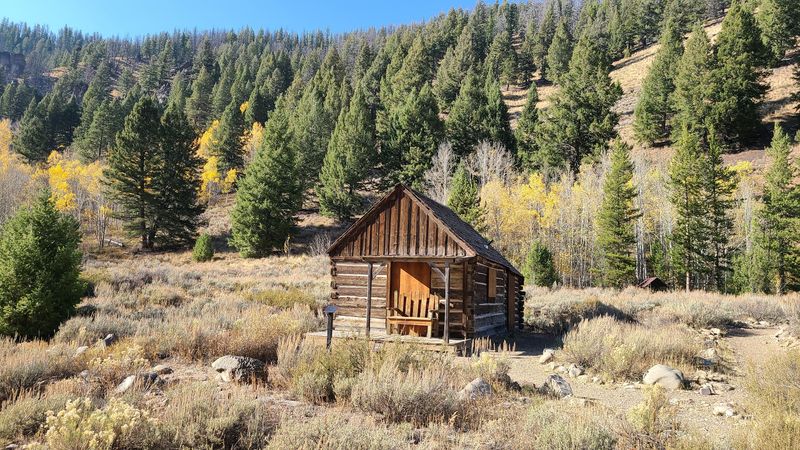
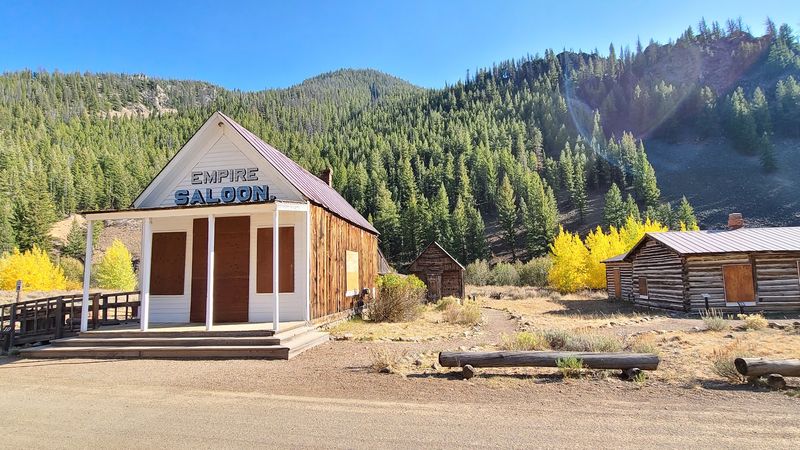
Silence has a different weight once summer ends. As fall settles over the high country, the forest around Custer turns gold, the air sharpens, and the empty street feels even emptier.
Much of that mood comes from the setting. There is no cell reception in town, so phones go quiet and ears start noticing the small things, like wind moving through old boards or a door that has not opened in ages.
Closed buildings add to the spell. You can see into the past but not quite step inside it, and that little gap makes your imagination fill in the rest.
One visitor even joked about capturing a photo of the much rumored Bigfoot on the way back to the highway. Whether you believe it or not, the story fits the eerie, woodsy feel of an autumn drive out here.
Fall timing does take planning. Weather can close roads in this part of Idaho, and services may wind down as the season fades, so check conditions and schedules before you go.
Get it right, and the reward is a ghost town that truly lives up to its name.
Easy Walking for Curious Wanderers
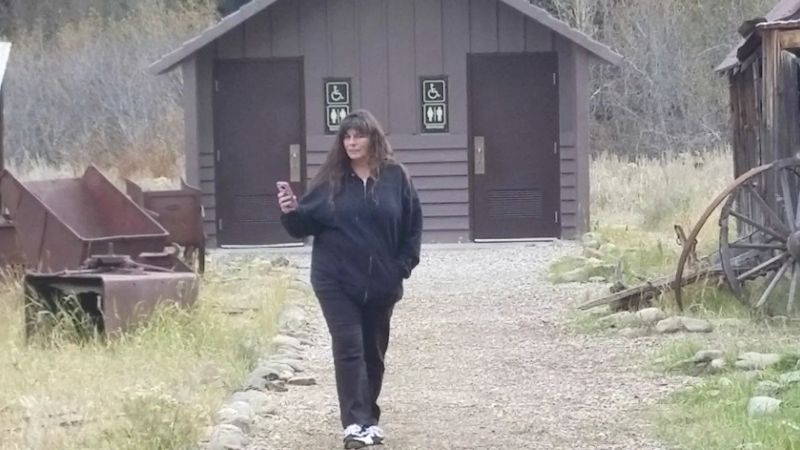
Sturdy shoes and a curious mind are all you really need. Walking came up often in visitor comments, and the town is laid out for easy strolling with well marked trails.
Families will find plenty to hold young attention, from giant machines to the gift shop and ice cream. Retirees and slow travelers appreciate that nothing here is rushed.
One visitor called it a quiet place to spend a bit of time in the past, and another simply said to take your time and relax.
Practical comforts help too. Past guests mention picnic benches and restrooms, so you can bring lunch and turn the stop into a real outing.
Campers get even more out of the area. One family spent six days camping near Custer, surrounded by vast forests and mountain views, and decided to make it an annual trip.
Not everyone falls in love, and that is fair. A recent visitor found the long drive more memorable than the town.
If you enjoy history, old buildings, and wide open country, though, Custer tends to win you over one sign at a time.
Free Admission and a Friendly Verdict
Money stays in your pocket unless you choose otherwise. Visitors confirm that the site is free, with a donation box on hand for anyone who wants to support the volunteers keeping Custer standing.
Before heading out, fill the tank, pack snacks and water, and download any maps or tour guides. Daytime hours apply to the shop and staffed areas, and at least one guest arrived just after things closed in the late afternoon.
Aim for an earlier start, and check with the Salmon-Challis National Forest for current conditions before driving, especially in October.
Plan for a relaxed pace. Between the town, the dredge, and nearby side stops, the valley can easily fill half a day.
So is it worth the gravel? For people who enjoy Idaho history, quiet mountain scenery, and small surprises like rescued relics and donation ice cream, the answer leans strongly toward yes.
One visitor called it a nice little short stop in Idaho history, and that modest description fits.
Go in fall, when the crowds thin and the aspens glow, and the empty street may just stay with you long after the dust settles.