This Affordable Georgia City Is Drawing Job Seekers With Living Costs 10% Below The National Average
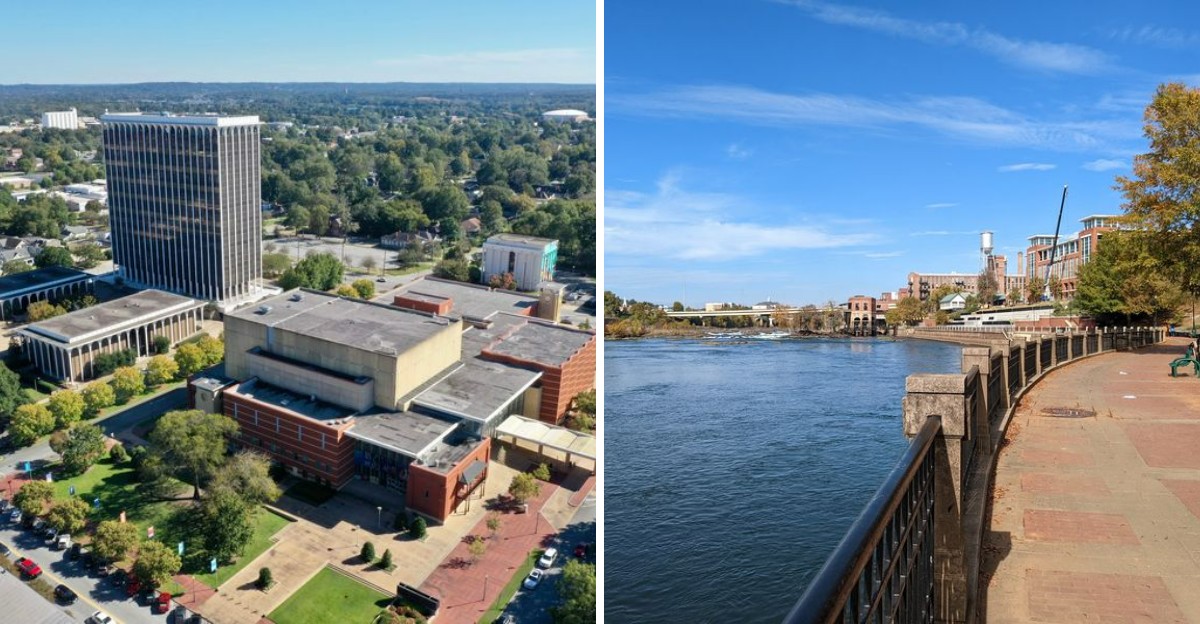
Job seekers keep asking the same question these days: where can a paycheck actually stretch anymore? One Georgia city keeps coming up in that conversation, and for good reason.
Living costs sit ten percent below the national average here, a number that raises an obvious question of its own.
How does a city this affordable still manage a downtown full of work, music, and second chances, instead of the sleepy, half empty streets that usually come with cheap rent?
The answer seems to involve timing, opportunity, and a local economy quietly building momentum while bigger cities grab the headlines. Georgia has no shortage of expensive metro areas chasing new residents.
This one took a different approach, betting on affordability instead of hype. If your budget feels squeezed everywhere else, this city deserves a long, honest look.
A Paycheck That Finally Keeps Up
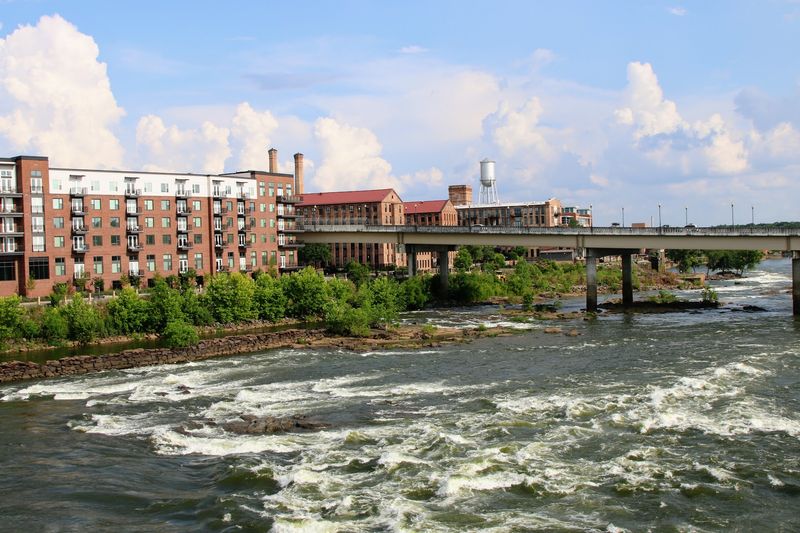
My calculator usually ruins the fun, but this time the numbers were surprisingly friendly. Overall living costs here sit more than 10 percent below the national average.
Housing creates much of that advantage, giving monthly budgets considerably more breathing room. Everyday expenses can also feel manageable compared with those in many larger American metro areas.
That difference becomes noticeable when rent no longer swallows such an intimidating share of every paycheck. Lower costs can leave more room for groceries, transportation, savings, and occasional weekend plans.
I found that balance more interesting than any flashy promise about getting rich quickly. Affordability simply makes an ordinary income easier to stretch when several expenses remain below national benchmarks.
Workers comparing cities can also consider several established industries instead of relying on one employment sector. Finance, healthcare, government-related work, education, and technology all contribute to the area’s employment base.
The riverfront and downtown amenities add another advantage without requiring big-city prices. That combination finally reveals the place behind the numbers: Columbus, Georgia.
Housing Prices That Do Not Sting
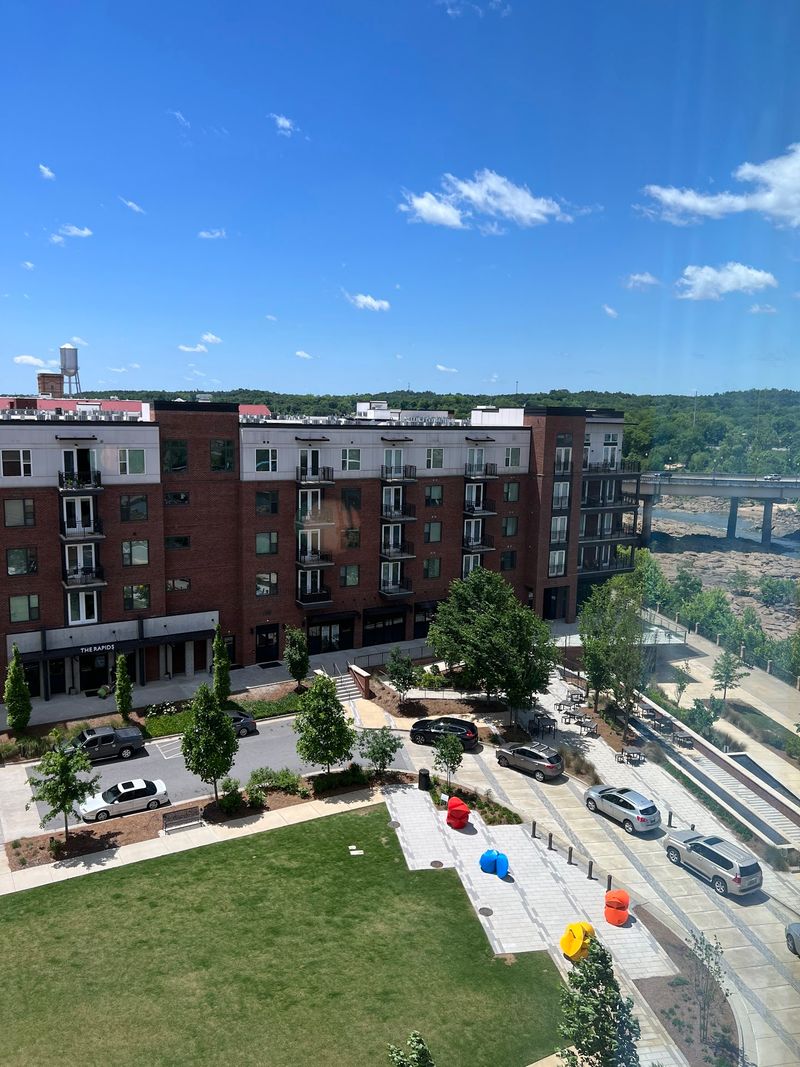
Housing searches can become depressing remarkably fast, but the numbers here offer a welcome change. Local housing costs remain well below the national average, strengthening the area’s overall affordability.
Renters can find apartments at prices considerably lower than typical costs across the country. That difference becomes especially noticeable when comparing this market with larger regional cities such as Atlanta.
The housing stock also offers more variety than rows of identical apartment buildings. Apartments, older homes, brick ranches, and renovated downtown spaces give residents several different living arrangements.
Buying deserves attention too, although affordability always depends on income, debt, interest rates, and household expenses. Local home values remain comparatively modest, making ownership more approachable than in many expensive metropolitan markets.
I would still run the numbers carefully before packing a moving truck. Lower prices do not guarantee that every property or neighborhood will fit every budget.
Still, housing is one reason the area’s cost advantage looks substantial rather than cosmetic. Spending less on shelter can leave households more flexibility for transportation, food, savings, and everyday expenses.
Steady Work Near Fort Benning
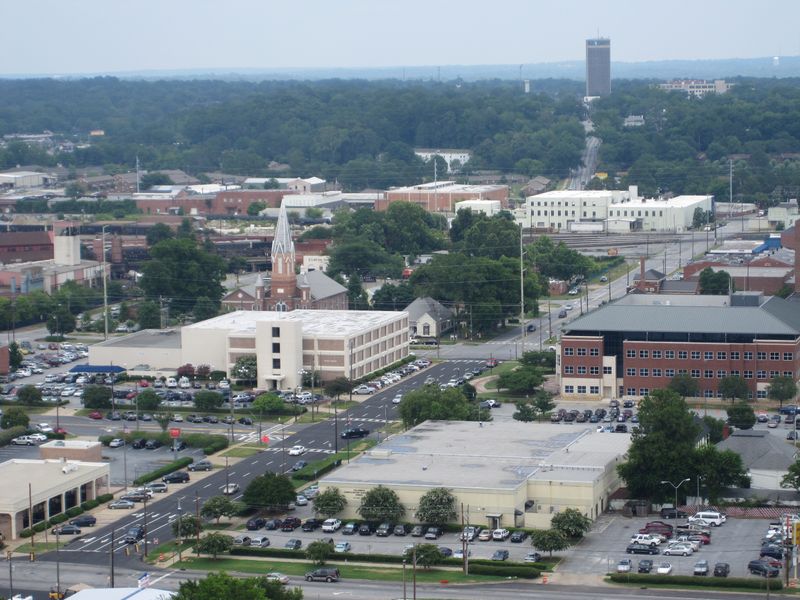
A giant neighbor can shape an economy, and this one certainly carries plenty of weight. The nearby installation remains one of the area’s most important economic anchors.
Its current name may sound familiar because it returned after a brief change. Fort Benning was called Fort Moore from 2023 until its redesignation in 2025.
The installation supports military operations while also connecting with a broad civilian workforce. Employment can span logistics, healthcare, administration, maintenance, technology, training support, and other specialized fields.
Contractors and businesses serving the installation add another layer to the surrounding employment picture. That activity spreads economic influence beyond the gates and into the broader regional economy.
I would not call any employment market completely predictable, because jobs and budgets always change. Still, a major federal installation provides an unusually substantial employment presence beside a midsized Southern city.
That matters for workers who prefer an economy supported by several established institutions. Combined with healthcare and corporate employers, the installation helps create a more diversified local employment base.
Big Companies With Local Headquarters
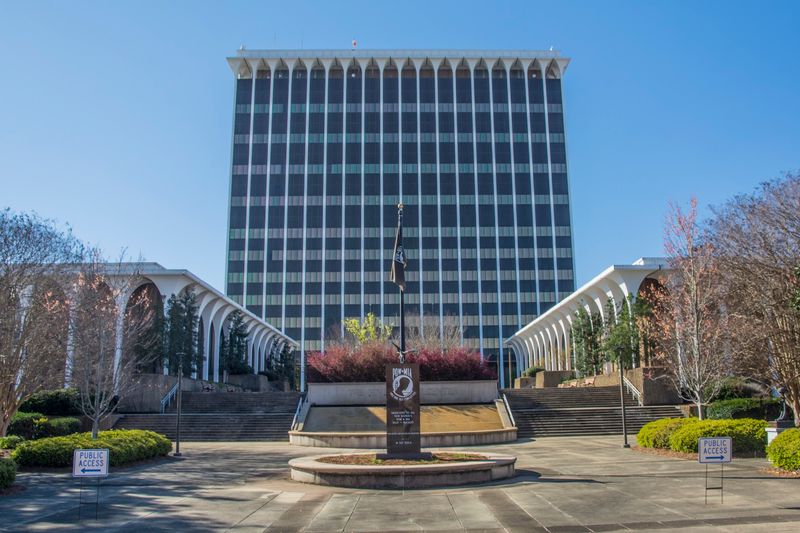
Corporate logos usually make me think of glass towers and painful downtown rent. Here, several nationally recognized businesses developed strong roots without bringing those intimidating big-city costs.
Aflac provides the clearest example, with its headquarters and long history tied closely to the area. The insurance company began here and grew into a brand recognized far beyond Georgia.
Banking adds another major name through Synovus, which maintains its headquarters in the city. Its presence helps strengthen a financial sector that reaches well beyond the immediate region.
The local business story also includes important roots in payment technology. TSYS grew into a major payments processor before becoming part of Global Payments through a 2019 merger.
That corporate chapter changed again when FIS completed its acquisition of the former TSYS issuer solutions business in 2026. It is a useful reminder that company ownership can change faster than downtown landmarks.
Together, these business connections broaden the area’s professional employment landscape beyond retail and service jobs. Finance, insurance, payments, technology, and customer operations all have meaningful ties to the local economy.
Healthcare Hiring That Never Slows
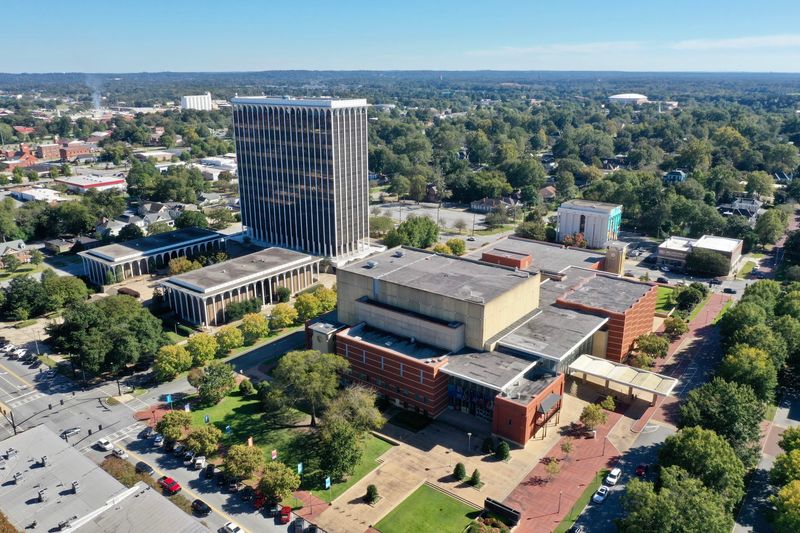
Hospitals rarely make vacation postcards, but they matter considerably when evaluating a city’s employment base. Healthcare provides another substantial source of jobs across this region.
Two major hospital systems help support that workforce through a broad range of medical services. Piedmont Columbus Regional and St. Francis-Emory Healthcare both maintain significant operations serving patients across the surrounding area.
Their employment needs extend well beyond doctors and nurses working directly with patients. Hospitals also rely on technicians, therapists, administrative teams, support staff, and many other specialized professionals.
The regional reach matters because nearby communities across the state line also use medical services here. That larger service area helps explain why healthcare maintains such a visible presence in the local economy.
Training opportunities add another piece to the employment picture without guaranteeing anyone an immediate position. Local education programs can prepare students for careers connected with nursing, healthcare support, and other clinical fields.
For job seekers, that creates another established sector worth exploring alongside finance and federal employment. I would check current openings directly, but healthcare clearly remains an important part of the area’s workforce.
A Riverwalk Built For Everyday Life
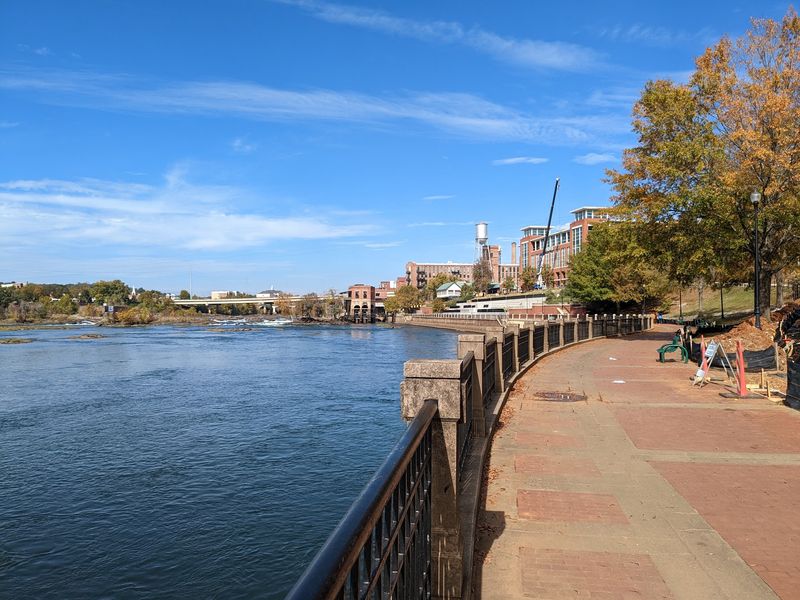
A good trail can quietly become the most useful amenity in town. This paved riverfront route stretches about 15 miles through parks, downtown areas, and scenic stretches beside the water.
Morning runners share the path with cyclists, families, and people simply looking for fresh air. The mostly continuous route makes it easy to turn a short outing into a much longer ride.
What caught my attention was how naturally the trail connects recreation with everyday surroundings. Sections pass green spaces, former industrial areas, public attractions, and places where the city’s textile history remains visible.
Cyclists can cover considerably more ground while staying close to the river for much of the journey. That makes the path useful for exercise without requiring a gym membership or complicated weekend plans.
Some residents can also use portions of the trail for practical transportation between nearby destinations. I would not ditch the car immediately, but having another travel option certainly adds flexibility.
Best of all, simply using the public trail does not require an admission ticket. For anyone watching monthly spending, that is one affordable amenity capable of filling many ordinary afternoons.
Museums, Theater, And Cheap Culture
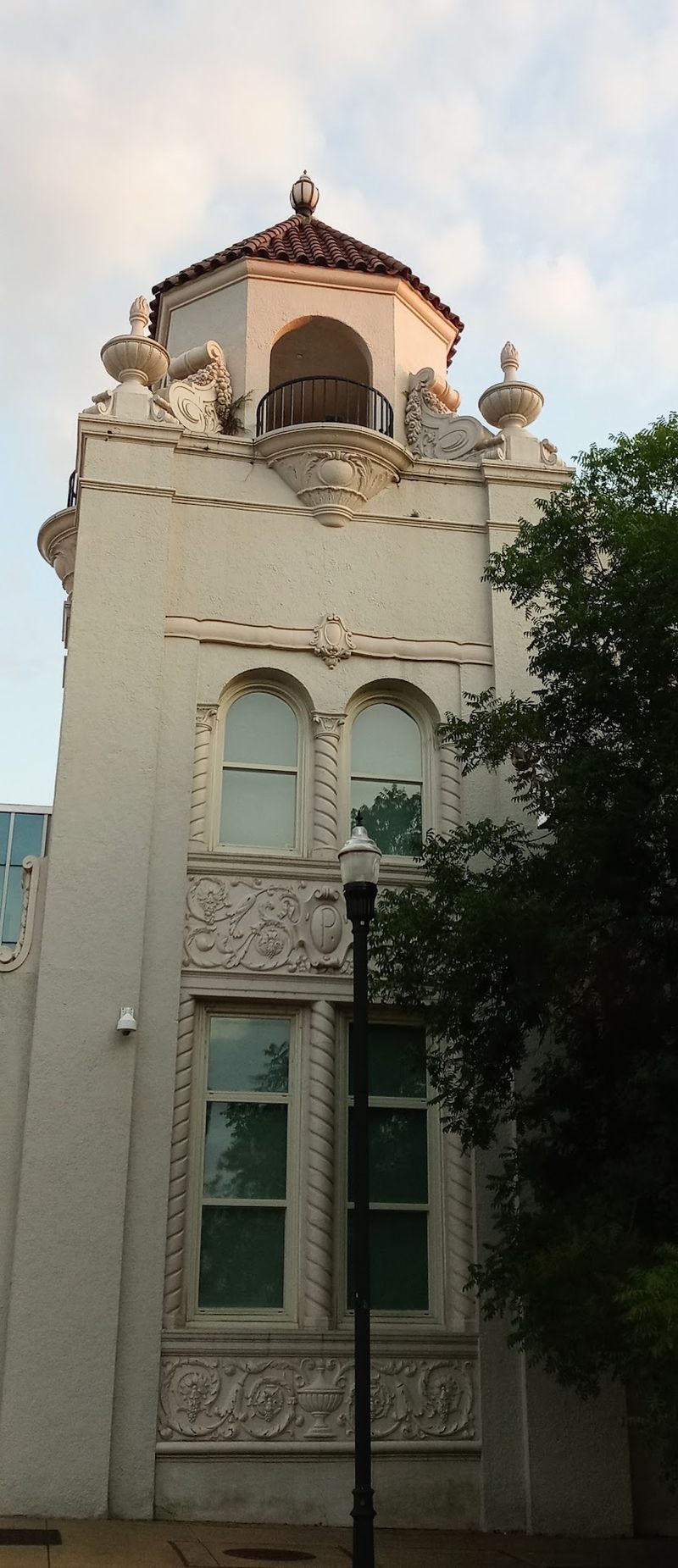
Entertainment budgets can disappear alarmingly fast, yet cultural outings here do not always demand expensive tickets. Downtown and nearby districts offer several ways to enjoy art, performances, history, and community events.
The Springer Opera House provides one of the area’s most distinctive cultural landmarks. The historic venue holds the designation of Georgia’s State Theatre and continues presenting theatrical productions and other performances.
Visual art gets its own substantial space through The Columbus Museum, another established cultural institution. Its collections and exhibitions explore American art alongside regional history, giving visitors plenty to examine beyond the riverfront.
Public art and downtown galleries add smaller discoveries between the larger attractions. I like that combination because an afternoon can mix indoor exhibits with an easy stroll through surrounding streets.
Broadway serves as a central downtown corridor where restaurants, shops, entertainment, and public spaces gather closely together. Periodic community events and performances add variety without making every weekend depend on an expensive reservation.
That mix gives the area cultural depth without requiring a giant metropolitan arts district. For budget-conscious residents, having several accessible options nearby makes ordinary weekends much easier to fill.
Room To Grow Without The Traffic
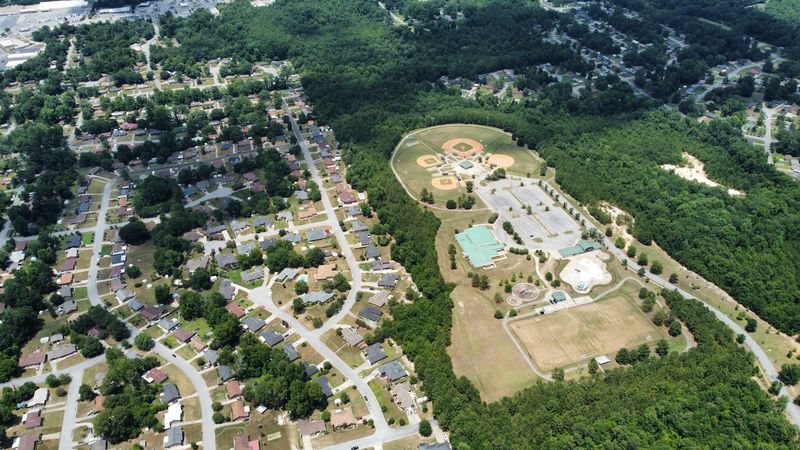
Big-city opportunities sound wonderful until half the evening disappears behind brake lights. Here, average commute times remain relatively manageable at roughly 21 minutes for workers traveling to their jobs.
That number does not promise empty roads, and busy periods can still slow traffic. Still, daily travel generally avoids the marathon commutes associated with much larger metropolitan areas.
Population size helps explain why the area can offer substantial amenities without feeling overwhelmingly enormous.
Roughly 200,000 residents support restaurants, shopping, healthcare, entertainment, education, and recreation within a relatively compact urban area.
I find that middle ground appealing because convenience does not require sacrificing every quiet afternoon. Residents can handle everyday errands without navigating the scale and congestion of a massive regional center.
Atlanta is roughly a two-hour drive north, although traffic can easily change that calculation. That puts major concerts, professional sports, international flights, and additional shopping within reach for occasional trips.
For job seekers, affordability works best when daily life remains practical beyond the monthly bills. That balance of employment, manageable costs, recreation, and reasonable commutes gives the area its strongest argument.