This All-You-Can-Eat California Seafood Feast Is Perfect For A Spring Outing
Spring in California has a way of turning simple nights out into full-on food adventures. The longer evenings, the warmer air, the excuse to gather everyone in one place – it all makes dining out feel bigger, livelier, and a lot more fun.
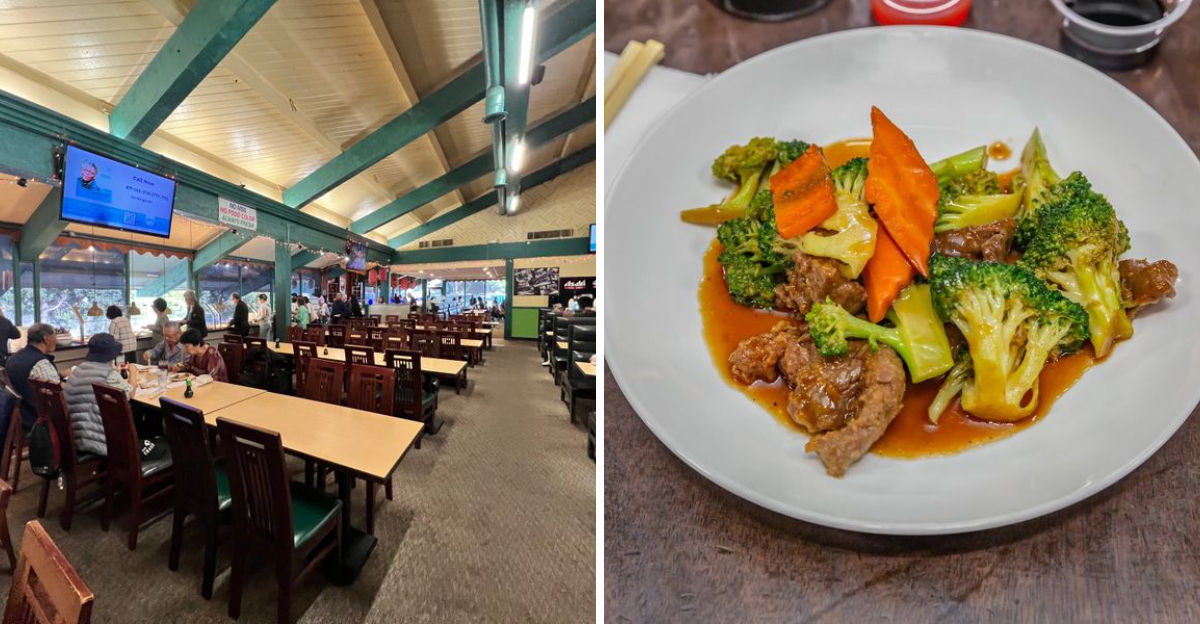
That’s exactly where Hokkaido Seafood Buffet in Long Beach comes in. This is the kind of all-you-can-eat experience that feels almost overwhelming in the best way possible.
Rows of sushi, sizzling teppanyaki grills, mountains of seafood, and endless hot dishes stretch across the dining room like a feast that never stops.
Instead of choosing one entrée and hoping for the best, diners get to roam, sample, and go back for seconds – or thirds – at their own pace.
Every plate becomes a mix of flavors, from fresh rolls to smoky grilled favorites, piled high however you want.
It’s the kind of place where families linger, friends load their tables, and spring nights in California turn into something closer to a celebration than just dinner.
1. Buffet-Style Dining Offers Flexibility For Groups
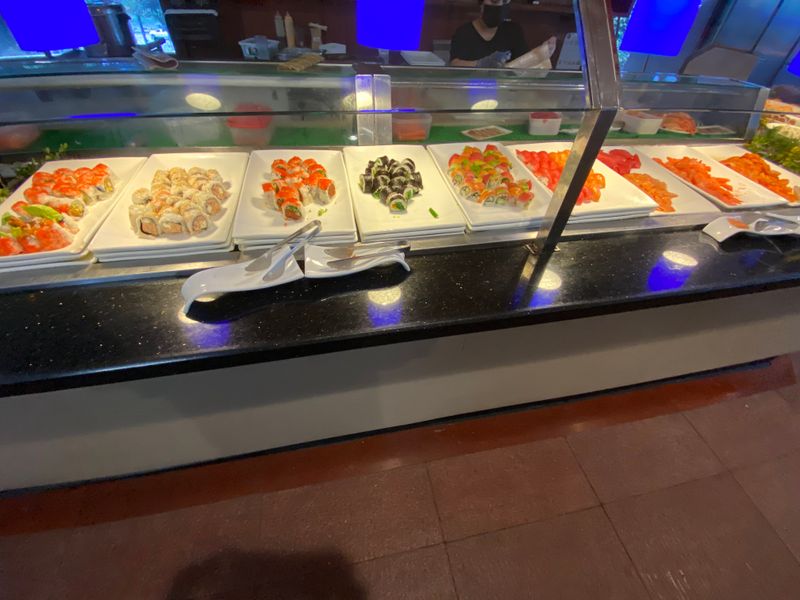
Buffet dining removes the pressure of choosing just one dish from a menu. Everyone at the table can try multiple items without feeling obligated to finish large portions or share plates they might not enjoy equally.
Spring gatherings often include people with different tastes and dietary preferences.
Some may prefer cooked seafood while others gravitate toward raw sushi, and the buffet format accommodates both without requiring separate orders or complicated substitutions.
The self-service model also adjusts to different eating rhythms. Children may finish quickly and want seconds while adults take their time, and the buffet allows each person to move at their own pace without waiting for courses to arrive.
Groups celebrating birthdays or other occasions benefit from special discounts that make the experience more affordable.
The restaurant at 3030 Cherry Ave, Long Beach, CA 90807 offers 50% off for birthday guests when dining with four or more people, which adds value to spring celebrations. Weekday lunch pricing starts at $17.99, making it accessible for casual outings.
Dinner and weekend rates increase to $23.99 for adults, with reduced prices for seniors and children based on age and height requirements that keep families within budget.
2. Japanese And Chinese Cuisine Under One Roof
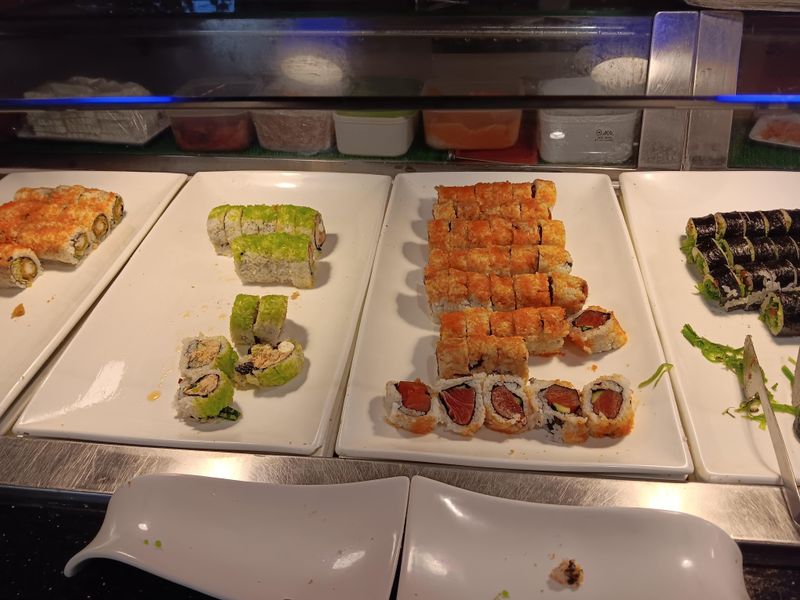
Combining two distinct culinary traditions in one location creates opportunities for comparison and discovery.
Japanese dishes at the buffet typically emphasize clean flavors and careful presentation, while Chinese preparations often feature bolder sauces and more varied cooking techniques. Sushi stations allow diners to select from different rolls and nigiri options.
The freshness of raw fish matters significantly in buffet settings, and restaurants that specialize in seafood tend to maintain higher turnover rates that keep offerings fresher throughout service hours.
Chinese grill stations often include stir-fried vegetables, noodle dishes, and proteins prepared with garlic, ginger, and soy-based seasonings.
These cooked options provide alternatives for guests who prefer not to eat raw fish but still want seafood prepared in traditional Asian styles. The variety also helps introduce younger diners to new flavors gradually.
Children can start with familiar items like fried rice or tempura before trying more adventurous choices, which makes family dining less stressful for parents concerned about picky eaters.
Having both cuisines available means return visits feel less repetitive. Diners can focus on Japanese selections during one meal and explore Chinese dishes the next time, extending the value of the restaurant beyond a single experience.
3. Teppanyaki Grill Adds Interactive Element
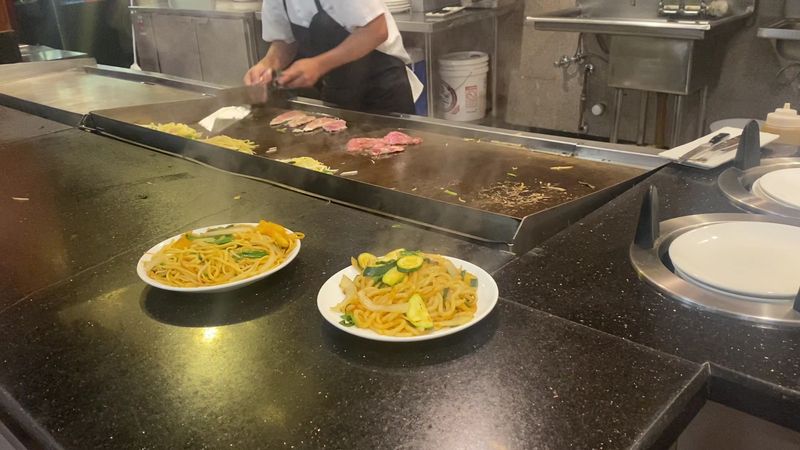
Watching food cook on a flat grill surface adds an element of theater to buffet dining.
Teppanyaki stations let guests select raw ingredients and see them prepared quickly over high heat, which creates a more personalized experience than simply taking pre-made items from warming trays.
The cooking method itself produces distinct textures and flavors. High heat sears proteins and vegetables quickly, creating caramelized edges while keeping interiors tender, which differs from steamed or baked preparations found elsewhere on the buffet line.
Spring vegetables like asparagus and snap peas work particularly well on teppanyaki grills. The quick cooking time preserves their bright color and crisp texture, making them appealing even to diners who typically avoid vegetables at buffets.
The interactive nature also slows down the dining pace in a positive way.
Instead of loading a plate and returning to the table immediately, guests spend time at the grill station watching their selections cook, which encourages more mindful eating and conversation.
Grill stations typically operate continuously during service hours, so timing visits to avoid peak rushes can reduce wait times.
Weekday afternoons and early dinner hours generally see lighter crowds, allowing more leisurely interaction with cooking staff at these stations.
4. Fresh Seafood Selection Changes Seasonally
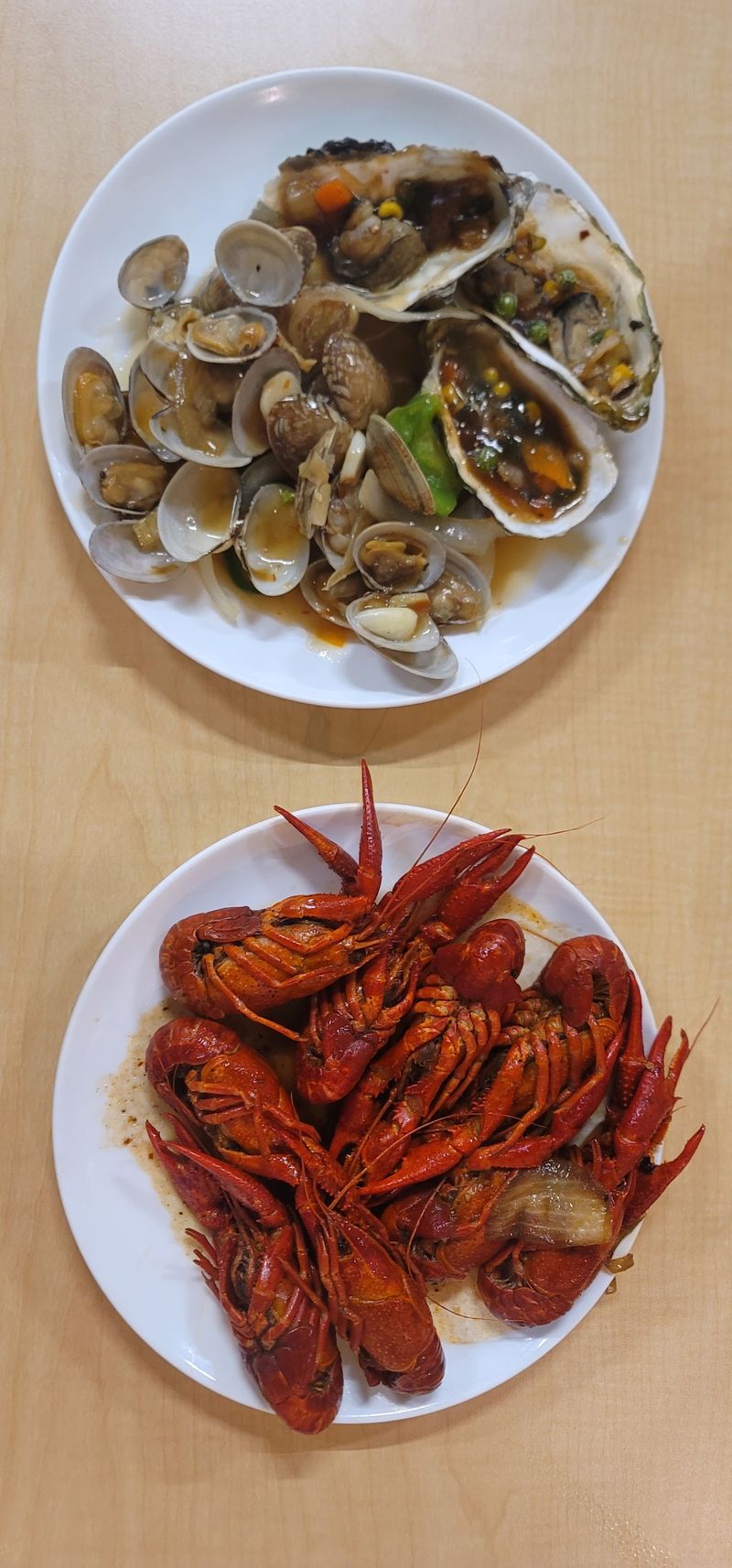
Seafood availability shifts throughout the year based on harvesting seasons and market conditions. Spring typically brings certain fish and shellfish into better availability, which can improve both quality and variety at seafood-focused restaurants.
Crab legs often appear as premium items at seafood buffets.
The meat requires minimal seasoning because its natural sweetness stands out when simply steamed, and the hands-on process of cracking shells adds a tactile element that makes the dining experience more memorable.
Shrimp preparations vary from simple steamed versions to more elaborate dishes with garlic butter or spicy seasonings.
The size and quality of shrimp can differ significantly, and restaurants specializing in seafood usually source larger, more flavorful varieties than general buffets. Mussels and clams may also appear depending on the day and season.
These shellfish cook quickly and absorb flavors from broths and sauces, making them versatile additions that complement both Japanese and Chinese preparations. Checking with restaurant staff about current offerings before visiting can help set expectations.
Buffets refresh items throughout service, so arriving during peak replenishment times often means accessing the freshest selections rather than items that have sat under heat lamps for extended periods.
5. Operating Hours Accommodate Different Schedules
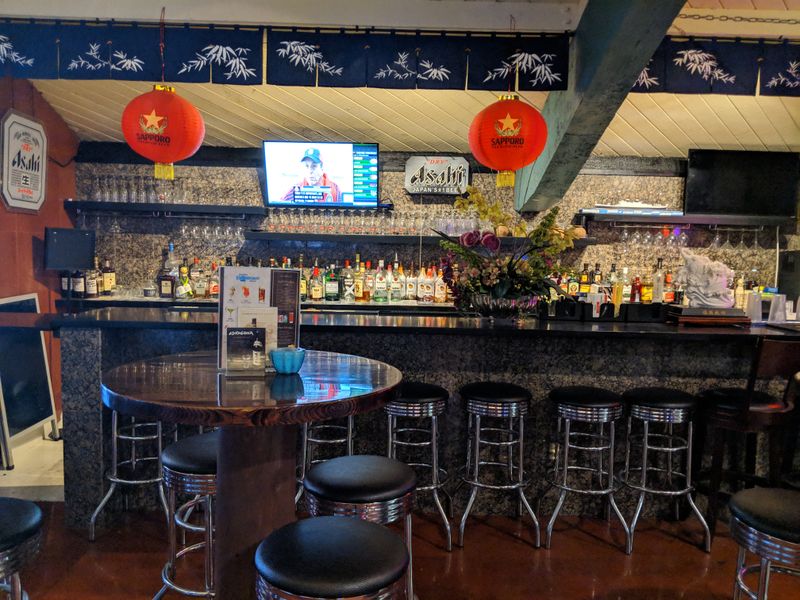
Restaurants that open for both lunch and dinner service provide flexibility for different types of outings.
Lunch hours from 11:00 AM to 4:00 PM on weekdays offer lower prices and generally lighter crowds, which appeals to retirees, remote workers, or anyone with flexible daytime schedules.
Evening service extends to 9:00 PM most nights, with slightly later closing at 9:30 PM on Fridays and Saturdays.
These hours accommodate traditional dinner plans without requiring extremely early or rushed meals that can feel inconvenient during spring when daylight lasts longer. Weekend hours shift slightly, with Saturday opening at 11:30 AM instead of 11:00 AM.
This half-hour difference may reflect operational considerations, and knowing about it prevents arriving to find doors still closed if planning a late-morning weekend visit. Sunday hours mirror weekday schedules with an 11:30 AM opening and 9:00 PM closing.
Families often prefer Sunday outings for celebrations or gatherings, and the consistent schedule makes planning easier without needing to verify hours separately for each day. Calling ahead during holidays or special occasions can confirm any temporary schedule changes.
Restaurants sometimes adjust hours during peak seasons or close for private events, and a quick phone call prevents wasted trips and disappointment.
6. Pricing Structure Includes Special Discounts
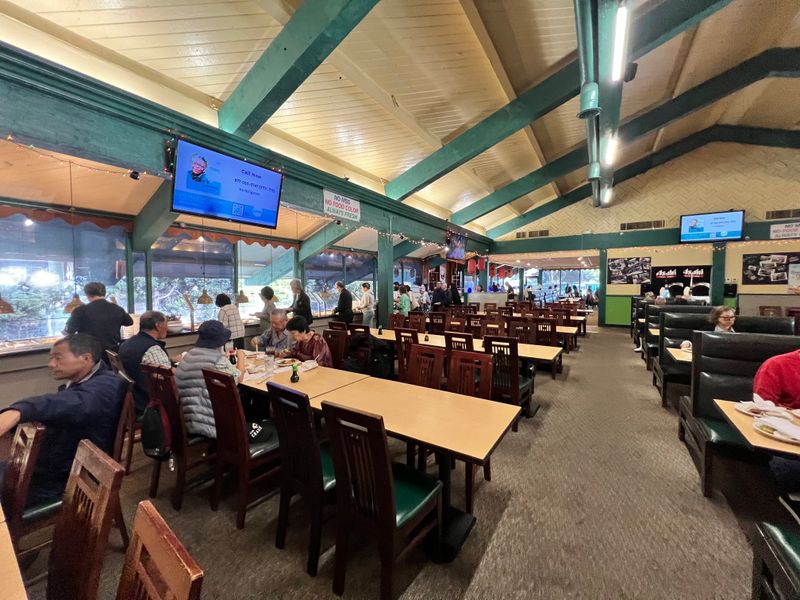
Understanding the pricing tiers helps budget appropriately for group outings. Weekday lunch at $17.99 represents the most economical option, offering the same buffet access as dinner service but at a significantly lower price point that makes regular visits more feasible.
Dinner and weekend rates increase to $23.99 for adults, reflecting higher demand during these times.
The roughly $6 difference between lunch and dinner pricing may influence timing decisions for cost-conscious diners planning spring celebrations or regular family meals. Senior discounts provide 10% off for guests aged 65 and older.
This reduction applies to the base price and requires proof of age, so bringing identification ensures receiving the discount without complications at checkout. Children between 36 and 55 inches tall receive 50% off regular pricing.
This height-based system rather than age-based pricing accounts for different growth rates and appetites, though it may require measuring children if their height falls near the boundaries.
Birthday discounts offer the most substantial savings, with celebrants receiving 50% off when dining with four or more people.
This policy encourages larger gatherings and makes the restaurant particularly attractive for spring birthday parties when outdoor celebrations may face weather uncertainties.
7. Self-Service Model With Waitstaff Support
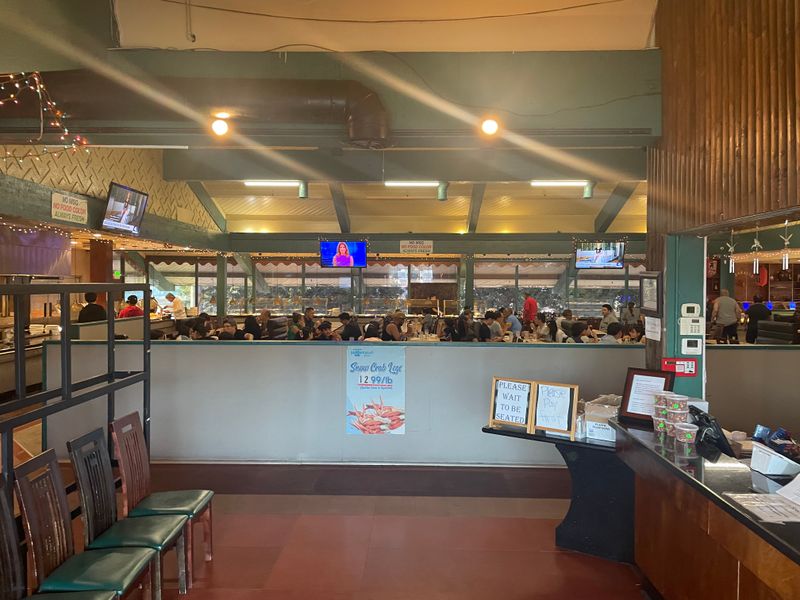
Buffet restaurants balance independence with service by letting guests select their own food while staff handles drinks, table maintenance, and clearing used plates.
This hybrid approach provides flexibility without leaving diners entirely on their own throughout the meal.
Waitstaff typically greet guests upon arrival and explain any special policies or premium items requiring additional charges.
They also handle beverage orders and refills, which matters more than it might seem since hydration becomes important when sampling salty seafood dishes. Plate clearing happens continuously rather than waiting until the end of the meal.
Staff remove used dishes as they accumulate, preventing table clutter that can make buffet dining feel chaotic or unpleasant, especially for longer visits spanning multiple courses.
Visiting during off-peak hours often results in more attentive service since staff can focus on fewer tables, while prime dinner hours may mean longer waits for drink refills or plate clearing.
Tipping expectations at buffets sometimes confuse diners since they serve themselves.
Standard practice suggests tipping 10-15% rather than the 18-20% common at full-service restaurants, though exceptional service during busy periods may warrant higher amounts at your discretion.
8. Salad And Vegetable Options Balance Seafood
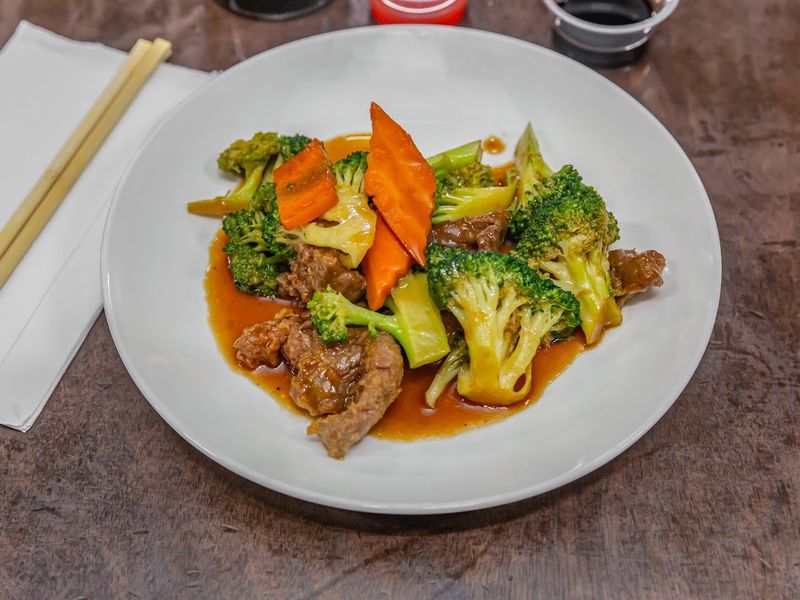
Seafood-heavy meals benefit from lighter accompaniments that provide textural contrast and help cleanse the palate between richer dishes.
Fresh vegetable options and organic salads serve this purpose while adding nutritional value to what might otherwise become an entirely protein-focused meal.
Salad bars at Asian buffets often include both Western-style lettuce and vegetable combinations alongside Asian preparations like seaweed salad or pickled vegetables.
These options cater to different preferences and provide familiar choices for children or guests less adventurous about trying new foods.
Spring represents peak season for many vegetables, which can improve quality and variety at salad stations.
Crisp lettuce, sweet bell peppers, and tender asparagus all taste better during their natural growing seasons, making vegetable selections more appealing than during winter months. Dressing choices matter significantly for salad enjoyment.
Look for both creamy and vinegar-based options to match different salad compositions, and consider using dressings sparingly at first to avoid overwhelming fresh vegetable flavors.
Raw vegetables also serve a practical purpose during buffet visits by helping pace consumption.
Starting with salad before moving to heavier seafood and cooked dishes can prevent overeating too quickly and allows better appreciation of premium items later in the meal.
9. Location In Long Beach Serves Diverse Community

The city offers a vibrant coastal setting that blends laid-back Southern California energy with a diverse culinary scene.
The area around Cherry Avenue sits within a well-established residential and commercial corridor, making it an easy dining destination for both locals and visitors exploring the city.
Long Beach’s large and culturally varied population supports a wide range of restaurants, allowing specialty spots to thrive while still attracting diners from neighboring communities.
Its size creates a strong customer base without feeling as congested as downtown Los Angeles dining districts.
Reaching 3030 Cherry Avenue is straightforward thanks to nearby access to major routes like the 405 and 710 freeways.
Planning visits outside peak traffic hours can make the drive especially smooth for those coming from Orange County or other parts of LA County, particularly during spring when coastal outings feel more appealing.
Parking in this part of Long Beach tends to be more convenient than in dense urban cores.
Many businesses along Cherry Avenue offer dedicated lots or easier street parking, removing the stress often associated with busier city dining areas.
The surrounding neighborhood features additional shops, cafes, and local businesses that make it easy to extend a meal into a fuller outing.
Pairing dinner with nearby errands or casual exploration turns a simple visit into a relaxed Long Beach experience, especially during mild spring evenings.
10. Spring Weather Makes Dining Out More Appealing

Seasonal changes affect dining habits more than many people realize.
Spring temperatures in Southern California typically range from comfortable to warm without the intense heat that arrives in summer, making the prospect of leaving home for meals more appealing than during colder or extremely hot periods. Longer daylight hours also influence dining timing.
Families with children can finish dinner and still have time for activities afterward, while evening outings don’t require driving home in darkness, which some people find less enjoyable or more stressful.
Spring break periods and three-day weekends create natural opportunities for special meals.
Restaurants often see increased traffic during these times, so planning visits for weekday evenings or early weekend hours may provide better experiences with shorter waits and fresher food rotation.
The season’s association with renewal and celebration makes it psychologically appealing for gatherings.
People tend to socialize more actively during spring compared to winter months, and restaurants benefit from this increased desire for shared experiences outside the home. Weather predictability in California spring also matters for planning.
Unlike regions where spring brings unpredictable rain or temperature swings, Southern California typically offers consistent conditions that make scheduling outings easier without backup plans for weather-related cancellations.