This Animal Sanctuary In Georgia Offers 10 Acres Of Freedom For Rescued Farm Animals
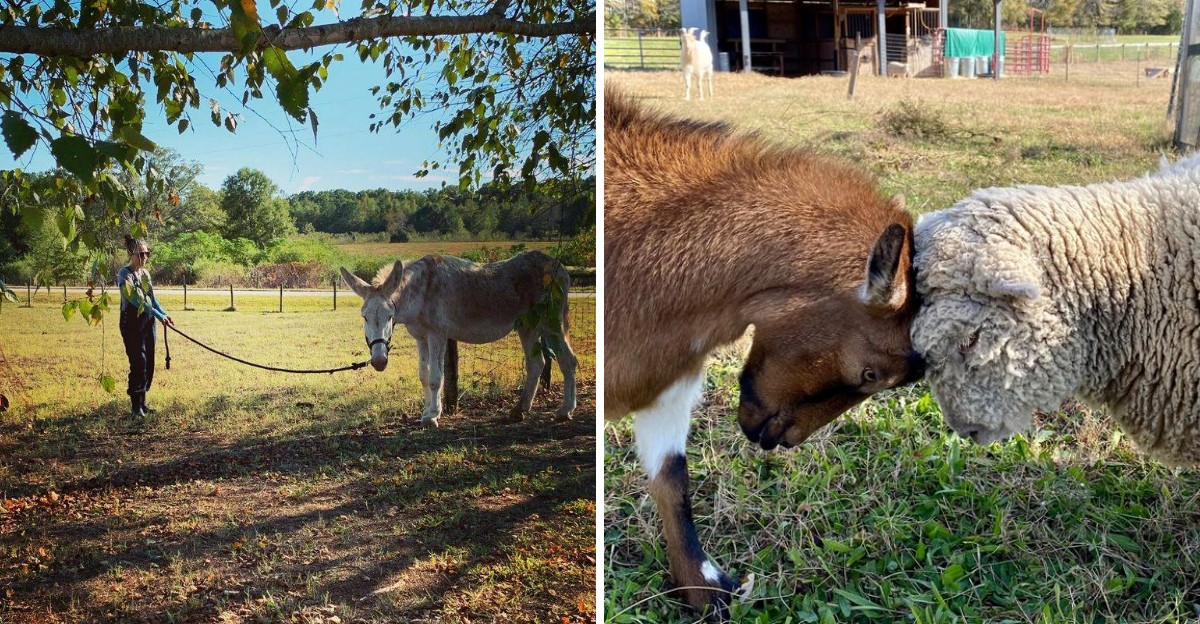
Not every rescue story ends in a fenced backyard with two goats and a sign. Some end in ten open acres, and Georgia happens to be home to one of them.
I went in expecting a small operation, a few animals recovering quietly out of sight. What I found instead was open pasture, real space to run, and animals who acted like they knew exactly how lucky they were.
A goat walked straight up and leaned into my leg like we were already friends. Chickens moved around like they owned the property, because at this point, they basically do.
Georgia has plenty of roadside attractions, but few feel this genuinely important. Every animal here has a story that started somewhere much smaller and much harder.
Watching them now, calm and unbothered, says more about second chances than any sign at the entrance ever could.
Ten Acres Where Rescued Animals Finally Get Room To Roam
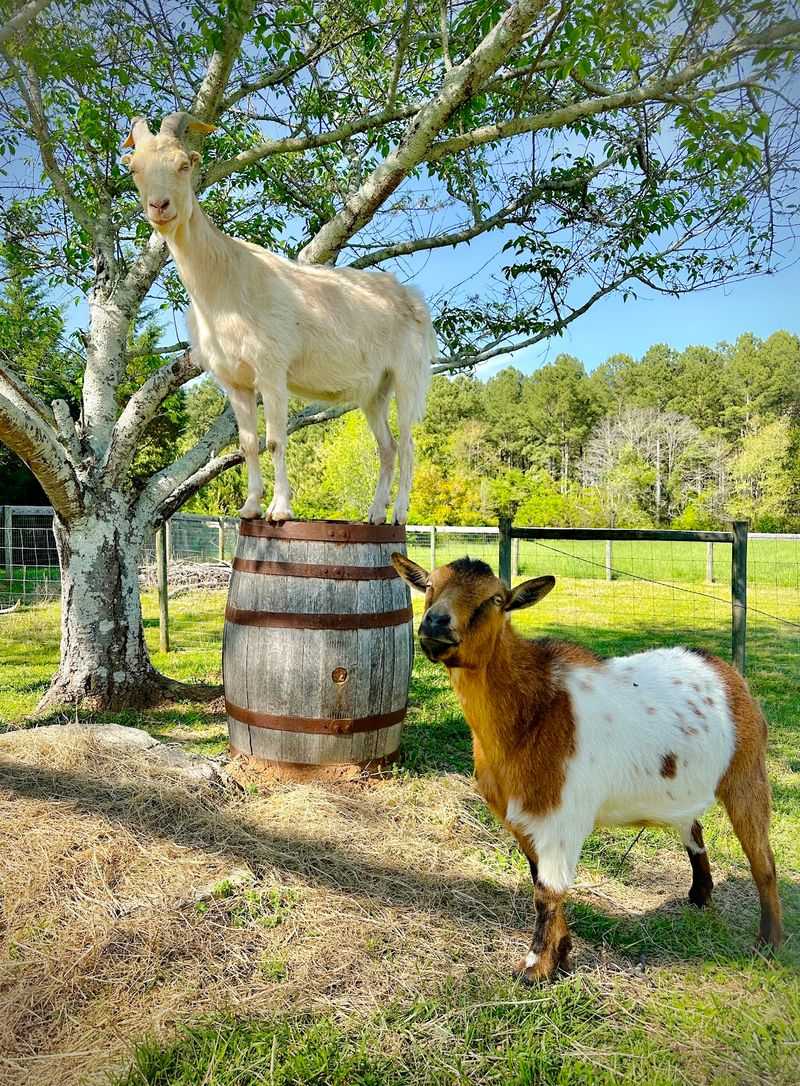
Ten acres sounds like a number until you stand in the middle of it. The land stretches out with grass, shade trees, and animals who clearly know every inch of it.
The space matters more than you might think. Rescued farm animals often arrive from cramped conditions, so room to walk and graze changes everything for them.
Goats wander up hills. Sheep cluster in shady spots.
Cows do exactly what cows do best, which is move slowly and look completely unbothered.
Every resident here came from a hard start. The animals were rescued from neglect, abandonment, or abuse, and they now receive care for the rest of their lives.
Nothing about the property feels rushed or staged. Fences are practical, barns are working barns, and the focus stays on the animals rather than on decoration.
Visitors often expect a petting zoo and quickly realize it is something different. The land belongs to the residents, and guests are welcome guests.
The address is 1701 Launius Rd, Good Hope, GA 30641, an easy drive from Atlanta. Plug it into your maps app and give yourself time to linger.
A Mission That Started With One Big Life Change
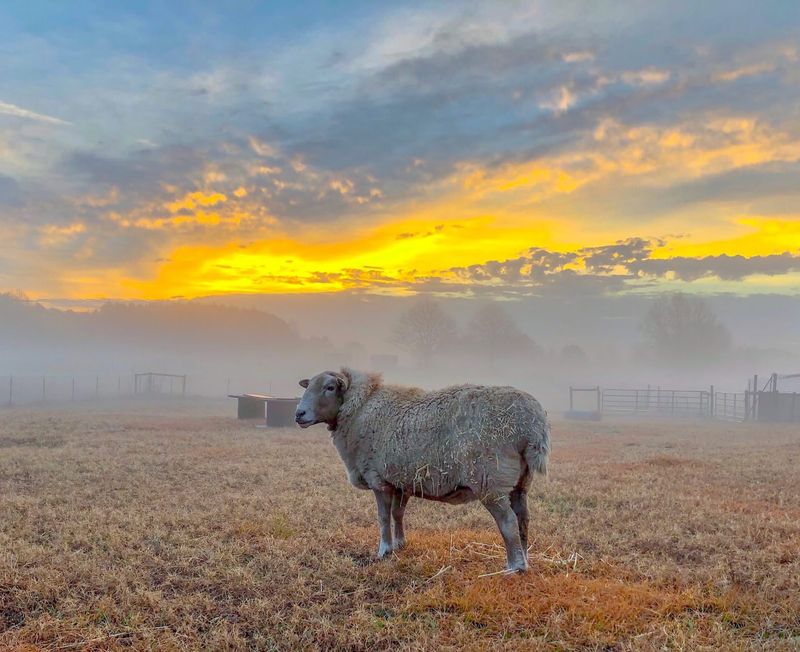
Every sanctuary starts somewhere, and this one was founded in 2016. What began as a commitment to helping animals grew into a sanctuary focused on lifelong care.
Since its founding, the sanctuary has grown into a home for rescued farm animals that receive ongoing care.
The mission is simple to explain and hard to pull off. They want to create a safe space for all beings, with no expiration date on the care they give.
That promise of lifelong care is the part that sticks with me. Animals here are not passing through on their way somewhere else.
Education sits right beside rescue in their work. The team shares information about industrialized farm animal exploitation and encourages compassionate choices.
There is no lecture waiting at the gate, though. The animals do most of the convincing just by being themselves.
Knowing the backstory made my visit feel different. Watching a sheep nap in the sun hits differently when you know how it got there.
Chickens With Opinions And Plenty Of Personality
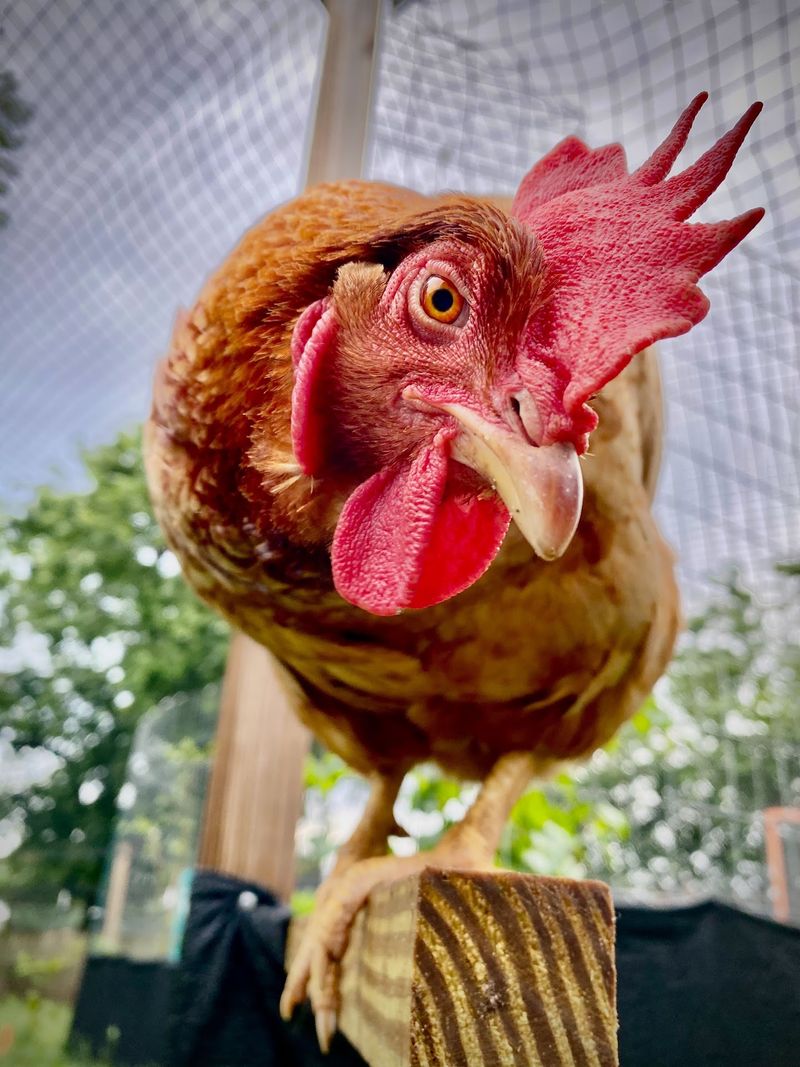
Chickens get underestimated constantly, and a visit here fixes that fast. They strut, investigate, and comment on everything happening around them.
Each one has a distinct personality. Some march straight toward visitors, while others keep a polite distance and watch from the grass.
Rescued hens and roosters make up a big part of the resident population. Many arrived in rough shape and now spend their days dust bathing and exploring.
Their feathers say a lot about their recovery. Healthy birds have glossy coats and bright eyes, and these birds clearly get excellent care.
Kids tend to gravitate toward the flock immediately. The birds move at a pace young visitors find hilarious, especially during a group sprint across the yard.
Staff explain chicken behavior in plain language. You learn about pecking order, favorite dust spots, and which hen thinks she is in charge.
I walked away with a new appreciation for a bird I had never thought much about. That shift happens to a lot of visitors here.
A Home Where Every Rescued Animal Finally Feels Safe
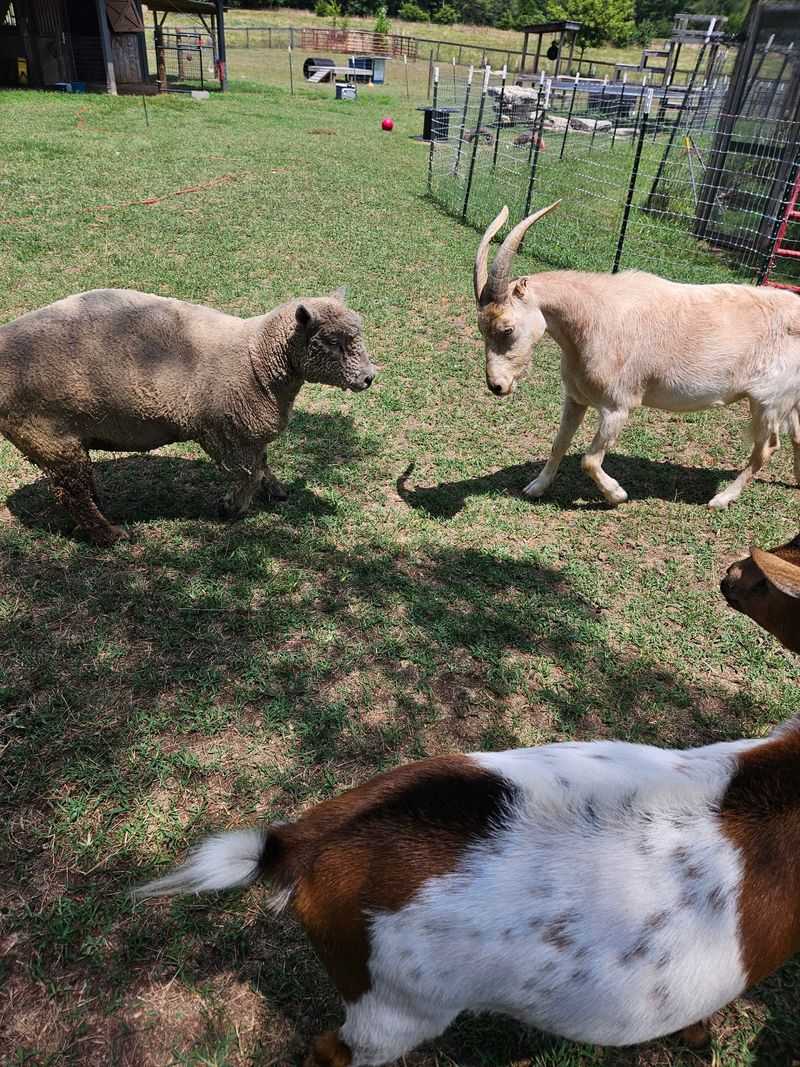
The resident list reads like a barnyard dream team. Goats, sheep, cows, donkeys, and chickens all share the property, each group with its own rhythm.
Goats bring the chaos. They climb, nudge, and treat every object as a possible toy or snack.
Sheep prefer the quiet approach. They stick together, graze steadily, and give visitors a long look before deciding anything.
Cows move like they have nowhere to be. Standing near one is oddly calming, partly because of their size and partly because of their slow blinking.
Donkeys surprised me the most. They are alert, social, and far more expressive than I expected from an animal I had only seen in pictures.
Each species has its own space and shelter. The setup respects natural behavior instead of forcing everyone together.
Seeing all these animals in one place drives home the point of the sanctuary. They are not livestock here, they are simply residents with names and routines.
Private Tours You Book Ahead Of Time
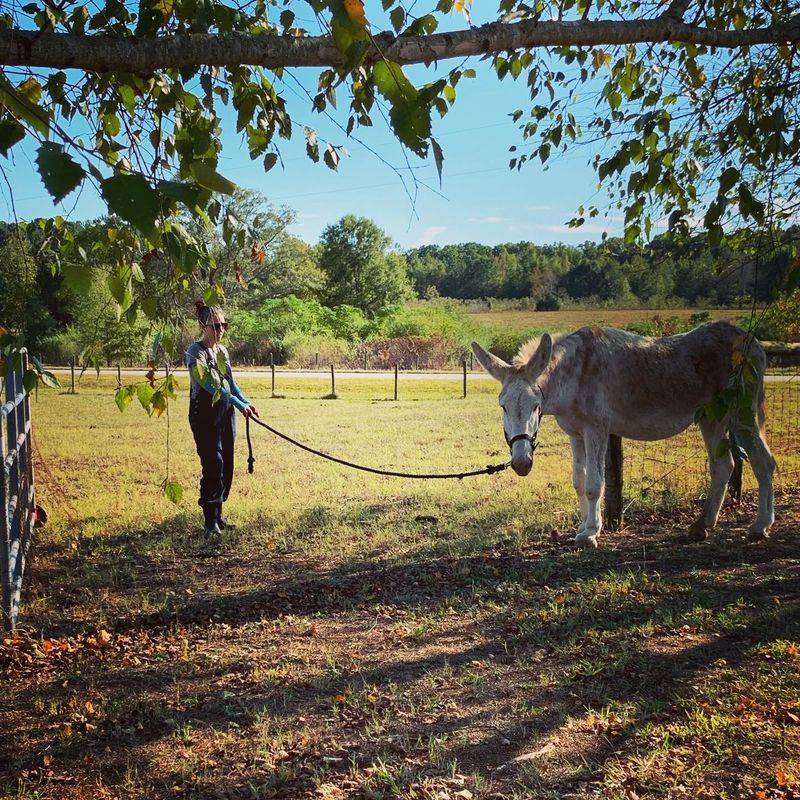
Showing up unannounced will not work here, and that is by design. Tours happen by appointment, which keeps the property calm for the animals.
Private tours are available with a suggested donation of fifty dollars. That money goes directly toward food, shelter, and veterinary care.
Calling ahead is the single best piece of advice I can offer. A quick phone call or message locks in your spot and saves a wasted drive.
Tours move at an easy pace. Guides explain each animal’s background and answer questions without rushing anyone along.
Kids do well here because the format is flexible. There is space to wander, watch, and ask the same question three times.
Wear shoes you do not mind getting dusty. This is a working farm, not a paved attraction.
House Rules That Put The Animals First
Guidelines exist here, and they are refreshingly clear. Every guest signs a visitor waiver before heading out toward the pastures.
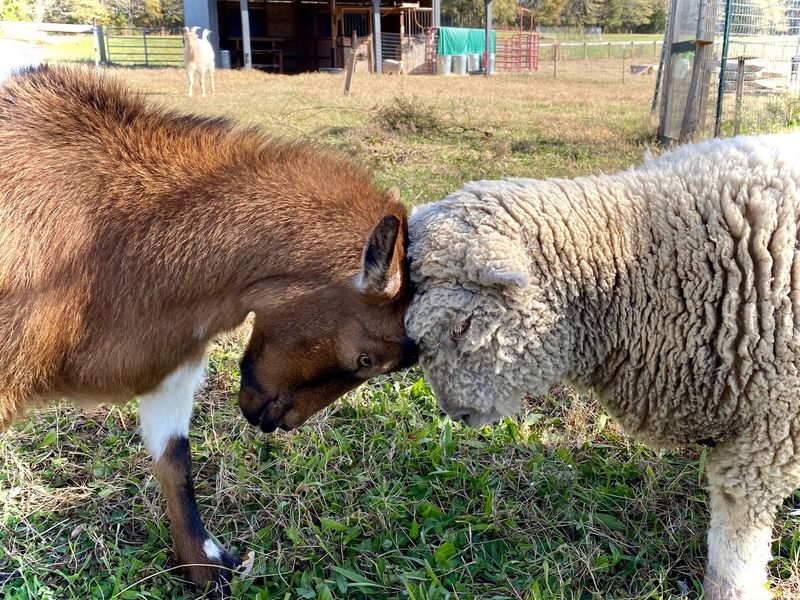
Animal interactions are never guaranteed. If a goat is not in the mood, the goat wins, and honestly that feels right.
Boundaries get respected across the board. The residents decide when they want attention, and staff make sure that choice is honored.
Visitors are also asked not to bring animal products onto the property. The request fits the sanctuary’s vegan mission and takes almost no effort to follow.
Pack a plant-based snack if you want one. A simple sandwich or fruit works perfectly.
Following the rules actually improves the visit. Animals relax around calm, predictable people, and calm animals are far more fun to watch.
I noticed how quiet the place stayed during my visit. That peace comes directly from guests taking the guidelines seriously.
Think of it as being a good houseguest. The house just happens to have hooves.
Monthly Volunteer Days With A Potluck Finish
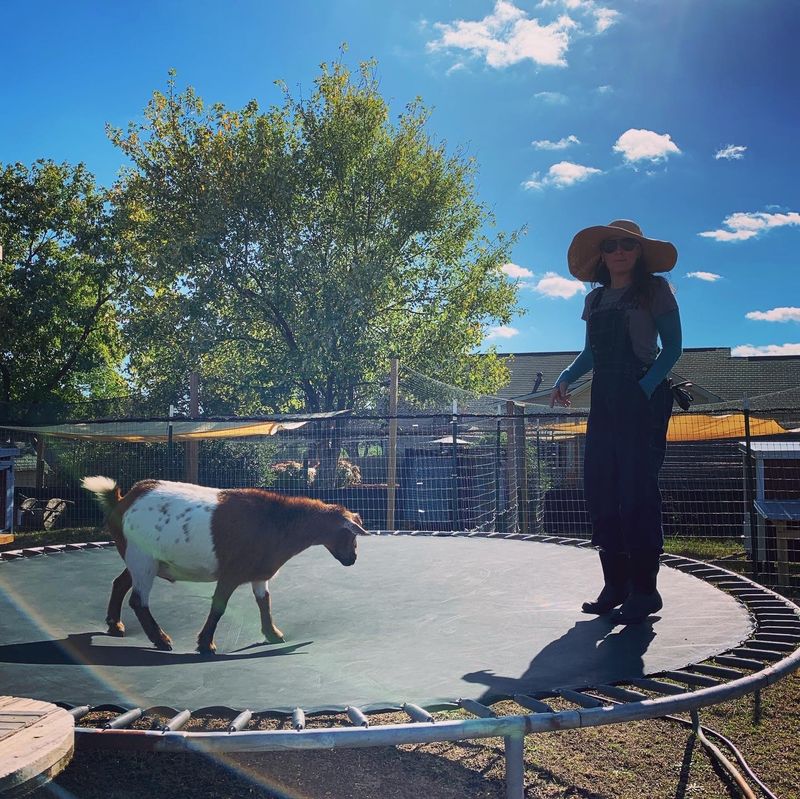
Hands-on help keeps this place running, and volunteers show up every month. Tasks range from fence building to hauling hay and general upkeep.
Work days are surprisingly social. People chat while they work, and the pace stays friendly rather than exhausting.
A vegan potluck often caps off the day. Everyone brings a dish, and the spread tends to be excellent.
No farming experience is required. Someone will show you what needs doing and hand you the right tool.
Volunteering also gets you closer to the animals than a standard tour. You see feeding routines, shelter maintenance, and daily care up close.
Bring water, sunscreen, and gloves if you have them. Georgia sun does not negotiate.
The return rate says a lot. People come once for curiosity and keep coming back because the work feels genuinely useful.
If you want to understand a sanctuary, spend a morning working in one. You learn more in three hours than any brochure could teach.
Accreditation That Proves The Care Is Real
Plenty of places call themselves sanctuaries. Far fewer earn accreditation from the Global Federation of Animal Sanctuaries.
This one holds that accreditation. GFAS reviews standards for animal care, safety, housing, and long-term operations before granting it.
That badge is not decorative. It means outside experts examined how the animals live and found the care meets high standards.
For visitors, this removes a lot of guesswork. You can enjoy your time here knowing the residents are genuinely well treated.
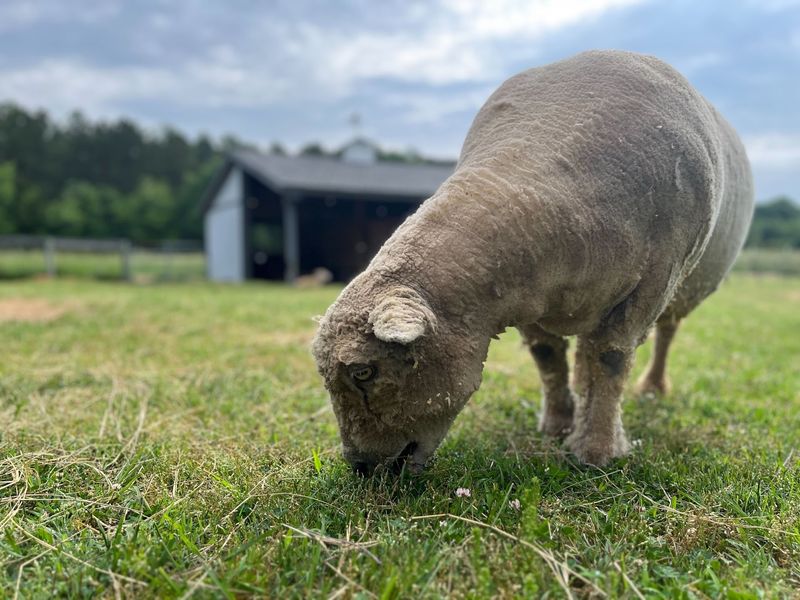
The evidence shows up in the animals themselves. Healthy coats, steady weight, and relaxed behavior tell you more than any certificate.
Shelters are clean and appropriate for each species. Water is fresh and easy to reach in every enclosure.
If you donate or volunteer, accreditation matters even more. Your contribution supports an operation with real accountability behind it.
I always look for this kind of credential before visiting. Here, it lines up perfectly with what you actually see on the ground.
Wellness Workshops And Cooking Sessions Held In The Open Air
Animals are only half the programming here. The sanctuary also hosts self-care classes designed around a peaceful, plant-based lifestyle.
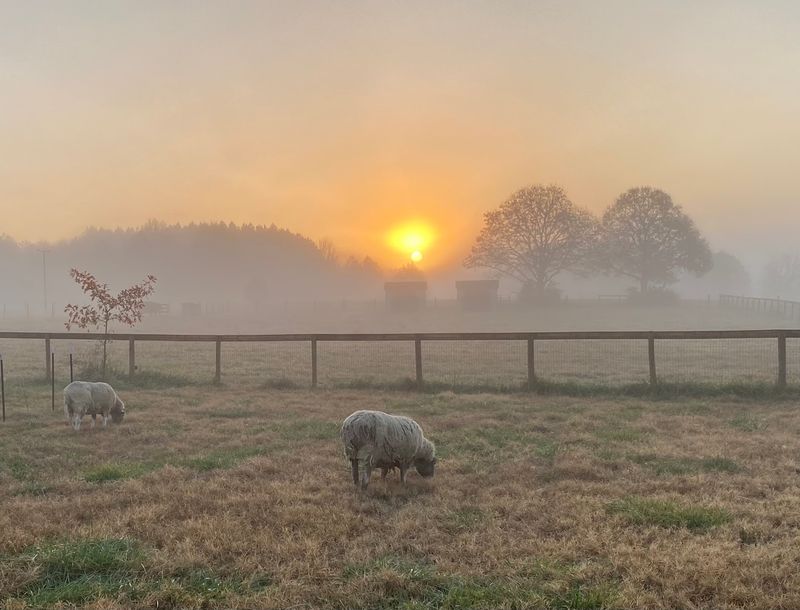
Guided meditations happen in the open air. Birdsong and the occasional goat provide the soundtrack.
Yoga sessions run on the property too. Practicing outdoors with pasture views beats a studio mirror by a wide margin.
Cooking classes round out the lineup. You pick up practical plant-based recipes you can actually make at home during a busy week.
Seasonal events bring even bigger crowds. Fall festivals and holiday gatherings include games, food, and plenty of time with the residents.
Every program supports the same goal. Donations and event fees fund food, veterinary bills, and daily care for the animals.
Monthly memberships start at just ten dollars. Small amounts add up quickly across a community of supporters.
My honest advice is to check the calendar before you go. Pairing a tour with an event turns a nice afternoon into a full experience worth the drive.