This Arizona Hike Takes You To A Ghost Town Lost In Time
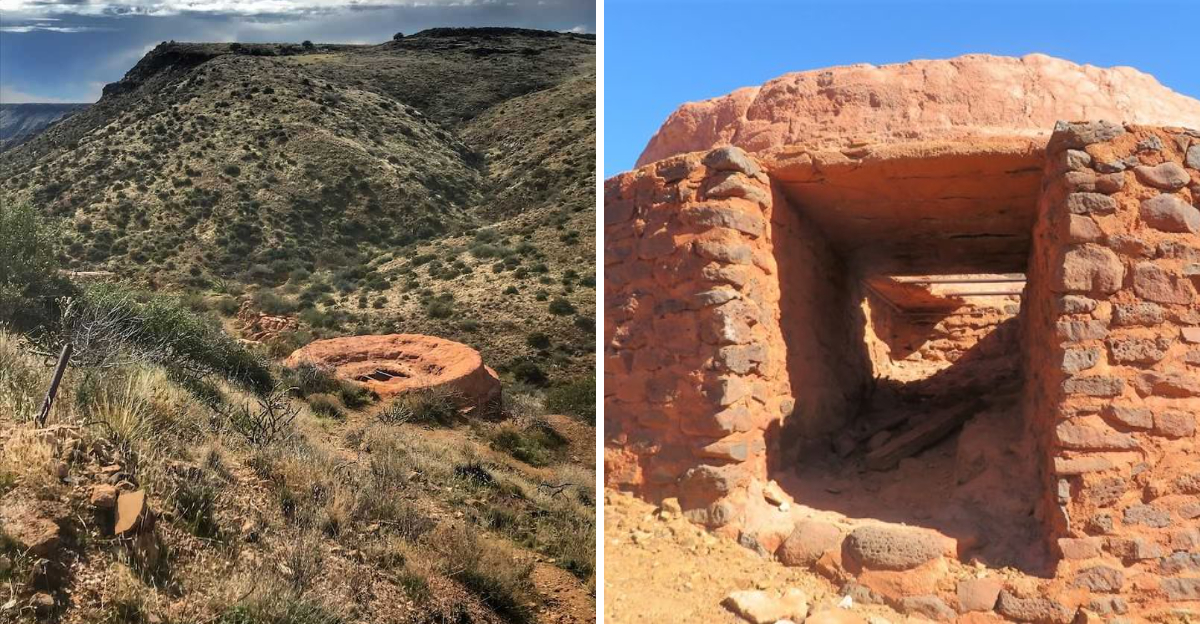
Most hikes reward you with a view you have already seen on a hundred Instagram accounts. This one rewards you with an entire abandoned town that history apparently forgot to demolish.
Somewhere along the trails near Black Canyon City, Arizona, this area sits in the kind of quiet that feels earned rather than peaceful.
There are no crowds, no gift shops, and no helpful plaques telling you exactly what to feel. Just crumbling walls, rusted equipment, and the very specific atmosphere of a place that was once fully alive and then simply was not.
Whoever left here did not take much with them, and whatever they left behind has been slowly becoming part of the desert ever since.
Arizona does dramatic landscapes better than almost any state in the country, but this is something different. This is a hike that makes you feel like a discoverer rather than a tourist, and that feeling is genuinely hard to find anywhere.
The Hike That Starts It All
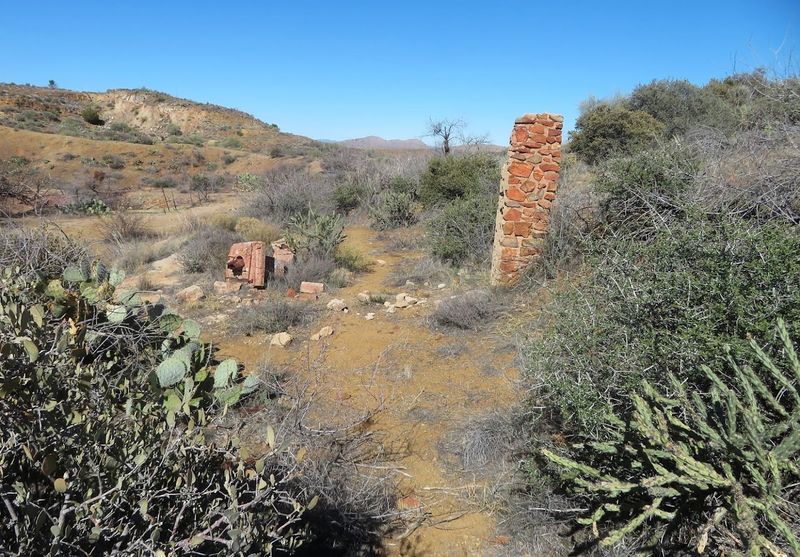
You can’t be ready for the fact that the trailhead looks like the beginning of a bad decision.
The gravel is loose, the sun is already doing its best, and there is no dramatic archway welcoming you to adventure. You just start walking and trust the process.
The trail near Black Canyon City sits within the Bradshaw Mountains foothills, and it earns its reputation quickly.
The terrain shifts from sandy flats to rocky scrambles without much warning. Your boots will thank you for being broken in before this one.
What makes this hike stand out is the payoff waiting at the end. Most trails give you a view.
This one gives you a whole story.
The path to the Richinbar Mine is roughly moderate in difficulty, making it accessible for most hikers with decent fitness.
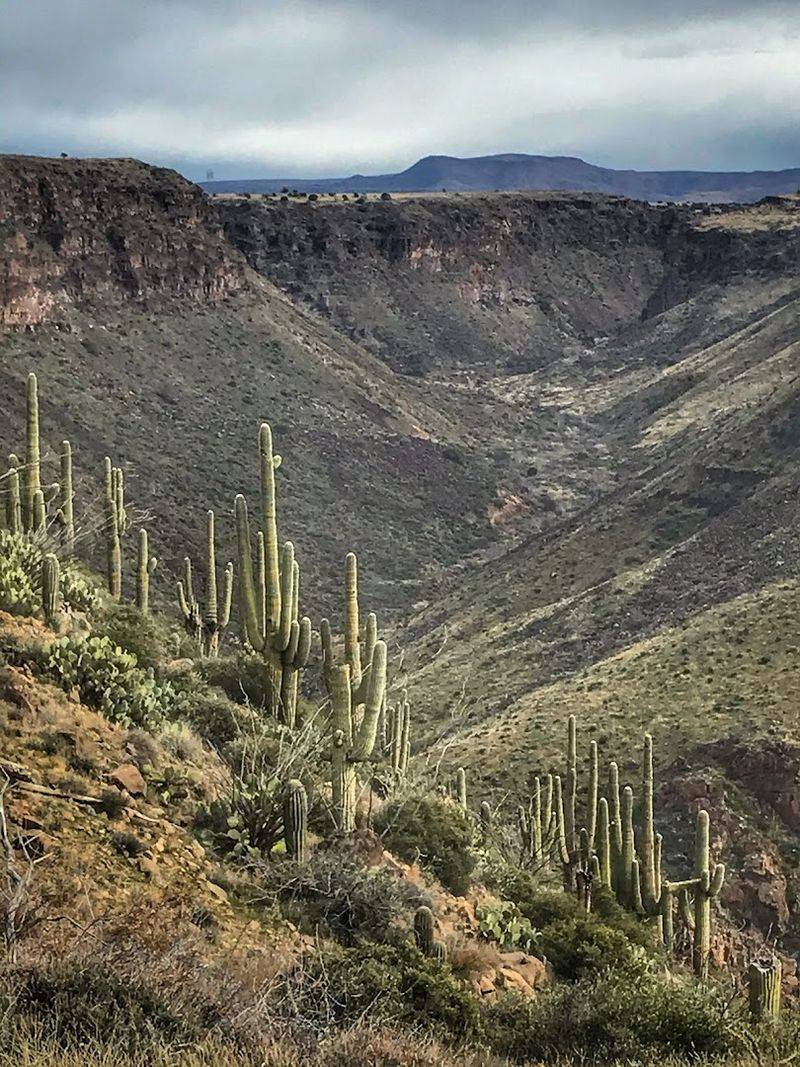
You will pass through classic Sonoran Desert scenery: prickly pear, saguaro, and scrubby desert brush that somehow thrives in the heat.
The trail rewards patience. Keep your eyes open because the landscape starts changing the closer you get to the old mine site, and that shift feels genuinely exciting.
Black Canyon City As Your Base Camp
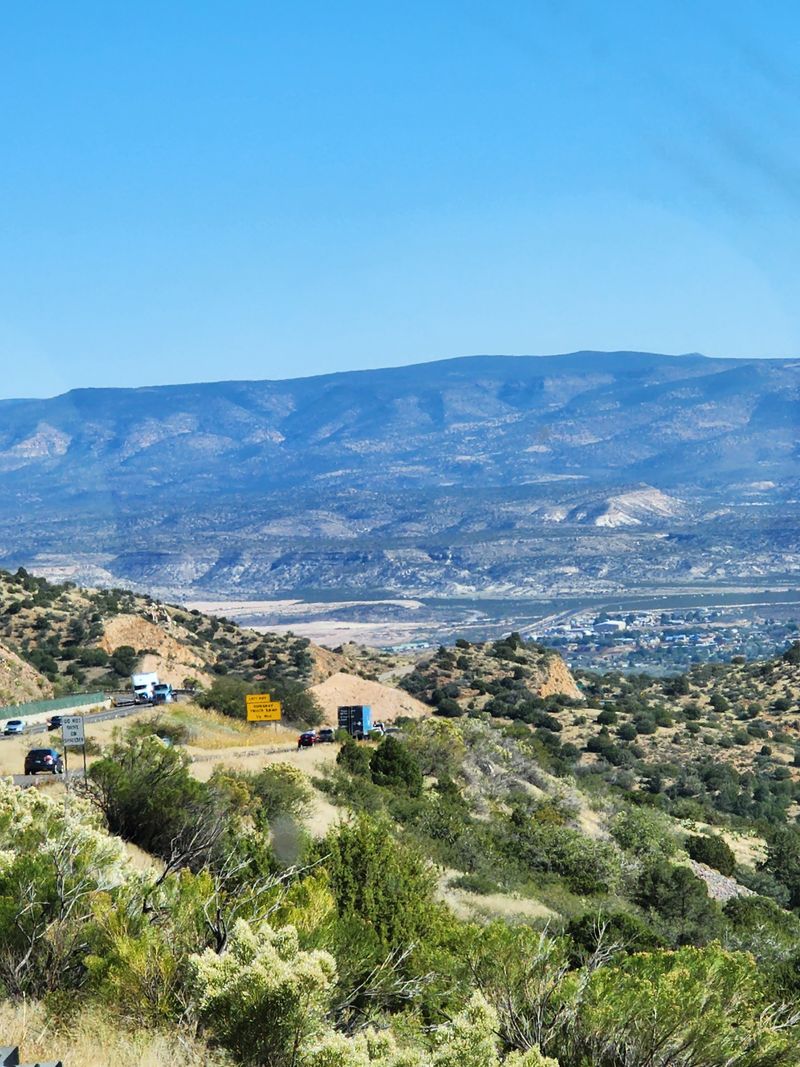
Black Canyon City is the kind of place you drive through on I-17 and think, that looks interesting, before forgetting about it three miles later. Stop.
Seriously, just stop.
Located about 45 miles north of Phoenix, this small community sits right at the edge of some seriously underrated Arizona wilderness.
It is not a resort town. It does not have a visitor center with glossy brochures.
What it has is access, and that is everything for hikers who want real adventure without the crowds.
The address you want to bookmark is Black Canyon City, AZ 85324. From there, local roads and trail access points put you within reach of the Richinbar Mine hike without needing a four-wheel drive or a satellite phone.
Stock up on water before you leave town. There are a few fuel stops and small shops that will cover your basics.
The elevation here hovers around 2,300 feet, which gives you slightly cooler temps than Phoenix but still demands you respect the Arizona sun.
Early morning starts are not just a suggestion here. They are the difference between a great hike and a miserable one.
The Ghost Town Itself
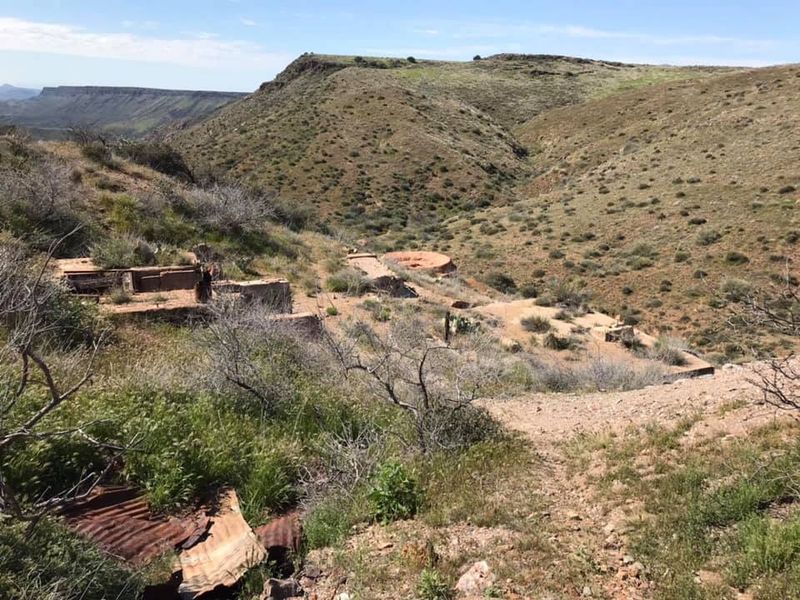
Walking up to Richinbar feels like stumbling onto a movie set that production forgot to tear down. Except it is all real, and nobody is coming to clean it up.
The Richinbar Mine was a gold and silver mining operation that had its moment in Arizona history.
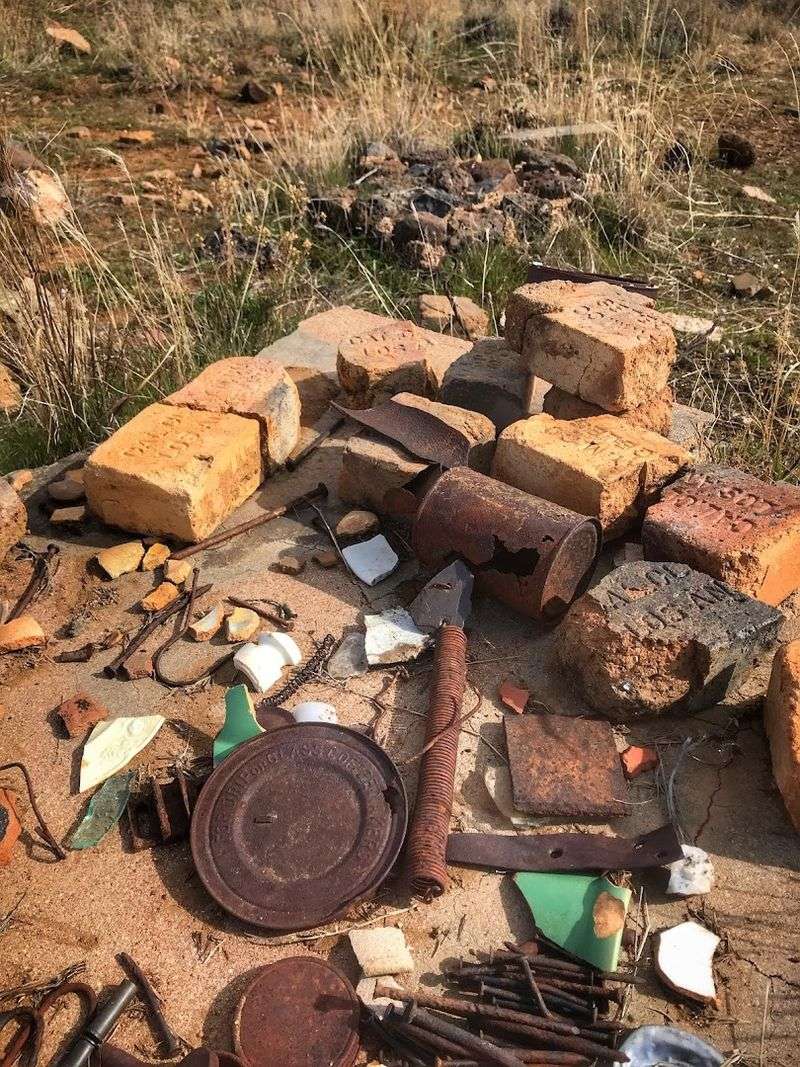
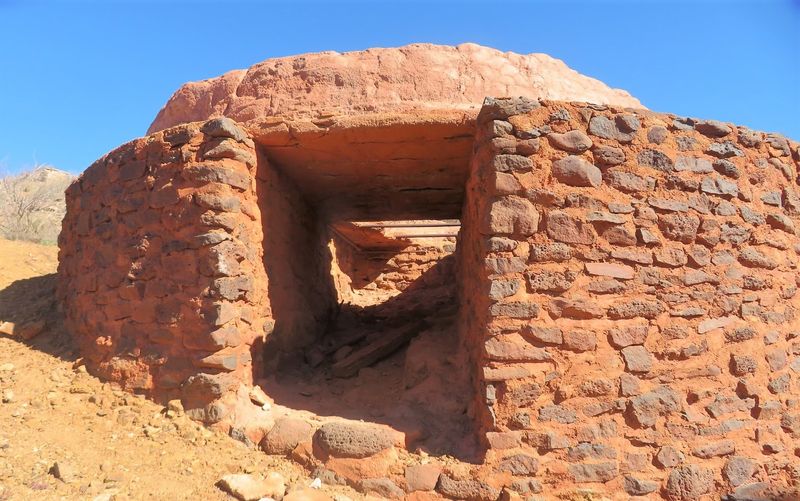
The remnants you find today include crumbling stone foundations, scattered machinery parts, and the kind of atmospheric decay that photographers absolutely love. Every rusted bolt tells part of a story.
What strikes you first is the scale. This was not a one-man operation.
There were structures here, equipment, and enough activity to justify a whole community forming around it.
Standing in the middle of it now, surrounded by desert quiet, feels genuinely surreal.
The site sits within the Bradshaw Mountains area, which has a long history of mining activity going back to the mid-1800s.
Richinbar was part of that broader rush for mineral wealth that shaped so much of early Arizona. You are not just looking at ruins.
You are standing inside a chapter of the state’s actual history, and that context makes every crumbling wall more interesting.
What To Expect From The Terrain
The trail does not baby you. That is not a complaint.
That is actually the whole point.
Expect uneven footing, stretches of exposed rock, and sections where the path narrows enough that you have to pick your line carefully.
Trekking poles are genuinely useful here, especially on the return trip when tired legs make loose rocks feel even more unpredictable.
The elevation gain is noticeable but not brutal. You are climbing through desert foothills, so the views open up gradually and reward the effort without requiring technical climbing skills.
Most moderately fit hikers can handle this without drama.
Wildlife sightings are common in this area. Mule deer, coyotes, and a wide variety of desert birds call this corridor home.
Rattlesnakes are also part of the local ecosystem, so staying on the trail and watching where you step is just smart behavior.
The Sonoran Desert is alive in ways that catch you off guard if you are used to urban hiking trails.
Carry at least two liters of water per person, wear sun protection, and start before 8 AM if you are hiking between April and October. The terrain rewards preparation and punishes shortcuts.
The History Behind The Mine
Arizona’s mining history is wild, and Richinbar is one of the more colorful footnotes in that story.
The Bradshaw Mountains around Black Canyon City were part of a broader mineral rush that brought prospectors scrambling into central Arizona starting in the late 19th century.
Gold and silver were the main draws in this region. Operations like Richinbar sprang up quickly, attracted workers, and built rough infrastructure in remarkably short time.
The problem with boom operations is that they go bust just as fast. When the ore played out or prices dropped, people simply left.
What they left behind is what you get to explore today. The ruins are not maintained as a formal historic site, which means the experience feels raw and authentic rather than curated.
You are genuinely poking around history without a velvet rope in sight.
Arizona’s mining legacy shaped everything from its economy to its geography, and places like Richinbar are living proof of how intense that era was.
Reading about it in a textbook is one thing. Touching a rusted gear from an operation that has not run in over a century is something else entirely.
That tactile connection to the past is what makes this hike genuinely memorable.
Photography Opportunities Along The Trail
Bring your camera. Bring your phone.
Bring whatever captures images, because this trail is relentlessly photogenic in a way that feels completely unposed.
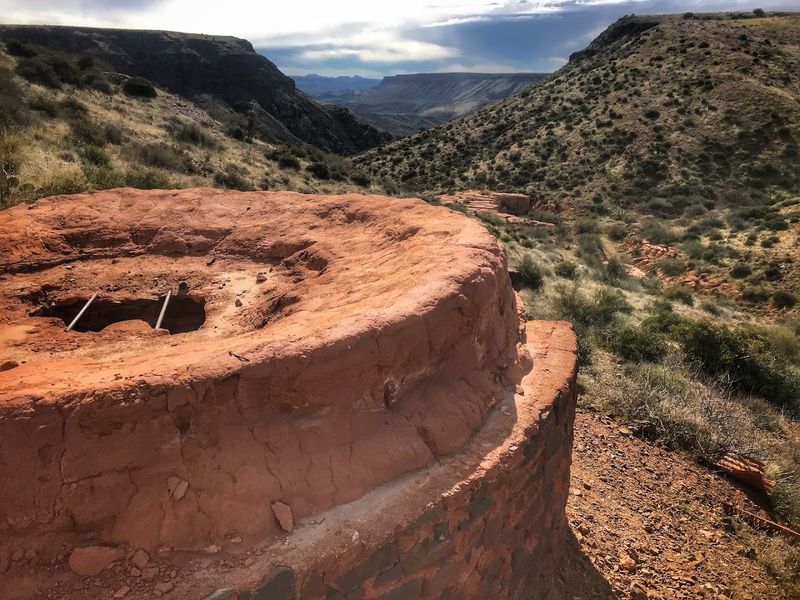
The combination of weathered industrial ruins against classic Sonoran Desert scenery is genuinely striking. Rust against red rock, crumbling concrete against blue sky, old metal frames silhouetted at golden hour.
Every composition writes itself if you show up at the right time of day.
Early morning light hits the ruins with a warmth that makes everything glow. Late afternoon creates long shadows that add drama to the machinery remnants and stone walls.
Midday is honestly the worst time for photography here, which is another good reason to start your hike early.
Wide angle shots capture the scale of the site and its desert surroundings beautifully. Macro shots of rusted bolts, cracked concrete, and weathered wood tell an equally compelling story up close.
You do not need professional gear to come home with images worth sharing.
The trail itself offers great landscape shots even before you reach the mine. The Bradshaw foothills provide a dramatic backdrop, and the desert flora along the way gives you plenty of natural framing opportunities.
This hike doubles as a serious photography excursion.
Best Time To Visit And Seasonal Tips
Timing an Arizona hike is basically an art form, and getting it wrong turns a great adventure into an endurance test you did not sign up for.
The best window for this hike is October through April. During these months, temperatures are manageable and the desert light has a quality that makes everything look better.
Spring brings occasional wildflower blooms along the trail that add unexpected color to the landscape.
Summer is not impossible, but it demands extreme caution.
Temperatures in the Black Canyon City area regularly exceed 100 degrees Fahrenheit between June and September. If you go in summer, a pre-dawn start is non-negotiable, and you should be back at your car before 10 AM.
Winter mornings can be cold enough to require a light jacket at the start of the hike, but temperatures usually climb into comfortable territory by midday.
The lower crowds in winter are a bonus that makes the ghost town feel even more atmospheric.
Check weather forecasts before every desert hike. Flash flood risk in Arizona is real and fast-moving storms can change conditions quickly.
The trail near Richinbar passes through drainage areas that can become dangerous with little warning during monsoon season, which runs roughly July through September.
Why This Hike Stays With You
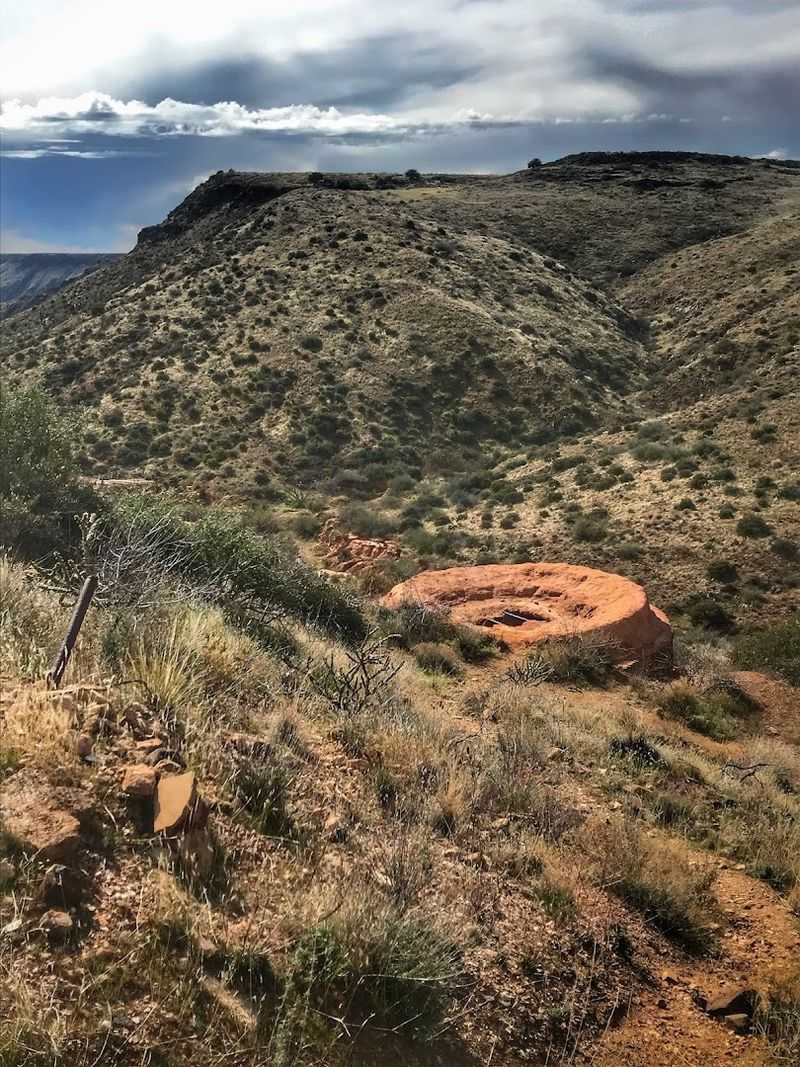
Most hikes give you tired legs and a nice view. This one gives you something harder to shake.
There is a specific feeling that comes from standing inside a place that was once full of noise and purpose and is now completely still. Richinbar delivers that feeling without effort.
The silence there is not empty.
It is layered with everything that used to happen in that spot.
The combination of physical effort, historical context, and genuine discovery makes this trail more rewarding than its moderate difficulty level would suggest. You earn the ruins.
That matters.
A ghost town you drive to feels different from one you hike to, and the Richinbar experience benefits enormously from that earned approach.
People who visit once tend to come back, sometimes to show someone else, sometimes just to stand in that silence again. The trail near Black Canyon City is not famous.
It does not have a massive social media following or a gift shop at the end. What it has is authenticity, and in a world full of curated experiences, that is genuinely rare.
Go before it gets discovered. Or go after.
Either way, go. You will understand the moment you get there.