This Arizona Restaurant Has Been Serving The Same Family Recipes For A Century
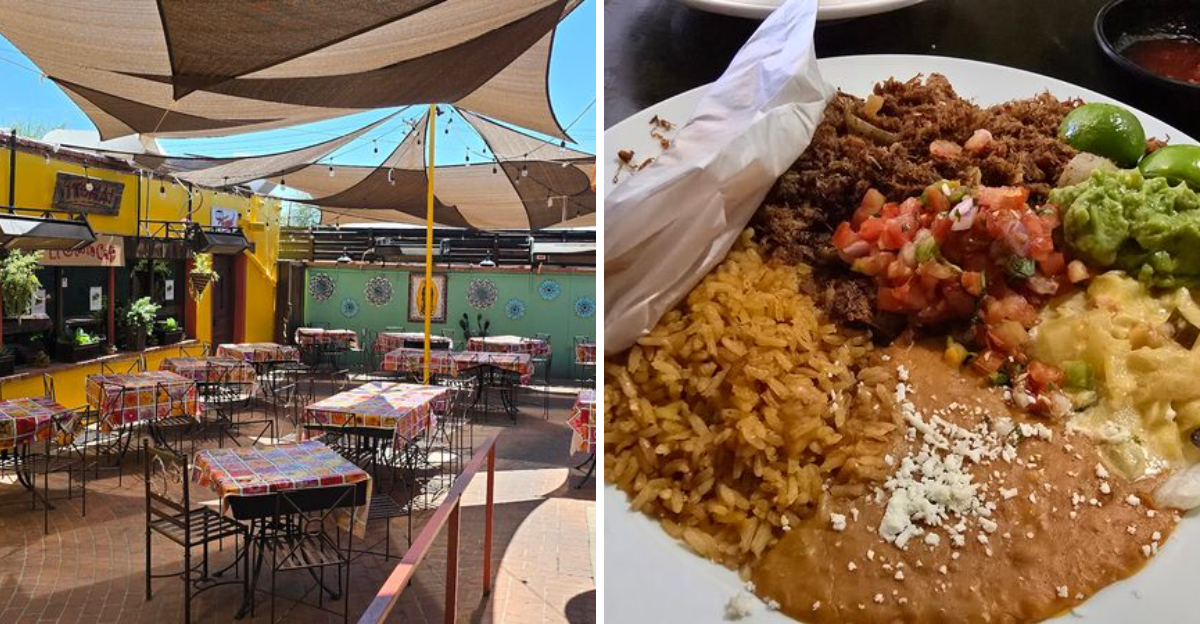
Think about how much has changed in a hundred years. Now think about a restaurant that has stayed gloriously the same.
This Arizona spot has been serving the same family recipes for an entire century. That is not a typo.
I am talking about dishes passed down through generations, made the exact same way great grandma intended.
No trendy reinventions, no fancy foam on top. Just honest, time-tested food that has outlasted every passing fad.
Families have been celebrating birthdays and anniversaries here for decades.
The recipes work because they have already won over thousands of people. There is something deeply comforting about eating food with that much history.
Every bite connects you to all the diners who came before. This place proves that some things are simply worth keeping.
So come hungry and taste a little piece of Arizona history. A hundred years of practice tastes pretty incredible.
A Century Of Flavor
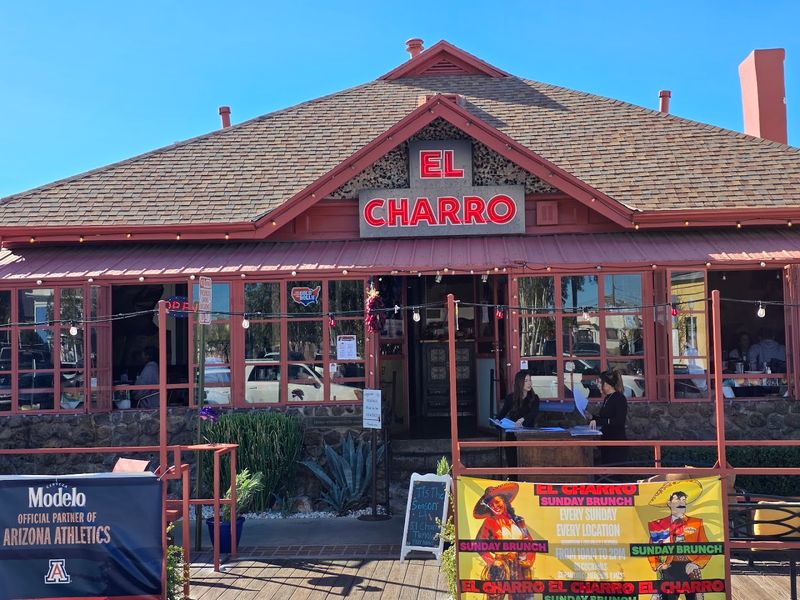
El Charro Cafe is not just a restaurant. It is a living, breathing piece of Arizona food history that has been feeding people since 1922.
Walking up to the building, you notice the thick adobe walls and the sense that this place has seen things. The architecture alone tells a story before the food even arrives.
Founded by Monica Flin, El Charro holds the title of the oldest family-operated Mexican restaurant in the United States. That is not a marketing claim.
That is a verified, documented fact that food historians actually talk about.
The original family recipes have been passed down through four generations without major alterations. The commitment to consistency is almost stubborn, and honestly, that stubbornness is the whole point.
Sitting inside feels different from most restaurants. The walls carry old photographs, and the room hums with conversation from locals and visitors alike.
It earns its reputation every single service.
The Legend Of The Carne Seca
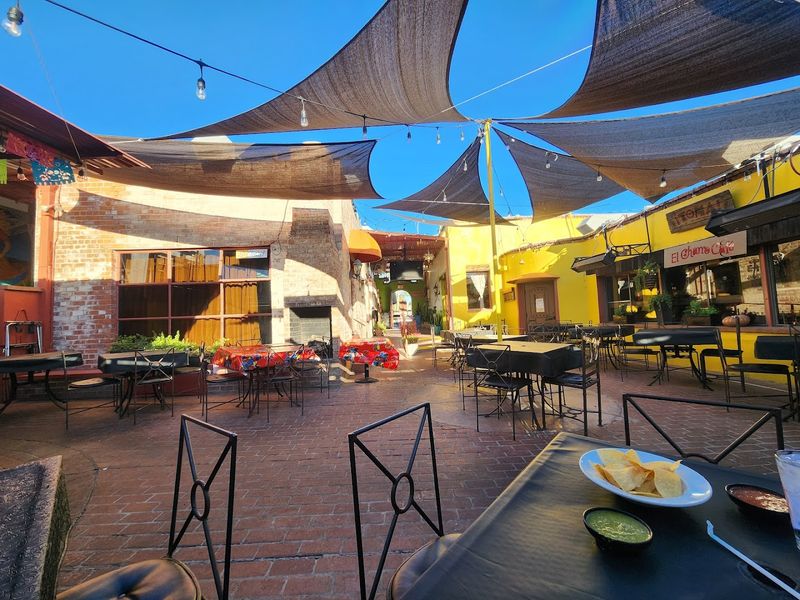
If you have never had carne seca, prepare yourself for a genuine revelation.
El Charro at 311 N Court Ave, Tucson, Arizona, claims credit for inventing this dish, and one taste makes that claim feel completely reasonable.
Carne seca is beef that gets marinated, then dried on the rooftop in the Arizona sun before being shredded and cooked with chiles, tomatoes, and onions. The sun does real work here.
It is not a gimmick.
The flavor is concentrated and slightly smoky, with a chew that feels intentional rather than tough. Every bite carries a depth that slow-cooked shortcut versions simply cannot replicate.
Monica Flin reportedly developed this technique out of practical necessity, using what she had and the climate around her.
Resourcefulness became a signature dish, which is a pretty remarkable origin story.
Order it in a burro, a chimichanga, or straight on a plate. Any version holds up.
The carne seca is the dish people drive across state lines to eat, and after one order, that makes complete sense.
The Chimichanga Controversy Worth Having
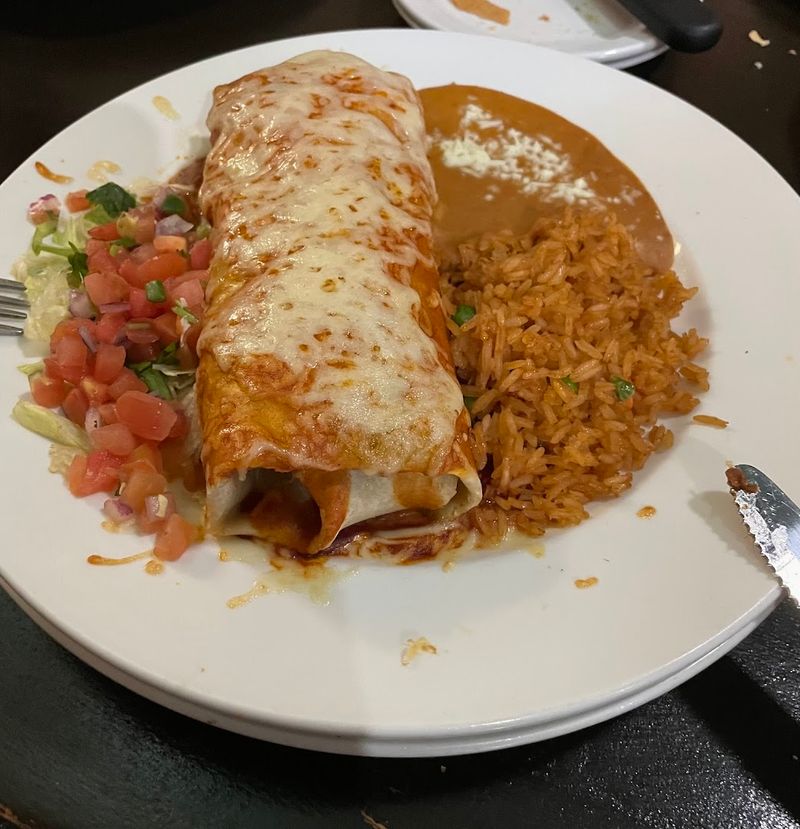
Few food debates in Arizona get as passionate as the chimichanga origin story. El Charro is right in the middle of that conversation, and they are not shy about it.
The legend goes that Monica Flin accidentally dropped a burro into a deep fryer sometime in the 1920s. Instead of a curse word, she swapped in a family-friendly substitute, and chimichanga was born.
Whether every detail is perfectly accurate, the story is genuinely fun.
What matters more is how the chimichanga tastes here. The shell crisps up with the right amount of resistance.
The inside stays moist and full of flavor. It does not collapse or turn greasy.
El Charro serves theirs with toppings that complement rather than bury the main event. The guacamole is made fresh and has real texture.
The sour cream does not feel like an afterthought.
Chimichangas have become a generic menu item across the country, but eating one here is a reminder of what the dish was actually supposed to be. Context and quality together make a real difference.
Four Generations Of Family Ownership
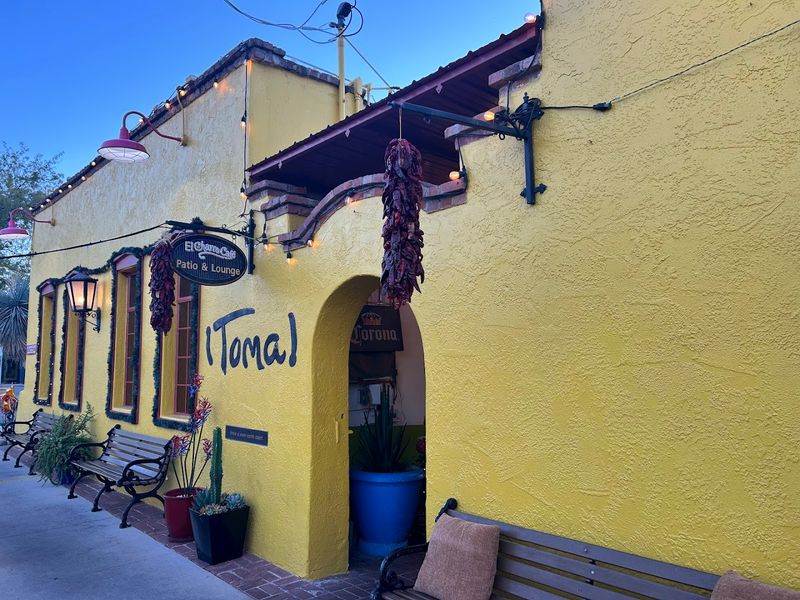
Running a restaurant for one generation is hard. Running the same restaurant for four generations without losing the original spirit is something else entirely.
El Charro has stayed within the Flin family lineage since Monica opened it in 1922. Each generation has made choices that kept the food honest rather than chasing trends.
That kind of restraint is genuinely rare in the restaurant industry.
Current family members still show up, still care about quality, and still treat the recipes like they belong to everyone who walks through the door. The connection between the people and the food is something you can actually feel.
Family restaurants often talk about legacy. El Charro demonstrates it through consistency.
The green corn tamales taste the way they tasted decades ago because someone decided that changing them would be a mistake.
There is a warmth in knowing that the person who perfected a recipe cared deeply about it, and that care got passed forward deliberately.
Eating here feels like being let in on something that was never meant to be kept secret, just protected.
The Adobe Building That Has Seen Everything
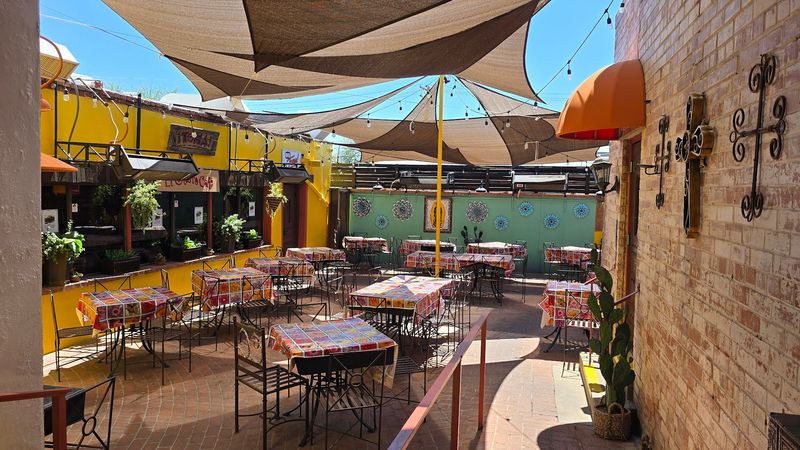
The building at 311 N Court Ave is not just old. It is architecturally significant, constructed from adobe in a style that reflects Tucson’s deep roots in Sonoran Desert culture.
Adobe construction keeps interiors cool during brutal Arizona summers without relying entirely on mechanical systems.
The walls are thick, the ceilings are sturdy, and the whole structure feels grounded in a way that modern buildings rarely manage.
Eating inside during a summer afternoon, you notice the temperature difference immediately. The room breathes differently.
It is the kind of detail that connects the physical space to the history of the place in a way that feels completely unforced.
The building has been listed on local historic registers, recognizing its cultural and architectural importance to Tucson.
Preservation efforts have kept the original character intact without turning it into a museum piece.
Restaurants open and close constantly in every city. Buildings like this one anchor a neighborhood to its past in a way that new construction simply cannot replicate.
Sitting inside El Charro, you are eating in a place that has genuinely earned its walls.
The Dish People Plan Trips Around
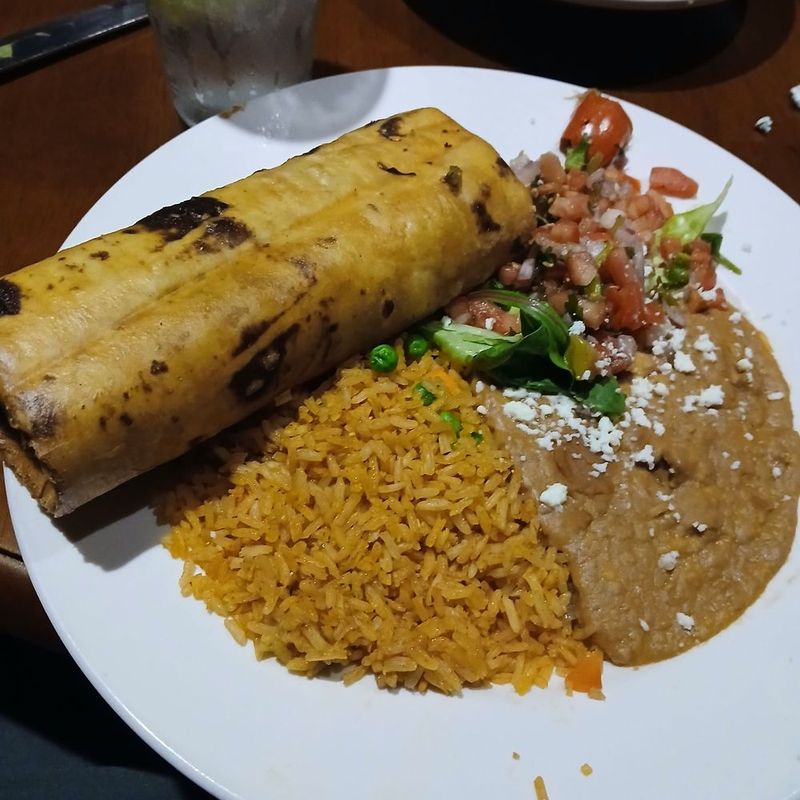
Tamale season at El Charro is a real event. Green corn tamales appear when fresh corn is available, and regulars know to show up early and order generously.
The filling uses masa made from fresh green corn, which gives it a slightly sweet, earthy flavor that dried masa simply cannot produce. The texture is softer and more delicate, almost custardy in the best possible way.
Green corn tamales are a Sonoran specialty, and El Charro treats them with the respect that tradition demands. No shortcuts, no approximations.
The process takes time, and the result is obvious in every bite.
People who grew up eating these have strong feelings about them. People who try them for the first time tend to order a second round before finishing the first.
That is a reliable pattern, not an exaggeration.
The tamales arrive wrapped in corn husks, steamed to the right temperature, and served simply. There is no need for elaborate presentation when the food itself communicates this clearly.
A plate of green corn tamales from El Charro is a complete argument for why some recipes should never be updated.
What A Century Of Community Really Looks Like
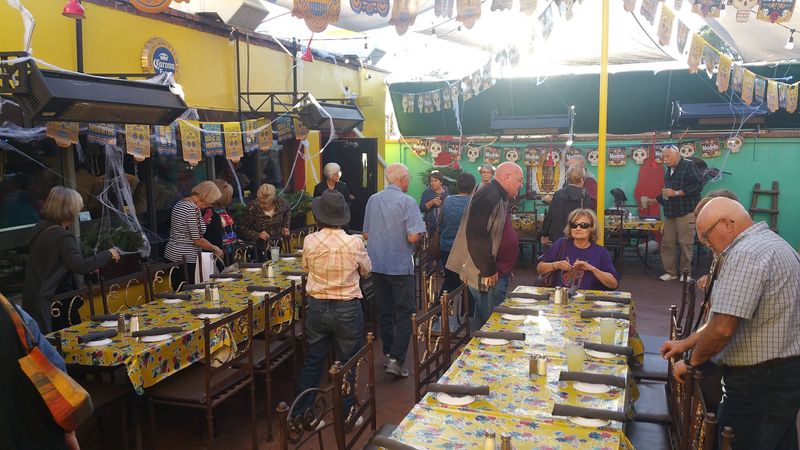
A restaurant that survives one hundred years does not do it on food alone. El Charro has become part of the social fabric of Tucson in ways that go beyond the menu.
Locals have celebrated birthdays here, brought out-of-town family here, and returned after years away just to confirm that the food still tastes right.
That kind of loyalty is earned through consistency and care, not through marketing campaigns.
The dining room on a busy afternoon has a particular energy. Tables fill up with a mix of longtime regulars and first-timers, and somehow the atmosphere serves both groups equally well.
The staff knows the menu deeply and talks about it with genuine enthusiasm.
Tucson has changed dramatically since 1922. The city has grown, neighborhoods have shifted, and countless restaurants have opened and closed.
El Charro has stayed, adapted just enough to remain relevant, and held its ground without becoming something unrecognizable.
Community is built through repeated presence. El Charro has shown up for Tucson through every decade, every generation, and every changing food trend.
That kind of staying power says something real about what the restaurant means to the people who live there.
Why This Place Deserves A Spot On Your Radar
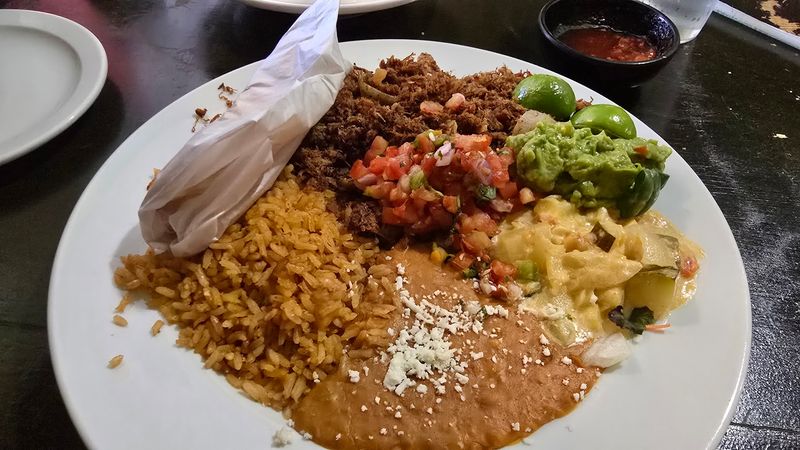
Not every restaurant with a long history is worth your time. El Charro earns the attention because the food genuinely delivers, not because the story is compelling on its own.
The menu is focused without being limited. You can find familiar Mexican-American dishes alongside Sonoran specialties that you will not encounter anywhere else with the same level of care.
The kitchen clearly knows what it is doing and why.
Prices are reasonable for the quality and the portion sizes. This is not a spot that charges extra for history.
The value is built into the plate, which is exactly how it should work.
Showing up hungry and curious is the right approach. Reservations during peak hours are a smart move.
El Charro Cafe represents something that the food world talks about constantly but rarely produces: a restaurant that actually got better at being itself over time.
One hundred years of the same family, the same recipes, and the same commitment to feeding people well. That is worth a stop, a meal, and probably a return visit.