This Beautiful California State Park Has So Much To Do That One Visit Is Never Enough
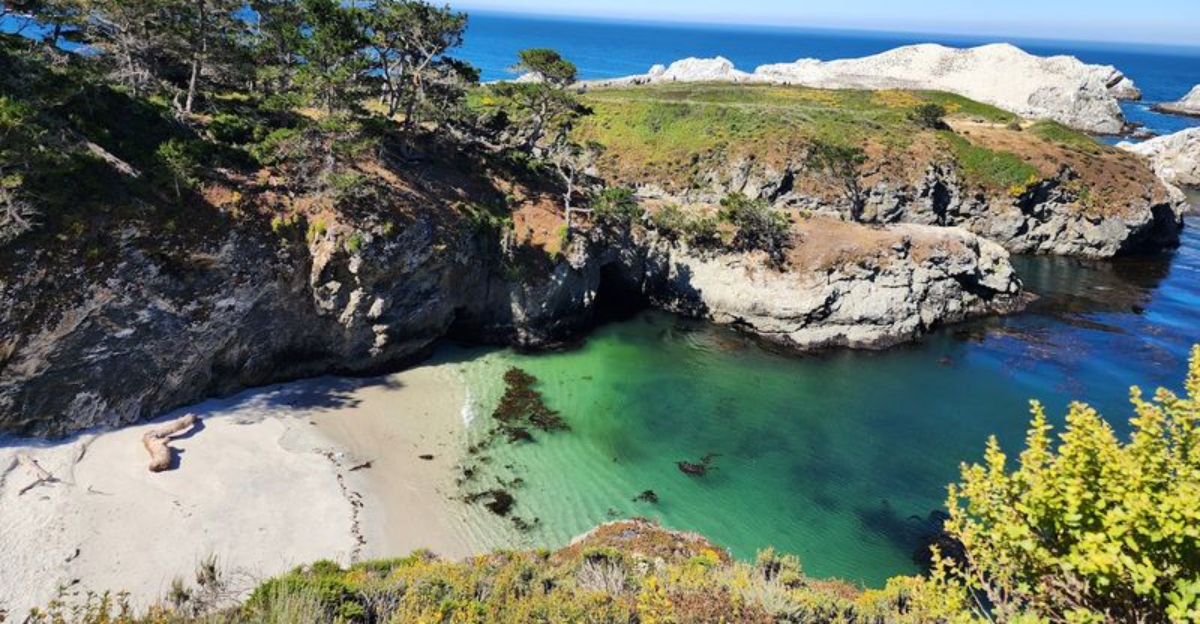
The plan feels simple at first. A quick stop, a short walk, maybe a few photos before moving on to the next place along the coast. Then the landscape opens up and everything shifts.
Cliffs drop sharply into deep blue water, waves crash against rock in a steady rhythm, and narrow trails start pulling you in different directions all at once.
One path leads to a quiet cove, another to windswept viewpoints, and suddenly the idea of sticking to a plan doesn’t make much sense anymore.
Along the rugged central coast of California, moments like this tend to arrive without much warning.
Time starts to stretch without much effort. A short walk turns into a longer loop, one overlook leads to another, and the details begin to stand out more with every step.
Sea lions echo from below, trees twist into shapes that feel almost unreal, and the coastline keeps revealing something new just when it seems like you’ve seen it all.
California’s coastline has a way of making every turn feel worth slowing down for.
Leaving feels like an interruption. Plans shift, expectations reset, and it becomes clear why people start thinking about coming back long before they actually leave.
One Of The Richest Underwater Habitats In The World
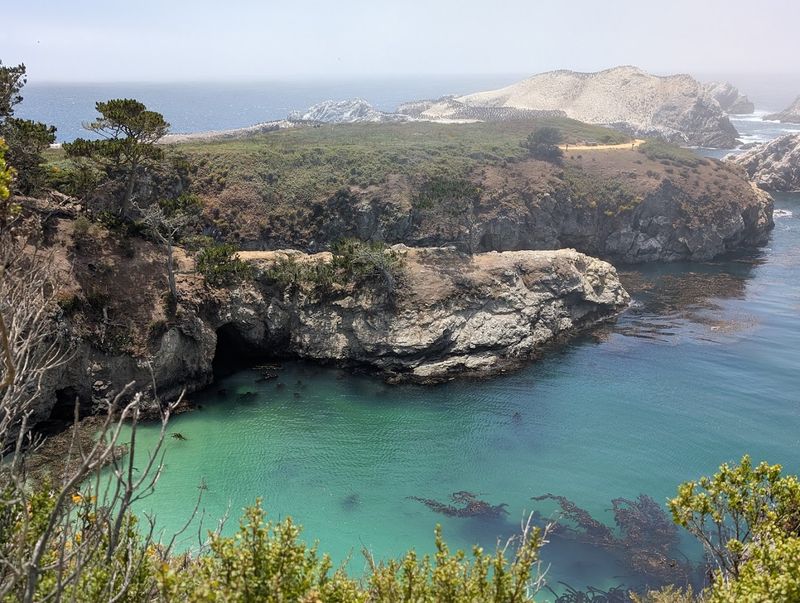
Not many state parks can claim that their offshore waters rank among the richest underwater habitats on the planet, but Point Lobos holds that distinction with full confidence.
The kelp forests and rocky reefs just below the surface support a staggering variety of marine life, from brightly colored nudibranchs to large schools of fish that move in synchronized waves through the cold Pacific water.
Snorkelers and scuba divers who explore these waters often describe the experience as otherworldly, with visibility that allows them to spot details dozens of feet away.
The density of sea life packed into a relatively compact offshore area is what makes this reserve so scientifically valuable and visually stunning at the same time.
Even visitors who never enter the water can catch glimpses of this underwater world from the clifftops on clear days when sunlight penetrates the surface.
The turquoise and deep blue hues of the coves hint at the thriving ecosystem just beneath.
Protecting this habitat is a core reason why the reserve maintains strict regulations about what visitors can and cannot do near the water.
A Living Home For Seals, Sea Lions, Otters, And Whales
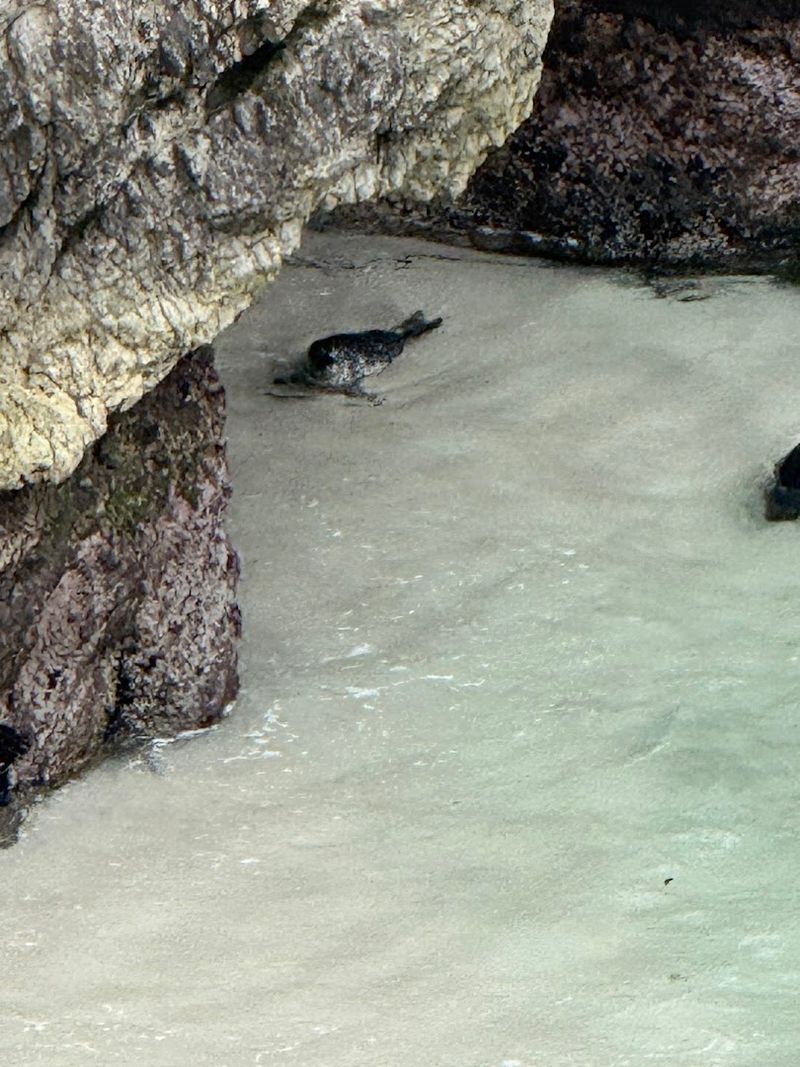
Few places along the California coast offer such reliable and up-close wildlife encounters as the reserve does throughout the year.
Harbor seals haul out on rocky ledges near the coves, barely reacting to the presence of quiet observers standing a respectful distance away on the trail above.
Sea lions bark and jostle for space on sun-warmed rocks while sea otters drift lazily on their backs in the sheltered water below.
Gray whales pass through on their annual migration between December and May, making winter and early spring visits especially rewarding for anyone scanning the horizon with binoculars.
The blows and breaches of these massive animals can sometimes be spotted directly from the coastal trails without any special equipment.
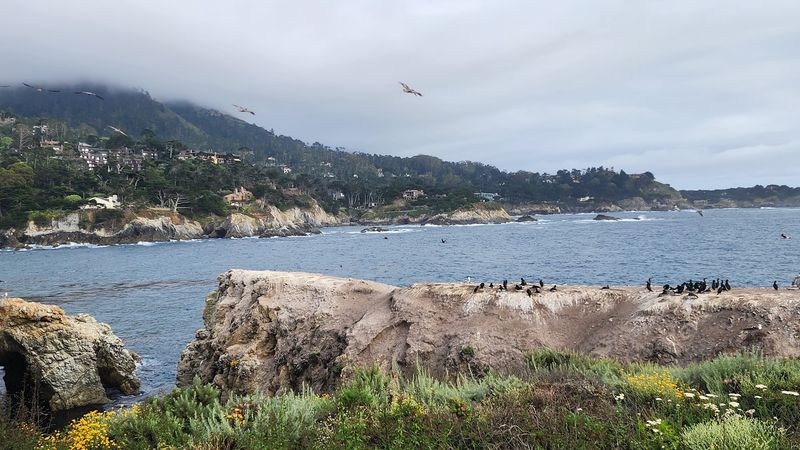
Thousands of seabirds also nest and feed throughout the reserve, adding constant movement and sound to the landscape.
Brandt’s cormorants, western gulls, and pigeon guillemots are among the species that make the reserve their home.
Keeping a respectful distance from all wildlife is not just a rule here but a genuine act of care for animals that depend on this protected space to thrive.
The Native Home Of The Monterey Cypress Tree
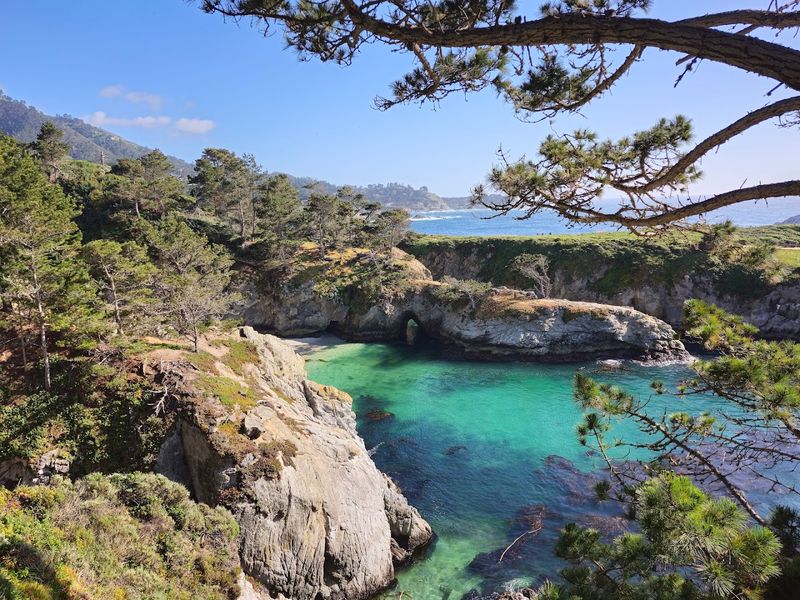
There are only two places on Earth where the Monterey cypress grows naturally, and Point Lobos is one of them.
The other is nearby Cypress Point on the Monterey Peninsula, making this stretch of California coastline uniquely significant in the botanical world.
Seeing these trees in their native habitat feels completely different from encountering them in parks or gardens elsewhere.
Shaped by decades of coastal wind and salt air, the Monterey cypress at Point Lobos twists into dramatic, sculptural forms that look almost like something out of a fantasy novel.
The bark is deeply furrowed and the branches spread wide and low, creating canopies that filter the afternoon light into shifting, golden patterns on the ground below.
Staying on the marked trails near cypress groves helps protect the shallow root systems of these trees, which are more vulnerable than they appear.
Docents stationed throughout the reserve are often happy to share details about the ecology and history of these remarkable trees with curious visitors.
The Allen Memorial Cypress Grove Trail offers one of the most accessible and rewarding views of these ancient specimens without requiring a strenuous hike.
Over 10 Miles Of Trails For Every Fitness Level
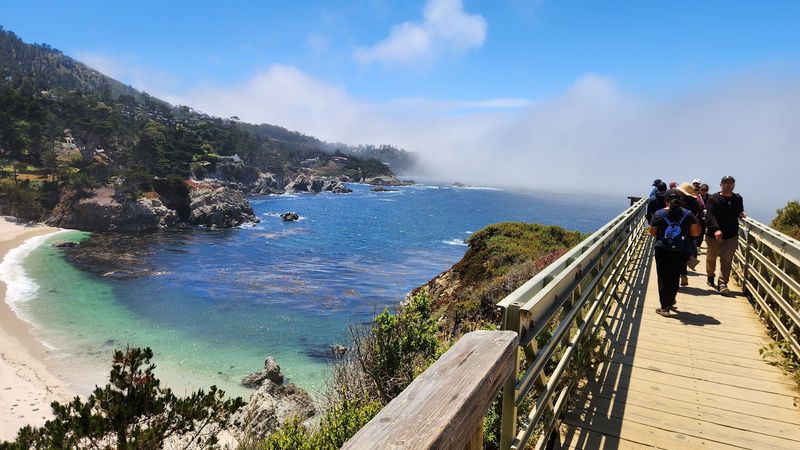
Spending a full day at the reserve without covering the same ground twice is entirely possible thanks to the interconnected trail network that stretches across more than 10 miles.
Trails range from short, flat loops that take under 30 minutes to complete, to the comprehensive 6.7-mile Point Lobos Loop that circles much of the reserve and rewards hikers with an ever-changing sequence of views.
Most trails fall into the easy to moderate category, meaning that families with children and older visitors can comfortably explore without needing specialized gear or high fitness levels.
The terrain shifts between open coastal bluffs, shaded forest paths, and rocky overlooks depending on which section of the reserve is being explored.
Arriving on a weekday morning tends to result in a much quieter experience on the trails, especially during summer and holiday weekends when the reserve fills up quickly.
Wearing layers is a practical choice since coastal fog can make mornings feel chilly even when the afternoon turns warm and sunny.
Trail maps are available at the entrance station and can also be purchased for a small fee from staff inside the reserve.
The Historic Whalers Cabin And Its Fascinating Past
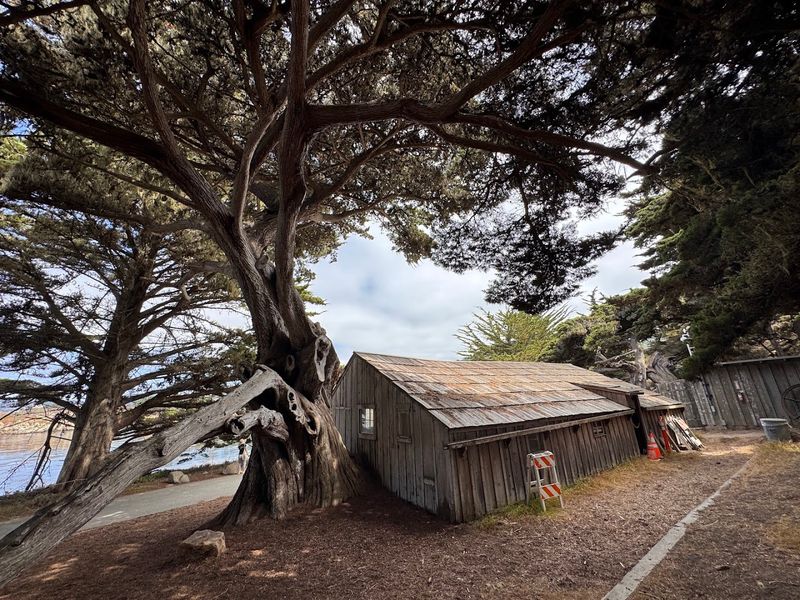
Standing near the edge of Whalers Cove is a small cabin that carries a surprisingly layered history within its weathered walls.
Built during the late 1800s, the structure served workers involved in the whaling and abalone industries that once operated along this section of the California coast.
The cabin is one of the few remaining physical reminders of a commercial era that shaped the region long before it became a protected reserve.
Today the cabin functions as a small museum where visitors can learn about the Chinese fishermen who operated abalone camps here and the Portuguese whalers who processed their catches nearby.
Artifacts, photographs, and interpretive displays inside the cabin connect the landscape outside to the human stories that unfolded across generations in this exact spot.
The short walk down to Whalers Cove from the main trail is well worth the detour even for visitors who are focused primarily on the natural scenery.
The cove itself is calm and sheltered, offering a noticeably different atmosphere from the exposed clifftop trails.
Combining a visit to the cabin with a stop at the cove gives a fuller picture of everything the reserve has to offer beyond its wildlife and geology.
A World-Class Scuba Diving Destination
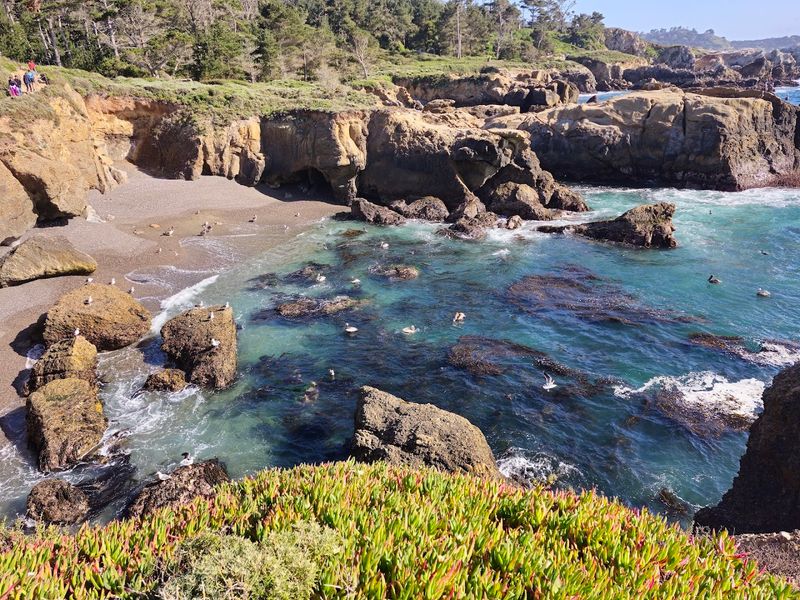
Certified scuba divers travel from considerable distances to experience the underwater environment at Point Lobos, which has earned a strong reputation in the diving community for its clarity, biodiversity, and relatively accessible entry points.
Diving is permitted only at Whalers Cove and Bluefish Cove, and permission is granted at the entrance to the reserve upon arrival.
Proof of certification is required and dive reservations must be made in advance, so planning ahead is essential for anyone hoping to get in the water.
The reservation system helps manage the number of divers in the water at any given time, which ultimately protects the marine environment and improves the experience for everyone involved.
Underwater visibility at Point Lobos tends to be excellent on calm days, revealing the towering kelp forests and the many creatures that live within them in impressive detail.
Leopard sharks, lingcod, rockfish, and an astonishing variety of invertebrates are commonly encountered during dives here.
For divers who have explored many California sites, the combination of accessible logistics and exceptional marine life at this reserve tends to stand out as genuinely memorable rather than just another coastal dive.
A Sacred Place Cherished By Indigenous People For Centuries
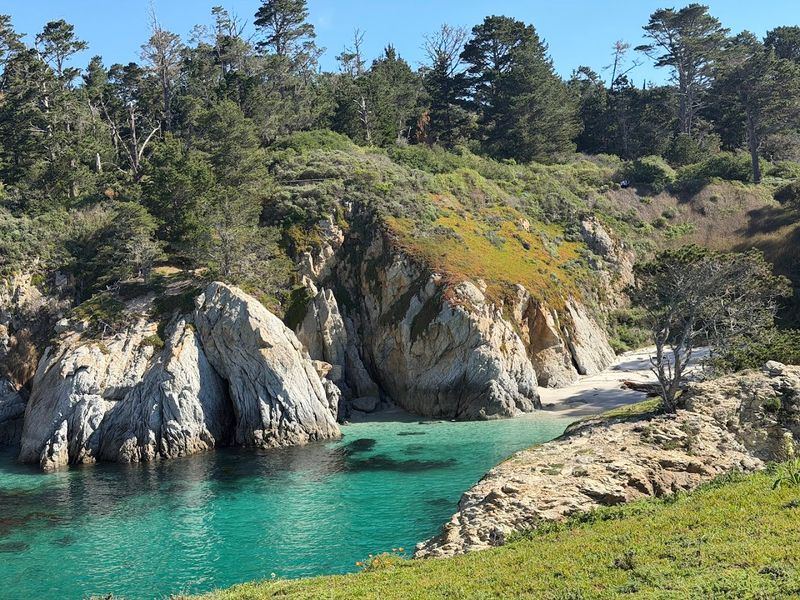
Long before the reserve had its current name or boundaries, the land was known to the Rumsen Ohlone people as Ishxenta, a place considered sacred and deeply connected to their cultural and spiritual life.
The relationship between indigenous communities and this coastline stretches back thousands of years, rooted in a deep understanding of the land, the sea, and the creatures that inhabit both.
Acknowledging this history adds a meaningful layer to any visit, turning a walk along the bluffs into something more than just a nature outing.
The California State Parks system recognizes this cultural significance and works to incorporate indigenous perspectives into the interpretive information available to visitors throughout the reserve.
Shell middens and other archaeological evidence found within the reserve boundaries speak to the sustained presence of people who understood how to live in harmony with this environment over many generations.
Treating the reserve with care and respect during a visit connects in a small but real way to that long tradition of stewardship.
Learning even a little about the indigenous history of the land before arriving tends to make the experience feel more grounded and genuinely enriching.
Marine Protected Areas That Shelter A Thriving Ecosystem
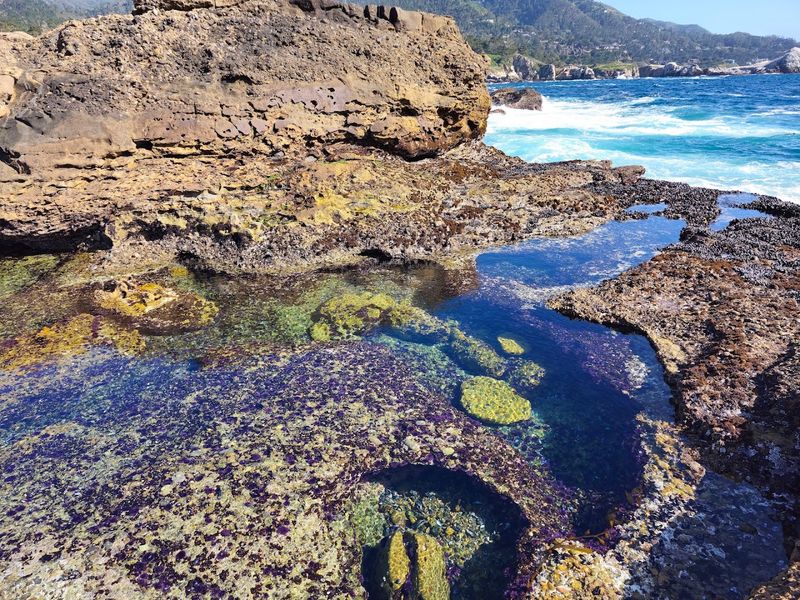
The reserve encompasses not just the land above the waterline but also two designated marine protected areas: the Point Lobos State Marine Reserve and the Point Lobos State Marine Conservation Area.
Together these offshore zones provide legal protection to a wide range of fish, invertebrates, birds, and marine mammals that depend on the nearshore habitat for feeding, breeding, and shelter.
Within the fully protected marine reserve, no take of any living or non-living marine resource is allowed, which means the ecosystem inside those boundaries has had the opportunity to recover and flourish in ways that adjacent unprotected areas often cannot.
The difference in species density and size of individual animals is noticeable to divers and researchers who compare conditions inside and outside the protected zones.
For visitors exploring the reserve from the land, the presence of these marine protections is felt indirectly through the abundance of wildlife visible from the trails and overlooks.
Healthy offshore ecosystems support the sea otters, seabirds, and marine mammals that make visits here so rewarding.
Supporting these protections by following all park rules around wildlife disturbance and water access is one of the most practical ways visitors contribute to keeping the reserve thriving.
80 Million Years Of Geological History Written In The Rocks
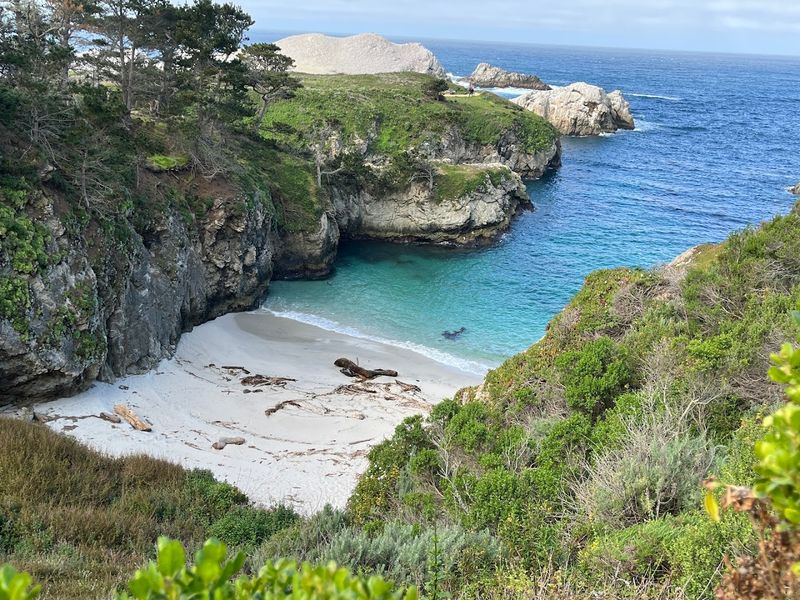
The rocks at Point Lobos are not just scenic backdrops; they are a tangible record of geological processes that span the last 80 million years.
The oldest formations date back to the Cretaceous Period, making them contemporaries of the dinosaurs in geological terms.
Walking along the coastal trails here means passing through an open-air geology museum where each rock formation tells a different chapter of Earth’s history.
Granitic rocks, ancient sea floor sediments, and more recent volcanic intrusions all appear within the reserve, sometimes layered together in ways that geologists find particularly interesting.
The dramatic erosion patterns visible along the cliffs and coves are the result of millions of years of wave action, tectonic movement, and chemical weathering working together on these ancient materials.
Visitors with even a casual interest in geology tend to find that the landscape takes on a new level of fascination once they understand what they are looking at.
Interpretive signs along several trails offer basic explanations of the geological features visible from those points.
The reserve’s geology page on the California State Parks website and related educational resources provide more detailed background for anyone who wants to explore this dimension of the reserve more deeply before or after a visit.
A Legendary Spot For Photographers And Artists
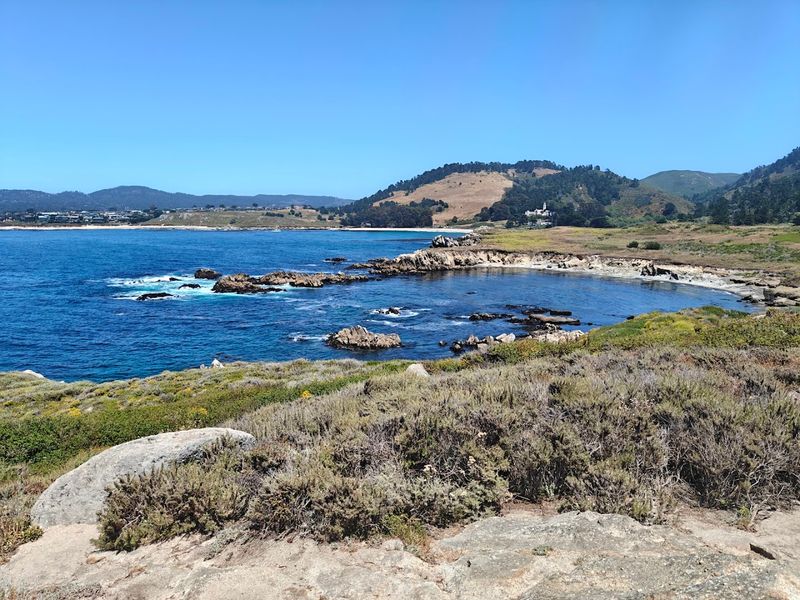
Ansel Adams and Edward Weston both spent significant time at Point Lobos, drawn by a landscape that seemed to offer a perfect photograph in every direction.
The combination of dramatic light, textured rocks, ancient trees, and constantly moving water creates conditions that professional photographers and casual visitors with smartphones find equally compelling.
The quality of natural light at the reserve shifts noticeably throughout the day.
Morning fog softens the coastline into layers of grey and silver, while midday sun brings out the vivid greens of the cypress and the brilliant turquoise of the coves.
Late afternoon light rakes across the rocky surfaces at low angles, casting long shadows and revealing textures that are invisible at other times of day.
Painters, sketchers, and plein air artists are a regular presence at the reserve, often setting up near the more sheltered overlooks where they can work without wind interference.
The reserve has also appeared in films and served as a backdrop for commercial photography over the decades.
Coming prepared with extra memory cards or a fully charged phone battery is a practical tip that many first-time visitors wish someone had mentioned to them before they arrived.
Educational Programs And Wildlife Sanctuary
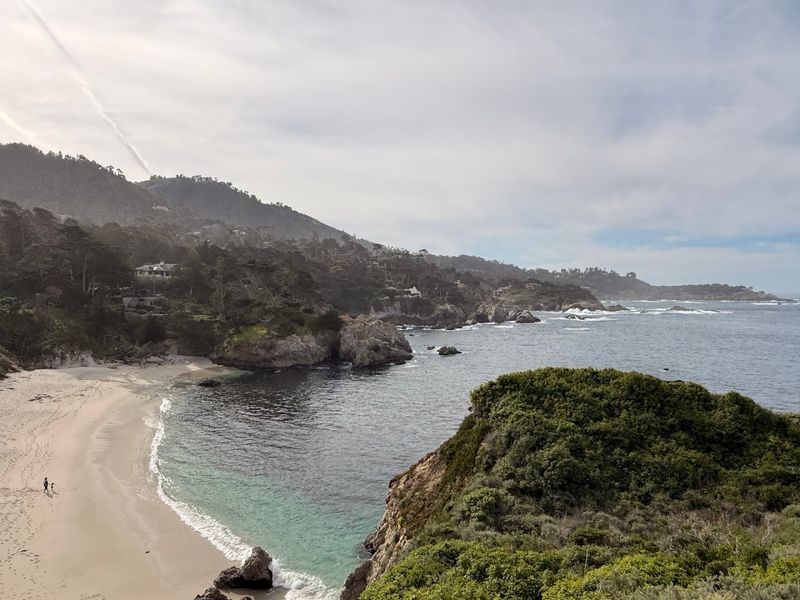
The Ventana Wildlife Society operates within the reserve and brings a focused educational mission to the visitor experience that goes beyond what most state parks offer.
Known primarily for its California condor recovery work in the Big Sur region, the organization also provides wildlife sanctuary services and educational programming that connects visitors to the broader conservation story of the central California coast.
Docents and volunteers affiliated with educational programs at the reserve are a consistent presence on the trails and at information stations throughout the property.
Conversations with these knowledgeable volunteers often turn into unexpectedly engaging mini-lessons about the species, habitats, and ecological relationships that make the reserve function as a healthy ecosystem.
Families with children tend to find that having access to knowledgeable guides transforms a pleasant walk into something genuinely educational and memorable.
School groups visit the reserve regularly for structured programs that align with science curriculum standards, but independent visitors benefit from the same expertise simply by asking questions at the information stations.
Checking the reserve’s current programming calendar before visiting helps ensure that any special events or guided tours that might enhance the experience are not missed.
Practical Visitor Amenities That Make A Full Day Comfortable
Spending several hours at the reserve is much more enjoyable when the basic logistics are taken care of, and Point Lobos provides a solid foundation of practical amenities without feeling over-developed or out of place in its natural setting.
Picnic areas are scattered throughout the reserve, offering spots to stop for a meal with views that most restaurants could not come close to matching.
Flush restroom facilities are available at multiple locations within the reserve, which is a genuinely appreciated feature on a longer visit.
An information station near the entrance provides maps, answers to common questions, and guidance about trail conditions and wildlife activity on any given day.
Parking inside the reserve costs $12 per vehicle and $9 for seniors, and the lots fill up quickly on weekends and during summer months.
Arriving before 9 AM on busy days gives the best chance of securing a spot inside the park, though free parking is available along Highway 1 outside the entrance for those who do not mind a longer walk in.
Bringing a packed lunch from one of the nearby markets in Carmel or Monterey and settling into one of the picnic areas for a midday break tends to be one of the most satisfying parts of a full-day visit.
Essential Visitor Guidelines That Keep The Reserve Healthy
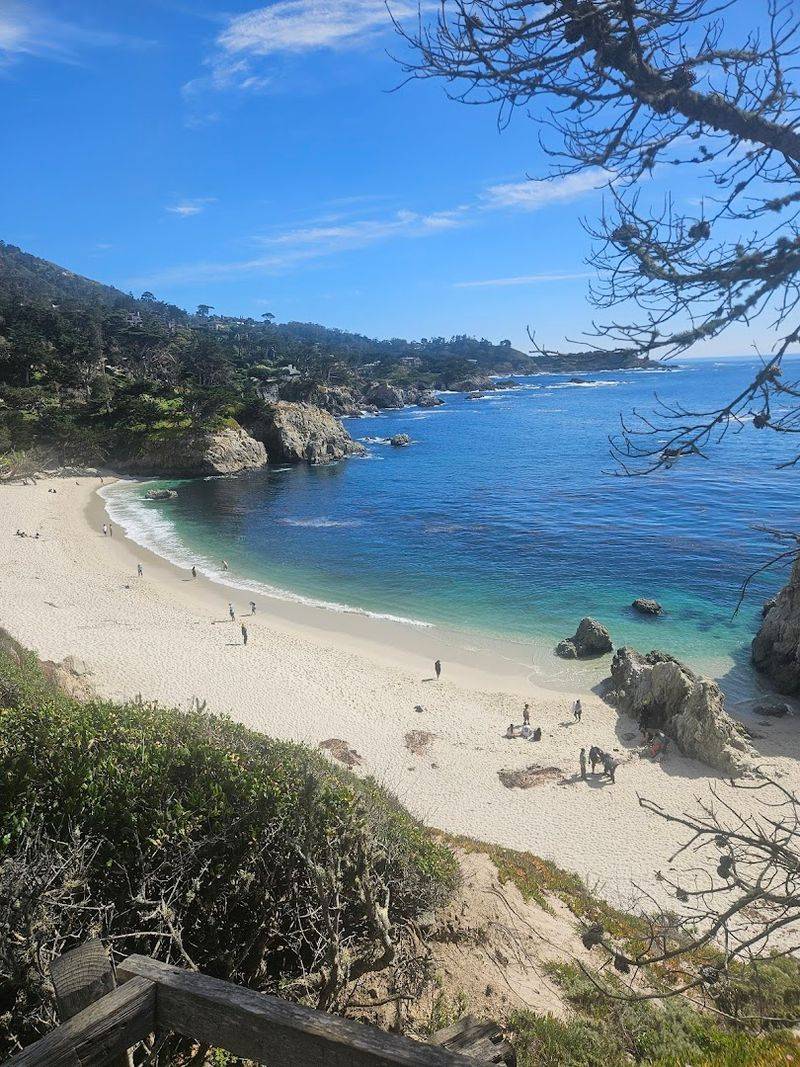
Preserving a place as rich and sensitive as Point Lobos requires a clear set of guidelines that visitors are expected to follow, and the rules here are designed with genuine ecological purpose rather than arbitrary restriction.
Staying on designated trails is one of the most important requirements, since the fragile coastal vegetation and wildlife nesting areas on either side of the paths are vulnerable to foot traffic in ways that are not always obvious.
Disturbing wildlife in any way is prohibited, which includes feeding animals, approaching them too closely, or making loud noises near nesting areas.
The wildlife at the reserve has adapted to the presence of quiet, respectful observers, and maintaining that dynamic is what allows for the extraordinary close encounters that visitors consistently describe as highlights of their trips.
Poison oak grows in several areas throughout the reserve and is worth learning to identify before setting out on the trails.
Rangers and docents can point out what the plant looks like, and interpretive signs along some trails also provide identification guidance.
Taking nothing from the reserve, whether rocks, shells, plants, or sand, is a firm rule that supports the ecological integrity of the land and water for every future visitor who comes after.
Tide Pools, Hidden Coves, And Coastal Features Worth Exploring Slowly
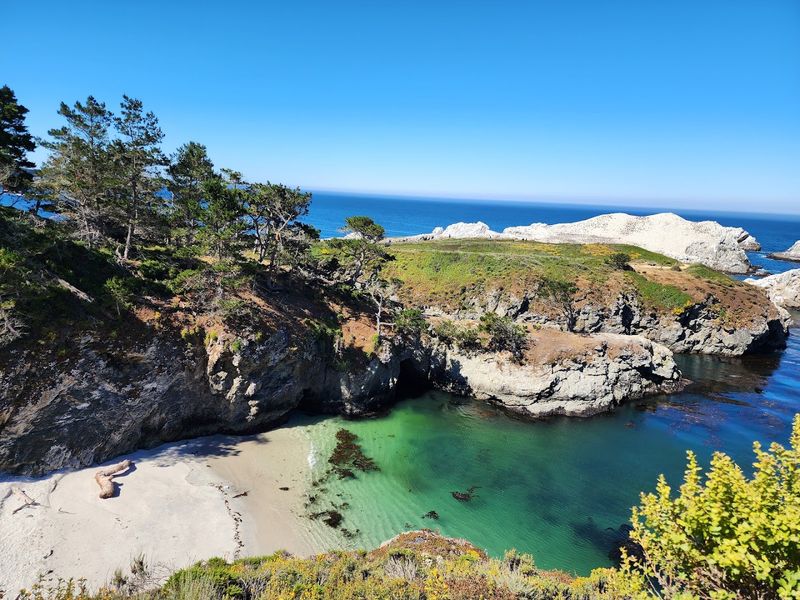
Some of the most rewarding experiences at the reserve happen at a slow pace, crouching beside a tide pool or sitting quietly at the edge of a hidden cove long enough for the wildlife to relax and go about its business.
The tide pools along the rocky shoreline hold entire miniature ecosystems of sea stars, anemones, hermit crabs, and small fish that are easy to miss when moving quickly.
Low tide is the best time to explore these areas, and checking a tide chart before visiting can make a significant difference in what is visible.
The reserve opens at 8 AM daily, and arriving early on a day with a low morning tide combines two favorable conditions into an exceptional visit.
Hidden Cove, China Cove, and Gibson Beach are among the smaller, less-trafficked spots within the reserve that reward visitors who take the time to explore beyond the main overlooks.
The sound of waves echoing off granite walls in a sheltered cove, combined with the sight of sea otters floating just offshore, creates the kind of sensory experience that is genuinely difficult to replicate anywhere else.
Spending time in these quieter corners of the reserve is part of what makes returning feel not just appealing but almost inevitable.