This Beloved Mountain Town Was Named The Poorest City In North Carolina
The headline sounds poor. The context is much richer.
High in the North Carolina mountains, one famous college town landed at the top of a 2026 ranking nobody exactly wants to win.
On paper, the numbers look rough enough to make your wallet wince.
Then you notice who actually lives there.
A huge student population can pull income statistics downward and make a lively mountain community look much poorer than everyday life suggests.
Suddenly, the ranking needs more than pocket change worth of explanation.
Boone may be cash-poor by one measure, but the story behind those figures is anything but simple.
Consider this a reminder that statistics sometimes arrive with very expensive fine print.
The No. 1 Ranking Sounds Shocking Until You Look At Who Lives Here
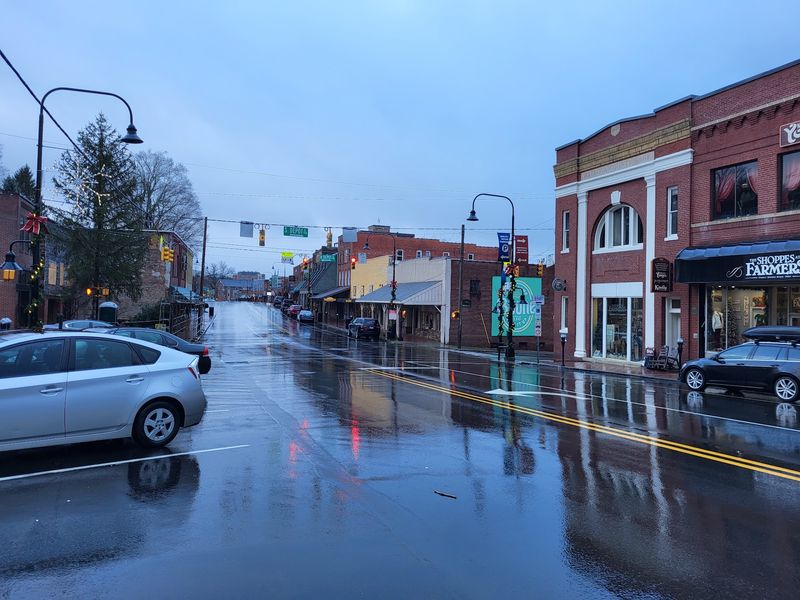
By October, this mountain town falls into an easy rhythm, with cool mornings turning into long, lively days that seem to stretch well past sunset.
That lively scene hardly matches the idea of a struggling city.
Yet the 2026 HomeSnacks list put Boone in the top spot for poverty and income measures among cities with more than 5,000 residents.
The ranking uses 2020 to 2024 American Community Survey estimates, which apply current-residence rules to people living in regular housing.
In Boone, a big share of those people are young adults attending classes, working part-time jobs, and living on tight student budgets.
Anyone curious to see the town for themselves can set a map for Boone, North Carolina, USA.
Knowing who lives here changes everything.
For poverty statistics, off-campus students living in regular housing can be included, while students living in college dormitories are excluded from the poverty universe.
King Street’s busy visitor scene does not disprove the poverty data.
Tourism activity and household income describe different parts of Boone’s economy.
More Than Half Of Residents Fall Below The Census Poverty Line On Paper
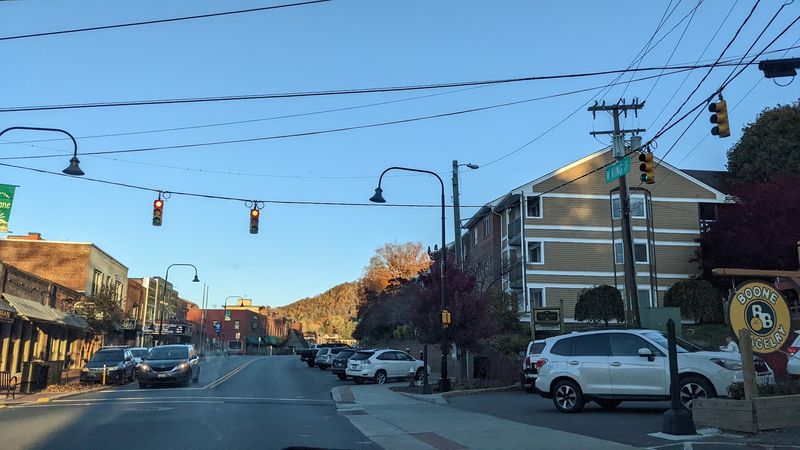
Numbers can hit hard when you first read them.
Census data for 2020 to 2024 show a poverty rate of 51.2 percent in Boone, which works out to roughly 7,043 people out of about 13,800 whose poverty status was measured.
That rate sits far above the national average, and it grabbed headlines fast.
Still, the way Boone gets measured matters a great deal.
The Census Bureau compares pre-tax money income with poverty thresholds, excluding noncash benefits such as SNAP and housing subsidies while including reported cash assistance from outside the household. Here comes the telling detail.
The largest group living below the line in Boone is men ages 18 to 24, followed closely by women in that same age range.
Those ages overlap heavily with Boone’s college population.
ACS-derived data show that 92 percent of Boone residents ages 18 to 24 are enrolled in college or graduate school. The student population is an important part of the context, especially among people living off campus.
The data do not support treating Boone’s poverty rate as mostly temporary student poverty, and genuine economic hardship remains part of the picture.
Walk through town on a fall afternoon, when the maples blaze red and orange along the hillsides, and you will see a community full of young people building their futures.
A Huge College Population Changes The Numbers In A Big Way
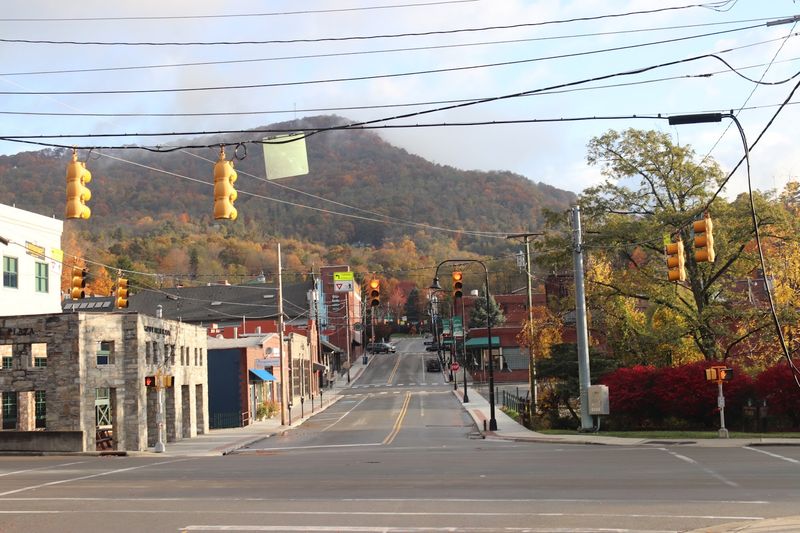
Every August, a wave of moving vans climbs the winding roads into the mountains, packed with mini fridges, bean bags, and hiking boots.
Appalachian State enrolled 21,570 students university-wide in fall 2024 across its Boone and Hickory campuses and online programs.
The Boone campus headcount was 18,601, while the Census Bureau estimated Boone’s town population at 20,080 on July 1, 2024. Not every student lives inside town limits, but thousands do, and they shape Boone in obvious ways.
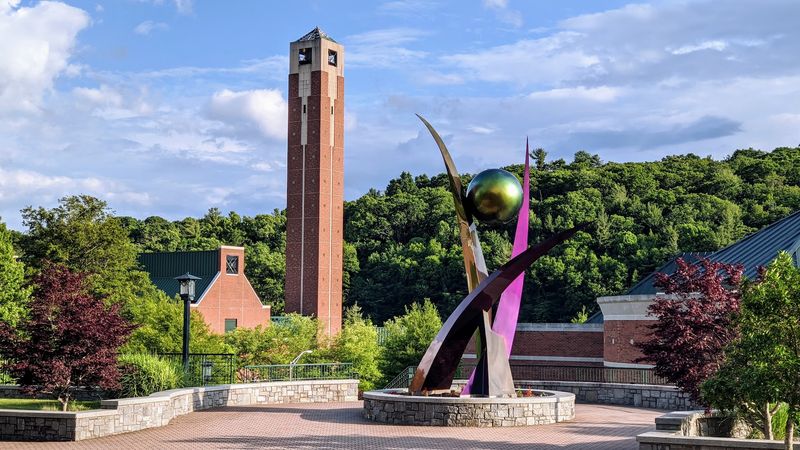
Coffee shops fill with laptops, apartment complexes line the hillsides, and the Sanford Mall lawn buzzes on sunny afternoons.
Most students earn little or nothing while studying.
The official poverty measure includes earnings, educational assistance, and reported cash assistance from outside the household while excluding noncash benefits and tax credits.
In the ACS, off-campus students living in regular housing can affect Boone’s poverty rate, while students living in college dormitories are excluded from the poverty universe.
Game days reveal the other side.
When the Mountaineers play football at home, restaurants hum and fans in black and gold pack the sidewalks, proving that plenty of money flows through town even if it rarely lands in student paychecks.
The Median Resident Is Just 21 Years Old
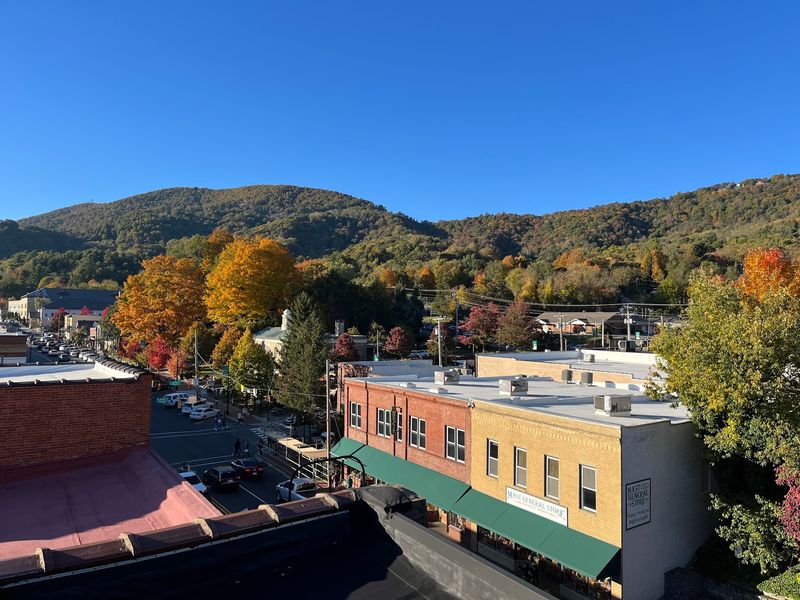
Walk into almost any café downtown and you might feel like the oldest person in the room, even at 30.
That feeling has data behind it. The median age in Boone is just 21.3 years.
Compare that with a statewide median of 39.1 years across North Carolina and a national median of 38.9.
Boone’s middle resident is roughly 18 years younger than the typical American, a gap that tells you a lot about daily life here.
Young residents bring bold energy.
You will find late-night pizza counters, thrift shops stacked with flannel, climbing gyms, and music drifting from open doors on warm evenings. Age also explains income.
Among Boone residents ages 18 to 24, 92 percent are enrolled in college or graduate school, helping explain the town’s unusually low median age.
History offers a fun twist.
The town was named in honor of Daniel Boone, who was traditionally believed to have hunted in the area, although current local historical research says direct evidence tying him to the present town is limited.
Stepping from those rustic cabins back into a crowd of college students shows just how much this old mountain town has changed.
Household Income Sits Far Below The Statewide Median
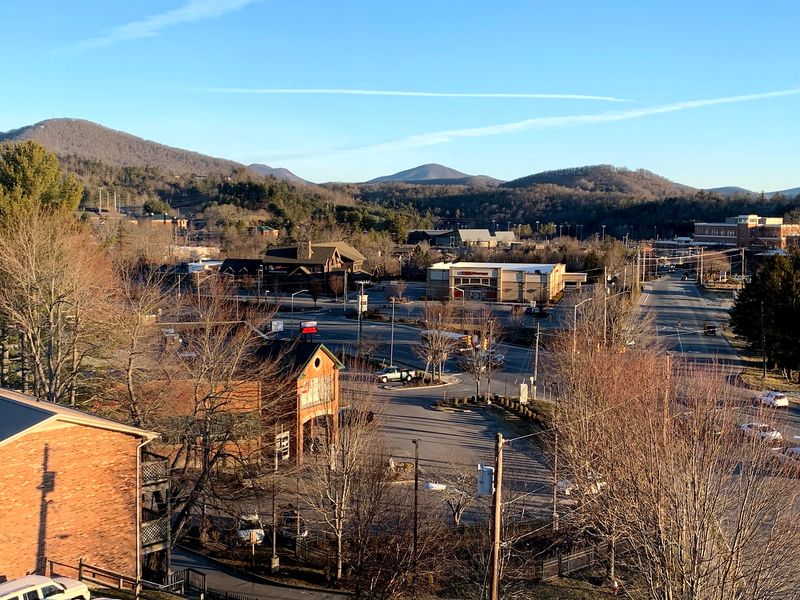
Thirty thousand dollars does not stretch very far these days.
The median household income in Boone was $30,065 for the 2020 to 2024 period, well under half of the typical figure for households statewide.
Across North Carolina, the median household earns more than $70,000 a year, so Boone’s number looks startling.
Even more surprising, the most common income bracket for Boone households is under $10,000 a year. Student households explain most of that gap.
Four roommates splitting an apartment near campus might each work a few shifts at a bakery or bookstore, and together they may still earn less than a single full-time worker.
Boone’s adopted planning documents identify rising home prices and rents as affordability concerns affecting residents and students.
Those pressures exist alongside the unusual demographics created by the university population.
For visitors, Boone’s low household-income figure should not be mistaken for a guarantee that local costs are low.
Tourism demand and housing constraints can coexist with low resident incomes.
So Why Does This Mountain Destination Still Feel So Expensive?
Check the price of a weekend cabin in October and the poverty headline suddenly feels confusing.
Between 2020 and 2024, the median value of an owner-occupied home in Boone reached $411,100.
Median gross rent landed at $1,111 a month, a hefty sum for anyone living on a student budget. Several forces push those prices up.
Boone sits in a spot people adore, with the Blue Ridge Parkway curving past town and Grandfather Mountain rising nearby with its famous Mile High Swinging Bridge.
Flat, buildable land is scarce in steep mountain terrain, so new housing comes slowly. Visitors add pressure too.
Leaf season, ski trips to nearby slopes, and summer escapes from Southern heat keep lodging busy, and many homes become vacation rentals.
Dining reflects that mix of costs.
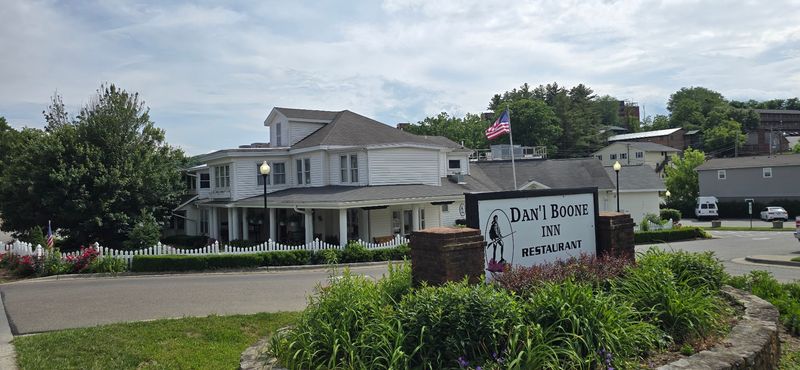
A family-style supper at the Dan’l Boone Inn, where bowls of fried chicken, country ham biscuits, mashed potatoes, and stewed apples get passed around the table, feels like a treat worth planning for. Smart travelers can still save.
Visit midweek, book early for fall color, and pack a picnic from the Watauga County Farmers’ Market, where local apples, honey, and fresh bread make a tasty mountain lunch.
Tourism, Students And Housing Create A Much More Complicated Picture
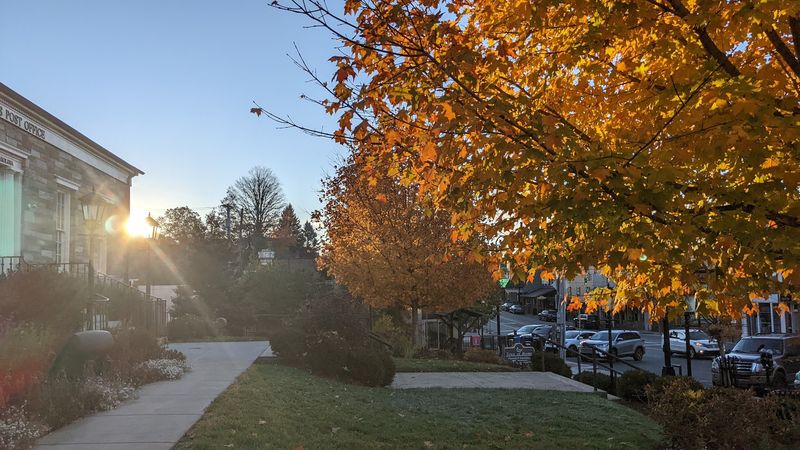
Think of Boone as three towns sharing one small valley.
One belongs to students, another to visitors, and a third to year-round families who have called these hills home for generations.
Each group needs a place to sleep.
Students compete for apartments close to campus, tourists book cabins and inns, and local workers hunt for houses they can afford, all within the same limited space ringed by mountains.
Tourism keeps the economy humming.
Summer evenings bring audiences to Horn in the West, the outdoor drama that has told pioneer stories in Daniel Boone Park since 1952, while autumn draws leaf watchers to overlooks along the Blue Ridge Parkway.
Those visitors fill restaurants, gift shops, and outfitters on King Street, supporting jobs that many students happily take.
Students are one part of a local workforce serving residents and visitors throughout the year.
Tourism spending and household income are different economic measures.
Strong visitor activity can therefore coexist with low household-income and high poverty estimates.
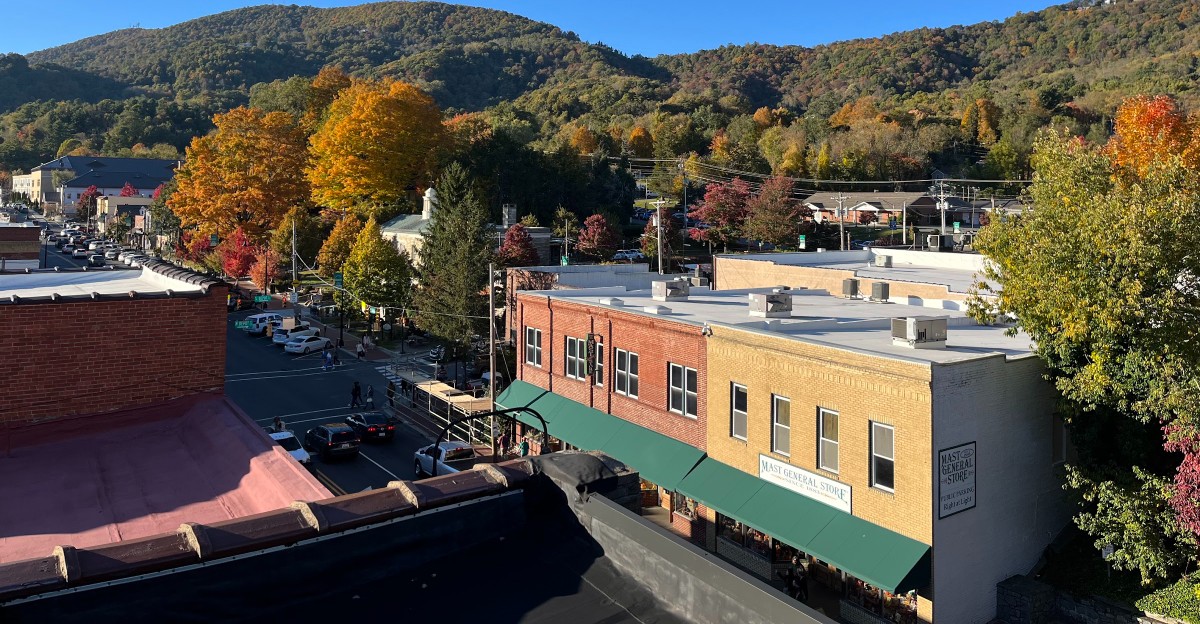
For a taste of old-time mountain trade, stop by the Mast General Store on King Street, where wooden floors creak and barrels overflow with old-fashioned candy.
The Real Story Behind Being Named The State’s Poorest City
Headlines love a dramatic label, but Boone’s story deserves a closer read.
Being named the poorest city in North Carolina reflects how statistics treat a college town, not a community collapsing under hardship.
Look back at the key facts. Boone has a 51.2 percent poverty rate, a $30,065 median household income, and a median age of 21.3, alongside an unusually large college-age population.
Real challenges still exist, of course.
Some long-time residents and service workers do struggle with rising rents, and local groups work hard to support neighbors who need a hand.
Yet the bigger picture shows a town bursting with life.
Morning fog lifts off the ridges, the smell of fresh biscuits drifts from breakfast spots, and trails around Howard Knob offer sweeping views of rooftops and distant peaks.
Visitors who come here will find friendly shopkeepers, outdoor adventures in every season, and a campus that brings concerts, lectures, and sports to town.
So the next time someone calls Boone poor, you will know the full story.
Behind that label sits a youthful mountain town where learning, scenery, and hospitality blend together in a way no census table can fully measure.