This Bike Trail In Connecticut Combines Waterfront Views With Scenic Beauty
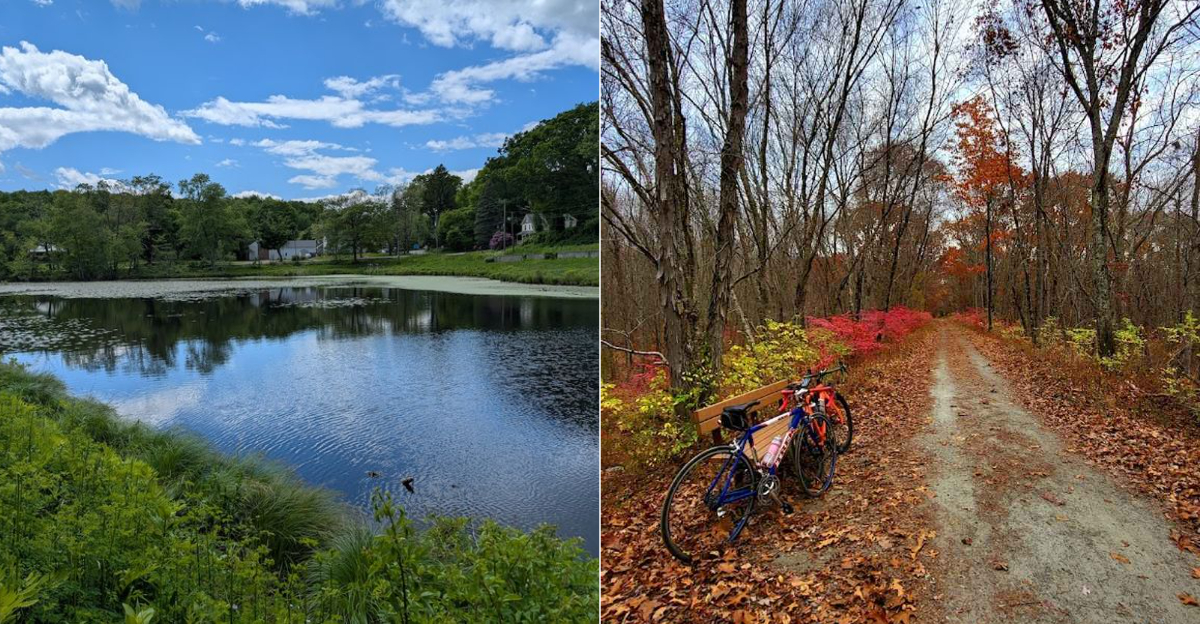
Bike trails that deliver genuinely great scenery from start to finish are rarer than most people expect and this one has that quality in abundance without any disappointing stretches in between. The waterfront sections hit differently.
That particular combination of being on a bike with water right there beside you and scenery building as you go creates a rhythm that makes the whole ride feel considerably more rewarding than the distance alone would suggest.
This Connecticut bike trail combining waterfront views with genuine scenic beauty is the kind of route that gets added to the regular rotation fast and stays there without any convincing needed.
People who discover it come back at different times of year just to see how the landscape shifts and that kind of return visit says everything about what is actually waiting out there.
A really great trail does not need to announce itself and this one absolutely does not.
1. Waterfront Views Along The Ride
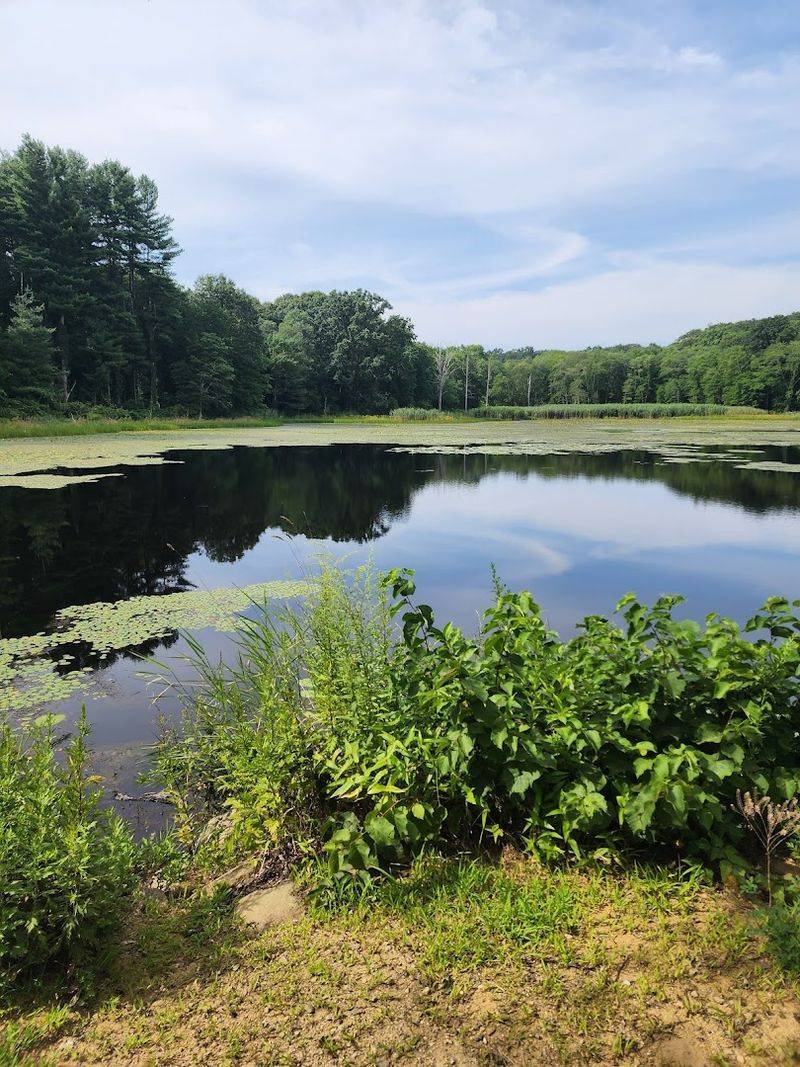
Water changes the mood of a trail, and the Air Line South State Park Trail uses it beautifully. Along the former rail corridor, streams, marshes, and wetland pockets appear in quiet intervals, giving walkers and cyclists natural moments to slow down and take in the view.
On calm days, still water adds soft reflections to the trees and sky, creating the kind of scene that feels better in person than in a photo.
The East Hampton stretch is especially rewarding, with marshy areas, old rail features, and natural openings that reveal reeds, water, stonework, and layered greenery.
Small bridges and stream crossings shift the perspective just enough to make the route feel varied without becoming difficult or overly dramatic.
Birdsong, moving water, and summer insect activity add life to the quieter sections.
These are not sweeping shoreline views or dramatic overlooks. They are smaller, closer moments that reward attention.
A short pause near a wetland edge or stream crossing can make an ordinary ride feel calmer, richer, and surprisingly restorative.
2. A Rail Trail With History
Long before cyclists and walkers claimed this path, steam locomotives rolled through the same corridor on a mission to connect New York and Boston more directly.
The railroad that once occupied this route was called the Air Line Railroad, a name that reflected its ambition to run as straight as possible through the hills and valleys of the state’s eastern region.
That ambition led to some genuinely impressive engineering decisions in the 1870s that are still visible today.
Massive fills were built across low-lying areas to keep the track level, and deep cuts were made through hillsides where the terrain pushed back. The result was a railroad that moved with unusual directness across a rugged landscape.
When the line was finally abandoned in the 1960s, that carefully graded corridor became the foundation for what is now a well-loved recreational trail.
Interpretive signs placed at various points along the trail explain pieces of this history in accessible, engaging language. Remnants of the old railway are still present in certain sections, offering a tangible connection to the past.
Visiting with even a small awareness of the trail’s origins makes the experience noticeably richer and gives the flat, straight path a story worth following from start to finish.
3. Scenic Miles Through Quiet Towns
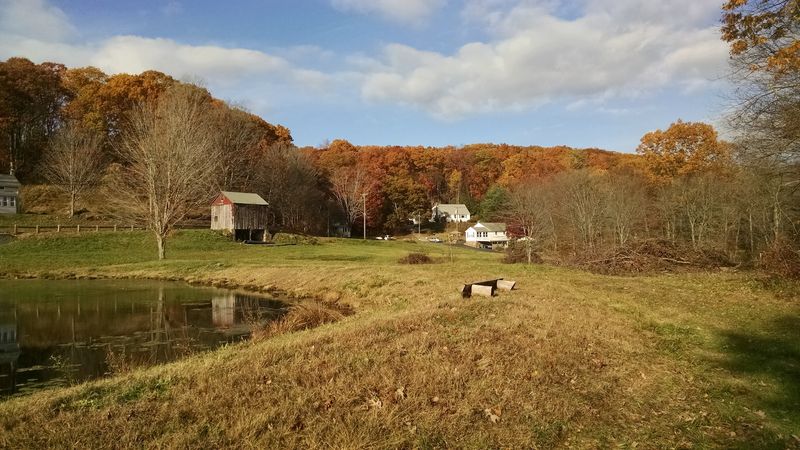
Covering roughly 22 to 25 miles across the southern section, the Air Line South State Park Trail passes through a series of small towns that each bring something a little different to the journey.
East Hampton, Colchester, Hebron, Lebanon, Columbia, and Windham all share a stretch of this corridor, and the landscape shifts noticeably as the trail moves between them.
Dense woodland gives way to open meadows, and agricultural land occasionally borders the path in ways that feel genuinely rural rather than staged.
Salmon River State Forest and Goodwin State Forest contribute significant stretches of protected green space along the route, keeping much of the trail shaded and quiet.
These forested sections create a sense of traveling through a continuous natural corridor even when passing near populated areas.
The transition between forest and open field happens gradually enough that it rarely feels abrupt.
For those who enjoy observing small-town character without leaving the trail, glimpses of historic architecture and local landmarks occasionally appear near road crossings. The pace of these towns tends to match the pace of the trail itself, unhurried and unpretentious.
Covering even a portion of this distance gives a genuine feel for the varied, understated beauty of eastern Connecticut’s countryside.
4. Great For Bikes And Walks
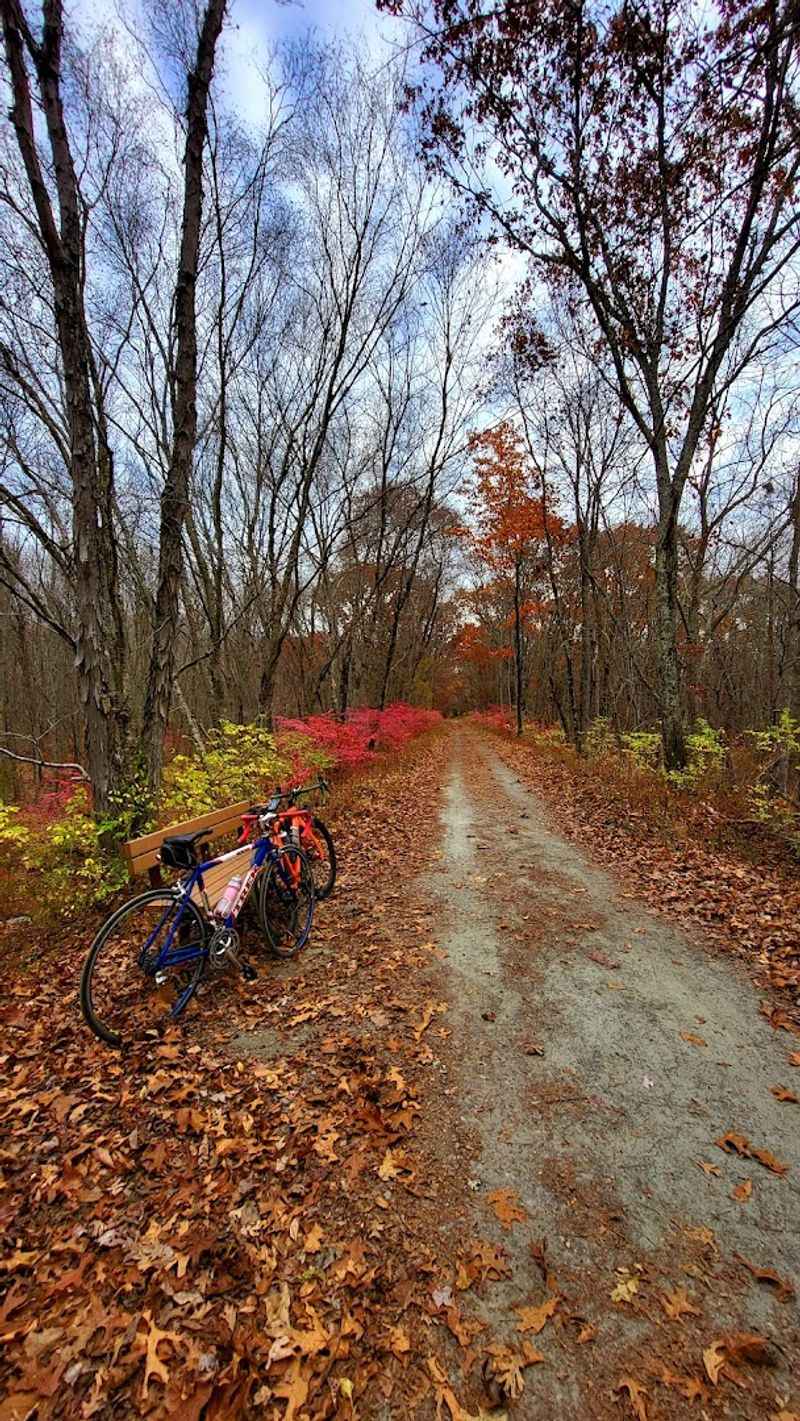
Easygoing trails can be surprisingly hard to find, but the Air Line South State Park Trail makes both a short walk and a longer ride feel natural.
Its former rail corridor gives the route a gentle, approachable character, with a stone-dust surface that works well for walkers and most recreational cyclists.
Hybrid and mountain bikes are good fits here, while the wide path leaves enough room for people to pass without feeling squeezed.
One of the trail’s biggest strengths is its mostly mild grade. Families with younger riders, casual cyclists, and anyone who prefers a steady pace over a demanding climb can settle in comfortably.
Starting from the East Hampton side may bring a subtle downhill feel at first, which also means the return can ask for a bit more effort, so longer outings are worth planning with that in mind.
The trail also welcomes other uses, including horseback riding in appropriate sections, and winter can turn the corridor into a peaceful route for skiing or snowshoeing when conditions allow.
Benches, scenic pauses, and nearby picnic areas make it easy to break up the trip and enjoy the surroundings.
5. Stonework, Bridges, And Forest Edges
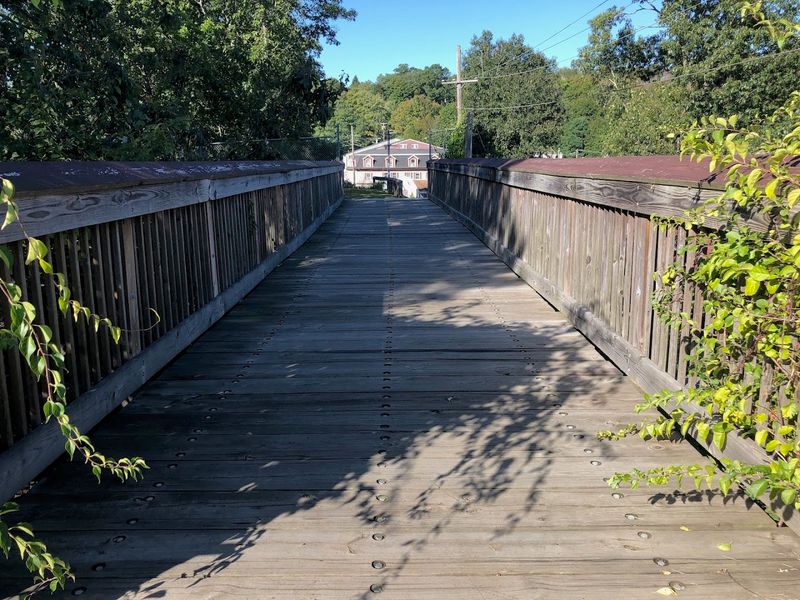
The engineering left behind by the original railroad builders gives the trail a visual character that goes well beyond a typical walking path.
Arched stone bridges crafted from Connecticut brownstone appear at stream crossings throughout the route, their craftsmanship standing firm more than a century after construction.
These structures feel quietly remarkable, especially when encountered unexpectedly while moving through a shaded section of forest.
The Rapallo Viaduct and the Lyman Viaduct are the most dramatic examples of this heritage, both located in the East Hampton and Colchester area. Built in the 1870s, these massive structures carry the trail across wide valleys and offer expansive views of the surrounding hills and treetops.
Standing on either viaduct and looking out at the forested landscape below creates one of the more memorable moments the trail has to offer.
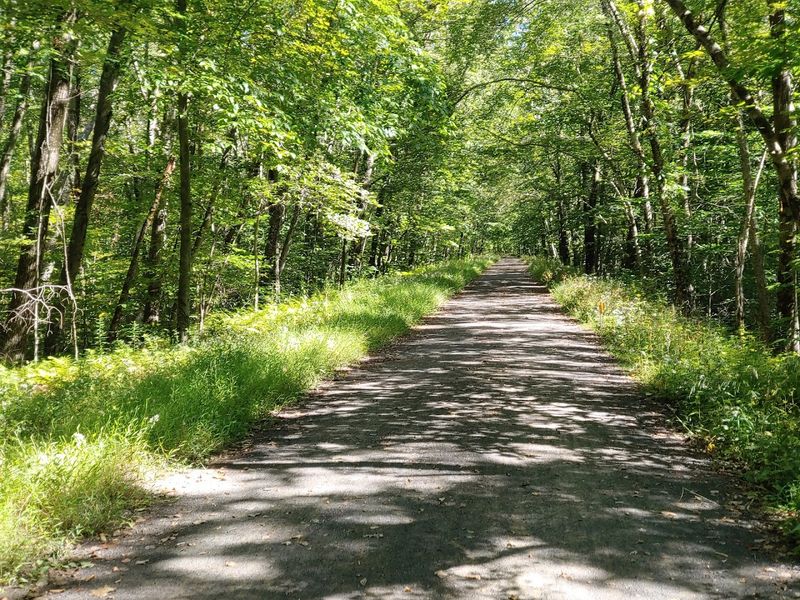
Between these landmark structures, the trail frequently runs along the edges of dense woodland where the canopy creates a natural tunnel effect. Undergrowth lines the path in warmer months, and the sounds of birds and rustling leaves fill the space between footsteps.
The combination of historic stonework and living forest creates a layered environment that rewards both the historically curious and those simply looking for somewhere beautiful to spend an afternoon.
6. Best On A Clear Afternoon
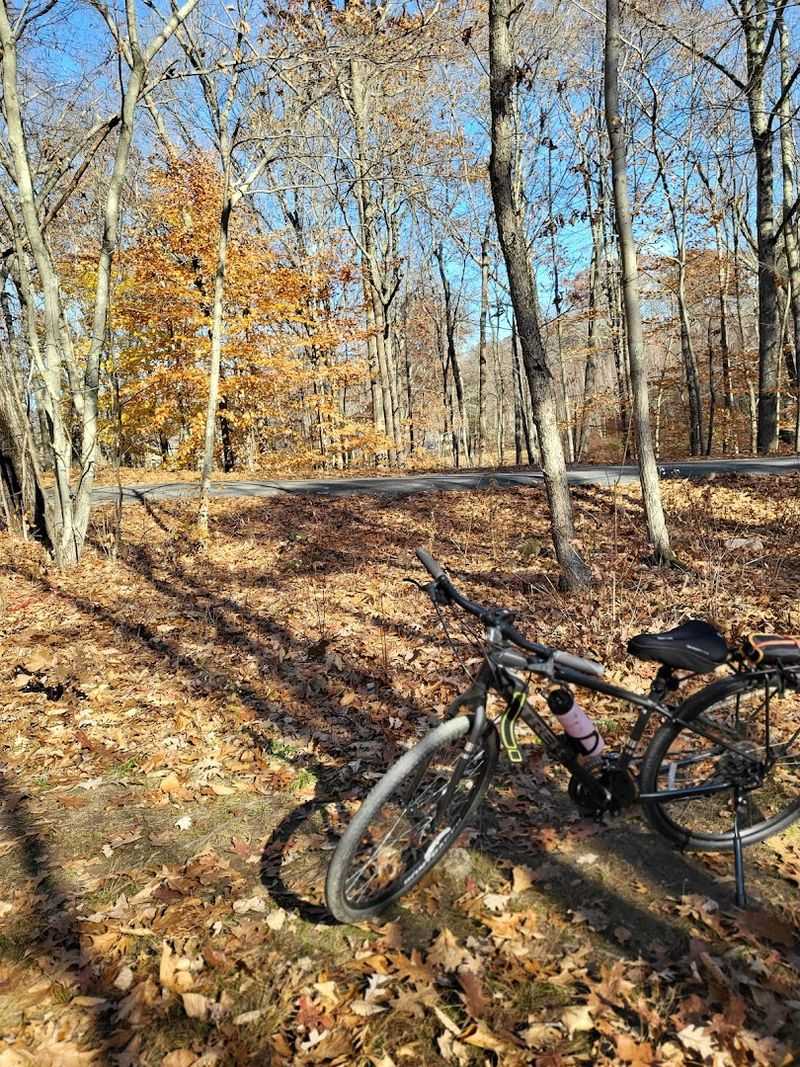
The quality of afternoon light through the tree canopy creates dappled patterns on the gravel path that shift as the sun moves, giving even a familiar stretch of trail a slightly different look each time.
Open sections of the trail pick up the full brightness of the sky, making colors feel more saturated and the air feel more open.
From the elevated points along the viaducts, clear skies allow distant ridgelines and forested hills to come into full view without haze softening the edges. The sense of depth in those views is noticeably greater on clear days compared to overcast ones.
Navigating the varied surface of compacted earth and crushed stone also feels more confident when visibility is strong and the path ahead is easy to read.
As the afternoon moves toward early evening, the angle of the light shifts and long shadows stretch across the trail in ways that feel unhurried and calm.
The trail closes at 6 PM daily, so planning a clear-afternoon visit with enough time to reach the trailhead before closing ensures the best possible experience.
Arriving mid-afternoon tends to offer the most comfortable balance of light and temperature.
7. Easy Adventure Without Big Crowds
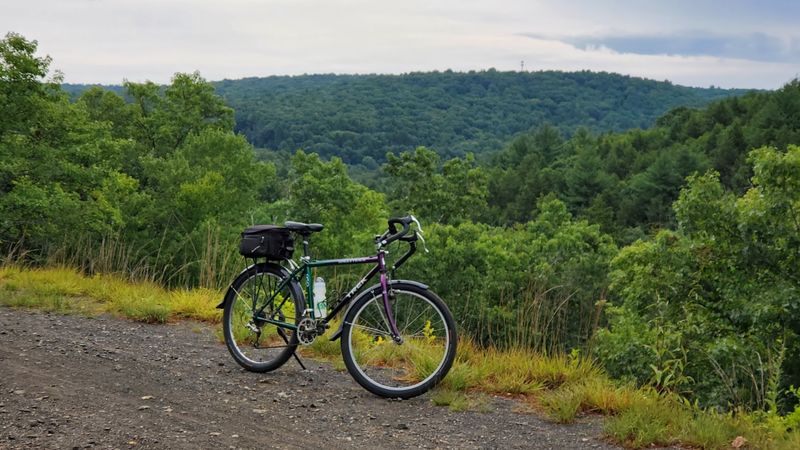
One of the quieter pleasures of the Air Line South State Park Trail is the sense of space it tends to offer even during active seasons. The trail draws a steady mix of local cyclists, families, runners, and dog walkers rather than large tourist groups, which keeps the atmosphere relaxed and unhurried.
Most visitors seem to settle into their own pace without much concern for what others around them are doing.
Weekday visits tend to be noticeably quieter than weekend outings, particularly at the Smith Street entrance in East Hampton where parking can fill up on busier days.
The trail’s length works in its favor here since even when the trailhead area feels active, a short distance down the path brings noticeably more solitude.
Sections that run through forested state land tend to be especially calm regardless of the day.
Peak season runs roughly from April through October, with spring and early summer bringing some of the highest foot traffic. Even during those months, the trail rarely feels overcrowded in the way that more popular destinations sometimes do.
For anyone who finds busy trails exhausting rather than energizing, the Air Line South State Park Trail tends to offer a refreshing alternative without sacrificing scenery or accessibility.
8. Peaceful Stops Along The Way
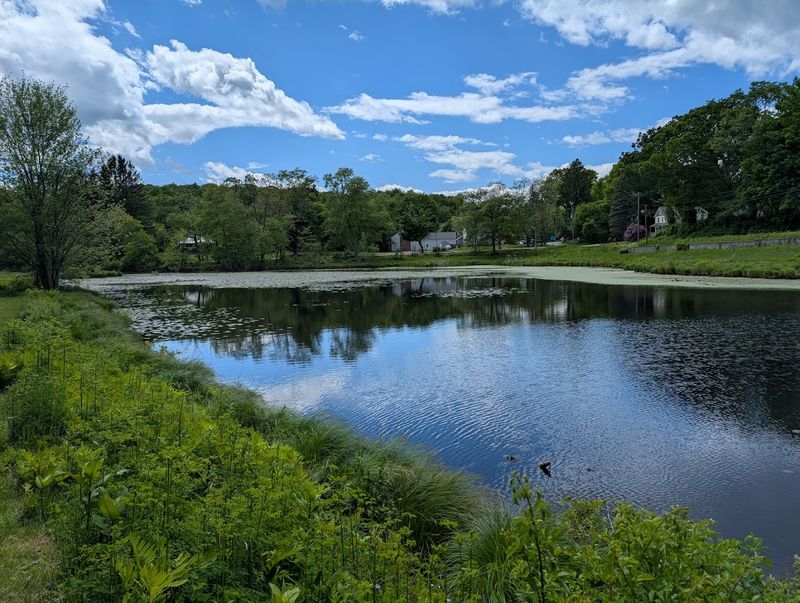
Moving through the trail at a comfortable pace naturally invites pausing, and the route offers enough variety to make those pauses feel rewarding rather than random.
The Rapallo and Lyman Viaducts are obvious candidates for stopping, their elevated positions offering wide views of the valleys and forests that stretch out below.
Reading the historical information posted near these structures adds context that makes the views feel more grounded.
Benches placed at intervals along the trail provide simple but welcome spots to sit without needing to find a log or a patch of grass. Picnic areas appear at certain trailheads and rest points, making it practical to bring food and extend a visit into a longer outing.
Near the East Hampton section, bogs and marshland areas create natural gathering points for wildlife, particularly butterflies and birds during warmer months.
A short detour from the main trail can lead to Grayville Falls Town Park near Hebron, where small waterfalls and additional wooded paths offer a change of pace.
Natural areas including Raymond Brook Marsh and sections of Salmon River State Forest add further depth to what could otherwise be a straightforward out-and-back route.
Treating the trail as a series of connected stops rather than a single continuous push tends to make the experience feel more complete and satisfying.