This Cage-Free North Carolina Sanctuary Gives Rescued Cats The Love, Safety, And Second Chance They Deserve
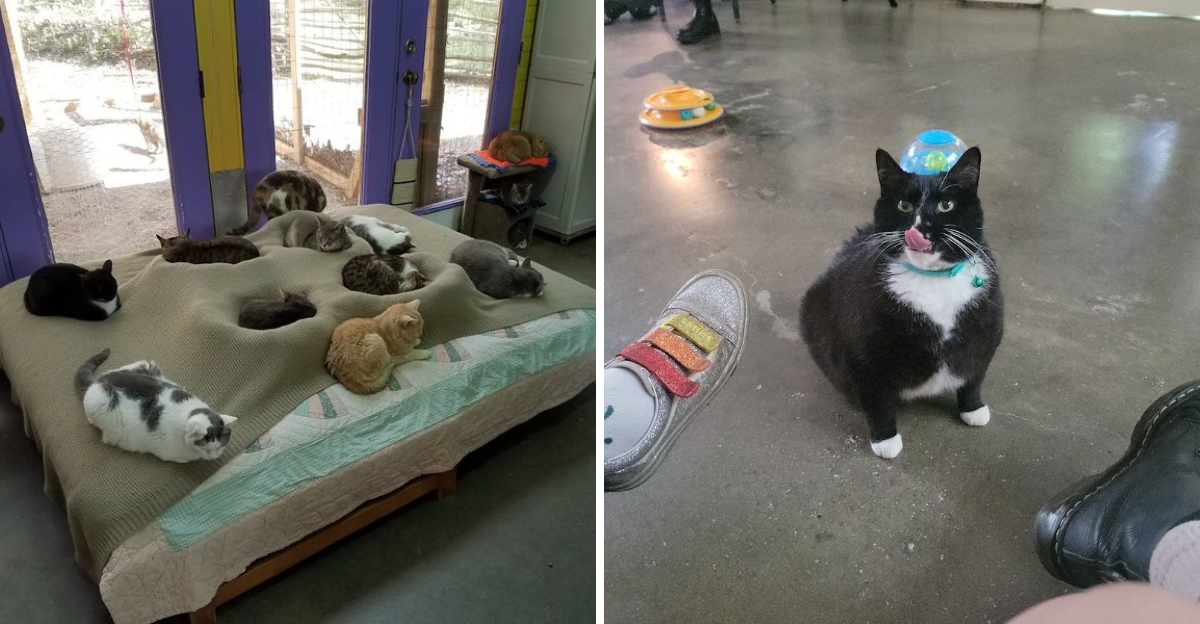
Most cats dream of a sunny window, a full food bowl, and a human who understands that personal space is entirely optional. Hundreds of rescued felines in North Carolina are finally getting all three.
Spread across 16 peaceful acres, this no-kill sanctuary gives abandoned, neglected, and overlooked cats a safe place to begin again.
Here, whiskered residents can roam, nap, recover, and patiently wait for the right family to notice them.
Every cat arrives with a different story.
One may demand attention immediately. Another might study you from a cautious distance before deciding you seem acceptable.
Earning that trust can feel like winning an award, except the trophy purrs and leaves fur on your clothes.
Adoption is only part of the experience. Volunteers can help care for the residents, while visitors get the rare pleasure of spending an afternoon surrounded by cats who are finally safe.
Few places in the state offer this many second chances, soft paws, and suspiciously judgmental stares. The name stays hidden for now, but the heart behind it is impossible to miss.
Meet The Rescued Cats Roaming Freely Around The Sanctuary
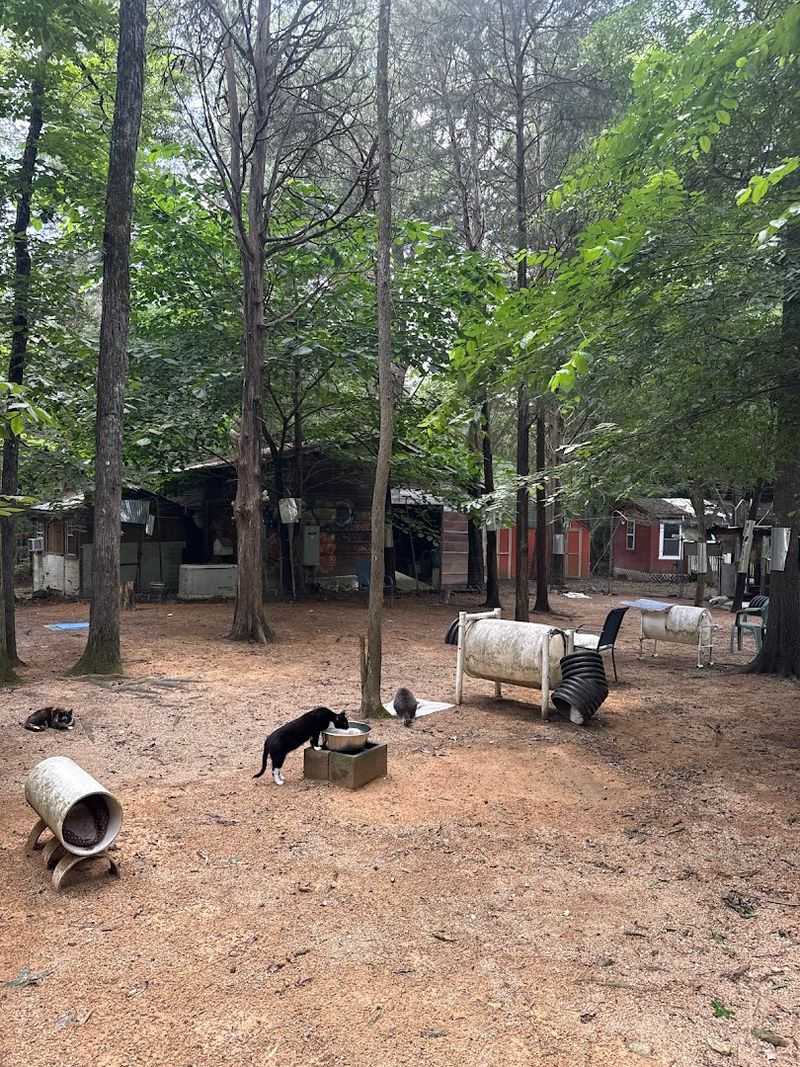
Cats set the pace here, which is exactly what makes the visit feel different from a regular shelter stop. Instead of moving past rows of cages, visitors encounter animals lounging, watching, approaching, retreating, napping, and deciding for themselves when human attention sounds useful.
The Goathouse Refuge’s own public description calls it a cage-free cat shelter, while Best Friends summarizes the mission as cage-free care for cats regardless of age, medical issues, or disposition until adoption is possible. That freedom changes the whole mood.
A bold cat may appear quickly, acting as if every guest came specifically to admire them. A shy one may stay across the room, blinking slowly and measuring the situation.
Both responses are allowed. That is the point.
A cage-free space lets personalities show in a more natural way, which can help potential adopters notice who is curious, who is gentle, who wants laps, and who prefers respectful distance.
The experience feels less like selecting a pet from a lineup and more like meeting residents in their own home.
It is sweet, slightly chaotic, and full of tiny moments that only cat people fully understand. One slow blink can absolutely derail the rest of the afternoon.
See How A Cage-Free Setting Gives Nervous Cats Room To Heal
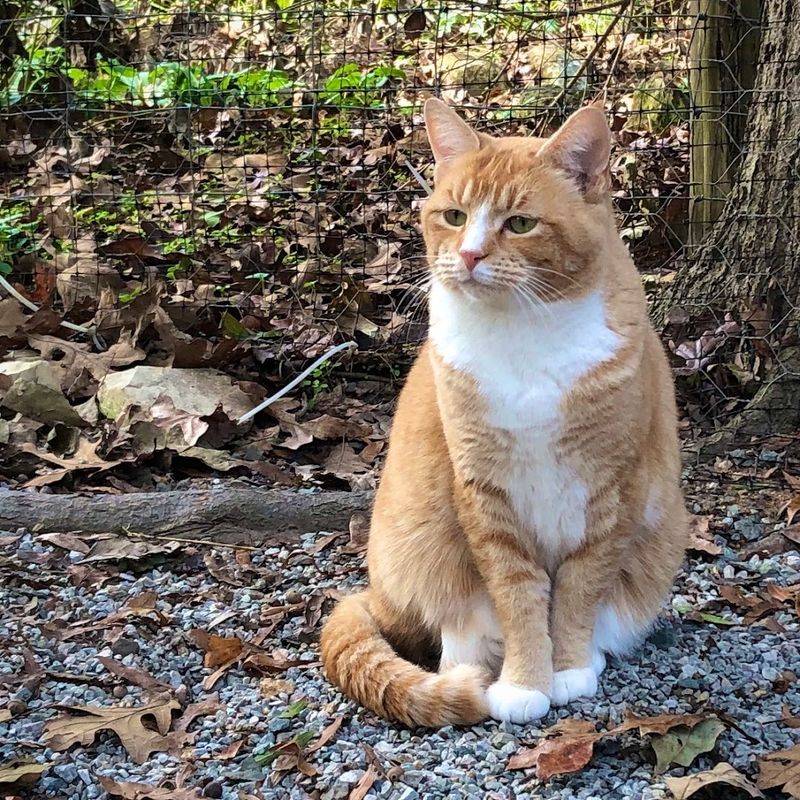
Healing rarely follows a schedule, and nervous cats are famous for rejecting anyone else’s timeline. The Goathouse Refuge’s cage-free approach gives scared, older, medically complicated, or cautious cats more room to settle than a tight enclosure ever could.
An early profile from Love Meow described rescued cats roaming freely throughout the sanctuary during the day. Cats receiving medical treatment and newly arrived rescues were kept separate until they were fully vetted and ready to join the larger population.
That detail matters because freedom here is not presented as carelessness.
It is paired with intake, observation, and medical judgment. A cat that arrives tense or shut down may need a quiet corner first.
Another may need treatment before joining the group. Once ready, the wider environment gives them chances to climb, scratch, nap, explore, avoid conflict, and approach people when confidence allows.
Those choices can mean everything to an animal that has lost control of its life before. A visitor may not see a dramatic transformation in one afternoon, but the sanctuary is built around small recoveries.
A cat steps closer. A tail lifts.
A hiding spot gets abandoned for a sunny patch. Those little changes are not flashy, but they are the work.
Learn Why Older And Hard-To-Adopt Cats Always Have A Home Here
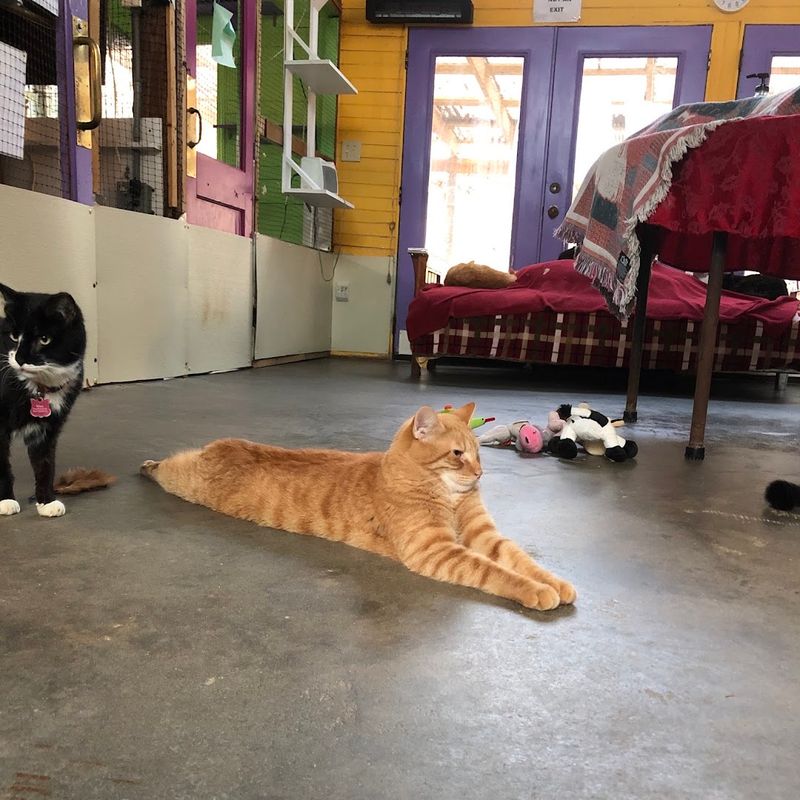
Senior cats and harder-to-place cats often need the most patience, and The Goathouse Refuge has made them part of its core purpose.
Goathouse works to place adoptable cats and kittens in permanent homes. Cats that may not thrive in a traditional household can remain at the sanctuary as lifelong residents.
That second half is the heartbreaker and the comfort at the same time. Not every cat will charm an adopter quickly.
Some are old. Some are shy.
Some have medical needs. Some carry FIV-positive labels that scare people who do not understand the condition.
Some simply have personalities that ask for more space than a typical household can give. At many shelters, those cats can wait the longest, while younger, easier, more outgoing animals get noticed first.
Here, waiting does not erase their value. The sanctuary model means a cat can still receive food, care, shelter, affection, and routine even if adoption takes a long time or never becomes the right fit.
That gives the refuge its emotional power. It is not only trying to find quick matches.
It is also protecting the cats whose stories need a slower ending.
You May Meet The Cat That Completely Changes Your Visit
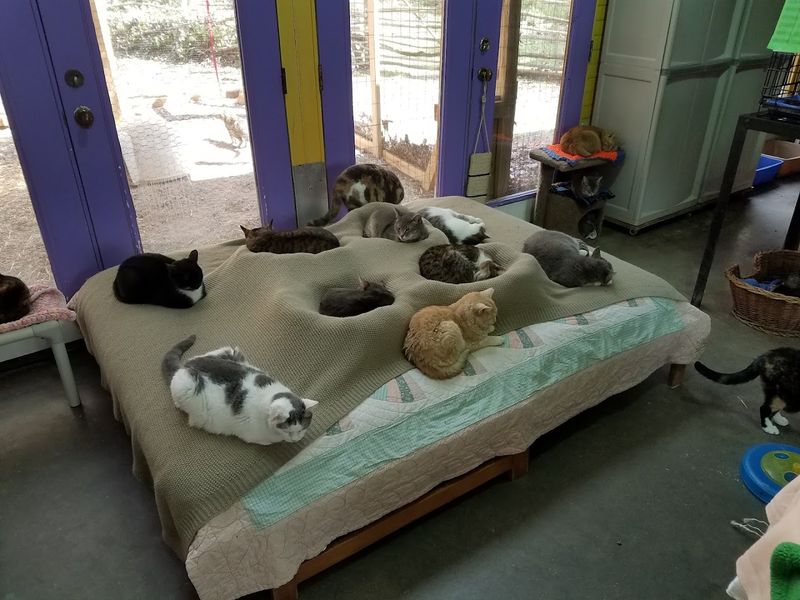
A casual visit can turn personal very quickly when a cat decides the conversation is not optional. That is part of the Goathouse magic.
The cage-free setting gives visitors a chance to sit, observe, and let cats approach in their own strange, charming order. A confident resident may claim a lap before introductions are complete.
A cautious one may stay nearby and pretend not to care. Another may follow from room to room with the quiet determination of a tiny furry tour guide.
These interactions are more than cute. They help potential adopters see real behavior in a relaxed setting, and they give the cats regular social contact with people who arrive calmly and respectfully.
Best Friends notes that the refuge works to care for cats until permanent loving homes can be found, so every friendly exchange can support that larger adoption goal. The best match is rarely made by looks alone.
It happens when a visitor notices the cat who keeps showing up, the one who settles nearby, or the one who seems shy until the room gets quiet. A sanctuary visit can start as a sweet afternoon idea and end with a name, a face, and a very serious conversation about carriers.
Explore The Peaceful 16-Acre Property The Cats Call Home
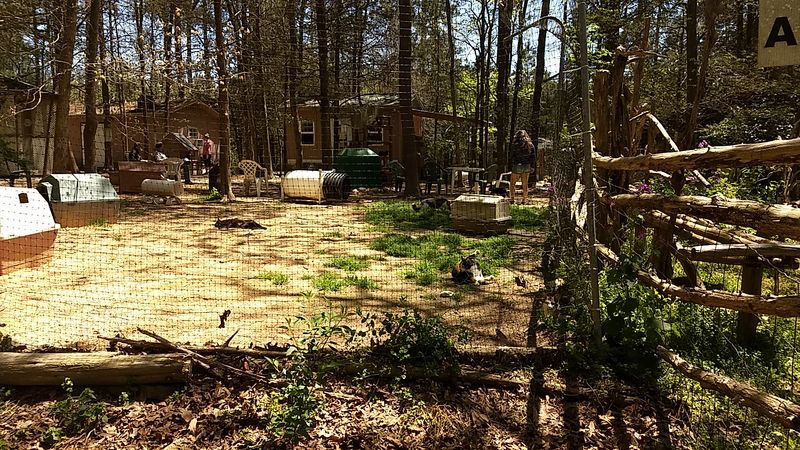
Land gives this sanctuary part of its gentleness. The Goathouse Refuge has long been described as a rural Pittsboro refuge where cats can move through indoor areas and protected outdoor spaces rather than living only behind bars.
Earlier profiles describe the property as a 16-acre farm connected to founder Siglinda Scarpa’s art and studio life, with a gallery where her handmade work helped support the refuge.
Chapelboro later described the refuge as a remote property with cats, dogs, goats, and chickens, which helps explain why the place feels more like a working animal haven than a sterile adoption office.
That setting matters for the cats and for visitors. Trees, paths, porches, rooms, fenced areas, and open-feeling spaces give the sanctuary a slower rhythm.
A cat can nap in a sunny spot, wander toward company, retreat when overstimulated, or simply watch the day happen from a safe perch. The art connection adds another layer.
Scarpa did not build a plain facility and then decorate it later. Her creative life and animal rescue work grew around the same land.
That mix of pottery, animals, gardens, buildings, and rescue care gives Goathouse a personality that feels deeply human and deeply feline at once.
Find Out How Volunteers Keep Hundreds Of Felines Safe And Comfortable
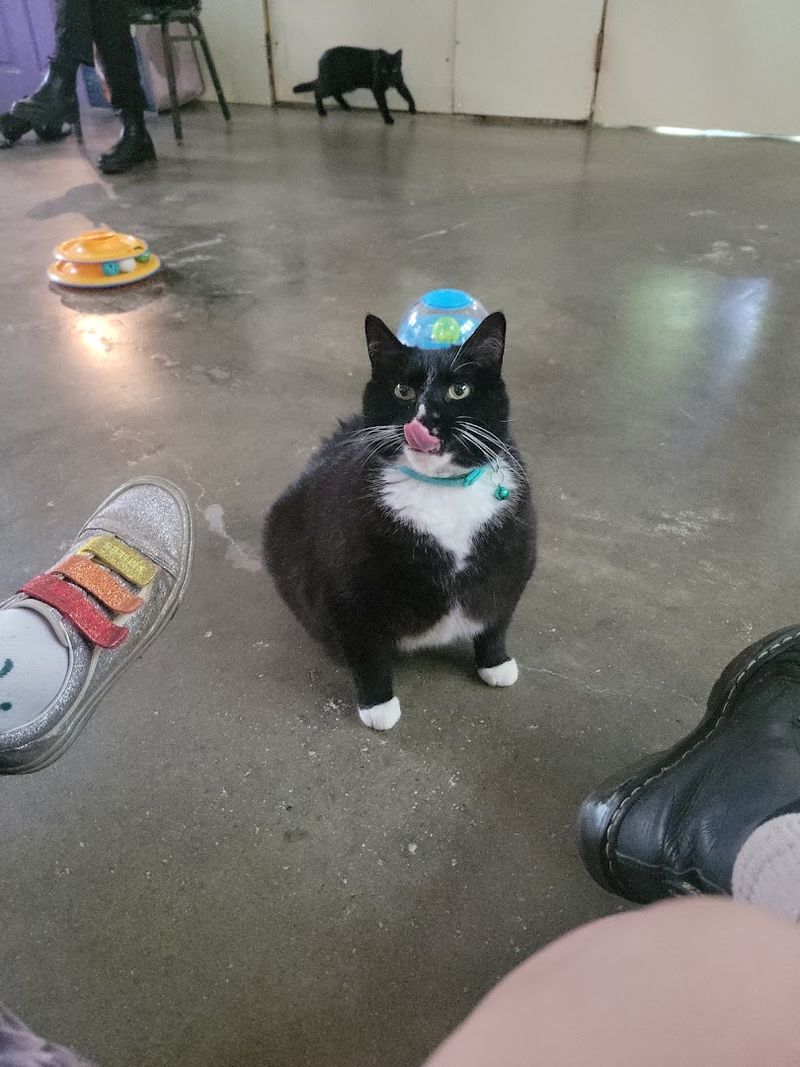
Daily care is the unglamorous part that keeps the whole refuge alive. Feeding cats, cleaning spaces, refreshing litter, handling laundry, watching for illness, helping visitors, supporting adoptions, and socializing shy animals all require steady human effort.
Goathouse is widely described as volunteer-based, and older operational summaries note volunteer shifts focused on caring for the cats and helping socialize them for adoption. That work is not cute in the easy internet sense.
It is repetitive, physical, emotional, and necessary. A cat sanctuary may look peaceful during a visitor’s quiet afternoon, but that calm depends on many small tasks done over and over.
Food bowls have to be filled. Medical needs have to be noticed.
Floors have to be cleaned. Nervous cats need patient attention.
Friendly cats need safe interaction that does not overwhelm them.
Best Friends currently lists Goathouse as part of its broader network of rescue groups and shelters working to save homeless pets. That connection places the sanctuary’s local volunteer efforts within a much larger animal-welfare community.
Visitors may come for the charm of free-roaming cats, but the volunteers are the reason the charm can exist. Every calm nap and soft head bump has work behind it.
Consider Adoption, Sponsorship, Or Another Way To Help
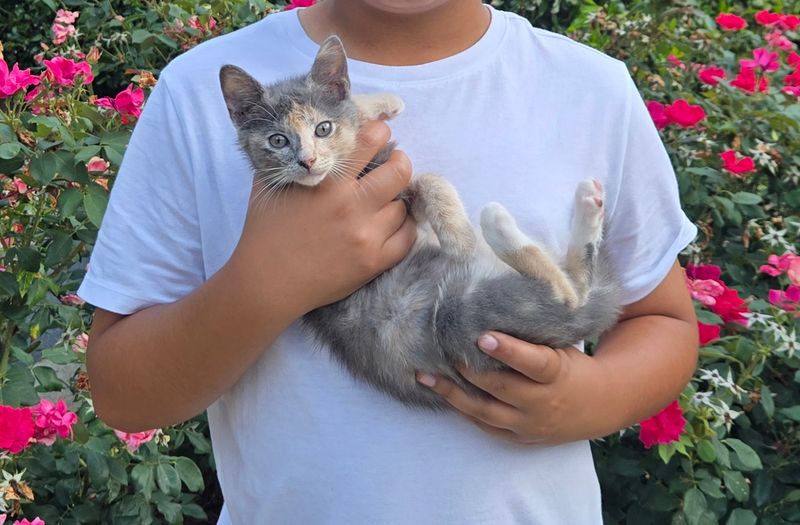
Help does not have to look the same for every person. Adoption is the most obvious path, but it is not the only useful one.
The Goathouse adoption page says supporters who cannot adopt can sponsor a cat’s adoption fee of $125, making it easier for another person to bring that cat home.
Petfinder also lists Goathouse’s mission as finding permanent homes for adoptable cats while offering refuge to cats that may not fit a traditional home, which shows why both adoption and sanctuary support matter.
Some visitors may be ready to adopt right away. Others may need more time, a different living situation, or a pet-free home because of leases, allergies, travel, or family needs.
Those people can still donate, sponsor fees, share adoptable cats, volunteer, bring supplies when requested, or support fundraisers.
The refuge also faced a difficult licensing situation in early 2026, with WRAL reporting that the state had suspended its license after repeat violations and that the shelter was working to come into compliance.
More recent Goathouse updates in June 2026 stated that the refuge had passed re-inspection and was expecting its license soon. For supporters, that makes checking current needs even more important.
Help is most valuable when it matches what the cats and caretakers actually need now.
Leave Knowing Every Cat Here Has Been Given Another Chance
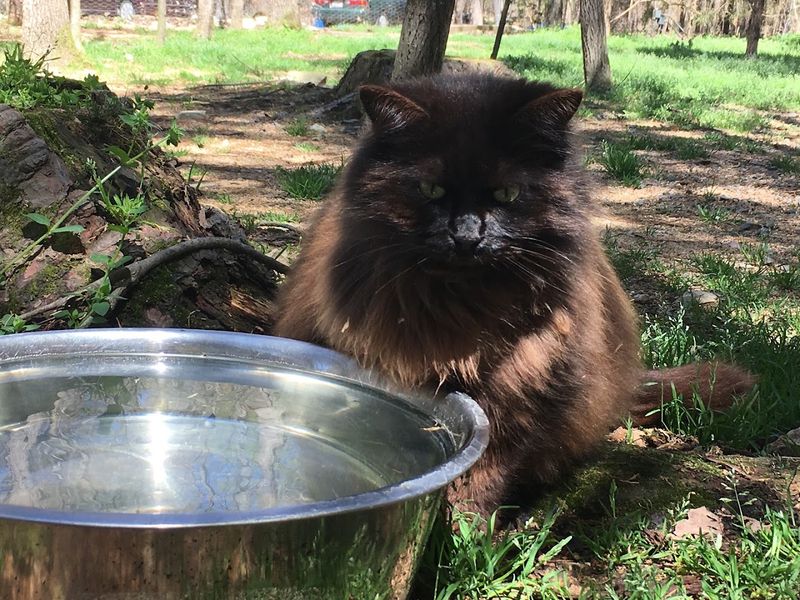
Compassion is the reason people remember this place after they leave. The Goathouse Refuge mission page says that since its founding in 2007, the organization has placed more than 4,000 cats into loving, permanent homes.
That number gives the sanctuary’s work a scale larger than one sweet afternoon visit. Each adoption means a cat moved from uncertainty into a home.
Each permanent resident means another cat was not dismissed because they were too old, too shy, too medically complicated, or too independent for an easy placement. The no-kill language matters too, but the deeper promise is dignity.
The cats are not just rescued from something. They are given somewhere to belong while the next chapter becomes possible.
The current visitor information for The Goathouse Refuge lists public hours on Saturdays and Sundays from 11 a.m. to 3 p.m., with Fridays by appointment, at 405 Goathouse Road in Pittsboro, North Carolina. The same listings give 680 Alton Alston Road as the mailing address.
Check the refuge’s latest updates before visiting, then arrive ready to move slowly. The cats will handle the rest.