This California Bakery Is Also A Deli, Café, And Market Packed With Things Worth Trying
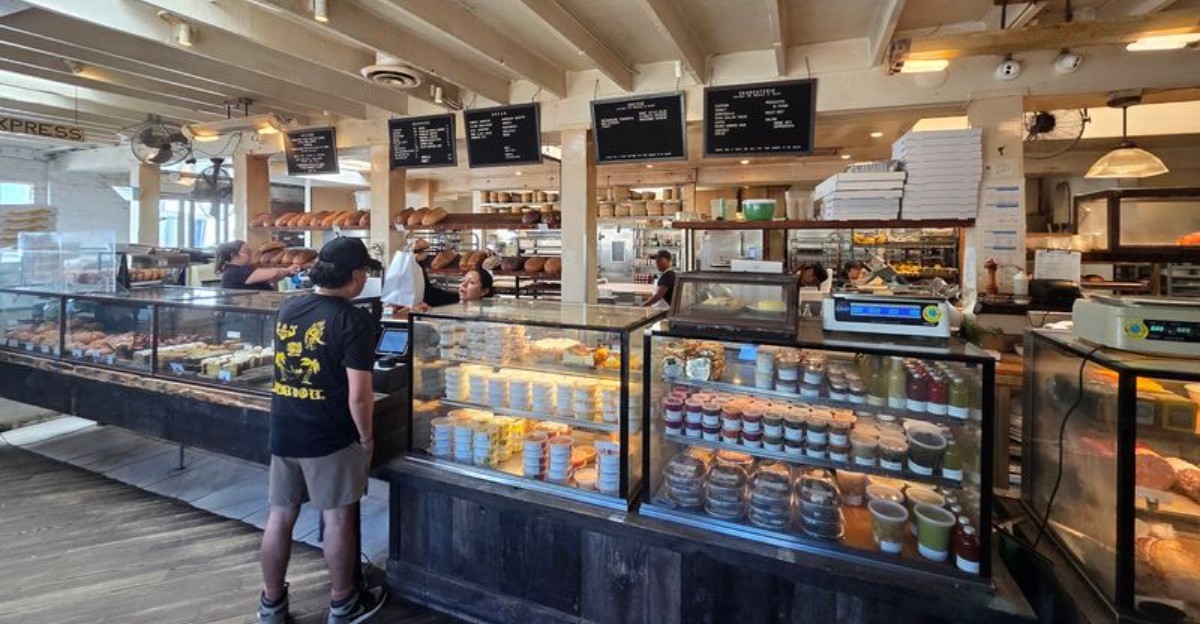
Calling it a bakery barely covers the situation.
There is bread coming out of the ovens, deli fare waiting behind the counter, coffee moving steadily through the room, and market shelves that make a quick stop increasingly unlikely.
This California spot folds several food destinations into one lively place without making any of them feel like an afterthought.
That creates a particular kind of decision fatigue.
Do you leave with something sweet, build lunch around the deli counter, or accidentally turn the visit into grocery shopping?
Most people probably arrive with a plan. The place seems designed to test how committed they are to it.
It Started As A Commissary Kitchen Before Becoming Much More
Origins here are surprisingly practical rather than glamorous.
The operation opened in the fall of 2014 with a straightforward job to do, which was baking bread and preparing pantry goods for two sister restaurants, Gjelina and Gjelina Take Away.
What began as a behind-the-scenes support kitchen slowly opened up to the public, and the menu kept widening as more people found it.
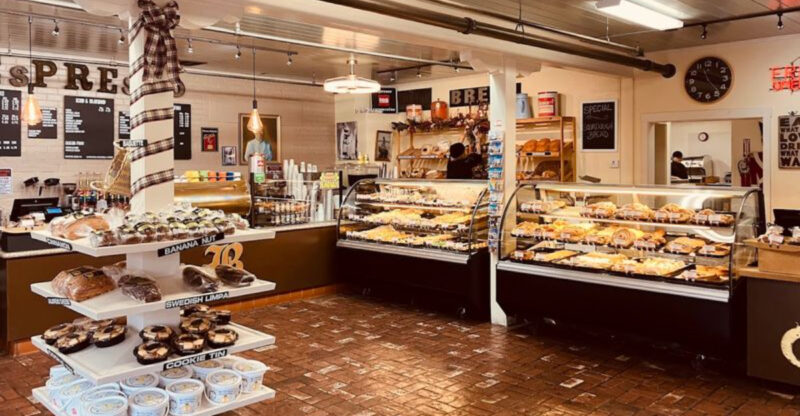
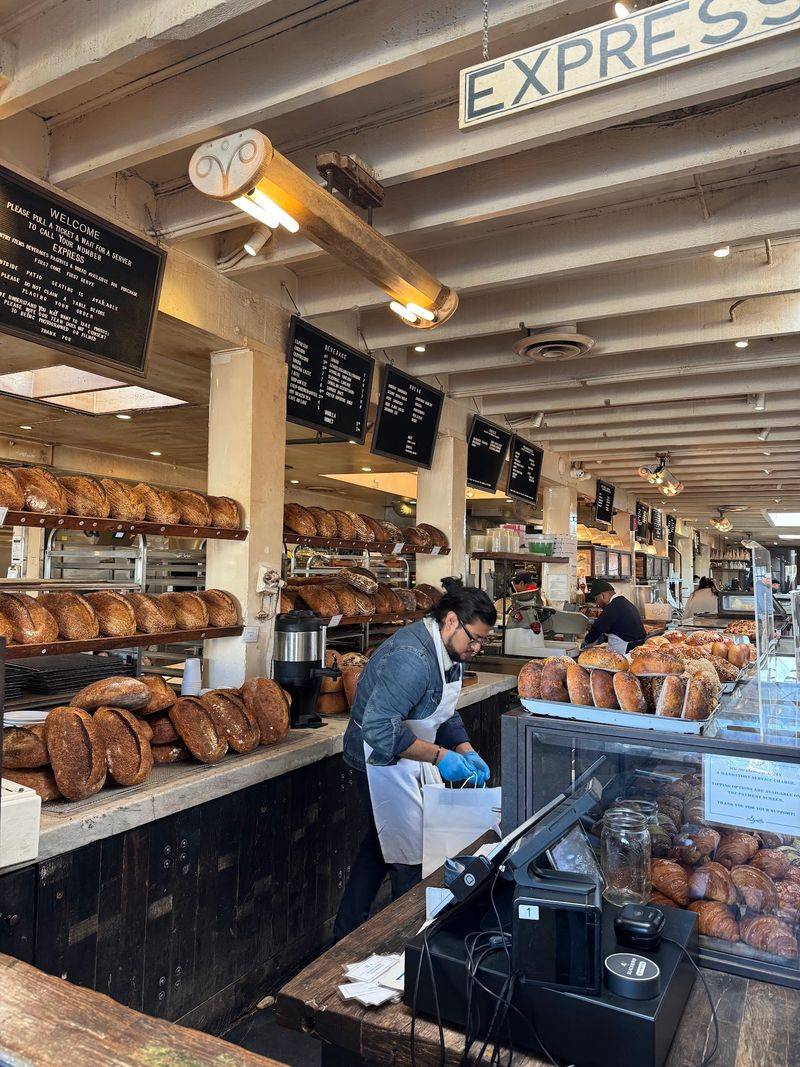
Over the following years the space took on the roles of bakery, deli, café, and market all at once, which explains why the layout can feel like several businesses sharing one large room.
Knowing that history helps make sense of the setup, because a commissary kitchen is built for production first and seating second.
The counters are long, the cases are deep, and much of the work happens in plain view.
Current hours run from 7 AM to 4 PM daily, though checking ahead is always wise since schedules can shift.
Arriving closer to opening usually means shorter lines and a fuller pastry case, which matters more here than at a typical café.
The building sits at 320 Sunset Ave, Venice, CA 90291, on a quiet block that gives little hint of the scale inside.
For anyone curious about how a supply kitchen becomes a neighborhood fixture, the answer sits right in the room.
The Bakery Is Still At The Center Of Everything
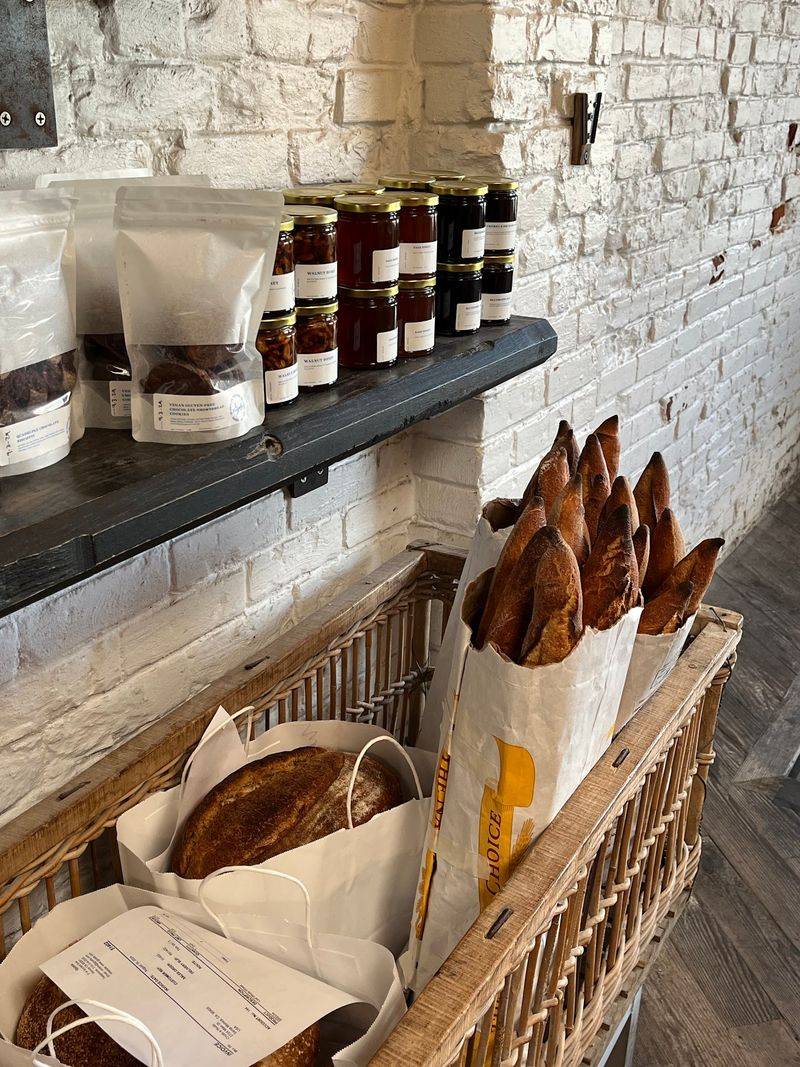
Bread remains the anchor, even with all the other counters competing for attention.
Naturally leavened loaves make up a major share of daily production, meaning the dough rises with a starter rather than commercial yeast.
That slower method builds a tangier flavor and a chewier crumb, and it takes time that cannot really be rushed.
Hand-shaping is part of the routine too, so loaves vary slightly in size and scoring instead of looking machine-stamped.
The baking area is visible from parts of the room, and the smell of hot crust carries well past the ordering line.
Sound levels reflect that working kitchen energy, with oven doors, trays, and conversation blending into a steady hum.
Anyone sensitive to noise may prefer the patio, where the volume softens considerably under the trees.
A practical tip for bread shoppers is simple, which is to buy early in the day when the widest selection is still stacked behind the counter.
Popular loaves can sell out, and the express line exists partly to make quick bread runs painless.
Bread also shows up throughout the rest of the menu, holding together sandwiches, arriving alongside egg dishes, and getting sliced for toast.
Understanding that connection makes the whole operation feel less scattered and more like one kitchen with many outlets.
The Pastry Case Goes Well Beyond Ordinary Croissants
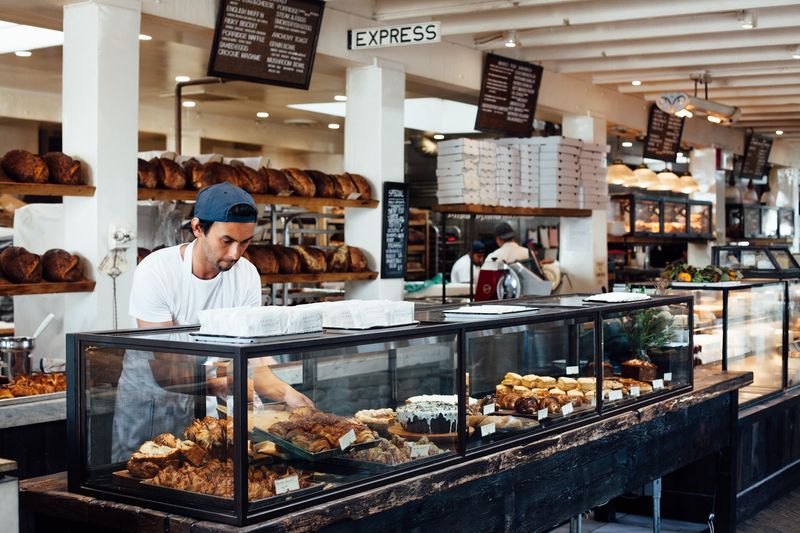
Few things slow down a first-time visitor faster than the pastry case.
Butter croissants, chocolate croissants, and the baklava croissant sit alongside cookies, scones, tea cakes, and other baked goods that rotate through the day.
The baklava version has become one of the most talked-about items, combining flaky layers with a nutty, honey-sweet filling.
Portions run generous, so splitting a couple of pastries across a table often works better than everyone ordering separately.
Cookies and tea cakes travel well, which makes them a reasonable choice for taking back to a hotel or sharing later.
Scones pair naturally with coffee or tea, especially on cooler mornings when the patio still holds a little chill.
Selection shifts depending on the day and what the kitchen has baked, so a specific item may not always be there. Asking what came out most recently is a low-effort way to land on something at its best.
The express line handles pastries and drinks, and using it saves a wait when a full sit-down meal is not the goal.
Photos tend to happen here, but the case is a busy spot, so stepping aside after ordering keeps the line moving.
Breakfast Is Served All Day
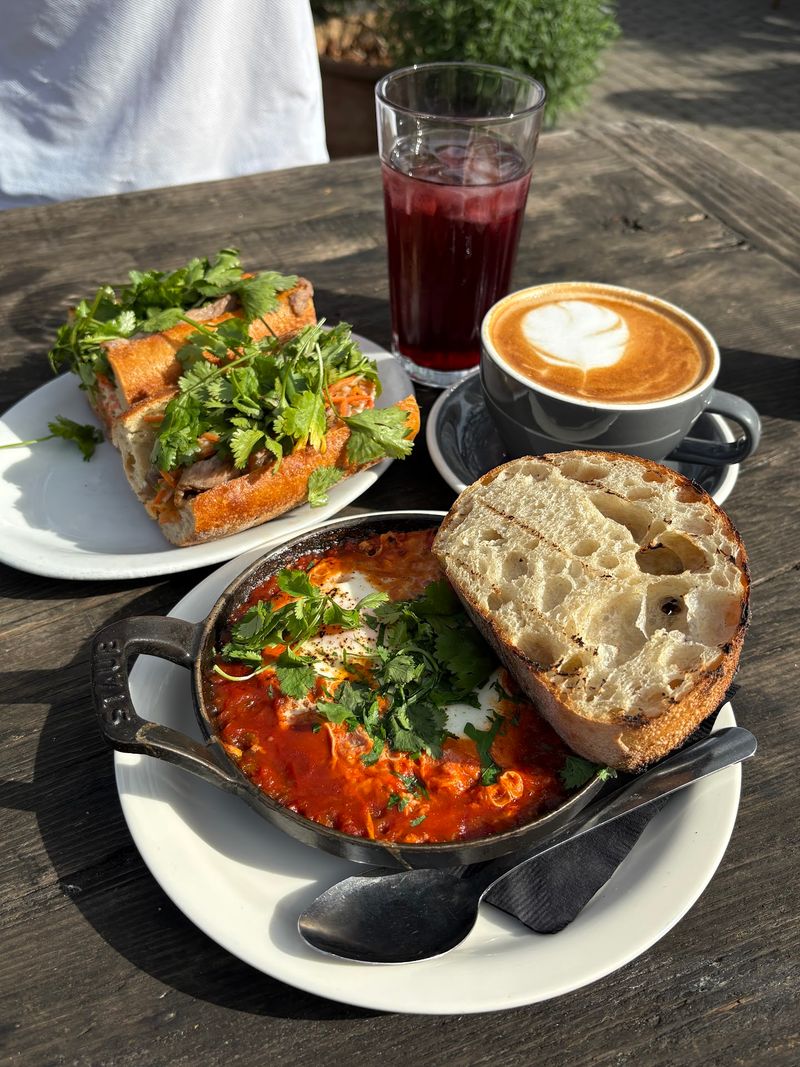
Late risers get a fair shake here, because breakfast stays on the menu through the whole service.
Options currently range from soft scrambled eggs and huevos rancheros to shakshuka, breakfast burritos, and a croque madame.
Almond butter toast and granola with fruit round out the lighter end for anyone who wants something simpler.
Since the kitchen closes in the afternoon, an all-day breakfast really means all-day within those hours, so timing still matters.
Mid-morning on a weekday usually feels calmer than a weekend brunch rush, when waits can stretch noticeably.
Dishes arrive at the table after ordering, and items may come out at slightly different times rather than together.
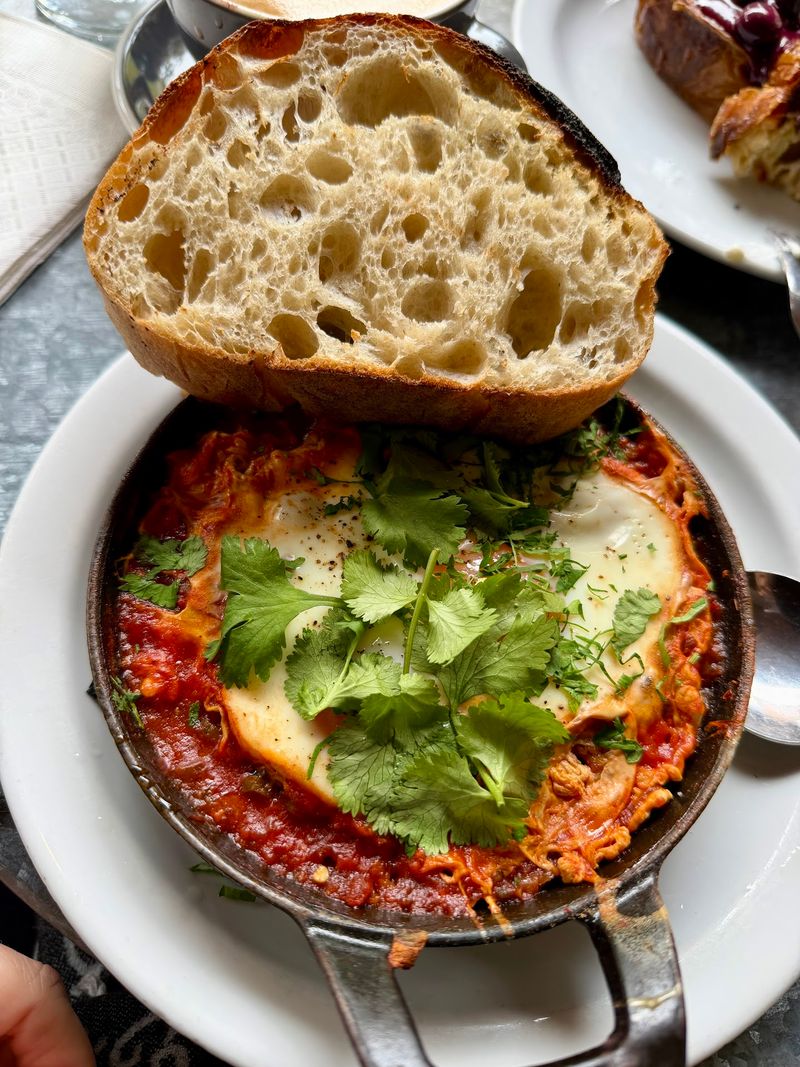
Shakshuka shows up frequently in conversation about the menu, served hot with bread for scooping. Breakfast burritos suit anyone eating on the move, especially with a beach walk planned afterward.
Egg dishes tend to be filling, so ordering a pastry alongside one can be more food than expected.
Water, utensils, and napkins are self-serve from shelves in the room, which is worth knowing before sitting down.
Planning a relaxed weekday morning here, with a shaded table and a plate of eggs, is probably the most comfortable way to experience the place.
The Sandwich Menu Could Be An Article By Itself
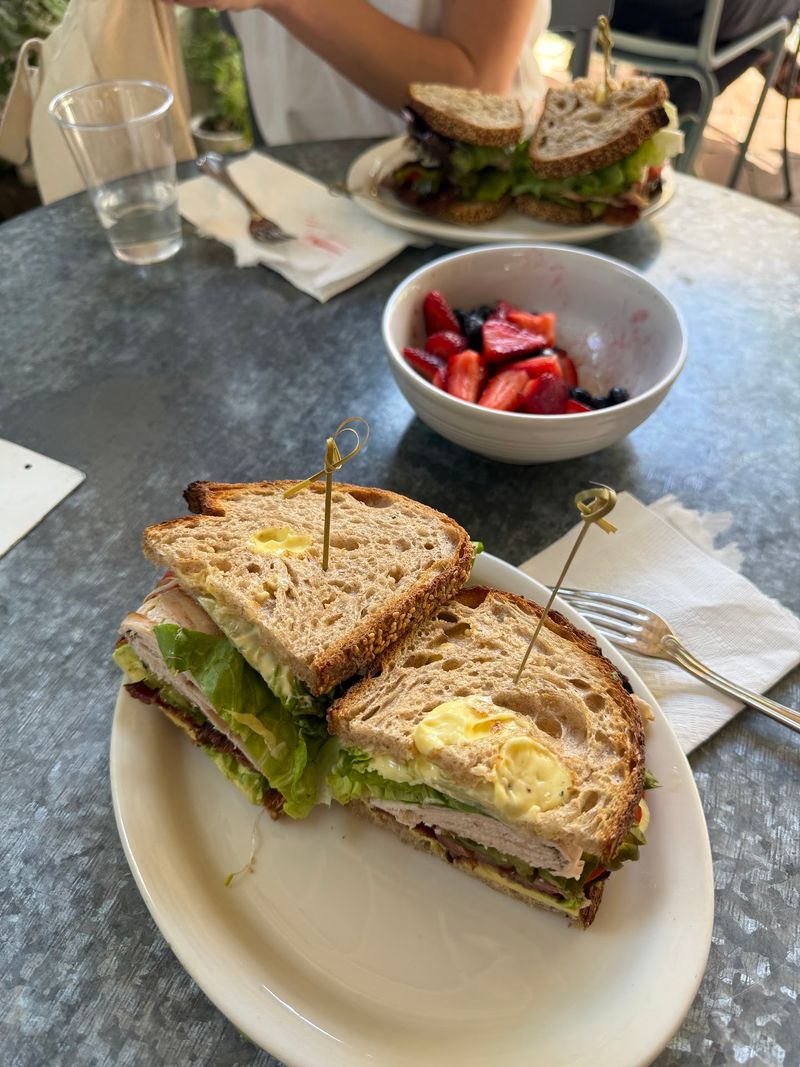
Sandwich indecision hits hard at this counter, and the list keeps giving reasons for it.
Choices include a pastrami Reuben, a smoked brisket banh mi, a turkey club, tuna conserva, and a chicken Parmesan sandwich, among others.
A build-your-own option has also been part of the menu, letting diners assemble a combination from available ingredients.
Bread quality does a lot of the work here, since the same loaves from the bakery end up holding everything together.
The banh mi leans bright and crunchy with pickled vegetables, while the Reuben goes heavier and richer.
Vegetarian eaters have options too, with a veggie sandwich built around fresh produce and hummus.
Sandwiches are substantial, and cutting one in half to share alongside a salad or a side is a common approach.
Takeout is easy since most travel well, which makes them a solid choice for a picnic or a drive.
Availability can shift with the seasons, so the exact lineup may look a little different from one month to the next.
Ordering a sandwich through the ticket line means it gets brought to the table, while the express line suits grab-and-go plans.
Reading the whole board before pulling a ticket saves a rushed decision at the register.
Much Of The Produce Comes Straight From Southern California Farmers
Sourcing here leans heavily on relationships rather than large distributors.
Nearly all the fresh produce reportedly arrives through long-standing connections with farmers, with staff shopping five farmers markets each week.
That routine puts a lot of miles on the buying team, but it keeps the ingredient list tied closely to what is growing nearby.
Shopping that often also means the kitchen works with shorter windows, using what looks best that week instead of planning months ahead.
Salads and vegetable sides tend to show this most clearly, since fewer steps stand between the field and the plate.
Fruit in granola bowls and produce inside sandwiches follow the same pattern. For diners, the practical effect is variety, because the same dish may taste slightly different across seasons.
Anyone with a strong preference for a specific vegetable might want to ask what is currently in rotation.
Southern California farmers markets run year-round, which helps keep the supply steady even in cooler months.
Supporting local growers is part of the stated approach, and it also explains why some items appear briefly and then disappear.
Treating the menu as a snapshot of the current harvest, rather than a fixed list, makes the whole experience easier to appreciate.
The Outdoor Patio Gives You Somewhere To Stay And Eat
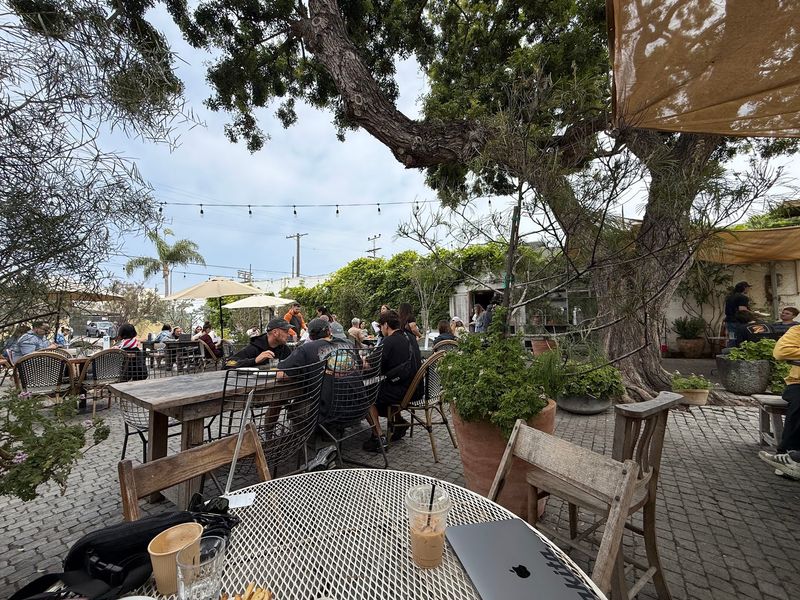
Comfort improves dramatically the moment a table opens up outside.
Outdoor patio seating is currently available, with tables managed through a rotating system that keeps the flow moving.
Shade from trees and structures softens the sun, which makes sitting for a while genuinely pleasant even on bright afternoons.
Seating mixes communal tables with smaller ones, so solo diners and small groups both have workable options.
Noise on the patio sits lower than inside, and conversation is easy without raising a voice much.
Indoor seating exists but is limited, including a bar area facing the working counters for anyone who enjoys watching the kitchen.
Pets are not permitted on the patio or inside, with the exception of working service dogs under ADA guidelines.
Water, utensils, napkins, and takeout containers are self-serve from shelves, so grabbing what is needed before settling in saves a trip.
Weekend midday hours tend to be busiest, and finding a table then may take patience.
Ordering first and then looking for a seat is the expected order of operations.
Morning visits usually offer the calmest version of the space, with cooler air, open tables, and enough quiet to actually linger over coffee and bread.
Even Ordering Works Differently Than At A Typical Bakery
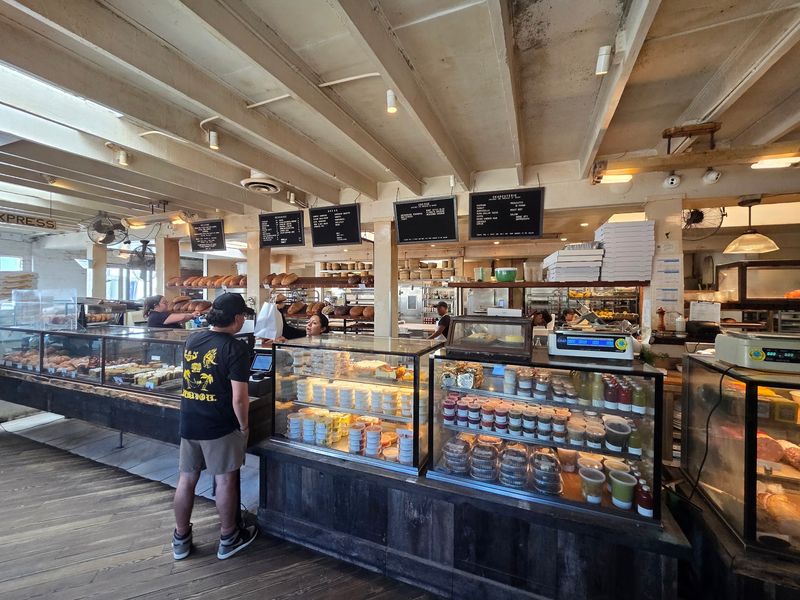
First-timers sometimes hesitate near the entrance, and the reason is the ordering system.
Diners who want the full menu take a numbered ticket and wait for that number to be called, while an express line handles takeout bread, pastries, beverages, and pantry items.
Grabbing a ticket right after walking in is the single most useful thing to do. Waits can run long during busy stretches, and weekends in particular may involve twenty minutes or more before a number comes up.
Browsing the deli cases and market shelves while waiting makes that time feel shorter and often changes the order for the better.
Once ordering is done, food gets brought out to the table rather than picked up at a counter.
Items may arrive at different times, so a table with several dishes might see them trickle in.
The express line is the faster route for anyone who only wants a loaf, a pastry, or coffee.
Service is efficient but not full table service, and self-serve shelves cover most small needs during the meal.
Contacting the bakery or checking gjusta.com ahead of time can clear up current hours or details.
After one visit, the whole process feels routine and much less confusing than it first appears.