This California Botanic Garden Comes Alive With Color In Spring
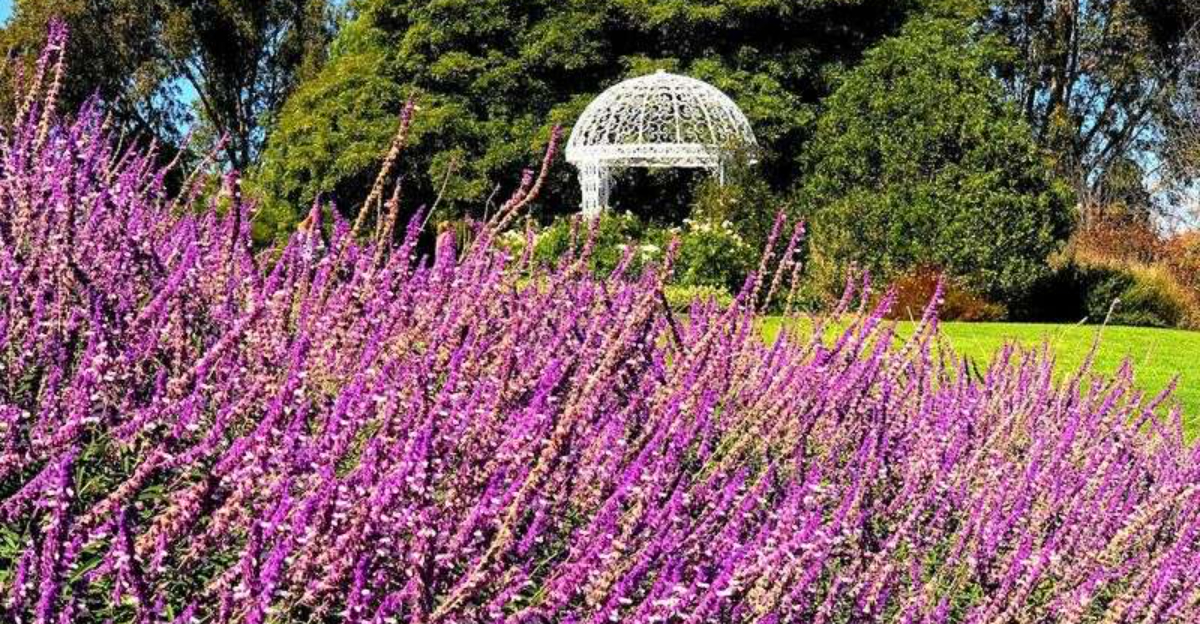
Winter fades quietly here. Color takes over fast.
March feels different. Fresh blooms stretch across rolling hills. Petals drift through the air. Light lingers a little longer on winding paths that invite you to slow your pace without even realizing it.
Set on the Palos Verdes Peninsula in California, the garden unfolds across eighty seven acres of curated landscapes and open sky.
Cherry blossoms soften the walkways. Wisteria spills in purple cascades. California poppies flash bright against deep green backdrops. Every turn feels like a quiet reveal.
The experience goes beyond flowers. Sculptures rise unexpectedly between trees. Workshops and seasonal events fill the calendar with hands-on creativity.
Sound healing sessions offer calm beneath the canopy. Massive troll installations crafted from reclaimed wood add surprise and scale to the scenery.
An afternoon here rarely feels rushed. Families spread out on the lawns. Solo visitors wander with cameras or sketchbooks. The blend of nature, art, and community feels intentional without being overwhelming.
March is when this California garden shifts into something vivid and alive. It is not just a place to walk. It is a place to notice.
1. Cherry Blossom Hunt: A Self-Guided Spring Adventure
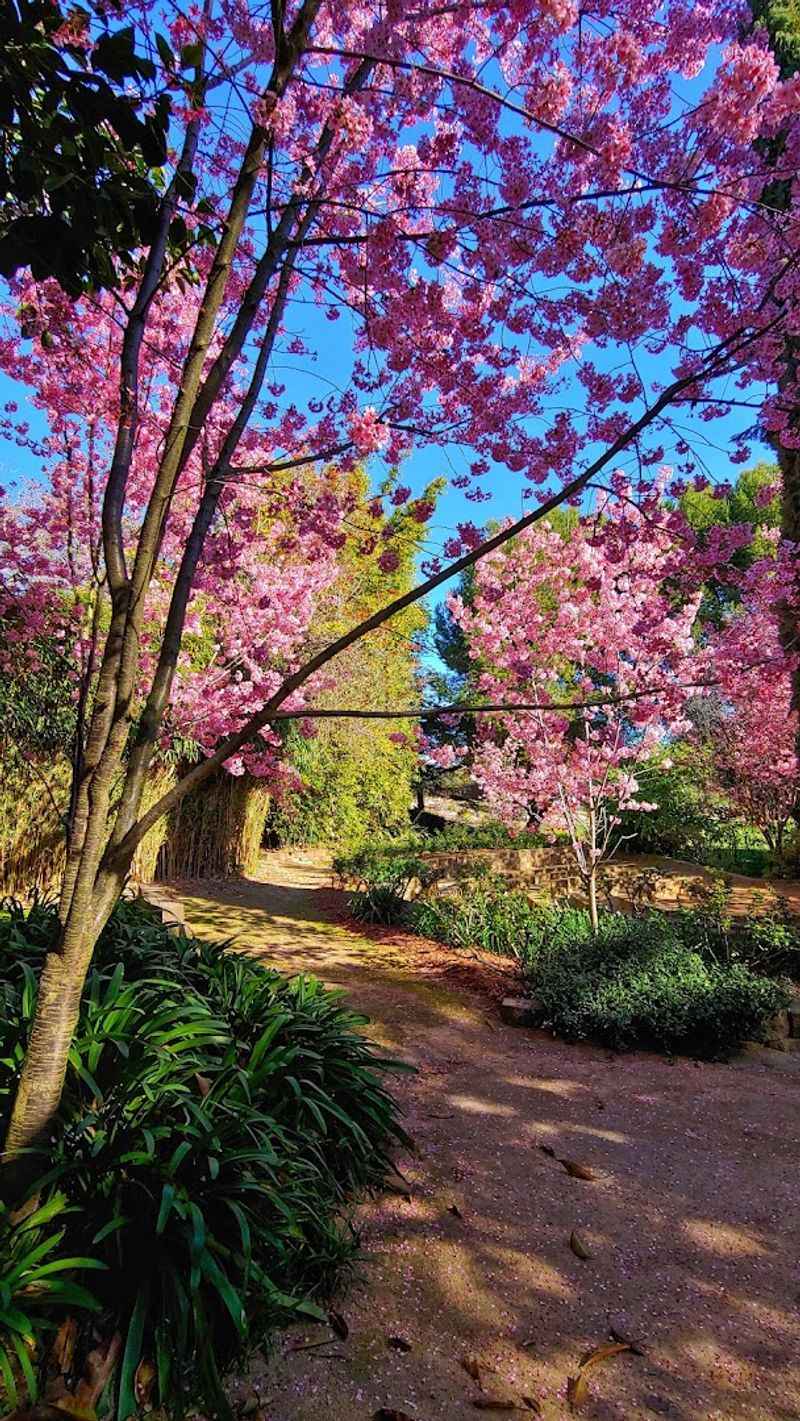
Few things feel as satisfying as wandering at your own pace through a garden bursting with spring color.
Running from February to late March, the Cherry Blossom Hunt at South Coast Botanic Garden invites visitors to explore 87 acres in search of cherry blossoms, roses, and California poppies on a self-guided tour.
The format is relaxed and flexible, which makes it a solid choice for families with young kids, older adults who prefer a slower pace, or anyone who just wants to roam without a strict schedule.
A map guides the experience, but the garden itself does most of the work by rewarding curiosity at every turn.
South Coast Botanic Garden is located at 26300 Crenshaw Blvd, Palos Verdes Peninsula, CA 90274, and the Blossom Hunt is included with regular garden admission.
Weekday visits tend to feel quieter than weekends, so arriving on a Tuesday or Wednesday morning could offer a more peaceful experience with fewer crowds along the bloom trails.
2. Botanical Keepsakes: Pressed Flower Frames
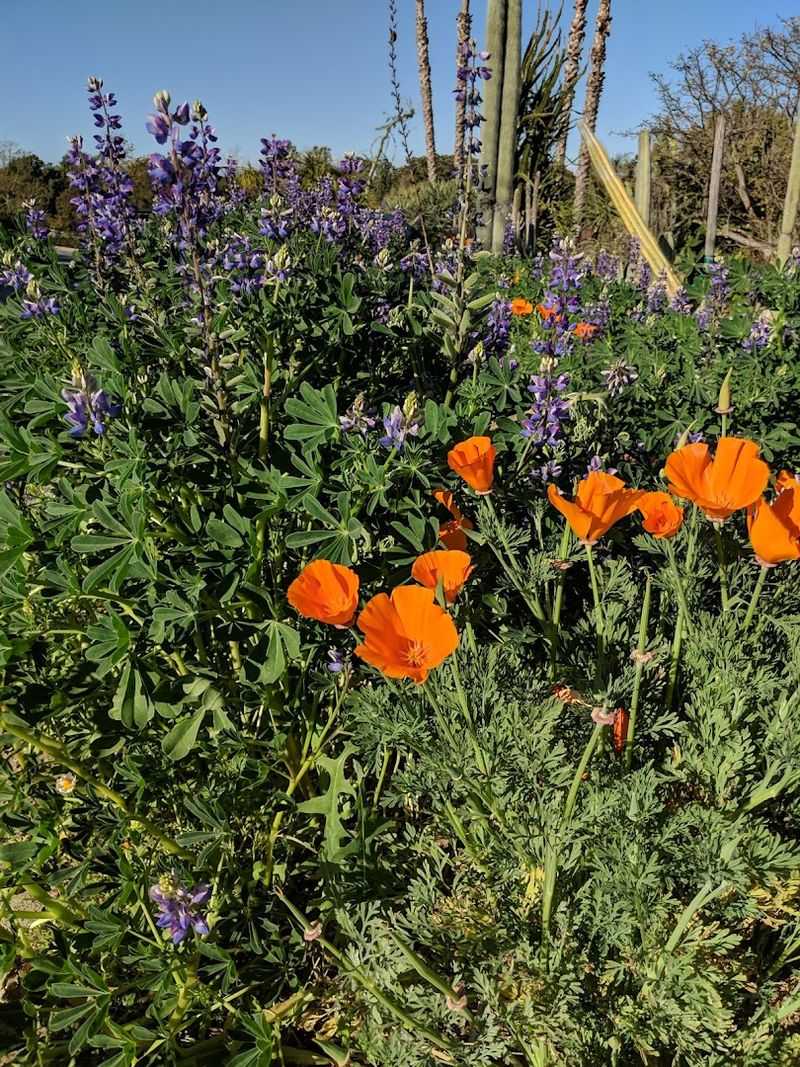
Creativity and memory come together beautifully in Botanical Keepsakes: Pressed Flower Frames.
This hands-on workshop invites guests to design a five by seven floating glass frame using real pressed flowers and foliage collected from the garden grounds.
Each participant arranges delicate petals, leaves, and natural textures around a favorite photo placed at the center, creating a piece that feels both personal and artful.
Bringing a printed photo up to four by six inches is recommended, but no one has to miss out if they forget.
A Polaroid photo can be taken during the workshop, making the experience spontaneous as well as meaningful.
Along the way, instructors share simple techniques for pressing flowers at home, giving guests the confidence to preserve blooms from future celebrations, garden visits, or everyday moments.
The process feels unhurried and calming, with time to experiment, adjust compositions, and appreciate the natural beauty of each element.
Every guest also enjoys a refreshing Wild Butterfly Lemonade, adding a light and celebratory touch to the session.
Thoughtful, creative, and relaxed, this workshop is especially fitting for Mother’s Day, heartfelt gifts, or preserving a favorite memory in a truly unique way. Pricing is thirty dollars for members and thirty-three dollars for non-members.
3. South Coast Cactus And Succulent Society Meeting

Not every March event at South Coast Botanic Garden is tied to cherry blossoms.
On March 8, the South Coast Cactus and Succulent Society held its monthly meeting at the garden, featuring a presentation by Adam Baker on the topic of Astrophytum, a genus of star-shaped cacti native to Mexico and the southwestern United States.
Astrophytum plants are prized by collectors for their distinctive geometric patterns and relatively compact size, making them popular among both beginner and experienced succulent enthusiasts.
Baker’s presentation offered a focused look at the variety within the genus, covering cultivation tips and the visual characteristics that make each species identifiable.
The South Coast Cactus and Succulent Society meets regularly at the garden, and their meetings are open to members and interested visitors who want to connect with a community of plant enthusiasts.
For anyone curious about desert plants or looking to expand a succulent collection with something less common, the society’s events offer practical knowledge in a welcoming, low-pressure setting.
More information about upcoming meetings can be found through the South Coast CSS website and through the garden’s affiliated programming calendar.
4. Paint And Sip: Paint The Pollination Garden
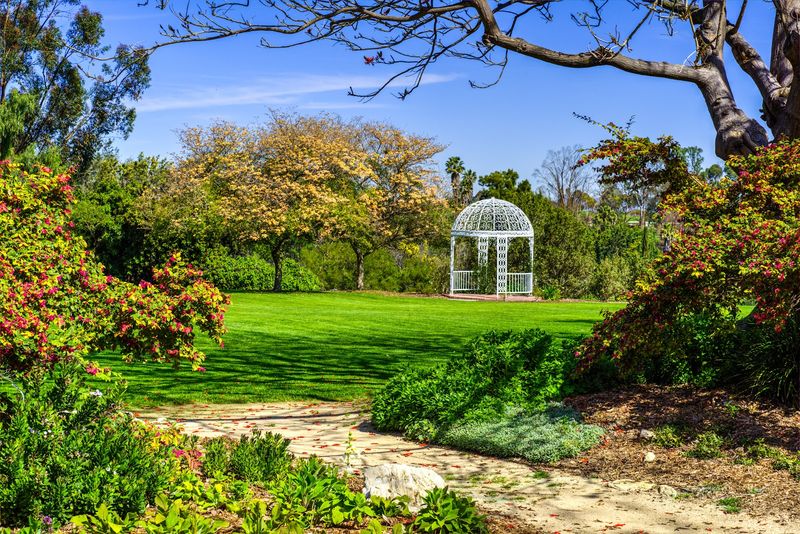
The Pollination Garden at South Coast Botanic Garden is one of the more visually layered sections of the property, with plantings specifically chosen to attract bees, butterflies, and hummingbirds throughout the season.
On March 14, a Paint and Sip event invited participants to capture that section of the garden on canvas with guidance from an on-site instructor.
Painting a live garden scene rather than a reference photo introduces an element of spontaneity that many participants find freeing, since the light shifts, a bee lands on a flower, and the painting reflects that moment rather than a fixed image.
The instructor-led format keeps the session structured enough for beginners while leaving room for individual interpretation.
Events like this one are well-suited to adults who enjoy creative activities but may not have a regular outlet for them, and the garden setting makes the subject matter immediately accessible.
Seating is typically limited at Paint and Sip events, so checking the South Coast Botanic Garden’s class registration page ahead of time is advisable.
Future pollination-themed programming may also be available for those interested in the ecological side of the garden’s plant collections.
5. Paint And Sip: Paint The Upper Meadow Slope
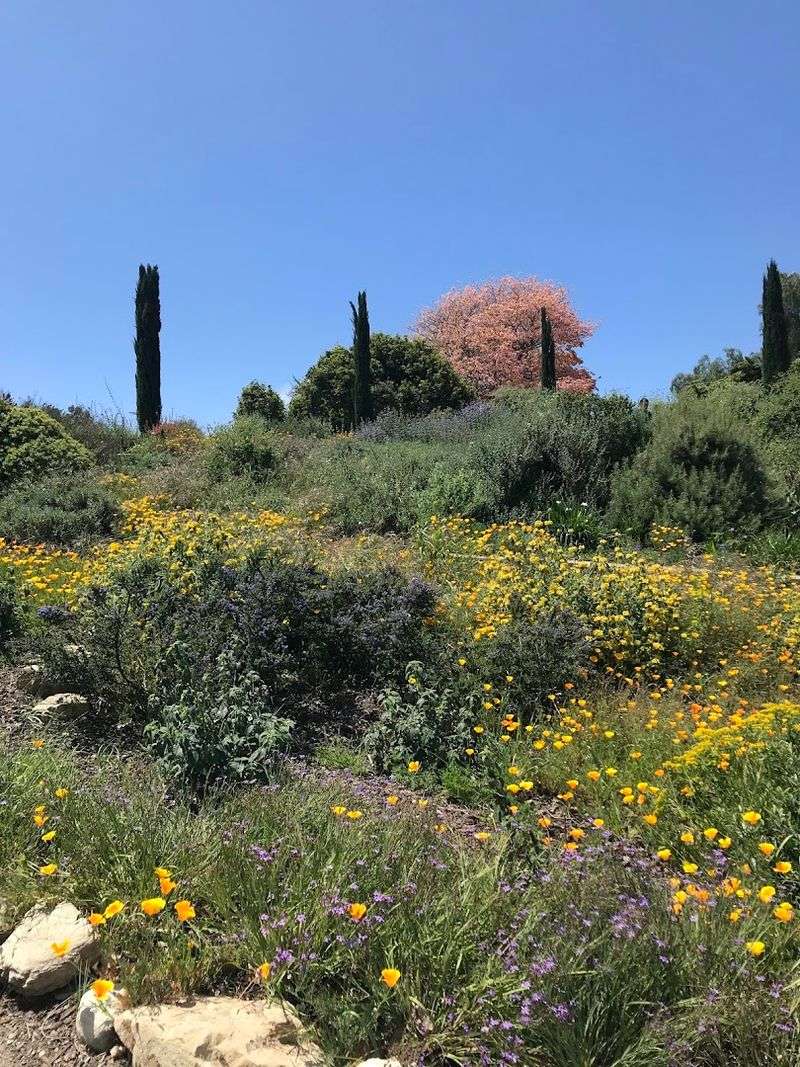
Spring light and open skies set the tone for Paint & Sip: Paint the Upper Meadow Slope.
This guided workshop invites guests to settle in with a canvas, pick up a brush, and enjoy a refreshing beverage while capturing one of the Garden’s most scenic vistas.
A skilled instructor leads the session step by step, making the experience welcoming for beginners while still engaging for more confident painters.
Along the way, participants learn fun and surprising facts about the plants and landscape elements that shape the Upper Meadow Slope, adding context and depth to every brushstroke.
The atmosphere is relaxed and social, with time to laugh, sip, and experiment with color as the scene gradually comes to life on canvas.
Once paintings are complete, guests can stroll out to view the real-life slope that inspired their artwork, seeing firsthand how light, texture, and perspective influenced their interpretation.
The result is a personal keepsake tied directly to a specific place and season within the Garden. Pricing is fifty-five dollars for members and sixty dollars for non-members.
6. Paint And Sip: Paint The Rose Garden
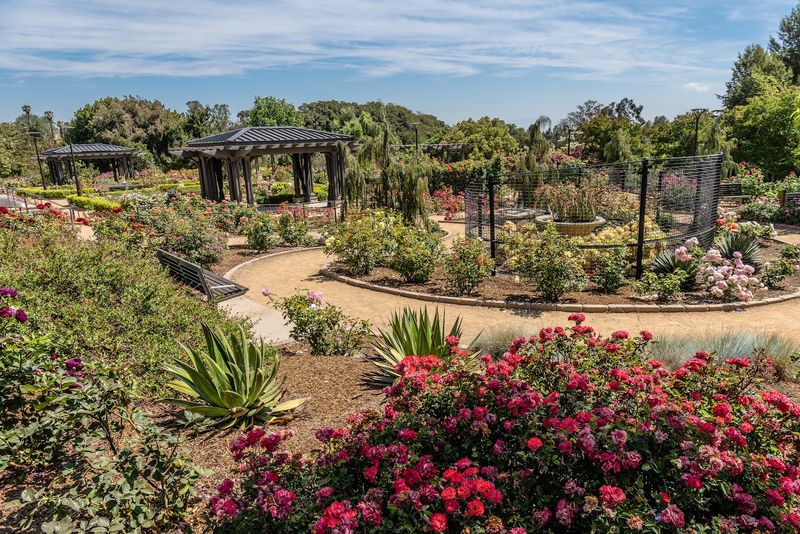
May brings rich color and fragrance to Paint & Sip: Paint the Rose Garden, a guided experience that blends creativity with the peak of rose season.
Guests gather with canvas in hand, sipping their drink of choice as an instructor walks them through each stage of building a floral composition inspired by the Garden’s blooming roses.
The session balances instruction with freedom, encouraging painters to explore their own style while learning techniques for layering petals, blending hues, and creating depth.
As brushes move across canvas, participants hear fun insights about the varieties of roses featured in the scene and what makes this part of the Garden especially vibrant in late spring.
The setting feels celebratory yet calm, with the scent of roses lingering nearby.
After completing their paintings, guests can wander through the actual Rose Garden, comparing art to landscape and appreciating the details that sparked their creativity.
Each finished canvas becomes a seasonal reminder of color, fragrance, and a relaxed afternoon spent immersed in nature. Pricing is fifty-five dollars for members and sixty dollars for non-members.
7. Nature Waves: Sound Bathing In The Garden
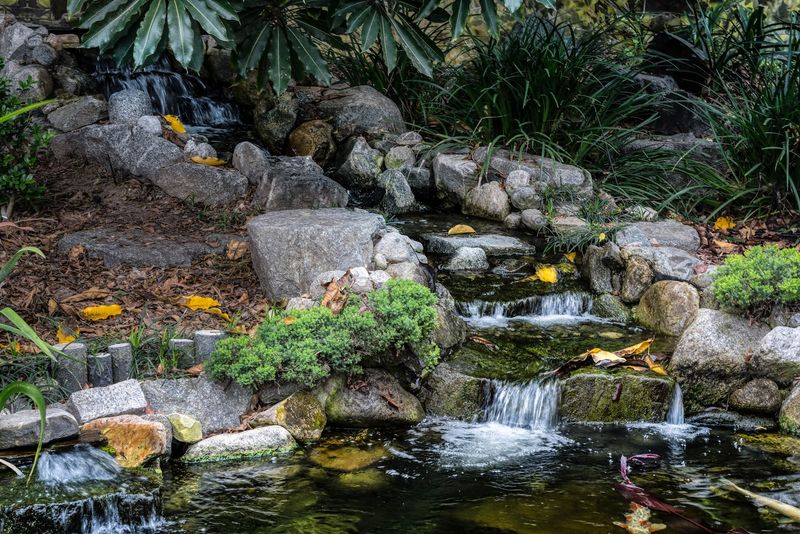
Sound bathing uses resonant instruments like singing bowls, gongs, and chimes to create an immersive audio environment that many participants describe as deeply relaxing.
On March 7, South Coast Botanic Garden offered a Nature Waves sound bathing session set within the garden’s natural surroundings, combining the calming effects of sound with the sensory richness of an outdoor botanical setting.
The experience is passive in the best possible way, requiring no movement, no prior knowledge, and no equipment beyond a comfortable place to lie or sit.
Participants typically close their eyes and let the layered tones wash over them while ambient garden sounds like birdsong and rustling leaves blend into the session organically.
Sound bathing has gained traction as a wellness practice because it requires very little from the participant while offering a genuine sense of rest and mental quiet.
Hosting it within a botanic garden adds a grounding quality that indoor wellness spaces often lack.
Future Nature Waves sessions may appear on the South Coast Botanic Garden’s class schedule, and checking the official website closer to the desired date is the most reliable way to find upcoming availability and registration details.
8. GYM: Goat Yoga And Mimosas Morning
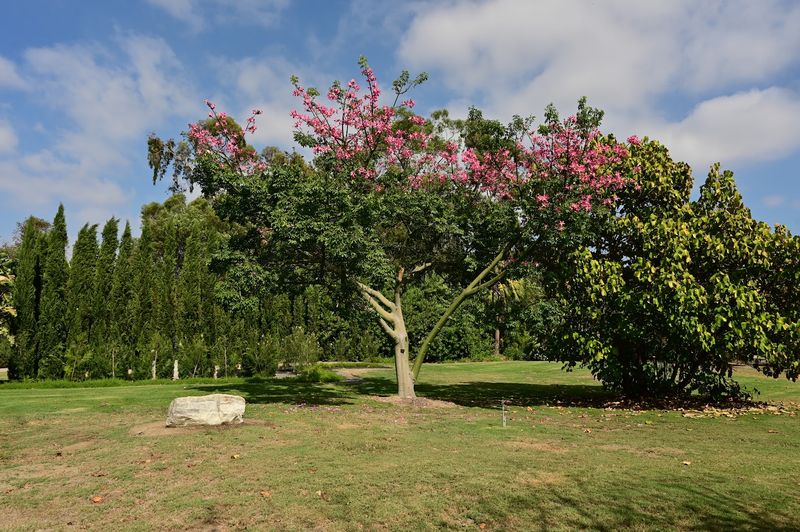
Goat yoga has earned its reputation as one of the more lighthearted wellness trends of recent years, and South Coast Botanic Garden leaned fully into the fun on March 8 with its GYM: Goat Yoga and Mimosas event.
The session combined a structured outdoor yoga class with the unpredictable and genuinely amusing presence of small friendly goats roaming freely among participants.
The appeal is easy to understand.
Goats are curious, gentle, and entirely indifferent to yoga poses, which tends to dissolve any self-consciousness participants might bring to a group fitness setting.
The result is a session that feels more like a shared experience than a performance, with laughter happening naturally as the animals interact with the group.
Outdoor yoga in a botanic garden setting adds a sensory layer that a gym or studio class cannot replicate, with natural light, plant textures, and open air contributing to the overall atmosphere.
Future GYM events at South Coast Botanic Garden may be scheduled throughout the spring and early summer season, and registration details are available through the garden’s official class calendar.
Spots tend to fill quickly given the event’s popularity.
9. Parent And Me: Pollination Exploration For Families
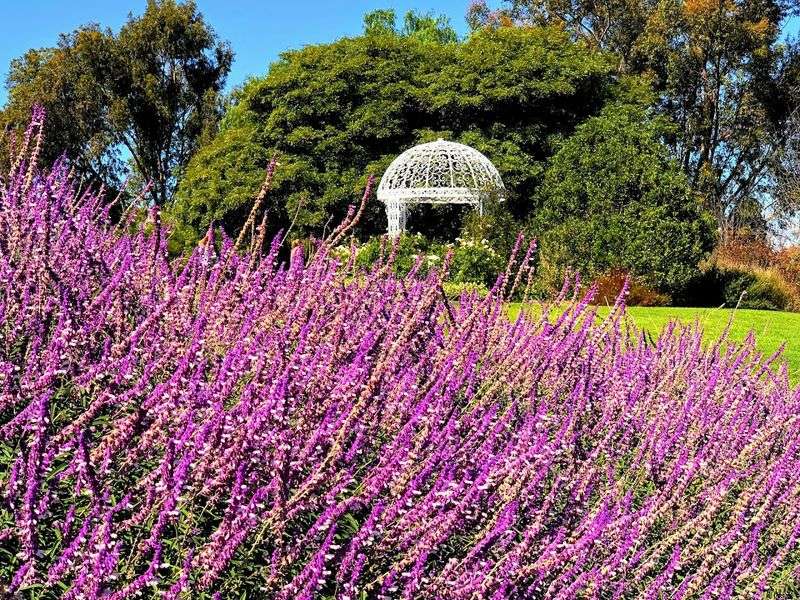
Introducing young children to the science of pollination works best when the lesson happens in a real garden rather than on a worksheet.
On March 15, South Coast Botanic Garden offered its Parent and Me: Pollination Exploration session, a hands-on family program designed for adults and young children to explore the garden’s pollinator-friendly plants together.
The session format encourages observation and curiosity rather than passive listening, with children guided to notice bees, butterflies, and other pollinators moving between flowers in real time.
That kind of direct observation tends to stick with kids far longer than a classroom explanation, partly because it connects an abstract concept to something they can actually see and hear.
Programs like this reflect a broader educational mission at South Coast Botanic Garden that goes beyond simply displaying plants.
The garden treats its living collections as teaching tools, and the Parent and Me series makes that approach accessible to families with very young children.
Future sessions in the series may cover different ecological themes throughout the year, so checking the garden’s programming calendar regularly is a good habit for families who enjoy nature-based learning activities together.
10. Macrame Workshop: Knot Your Bottle Holder
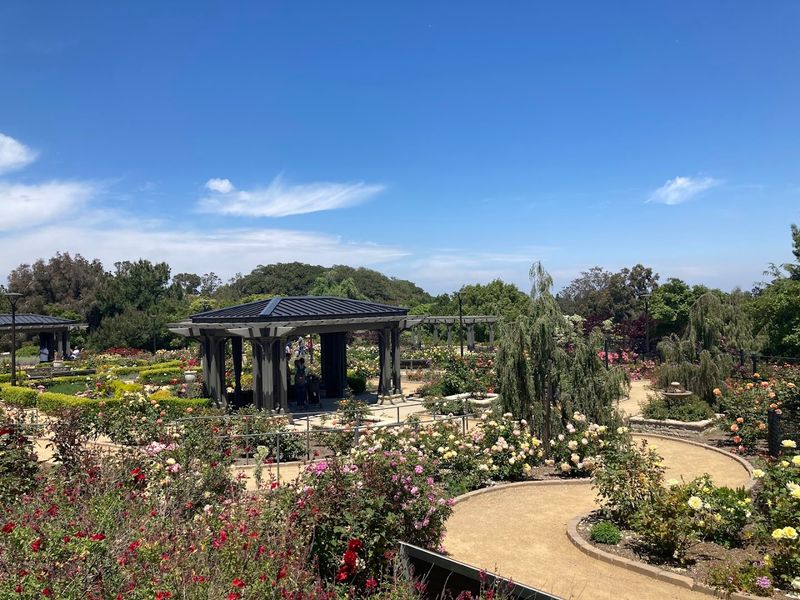
Macrame has made a quiet and steady comeback as a craft practice, and the appeal is straightforward.
Knotting cord by hand produces something functional and visually satisfying without requiring expensive tools or years of practice.
On March 29, South Coast Botanic Garden hosted a macrame workshop focused specifically on creating a crossbody water bottle holder, a project that combines craft skill with everyday practicality.
The bottle holder format is a smart choice for a single-session workshop because it is complex enough to teach real knotting technique while still being completable within the time frame.
Participants leave with a finished, usable object rather than a partial project to finish at home, which adds a sense of accomplishment to the experience.
Craft workshops at the garden tend to attract a mix of complete beginners and people with some prior fiber arts experience, and instructors typically adjust their guidance to accommodate both.
The garden setting adds a relaxed, unhurried quality to the session that a typical craft studio might not always provide.
Future macrame or fiber arts workshops may appear on the South Coast Botanic Garden’s class schedule, and early registration is recommended since capacity at hands-on workshops is usually limited.
11. TROLLS: A Field Study By Thomas Dambo

Thomas Dambo is a Danish artist known for building enormous troll sculptures from reclaimed and recycled wood and placing them in forests, parks, and gardens around the world where visitors stumble upon them as part of a discovery experience.
South Coast Botanic Garden became the home of the West Coast premiere of his TROLLS: A Field Study installation, running from March 1 through October 4.
The trolls are large enough to feel genuinely surprising when encountered on a garden path, and each one has a distinct personality expressed through its posture, facial features, and the way it interacts with the surrounding landscape.
Dambo designs the sculptures to feel like they belong in their environment rather than sitting on top of it, which gives the installation a quality closer to environmental art than traditional outdoor sculpture.
For families with children, the troll hunt aspect of the visit adds a narrative layer that makes the garden feel like an adventure rather than a passive walk.
Adults tend to appreciate the craftsmanship and the sustainability angle, since every sculpture is built entirely from materials that would otherwise go to waste.
12. Dinosaurs Around the World: The Great Outdoors

The Garden has taken a bold step back in time. Dinosaurs Around the World: The Great Outdoors is officially open, and it is the largest exhibit the space has ever hosted.
Thirteen life-sized animatronic dinosaurs now tower over pathways, peek through trees, and command open lawns, turning familiar garden corners into something wildly prehistoric.
Moving tails, blinking eyes, and rumbling sounds make the experience feel immersive rather than static, especially for younger visitors seeing these giants up close for the first time.
The exhibit is designed to blend natural history with the surrounding landscape, creating a playful contrast between ancient creatures and living plant collections.
Guests can follow themed routes, pause for photos beneath towering species, and learn fascinating facts about how dinosaurs once roamed a very different version of Earth.
The energy is lively and family-friendly, with plenty of wide-eyed reactions along the way.
Demand has been strong since opening day, and the Pangea Express ride is already close to selling out for November dates.
Planning ahead is strongly recommended for anyone hoping to secure a spot. This is not just another seasonal display.
It is a full-scale prehistoric takeover that transforms a garden stroll into an adventure millions of years in the making.
13. What’s Blooming In March: Fuchsias, Wisteria, And Sweet Peas
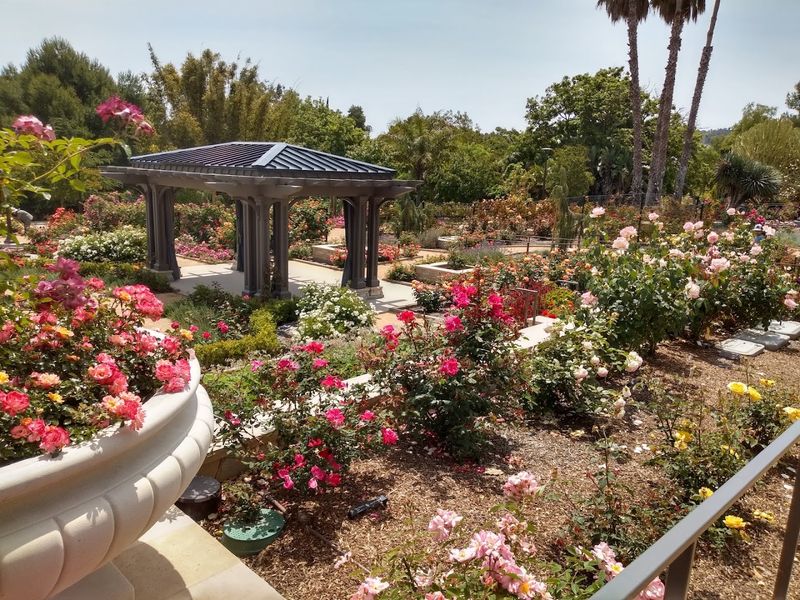
Beyond the celebrated cherry blossoms, March brings a broader wave of color to South Coast Botanic Garden that rewards visitors who take time to look beyond the most photographed spots.
Fuchsias, wisteria, and sweet peas are among the blooms actively flowering throughout the month, each adding a distinct texture and color range to the garden’s overall palette.
Wisteria in particular creates a dramatic visual effect when it cascades over garden structures, with dense clusters of lavender-blue flowers that carry a noticeable fragrance on warmer afternoons.
Fuchsias offer a different kind of color, with hanging blooms in deep pinks and purples that attract hummingbirds and provide a striking contrast against green foliage.
Sweet peas add a softer, more delicate note with their ruffled petals in shades ranging from white to deep rose.
Checking the garden’s weekly blooming updates on the South Coast Botanic Garden website before visiting helps visitors plan which areas to prioritize based on what is currently at peak color.
Bloom timing can shift slightly depending on weather conditions each year, so real-time updates from the garden itself are more reliable than fixed seasonal guides when planning a visit specifically around flowering plants.