This California Buffet Is So Popular, People Are Planning Vacations Around It In 2026
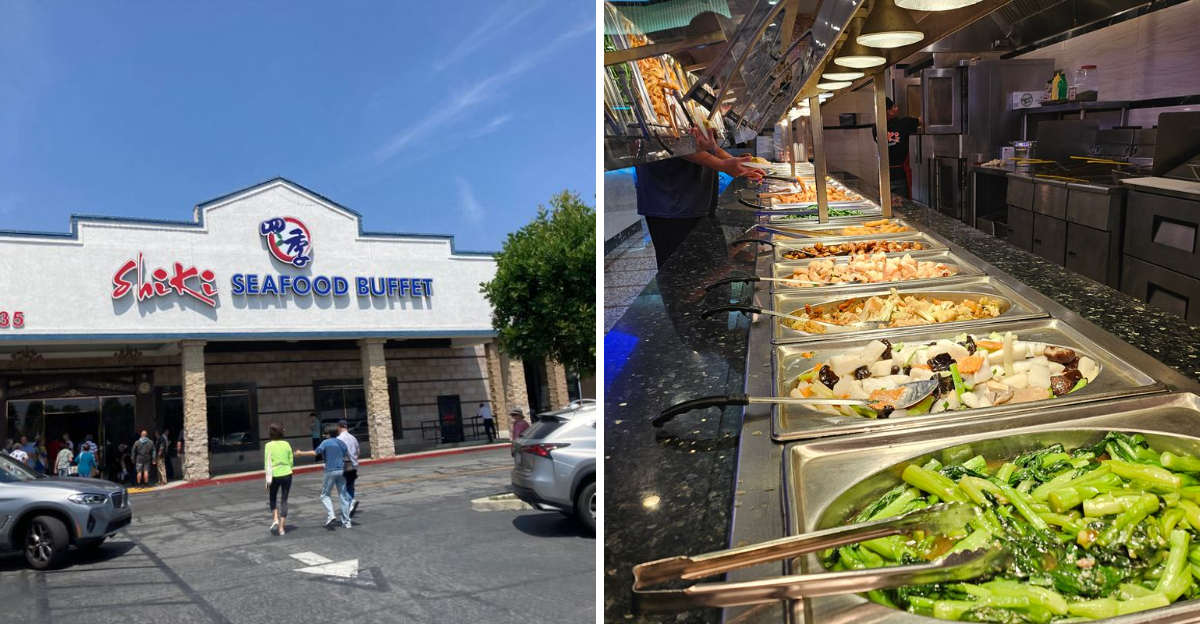
The hype surrounding one California buffet has reached a level most restaurants never come close to touching.
Travelers are booking flights. Group chats are forming. Reservations are being hunted down months ahead of time.
Shiki Seafood Buffet in Temple City has quietly transformed from a local favorite into a full-blown dining phenomenon that people are willing to plan entire trips around.
The moment guests walk inside, the scale becomes clear. Rows of chilled seafood stretch across the room. Steam rises from hot stations.
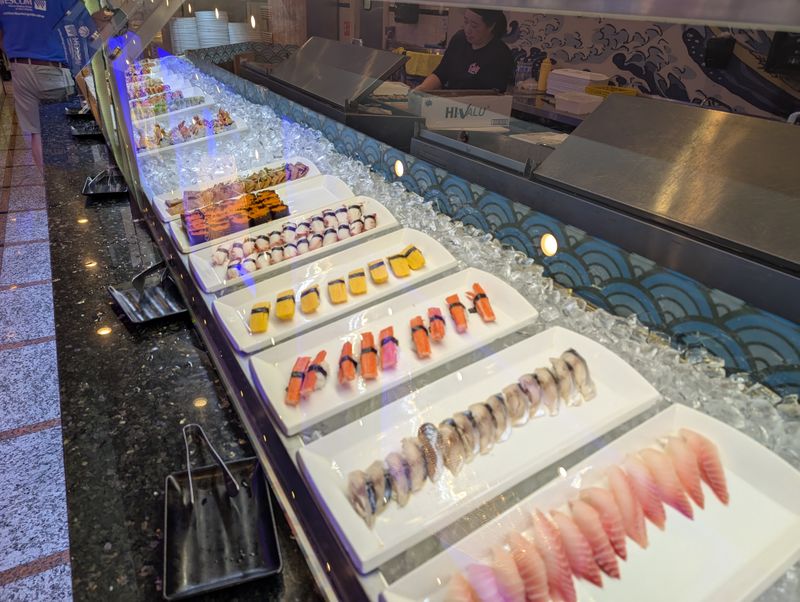
Plates stack fast as diners make their first lap, wide-eyed at the sheer variety. Snow crab legs pile high. Fresh sashimi glistens on ice.
Oysters, shrimp, and shellfish appear in near endless rotation, creating the kind of visual overload buffet lovers dream about.
The buzz keeps growing because the experience goes beyond quantity. Quality drives the obsession. Presentation matters. Flavors deliver.
Online food forums light up with strategy tips, peak hours, and reservation victories. Some visitors treat scoring a table like winning a ticketed event.
This California hotspot has blurred the line between dinner plans and travel goals, proving one unforgettable buffet can become a destination all on its own.
1. Seafood Selection That Draws Crowds
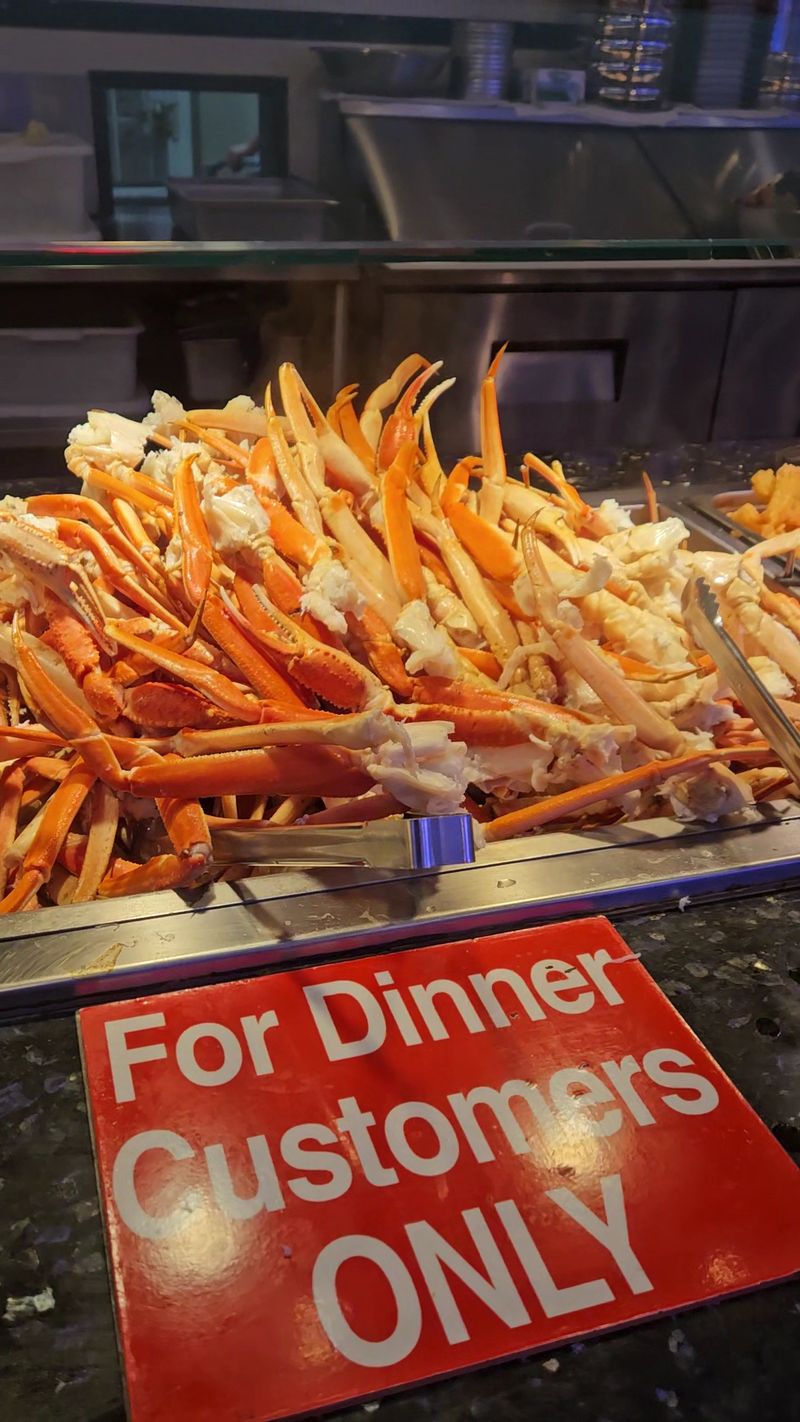
Snow crab legs sit piled high on ice stations throughout the dining room, creating a visual centerpiece that guests notice the moment they walk through the doors.
The restaurant refreshes these stations regularly throughout service hours, ensuring that each guest encounters seafood at its proper temperature and texture.
Oysters arrive on the half shell alongside cocktail sauce and lemon wedges, offering a raw bar experience typically reserved for coastal establishments.
Sashimi cuts include tuna, salmon, and yellowtail, prepared by staff trained in proper knife techniques that preserve the fish’s natural texture.
The variety extends beyond the expected options to include less common selections that change based on seasonal availability and market conditions.
Guests often make multiple trips to the seafood stations, treating each visit as an opportunity to sample something different.
The commitment to seafood quality has become the restaurant’s defining characteristic, separating it from competitors who offer limited selections or rely on frozen alternatives.
This focus on premium ocean fare at buffet pricing creates a value proposition that resonates with diners who normally budget carefully for seafood meals.
The reputation built around these offerings has turned first-time visitors into repeat customers who plan return trips months in advance.
2. Asian Cuisine Variety Across Regions
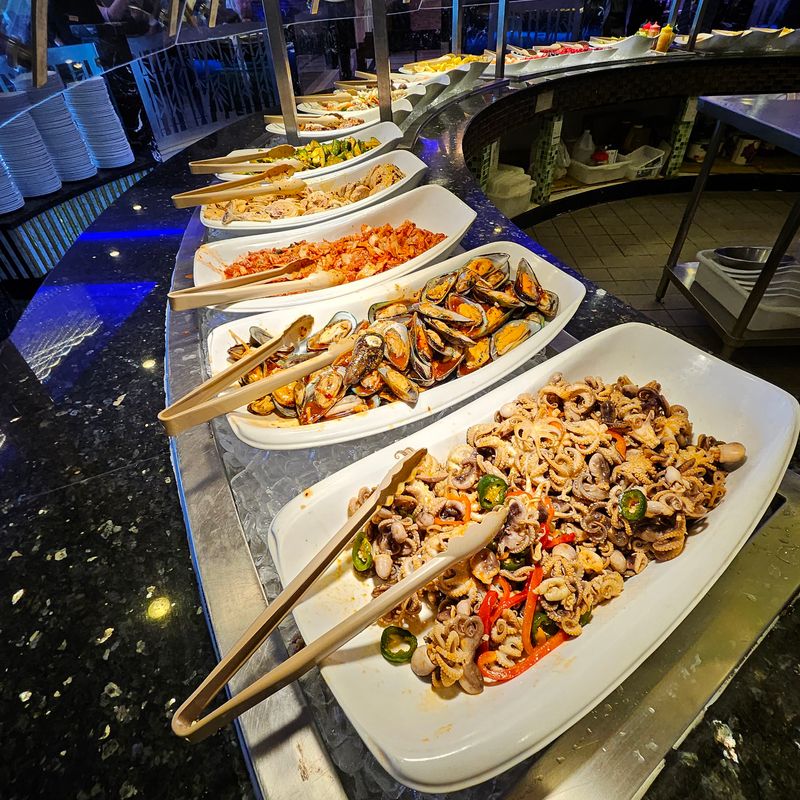
Dim sum baskets arrive fresh from the kitchen throughout the lunch and dinner service, offering steamed dumplings, buns, and other traditional items that many buffets only provide during specialized brunches.
The restaurant maintains separate stations for Chinese and Japanese preparations, allowing guests to explore distinct flavor profiles without the dishes blending together.
Sushi rolls range from basic California rolls to more elaborate specialty combinations that incorporate multiple fish types and creative garnishes.
A noodle bar allows diners to request customized preparations, choosing from different noodle types, broths, and protein additions that get assembled to order.
This made-to-order element adds a restaurant-style experience within the buffet format, giving guests control over seasoning levels and ingredient combinations.
Grilled meats include teriyaki chicken, Korean-style short ribs, and other items that provide protein options beyond seafood.
The breadth of Asian cuisine represented under one roof eliminates the need to choose between different restaurant types, making the buffet appealing to groups with varied preferences.
Families with members who favor different cuisines find common ground here, as everyone discovers multiple dishes that match their tastes.
This comprehensive approach to Asian cooking styles has contributed to the restaurant’s reputation as a destination worth traveling for rather than just a convenient local option.
3. Spacious Dining Room Design
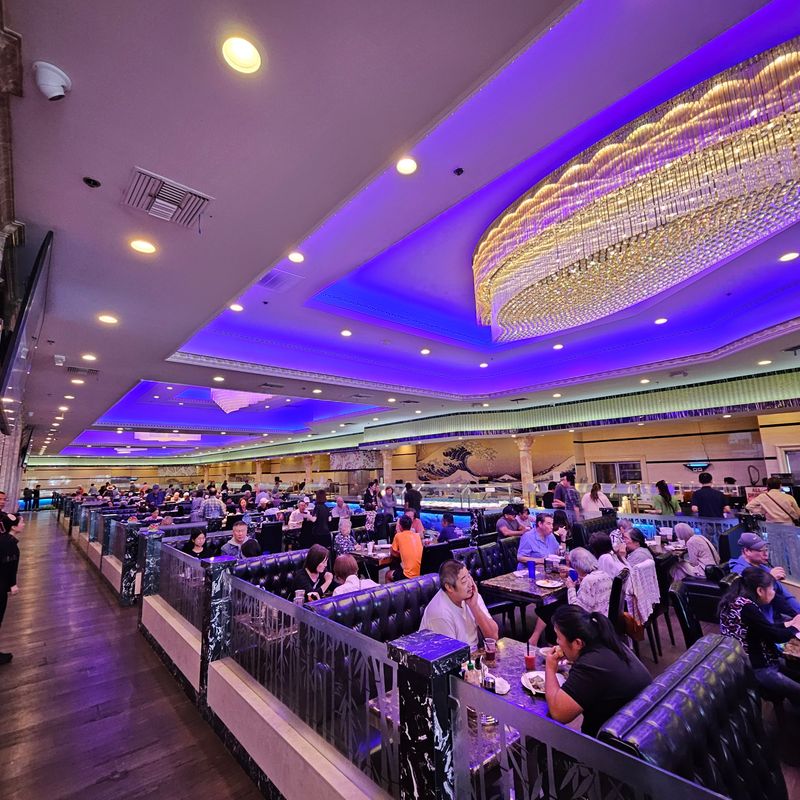
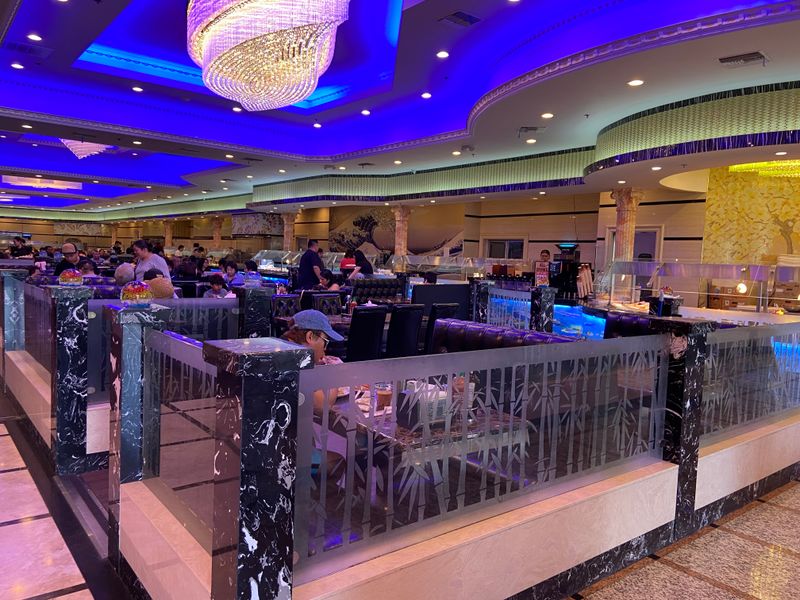
The dining room spans a considerable square footage, with tables arranged to provide clear pathways between seating areas and buffet stations.
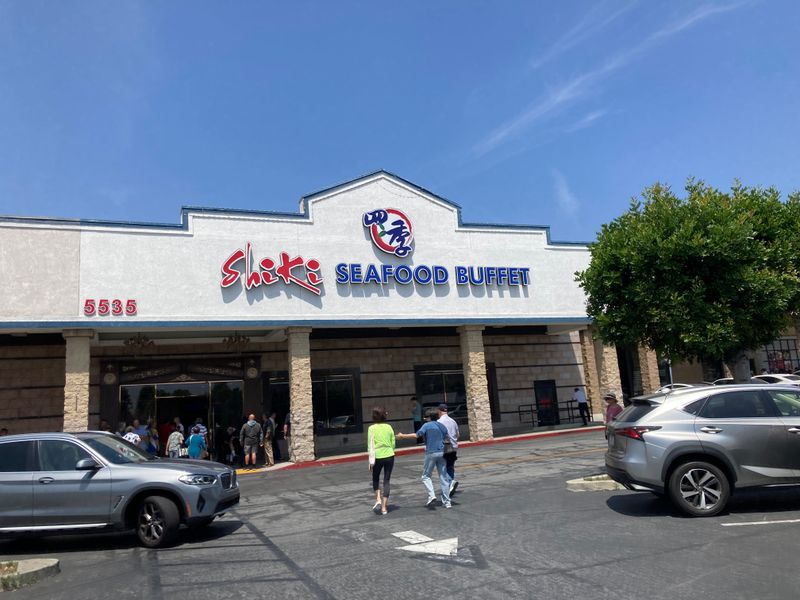
Shiki Seafood Buffet operates at 5535 Rosemead Blvd, Temple City, CA 91780, where the building’s layout supports efficient traffic flow even during peak hours.
High ceilings prevent the space from feeling closed in despite the number of diners it accommodates during busy periods.
Booth seating along the walls offers semi-private dining for families and small groups, while center tables can be pushed together for larger parties celebrating special occasions.
The restaurant’s design prioritizes accessibility, with wide aisles that accommodate wheelchairs and mobility devices without requiring guests to navigate tight corners.
Lighting strikes a balance between bright enough to see food clearly and soft enough to maintain a comfortable dining atmosphere.
Staff members clear tables promptly between seatings, maintaining cleanliness standards that guests consistently mention in reviews.
The spacious environment reduces the stress often associated with crowded buffets, where diners jostle for position at popular stations.
This attention to physical comfort contributes to the overall experience, making the meal feel more relaxed than rushed despite the restaurant’s popularity and steady stream of arriving guests throughout operating hours.
4. Unexpected Beverage Station Extras
A boba tea station sits among the beverage offerings, allowing guests to prepare bubble tea drinks without ordering separately from a menu.
The machine dispenses tapioca pearls and various tea bases, giving diners the opportunity to customize sweetness levels and flavor combinations.
This addition elevates the drink selection beyond the typical soda fountain found at most buffet restaurants.
Coffee machines provide hot beverages for guests who prefer caffeinated drinks with their meals or want something warm to finish the dining experience.
The availability of multiple beverage types throughout the meal means diners can switch between cold and hot drinks as they move through different courses.
Traditional soft drinks remain available for those who prefer familiar options, ensuring that beverage preferences don’t limit anyone’s enjoyment.
The beverage variety reflects the same attention to comprehensive offerings that defines the food selection, treating drinks as an integral part of the experience rather than an afterthought.
Guests appreciate not having to choose between desired beverages and budget constraints, as the all-inclusive pricing covers these specialty drink options.
This approach to beverage service demonstrates how the restaurant thinks beyond basic buffet expectations, adding elements that create memorable moments and distinguish the experience from competitors who stick to standard fountain drinks and water pitchers.
5. All-Inclusive Pricing Structure
Lunch service costs approximately twenty-five dollars per person, offering access to the full buffet spread during daytime hours when some diners prefer lighter eating patterns.
Dinner and weekend pricing increases to around thirty-eight dollars, reflecting the expanded selection and premium items that appear during evening service.
A mandatory ten percent service charge gets added to every bill, eliminating confusion about appropriate tipping amounts.
This service charge model provides staff with consistent compensation while removing the mental calculation that diners typically perform when deciding tip percentages.
Guests know the total cost upfront, allowing them to budget accordingly without worrying about additional expenses beyond the posted prices.
The transparency in pricing has earned positive mentions in reviews, as diners appreciate understanding exactly what they’ll pay before sitting down.
The cost positions the restaurant in the mid-to-upper range for buffet dining, reflecting the quality of ingredients and variety of offerings rather than competing on price alone.
For travelers planning trips around the dining experience, the predictable pricing helps with vacation budgeting and eliminates surprise expenses.
The value proposition becomes clear when guests compare the per-person cost to ordering comparable seafood dishes from a standard menu, where crab legs and sashimi alone might exceed the buffet price before adding sides or additional courses.
6. Daily Lunch And Dinner Hours
The restaurant opens at eleven-thirty in the morning and continues service until nine o’clock at night, providing a window that captures both meal periods without the gap that some establishments impose between lunch and dinner.
Daily operation means travelers can plan visits without worrying about weekly closure days that might conflict with trip schedules.
The consistent hours remove uncertainty from the planning process, particularly for guests driving from distant locations who want to ensure arrival during operating times.
Lunch hours tend to draw a different crowd than evening service, with weekday afternoons attracting local professionals and retirees who prefer quieter dining environments.
Dinner and weekend periods see families, celebration groups, and out-of-town visitors who have scheduled the meal as a highlight of their day.
Understanding these patterns helps guests choose timing that matches their preferred atmosphere, whether they want a more relaxed pace or the energetic buzz of peak hours.
The extended daily schedule demonstrates the restaurant’s commitment to accessibility, ensuring that schedule constraints don’t prevent interested diners from experiencing the buffet.
For vacation planners, the reliable hours mean the restaurant can anchor a day’s itinerary without requiring backup plans in case of unexpected closures.
This operational consistency has contributed to the establishment’s reputation for reliability, a factor that matters significantly when people are building travel plans around a single dining destination.
7. Fresh Prep Keeps Quality High
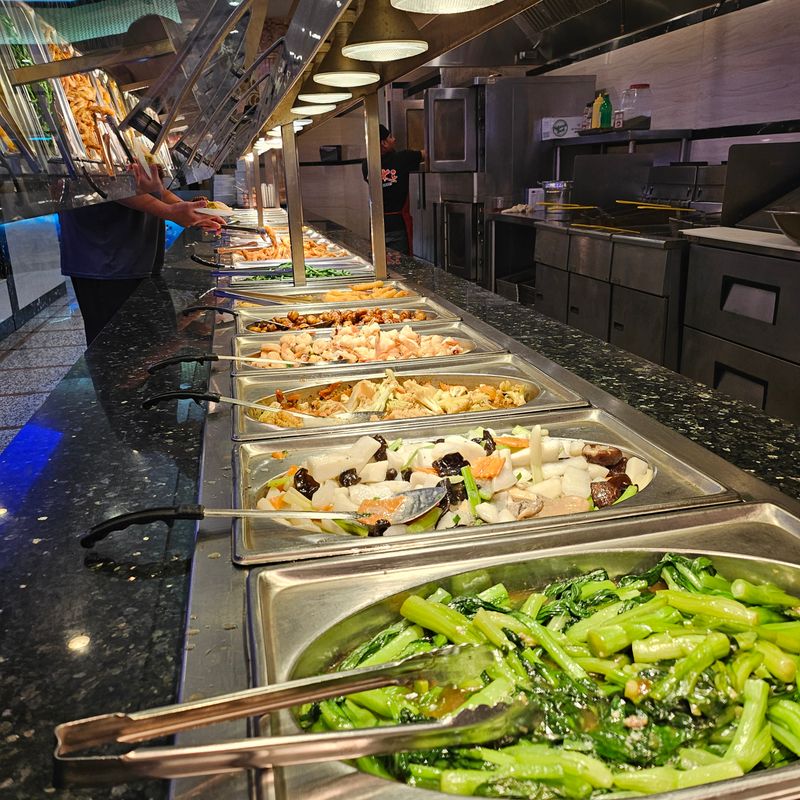
Kitchen staff continuously monitor buffet stations, removing items that have sat too long and replacing them with fresh preparations that maintain proper temperature and texture.
This rotation system prevents the quality degradation that can occur at buffets where food sits under heat lamps for extended periods.
Guests notice the difference in taste and appearance, particularly with items like tempura that lose their crispness quickly if not consumed soon after cooking.
Sushi preparation happens in view of diners at some stations, providing transparency about freshness and allowing guests to request specific rolls if timing aligns with preparation schedules.
The visible kitchen activity reassures diners about food handling practices and creates a connection between the cooking process and the finished dishes.
Staff members respond to depleted stations quickly, minimizing the disappointment of arriving at an empty tray.
The commitment to freshness requires more labor than simply filling stations once and leaving them throughout service, but the restaurant has determined that quality maintenance justifies the additional effort.
Reviews frequently mention the freshness of offerings as a distinguishing factor, suggesting that diners notice and value this attention to detail.
For guests planning special trips to the restaurant, the assurance of consistent quality reduces the risk of disappointment that might come from traveling specifically for a meal that fails to meet expectations built up through online reviews and word-of-mouth recommendations.
8. Wheelchair-Friendly Layout
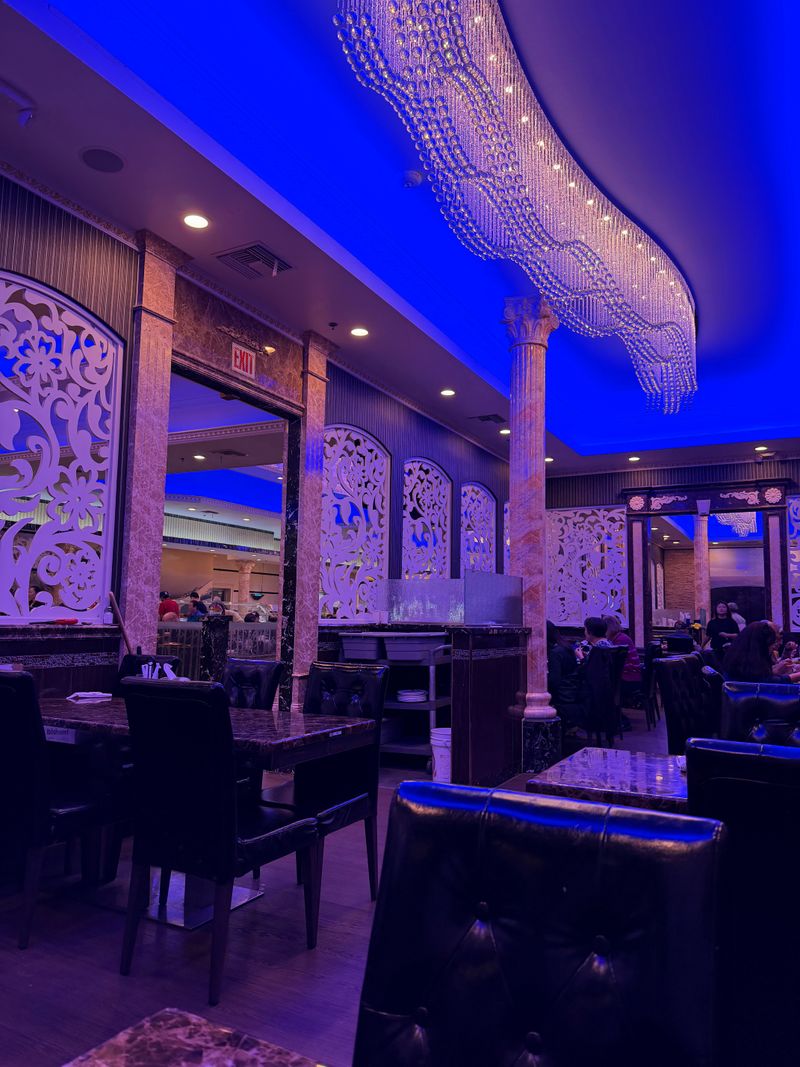
The restaurant’s design incorporates accessibility features from the entrance through the dining room and buffet areas, allowing guests using mobility devices to navigate independently.
Wide aisles between tables and around buffet stations accommodate wheelchairs without requiring other diners to move aside constantly.
The buffet counter heights allow seated guests to view and reach dishes without assistance, promoting dignity and independence during the dining experience.
Restroom facilities include accessible stalls with appropriate space and grab bars, extending the accessibility commitment beyond the dining areas.
Parking lot design includes designated accessible spaces near the entrance, reducing the distance that mobility-impaired guests must travel before reaching the building.
Staff members receive training on assisting guests with disabilities respectfully, offering help when needed without being presumptuous about capabilities.
For travelers with mobility considerations, knowing that a destination restaurant accommodates their needs removes a significant planning barrier.
The accessibility features allow multi-generational families to dine together comfortably, including elderly members who might use wheelchairs or walkers.
This inclusive approach expands the potential audience for the restaurant, ensuring that physical limitations don’t prevent anyone from experiencing the buffet that has gained such widespread attention.
The accessibility commitment demonstrates thoughtfulness that extends beyond food quality to encompass the complete guest experience from arrival through departure.
9. Reviews Praise Variety And Service
Online reviews across multiple platforms repeat themes of impressive variety, fresh ingredients, and staff members who clear plates promptly without hovering intrusively.
The consistency of these comments across different review sources suggests that the positive experiences reflect standard operations rather than isolated exceptional moments.
Guests mention specific dishes that exceeded expectations, indicating that they came with preconceived notions about buffet quality and found the reality surpassed their assumptions.
Service attentiveness gets praised particularly during busy periods, when restaurants often struggle to maintain standards under pressure.
The ability to keep tables cleared and stations stocked during peak hours demonstrates operational systems that function effectively at scale.
Negative reviews tend to focus on wait times during extremely busy periods rather than food quality or service attitude, suggesting that popularity sometimes strains capacity.
The volume of positive feedback has created a snowball effect, where strong reviews attract new visitors who then contribute their own favorable comments.
This cycle has amplified the restaurant’s reputation beyond what traditional advertising might achieve, making it a destination that food enthusiasts discover through research rather than stumbling upon by chance.
For potential visitors planning trips, the consistent praise across numerous reviews provides confidence that the experience will likely meet the high expectations that motivate travel planning.
The feedback loop between satisfied customers and curious future guests has become a powerful driver of the restaurant’s growing national profile.
10. Why The Value Feels Worth The Trip
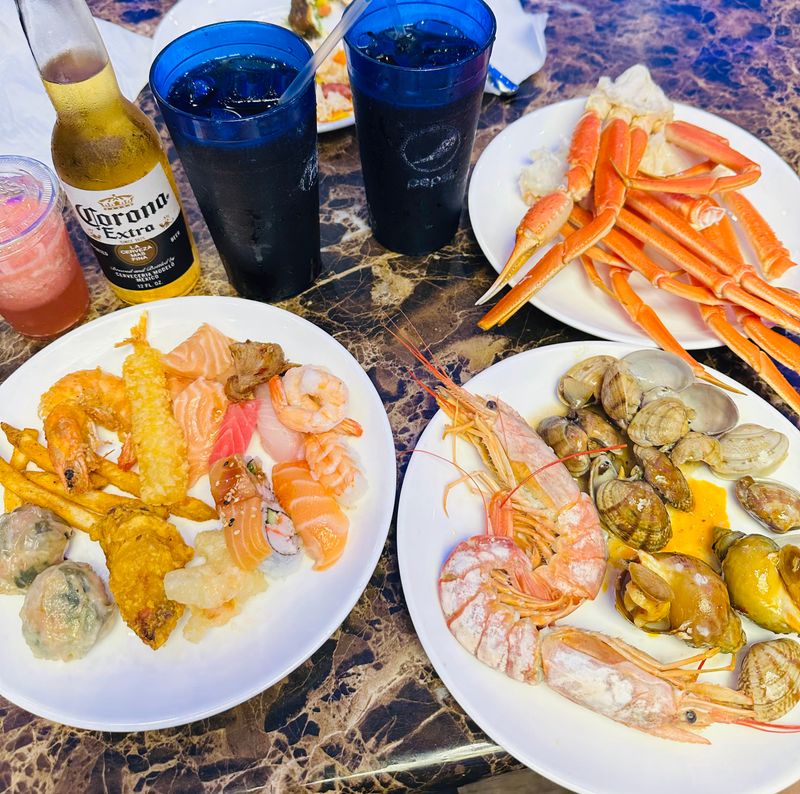
The intersection of premium ingredients, extensive variety, and all-you-can-eat pricing creates a value proposition that feels almost too good to be true for diners accustomed to paying premium prices for quality seafood.
This perception of exceptional value transforms a simple meal into an event worth celebrating, prompting guests to bring friends and family on return visits.
The restaurant has become a destination for marking occasions, with birthday groups and anniversary celebrations adding to the regular dinner crowd.
Guests often arrive with strategies for maximizing their experience, planning which stations to visit first and which items to save for later courses.
This engagement level indicates that diners view the meal as more than just eating, but as an experience requiring thought and planning.
The ability to sample multiple cuisines and premium ingredients without committing to full portions allows for culinary exploration that might not happen when ordering from a traditional menu.
The memorable nature of the experience drives the word-of-mouth recommendations that have built the restaurant’s reputation beyond local boundaries.
Diners who travel specifically to visit often share their experiences on social media and in food forums, contributing to the growing interest from people in other states.
This organic marketing through satisfied customers has proven more effective than traditional advertising, creating authentic enthusiasm that resonates with food lovers seeking their next destination dining experience worth planning a trip around.