This California Butcher Shop Has Turned The Steak Sandwich Into The Main Attraction
A butcher shop usually makes you think about what to cook later. One particular counter makes a convincing argument for eating before you even get home.
The steak sandwich has become much more than a convenient lunch option here.
Serious attention goes into the meat, and the kind of expertise normally associated with choosing a great cut ends up packed between bread instead.
In California, apparently even a trip to the butcher can turn into an excuse to order lunch before buying dinner.
That crossover makes the whole experience more interesting. You can browse the meat case while smelling food being prepared nearby, which is hardly ideal for anyone attempting to shop on an empty stomach.
There is also something satisfying about ordering a steak sandwich from people who spend their days thinking about meat.
It Started With A Butcher Who Takes Meat Seriously
Good sandwiches often begin long before anyone slices a roll.
A this shop, meat has been the heart of the business from the start. Everything else grew out of that focus.
The goal behind the shop was simple and practical. Neighbors needed a reliable, high-end butcher close to home, and the counter was built to fill that gap.
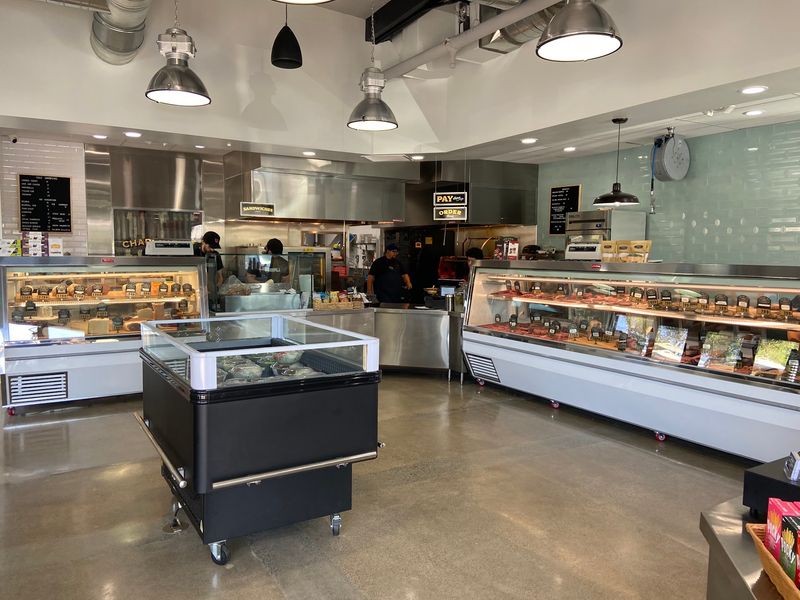
High-end cuts line the cases, and many items are wood-grilled or smoked right on site. An in-house smoker and a charcoal grill do much of the heavy lifting in the kitchen.
Those tools shape the flavor of the sandwiches, the smoked meats, and even the cold cuts. Both tools help explain why the menu leans so heavily on grilled and smoked flavors.
Sourcing matters here too. The steak sandwich relies on filet mignon and New York strip, which are sourced specifically for this one item.
Knowing that background helps explain why a simple lunch order feels different from a typical deli stop.
You can see that approach in action at 1000 Bristol St N, Newport Beach, California 92660, where the shop opens at 8 AM every day.
It closes at 6 PM on weekdays and 4 PM on weekends, so anyone planning a late Saturday or Sunday visit will want to keep those shorter weekend hours in mind.
The Steak Sandwich Is One Of The Big Reasons To Visit
Plenty of butcher shops sell sandwiches, but few see one item take over the conversation quite like this.
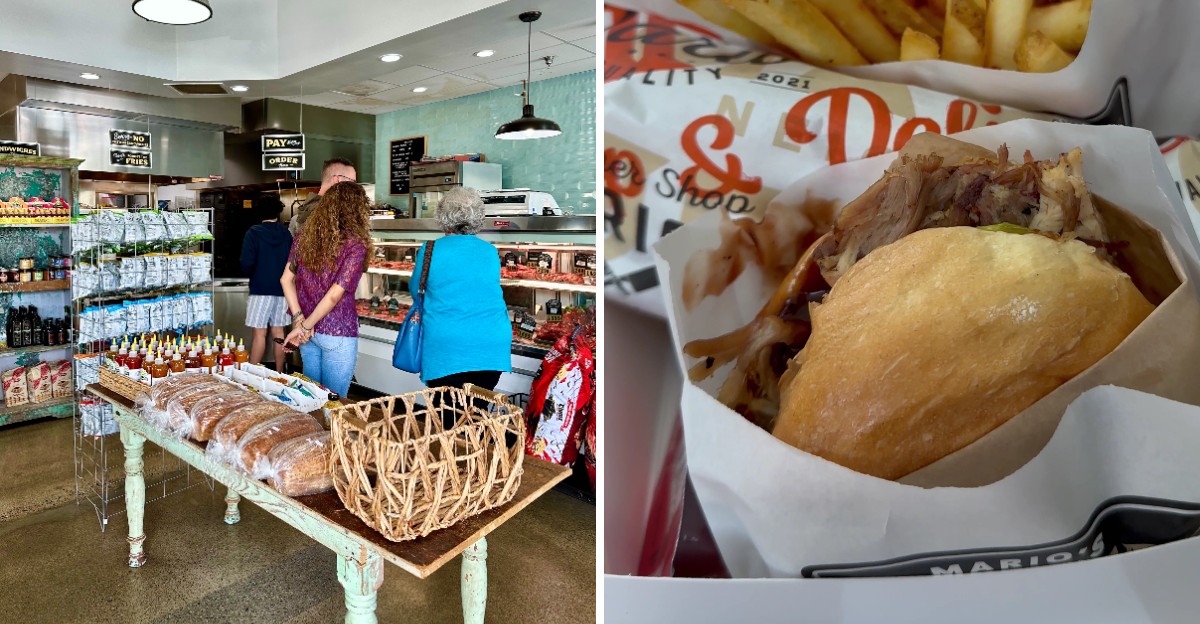
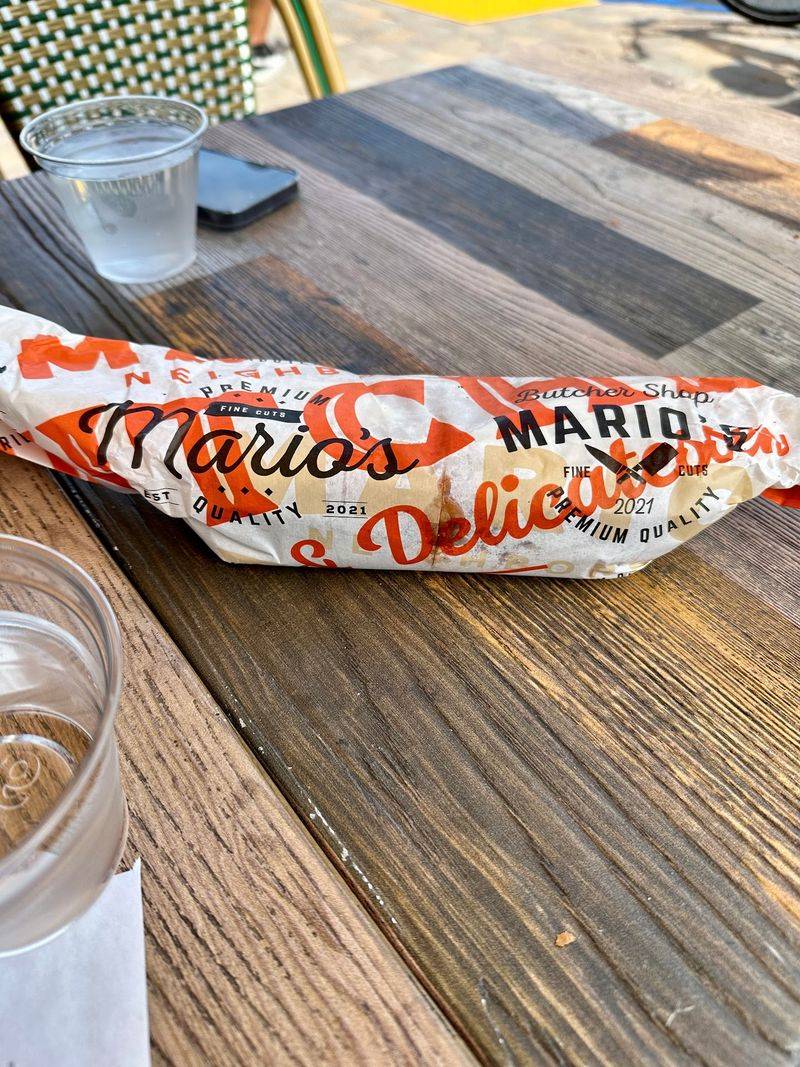
The steak sandwich at Mario’s Butcher Shop has become a signature draw, and it comes up again and again when people talk about the place.
Its story has a personal twist. The idea came from a steak sandwich made by an Argentine friend of the owner, and that inspiration still guides the recipe today.
Demand grew quickly after it joined the menu, and it never really slowed down.
So what makes people come back? The answer seems to be balance.
Sliced steak, crisp vegetables, creamy mayo, and tangy chimichurri all land in the same bite without one flavor shouting over the rest.
A popular item also brings a line. Lunch hours on weekdays and weekends can get busy, and the wait may stretch when the patio fills up.
Portions tend to be generous, so a hungry pair may even think about splitting one alongside a side of fries. Taking a sandwich to go is also an easy choice when tables are hard to find.
Either way, the steak sandwich gives a clear picture of what the kitchen does best.
The Steak Is Cooked With The Sandwich In Mind
Charcoal and white oak make a quiet but powerful team.
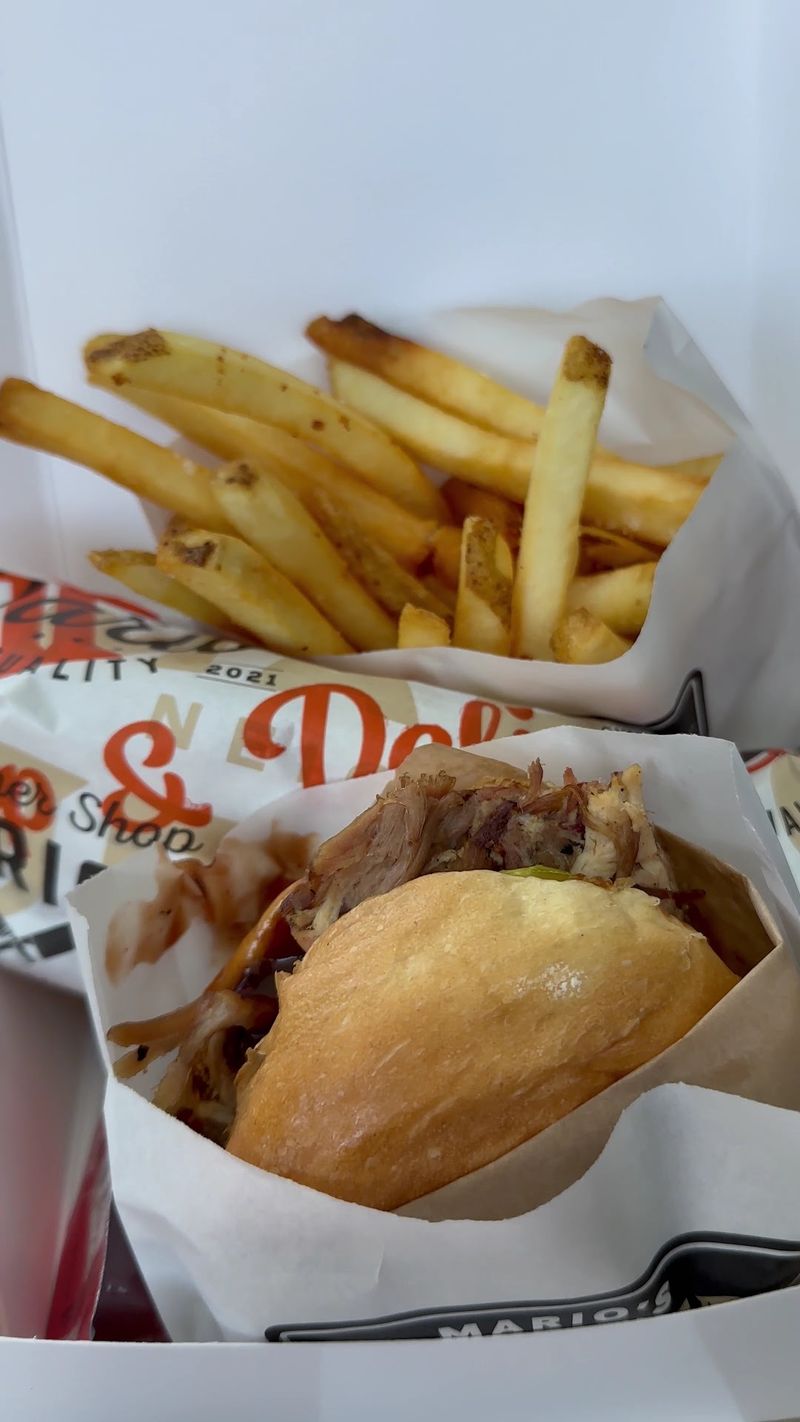
Filet mignon and New York strip for the sandwich go over a charcoal fire, and white oak logs are added to the grill during cooking.
The wood gives the beef a slightly sweet and smoky flavor that plain gas heat cannot copy.
Why use two premium cuts in a sandwich? Filet mignon is known for being soft and mild.
New York strip brings a beefier taste and a bit more chew, so the mix creates contrast in every bite.
After grilling, the steak is sliced and piled onto the roll. Slicing matters more than many people realize.
Smaller pieces are easier to bite through, which keeps the fillings from sliding out the back of the sandwich.
Home cooks can borrow a few lessons from the method. Letting a steak rest before slicing helps hold onto its juices, and cutting against the grain makes each strip feel more tender.
Adding a small chunk of hardwood to a charcoal grill can also bring a gentle smoky edge to weekend cookouts.
Cooking a steak for a sandwich is different from cooking one for a plate. The goal is a juicy, sliceable piece of meat that plays well with bread and sauce.
Fresh Bread Plays A Bigger Role Than You Might Expect
Bread rarely gets the spotlight, yet it can make or break a sandwich. The rolls here come from Bread Artisan Bakery, a local bakery in Santa Ana.
Choosing a nearby baker keeps the bread fresh and ties the sandwich to the wider Orange County food scene.
A good steak sandwich roll has a hard job. It needs enough crust to hold heavy slices of beef, juicy tomato, and saucy chimichurri without falling apart.
It also needs a soft interior that gives way easily so every bite does not turn into a tug-of-war.
Many people notice the crunch of the roll before anything else. A crisp outer layer adds texture that contrasts nicely with the meat inside.
Bread that is too thick or too airy could hide the steak, so the balance really matters.
Here is a practical tip for anyone taking a sandwich to go. Eating it soon after pickup helps the crust stay crisp, since steam from warm fillings can soften bread over time.
Leaving the wrapper slightly open during a short drive may help a little too.
Pay attention to the bread on the first visit. It says a lot about how carefully the rest of the sandwich was planned.
The Toppings Turn It Into More Than Meat On Bread
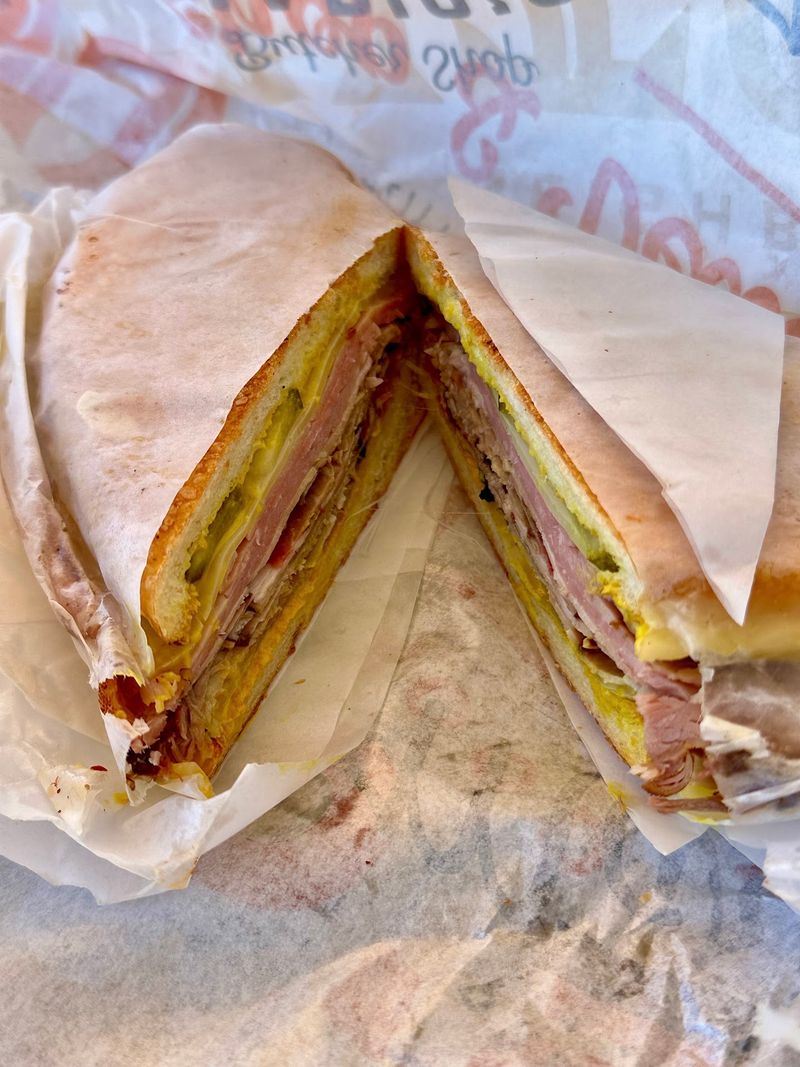
Herby, tangy, and bright green, the chimichurri is the finishing move people tend to remember.
The owner developed the sauce after working in an Argentine restaurant earlier in a cooking career. That background gives it a genuine connection to the steak traditions of Argentina.
Chimichurri usually blends fresh herbs, oil, and vinegar into a loose sauce. Its sharp flavor cuts through rich beef the way a squeeze of lemon lifts grilled fish.
A sandwich with only steak and bread would feel heavy without that pop of acid.
Other toppings add their own job to the build. Fresh lettuce brings crunch and a cool contrast to the warm meat.
Ripe tomato adds juiciness and a hint of sweetness.
Kewpie mayonnaise is spread on the roll as well. The Japanese-style mayo is known for a rich, creamy texture and a slightly tangy taste.
Put all of those pieces together and the result is more than meat on bread. Each topping has a clear purpose, from texture to moisture to brightness.
Chimichurri also works nicely at home on grilled chicken or roasted vegetables for anyone inspired by the flavor.
There Are Other Hearty Sandwiches Worth Knowing About
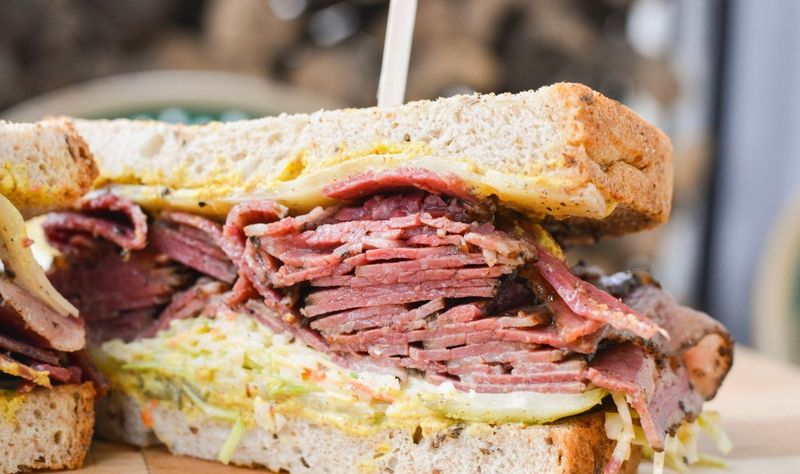
Steak may lead the menu, but the supporting cast is deep.
A house-smoked pastrami sandwich, an Italian sub, and a corned beef Reuben all hold their own spots on the board. Each one reflects the same focus on quality meat that drives the steak sandwich.
Burger fans have options too. Smash burgers are available, and they rank among the most talked-about items.
A smoked bologna sandwich uses white oak and apple wood in the smoking process, which gives a humble deli meat a surprising upgrade.
The hot menu keeps going from there. Choices include a choripan, a grilled chicken sandwich, a patty melt, a meatball sandwich, and a pulled pork sandwich.
Choripan, a classic Argentine street food built around grilled chorizo on bread, fits right in with the shop’s chimichurri roots.
Lighter appetites are covered as well. Cold options such as turkey, ham and cheese, and tuna salad sandwiches offer a simpler lunch.
They can be handy for kids or for anyone planning to eat later in the day.
The Butcher Counter Is Part Of The Experience
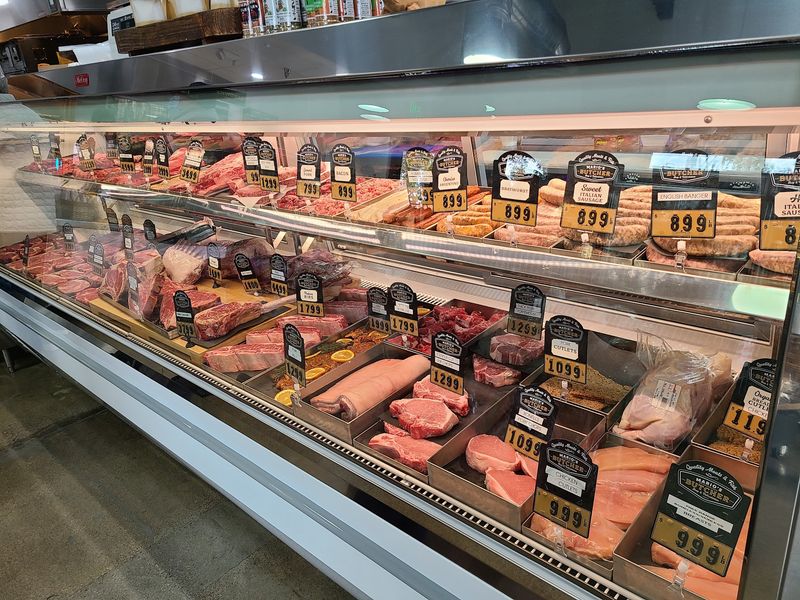
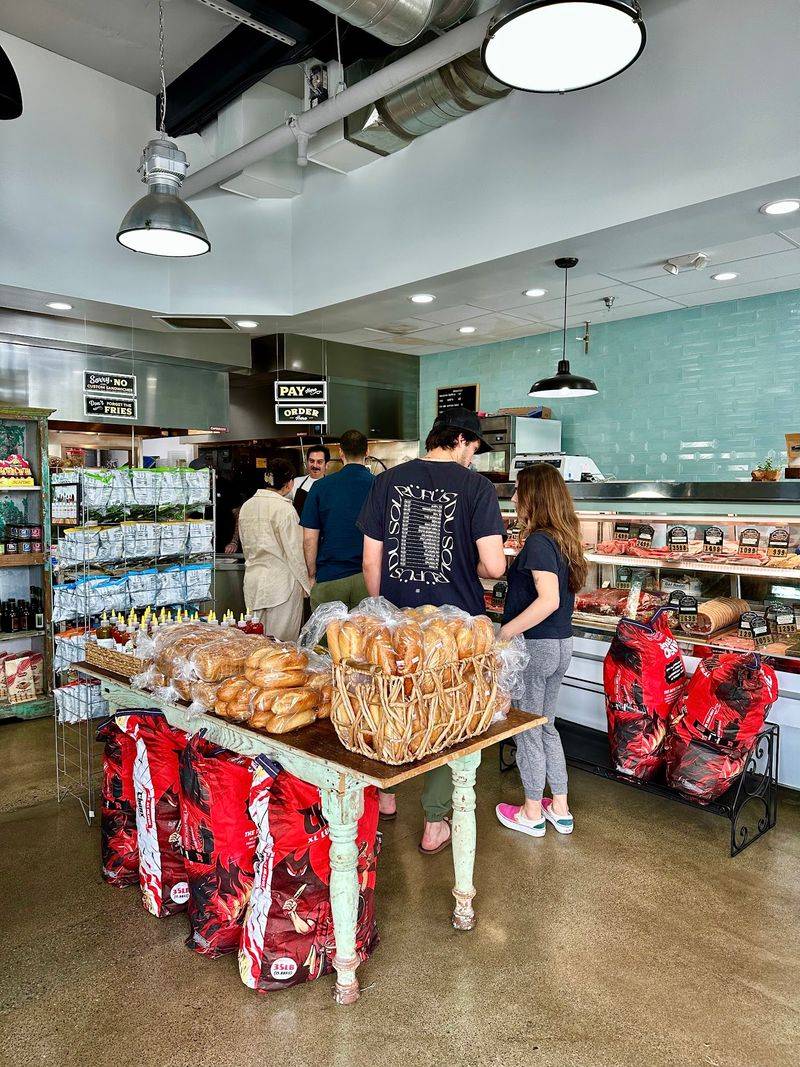
Once inside, most eyes go straight to the glass case. The butcher counter takes up a prominent spot inside the shop, and it sets the tone right away.
Rows of red meat, pale poultry, and fresh fish make it clear that sandwiches are only part of the story.
Selections usually cover beef, chicken, turkey, fish, and pork. Beef lovers can often find round steak, sandwich steak, ribeye, New York strip, T-bone, porterhouse, and sirloin tip.
Standing in line gives time to study the case. Looking at marbling, thickness, and color can help shoppers think about what they want for dinner later.
Thin white streaks of fat running through beef usually mean more flavor and tenderness after cooking.
Staff behind the counter are known for being friendly and helpful. Asking questions is part of the fun at a real butcher shop.
A quick chat about portion size, cooking method, or how many people a roast will feed can save guesswork at home.
The counter also adds energy to the room. Orders for sandwiches and orders for steaks happen side by side, which gives the space a busy, working-kitchen feel.
House-Made And Specialty Items Fill Out The Cases
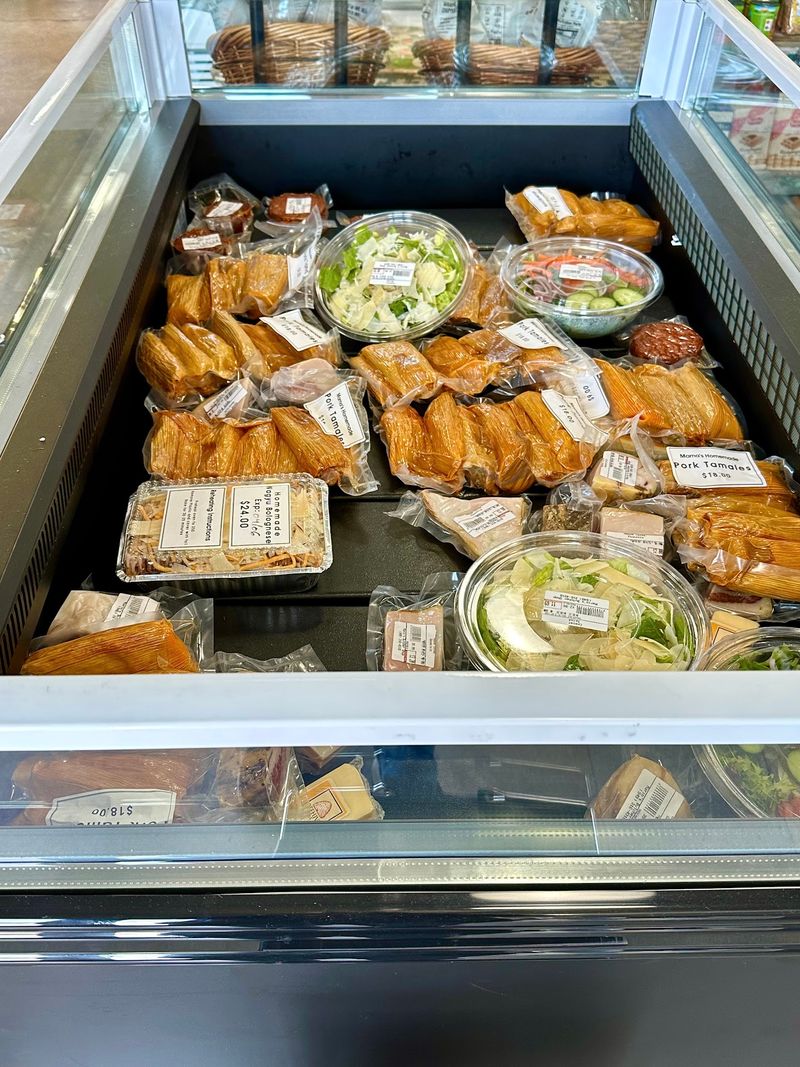
Coppa, soppressata, and Genoa salami might sound like a trip to an Italian deli. All three are part of the charcuterie lineup here, and they are cured and preserved in-house.
Making cured meats takes time and patience, which says a lot about the kitchen’s commitment.
The cases hold much more than cold cuts. Seasonal sides, soups, and salads are prepared on the premises, so the options can shift as the year goes on.
House-made Italian sausage is another staple that works well on the grill or in a pasta sauce.
Grab-and-go prepared meals bring real convenience to busy days. A shopper can pick up dinner on the way home without cooking from scratch.
Pairing a ready-made side with a fresh steak from the counter could turn a weeknight into something a little special.
Fun fact for tamale fans: house-made pork tamales show up during certain seasons. Tamales are a holiday tradition in many Southern California homes, so their arrival may be something to watch for.
Building a charcuterie board is another easy use for these items. A few slices of salami and coppa, some cheese, and fresh bread make a relaxed snack for guests.
It Feels More Like A Neighborhood Butcher Shop Than A Typical Sandwich Joint
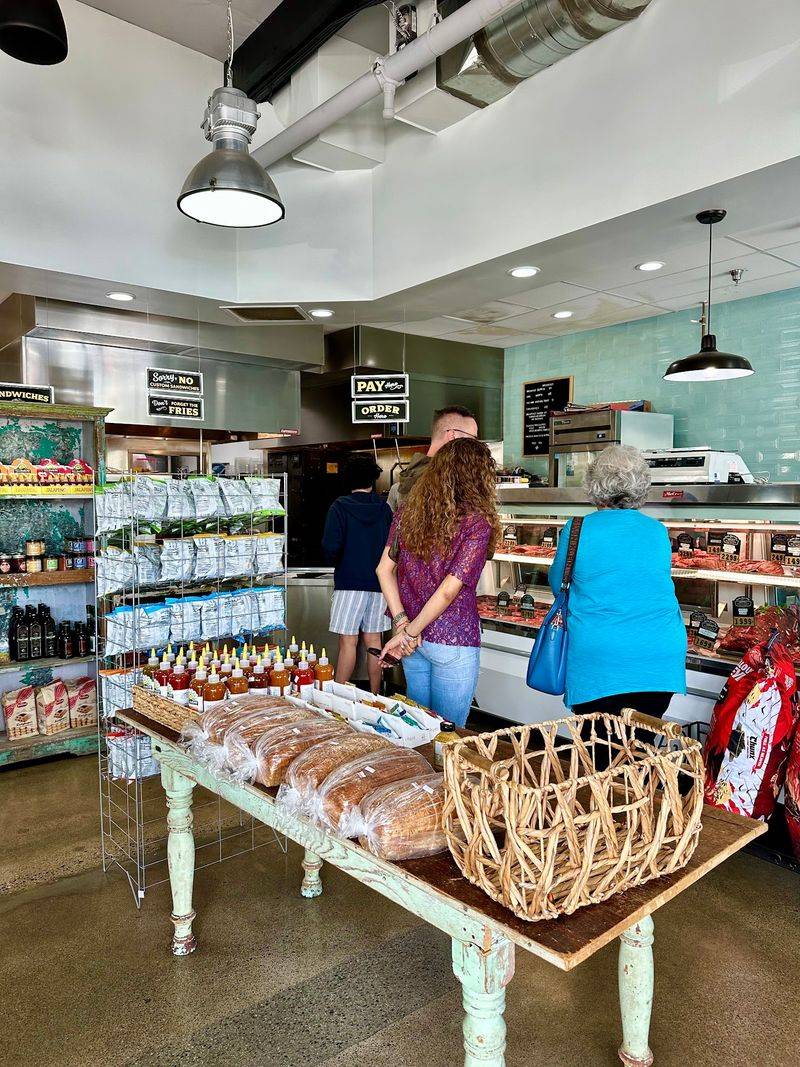
Friendly faces and familiar routines give the shop its character. The concept was designed to offer the community a dependable, high-end butcher experience rather than just a quick lunch counter.
The space itself stays casual. A small outdoor patio offers seating for those who want to eat on site, though tables can be limited during peak hours.
Sitting outside on a mild afternoon feels relaxed, even if the view faces a busy parking area.
Noise inside rises and falls with the lunch rush. Orders get called, knives work at the counter, and conversations mix together in a lively, workmanlike way.
The shop is meant to work as a one-stop place for a complete meal. A shopper might grab a steak, a side salad, some sausage for later, and a sandwich for the drive home.
That kind of convenience used to be common at neighborhood butchers and feels refreshing now.
Knowing the order before reaching the register keeps things quick, and the menu is available online to browse ahead of time.