This California Center Lets You Fly An F/A-18 Hornet Simulator
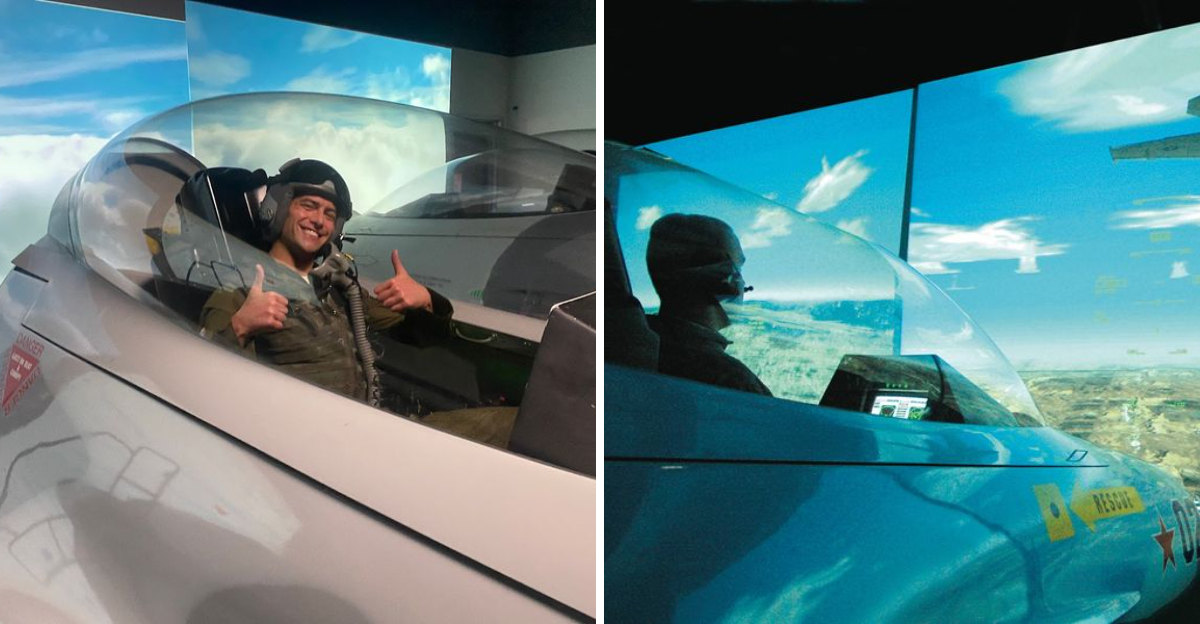
The canopy lowers. The instruments glow. Your hand wraps around the control stick of a fighter jet built for speed and precision.
Moments like this used to belong only to trained military pilots. Now, in California, high-performance flight simulation centers are opening that world to everyday visitors.
Aviation fans and first-timers alike can step into a realistic cockpit environment and experience what it feels like to operate a modern combat aircraft without ever leaving the ground.
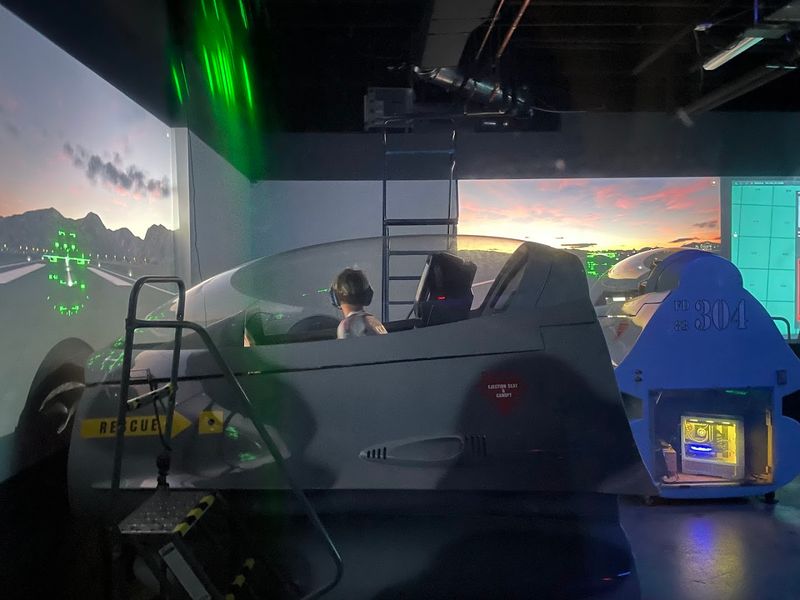
At places like Flightdeck Air Combat Center, guests climb into full-scale simulators modeled after the legendary F/A-18 Hornet.
The visuals wrap around you in panoramic detail. The motion systems respond to every maneuver. Authentic instrumentation and real-world procedures guide the experience from startup to simulated combat missions.
This is not an arcade game. It is structured, technical, and deeply immersive. Instructors walk participants through the controls, making the experience accessible while preserving the realism that makes it unforgettable.
California is just one of the places where civilians can safely strap in and feel the rush of flying a high-performance jet.
For anyone who has ever imagined what it would be like to sit in a fighter cockpit, this opportunity turns that imagination into something tangible, controlled, and genuinely exhilarating.
1. Location Of The Flightdeck Air Combat Center
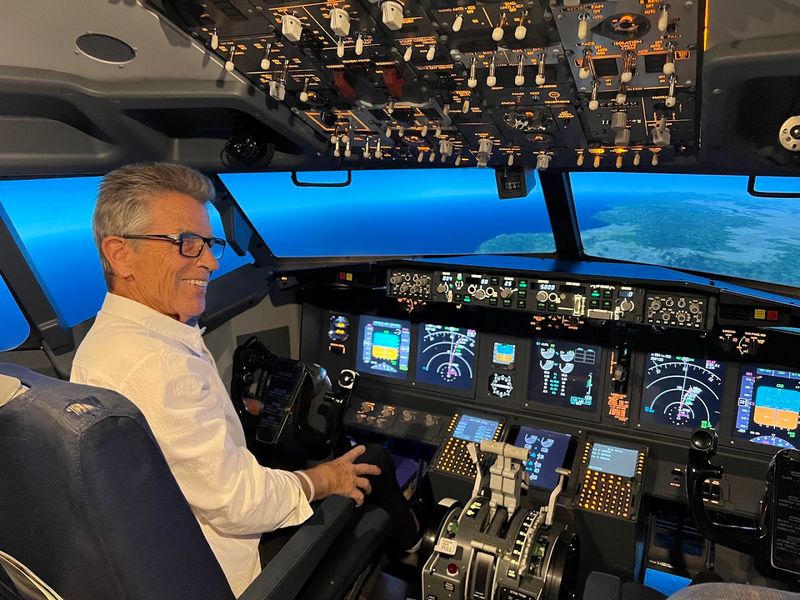
Tucked into a commercial area of Southern California, the Flightdeck Air Combat Center sits at 400 Disney Way ste 196, Anaheim, CA 92802.
The location is relatively easy to reach from major highways, making it accessible for visitors coming from Los Angeles, San Diego, and surrounding areas.
Anaheim itself is a city known for drawing tourists due to nearby attractions, but this center offers something distinctly different from the usual theme park experience.
Visitors here are not watching a show or riding a vehicle on a fixed track.
They are actively operating a simulator that mirrors the weight, layout, and function of a real Boeing 737 or even F/A-18 Hornet cockpit.
The center has attracted aviation enthusiasts, corporate groups, and curious families looking for an activity that feels genuinely hands-on.
The industrial setting of the facility adds to the no-frills, realistic atmosphere that simulation fans tend to appreciate.
For anyone planning a trip to the Anaheim area, adding a simulator session to the itinerary could turn an ordinary visit into something truly memorable and worth talking about long after returning home.
2. The Boeing 737 Simulator Replicates A Real Commercial Cockpit
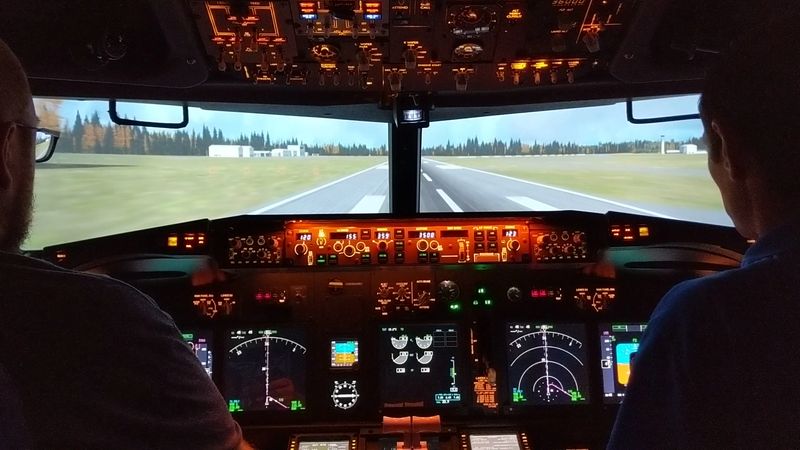
Stepping inside a Boeing 737 simulator for the first time tends to catch people off guard because of how genuinely authentic it feels.
Every switch, dial, and display panel is modeled after the real aircraft used by commercial airlines around the world.
The overhead panel alone contains dozens of controls that actual pilots manage during a real flight.
The seating position places the participant at the exact height and angle a real first officer or captain would experience during takeoff and landing.
Rudder pedals sit at the feet, thrust levers rest between the seats, and the yoke responds with realistic resistance as the simulated aircraft responds to input.
Nothing about the setup feels like a video game.
Flightdeck Air Combat Center uses this level of detail intentionally because the goal is immersion rather than entertainment shortcuts.
Participants often report that the experience shifts their understanding of how complex commercial aviation actually is.
Even a short session gives a deep respect for the training and concentration that professional pilots carry with them every single flight.
The realism of the cockpit environment is arguably the most talked-about feature among people who have completed a session at the center.
3. Sessions Are Available For Complete Beginners
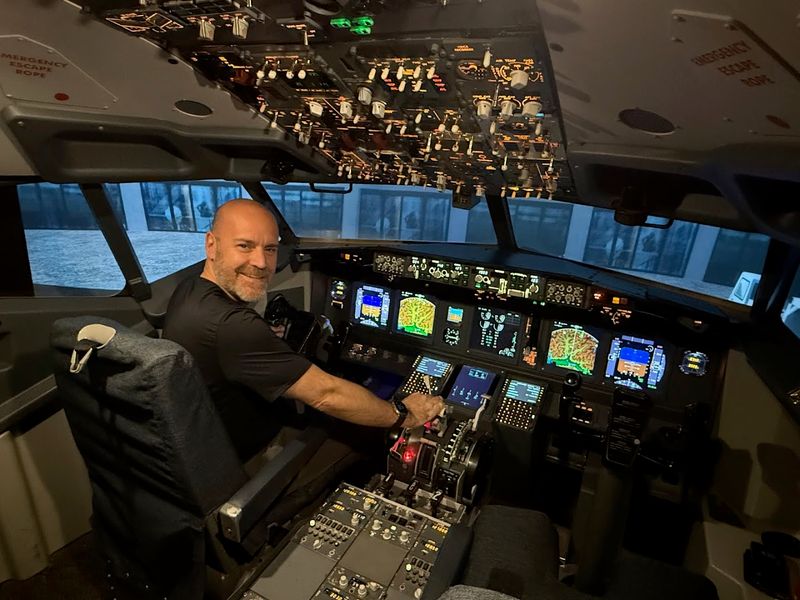
No flight experience is required to book a session at the Flightdeck Air Combat Center, which is one of the most welcoming aspects of the whole operation.
Instructors are present throughout each session to walk participants through the basics of cockpit orientation, basic controls, and what to expect during a simulated flight sequence.
The learning curve is manageable even for someone who has never sat in any type of aircraft cockpit before.
Most beginner sessions start with a straightforward briefing that covers the fundamentals without overwhelming the participant with technical aviation jargon.
Instructors tend to adjust their teaching pace based on how quickly each person picks up the controls.
That kind of personalized guidance makes the experience feel approachable rather than intimidating.
Families with older children have also found the simulator to be a hit, especially for kids who are fascinated by aviation or science.
The hands-on nature of the experience tends to stick with people far longer than a passive museum exhibit or documentary.
California has a long history of connecting people to aerospace innovation, and experiences like this one continue that tradition by making aviation tangible and accessible to anyone willing to show up and try.
4. The Center Also Features Authentic F/A-18 Hornet Simulators
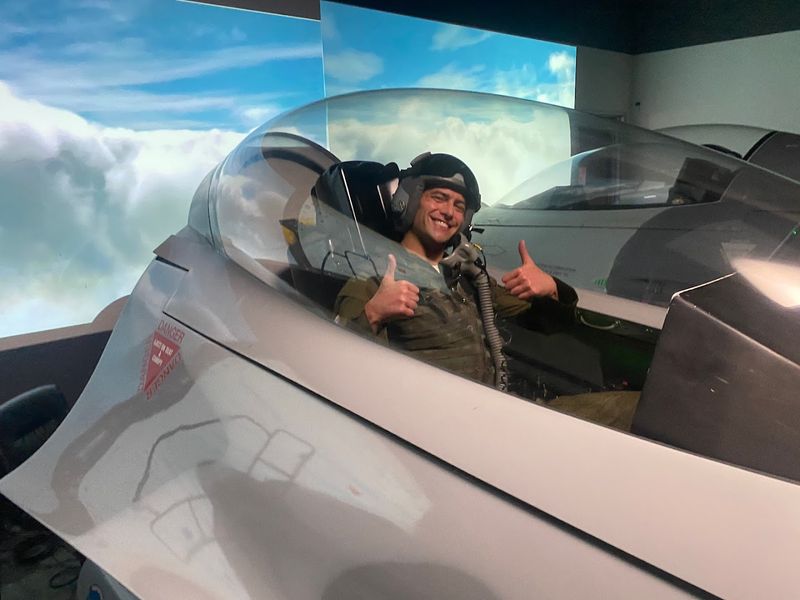
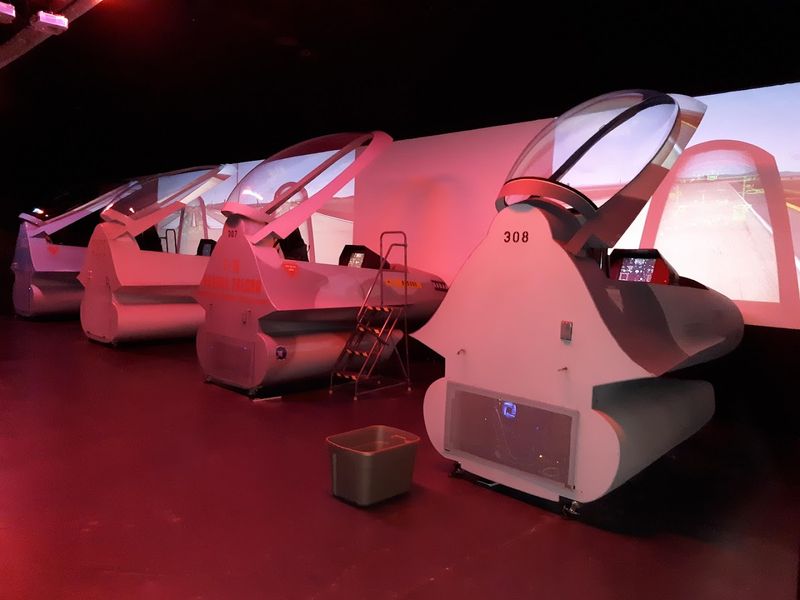
Beyond the Boeing 737, the Flightdeck Air Combat Center offers participants a chance to experience something even more intense with their authentic F/A-18 Hornet simulators.
The F/A-18 Hornet is a single-seat supersonic multirole aircraft used by military air forces around the world, and climbing into a recreation of its cockpit is a dramatically different experience from the commercial airliner setup.
The controls in the F/A-18 Hornet simulator are tighter, faster, and more responsive than those in the 737.
Participants can engage in simulated aerial combat scenarios, fly low over digital terrain, or simply explore what high-speed maneuvering feels like from a pilot’s perspective.
The contrast between the two simulators at the same facility gives visitors a surprisingly broad look at aviation across two completely different worlds.
Having both civilian and military simulation options under one roof is a rare combination that sets Flightdeck Air Combat Center apart from many other aviation experience venues across the country.
Groups visiting together often split between the two simulators and compare notes afterward, which adds a social and competitive element to the outing.
California’s connection to both commercial aviation and military aerospace history makes this type of dual offering feel especially fitting.
5. Corporate Groups And Team Building Events Are A Major Draw
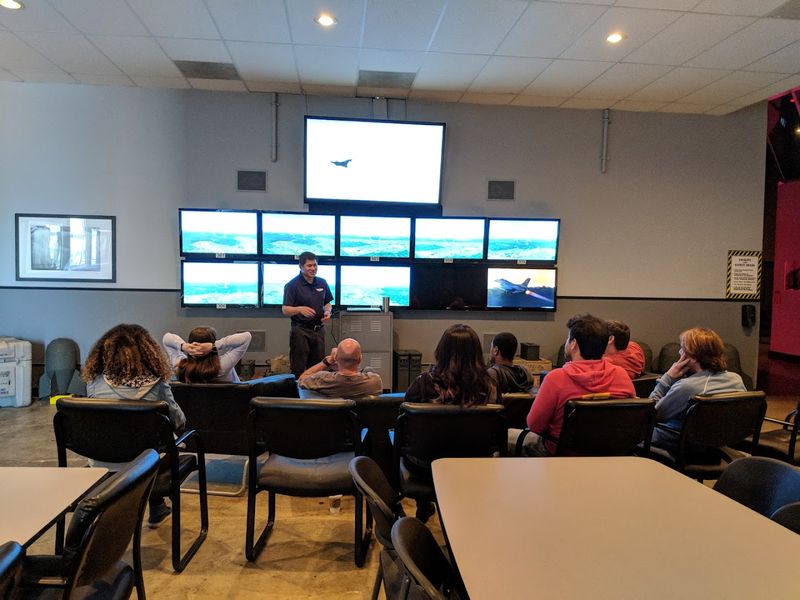
The Flightdeck Air Combat Center has built a solid reputation among companies looking for team building activities that go beyond the usual options.
Renting out simulator time for a corporate group creates a shared challenge that requires communication, quick decision-making, and trust between participants.
Those are exactly the kinds of skills that organizations want to reinforce outside of a traditional office setting.
Groups can rotate through the simulators, with some members taking control of the aircraft while others observe and offer feedback from the co-pilot seat.
The debrief conversations that naturally follow a simulation session often mirror the kinds of discussions teams need to have about roles, pressure, and performance at work.
The parallel is not forced because the cockpit environment naturally brings those dynamics to the surface.
California is home to a massive concentration of technology companies, entertainment studios, and aerospace firms, many of which have used the center for off-site events.
The novelty of the experience tends to generate genuine excitement even among employees who are not aviation enthusiasts.
Booking a group session typically requires advance planning, and reaching out to the center directly is the best way to confirm availability, pricing, and any group-specific accommodations that may be available.
6. Panoramic Screens Create A Fully Immersive Visual Environment
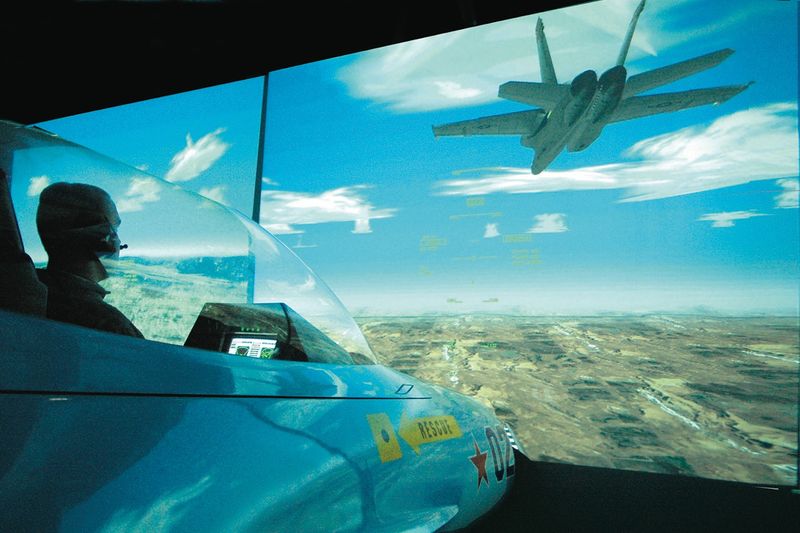
One of the most striking technical features of the Boeing 737 simulator at Flightdeck Air Combat Center is the panoramic visual display that wraps around the front of the cockpit.
The screen system is designed to fill the peripheral vision of both the pilot and co-pilot, which is critical for creating the sensation of actually moving through space at altitude.
Without that wide field of view, the illusion of flight falls apart quickly.
The visuals rendered on the screen include realistic airport environments, weather conditions, and geographic terrain that shift dynamically based on the inputs from the controls.
Participants can experience simulated approaches into recognizable airports, which adds a layer of familiarity and excitement to the session.
Seeing a familiar skyline appear through the windshield during a simulated landing approach tends to produce a genuine rush of adrenaline.
High-resolution display systems in aviation simulators have improved significantly over the past decade, and centers like this one benefit from that technological progress.
The combination of realistic cockpit hardware and high-quality visuals is what separates a true flight simulator experience from a basic video game setup.
For visitors who are visually oriented, the panoramic screen alone tends to be the detail they remember and describe most vividly to others afterward.
7. California Has A Deep Connection To Aerospace History
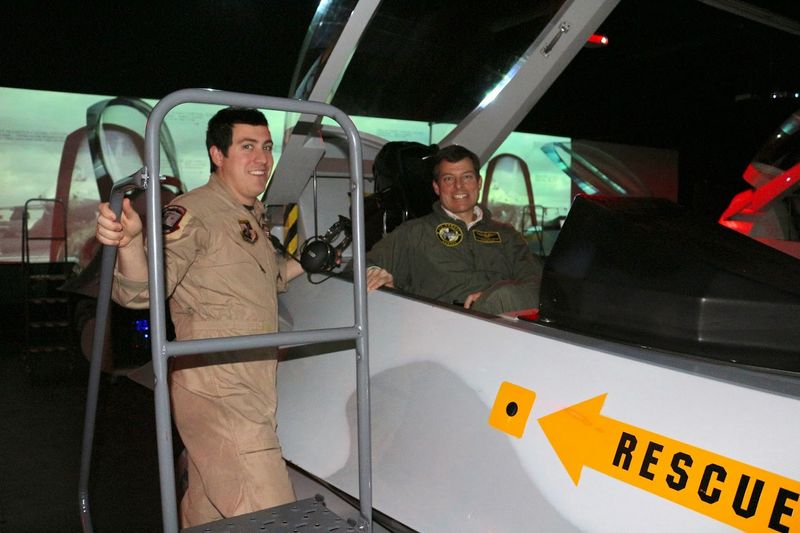
Long before flight simulators became a public attraction, California was already shaping the future of aviation and aerospace on a global scale.
The state is home to some of the most significant aerospace manufacturers, research institutions, and military aviation facilities in the world.
That heritage runs deep in communities across Southern California in particular, where aerospace employment shaped entire generations of families.
Companies like Lockheed, Northrop, and Douglas Aircraft all had major operations in California, and their work contributed to the development of both military and commercial aviation as it is known today.
The California Science Center in Los Angeles even houses the Space Shuttle Endeavour, giving the state a tangible connection to the furthest reaches of human flight.
That kind of history creates a cultural backdrop that makes aviation experiences feel especially meaningful here.
For residents and visitors who want to connect with that legacy in a hands-on way, the flight simulator centers scattered across Southern California offer something that a museum exhibit cannot fully replicate.
Sitting in a cockpit and actually operating the controls, even in a simulation, creates a personal connection to aviation that reading about it simply cannot match.
California’s aerospace story is still being written, and experiences like these invite everyday people to feel like part of it.
8. Session Lengths Vary To Suit Different Comfort Levels
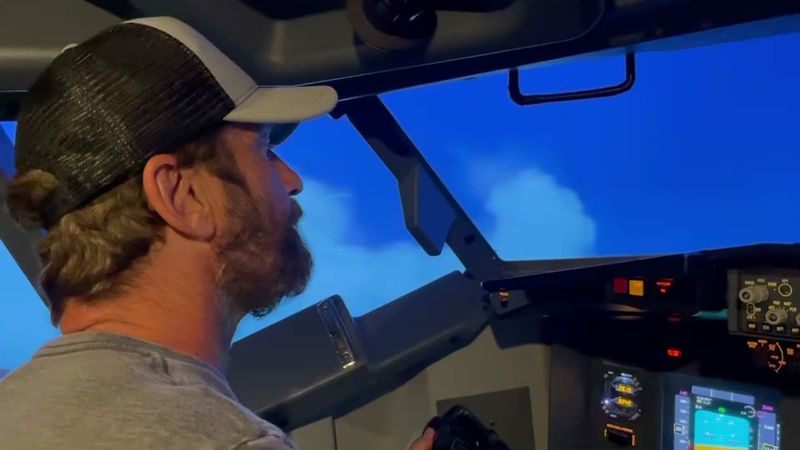
Not everyone walks into a flight simulator with the same level of confidence or curiosity, and the Flightdeck Air Combat Center accounts for that by offering sessions of varying durations.
Shorter sessions give first-timers a taste of the experience without committing to an extended block of time, while longer sessions allow more seasoned participants to practice specific maneuvers and scenarios in greater depth.
A 30-minute session is generally enough to get oriented, attempt a basic takeoff and landing sequence, and walk away with a solid sense of what commercial piloting involves at a fundamental level.
Participants who book 60 or 90-minute sessions tend to push further into the experience, exploring different weather conditions, runway environments, or emergency procedure simulations with instructor guidance.
Choosing the right session length often comes down to personal temperament and budget, and the center’s staff can typically offer guidance based on a participant’s background and goals.
First-time visitors who are unsure where to start are usually well-served by beginning with a shorter session and deciding afterward whether they want to return for more time.
Pricing tends to vary by session length and group size, so checking directly with the center for current rates and availability before booking is always a practical first step.
9. The Experience Appeals To Aviation Enthusiasts Of All Ages
There is something about a full-scale aircraft cockpit that tends to stop people in their tracks regardless of age, background, or prior experience with aviation.
The Flightdeck Air Combat Center has welcomed participants ranging from curious teenagers to retired professionals who spent careers watching commercial flights from the ground and always wondered what the front of the plane actually felt like.
Younger participants often bring an energy and fearlessness to the simulator that surprises the instructors, while older visitors tend to approach the controls with more deliberate care and a deeper appreciation for the complexity involved.
Both approaches produce meaningful and memorable experiences, and neither is more valid than the other.
The simulator does not judge, and neither do the staff.
Aviation as a field has long captured the imagination of people who love machines, speed, precision, and the idea of defying gravity through engineering.
The simulator taps directly into that fascination by making the experience physical and interactive rather than abstract.
California’s diverse population means the center regularly hosts participants from wildly different cultural and professional backgrounds, all united by the same simple desire to see what it feels like to sit at the controls of a Boeing 737 and take it into the air.
10. Booking In Advance Is Strongly Recommended
Walking in without a reservation to a facility like the Flightdeck Air Combat Center could result in a long wait or no availability at all, especially on weekends and during school holidays when demand tends to run higher.
The simulators themselves have limited capacity because only one or two participants can occupy the cockpit at a time, which means scheduling fills up faster than many visitors expect.
Booking directly through the center’s official website or by phone is the most reliable way to secure a specific date and session length.
Confirming the booking a day or two before the visit is also a good habit, particularly for groups or special events where multiple simulator slots may need to be coordinated.
Last-minute changes can sometimes be accommodated but are not guaranteed.
Planning the visit around a weekday rather than a weekend may result in a quieter atmosphere and a more relaxed pace, which some participants find preferable for a first-time experience.
Arriving a few minutes early allows time to complete any required paperwork and get settled before the session begins without feeling rushed.
California’s traffic patterns, especially in the greater Los Angeles and Orange County areas, are worth factoring into travel time planning to avoid arriving late and losing simulator time.