This California City Blends Gold Rush History With Some Of The State’s Most Fun Tourist Attractions
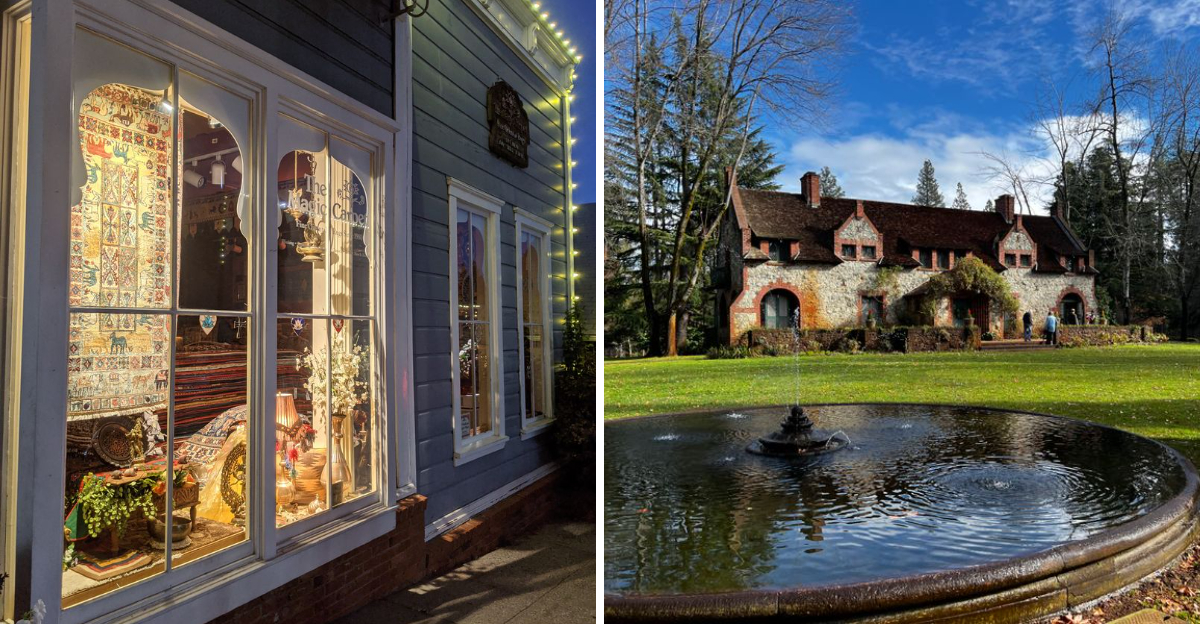
Time seems to slow the moment you arrive, as if the streets themselves are inviting you to wander without a plan.
Brick storefronts, wrought-iron balconies, and softly creaking wooden walkways hint at stories that never fully faded, even as the world rushed on around them.
History here doesn’t sit quietly behind glass or plaques – it lives in the rhythm of daily life. Gold Rush roots still shape the character of Nevada City, a small town set within the Sierra Nevada foothills of California.
Once flooded with fortune seekers during the 1849 rush, the town has preserved its Victorian architecture while allowing creativity to thrive inside those historic walls.
Old buildings now house theaters, galleries, cafés, and museums that keep the past present without feeling staged.
Beyond the walkable downtown, forested trails, rivers, and nearby parks offer space to explore and unwind, balancing culture with outdoor adventure.
The experience feels personal rather than polished. Nevada City doesn’t overwhelm visitors with attractions – it invites them to slow down, look closer, and connect.
That balance of history, creativity, and nature creates a visit that feels authentic, memorable, and genuinely enjoyable.
Historic Downtown District Holds National Landmark Status
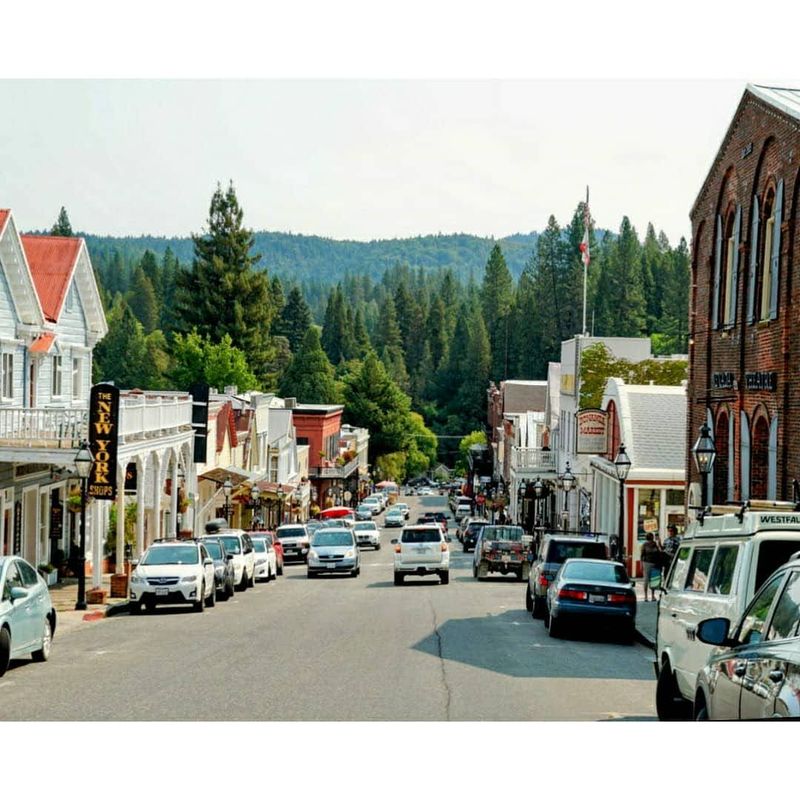
Walking through Nevada City’s downtown feels like stepping onto a movie set, except every building and storefront carries genuine history from the Gold Rush era.
Listed on the National Register of Historic Places in 1985, this district earned its designation for being the largest and best-preserved historical downtown in California Gold Country.
Brick facades, iron balconies, and wooden awnings line the streets, creating an atmosphere that transports visitors back more than a century.
The entire commercial core maintains its 19th-century character, with structures dating from the 1850s and 1860s standing shoulder to shoulder along Broad Street and its cross streets.
Preservation efforts have kept modern intrusions minimal, allowing the architectural integrity to shine through. Shops, cafes, and galleries now occupy spaces once filled with saloons, general stores, and assay offices.
Strolling these sidewalks offers countless photo opportunities, as nearly every corner reveals another well-maintained Victorian gem. The compact layout makes exploration easy, with most attractions within a few blocks of each other.
Visitors often spend hours simply wandering, reading historical plaques, and imagining the bustling mining town that once thrived here.
Firehouse No. 1 Museum Showcases Local Heritage
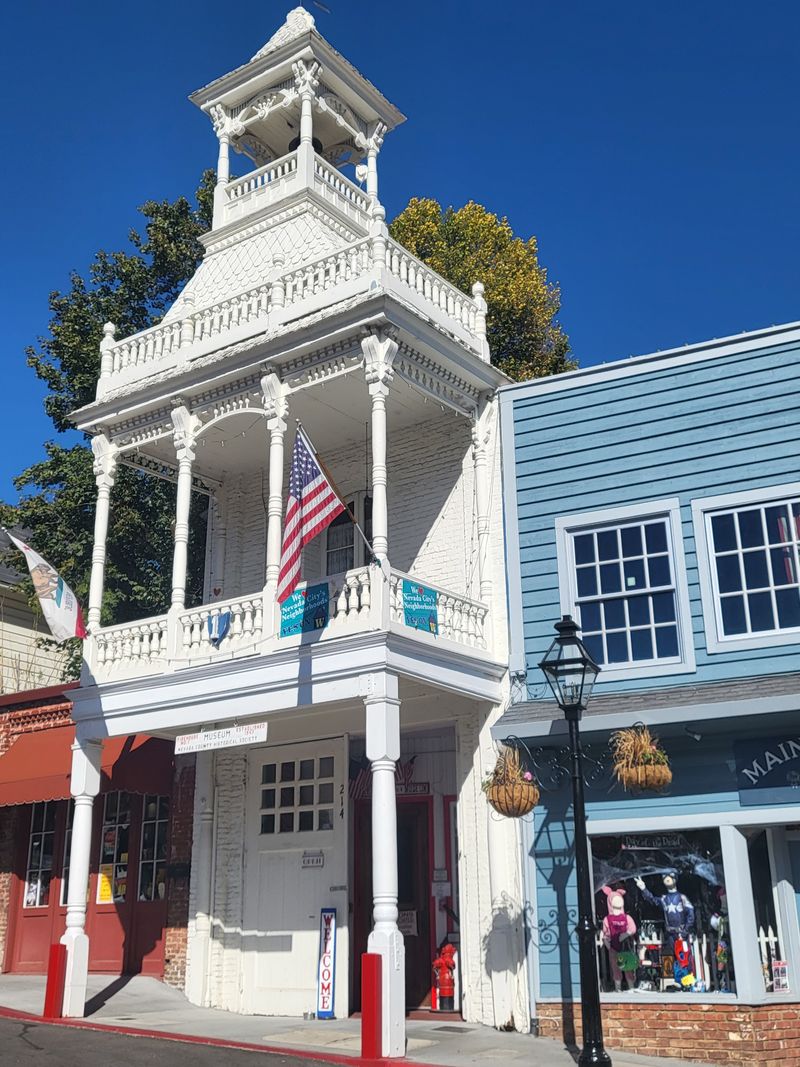
Standing proudly at 214 Main St, Nevada City, CA 95959, the red-brick Firehouse No. 1 has become one of Nevada City’s most photographed landmarks since its construction in 1861.
The structure served as an active firehouse for decades, protecting the wooden buildings of the Gold Rush town from the constant threat of fire.
Today, it operates as a museum open to the public, displaying artifacts and exhibits that chronicle Nevada County’s development from the late 1800s through the early 1900s.
Inside, visitors find period firefighting equipment, including hand-pumped engines and leather buckets, alongside displays about daily life during the mining era.
Photographs, mining tools, household items, and documents help paint a picture of the challenges and triumphs faced by early residents.
The museum occupies a relatively small space but packs considerable historical detail into its rooms. Admission is typically free or by donation, making it an accessible stop for families and history enthusiasts.
The building itself, with its distinctive bell tower and classic firehouse design, represents excellent craftsmanship from the Victorian period.
Nevada Theatre Continues Its 1865 Legacy
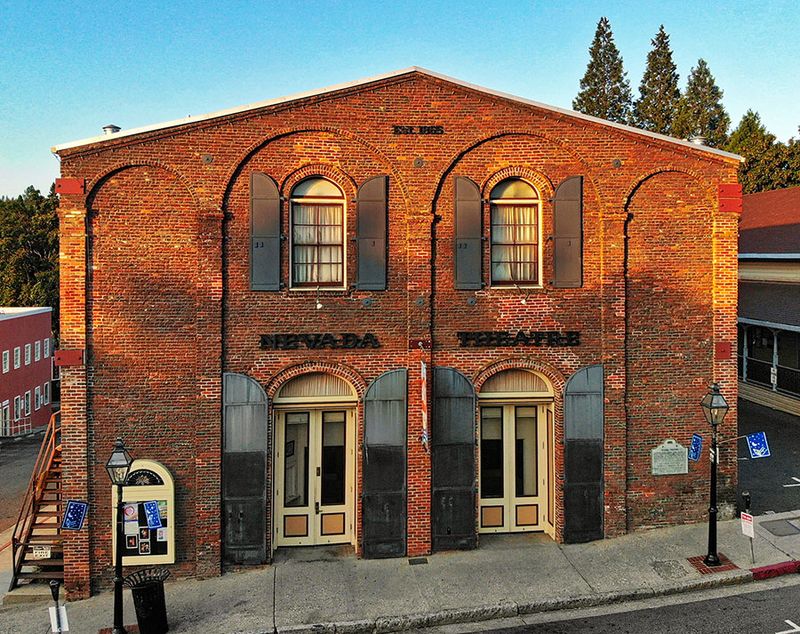
California’s oldest existing theater building sits right on Broad Street, where it has entertained audiences since opening its doors in 1865.
The Nevada Theatre at 401 Broad St, Nevada City, CA 95959 has hosted everything from vaudeville acts and silent films to modern plays and musical performances, adapting through generations while maintaining its historic character.
The building’s facade retains its 19th-century appearance, with the original marquee and entrance drawing visitors into a space that feels authentically vintage.
Inside, the theater preserves much of its period charm, including wooden seating areas and vintage decor that create an intimate atmosphere for live performances.
The venue continues to book a diverse range of events throughout the year, from community theater productions to touring musicians and film screenings.
Checking the schedule before visiting allows guests to catch a show and experience the space as it was intended.
Even when no performance is scheduled, the exterior makes for an excellent photo opportunity and serves as a focal point of the downtown district.
The theater’s longevity speaks to Nevada City’s commitment to preserving cultural institutions that connect present-day visitors with the town’s vibrant past.
National Exchange Hotel Offers Historic Lodging
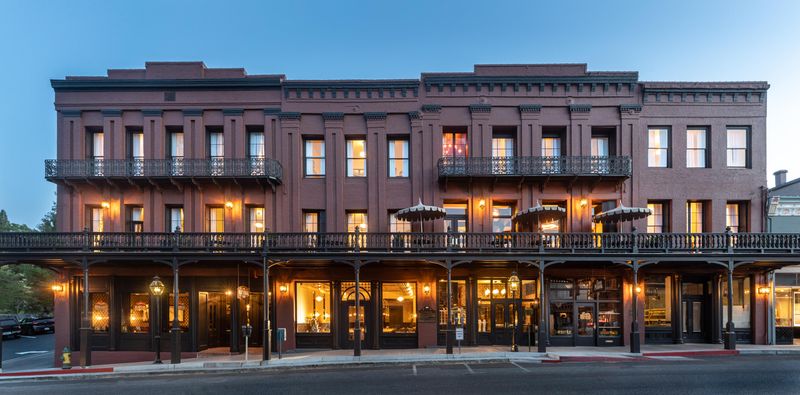
Originally opened in 1856 to accommodate miners and travelers, the National Exchange Hotel has been meticulously restored to provide guests with an authentic Gold Rush experience wrapped in modern comfort.
The hotel sits at 211 Broad Street in the heart of Nevada City’s historic district, occupying a prime location just steps from shops, restaurants, and other attractions.
Its three-story brick exterior remains largely unchanged from its 19th-century appearance, while the interior balances period details with updated amenities.
Guest rooms feature Victorian-inspired furnishings, high ceilings, and carefully chosen decor that evokes the elegance of the era without sacrificing convenience.
The restoration preserved original architectural elements wherever possible, including wood floors, moldings, and window frames.
Staying here allows visitors to immerse themselves fully in the town’s history while enjoying comfortable accommodations.
The hotel’s central location makes it an ideal base for exploring Nevada City on foot, with most major attractions within easy walking distance.
Booking in advance is recommended, especially during peak tourist seasons and festival weekends when rooms fill quickly.
Malakoff Diggins Reveals Hydraulic Mining’s Impact
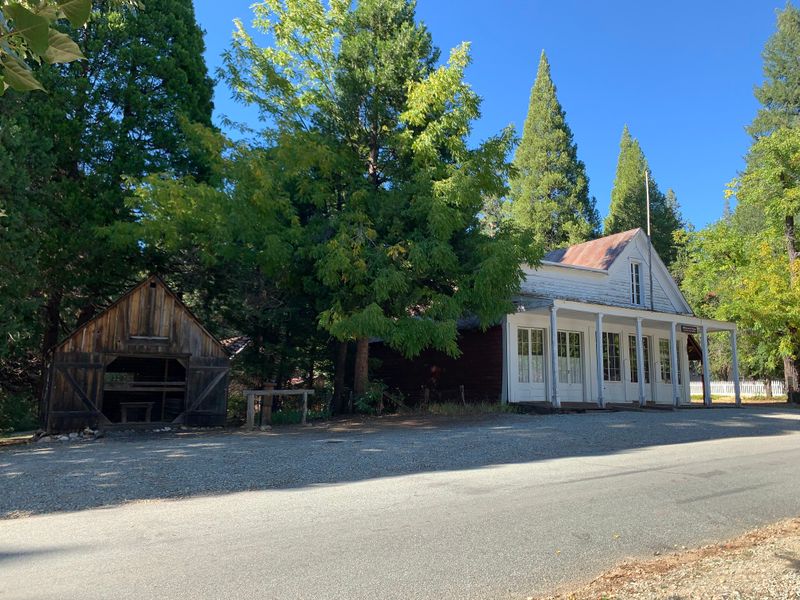
About 16 miles northeast of Nevada City, Malakoff Diggins State Historic Park preserves the dramatic landscape created by California’s largest hydraulic mining operation.
Giant water cannons once blasted hillsides apart, washing away tons of earth to extract gold and leaving behind towering cliffs of exposed, multicolored sediment.
The park encompasses over 3,000 acres, including the ghost town of North Bloomfield, where restored buildings give visitors a sense of what mining camp life was like.
Hiking trails wind through the park, offering views of the massive excavation site and the colorful rock formations that resulted from decades of mining activity.
The scale of the operation becomes apparent when standing at overlooks that reveal the sheer size of the carved-out landscape.
Interpretive signs explain the hydraulic mining process and its environmental consequences, which eventually led to legal restrictions on the practice.
The park provides picnic areas, camping facilities, and a visitor center with exhibits detailing the site’s history.
Visiting requires a short drive on winding mountain roads, but the unique geological features and well-preserved mining town make the journey worthwhile for anyone interested in Gold Rush history.
Independence Trail Provides Accessible Nature Experience
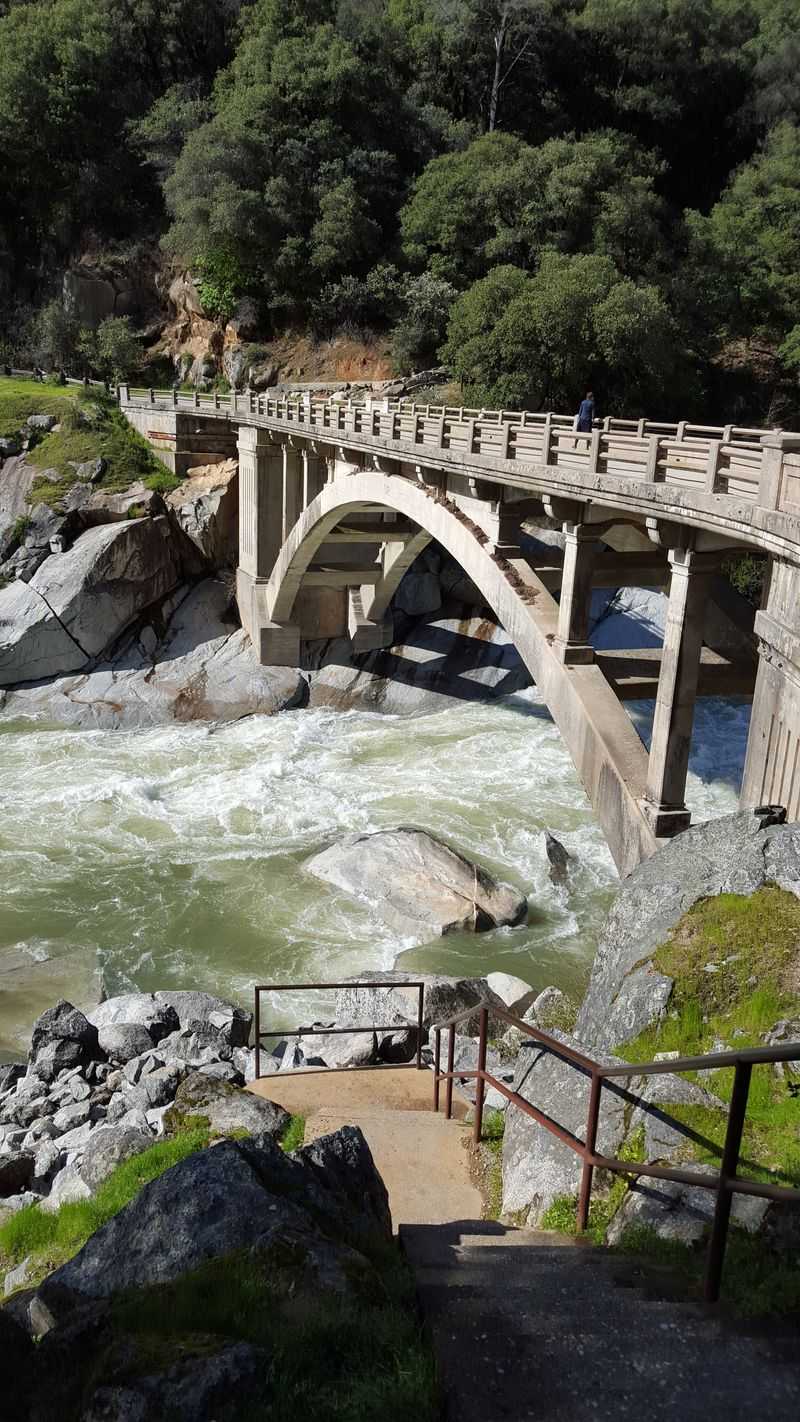
Following the route of the historic Excelsior Ditch, Independence Trail earned recognition as one of the first wheelchair-accessible wilderness trails in the United States when it opened in the 1970s.
The trail runs along the South Yuba River canyon, offering spectacular views of rushing water, forested slopes, and rocky outcrops from a smooth, mostly level pathway.
Wooden boardwalks and railings make navigation easy for visitors of all mobility levels, while the natural beauty remains uncompromised.
The main accessible section stretches about a mile, with several viewing platforms positioned at scenic overlooks where the river churns through narrow gorges below.
The sound of flowing water provides constant background music, and the shade from surrounding pines keeps the trail comfortable even on warm days.
Beyond the accessible portion, more rugged paths continue for hikers seeking additional challenges. The trailhead sits a few miles outside Nevada City, reachable by a short drive on Highway 49.
Parking is available at the access point, and the trail sees moderate use throughout the year. Spring and early summer bring the highest water flows, creating the most dramatic river views.
Empire Mine State Historic Park Displays Gold Mining Glory
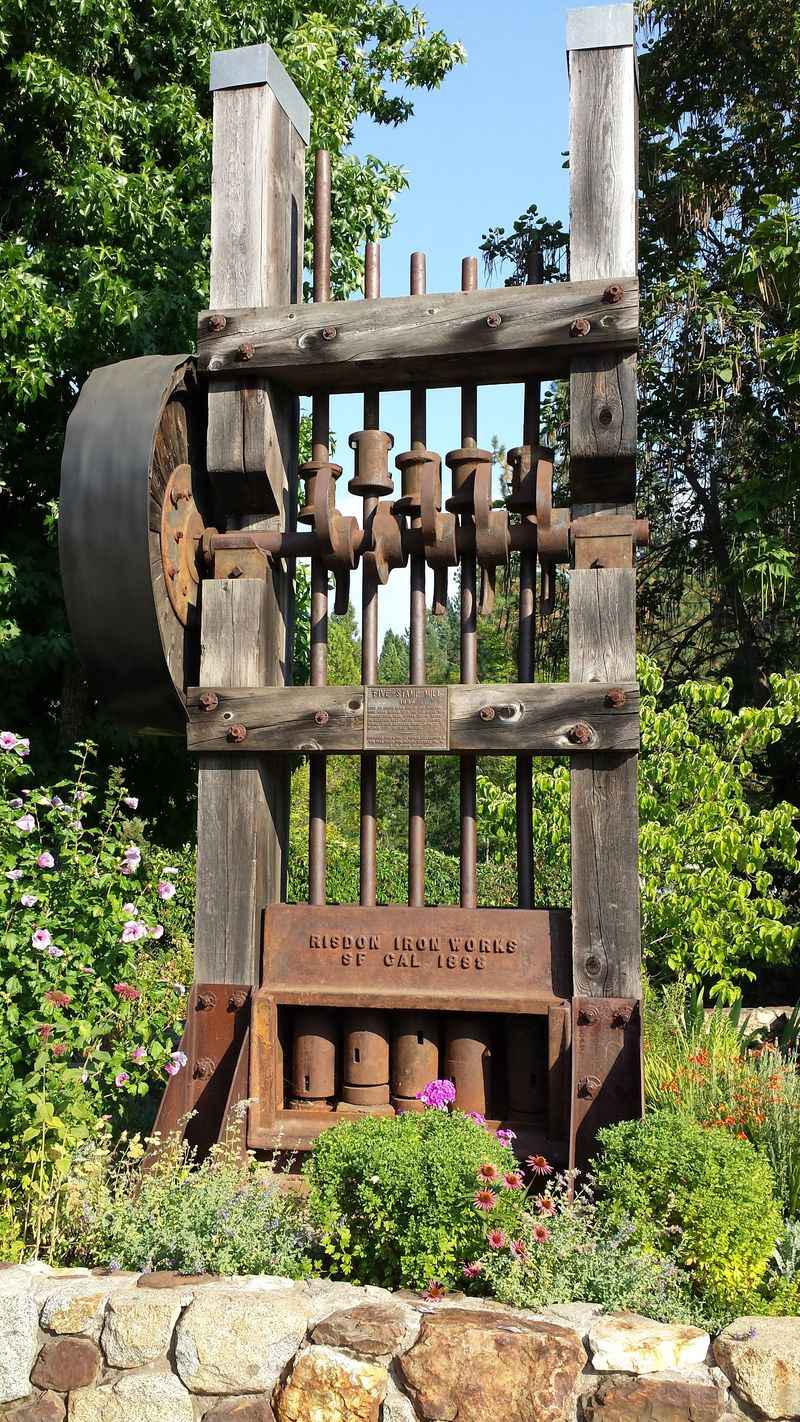
Just 10 miles south in neighboring Grass Valley, Empire Mine State Historic Park preserves 800 acres of one of California’s oldest, richest, and deepest hard-rock gold mines.
Operating from 1850 until 1956, the Empire Mine produced over 5.8 million ounces of gold from a network of shafts that eventually reached nearly a mile underground.
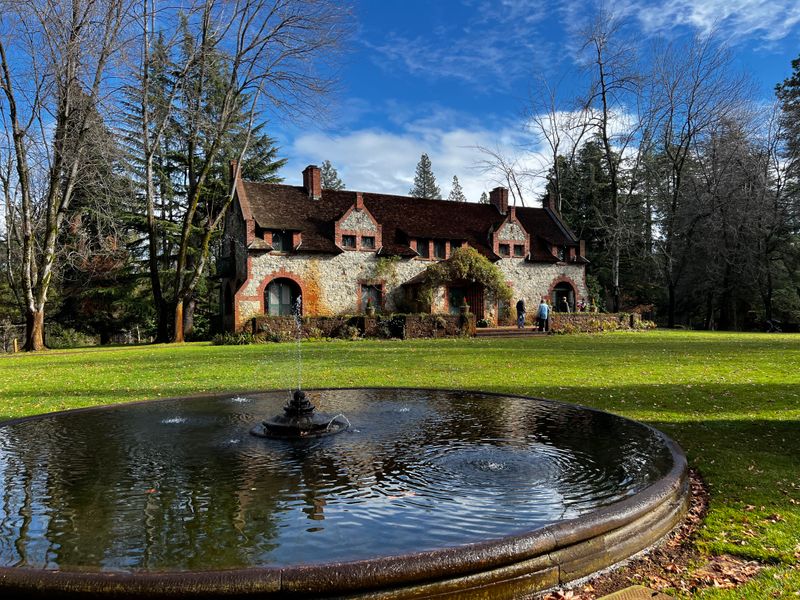
Today, visitors can tour the surface facilities, including the impressive owner’s cottage, machine shops, and mining equipment displays that illustrate the scale and complexity of industrial gold mining.
The park’s visitor center provides context through exhibits and a short film explaining mining techniques and the mine’s history.
Guided tours take guests through the main yard, where massive stamp mills, hoisting equipment, and ore carts remain in place.
The beautifully maintained grounds include formal gardens surrounding the owner’s residence, a striking contrast to the industrial mining structures nearby.
Several miles of trails wind through the property, passing mine shaft entrances, ventilation buildings, and other remnants of the extensive underground operation.
The park offers a comprehensive look at hard-rock mining that complements Nevada City’s focus on hydraulic and placer mining history.
Miners Foundry Cultural Center Hosts Year-Round Events
Built in 1856 to manufacture mining equipment for the surrounding gold fields, the Miners Foundry now serves as Nevada City’s premier cultural and performing arts venue.
The building stands at 325 Spring Street, where its industrial brick exterior and tall arched windows hint at its manufacturing origins.
Inside, the spacious main hall retains exposed brick walls and timber beams, creating an atmospheric setting for concerts, theater productions, film screenings, and community gatherings.
The center hosts more than 200 events annually, ranging from touring musicians and dance performances to art exhibitions and educational programs.
The schedule includes both ticketed professional productions and free community events, making culture accessible to residents and visitors alike.
The venue’s excellent acoustics and intimate size create memorable experiences for performers and audiences.
Checking the Miners Foundry calendar before visiting Nevada City often reveals opportunities to catch live entertainment in this unique historic space.
The building itself represents an important piece of the town’s industrial heritage, having supplied crucial equipment to mining operations throughout the region during the Gold Rush era and beyond.
Victorian Architecture Lines Every Street
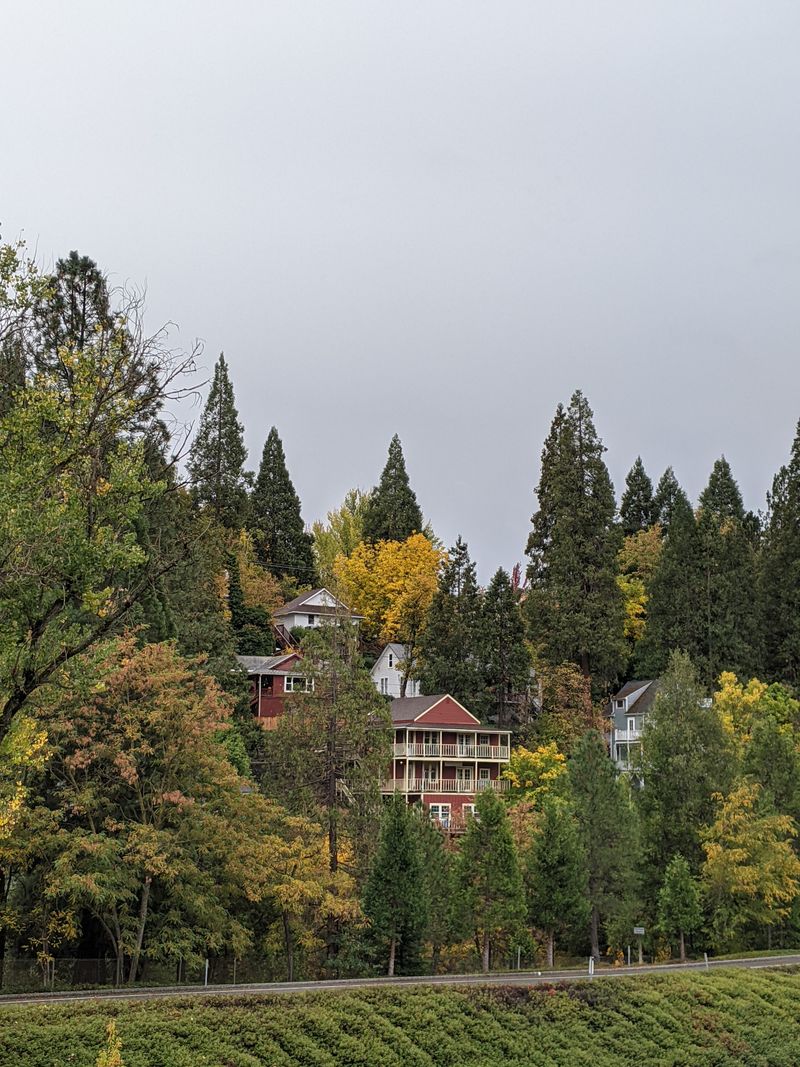
Beyond individual landmark buildings, Nevada City’s entire streetscape showcases exceptional Victorian architecture that survived fires, economic downturns, and the passage of time.
Narrow streets wind up and down hillsides, lined with wooden and brick structures featuring ornate trim, bay windows, decorative brackets, and colorful paint schemes that highlight their period details.
Main Street, Broad Street, and the surrounding blocks form an architectural museum where nearly every building contributes to the overall historic character.
Many structures feature the distinctive Italianate style popular during the 1860s and 1870s, with tall windows, bracketed cornices, and symmetrical facades.
Others display Gothic Revival influences or simpler Gold Rush-era construction. The variety creates visual interest while maintaining cohesive period authenticity throughout the district.
Photography enthusiasts find endless subjects, from sweeping street views to detailed close-ups of architectural ornament.
The compact downtown allows visitors to appreciate dozens of historic buildings within a short walk, each one representing the craftsmanship and optimism of Nevada City’s founding generation.
Preservation guidelines ensure that renovations respect the original character, keeping the town’s appearance remarkably consistent with its 19th-century heyday.
Gold Panning Lets Visitors Try Their Luck
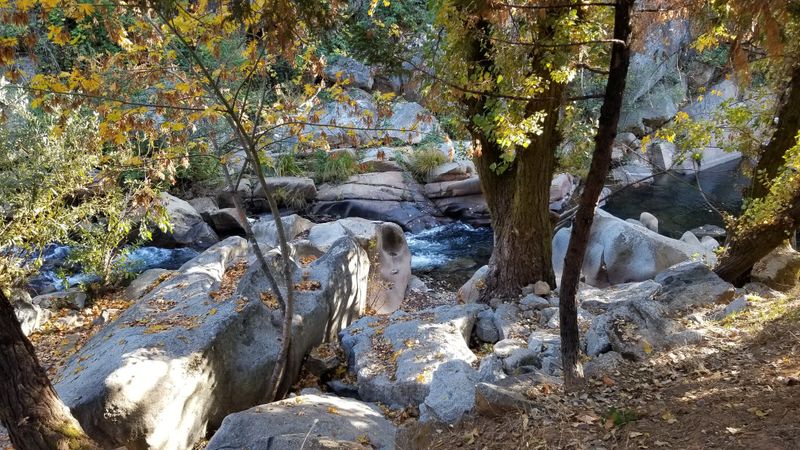
The South Yuba River still contains traces of the gold that drew thousands of prospectors to the area over 170 years ago, and several access points near Nevada City allow modern visitors to try their hand at panning.
The technique involves swirling water and sediment in a shallow pan, allowing heavier gold particles to settle at the bottom while lighter material washes away.
Learning the proper motion takes practice, but many first-timers manage to find at least a few tiny flakes during their attempts.
Public river access points along Highway 49 provide opportunities for recreational gold panning, though finding significant amounts requires patience and luck.
Some visitors bring their own pans, while others purchase or rent equipment from local shops that also offer basic instruction.
The activity works best during lower water levels in late summer and fall when river bars become accessible.
Whether or not the pan yields gold, the experience connects participants directly with the region’s history and the obsession that drove the Gold Rush.
Spending an afternoon by the river, learning traditional prospecting techniques, and perhaps discovering a tiny speck of gold creates a memorable and educational experience for families and history enthusiasts alike.
Cultural Festivals Celebrate Heritage And Arts
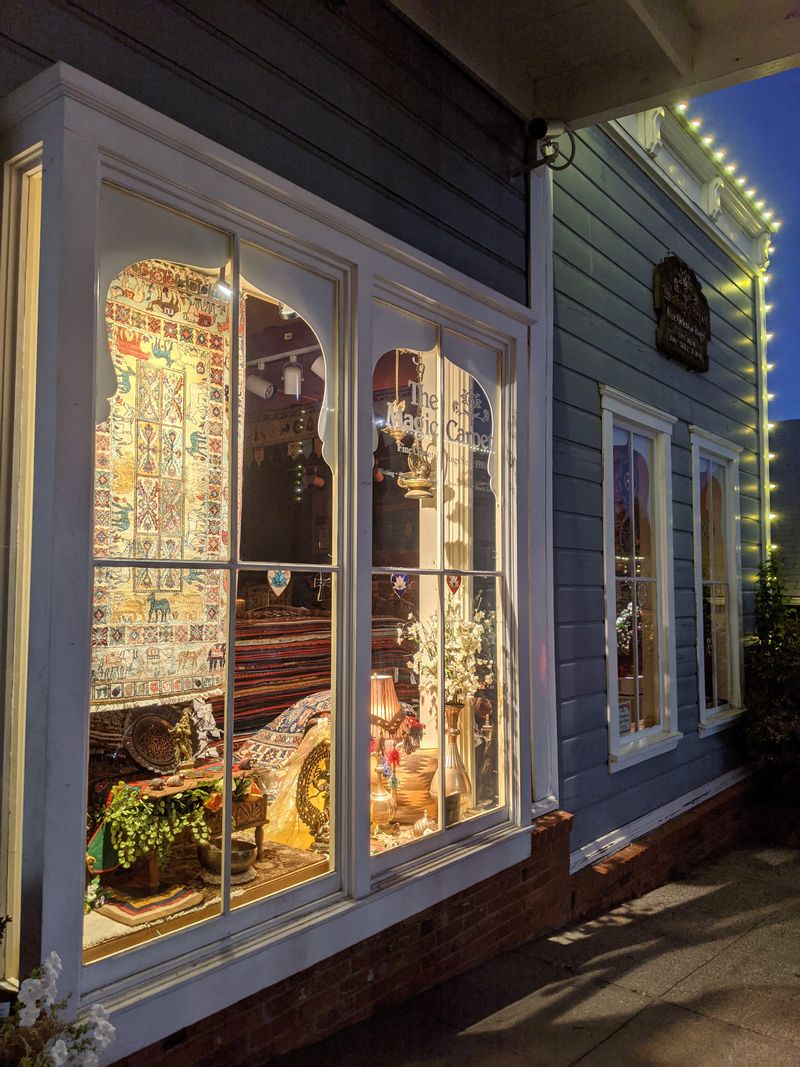
Throughout the year, Nevada City hosts festivals and events that draw visitors from across California and beyond, celebrating everything from film and music to seasonal traditions.
The Wild and Scenic Film Festival, held each January, showcases environmental and adventure films at venues throughout town, attracting filmmakers and outdoor enthusiasts.
Victorian Christmas, running for several weekends in December, transforms downtown into a holiday celebration with costumed carolers, horse-drawn carriages, and special performances that recreate the festive spirit of the 1800s.
Summer brings concerts in the park, art walks, and performances that take advantage of the pleasant mountain weather.
The Constitution Day Parade each September honors Nevada City’s history with period costumes, vintage vehicles, and community participation.
These events fill hotels and restaurants, creating a lively atmosphere that contrasts with the quieter weekdays.
Checking the local events calendar before planning a visit can enhance the experience, whether seeking the energy of a festival weekend or preferring the calm of an off-peak period.
The festivals showcase Nevada City’s active arts community and its commitment to celebrating both heritage and contemporary culture in ways that engage residents and visitors alike.
Outdoor Recreation Surrounds The Town
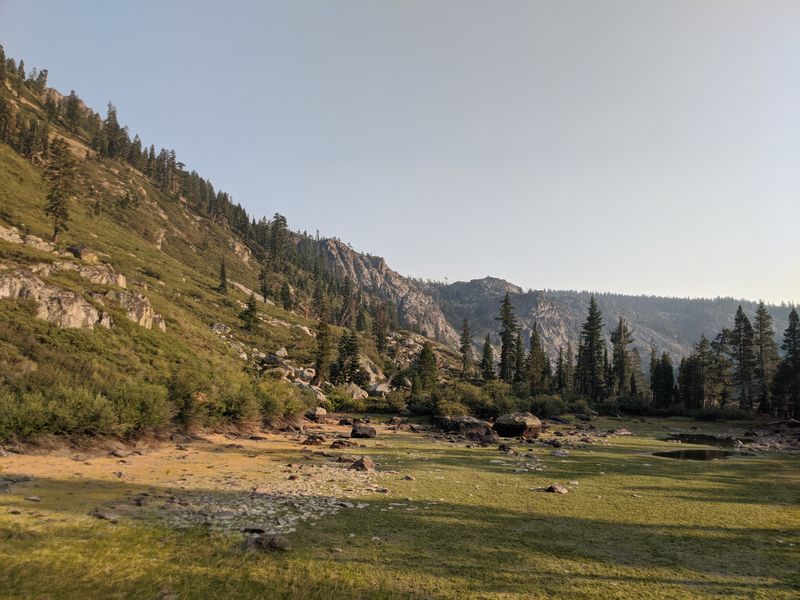
Nevada City’s location on the western slope of the Sierra Nevada provides access to extensive outdoor recreation opportunities within the surrounding Tahoe National Forest.
Hiking trails range from easy riverside walks to challenging mountain ascents, with options suitable for all fitness levels and interests.
Mountain biking trails crisscross the forested hillsides, offering both technical single-track and smoother fire roads with scenic views.
The South Yuba River and nearby reservoirs provide swimming, fishing, and kayaking opportunities during warmer months, with several public access points reachable by short drives from town.
Winter brings snow to higher elevations, opening possibilities for snowshoeing and cross-country skiing on forest trails.
The variety of landscapes within a 30-minute radius means visitors can combine historical exploration in town with outdoor adventures in the surrounding wilderness.
Local outdoor shops provide maps, gear, and advice for those unfamiliar with the area’s trails and access points.
The moderate elevation, around 2,500 feet, keeps summer temperatures comfortable while avoiding the extreme heat of the lower foothills.
This combination of historic charm and natural beauty makes Nevada City appealing to travelers who want both cultural experiences and outdoor activities during their visit.